Discovering the right s is a crucial step in optimizing your online presence, and leveraging artificial intelligence can significantly enhance this process. Understanding how to research s using AI empowers you to identify high-value terms with greater accuracy and efficiency, leading to better content targeting and improved search engine rankings.
This guide explores the essential tools and techniques for utilizing AI in research, from setting up the systems to analyzing data trends, refining your term lists, and automating ongoing research efforts. By integrating AI-driven methods into your workflow, you can stay ahead of evolving search patterns and optimize your content strategy effectively.
Understanding AI-Powered Research Tools

AI-powered research tools have revolutionized the way digital marketers and content creators identify relevant search terms. These tools leverage advanced artificial intelligence algorithms to analyze vast amounts of data, providing users with precise and actionable suggestions. By understanding how these tools operate, users can harness their full potential to optimize content, improve search engine rankings, and better connect with target audiences.
The core functionalities of AI-driven research platforms extend beyond simple suggestions. They incorporate machine learning models that interpret search intent, analyze competitor strategies, and evaluate difficulty. These features collectively enable users to develop a comprehensive strategy that aligns with their goals and market demands. The following table compares some prominent AI tools used for research, highlighting their main functions, unique features, and price ranges.
Features of AI-Powered Research Tools
| Tool Name | Main Function | Unique Feature | Price Range |
|---|---|---|---|
| SEMrush | Comprehensive analysis and competitive research | Gap Analysis – identifies s competitors rank for but you do not | $119.95 – $449.95 per month |
| Ahrefs | Search volume estimation and backlink analysis integration | Difficulty Score based on AI prediction models | $99 – $999 per month |
| Moz Explorer | suggestions and SERP analysis | Priority score that ranks s based on opportunity and potential impact | $99 – $599 per month |
| Ubersuggest | ideas, search volume, and difficulty metrics | AI-powered Content Ideas tool for related topics and questions | Free with limited features; Paid plans start at around $29/month |
| KWFinder | Long-tail identification and competition analysis | Trend Predictions based on historical data and AI models | $29.90 – $69.90 per month |
These tools integrate sophisticated AI algorithms that process search engine data, social media trends, and user behavior patterns to generate highly relevant s. The AI typically examines factors such as search volume fluctuations, sentiment analysis, and difficulty to suggest terms that offer the best search potential. By leveraging this technology, marketers can streamline their research process, uncover niche opportunities, and adapt swiftly to market changes with data-driven insights.
Setting Up AI Tools for Research
Effective implementation of AI-powered research tools requires a systematic setup process. Proper configuration ensures that these tools can deliver accurate, relevant, and actionable insights to optimize your content strategy. This section guides you through the essential steps to prepare your AI tools for maximum research efficiency.
Establishing a clear setup procedure involves understanding the prerequisites, creating appropriate accounts, inputting the correct data, and integrating the tools with your existing workflows. Following an organized checklist can simplify this process, minimize errors, and accelerate the deployment of AI technology in your research activities.
Prerequisites for AI Tool Configuration
Before initiating the setup of AI-powered research tools, it is crucial to ensure that all foundational requirements are in place. These prerequisites facilitate a smooth setup process and enable the tools to function optimally.
- Account Creation: Register for the AI tool service on the provider’s platform, ensuring you select the appropriate plan based on your research volume and feature needs.
- Access Permissions: Verify that you have admin or relevant permissions to integrate and configure the tools within your company’s digital environment.
- Data Input Methods: Determine the formats and sources for your seed s, such as CSV files, direct API integrations, or manual entry.
- Hardware and Software Requirements: Confirm that your system meets the necessary specifications, including internet connectivity, browser compatibility, and any required plugins or extensions.
- Integration Capabilities: Identify existing tools, such as content management systems or analytics platforms, that can be connected to your AI tools for seamless data sharing and enhanced functionality.
Organized Checklist for AI Tool Setup
Following a structured checklist helps streamline the configuration process, ensuring no critical step is overlooked. The steps Artikeld below serve as a practical guide for deploying AI-driven research tools effectively.
- Account Registration: Sign up on the AI tool provider’s platform, select the appropriate subscription plan, and verify your email.
- Initial Login and Setup: Log into your account, set up user preferences, and configure security settings such as two-factor authentication if available.
- Input Data Preparation: Gather your seed s, backlink data, or other relevant inputs. Prepare data in compatible formats like CSV or XLSX files.
- Data Upload: Upload your prepared datasets into the AI tool using the designated input methods, ensuring data accuracy and completeness.
- Configure Parameters: Adjust settings such as target locations, language preferences, search volume thresholds, and filters to tailor the research outputs.
- Connect Integrations: Link the AI tool with other marketing platforms such as Google Analytics, Google Search Console, or content management systems to facilitate comprehensive analysis.
- Test the Setup: Run initial queries or simulations to verify data processing accuracy and output relevance.
- Review and Optimize: Fine-tune parameters based on test results, and document the setup process for future reference or team onboarding.
Tip: Regularly update seed data and review integration points to keep your AI-powered research environment aligned with evolving marketing strategies and data sources.
Inputting Topics and Terms into AI Systems
Effectively entering initial topics or seed terms into AI-powered research tools is a foundational step in generating relevant and insightful suggestions. Proper input setup ensures that the AI system can interpret your intent accurately and produce optimized output tailored to your needs.
Accurate and strategic inputting of seed terms sets the stage for comprehensive exploration. It involves selecting precise terminology, providing relevant context, and utilizing modifiers to guide the AI in identifying the most pertinent s for your niche or campaign objectives.
Procedures for Entering Initial Topics or Seed Terms
To begin, choose clear, specific, and relevant seed terms that represent your primary topics. Many AI systems accept input through text fields where you can type or paste your s. Some platforms may also allow uploading lists or integrating with other tools for bulk input. It’s crucial to ensure that your seed terms are representative of your target audience’s search behavior and reflect current trends or product offerings.
When inputting topics, consider the following steps:
- Identify core s that encapsulate your main business or content themes.
- Use straightforward language that accurately describes your niche or target queries.
- Input these terms into the AI system, verifying that the platform recognizes and processes your input correctly.
Methods to Refine Input for Better Output
Refinement of seed terms enhances the relevance of generated s. Incorporating contextual clues and modifiers into your input helps AI systems understand the scope and nuances of your search intent. For instance, adding geographic indicators, product specifications, or target audience descriptors can narrow down the results to more actionable s.
Effective strategies include:
- Adding contextual modifiers: Use words like “best,” “affordable,” “2024,” or “local” to specify your focus.
- Including related terms: Incorporate synonyms or industry-specific jargon to broaden the scope or deepen relevance.
- Using descriptive phrases: Instead of generic terms, add descriptive phrases that clarify intent, such as “organic skincare products” instead of just “skincare.”
- Applying Boolean operators: When supported, use operators like AND, OR, NOT to combine or exclude specific terms for more precise results.
Effective input combines clarity with strategic modifiers, enabling AI tools to generate high-quality suggestions aligned with your goals.
Best Practices for Effective Input
To maximize the efficiency of AI-driven research, consider these best practices when inputting your seed topics:
- Start with a concise, well-defined core that captures the essence of your niche.
- Enhance seed terms with relevant modifiers that specify intent, location, or product features.
- Avoid overly broad or vague terms that may generate irrelevant suggestions.
- Test different variations of your seed terms to see which inputs yield the most actionable results.
- Utilize any platform-specific features, such as suggested prompts or preset templates, to guide your input process.
- Regularly update seed terms based on emerging trends, seasonal changes, or evolving business focus.
Leveraging AI to Discover Related Terms and Variations
Effective research extends beyond identifying primary terms; it involves uncovering a diverse range of related words, synonyms, and long-tail variations that can enhance content relevance and search visibility. AI-powered tools are invaluable in generating these variations efficiently and comprehensively, enabling marketers and content creators to explore the full spectrum of search intent behind a core term.
By utilizing AI for this purpose, users can systematically expand their lists, discover niche-specific phrases, and adapt to evolving language patterns. This approach ensures that campaigns are not only broad in scope but also precise in targeting the right audience, ultimately driving more organic traffic and improving search engine rankings.
AI for Generating Synonyms, Long-Tail Variations, and Related Phrases
Artificial Intelligence employs advanced natural language processing (NLP) algorithms to analyze vast datasets of web content, user queries, and linguistic patterns. These algorithms can generate a wide array of related terms rooted in semantic similarity, contextual relevance, and search intent. For example, given a core like “digital marketing,” AI tools can suggest synonyms such as “online advertising” or “internet marketing,” alongside longer, more specific variations like “best digital marketing strategies for small businesses” or “social media marketing tips.”
Such AI-generated variations allow marketers to target both broad and niche audiences effectively. Additionally, they help identify alternative phrasings that users may employ when searching, making content more discoverable and aligned with natural language usage. This process enhances the depth and breadth of research, providing a strategic advantage in competitive markets.
Comparison of AI Tools for Generating Variations
Different AI tools utilize varied methodologies and datasets to generate variations. Comparing these tools helps determine which provides the most relevant and comprehensive results for specific needs. The primary factors to consider include accuracy, diversity of suggestions, ease of use, and integration capabilities with existing workflows.
For example, some tools leverage large language models like GPT-3 to produce highly context-aware variations, while others rely on proprietary databases or search engine data to generate more popular or trending terms. Combining outputs from multiple tools can optimize both breadth and relevance, ensuring a well-rounded strategy.
| Original Term | Variations Generated | Use Cases |
|---|---|---|
| Digital marketing | Online advertising, Internet marketing, Digital marketing strategies, Social media promotion, Content marketing | Content planning, optimization, PPC campaigns, Social media content, Blog topics |
| Healthy eating | Nutritious diet, Balanced nutrition, Clean eating habits, Healthy meal plans, Organic food choices | Health blogs, Nutrition guides, Wellness programs, Recipe development, Lifestyle articles |
| E-commerce | Online shopping platforms, Digital retail, Internet sales, E-commerce solutions, Mobile shopping apps | Website content, Product descriptions, Marketing campaigns, UX improvements, Market research |
By analyzing the variations generated by AI tools across different contexts, users can identify opportunities to target specific audience segments, address long-tail search queries, and improve overall content relevance. Combining these insights with strategic planning leads to more effective targeting and better search performance.
Analyzing Data Trends and Volume with AI
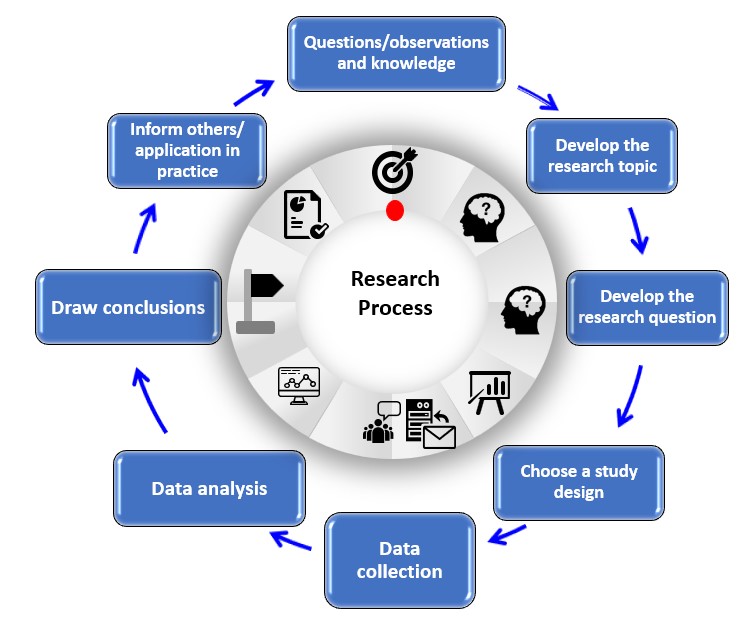
Effective research extends beyond identifying relevant terms; understanding how search interest fluctuates over time provides valuable insight into consumer behavior and seasonal patterns. AI-powered tools excel at interpreting vast datasets to reveal these trends, enabling marketers and content creators to craft strategies aligned with current and anticipated search behaviors. By analyzing search volume patterns and seasonal fluctuations, users can optimize content release timings, identify emerging opportunities, and refine their targeting for maximum impact.
AI interprets search volume patterns by analyzing historical data to identify recurring cycles, sudden spikes, or declines in interest. These systems utilize machine learning algorithms to detect subtle trend shifts that might not be immediately apparent through manual analysis. Additionally, AI tools often incorporate data from various geographic regions, giving a comprehensive view of regional variations and seasonal influences. Visualization of this data through generated charts and tables helps simplify complex patterns, making it easier to make informed decisions based on quantitative evidence.
Visualizing Trend Data with Charts and Tables
Visual representation of trend data enhances comprehension and offers a quick overview of search behaviors over specific periods. AI tools typically generate intuitive line charts, bar graphs, or heat maps that illustrate search volume fluctuations over time, highlighting peak periods and seasonal dips. These visualizations are crucial for spotting emergent trends early and adjusting marketing strategies accordingly.
To facilitate detailed analysis, trend data can be organized into structured tables. An example layout includes columns for the search term, search volume, trend indicator, and the relevant period. Such tables enable comparative analysis across multiple s or time frames, providing clarity on which terms are gaining traction and which are waning. An example table structure is as follows:
Term Search Volume Trend Indicator Period Wireless Earbuds 12,450 Upward Q1 2024 Fitness Tracker 8,900 Stable Q1 2024 Outdoor Grill 6,300 Downward Q1 2024 Summer Clothing 15,200 Seasonal Peak June-August 2024
Through these visual and tabular analyses, AI tools help users identify not only the current popularity of s but also their seasonal trends and potential future movements. Recognizing these patterns allows for strategic planning, such as timing campaign launches or content updates to coincide with peak interest periods, thereby maximizing visibility and engagement.
Filtering and Prioritizing Terms Using AI

Once a comprehensive list of potential s has been generated, the next crucial step involves filtering out low-value terms and prioritizing the most impactful ones. Leveraging AI tools for this process enhances efficiency, accuracy, and strategic decision-making. By systematically eliminating irrelevant or overly competitive s and focusing on those with optimal relevance and opportunity, content creators and marketers can maximize their effectiveness and campaign ROI.
AI-powered filtering and prioritization involve employing algorithms that analyze various parameters such as search volume, competition level, relevance to the target audience, and potential conversion impact. This allows users to streamline their lists, ensuring resources are concentrated on terms that are both attainable and meaningful within their niche or industry.
Procedures for Eliminating Low-Value Terms with AI
Effective filtering begins with establishing criteria that define low-value s. AI systems can automatically assess these criteria by analyzing data points such as minimal search volume, high competition, or low relevance scores. The following procedures facilitate this process:
- Set Thresholds for Key Metrics: Define minimum acceptable search volume, relevance scores, and competition levels within your AI tool. For example, exclude s with monthly search volumes below 100 or relevance scores below 50%.
- Utilize AI Filters and Rules: Apply predefined filtering rules within your AI platform to automatically exclude terms that do not meet your set thresholds, saving time and ensuring consistent criteria application.
- Leverage Machine Learning Models: Use AI models trained to identify low-value s based on historical performance data, such as s with high bounce rates or low conversion rates, which can be flagged for removal.
- Regularly Update Filters: Continuously review and adjust filtering criteria based on evolving market trends and performance insights to maintain an effective list.
Techniques for Scoring and Ranking s
Prioritization involves assigning scores to s based on their potential impact, competitiveness, and alignment with strategic goals. Scoring enables stakeholders to focus efforts on high-value terms. The following techniques are commonly employed:
- Relevance Score: Measures how closely a aligns with your content or business offerings, often derived from semantic analysis within AI tools.
- Search Volume: Quantifies the number of searches per month, indicating the ’s popularity and potential reach.
- Difficulty or Competition Score: Assesses how competitive a is, informing whether it is feasible to rank for that term.
- Conversion Potential: Estimates the likelihood that ranking for a term will lead to desired actions, such as purchases or sign-ups, based on historical data.
Weighted scoring combines these factors to produce an overall score, aiding in ranking and prioritization.
Sample Scoring Grid with Criteria and Weights
To systematically evaluate and prioritize s, a scoring grid assigns weighted values to key criteria. Here is an illustrative example:
| Criteria | Description | Weight | Scoring Method |
|---|---|---|---|
| Search Volume | Average monthly searches for the | 30% | Scale 1-10 based on volume thresholds; higher volume gets higher scores |
| Relevance | Alignment with content and business goals | 25% | Semantic similarity scores from AI analysis; high relevance equals higher scores |
| Difficulty | Level of competition and ranking challenge | 20% | Inverse scoring; lower difficulty yields higher scores |
| Conversion Potential | Estimated likelihood of achieving conversions | 25% | Based on historical performance data; higher potential yields higher scores |
Each is evaluated against these criteria, and the weighted scores are summed to produce an overall priority ranking. s scoring above a predetermined threshold are selected for further optimization efforts. This structured approach ensures data-driven decision-making, enabling teams to focus on terms with the highest strategic value.
Automating Continuous Research with AI

Implementing an automated system for ongoing research ensures that your digital strategies remain current and competitive. AI-powered tools facilitate continuous monitoring of search trends, competitor activities, and market shifts, allowing marketers to adapt promptly and accurately to evolving online environments. Establishing such automation not only streamlines workflows but also enhances the precision of insights gathered over time.
By setting up AI systems for perpetual research, organizations can benefit from real-time updates and scheduled reports that keep their strategies dynamically aligned with market demands. This proactive approach minimizes manual effort while maximizing the relevance and effectiveness of targeting, ultimately supporting sustained search visibility and sustained audience engagement.
Setting Up Ongoing Monitoring and Updates via AI Systems
Effective continuous research begins with configuring AI tools to monitor relevant data sources consistently. This involves integrating APIs from search engines, social media platforms, and industry-specific databases to gather fresh data automatically. AI systems can be programmed to track fluctuations in search volume, emerging related terms, or competitor shifts, providing a comprehensive overview of the current landscape.
Establishing parameters such as frequency of data collection, specific s or topics of interest, and alert thresholds ensures that updates are both timely and relevant. Advanced AI platforms enable users to customize dashboards where real-time metrics, trend analyses, and anomaly detections are displayed, facilitating immediate insights and strategic adjustments.
Configuring Schedules for Automated Reports and Alerts
Automated reporting plays a critical role in maintaining a continuous research cycle. By scheduling regular report generation—daily, weekly, or monthly—AI tools can compile comprehensive summaries of performance, emerging trends, and competitive movements. These reports can be configured to include visual data representations such as graphs and heatmaps, offering clear insights at a glance.
In addition to reports, setting up real-time alerts ensures that key changes trigger immediate notifications. For example, a sudden spike in search volume for a particular term or a significant drop in competitor rankings can prompt rapid responses. Utilizing email notifications, in-app alerts, or integrations with project management tools enhances responsiveness and keeps teams informed without manual oversight.
Illustrating Recurring Research Workflows with a Flow Diagram
Visualizing the recurring processes involved in automated research can clarify workflows and highlight points for optimization. A typical flow diagram includes stages such as data collection, analysis, reporting, and action steps, forming a continuous loop that embodies ongoing research efforts.
The workflow begins with AI systems fetching fresh data from designated sources. Next, the data undergoes analysis to identify trends, volume changes, and new related terms. The results are then compiled into automated reports or dashboard updates. Based on these insights, strategic decisions are made, such as adjusting focus or launching new campaigns. The process repeats at configured intervals, ensuring that the research remains current and responsive to market dynamics.
Automating recurring research workflows with AI transforms manual efforts into seamless, real-time processes that adapt to the fast-changing digital landscape, supporting strategic agility and sustained visibility.
Ethical and Practical Considerations in AI-Driven Research
Integrating AI into research processes offers numerous advantages, including efficiency and the ability to uncover insights at scale. However, it also necessitates a careful approach to ensure that the data generated is accurate, responsible, and ethically sound. Understanding these considerations is essential for maintaining integrity and maximizing the benefits of AI-powered research methods.
Responsible use of AI tools involves being vigilant about data validity, respecting privacy standards, and adhering to ethical guidelines that prevent misuse. As AI systems are trained on vast datasets, they may inadvertently produce biased or outdated information. Therefore, researchers must implement checks and balances to validate AI outputs and avoid over-reliance on automated suggestions without human oversight.
Verification of AI-Generated Data Accuracy
AI systems can synthesize and suggest s based on patterns learned from large datasets, but they are not infallible. Discrepancies or inaccuracies can emerge due to outdated data, bias, or limitations in the model’s training. Ensuring the accuracy of AI-generated data involves cross-referencing with authoritative sources, conducting manual reviews, and using multiple AI tools to corroborate findings.
“AI outputs should complement human judgment, not replace it.”
For example, if an AI tool suggests a spike in search volume for a specific , verifying this trend through Google Trends or industry reports can prevent misinformed decisions. Regular validation enhances the trustworthiness of your research and prevents costly mistakes based on erroneous data.
Guidelines for Responsible Use of AI in Research
To ethically harness AI tools in research, practitioners should adhere to the following principles:
- Maintain transparency about the use of AI-generated insights in decision-making processes.
- Prioritize data privacy by avoiding the collection or utilization of sensitive or personally identifiable information without explicit consent.
- Ensure diversity in training data to minimize bias and promote fair representation of different perspectives.
- Use AI outputs as a starting point, supplementing with human expertise and contextual understanding.
- Regularly update AI tools and datasets to reflect current trends, avoiding reliance on outdated information.
- Document methodologies and decision processes to foster accountability and facilitate audits.
Key Points in Ethical Best Practices
Implementing ethical standards in AI-driven research is vital for maintaining credibility and avoiding potential legal or reputational issues. The following key points serve as a guide for responsible practice:
- Verify Data Sources: Always cross-check AI-generated data against reputable sources to confirm accuracy.
- Respect Privacy: Use AI tools that comply with data privacy laws such as GDPR or CCPA, and avoid collecting sensitive information without consent.
- Mitigate Bias: Be aware of potential biases in training datasets and actively work to identify and reduce their impact on research outcomes.
- Maintain Human Oversight: Combine AI insights with expert judgment to ensure nuanced understanding and contextual relevance.
- Promote Transparency: Clearly communicate when AI tools are used and how they influence research findings.
- Stay Updated: Continually monitor advancements in AI ethics and best practices to adapt your processes accordingly.
Epilogue
Incorporating AI into your research strategy offers a powerful advantage in the competitive digital landscape. By understanding and applying these techniques, you can uncover valuable insights, streamline your research process, and continuously adapt to search trend changes. Embracing AI tools ensures your efforts remain both innovative and effective, paving the way for sustained online success.