Understanding how to research competitor s using ai offers a strategic advantage in the dynamic landscape of digital marketing. Leveraging artificial intelligence tools enables businesses to gain deeper insights into competitors’ content strategies, uncover emerging trends, and identify valuable opportunities that may be overlooked through traditional analysis methods. This approach not only enhances efficiency but also provides a competitive edge by delivering data-driven insights with greater accuracy and speed.
By setting up robust AI-based frameworks, analyzing digital footprints, and continuously monitoring shifts in competitor tactics, organizations can refine their strategies proactively. The integration of AI-powered analysis transforms the way businesses approach market research, making it a crucial component of modern digital competitiveness. From initial data collection to strategic interpretation, AI-driven techniques facilitate a comprehensive understanding of the competitive landscape.
Overview of AI tools for competitor research
In the rapidly evolving digital marketplace, leveraging artificial intelligence (AI) for competitor research has become an essential strategy for gaining a competitive edge. AI tools facilitate a deeper understanding of competitors’ online strategies, targeting, and content performance. These advanced technologies enable marketers and analysts to make data-driven decisions more efficiently than traditional manual methods.
AI applications in competitor research encompass a broad range of functionalities, from data collection and analysis to predictive modeling. By utilizing these tools, businesses can identify emerging trends, uncover gaps in the market, and refine their own and content strategies to outperform rivals. The integration of AI into competitor analysis not only accelerates the research process but also enhances accuracy, allowing for more strategic decision-making.
Role of artificial intelligence in understanding competitor strategies
Artificial intelligence plays a pivotal role in deciphering complex competitor strategies by processing vast amounts of online data. AI algorithms can analyze competitors’ websites, backlinks, content, and footprints to reveal their strengths and weaknesses. This comprehensive insight enables businesses to adapt their marketing tactics proactively, optimize their targeting, and identify high-value opportunities.
Additionally, AI-powered sentiment analysis tools assess public perception of competitors by examining reviews, social media interactions, and news mentions. This helps in understanding not just what competitors are doing, but also how they are perceived in the marketplace, offering a nuanced view of their strategy effectiveness.
Types of AI applications used in research
Several AI-driven applications are designed specifically to enhance research efforts. These tools utilize machine learning, natural language processing (NLP), and data analytics to generate actionable insights and suggest optimal s. The most prominent types include:
| Type of AI Application | Functionality | Examples |
|---|---|---|
| Suggestion Tools | Generate relevant ideas based on competitor content, search intent, and trending topics. They analyze large datasets to identify high-volume and low-competition s. | SEMrush, Ahrefs Explorer, Ubersuggest |
| Search Intent Analysis | Use NLP to interpret the intent behind search queries, helping marketers target s aligning with user needs and behaviors. | MarketMuse, BrightEdge |
| Predictive Modeling | Leverage machine learning to forecast performance, helping prioritize s with the highest growth potential. | LongTailPro, Insights by SEMrush |
| Content Gap Analysis | Identify s competitors rank for that your site does not, revealing opportunities to expand content and improve search visibility. | SpyFu, Moz Link Explorer |
Advantages of using AI over traditional methods in competitor analysis
Implementing AI-powered tools in competitor research offers significant advantages over conventional manual approaches. Firstly, AI dramatically accelerates data collection and processing, enabling real-time or near-real-time analysis of competitors’ online activities. This immediacy grants businesses the agility to adapt strategies swiftly in response to market shifts.
Secondly, AI enhances the depth and accuracy of insights by analyzing diverse data sources—websites, social media, backlinks, and more—simultaneously. The ability of AI algorithms to identify patterns, correlations, and emerging trends surpasses human capabilities, resulting in more comprehensive and reliable competitor profiles.
Furthermore, AI reduces human bias and error, providing objective, data-driven recommendations. It also enables scalability; as your competitive landscape expands, AI tools can efficiently handle increased data volume without proportionally increasing resource investment. Ultimately, AI-driven competitor analysis supports smarter decision-making, optimized strategies, and sustained competitive advantage in an increasingly complex digital environment.
Setting up AI-based research frameworks
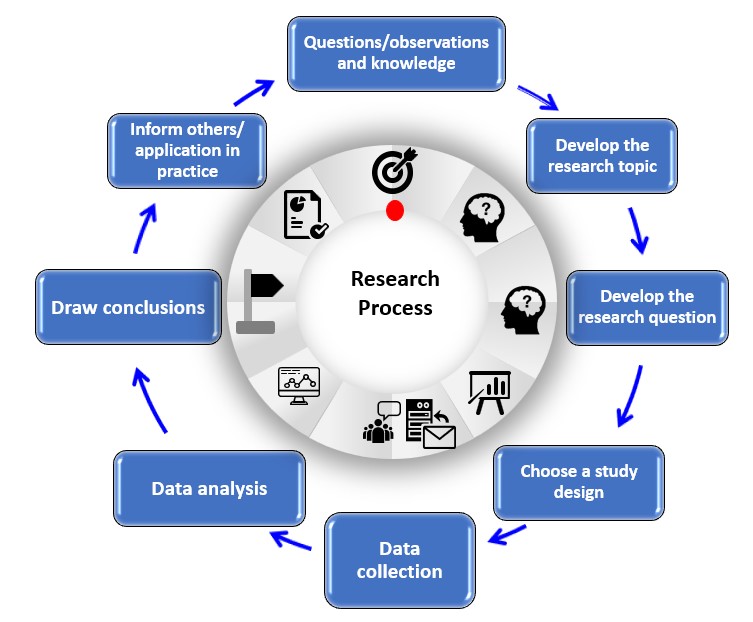
Establishing an effective AI-driven framework for competitor research is essential to streamline data collection, analysis, and strategic decision-making. Proper configuration ensures that AI tools function optimally, providing accurate insights that inform your and content strategies. A well-structured framework integrates seamlessly with existing workflows, enhancing efficiency and enabling continuous monitoring of competitive landscapes.
Developing a robust AI research setup involves several key steps, including configuring the tools for specific analysis types, defining input sources, and setting parameters for data processing. Adopting best practices in integration and organization allows marketers and analysts to leverage AI capabilities fully, resulting in more precise and actionable competitor insights.
Configuring AI tools for analyzing competitor outputs
Configuring AI tools effectively requires understanding the specific functionalities and customization options available within each platform. This process involves setting the correct parameters to focus the analysis on relevant s, competitor domains, and industry-specific data. Accurate configuration minimizes noise and ensures the AI generates insights aligned with your strategic goals.
Start by defining the scope of the analysis, including target competitors, industry sectors, and geographic regions. Many AI tools offer options to customize data collection frequency, filters, and language settings, which should be tailored to your research needs. Implementing rule-based parameters or machine learning models can enhance data relevancy, especially when analyzing large datasets or ongoing competitor activities.
Best practices for integrating AI platforms with existing research workflows
Seamless integration of AI tools into existing workflows maximizes efficiency and data coherence across different stages of competitor analysis. It involves establishing standardized procedures for data collection, storage, and interpretation, ensuring that insights are accessible and actionable within your current systems.
Best practices include automating data input processes through APIs or direct integrations with your content management or analytics platforms, which reduces manual effort and minimizes errors. Establishing clear protocols for data validation and regular updates ensures that the AI outputs remain current and reliable. Additionally, training team members on how to interpret AI-generated insights fosters better decision-making and encourages collaborative efforts across marketing, , and research teams.
Organizing procedures for establishing data input sources and parameters for AI processing
Defining structured procedures for data input sources is critical to generating relevant and high-quality outputs from AI tools. This involves selecting appropriate data feeds, such as competitor websites, backlinks, social media activity, and rankings, and ensuring their continuous and reliable collection.
Begin by identifying primary data sources that align with your research objectives. For example, if the goal is to analyze strategy shifts, focus on tracking tools and SERP analysis data. Establish clear parameters for data collection, such as frequency (daily, weekly), scope (local, global), and data depth (full reports, summarized insights). Automating data import processes through scripts or integrations ensures consistency and timeliness.
Moreover, implement validation routines to verify data accuracy and completeness. Use blockquote comments to remind team members:
“Accurate input data is the foundation of reliable AI analysis.”
Regular review and adjustment of input sources and parameters help adapt to changing competitor strategies and industry dynamics, maintaining the robustness of your research framework.
Identifying competitors and gathering initial data
Establishing a comprehensive understanding of the competitive landscape is a fundamental step in any effective research strategy. By accurately identifying key competitors and systematically collecting relevant digital data, businesses can gain valuable insights into market positioning, content strategies, and audience engagement. Leveraging AI tools enables a more efficient and thorough approach, allowing for the automation and refinement of data collection processes.
This stage sets the foundation for strategic analysis and informed decision-making in subsequent phases of competitor research.In this section, we explore methods to select relevant competitors based on their market positioning, as well as techniques to compile their digital footprints. Additionally, we will discuss designing workflows that automate data collection from various digital channels, including websites and social media platforms, ensuring a scalable and consistent research process.
Selecting Key Competitors Based on Market Positioning
Choosing the right competitors is critical for meaningful analysis and actionable insights. The process involves evaluating market leaders, emerging brands, and niche players within the relevant industry or niche segment. AI-driven tools can assist in this selection by analyzing metrics such as search visibility, website traffic, social media engagement, and content breadth. Effective methods include:
- Utilizing AI-powered market intelligence platforms to identify top-ranking websites and brands in your industry.
- Analyzing search engine results pages (SERPs) to see which competitors consistently appear for relevant s.
- Applying clustering algorithms to categorize competitors based on similarities in content themes, audience demographics, and digital footprint size.
These approaches help create a prioritized list of competitors whose online activities merit closer examination, ensuring resources are focused on the most impactful targets.
Compiling Competitor Content and Digital Footprints for AI Analysis
Gathering comprehensive digital footprints involves collecting data across multiple channels where competitors establish their online presence. This encompasses website content, social media profiles, backlinks, metadata, and engagement metrics. To facilitate AI analysis, data should be structured and stored systematically, allowing for easy retrieval and pattern recognition. Effective practices include:
- Extracting website content through web scraping tools that can systematically harvest pages, blog posts, product descriptions, and metadata.
- Using APIs provided by social media platforms to gather posts, engagement data, follower counts, and posting frequencies.
- Compiling backlink profiles using AI tools that analyze link sources, anchor texts, and domain authority, providing insights into content outreach and authority.
- Aggregating data into structured formats such as JSON or CSV files, with clear labeling of sources, timestamps, and content types to support AI-driven analysis.
This comprehensive dataset enables comparative analysis, trend spotting, and identifying content gaps or opportunities.
Designing Automated Data Collection Workflows
Automating the data collection process enhances efficiency, reduces manual effort, and ensures consistency. AI-integrated workflows can be designed to continuously monitor and update competitor data, providing real-time insights.Key components of such workflows include:
- Implementing web crawlers and scrapers that can navigate competitor websites, extract relevant content, and update data repositories regularly.
- Integrating social media APIs to pull recent posts, engagement metrics, and follower data at scheduled intervals.
- Using AI-based tools to identify new backlinks or mentions across the web, alerting analysts to shifts in competitors’ backlink profiles.
- Establishing data pipelines that automatically process raw data, clean it, and feed it into analysis modules without manual intervention.
Furthermore, employing cloud-based platforms and scheduling tools ensures scalability and continuous operation, allowing businesses to maintain a real-time competitive overview and adapt strategies promptly based on the latest digital footprints.
Extracting Strategic Insights from AI Outputs

After gathering comprehensive data from AI-driven competitor research, the next critical step involves interpreting this information to uncover strategic insights. This process transforms raw AI-generated data into actionable intelligence, enabling businesses to identify market gaps, evaluate competitive positioning, and discover new opportunities. Effectively extracting these insights requires a structured approach to analyze patterns, themes, and discrepancies within the data.
By systematically understanding AI outputs, marketers and strategists can make informed decisions that enhance content development, targeting, and overall competitive advantage. This involves categorizing competitors based on content themes, emphasizing key s, and highlighting areas where competitors may be underperforming or excelling, providing a clear pathway for strategic refinement.
Methods for Interpreting AI-Generated Data to Identify Gaps and Opportunities
Interpreting AI outputs involves a combination of analytical techniques and critical thinking to discern meaningful patterns. Start by examining frequency and relevance across competitors, noting which s are dominant and which are overlooked. AI tools often produce ranked lists or heatmaps that visualize prominence, helping to identify niche areas that competitors may have neglected.
Analyzing content gaps involves comparing the AI-suggested s and themes against your existing content strategy. For example, if AI highlights a high volume of searches around “sustainable packaging solutions” in your industry, yet your competitors’ content lacks depth in this area, it signals an opportunity to develop targeted content that addresses this niche.
Additionally, AI outputs can reveal strategic deviations among competitors, such as differing emphasis on certain s or themes, indicating varied positioning. Recognizing these differences allows for the selection of unique value propositions or underserved segments, thus guiding your content and strategies effectively.
Procedures for Categorizing Competitors by Content Themes and Emphasis
Effective categorization begins with grouping competitors based on their primary content themes and the s they prioritize. Utilize AI-generated data to map s to specific content categories, such as product features, customer service, or sustainability initiatives. This process involves creating thematic clusters that reflect the core focus areas of each competitor.
For example, if AI outputs show that Competitor A emphasizes “eco-friendly materials” and “recycling programs,” while Competitor B focuses on “cost-effective packaging” and “product reliability,” these themes can be visually organized into distinct clusters. Such categorization assists in identifying competitive strengths and weaknesses within each thematic area.
To facilitate this, construct a matrix or table that lists competitors against their primary themes and emphasis. This visual summary enables quick comparison and highlights areas where your content can differentiate or expand upon existing topics.
Examples of Visual Summaries Illustrating Strategic Differences
Visual summaries such as tables or blockquotes serve as effective tools to communicate strategic insights derived from AI data analysis. For instance, a table comparing competitors across key content themes might look like this:
| Competitor | Primary Content Theme | Key s | Strategic Positioning |
|---|---|---|---|
| Competitor A | Sustainable Packaging | eco-friendly, recycling, biodegradable | Leader in eco-solutions with comprehensive content |
| Competitor B | Cost Efficiency | affordable, budget-friendly, economical | Focuses on price competitiveness, less on sustainability |
| Competitor C | Product Reliability | durability, quality, assurance | Specializes in product longevity and quality assurance |
Alternatively, a blockquote can succinctly highlight a key insight, such as:
“While Competitor A dominates the sustainability theme with extensive coverage, there exists an opportunity to develop content around emerging eco-friendly innovations that competitors have yet to address comprehensively.”
These visual tools provide a clear, strategic overview of the competitive landscape, highlighting areas for differentiation, content gaps, and potential opportunities to refine your and content strategies effectively.
Utilizing AI for ongoing competitor monitoring

Effective competitor monitoring is essential for maintaining a strategic edge in dynamic markets. Leveraging AI tools enables continual observation of competitors’ tactics, content strategies, and overall online presence with minimal manual effort. This proactive approach allows businesses to respond swiftly to market shifts, identify emerging trends, and adjust their own strategies accordingly, ensuring sustained competitiveness and relevance.AI-powered monitoring transforms traditional static analyses into real-time, adaptive processes.
By automating the tracking of key metrics and signals, organizations can maintain an up-to-date understanding of competitive movements, thereby facilitating timely decision-making. The integration of AI into ongoing monitoring ensures that businesses are not only reactive but also anticipatory in their strategic planning.
Designing automated alerts for changes in competitor tactics
To stay ahead in a competitive landscape, establishing automated alerts is crucial for detecting changes in competitors’ strategies promptly. These alerts are configured within AI tools to notify users when specific triggers occur, such as sudden increases in rankings, the emergence of new s, or shifts in focus.The setup process involves defining key performance indicators (KPIs) and setting threshold parameters for alerts.
For example, an alert can be configured to notify when a competitor’s ranking for a target improves by more than three positions within a week or when a new high-volume appears in their content. Using AI platforms, such as SEMrush, Ahrefs, or custom NLP-based solutions, these alerts can be automated to run continuously and deliver notifications via email or integrated dashboards.
Automated alerts enable marketers to respond rapidly to competitive moves, ensuring strategic agility and timely countermeasures.
Setting up periodic reports to track shifts in content focus
Regularly generated reports provide valuable insights into how competitors are shifting their content and focus over time. Setting up AI-driven automated reporting allows organizations to monitor trends, identify seasonal patterns, and detect strategic pivots.This process involves scheduling AI systems to analyze competitors’ websites, blogs, and social media channels at predefined intervals—such as weekly or monthly. The AI tools can compile data on usage, content themes, and engagement metrics, generating comprehensive reports that highlight significant shifts.
These reports typically include visualizations like trend lines, heat maps, and comparative tables, enabling quick interpretation of complex data.Platforms like Google Data Studio integrated with AI analytics tools facilitate the creation of interactive, dynamic reports that update automatically, ensuring stakeholders always have access to current intelligence.
Organizing monitoring results into responsive HTML tables for easy review
Presenting ongoing monitoring data in an organized, accessible manner enhances decision-making efficiency. Responsive HTML tables are an effective way to display large volumes of competitor data, allowing users to filter, sort, and navigate information seamlessly across devices.The organization process involves structuring data into logical columns such as competitor name, s, ranking positions, content focus areas, and recent activity timestamps. Using responsive design principles ensures that tables adapt to various screen sizes, maintaining readability and usability on desktops, tablets, and smartphones.Additionally, incorporating features like collapsible rows, sortable columns, and real-time updates within these tables enables teams to perform quick scans, identify patterns, and prioritize actions without the need for complex spreadsheets or static reports.
This approach fosters a more agile and informed competitive strategy.
Comparing AI-assisted Research with Manual Efforts

Engaging in competitor research traditionally involved manual data collection, analysis, and interpretation, often requiring significant time and resources. With the advent of artificial intelligence, researchers now have access to advanced tools that can automate and enhance many aspects of this process. Comparing AI-assisted methods to manual efforts helps marketers understand the added value, efficiency, and accuracy that AI brings to competitive analysis, enabling more informed decision-making and strategic planning.While manual research relies heavily on human intuition, experience, and painstaking data collection, AI-driven research leverages algorithms to process vast datasets rapidly, identify patterns, and generate strategic insights.
This comparison illuminates not only the strengths and limitations of each approach but also provides guidance on integrating both for optimal results.
Benchmarking AI-generated Insights Against Traditional Research Methods
Benchmarking involves systematically evaluating the results produced by AI tools against insights derived from conventional manual research. This process ensures the reliability of AI outputs and helps identify potential gaps or biases. When benchmarking, consider the following steps:
- Establish clear metrics for comparison, such as accuracy, comprehensiveness, and relevance of identification.
- Compare a sample set of competitor s obtained through AI tools with those gathered manually, noting overlaps, omissions, and novel findings.
- Assess the depth of insights: Manual efforts might reveal nuanced contextual understanding, while AI can surface large-scale data trends.
- Track the time spent on each method to evaluate efficiency gains offered by AI tools.
- Document discrepancies and analyze the reasons behind them to refine both research approaches.
“Effective benchmarking bridges the gap between automated precision and human contextual insights, ensuring comprehensive competitive intelligence.”
Validating AI Findings Through Cross-Referencing with Manual Data
Validation is crucial to confirm that AI-generated insights are accurate, relevant, and actionable. Cross-referencing involves comparing AI outputs with manually collected data to verify consistency and uncover potential errors.Key techniques include:
- Performing spot checks on AI-derived s and data points by manually verifying their relevance and accuracy against trusted sources such as industry reports or direct competitor websites.
- Using manual research to validate the strategic importance of AI-identified s, ensuring they align with current market trends and competitor activities.
- Cross-referencing data sets by creating side-by-side comparisons, highlighting overlaps and discrepancies using structured formats like HTML tables for clarity.
- Employing logical validation by checking if AI insights adhere to known industry patterns, customer behaviors, and historical data trends.
- Continuously updating and refining AI algorithms based on manual verification outcomes to improve future research accuracy.
Organizing Comparative Summaries Within HTML Tables for Clarity
Presenting the comparison of AI-assisted and manual research outputs in organized HTML tables enhances clarity and facilitates quick analysis. Structured tables allow stakeholders to easily identify differences, similarities, and validation status at a glance.A typical comparative table might include columns such as:
/Insight | AI-generated Data | Manually Collected Data | Validation Status | Notes
Advantages of using HTML tables include:
- Clear visual representation of data overlaps and unique findings.
- Easy to update as new data is validated or as insights evolve.
- Facilitates sharing with team members or stakeholders for collaborative review.
- Supports filtering and sorting to prioritize key insights based on relevance or accuracy.
Proper organization and consistent formatting within these tables streamline the decision-making process and foster a comprehensive understanding of how AI tools complement traditional research efforts, ultimately leading to more robust and actionable competitor insights.
Ethical considerations and best practices
In the realm of competitor research using AI, establishing ethical standards is fundamental to ensuring responsible and sustainable practices. While AI tools offer unprecedented insights and efficiency, their use must be guided by principles that respect data privacy, fairness, and transparency. Implementing these standards not only upholds the integrity of the research process but also builds trust with stakeholders and maintain compliance with legal frameworks.Responsible use of AI in competitive research involves balancing the pursuit of strategic advantage with respect for ethical boundaries.
Misuse or neglect of ethical guidelines can lead to data breaches, biased insights, or reputational damage. Therefore, organizations must adopt comprehensive frameworks that address privacy concerns, mitigate bias, and promote transparency in AI-driven activities.
Guidelines for responsible use of AI in competitor research
Effective responsible practices begin with clear internal policies that define acceptable AI applications, data collection methods, and analysis procedures. These include ensuring that AI tools are used solely for lawful purposes, avoiding manipulative tactics, and maintaining accuracy in reporting. Transparency regarding the AI’s role in analysis helps prevent misinterpretations and maintains integrity. Organizations should also commit to ongoing training for staff to understand ethical implications and to stay updated with evolving regulations.Another critical aspect is establishing accountability measures that assign clear responsibility for ethical breaches or errors.
Regular audits of AI processes can identify potential issues early and ensure compliance with established standards. Engaging legal and ethical experts in the development of AI strategies further reinforces responsible use.
Frameworks for ensuring data privacy and avoiding bias
Data privacy is paramount when collecting and analyzing competitor information, especially when dealing with sensitive or proprietary data. Organizations should adhere to regulations such as the General Data Protection Regulation (GDPR) or the California Consumer Privacy Act (CCPA), which set standards for data collection, storage, and processing. Implementing data minimization principles—collecting only what is necessary—reduces exposure risk.To ensure fairness and reduce bias, organizations need rigorous validation processes.
This involves analyzing training datasets for representativeness and removing any skewed or discriminatory data points. Regularly reviewing AI outputs for unintended biases helps maintain objectivity in insights. Additionally, employing diverse teams in AI development and oversight can mitigate cultural or cognitive biases influencing the research outcomes.
Ethical standards checklist for AI-driven competitor analysis
To facilitate consistent adherence to ethical practices, organizations can utilize a structured checklist. This ensures that all aspects of AI use are scrutinized and aligned with best practices:
- Legal compliance: Confirm adherence to relevant data protection and privacy laws.
- Data integrity: Ensure data sources are legitimate, accurate, and obtained ethically.
- Transparency: Clearly communicate how AI tools are used in research processes.
- Bias mitigation: Regularly review and update datasets and algorithms to minimize bias.
- Accountability: Define roles and responsibilities for ethical oversight and incident management.
- Security: Protect data and AI systems against unauthorized access or breaches.
- Respect for competitors: Avoid tactics that infringe on proprietary information or engage in malicious practices.
- Continuous improvement: Stay informed about emerging ethical issues and update practices accordingly.
Implementing these standards fosters a culture of responsibility that aligns technological capabilities with ethical imperatives, ensuring that AI-enhanced competitor research benefits all stakeholders fairly and sustainably.
Conclusive Thoughts
In conclusion, utilizing AI to research competitor s empowers organizations to stay ahead in a competitive environment. By adopting AI tools, establishing effective workflows, and maintaining ethical standards, businesses can unlock valuable insights that drive smarter decision-making. Embracing these innovative methods ensures a proactive stance in market positioning and content optimization, paving the way for sustained success.