Learning how to optimize with AI opens up new horizons for digital marketers seeking to elevate their online presence. This innovative approach combines advanced technology with strategic content creation to achieve superior search engine rankings and improved user engagement. As AI continues to evolve, understanding its applications in becomes essential for staying competitive in today’s digital landscape.
This comprehensive overview explores various AI-driven strategies, including content generation, technical automation, user experience enhancement, and competitive analysis, providing valuable insights into leveraging artificial intelligence for optimal performance.
Overview of AI in Optimization
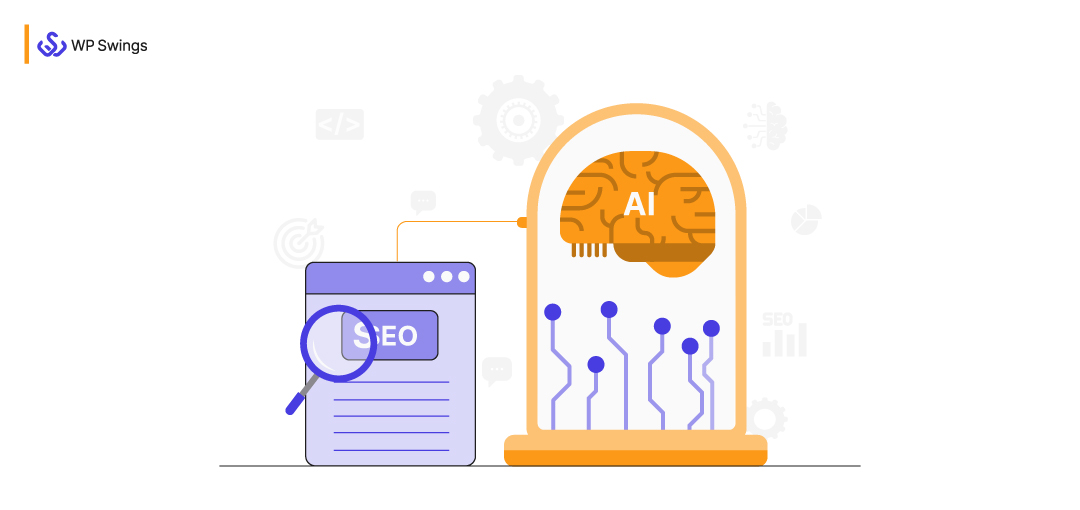
Integrating Artificial Intelligence (AI) into Search Engine Optimization () has transformed the digital marketing landscape by enabling more intelligent, data-driven strategies. AI-powered tools and techniques analyze vast amounts of data to enhance website visibility, improve content relevance, and adapt to evolving search engine algorithms. This integration offers a competitive edge, making efforts more efficient and effective.
Historically, the evolution of AI has significantly impacted digital marketing strategies. From early stuffing and manual link building to sophisticated machine learning algorithms, AI has facilitated advanced predictive analytics, natural language processing, and automated content optimization. Over the past decade, advancements such as Google’s RankBrain and BERT have demonstrated AI’s critical role in understanding user intent and delivering personalized search results, thereby shaping modern practices.
Comparison of Traditional and AI-Enhanced
Understanding the distinctions between traditional techniques and AI-enhanced strategies highlights the advantages brought by technological innovation. Below is a comparative table that summarizes key features, techniques, tools, and expected results in both approaches:
| Features | Traditional | AI-Enhanced |
|---|---|---|
| Content Optimization | Manual research, basic on-page , static content updates | Automated analysis, natural language processing for content relevance, dynamic content suggestions |
| Technical | Manual audits, fixed site structure, limited error detection | Automated site audits using AI, real-time error detection, adaptive site architecture |
| Link Building | Manual outreach, link quality assessment based on domain authority | Predictive analysis for link opportunities, AI-driven outreach strategies |
| Results | Incremental improvements, slower adaptation to algorithm changes | Faster adaptation to algorithm updates, higher rankings, improved user engagement metrics |
In essence, AI introduces predictive insights, automation, and personalization that significantly outperform traditional methods by providing a more agile and data-centric approach. This evolution facilitates deeper understanding of user behavior and search engine requirements, ultimately driving better traffic and higher conversion rates.
AI-Powered Content Creation Strategies
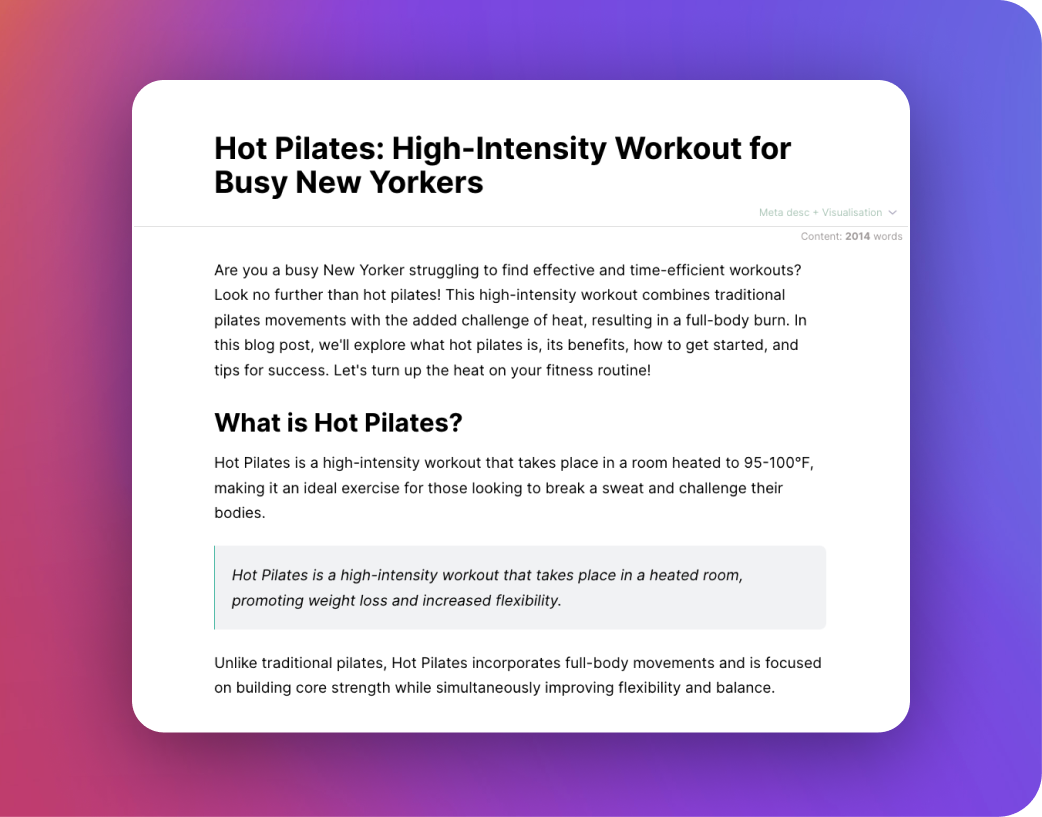
Leveraging AI tools for content creation has revolutionized the way digital marketers and content creators develop engaging, relevant, and high-quality material. Integrating AI into your content workflow enables more efficient production processes, personalized content targeting, and data-driven insights that enhance overall performance. Implementing effective AI-powered strategies can significantly elevate your website’s visibility and user engagement.
These strategies involve systematic procedures to generate, optimize, and structure content that resonates with your target audience while aligning with search engine algorithms. The following sections Artikel detailed steps and practical examples to harness AI effectively for content development, ensuring consistency, relevance, and optimized performance across digital platforms.
Utilizing AI Tools for High-Quality, Relevant Content Generation
To create compelling content tailored for your target audiences, it is essential to follow a structured approach that combines AI capabilities with human oversight. The process begins with selecting suitable AI content generation tools, such as GPT-based models, content brief generators, or niche-specific AI writers. These tools can produce drafts, ideas, and Artikels that serve as foundational content for further refinement.
Step-by-step procedures include:
- Identify Content Goals and Target Audience: Define the purpose of the content and understand your audience’s preferences, pain points, and search intent. Use AI audience analysis tools or existing analytics data to inform this step.
- Generate Content Artikels and Drafts: Input specific prompts into AI tools, including target s, desired content length, and tone. Review AI-generated drafts for coherence, accuracy, and relevance, then customize as needed.
- Enhance Content with AI Insights: Use AI-driven readability analyzers, sentiment analysis, and suggestion tools to improve clarity, engagement, and effectiveness. Incorporate semantic s suggested by AI to cover related search queries.
- Optimize Content Structure: Apply AI-based content analysis tools to suggest ideal headings, subheadings, and paragraph structures that align with best practices and user experience.
- Review and Humanize Content: Conduct thorough editing to add a human touch, verify factual accuracy, and ensure brand voice consistency. Finalize content for publication once it meets quality standards.
Optimizing Content Structure with AI Insights
Effective content structure is vital for performance and user engagement. AI tools can analyze emerging trends, competitor content, and user behavior to recommend optimal structuring strategies. Utilizing these insights ensures your content is not only informative but also highly accessible and engaging for your audience.
Steps to optimize content structure include:
- and Topic Clustering: Use AI clustering algorithms to group related s and topics, creating thematic content hubs that improve topical authority and search ranking.
- Headings and Subheadings Optimization: Leverage AI-based tools that suggest heading hierarchies, incorporating relevant s naturally and improving scanability.
- Paragraph and Sentence Structuring: Apply AI readability tools to break down complex sentences, improve flow, and enhance clarity, thereby increasing user retention.
- Content Hierarchy and Linkage: Utilize AI analysis to identify logical content hierarchies and recommend internal linking structures that boost navigation and site authority.
- Visual and Multimedia Integration: Employ AI to identify optimal points for multimedia elements such as images, infographics, or videos that complement the written content and improve engagement.
Example HTML Table Outlining Content Types, Integration, and Engagement Metrics
To effectively track and optimize your AI-generated content, maintaining a comprehensive table of content types, s used, and engagement metrics is essential. This structured data allows for ongoing refinement and targeted adjustments to improve results.
| Content Type | Primary s | Secondary s | Content Length (words) | Engagement Metrics | Notes |
|---|---|---|---|---|---|
| Blog Post | AI strategies, Content optimization | tools, AI content generation | 1200 | Average time on page: 4:30, Bounce rate: 35% | High engagement with structured subheadings |
| Product Description | AI-powered tools, software | automation, content tools | 300 | Conversion rate: 8%, Click-through rate: 12% | Optimized with semantic s for better relevancy |
| Guide/E-book | AI in digital marketing, best practices | Content marketing, AI tools | 2500 | Downloads: 1500, Average rating: 4.7 | Contains detailed AI strategy workflows and case studies |
Automating Technical with Artificial Intelligence
Effective technical is fundamental to ensuring that search engines can efficiently crawl, index, and understand your website. Leveraging AI technologies enables automation of complex diagnostic and corrective processes, significantly enhancing site performance and visibility. This approach minimizes manual effort, reduces human error, and ensures continuous optimization in a dynamic digital environment.
Integrating AI into technical workflows facilitates the rapid identification and resolution of site issues, optimizes site speed, and ensures adherence to the latest technical standards. The following sections detail how AI-driven tools and strategies can revolutionize your technical efforts, making them more efficient and precise.
Methods for Identifying and Fixing Site Issues
AI-powered tools excel at scanning websites to detect and address common technical problems that hinder performance. These methods enable proactive maintenance, ensuring websites remain optimized for search engine algorithms and user experience.
- Broken Link Detection: AI systems continuously crawl websites to identify broken outbound and inbound links, which can negatively impact user experience and search rankings. Once identified, these links can be automatically flagged for correction or removal, reducing manual oversight.
- Crawl Error Resolution: AI tools analyze server logs and crawl reports to detect errors such as 404 pages, server issues, or redirect chains. They suggest or implement fixes to improve crawl efficiency and ensure all important pages are accessible.
- Site Speed Optimization: AI algorithms evaluate page load times across devices and network conditions. They recommend or implement optimizations like compressing images, minifying code, or leveraging browser caching, thereby enhancing user engagement and search rankings.
These AI-driven methods allow websites to maintain optimal health proactively, minimizing the risk of penalties and ensuring consistent user satisfaction.
Implementing AI-Driven Site Audits and Monitoring Tools
Automated site audits powered by AI provide comprehensive and ongoing insights into technical health. These tools utilize machine learning to adapt to evolving web standards and search engine algorithms, delivering precise diagnostics and recommendations.
- Scheduled Automated Audits: Set up AI-enabled audit tools to perform regular scans of your website. These audits identify vulnerabilities, outdated technical configurations, and potential blockers, providing actionable reports for prompt resolution.
- Real-Time Monitoring: Use AI monitoring systems to track key technical metrics such as crawl errors, site speed, schema implementation, and server response times continuously. Immediate alerts enable rapid response to emerging issues.
- Data-Driven Optimization: AI systems analyze historical data to predict potential site problems before they impact search rankings. They suggest preemptive fixes, such as optimizing resource loading or adjusting server configurations.
Incorporating these AI-driven auditing and monitoring solutions ensures your website maintains technical excellence, adapts swiftly to changes, and sustains high search visibility.
Responsive Techniques for Automating Technical Elements
Automation of technical elements through AI involves deploying responsive techniques that adapt seamlessly to the website’s structure and content. These methods streamline the implementation of schema markup, meta tags, and other critical technical components.
- Schema Markup Automation: AI tools dynamically generate and embed schema markup based on page content, improving rich snippets and search visibility without manual intervention. For instance, AI can identify product details and automatically create corresponding structured data.
- Meta Tag Optimization: Machine learning algorithms analyze page content and s to automatically generate or update meta titles and descriptions, ensuring they are optimized for target queries and adhere to length guidelines.
- Technical Element Management: AI-driven systems automatically handle canonical tags, hreflang attributes, pagination tags, and other technical elements, reducing errors and maintaining consistency across large websites.
These responsive techniques ensure that your website’s technical foundation remains robust, adaptable, and aligned with best practices, all while minimizing manual effort and potential errors.
Enhancing User Experience Using AI
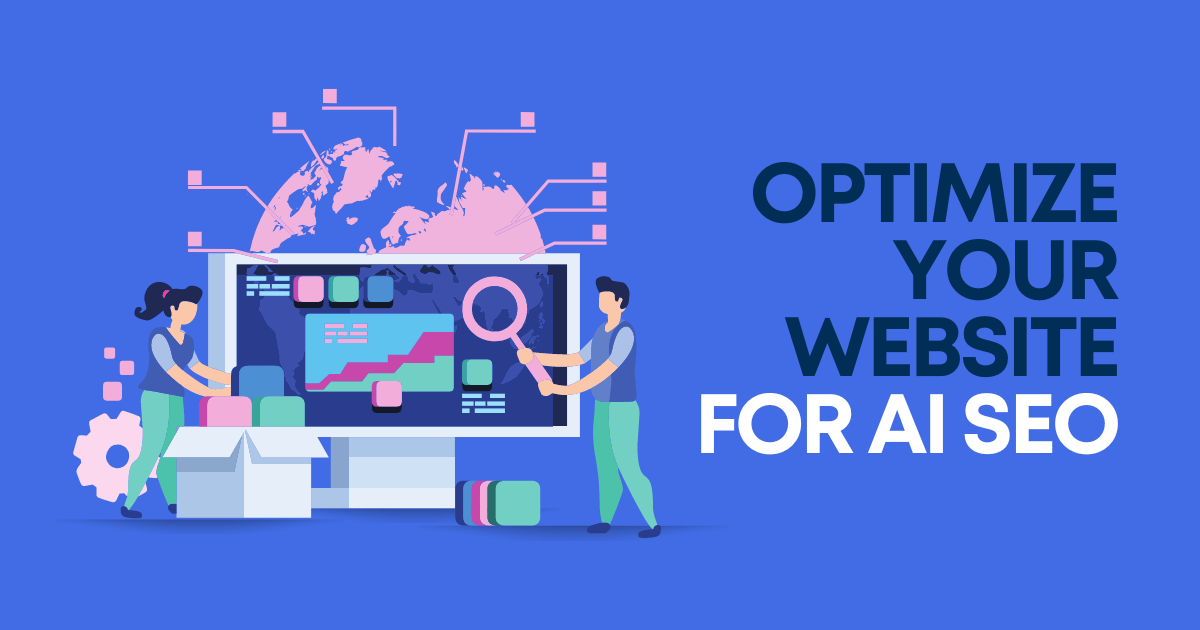
Optimizing user experience (UX) is fundamental in retaining visitors and encouraging engagement on websites. Artificial Intelligence offers innovative ways to create dynamic, personalized, and responsive digital environments that adapt to individual user behaviors. By leveraging AI-driven insights, businesses can significantly improve navigation, load times, and accessibility, leading to increased satisfaction and conversion rates.
Adopting AI in UX design moves beyond traditional static layouts, enabling websites to respond in real time to user preferences and actions. This differentiation ensures a more intuitive browsing experience, reducing bounce rates and fostering brand loyalty. As AI technologies continue to evolve, their integration into website design will become increasingly essential for staying competitive in the digital landscape.
Designing Adaptive Website Layouts Responding to User Behaviors
AI-powered analytics facilitate the creation of adaptive website layouts that dynamically adjust based on individual user interactions. These layouts consider factors such as browsing patterns, device types, and past behaviors to present content and navigation options that are most relevant and accessible. For example, if analytics reveal a user prefers quick access to certain sections, the AI system can personalize the homepage to highlight those areas, streamlining their journey.
Such adaptive designs employ machine learning algorithms that continuously learn from user data, enabling real-time modifications to layout structure, element placement, and content prioritization. This results in a tailored browsing experience that feels naturally aligned with user expectations, increasing engagement and reducing frustration caused by irrelevant or cumbersome interface elements.
Comparison of Traditional UX Approaches and AI-Enhanced Personalization Strategies
Traditional user experience strategies primarily rely on static design principles, broad demographic targeting, and generalized usability testing. These methods often lead to a one-size-fits-all approach, which may not effectively address individual user needs or preferences. While they provide a foundation for usability, they lack responsiveness to real-time user behaviors.
In contrast, AI-enhanced personalization strategies utilize machine learning, natural language processing, and predictive analytics to dynamically customize the user interface. This includes personalized content recommendations, tailored navigation paths, and adaptive layouts. For instance, AI can analyze user interaction history to suggest relevant products or articles, thereby increasing conversion rates and satisfaction.
Ultimately, AI-driven personalization offers a more granular, responsive, and scalable approach to UX design, enabling websites to serve each visitor uniquely and effectively.
AI Techniques for Improving Navigation, Loading Times, and Accessibility
Effective website performance and inclusivity are critical components of an enhanced user experience. AI supports these objectives through various innovative techniques, which can be organized in the following table:
| AI Technique | Application in UX Enhancement | Benefits |
|---|---|---|
| Predictive Navigation | Utilizes machine learning to anticipate user needs and suggest next steps or shortcuts, simplifying navigation paths. | Reduces time spent searching, increases ease of use, and guides users smoothly through content. |
| Dynamic Content Loading | Employs AI algorithms to load relevant content asynchronously based on user behavior and preferences. | Improves page load times, minimizes unnecessary data transfer, and creates personalized experiences. |
| Automated Accessibility Features | Uses AI to detect accessibility barriers and automatically adjust interfaces, such as text size or color contrast. | Enhances usability for users with disabilities, ensuring compliance with accessibility standards and broader inclusivity. |
| Image Optimization and Recognition | AI-driven tools optimize images for faster loading and recognize visual content to improve descriptions for screen readers. | Speeds up page rendering and improves accessibility for visually impaired users. |
| Voice and Chatbot Interfaces | Implements natural language processing to enable voice commands and intelligent chatbots for easier navigation. | Provides alternative interaction modes, especially beneficial for users with mobility or visual impairments. |
“Integrating AI into UX design allows websites to become more intuitive, accessible, and personalized, ultimately fostering a more satisfying digital experience for all users.” — Industry Expert
AI-Based Competitor and Market Analysis
Leveraging artificial intelligence for competitor and market analysis unlocks valuable insights into the digital strategies of industry leaders and emerging trends. Integrating AI-driven tools enables marketers to stay ahead in competitive landscapes by systematically identifying strengths, weaknesses, opportunities, and threats within their market segments. This strategic approach facilitates informed decision-making and more targeted efforts.
Through advanced data processing and machine learning algorithms, AI can analyze vast amounts of digital content, social media activity, backlink profiles, and strategies of competitors. This comprehensive view allows businesses to pinpoint areas where they can outperform rivals, discover untapped market segments, and adapt swiftly to changing industry dynamics. Effective use of AI in this context not only enhances market intelligence but also supports the continuous refinement of campaigns to achieve sustained growth.
Methods for Leveraging AI to Analyze Competitors’ Digital Strategies and Market Trends
Understanding competitors’ digital footprints requires sophisticated tools capable of processing large data volumes efficiently. AI techniques such as natural language processing (NLP) and machine learning enable the extraction of meaningful insights from diverse sources, including website content, social media posts, and online reviews. These methods facilitate a deep understanding of competitors’ strategies, content themes, backlink profiles, and online reputation management.
Key methods include:
- Web Scraping with AI Algorithms: Automated extraction of competitor website data, capturing page structures, metadata, and content updates to identify content themes and focus.
- Sentiment Analysis: Utilizing NLP to evaluate customer feedback and social media mentions, revealing public perception and brand positioning.
- Backlink Profile Analysis: AI tools analyze backlink sources, authority, and anchor text, helping identify link-building strategies and potential gaps.
- Gap Analysis: Comparing target s and content coverage among competitors to uncover opportunities for content expansion and ranking improvements.
- Market Trend Prediction: Machine learning models process historical data to forecast emerging industry trends, enabling proactive strategy adjustments.
Creating Dashboards for Visualizing Competitive Advantages
Effective visualization of data is crucial for strategic decision-making. Dashboards powered by AI compile, process, and display critical competitive metrics in an accessible format. These dashboards enable marketers to monitor their position relative to competitors, identify areas for improvement, and track progress over time.
When designing dashboards, consider including visualizations such as:
| Metric | Description | Example Visualization |
|---|---|---|
| Rankings | Displays your website’s position for targeted s compared to competitors | Line graphs showing ranking trends |
| Backlink Quality and Quantity | Visualizes backlink profiles and authority metrics | Bar charts or heatmaps |
| Content Gap Analysis | Highlights missing content opportunities relative to top competitors | Bubble charts mapping content topics and coverage |
| Market Share and Trend Movements | Shows market position shifts over time, including emerging competitors | Area charts or stacked bar graphs |
Implementing AI-driven dashboards involves integrating data sources through APIs, employing data visualization tools such as Tableau or Power BI, and utilizing machine learning models for real-time updates. Such dashboards empower teams to make data-driven decisions swiftly, pivot strategies as needed, and capitalize on competitive advantages effectively.
Using AI to Discover Content Gaps and Opportunities
Identifying content gaps is a pivotal aspect of gaining a competitive edge. AI algorithms analyze existing content across competitors and industry benchmarks to uncover areas with insufficient coverage or outdated information. This process involves structured data collection, semantic analysis, and pattern recognition to reveal opportunities for new content creation.
The typical procedures include:
- Content Inventory Analysis: AI tools scan competitors’ websites and content repositories to catalog existing topics, formats, and s.
- Semantic Similarity Detection: NLP algorithms assess the thematic overlap and uniqueness of available content, pinpointing underserved areas.
- Gap Identification: Comparing your content inventory with industry trends and competitor offerings, AI highlights missing topics or shallow coverage areas.
- Opportunity Scoring: Machine learning models evaluate potential content opportunities based on search volume, backlink potential, and user engagement metrics.
Effective discovery of content gaps involves combining quantitative data analysis with qualitative insights, enabling targeted content strategies that directly address audience needs and market demands.
By systematically applying AI methodologies, organizations can prioritize content development efforts, ensure relevance and freshness, and ultimately attract higher organic traffic and engagement, reinforcing their market position.
Measuring and Tracking Performance with AI
Effective optimization hinges on the ability to accurately measure and monitor performance over time. Artificial Intelligence offers advanced tools that enable marketers and professionals to gather real-time insights, visualize key metrics, and adjust strategies proactively. Incorporating AI-driven analytics into your workflow ensures a data-informed approach, helping to identify opportunities and address challenges promptly.
By leveraging AI for performance tracking, organizations can automate the collection of vast amounts of data, reduce manual effort, and enhance decision-making accuracy. This ongoing oversight allows for continuous refinement of tactics, ultimately leading to improved visibility, higher traffic, and increased conversions.
Setting Up AI Tools for Real-Time Performance Monitoring
Implementing AI-powered tools begins with integrating platforms capable of capturing live data from various sources such as search engines, website analytics, and social media. These tools often come with pre-built connectors or APIs that facilitate seamless data ingestion, enabling real-time tracking of key performance indicators (KPIs). For example, tools like Google Data Studio integrated with AI analytics plugins or specialized platforms such as SEMrush, Ahrefs, and BrightEdge can be configured to monitor specific metrics continuously.
“Automated alerts and notifications can be configured within these tools to flag sudden changes in rankings, traffic drops, or engagement declines, allowing for immediate action.”
To set up effective performance monitoring, define clear objectives and select relevant metrics such as organic traffic, bounce rate, average session duration, rankings, and conversion rates. Regularly updating these parameters ensures the AI system provides accurate, actionable insights tailored to your goals.
Creating Dashboards with Key Metrics in Table Format
Dashboards serve as central hubs for visualizing performance data, offering an at-a-glance overview of progress and areas needing attention. To maximize their utility, dashboards should display vital metrics in organized tables, enabling quick interpretation and decision-making. These tables can be customized to highlight trends, compare periods, and prioritize tasks based on data insights.
| Metric | Current Value | Change (Week-over-Week) | Target | Status Indicator |
|---|---|---|---|---|
| Organic Traffic | 15,250 visitors | +8% | 20,000 visitors | On Track |
| Rankings | Top 10 for 120 s | +15 s | 150 s in top 10 | Progressing |
| Bounce Rate | 42% | -3% | below 40% | Needs Improvement |
| Conversion Rate | 3.2% | +0.2% | 4% | Close to Target |
Such tables facilitate quick assessment of performance, allowing teams to focus on key areas and implement tactical adjustments promptly.
Examples of Report Templates Incorporating AI-Driven Insights
Structured reports leveraging AI analytics provide comprehensive views of outcomes, integrating data on traffic, engagement, and rankings. These templates typically include sections that compare historical data with current metrics, highlight anomalies, and recommend action points based on AI-generated predictions.
“Automated report templates can be scheduled weekly or monthly, ensuring consistent monitoring and swift dissemination of insights to stakeholders.”
Sample report components include:
- Traffic Analysis: Showing trends in organic visits, bounce rates, and session duration, with explanations of fluctuations driven by AI identifying causes such as algorithm updates or content shifts.
- Engagement Metrics: Insights into user interactions, including click-through rates and time on page, highlighting content performance and areas requiring enhancement.
- Ranking Improvements: Visualization of position changes, with AI predictions on future rankings based on current strategies and competitor movements.
Having such structured reports enables continuous performance evaluation and strategic refinement, grounded in objective, AI-derived data insights.
Epilogue
In summary, mastering how to optimize with AI offers a transformative edge in digital marketing. By integrating AI tools and techniques into your practices, you can achieve more effective content, streamlined technical processes, and insightful competitive analysis. Embracing these innovations will position your online presence for sustained growth and success in an increasingly competitive environment.