With how to optimize local with ai as the key focus, this guide explores innovative strategies that harness the power of artificial intelligence to elevate your local search presence. By integrating AI-driven tools and techniques, businesses can unlock new levels of visibility and engagement within their communities.
This comprehensive overview highlights how AI transforms traditional approaches into dynamic, data-informed strategies. From content creation and listing management to review analysis and hyperlocal targeting, leveraging AI offers a competitive edge in local search optimization.
Understanding the Role of AI in Local

Artificial Intelligence (AI) has transformed numerous facets of digital marketing, with local search engine optimization () being a significant area of impact. As local businesses strive to improve their visibility within specific geographic areas, AI offers innovative tools and strategies that enhance their online presence more efficiently and accurately than traditional methods. Recognizing how AI influences local is essential for businesses aiming to stay ahead in competitive local markets.
By integrating AI-driven solutions, businesses can leverage advanced data analysis, personalized content delivery, and automated optimization processes. This not only streamlines efforts but also provides more precise targeting to local audiences. As a result, AI enables businesses to achieve higher rankings, increased local traffic, and ultimately, greater conversions. Comparing traditional and AI-powered approaches reveals the substantial advantages AI offers in adapting to evolving search engine algorithms and consumer behaviors.
The Fundamental Ways AI Influences Local Strategies
AI influences local through several core mechanisms, transforming how businesses approach optimization. These include data-driven decision-making, natural language processing, and automation of routine tasks, each contributing to more effective local search performance.
- Enhanced Data Analysis: AI tools analyze vast amounts of local search data, identifying patterns and trends that inform strategies. For example, AI algorithms can determine the most relevant s and search intents specific to a geographic area, enabling precise content targeting.
- Personalized User Experiences: Natural language processing (NLP) allows AI to interpret user queries more accurately, leading to personalized search results. This is particularly impactful for local searches where intent nuances significantly influence ranking.
- Automated Optimization: AI-powered platforms can automatically optimize local listings, review management, and on-page elements. Automation minimizes manual effort while maintaining consistent, high-quality updates that align with algorithm changes.
- Voice Search Adaptation: With the rise of voice assistants, AI helps optimize local for voice queries, which tend to be conversational and location-specific. This adaptation ensures visibility in emerging search paradigms.
Benefits of Integrating AI Tools to Enhance Local Visibility
Incorporating AI into local strategies yields numerous benefits, significantly amplifying a business’s ability to attract and convert local customers. These advantages stem from AI’s capacity to process data rapidly and optimize dynamically.
- Increased Accuracy in Local Listings: AI ensures that business information remains consistent across various directories and platforms, reducing errors that could harm local rankings.
- Improved Targeting: AI tools identify high-potential local s and search trends, enabling businesses to tailor their content for maximum relevance and visibility.
- Enhanced Review Management: AI-driven sentiment analysis monitors and responds to customer reviews, fostering positive engagement and reputation management that influence local search rankings.
- Real-Time Performance Tracking: AI analytics provide real-time insights into local performance, allowing for immediate adjustments to tactics based on current data.
- Optimized Content Creation: AI assists in generating localized content that resonates with community interests, thereby improving engagement and search rankings.
Comparison of Traditional versus AI-powered Local Approaches
Traditional local methods heavily rely on manual processes, routine optimizations, and basic research, which can be time-consuming and less adaptable to rapid algorithm updates. Conversely, AI-powered approaches utilize advanced technologies to automate and refine efforts, leading to more dynamic and effective campaigns.
| Aspect | Traditional Local | AI-powered Local |
|---|---|---|
| Data Analysis | Manual data collection and analysis, often limited in scope and speed. | Automated, comprehensive analysis of large datasets for insights and trend detection. |
| Optimization | research based on basic tools and intuition, with periodic updates. | Continuous, real-time adjustment based on search trends and user behavior. |
| Content Personalization | Limited customization, often based on generic templates. | Personalized content tailored to individual user queries and local context. |
| Listing Management | Manual updates across directories, prone to inconsistencies. | Automated synchronization ensuring consistency and accuracy across platforms. |
| Review Monitoring | Periodic review checks, manual responses. | Continuous sentiment analysis and automated or suggested responses. |
| Adaptability to Algorithm Changes | Reactive adjustments after updates are announced. | Proactive, predictive adjustments enabled by AI learning capabilities. |
“AI does not replace the traditional fundamentals but amplifies them by providing speed, accuracy, and insights that are impossible to achieve manually.”
AI-Driven Content Optimization for Local Search
Leveraging AI for content optimization offers a dynamic approach to enhancing local efforts. By utilizing advanced algorithms and machine learning models, businesses can generate highly targeted, localized content that resonates with their specific audiences. This strategy not only improves visibility on local searches but also fosters stronger engagement and trust within the community.
AI-powered content optimization involves systematic procedures for tailoring website content—including meta tags, headings, and descriptions—using local s and data insights. These methods ensure that local businesses can efficiently produce relevant content that aligns with search engine algorithms and user intent, ultimately driving more foot traffic and conversions.
Methods for Using AI to Generate Localized Content
Implementing AI-driven techniques for localized content creation involves several strategic steps. These methods enable businesses to craft unique, relevant material that appeals directly to their target demographics based on geographic and cultural nuances.
- Utilize Natural Language Processing (NLP) tools to analyze local search queries, capturing common phrases and s used by the target audience. This ensures content aligns with actual user intent and improves ranking accuracy.
- Employ AI content generators that can produce localized blog posts, service descriptions, and landing pages automatically. These tools can incorporate specific geographic identifiers, landmarks, and region-specific terminology to enhance relevance.
- Leverage machine learning models to identify trending topics within a local market. This allows brands to produce timely and engaging content that addresses current community interests or issues.
- Integrate customer data and feedback into AI systems to personalize content further, ensuring it resonates with local preferences and cultural distinctions.
Organizing Location-Specific Data with AI
Efficient management of location-specific data is vital for targeted . AI can facilitate this process by organizing information systematically, making it easier to generate relevant content and optimize on-page elements.
Example of location-specific data organization: A restaurant chain with outlets in multiple cities can use AI to categorize data such as city name, neighborhood, cuisine type, operating hours, and contact information. This structure supports tailored content creation for each location, improving search visibility locally.
| Location Data Attribute | Purpose | Example |
|---|---|---|
| City Name | To localize content and s | “Best Italian restaurants in downtown Chicago” |
| Neighborhood | Refines regional targeting | “Cafés near Lincoln Park” |
| Cuisine Type | Aligns content with specific services | “Vegan sushi in Brooklyn” |
| Operating Hours | Provides accurate, local business info | “Open 24/7 in Midtown Manhattan” |
| Customer Reviews | Boosts local reputation and trust | Aggregated ratings from local review sites |
Optimizing Meta Tags, Headings, and Descriptions with Local s
AI tools can streamline the process of refining on-page elements by integrating local s seamlessly into meta tags, headings, and descriptions. This enhances the relevance of pages for local searches and increases click-through rates from search engine results pages (SERPs).
- Input location-specific data into AI platforms to generate optimized meta titles that include city or neighborhood names, ensuring they are compelling and within character limits.
- Use AI to analyze competitor meta descriptions and identify opportunities for incorporating local s naturally while maintaining clarity and appeal.
- Automate the creation of headings and subheadings that highlight local services or landmarks, aligning content structure with user search intent.
- Employ AI to continuously monitor and update meta tags and descriptions based on evolving local search trends, maintaining optimal relevance and performance.
By systematically applying AI-driven content optimization techniques, local businesses can significantly improve their search engine rankings, attract more local visitors, and ultimately increase revenue. These methods exemplify how artificial intelligence transforms traditional practices into more precise, scalable, and effective strategies.
Leveraging AI for Local Business Listings and Citations
![Your Guide to the Best AI SEO Tools in 2024 [Free and Paid]](https://teknokrat.web.id/wp-content/uploads/2025/09/Frame-11-1024x576-1.jpg "Your Guide to the Best AI SEO Tools in 2024 [Free and Paid]")
Optimizing local heavily relies on the accuracy, consistency, and visibility of your business information across numerous online directories and citation sources. Artificial intelligence offers powerful tools to streamline and enhance this process, ensuring your local presence is both authoritative and easily discoverable by potential customers. By harnessing AI, businesses can efficiently manage their listings, reduce manual errors, and stay ahead in local search rankings.
AI-driven solutions enable automated identification, update, and verification of business information across multiple platforms. This not only saves time but also improves data integrity, which is crucial for local success. Integrating AI into citation management workflows allows businesses to maintain a strong, consistent local profile that search engines can easily understand and rank.
Techniques for AI to Identify and Update Business Information Consistently
Maintaining uniformity of business data across all directories is fundamental for local . AI tools utilize advanced algorithms to scan the web and identify existing business listings, compare the details, and detect discrepancies. These techniques include:
- Natural Language Processing (NLP): AI employs NLP to interpret business descriptions, addresses, and contact details, ensuring accurate matching across various sources.
- Data Scraping and Pattern Recognition: AI-driven scrapers collect information from multiple directories and recognize patterns or commonalities to identify duplicate or outdated listings.
- Cross-Referencing with Structured Data: AI systems compare business data against structured schemas like Schema.org to verify consistency and correctness.
- Anomaly Detection: Algorithms detect anomalies or discrepancies in data entries, such as mismatched addresses or inconsistent phone numbers, prompting updates.
Through these mechanisms, AI ensures that business information remains current, accurate, and uniform across all platforms.
Step-by-Step Workflow for Automating Citation Building Using AI Tools
Automating citation building involves a systematic approach that leverages AI to identify relevant directories, generate consistent listings, and monitor ongoing accuracy. The typical workflow includes:
- Data Collection and Analysis: Use AI-powered web crawlers to gather existing business information and identify potential citation sources based on industry and location.
- Directory Prioritization: AI analyzes the authority and relevance of directories, prioritizing high-impact platforms such as Google My Business, Yelp, and Bing Places.
- Listing Generation: AI tools automatically generate optimized listing content, including business name, address, phone number, hours, and categories, aligned with local best practices.
- Automated Submission: AI-driven automation tools submit and update listings across selected directories, ensuring consistency and reducing manual effort.
- Verification and Monitoring: AI systems verify successful listing creation through API checks or scraping, and continuously monitor for changes or duplicates.
- Periodic Updates and Maintenance: Using real-time data analysis, AI recommends and implements updates to keep listings current, especially when business details change.
This workflow ensures a scalable, efficient, and reliable citation-building process that adapts to ongoing business developments and local requirements.
Best Practices for Verifying and Managing Local Listings with AI Assistance
Effective management of local listings involves regular verification and updates to maintain accuracy and search visibility. Implementing AI tools enhances these practices through:
- Regular Data Audits: Schedule periodic audits with AI systems to scan for outdated or inconsistent information across all listings.
- Duplicate Detection and Resolution: Use AI algorithms to identify duplicate listings, consolidate them, and prevent fragmentation of review and ranking signals.
- Automated Error Correction: Employ AI to flag and correct common errors such as misspellings, incorrect categories, or outdated contact details.
- Review and Feedback Monitoring: Integrate AI tools that analyze reviews for sentiment and identify issues related to inaccurate business information mentioned by customers.
- Integration with CRM and Local Tools: Connect AI management systems with customer relationship management platforms and dashboards for seamless updates and analytics.
By adopting these AI-powered best practices, businesses can ensure their local listings remain accurate, competitive, and reflective of current operations, thereby boosting their local search performance and customer trust.
AI-Enhanced Local Review Management

Effective management of customer reviews is a cornerstone of robust local strategies. Leveraging AI tools can significantly streamline the process by analyzing review sentiments, generating prompt and appropriate responses, and automating review solicitation. This integration not only improves online reputation but also enhances visibility in local search results, fostering trust and engagement with the local customer base.
AI-driven review management transforms the way businesses interpret feedback, respond swiftly to customer concerns, and monitor their reputation continuously. By deploying intelligent systems, local businesses can turn reviews into actionable insights, ensuring their online presence accurately reflects customer satisfaction and service quality.
Analyzing Customer Reviews for Sentiment and Insights
Advanced AI algorithms can process large volumes of customer reviews to determine overall sentiment—positive, negative, or neutral—and extract key themes or recurring issues. This analysis offers valuable insights into customer perceptions, enabling businesses to identify strengths and address weaknesses proactively.
For example, sentiment analysis tools use natural language processing (NLP) to evaluate review content, assigning sentiment scores to each review. This helps prioritize responses to negative feedback and recognize areas for improvement. Additionally, topic modeling can identify common s and themes—such as service speed, staff friendliness, or product quality—highlighting specific aspects impacting customer satisfaction.
Organizing Review Responses and Follow-Up Strategies
Structured and timely responses to reviews reinforce customer loyalty and demonstrate attentiveness. Using AI, businesses can create templated responses that are context-aware, personalized, and consistent across reviews. Organizing these responses systematically ensures no review goes unattended while maintaining a professional tone.
The following HTML table provides a template for organizing review responses and follow-up actions:
| Review Type | Response Template | Follow-Up Strategy |
|---|---|---|
| Positive Review | Dear Customer Name, thank you for your kind words! We’re delighted you enjoyed your experience. We look forward to serving you again soon. | Invite to participate in loyalty programs or review on additional platforms. |
| Negative Review | Dear Customer Name, we’re sorry to hear about your experience. Your feedback is important, and we would like to address any concerns. Please contact us at Contact Info to discuss further. | Follow up with personalized solutions or offers, and monitor if the issue is resolved. |
| Neutral Review | Dear Customer Name, thank you for sharing your feedback. We appreciate your insights and will use them to improve our services. | Request additional details if necessary, and encourage ongoing engagement. |
Automating review solicitation involves deploying AI-powered chatbots or email campaigns that prompt satisfied customers to leave reviews post-transaction. Reputation monitoring tools continuously scan review platforms and social media for new mentions, providing alerts for timely responses. These automated processes help maintain a positive online reputation and swiftly address potential issues before they escalate.
Using AI to Improve Local Analytics and Reporting
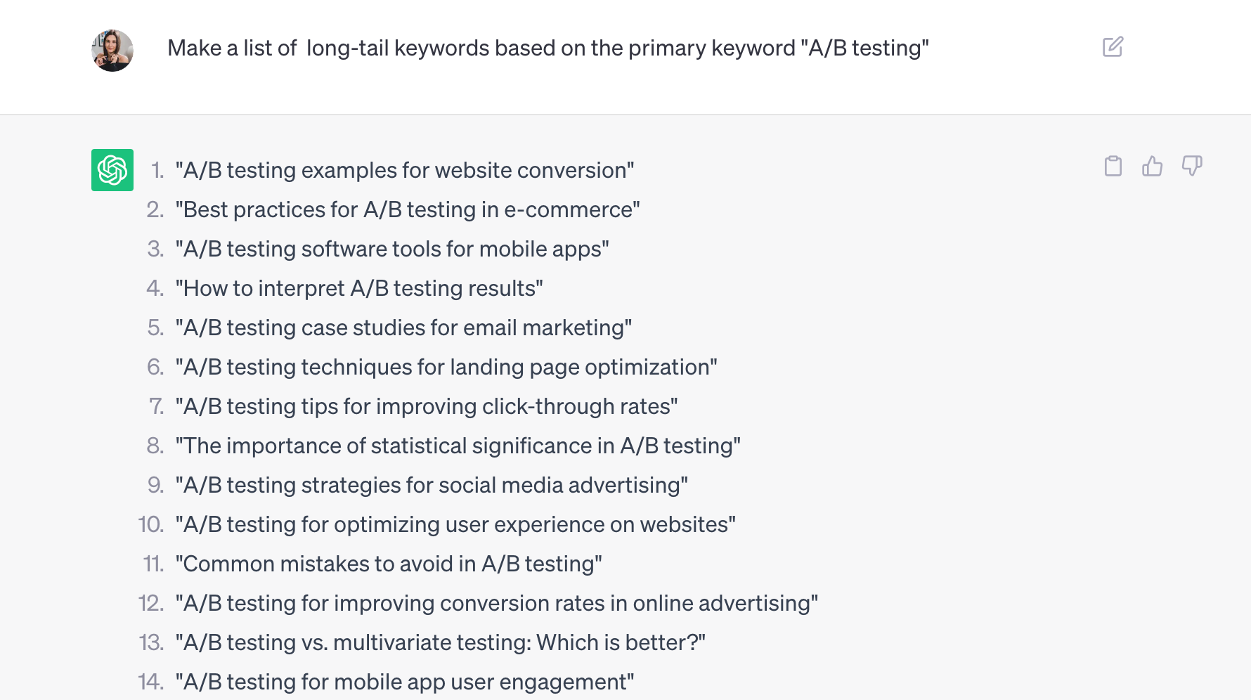
Effective local strategies depend heavily on accurate data analysis and performance tracking. Leveraging AI technologies enables businesses to gain deeper insights into their local search visibility, user behavior, and overall campaign effectiveness. By automating data collection and analysis, AI provides a clearer picture of what strategies work best and where adjustments are necessary, facilitating more informed decision-making.
AI-driven analytics tools can monitor a wide array of local metrics, identify patterns, and generate comprehensive reports that highlight key areas of success and opportunities for growth. This continuous, data-backed approach ensures that local efforts remain agile and highly targeted, ultimately leading to improved search rankings, increased foot traffic, and higher conversion rates in the local market.
Tracking Local Search Performance Metrics with AI Algorithms
AI algorithms excel at collecting and analyzing vast amounts of data from various sources such as Google My Business insights, local search rankings, website analytics, and customer reviews. These algorithms can automatically track critical KPIs including local rankings, organic traffic from local searches, click-through rates, and conversion metrics specific to geographic locations. This real-time monitoring allows marketers to quickly identify fluctuations in performance and respond proactively.
By employing machine learning models, businesses can also predict future trends based on historical data. For instance, if a local restaurant notices a consistent decline in local search visibility during specific months, AI can suggest targeted actions to counteract this trend before it impacts revenue significantly.
Sample HTML Layout for Local Performance Reporting
Structured reporting is essential for presenting complex data in an accessible format. Below is a sample HTML table layout designed to display key performance indicators for local campaigns. This format allows marketers to easily interpret data and communicate results with stakeholders effectively.
<table border="1" cellpadding="8" cellspacing="0">
  <thead>
    <tr>
      <th>Metric</th>
      <th>Current Value</th>
      <th>Change (Previous Period)</th>
      <th>Target</th>
      <th>Notes</th>
    </tr>
  </thead>
  <tbody>
    <tr>
      <td>Local  Rankings</td>
      <td>#3 for "best pizza near me"</td>
      <td>+1 position from last month</td>
      <td>Top 3</td>
      <td> optimization ongoing</td>
    </tr>
    <tr>
      <td>Local Organic Traffic</td>
      <td>1,200 visits</td>
      <td>+15% from previous period</td>
      <td>1,500 visits</td>
      <td>Focus on content expansion</td>
    </tr>
    <tr>
      <td>Google My Business Views</td>
      <td>3,500 views</td>
      <td>+10% from last month</td>
      <td>4,000 views</td>
      <td>Enhance photo and review strategies</td>
    </tr>
    <tr>
      <td>Review Volume</td>
      <td>45 reviews</td>
      <td>+20 reviews from last period</td>
      <td>50 reviews</td>
      <td>Encourage more customer feedback</td>
    </tr>
  </tbody>
</table>
Interpreting AI-Driven Data to Refine Local Tactics
The power of AI lies in its ability to turn raw data into actionable insights.
Interpreting AI-driven analytics involves examining trends, identifying anomalies, and understanding correlations among various metrics. For example, a sudden drop in local search rankings might coincide with negative reviews or reduced engagement on Google My Business. Recognizing these patterns enables marketers to take targeted actions, such as improving review management or updating local content strategies.
AI tools also support segmentation analysis, allowing businesses to evaluate performance across different neighborhoods or demographic groups. This granularity helps tailor local tactics more precisely, ensuring efforts resonate with the specific needs and preferences of each community. Additionally, predictive analytics can forecast future performance, guiding resource allocation and strategic planning to maximize local visibility and customer engagement.
Implementing AI for Hyperlocal Targeting and Personalization
Harnessing AI to achieve hyperlocal targeting and personalization enables businesses to deliver highly relevant content, offers, and experiences tailored specifically to neighborhoods, districts, or even individual streets. This strategic approach significantly enhances engagement, conversion rates, and customer loyalty by addressing the unique needs and preferences of local audiences.
By leveraging advanced AI technologies, local businesses can refine their marketing efforts to be more precise, dynamic, and contextually aware. This section explores effective strategies for deploying AI in hyperlocal targeting, including audience segmentation, location-based content customization, and personalized advertising, to maximize local impact and foster meaningful connections within specific communities.
Segmentation of Local Audiences Using AI Insights
Effective hyperlocal marketing begins with detailed audience segmentation, which AI facilitates through data analysis, pattern recognition, and predictive modeling. AI tools analyze various data sources such as user behavior, interaction history, demographic information, and geographic data to classify audiences into specific neighborhoods or districts.
These insights enable businesses to identify distinct customer groups, such as young professionals in downtown areas or families in suburban districts. For example, AI-driven segmentation can reveal that a particular district has a high concentration of potential customers interested in outdoor activities, guiding content and ad targeting toward relevant products or services.
Advanced AI platforms can continuously update these segments based on real-time data, ensuring marketing efforts remain relevant as neighborhood demographics and behaviors evolve. This dynamic segmentation allows for tailored messaging that resonates more effectively with each local audience segment.
Customizing Website Experiences Based on User Location Data
Personalizing website experiences is crucial for hyperlocal marketing success. AI enables websites to automatically detect a visitor’s location using IP addresses, GPS data, or device signals, and then customize content accordingly. This includes displaying relevant contact information, local promotions, or neighborhood-specific blog posts.
Implementing AI-driven location targeting involves setting up rules or machine learning models that adapt website layouts, visuals, and messaging based on the visitor’s geographic context. For instance, a restaurant chain can present menu options, specials, and store hours tailored to the visitor’s city or district, enhancing user experience and increasing the likelihood of conversions.
Moreover, AI can analyze user engagement metrics to optimize these personalized experiences over time. As a result, websites become more intuitive and relevant to each visitor, fostering stronger local connections and driving foot traffic or online actions specific to their area.
Ethical Considerations and Limitations of AI in Local
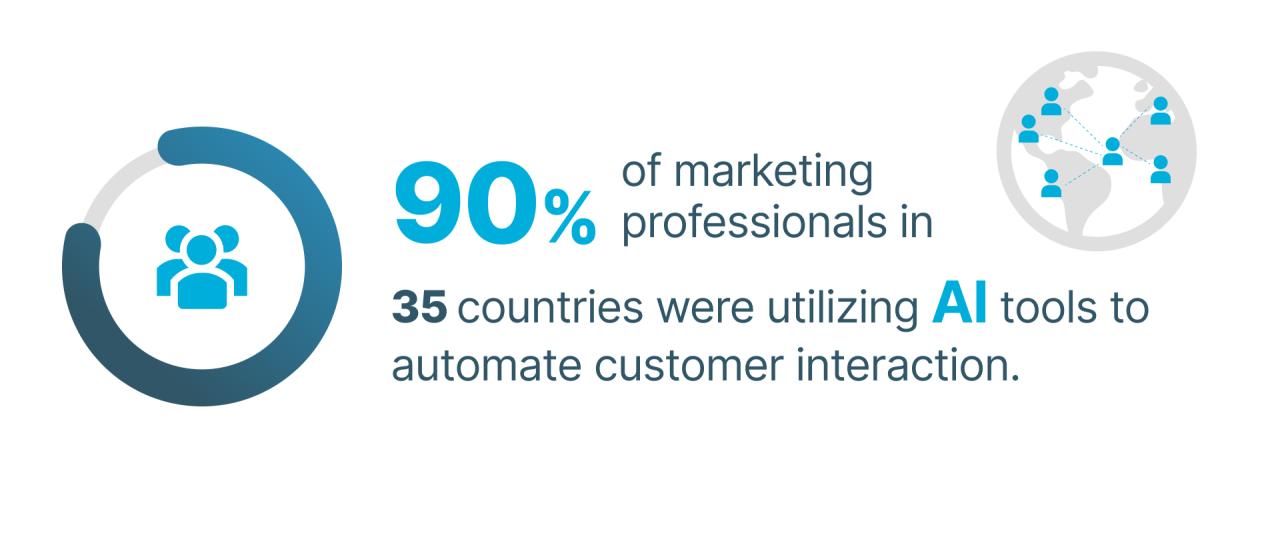
As artificial intelligence becomes increasingly integrated into local strategies, it is essential for practitioners to consider the ethical implications and inherent limitations of these technologies. Ensuring responsible use of AI not only protects user trust but also maintains the integrity of local search practices. This segment explores key ethical principles, potential risks, and guidelines to uphold transparency when deploying AI solutions in local contexts.
While AI offers remarkable capabilities to optimize local search performance, mindful application is crucial to prevent unintended consequences such as misinformation, bias, or privacy violations. Recognizing these challenges enables businesses and professionals to implement AI ethically, fostering sustainable and trustworthy local marketing efforts.
Ethical Practices for Deploying AI in Local
Implementing AI ethically in local requires adherence to principles that prioritize transparency, fairness, privacy, and accountability. These practices ensure that AI enhances user experience without compromising ethical standards or legal compliance. Key practices include:
- Transparency with Users: Clearly communicate when AI systems are used, especially in content generation, review management, or personalized targeting. Users should be aware of AI involvement to maintain trust.
- Respect for Privacy: Collect and process user data responsibly, ensuring compliance with data protection regulations such as GDPR and CCPA. Obtain explicit consent where necessary and limit data usage to legitimate purposes.
- Bias Mitigation: Regularly assess AI models for biases that could unfairly favor or discriminate against particular local demographics, businesses, or individuals. Apply fairness-aware algorithms and diverse training data to promote neutrality.
- Accountability and Oversight: Maintain human oversight of AI outputs, especially in content and review management, to identify and correct errors or unethical practices promptly.
Risks and Limitations of AI-Driven Local Optimization
Despite its advantages, AI in local comes with notable risks and inherent limitations that can impact effectiveness and reputation if not properly managed. Understanding these factors helps set realistic expectations and prepares for potential challenges:
- Data Privacy Concerns: AI models often rely on large volumes of user and business data, raising concerns about privacy breaches or misuse if data collection is not transparent and secure.
- Bias and Inaccuracy: AI systems trained on biased or incomplete data can produce skewed results, leading to unfair rankings, inaccurate local listings, or misrepresentation of businesses.
- Over-Reliance on Automation: Excessive dependence on AI tools may diminish human oversight, increasing the risk of errors, outdated information, or unethical content propagation.
- Limited Contextual Understanding: While AI excels at pattern recognition, it may lack nuanced understanding of local cultural sensitivities or community-specific dynamics, potentially resulting in inappropriate targeting or messaging.
- Legal and Ethical Compliance Challenges: AI applications must navigate complex legal landscapes, including regulations on data usage and advertising standards, which vary across regions and may evolve over time.
Guidelines for Maintaining Transparency and User Trust
To foster trust and uphold ethical standards while utilizing AI in local , organizations should implement clear guidelines and communication strategies. Transparency ensures users and local businesses understand AI’s role and limits, reinforcing credibility:
- Disclose AI Use Publicly: Clearly inform website visitors and local clients when AI tools are employed, particularly in content creation, review responses, or personalization efforts.
- Provide Opt-Out Options: Offer users control over AI-driven features, such as personalized recommendations or data collection, empowering them to make informed choices.
- Regular Ethical Audits: Conduct periodic reviews of AI outputs to identify biases, inaccuracies, or unethical behavior, adjusting models and practices accordingly.
- Educate Stakeholders: Train team members and local partners on ethical AI practices, emphasizing the importance of fairness, transparency, and privacy considerations.
- Document and Communicate Policies: Maintain clear documentation of AI deployment policies, data management procedures, and ethical standards, making them accessible to all relevant stakeholders.
By adhering to these ethical practices and understanding the limitations of AI in local , businesses can leverage technological advancements responsibly, fostering long-term trust and sustainable growth in their local markets.
Conclusive Thoughts
In conclusion, utilizing AI for local provides a powerful means to enhance online visibility, streamline management processes, and personalize user experiences. As technology continues to evolve, adopting these AI-driven tactics will be essential for maintaining a strong local presence and achieving sustained growth in a competitive digital landscape.