How to optimize content structure using AI offers a transformative approach to creating organized, engaging, and highly effective digital content. Leveraging advanced AI tools enables content creators to streamline their workflows, identify gaps, and enhance readability with precision. This innovative methodology ensures that content not only appeals to search engines but also provides a seamless experience for readers, making it an indispensable strategy in today’s competitive digital landscape.
By integrating AI-driven techniques, users can automatically categorize topics, improve formatting, incorporate multimedia elements effectively, and maintain high standards of quality control. Whether optimizing for WordPress or other platforms, understanding how AI can assist in structuring content empowers creators to produce compelling, well-organized, and responsive material that resonates with audiences across diverse devices and formats.
Fundamentals of Content Structuring with AI

Effective content structuring is essential for creating engaging, coherent, and easily navigable information. Leveraging AI tools greatly enhances this process by providing systematic approaches to organize large volumes of content efficiently. These tools assist content creators in developing logical flows, identifying gaps, and categorizing topics more accurately, ultimately improving the user experience and content discoverability.
AI-powered content structuring involves utilizing advanced algorithms and machine learning models that analyze textual data to optimize the arrangement of ideas, themes, and information pathways. Such technologies help in maintaining consistency across content pieces, predicting user preferences, and streamlining the editorial process, making content management more scalable and less prone to oversight.
Assistance in Organizing Content Logically and Coherently
AI tools can automatically evaluate the semantic relationships between different sections or topics within a body of content. By analyzing co-occurrences, contextual similarities, and topic hierarchies, these tools facilitate the creation of logical content flows. For instance, AI algorithms can suggest optimal placement of related topics, ensuring that information builds progressively for better comprehension. This automated organization minimizes manual effort and reduces the risk of disjointed or redundant segments.
Identifying Content Gaps and Overlaps
Maintaining comprehensive and non-redundant content is crucial for valuable information delivery. AI-driven analysis enables the detection of gaps where critical topics are missing, as well as overlaps that may cause confusion or repetition. By scanning existing content, AI models can pinpoint underdeveloped areas requiring elaboration and overlapping sections that need consolidation. This proactive identification allows content strategists to refine materials, ensuring clarity, completeness, and uniqueness.
Automated Categorization of Content Topics
Classifying content into relevant categories helps users navigate information more efficiently and improves searchability. AI algorithms, such as natural language processing (NLP) and clustering techniques, automatically categorize topics based on semantic content. For example, content about digital marketing might be grouped into categories like , social media, and content creation, according to analysis and contextual similarities. This automatic categorization streamlines content taxonomy development and supports dynamic updates as new topics emerge.
“AI enhances content structuring by seamlessly integrating logical organization, gap detection, and topic categorization, leading to more effective and user-friendly content ecosystems.”
Enhancing Readability and User Engagement
Creating content that resonates with readers involves more than just delivering valuable information; it requires ensuring that the message is easily comprehensible and engaging. Leveraging AI tools to refine sentence structure and optimize layout can significantly improve the overall reading experience, encouraging visitors to stay longer and interact more deeply with your content.
AI-driven content optimization focuses on making text clear, concise, and compelling while guiding users smoothly through the information. Techniques include restructuring sentences for better flow, strategically organizing headings and paragraphs, and formatting key elements to draw attention to important calls-to-action. Implementing these strategies not only enhances accessibility but also boosts user satisfaction and conversion rates.
Using AI to Improve Sentence Structure and Flow
Effective sentence construction is fundamental to readability. AI tools can analyze the grammatical correctness, coherence, and rhythm of sentences, providing suggestions to eliminate redundancy and improve clarity. For instance, AI-powered editing platforms can detect overly complex sentences and recommend breaking them into simpler, more digestible units. This process ensures that ideas are expressed straightforwardly, reducing cognitive load on readers and facilitating better comprehension.
Moreover, AI can assist in maintaining a consistent tone and style throughout the content. By analyzing existing text, AI algorithms can suggest modifications to ensure uniformity, thereby creating a more professional and trustworthy appearance. Implementing AI-based sentence enhancement fosters a natural progression of ideas, guiding readers seamlessly from introduction to conclusion.
Optimizing Headings, Subheadings, and Paragraph Layout
Proper organization of content through clear headings and structured paragraphs is crucial for user navigation and engagement. AI tools can evaluate content hierarchy, suggesting optimal placement and phrasing for headings and subheadings to improve scannability. This includes ensuring that each heading accurately reflects the content beneath, aiding users in quickly locating information of interest.
Additionally, AI can assist in paragraph layout by recommending appropriate paragraph lengths and transitions, maintaining a steady reading rhythm. For example, AI algorithms can identify dense blocks of text and suggest breaking them into smaller, thematic paragraphs, enhancing visual appeal and readability. Properly formatted paragraphs with consistent spacing and indentation make the text less intimidating and more inviting to readers.
Organizing Strategies for AI-Driven Formatting to Highlight Key Information and Calls-to-Action
Effective formatting draws attention to critical content and guides user interaction. AI-powered formatting tools can automatically identify and emphasize key information such as statistics, benefits, or suggestions, using techniques like bolding, italics, or highlighting. These visual cues help users grasp essential points quickly and retain information better.
Furthermore, AI can optimize the placement and design of calls-to-action (CTAs) to maximize engagement. For instance, AI systems analyze user behavior and content flow to suggest ideal locations for CTAs, ensuring they are prominent without disrupting the reading experience. Additionally, AI can recommend visual enhancements like colored buttons or banners that align with the overall design, making CTAs more compelling and easier to identify.
Implementing these AI-driven formatting strategies results in a more organized, visually appealing, and user-centric content structure, ultimately fostering higher engagement and better user satisfaction.
Utilizing HTML and Formatting Tags for Better Structure
Effective content structuring is essential for enhancing readability, accessibility, and user engagement. When combined with AI-driven content optimization, the strategic use of HTML tags and formatting techniques can significantly improve how information is presented and consumed across various devices. This section explores practical methods to embed content into HTML tables, structure sections with blockquotes, and design responsive layouts to create a seamless user experience.
Implementing proper HTML tags not only organizes content logically but also supports search engine optimization () and accessibility standards. Properly structured content ensures that users can scan, interpret, and engage with information effortlessly, regardless of the device they are using.
Embedding Content into HTML Tables for Comparative Data
Tables are an effective way to present comparative data clearly and concisely. Here are step-by-step instructions to embed comparison data into an HTML table with up to four columns:
- Identify the data categories you wish to compare, such as features, benefits, or specifications.
- Use the
<table>tag to create the table container. - Within the table, define a header row using
<tr>and<th>tags for each column heading. Limit to four columns for clarity. - Populate subsequent rows with data cells using
<tr>and<td>tags, aligning data under appropriate headers. - Ensure that each row maintains consistent column count to preserve table integrity.
- Style the table with CSS for borders, padding, and responsive behavior, if necessary.
Example structure for a comparison table:
<table border=”1″ style=”width:100%; border-collapse: collapse;”>
<tr>
<th>Feature</th>
<th>Product A</th>
<th>Product B</th>
<th>Product C</th>
</tr>
<tr>
<td>Price</td>
<td>$100</td>
<td>$150</td>
<td>$120</td>
</tr>
<tr>
<td>Warranty</td>
<td>1 Year</td>
<td>2 Years</td>
<td>1 Year</td>
</tr>
</table>
Structuring Content Sections within Blockquote Tags
Using <blockquote> tags to encapsulate specific content sections emphasizes their importance or highlights quotations, definitions, or key messages. This technique improves content clarity and directs user attention effectively.
To create structured sections within blockquote tags:
- Identify the content segment that warrants emphasis, such as a crucial principle, formula, or guideline.
- Enclose the entire section within
<blockquote>tags to set it apart visually. - Within the blockquote, include headings (
<h4>or other appropriate levels) to organize s or key points. - Enhance the blockquote with nested HTML elements, such as lists (
<ul>or<ol>), for detailed breakdowns. - Apply CSS styles if additional differentiation is desired for visual hierarchy.
Example of a structured blockquote for emphasizing a content principle:
<h4>Core Content Structuring Principles</h4>
<ul>
<li>Maintain clarity by organizing information logically.</li>
<li>Use headings to delineate sections clearly.</li>
<li>Highlight critical points with emphasis tags or blockquotes.</li>
</ul>
Creating Responsive Content Layouts with HTML
Responsive design ensures that content adapts fluidly across various devices and screen sizes. Proper HTML structuring, combined with CSS, facilitates the development of layouts that maintain readability and usability in desktops, tablets, and smartphones.
Key strategies include:
- Utilizing flexible grid systems with CSS Flexbox or CSS Grid to organize content into adaptable sections.
- Incorporating media queries to modify layout behavior based on device characteristics such as width, resolution, or orientation.
- Using relative units (%, vw, vh, em) instead of fixed pixels for sizing and spacing, promoting scalability.
- Embedding content within semantic HTML5 elements like
<section>,<article>, and<div>with appropriate class names to facilitate styling.
Example of a simple responsive layout structure:
<div style=”display: flex; flex-wrap: wrap;”>
<div style=”flex: 1 1 50%; padding: 10px;”>Content Area 1</div>
<div style=”flex: 1 1 50%; padding: 10px;”>Content Area 2</div>
</div>
By combining semantic HTML tags with flexible CSS techniques, content remains accessible and visually coherent across all device types, enhancing overall user engagement.
Incorporating Visual Elements and Media
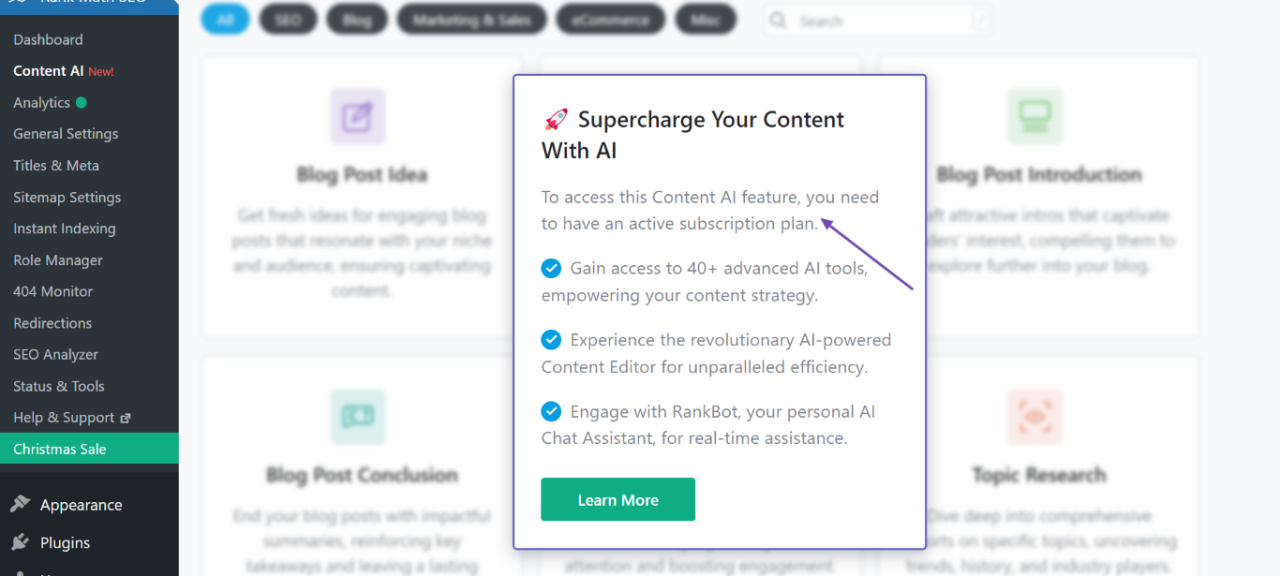
Effective use of visual elements significantly enhances content comprehension and user engagement. Incorporating images, videos, and graphics in a way that complements textual information helps convey complex ideas more clearly and retains audience interest. AI-powered tools can assist content creators in generating, organizing, and positioning these media components to optimize the overall reading experience.AI can analyze the textual context to recommend suitable multimedia elements that reinforce the message.
For example, if a paragraph discusses statistical data, AI might suggest inserting a relevant chart or infographic. Additionally, AI can generate detailed descriptions for images and graphics, making content more accessible and -friendly. Seamless integration of visuals within the content structure ensures that media supports rather than distracts from the main message, fostering a cohesive and engaging presentation.
Generating Descriptions for Images and Graphics
Descriptive text for visual elements enhances accessibility, particularly for users relying on screen readers, and improves search engine indexing. AI-driven image description tools analyze the visual content and produce detailed, accurate descriptions that capture essential elements and context.
- Semantic Analysis: AI examines the image to identify key objects, actions, and settings. For instance, an image showing a team of professionals collaborating might be described as “A diverse group of business professionals discussing a project around a conference table with charts and laptops.”
- Contextual Relevance: Descriptions are tailored to match the surrounding textual content, ensuring the visuals support the narrative effectively. If the text discusses renewable energy, AI might describe an image as “A wind farm with multiple turbines generating clean energy.”
- Accessibility Optimization: Descriptions are crafted to be clear and concise, providing vital visual cues to users with visual impairments, thereby broadening the content’s reach and inclusivity.
Integrating Visual Aids Seamlessly within Content
Proper organization of visual media within textual frameworks enhances comprehension and maintains aesthetic consistency. AI tools assist by suggesting optimal placements based on content flow and user engagement data.
Strategies for seamless integration include aligning images with relevant sections, using captions for clarity, and maintaining a balanced layout that avoids clutter. For example, placing an infographic immediately after a data-heavy paragraph allows readers to grasp complex information quickly. AI can analyze content structure to recommend the best positions for media elements, ensuring they naturally complement the surrounding text.
“Strategic placement of visual aids not only enhances understanding but also sustains user interest by breaking textual monotony and providing visual pauses.”
AI-Driven Recommendations for Multimedia Placement
AI algorithms analyze user interaction patterns, content structure, and readability metrics to suggest optimal multimedia placement for maximizing engagement. These recommendations consider factors such as content hierarchy, visual balance, and user navigation behavior.
- Heatmap Analysis: AI studies user interaction data, identifying areas where users spend more time and suggesting visual placements that draw attention effectively.
- Content Flow Optimization: Based on paragraph length, density, and thematic shifts, AI recommends inserting images or videos at points that enhance comprehension and retention.
- Adaptive Content Structuring: AI dynamically adjusts media placement for different audience segments, catering to preferences such as visual learners versus text-oriented users.
Implementing these AI-driven approaches ensures that multimedia elements are not only aesthetically pleasing but also strategically positioned to elevate the overall quality and effectiveness of the content.
Streamlining Content Workflow and Quality Control
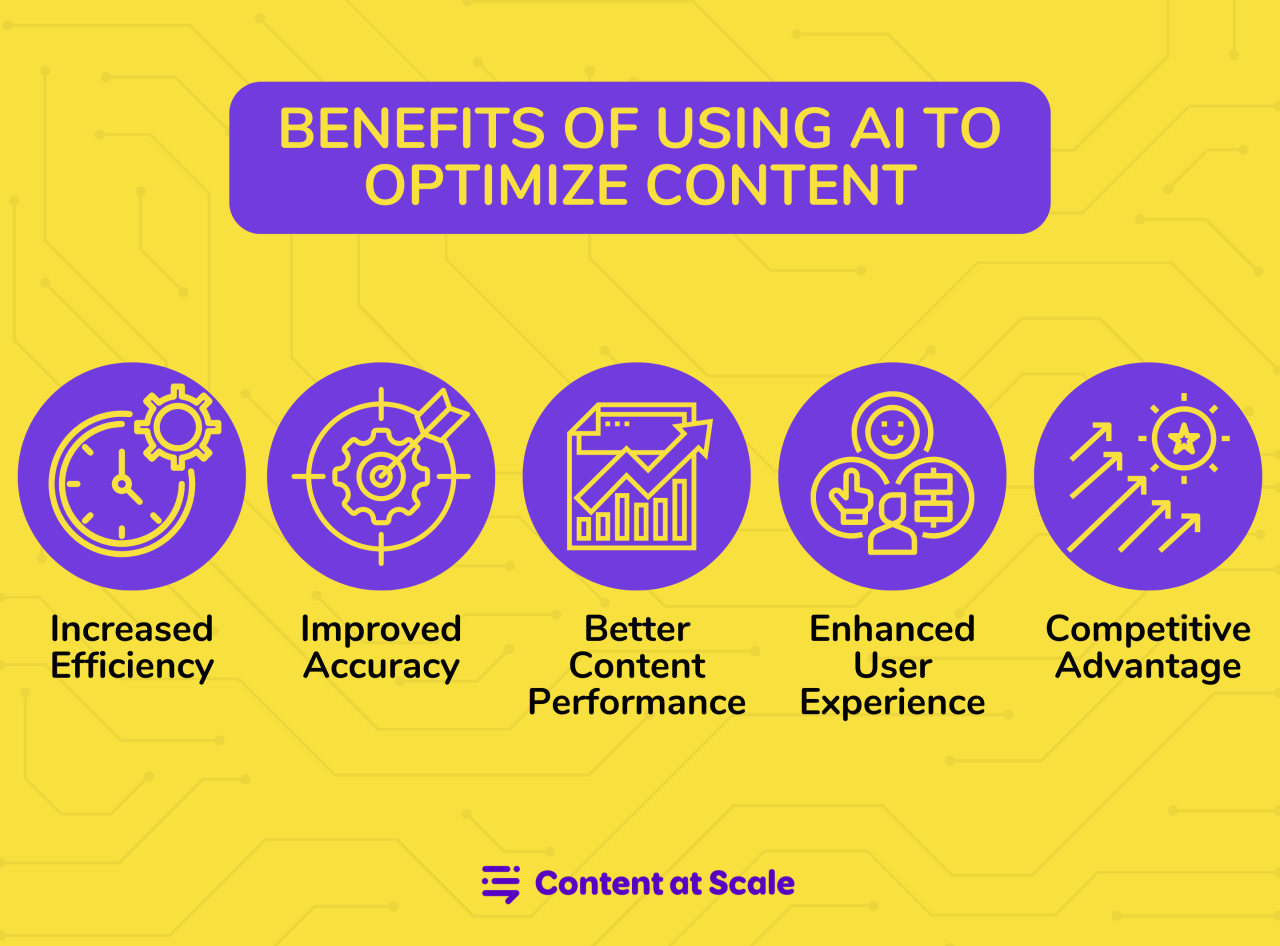
Efficient management of content creation and editing processes is essential to delivering consistent, high-quality outputs. Leveraging AI tools can significantly enhance workflow efficiency and ensure adherence to content standards. Implementing structured procedures for AI-assisted editing not only maintains clarity and uniformity but also accelerates the review cycle, enabling content teams to focus on strategic aspects of content development.Effective quality control in content workflows involves establishing standardized procedures that incorporate AI capabilities.
These procedures should include systematic use of AI for real-time suggestions, automated checks, and revision tracking, ultimately reducing manual oversight and minimizing errors. By integrating AI-driven tools into the workflow, organizations can achieve a seamless balance between automation and human oversight, fostering a consistent voice and style across all content.
Procedures for AI-Assisted Editing
To maintain consistency and clarity, define clear steps for utilizing AI in editing processes. Begin with configuring AI tools to align with brand guidelines, tone, and style preferences. During editing, AI can be employed to identify inconsistencies in terminology, tone deviations, or grammatical errors. For example, AI can suggest uniform headline structures or consistent use of technical terms throughout an article, ensuring cohesive content.Establish a feedback loop where editors review AI suggestions, accept or modify them, and then feed the adjustments back into the system.
This iterative process helps the AI learn preferences and improves its future assistance. Regular training sessions for editors on AI functionalities also ensure effective utilization, promoting a synergistic human-AI editing environment.
Best Practices for Structural Improvements During Revisions
AI tools excel at identifying opportunities for enhancing content structure during revision phases. Incorporate AI to analyze content flow, hierarchy, and logical progression, recommending reorganization where necessary. For instance, AI can detect sections with dense information and suggest subdividing them into subheadings or bullet points for better readability.Encourage editors to utilize AI suggestions as starting points for structural refinement. AI-generated insights should be viewed as objective assessments, aiding in highlighting potential improvements rather than replacing human judgment.
Maintaining a revision checklist that includes AI-suggested structural modifications ensures comprehensive content enhancement.
Automated Checks for Layout and Formatting Compliance
Automated validation of layout and formatting ensures consistency across large volumes of content, saving significant manual effort. Use specialized AI and scripting tools to perform regular checks on adherence to style guides, including font usage, heading hierarchy, spacing, and alignment.These tools can automatically scan content to verify that all sections follow predefined templates, such as correct heading levels, consistent paragraph spacing, and proper use of lists and tables.
For example, AI can flag instances where headings are improperly nested or where bullet points do not align with formatting standards. Implementing these automated checks as part of the publishing pipeline helps catch formatting discrepancies early, ensuring a professional and uniform presentation.
Practical Examples and Case Studies
Understanding how AI-driven content structuring translates into real-world improvements is essential for effective implementation. This section provides concrete examples of content architectures developed with AI guidance, showcases before-and-after optimization scenarios, and highlights applications across various industries where AI has significantly enhanced content engagement and performance.
By examining these practical cases, content creators and marketers can grasp the tangible benefits of AI-assisted structuring, including improved readability, increased user interaction, and streamlined workflows. These insights serve as valuable benchmarks for adopting AI tools to elevate content strategy and achieve measurable results.
Sample Content Structures Created with AI Guidance
AI tools can generate highly organized and visually appealing content frameworks that optimize user experience. For example, a typical AI-assisted article layout might include clearly defined sections, strategic use of headings, and embedded media to guide the reader seamlessly through the information.
| Section | Content Description | Formatting Elements |
|---|---|---|
| Introduction | Brief overview with engaging hook and key objectives | Bold for key points, underline for emphasis |
| Main Content | Detailed explanations, sub-sections, data visuals | Headings
, bullet points, numbered lists |
| Visuals | Infographics, images, embedded videos to illustrate concepts | Alt text for accessibility |
| Conclusion | Summary, call-to-action, next steps | Highlighted with bold or colored text |
Such structured formats help in maintaining clarity and engagement, making complex content more digestible and visually appealing.
Case Studies: Before-and-After Content Optimization
Real-world case studies demonstrate the transformative impact of AI-powered content restructuring. Below are examples illustrating how initial content layouts were enhanced for better engagement and clarity:
Case Study 1: An e-commerce product description initially consisted of lengthy paragraphs with minimal formatting. Using AI tools, the content was reorganized into concise sections with bullet points, clear headings, and relevant images. Post-optimization, the conversion rate increased by 25%, and bounce rates decreased significantly.
Case Study 2: A health blog article lacked visual hierarchy and accessible formatting. AI-generated restructuring introduced numbered steps, highlighted key points, and embedded diagrams. As a result, reader comprehension scores improved, and time spent on the page doubled.
Real-World Applications of AI-Driven Content Structuring
AI has been effectively implemented across various domains to enhance content engagement and operational efficiency. The following list Artikels some notable applications:
- Digital Marketing Campaigns: Automated content planning and segmentation enable targeted messaging with optimized layouts, increasing click-through rates and conversions.
- Educational Content Development: AI-structured modules and interactive media facilitate personalized learning experiences, boosting retention and participation rates.
- News and Media Platforms: Dynamic structuring of articles with relevant multimedia, summaries, and contextual links improves readability and user dwell time.
- Corporate Websites and Portals: AI assists in organizing extensive information hierarchically, simplifying navigation and enhancing user satisfaction.
- Product Documentation and Support: Structured content with clear sections, visual aids, and step-by-step guides minimizes user frustration and reduces support queries.
These applications highlight the versatility and effectiveness of AI-driven content structuring in driving engagement, improving usability, and streamlining content management workflows across industries.
Concluding Remarks
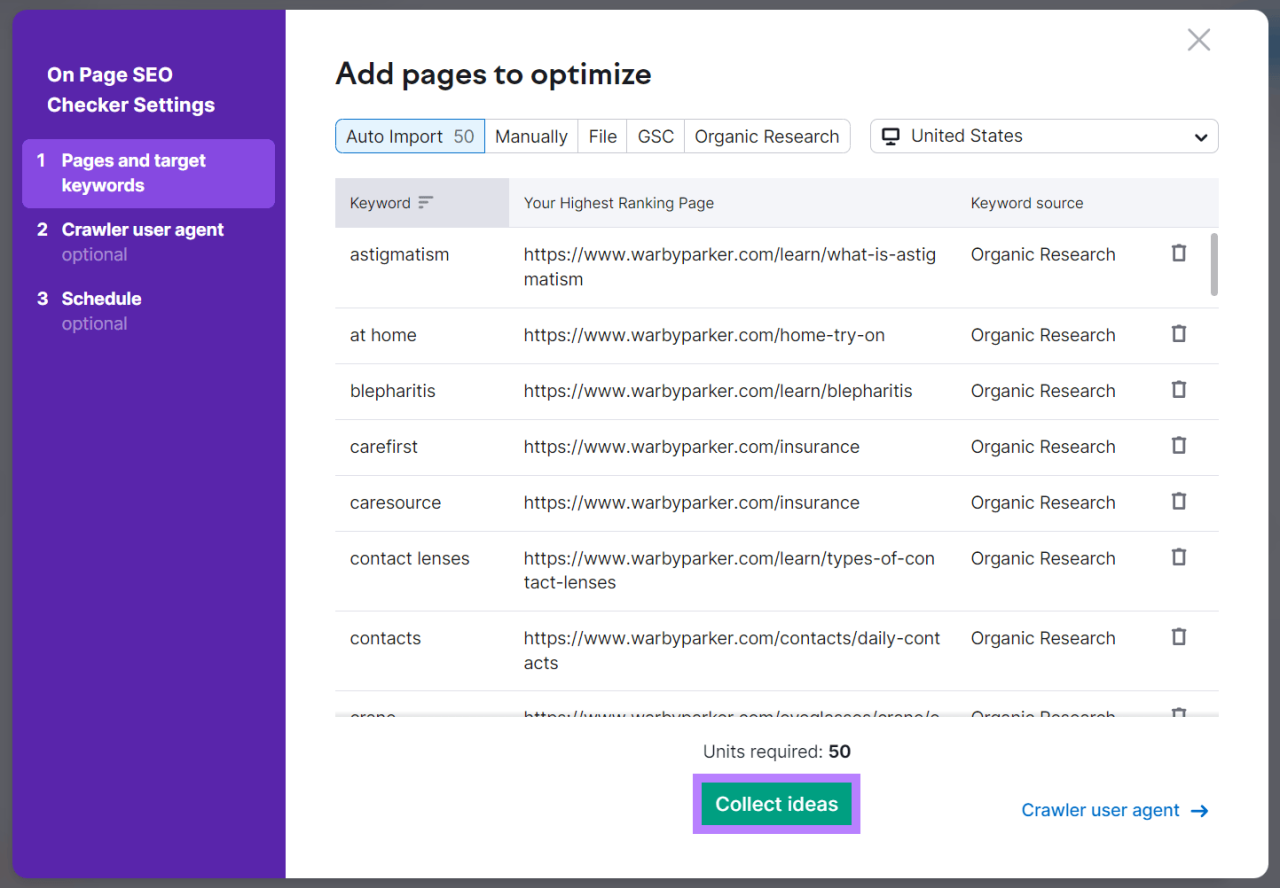
In conclusion, utilizing AI to optimize content structure unlocks new levels of efficiency and engagement. By adopting these innovative strategies, content creators can deliver clearer, more attractive, and impactful content that stands out in a crowded digital environment. Embracing AI-driven structuring not only enhances the quality of your material but also paves the way for sustained success and growth.