Leveraging artificial intelligence to optimize backlink strategies offers a transformative approach to enhancing website authority and search engine rankings. By integrating AI-driven tools and techniques, businesses can identify high-quality link opportunities, automate outreach efforts, and continuously monitor backlink performance with greater efficiency and precision. This innovative approach not only saves time but also increases the effectiveness of backlink campaigns, paving the way for more sustainable and impactful results.
Throughout this discussion, we will explore how AI technologies are revolutionizing each stage of backlink building — from analyzing competitor profiles and evaluating link prospects to content optimization and performance tracking. Embracing these advancements enables marketers to develop smarter, more ethical, and highly targeted backlink strategies that adapt to changing digital landscapes and industry trends.
Overview of AI-Driven Backlink Strategies
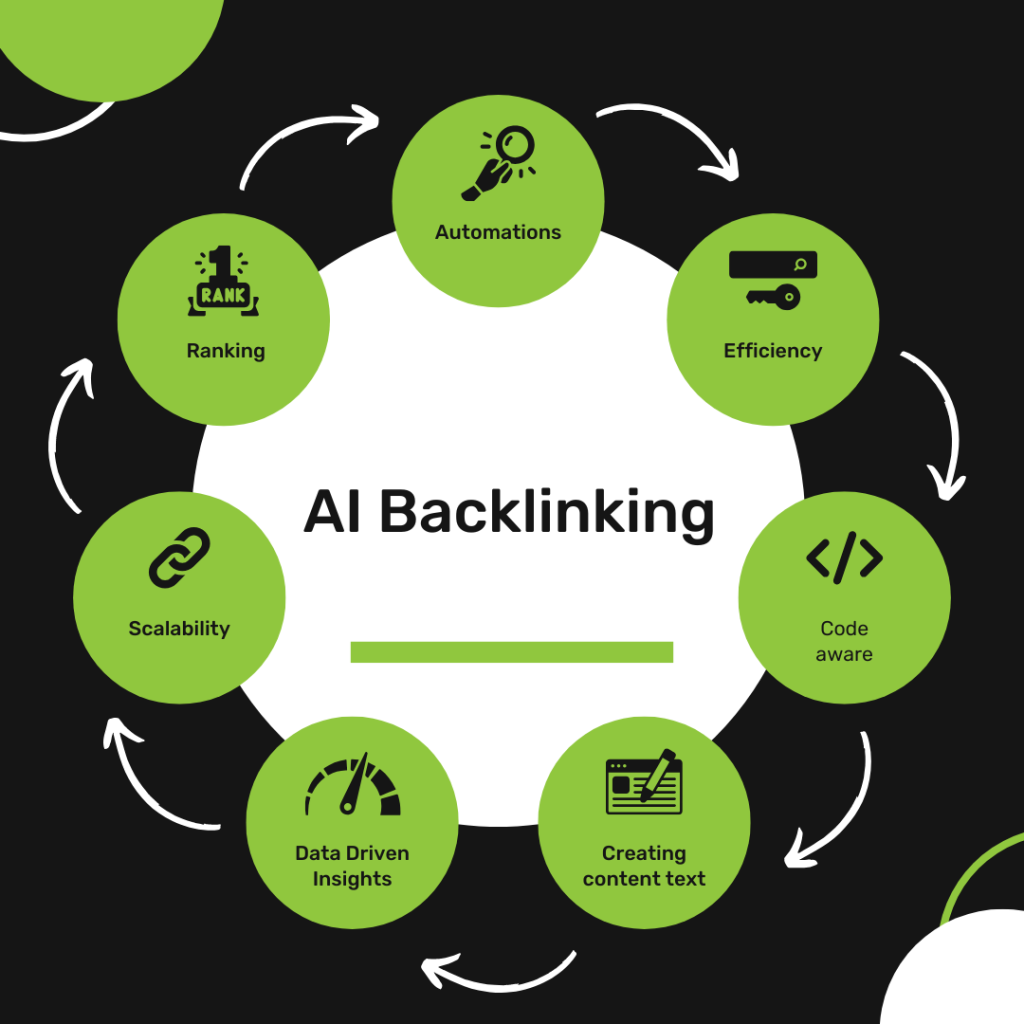
Artificial intelligence (AI) has revolutionized the way digital marketing professionals approach backlink optimization. By leveraging advanced algorithms and machine learning models, businesses can now identify, acquire, and maintain high-quality backlinks more efficiently than ever before. This transformation enables a more data-driven and strategic approach, minimizing manual efforts while maximizing results.
Integrating AI tools into backlink building workflows offers numerous benefits, including enhanced accuracy in link prospecting, improved content relevance, and the ability to analyze backlink profiles at scale. As a result, companies can develop more effective backlink strategies that align closely with search engine algorithms, driving sustainable organic growth.
Transformative Role of Artificial Intelligence in Backlink Optimization
AI fundamentally changes the backlink optimization process by automating data collection, analysis, and decision-making. Traditional methods often relied on manual outreach and heuristic judgments, which can be time-consuming and inconsistent. In contrast, AI systems utilize natural language processing (NLP) to evaluate the relevance and authority of potential backlink sources, ensuring outreach efforts target valuable opportunities.
Moreover, AI-driven tools can detect patterns and predict future backlink opportunities by analyzing vast datasets from competitors’ profiles, industry trends, and content performance. This predictive capability allows marketers to proactively develop backlink strategies that stay ahead of algorithm updates and market shifts.
Benefits of Integrating AI Tools into Backlink Building Workflows
Utilizing AI tools in backlink strategies provides several key advantages that enhance overall effectiveness and efficiency:
- Precision in Link Prospecting: AI algorithms can filter and score potential backlink sources based on domain authority, relevance, and trustworthiness, ensuring outreach efforts focus on the most promising opportunities.
- Content Optimization: AI can analyze existing content and suggest modifications or new topics that are more likely to attract backlinks, aligning content creation with backlink strategies.
- Automated Outreach and Follow-up: Machine learning systems can personalize outreach emails at scale, improving response rates and fostering relationships with authoritative publishers.
- Continuous Monitoring and Adjustment: AI tools provide real-time insights into backlink profile health, allowing marketers to promptly address harmful links or capitalize on emerging opportunities.
“AI-driven backlink strategies enable a competitive edge by combining automation with data-driven insights, reducing manual workload and increasing campaign precision.”
Examples of Successful AI-Enhanced Backlink Campaigns
Several organizations have effectively integrated AI into their backlink initiatives, resulting in notable improvements in search rankings and domain authority. The following table summarizes some exemplary campaigns that demonstrate the practical benefits of AI-powered backlink strategies:
| Company | AI Tool Used | Strategy Focus | Results Achieved |
|---|---|---|---|
| TechGiant Inc. | LinkBuilder AI Suite | Automated prospecting and outreach personalization | Increased high-quality backlinks by 35% within three months, boosting organic traffic by 20% |
| HealthPlus | ContentRelevance AI | Identifying content gaps and optimizing for backlink attraction | Achieved a 50% growth in referring domains over six months, with improved search rankings for core s |
| EcoSolutions | BacklinkPredict AI | Predicting emerging backlink opportunities through pattern analysis | Secured backlinks from authoritative environmental blogs, resulting in a 15% increase in organic leads within four months |
| FinancePro | OutreachOptimizer AI | Scaling personalized outreach campaigns | Response rates doubled, and backlink acquisition efficiency improved by 40% |
Identifying High-Quality Link Opportunities Using AI
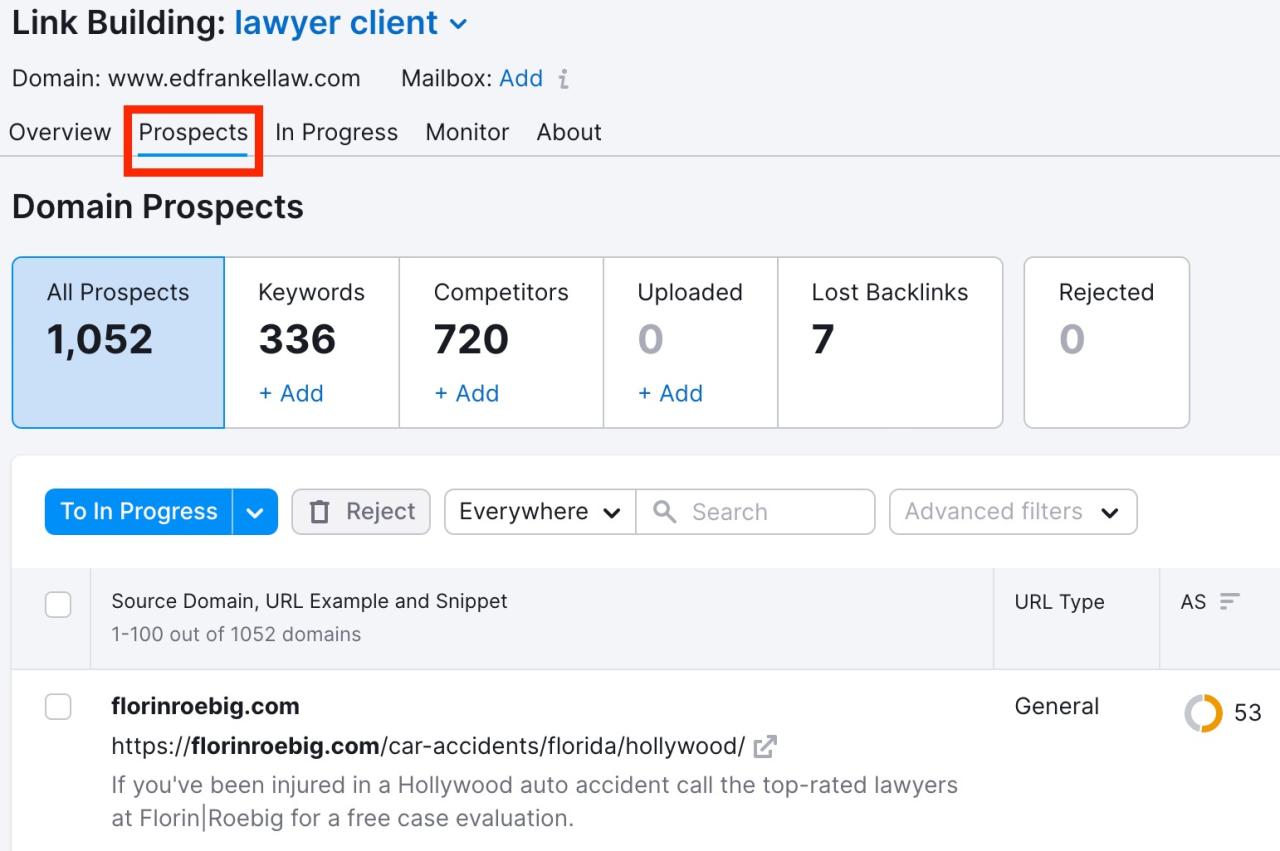
Effective backlink strategies hinge on pinpointing authoritative and relevant sites that can enhance your domain’s credibility. Leveraging artificial intelligence allows for a more precise and efficient identification process, enabling digital marketers and specialists to uncover optimal link prospects with increased accuracy and speed.
AI-driven tools analyze vast quantities of data from competitor profiles, domain metrics, and content relevance, streamlining the process of discovering high-value link opportunities. This approach not only improves the quality of backlinks but also optimizes resource allocation by focusing efforts on the most promising prospects.
Analyzing Competitor Backlink Profiles with AI
Understanding your competitors’ backlink profiles offers valuable insights into potential opportunities for your own site. AI tools can automatically scrape and analyze competitor backlinks, extracting key metrics such as link sources, anchor texts, and link velocities. This comprehensive analysis helps identify patterns, high-authority domains, and gaps in your own backlink profile.
Advanced AI algorithms utilize machine learning to classify backlinks based on quality, relevance, and trustworthiness. For instance, AI can flag backlinks from media outlets, industry-specific directories, or influential blogs, which typically carry higher authority and relevance. These insights allow strategists to prioritize outreach efforts towards similar sources or identify new domains worth pursuing.
Evaluating Domain Authority and Relevance for Link Prospects
Assessing the quality of potential link sources requires a combination of domain authority metrics and topical relevance. AI simplifies this by automatically retrieving and analyzing data such as Domain Authority (DA), Trust Flow, Citation Flow, and thematic alignment with your niche.
AI tools employ natural language processing (NLP) to evaluate the relevance of a website’s content to your industry or niche, ensuring that backlinks come from sources that are contextually appropriate. For example, an AI system might analyze a prospective site’s content to determine if it focuses on digital marketing, technology, or a related field, aligning with your target s and thematic focus.
“Combining quantitative domain metrics with qualitative relevance assessments ensures the acquisition of backlinks that genuinely boost authority and organic visibility.”
Organizing Potential Link Sources in a Responsive HTML Table
To streamline outreach and follow-up activities, organizing potential link prospects in a structured format is vital. AI-powered tools can generate comprehensive tables that categorize prospects based on key parameters, facilitating quick decision-making and personalized outreach.
Below is a step-by-step guide to creating an organized table of link sources:
| Source Name | Domain Authority | Relevance Score | Link Type | Contact Info | Notes |
|---|---|---|---|---|---|
| ExampleTechBlog.com | 85 | 9.5 | Guest Post | [email protected] | Industry-leading technology blog with high engagement metrics. |
| DigitalMarketersForum.org | 78 | 9.0 | Resource Link | [email protected] | Popular community for digital marketing professionals. |
| InnovateSolutions.co | 80 | 8.8 | Collaboration | [email protected] | Reputable tech startup with relevant content on innovation. |
This organized approach enables teams to prioritize outreach based on domain authority, relevance, and potential impact, ultimately fostering more strategic backlink acquisition efforts.
Automating Outreach and Relationship Building with AI

Effective backlink strategies extend beyond identifying opportunities; building genuine relationships with webmasters and content creators is essential for securing high-quality backlinks. Leveraging AI for outreach and relationship management allows marketers to scale personalized communication, save time, and improve response rates. This approach ensures that outreach efforts are consistent, targeted, and efficient, ultimately enhancing the overall backlink profile.
Implementing AI-driven tools in outreach processes can streamline template design, personalize messages at scale, and maintain an authentic tone. By automating these key aspects, digital marketers can focus more on strategic relationship nurturing, leading to sustainable and high-value backlinks from authoritative sources.
Designing AI-Powered Outreach Email Templates
Creating effective outreach templates with AI involves developing customizable frameworks that can adapt to various target audiences while maintaining clarity and professionalism. These templates should incorporate dynamic placeholders for personalized details such as recipient name, website name, recent content, or specific interests to enhance engagement.
The templates should follow a structured format that clearly articulates the value proposition, references mutual interests or previous interactions, and includes a clear call-to-action. AI tools can be programmed to generate multiple variations of these templates based on target segmentation, ensuring a diverse and relevant outreach approach.
Effective templates combine clarity, personalization, and professionalism, increasing the likelihood of positive responses from prospects.
Techniques for AI to Personalize Messages at Scale While Maintaining Authenticity
Personalization at scale is crucial for successful outreach campaigns, especially when contacting numerous webmasters or content creators. AI can analyze data from various sources such as website content, social media profiles, and engagement history to craft tailored messages that resonate with each recipient.
Using natural language processing (NLP), AI tools can identify key topics, tone preferences, and common interests, ensuring that messages are relevant and authentic. For example, if a website recently published an article on a specific industry trend, the AI-generated outreach email could reference that article directly, demonstrating genuine interest and increasing response probability.
Maintaining authenticity involves avoiding overly generic language and ensuring that AI-generated content reflects the brand’s voice while respecting individual nuances. Regularly reviewing and fine-tuning AI outputs helps preserve this balance, fostering trust and stronger relationships over time.
Sample HTML Layout for Outreach Tracking
Maintaining organized records of outreach activities is fundamental to optimizing backlink strategies. An HTML table layout provides a clear, accessible way to monitor outreach status, response rates, and follow-up actions.
| Prospect Name | Website | Initial Contact Date | Outreach Status | Response Received | Follow-Up Date | Notes |
|---|---|---|---|---|---|---|
| Jane Doe | exampleblog.com | 2024-04-10 | Sent | No | 2024-04-17 | Follow-up scheduled if no response by then. |
| John Smith | techinsights.com | 2024-04-12 | Replied | Yes | 2024-04-19 | Interested in guest posting collaboration. |
This layout facilitates quick assessment of outreach effectiveness, helps identify prospects requiring additional follow-up, and streamlines ongoing relationship management, ensuring that outreach efforts are both systematic and adaptive to response patterns.
Content Optimization for Backlink Acquisition with AI
Effective content optimization is a cornerstone of a successful backlink strategy. Leveraging AI tools enables marketers and content creators to enhance their content in ways that naturally attract high-quality backlinks, thereby improving search engine rankings and domain authority. This approach ensures that content not only resonates with target audiences but also aligns with what industry peers and authoritative sites find valuable and worth referencing.
AI-driven content optimization involves analyzing existing content, identifying areas for improvement, and proposing actionable enhancements. By understanding user engagement patterns, industry trends, and relevance, AI tools help craft content that is both compelling and highly backlinkable. As a result, businesses can streamline their content efforts, focus on topics with high backlink potential, and build a robust digital presence through organic backlinks.
AI Suggestions for Content Improvements to Attract Backlinks
AI tools utilize advanced natural language processing (NLP) algorithms to evaluate content quality, readability, and relevance. They provide specific suggestions to enhance various elements of a piece, including headlines, meta descriptions, internal linking, and multimedia integration. For example, an AI platform might recommend adding comprehensive data visualizations or case studies that establish authority and increase shareability.
Furthermore, these tools analyze competitor content to identify gaps or underrepresented topics. By filling these gaps with well-optimized content, brands can position themselves as industry leaders, increasing the likelihood of earning backlinks from authoritative sources. AI also helps optimize content length and density, ensuring the material aligns with best practices and user intent, which are crucial for attracting backlinks.
Identifying Trending Topics and Relevant Industry s Using AI
Staying ahead of industry trends is essential for creating content that captures attention and earns backlinks. AI-powered tools scan vast amounts of data from social media, news outlets, forums, and search queries to detect emerging topics with high engagement potential. This real-time insight allows content creators to target discussions that are gaining traction.
In addition, AI assists in identifying industry-specific s that have high search volume and low competition, improving content discoverability. These s enable the creation of targeted content assets that resonate with both audiences and industry influencers. For example, an AI tool may suggest incorporating trending hashtags or long-tail s related to recent technological advancements, ensuring the content remains relevant and backlink-worthy.
Structuring a Content Planning Chart to Align Content Assets with Backlink Goals
Effective content planning involves aligning content creation with strategic backlink objectives. Using HTML table structures, organizations can map out content assets to specific backlink goals, target audiences, and relevant s. This structured approach improves transparency and helps prioritize high-impact topics.
Example Content Planning Chart:
| Content Asset | Target Backlink Goal | Primary s | Target Audience | Publishing Date |
|---|---|---|---|---|
| In-Depth Industry Report | Earn backlinks from industry blogs and publications | industry trends 2024, market analysis, sector growth | Industry Professionals, Analysts | |
| Expert Interview Series | Secure backlinks from educational and thought leadership sites | thought leadership, expert insights, innovation | Business Leaders, Academics | |
| How-to Guide on New Technologies | Attract backlinks from tech forums and review sites | AI applications, automation tools, technology adoption | Developers, Tech Enthusiasts |
By clearly mapping content assets to backlink goals and s, teams can focus their efforts on producing high-value content that naturally attracts backlinks, supports objectives, and enhances overall digital authority.
Monitoring and Analyzing Backlink Performance via AI
Effective backlink strategies require continuous oversight to ensure that the acquired links contribute positively to a website’s authority and search engine rankings. AI-powered tools facilitate real-time monitoring and in-depth analysis of backlink performance, enabling professionals to maintain a healthy link profile and respond swiftly to any issues. Leveraging AI for these tasks enhances accuracy, efficiency, and strategic decision-making, ultimately optimizing the overall backlink strategy.
AI-driven monitoring systems automate the process of tracking backlink health, identifying harmful links, and generating comprehensive performance reports. These capabilities provide actionable insights, allowing for timely interventions such as disavowing toxic links or adjusting outreach efforts. By organizationally presenting key metrics and recommendations through user-friendly interfaces, AI enhances the clarity and immediacy of backlink management, ensuring sustained success.
Monitoring Backlink Health and Detecting Harmful Links
Maintaining a robust backlink profile involves regular assessment of link quality and health. AI tools continuously crawl and analyze backlink data from various sources, including search engines and backlink databases, to identify signs of link decay or potential harm. Harmful links often include spammy, manipulative, or irrelevant backlinks that can negatively influence search rankings or trigger penalties from search engines.
AI algorithms utilize pattern recognition, anomaly detection, and natural language processing to distinguish between high-quality and toxic backlinks. They assess attributes such as domain authority, relevance, anchor text diversity, and link velocity. When harmful links are detected, AI systems can automatically flag them for review or initiate disavow requests, helping to protect the website’s integrity and maintain optimal performance.
Generating Performance Reports and Insights
AI tools can compile and present backlink performance data through automated reporting features. These reports deliver a comprehensive view of backlink metrics, highlighting trends, anomalies, and progress toward goals. Regular reporting ensures that marketers stay informed about the effectiveness of their backlink strategies and can make data-driven adjustments promptly.
Performance reports generated by AI typically include insights such as link acquisition rates, domain distribution, association, and referral traffic analysis. Advanced AI systems can also forecast future backlink trends based on current data, providing strategic foresight. Visual dashboards with charts and graphs enhance interpretability, enabling teams to quickly grasp complex information and prioritize actions effectively.
Organizing Key Metrics and Recommendations
To facilitate quick decision-making, AI systems organize critical backlink data into structured formats such as tables and dashboard summaries. These summaries often include key metrics that reflect backlink health and influence on performance.
Metric Description Optimal Range / Indicator Recommended Action Domain Authority Measure of a domain’s credibility and trustworthiness based on backlink profile Above 50 for high-quality links Prioritize links from authority domains and disavow low-quality ones Referring Domains Number of unique domains linking to the website Growth aligned with content strategy Monitor for unnatural spikes; seek diverse, relevant domains Anchor Text Diversity Variety of anchor texts used in backlinks Natural distribution without over-optimization Adjust outreach to prevent stuffing Toxic Links Links identified as spammy or manipulative Zero or minimal harmful links Disavow or remove toxic links promptly Referral Traffic Traffic coming from backlinks Consistent growth or stable high levels Analyze sources; prioritize high-converting links
Additionally, AI can generate actionable recommendations based on the analyzed data, such as which links to pursue, disavow, or further investigate. This organized approach ensures that backlink management remains strategic, data-driven, and aligned with overarching objectives.
Ethical Considerations and Risks in AI-Enhanced Backlink Strategies

Integrating AI into backlink strategies offers numerous efficiencies and opportunities for growth, but it also raises essential ethical considerations. Ensuring responsible use of AI technology is vital to maintain the integrity of your efforts, protect your brand reputation, and adhere to search engine guidelines. Addressing potential risks proactively can prevent unintended consequences that may harm your website’s authority and long-term success.
While AI-driven tools can automate and optimize backlink acquisition processes, misuse or over-reliance can lead to practices that are perceived as manipulative or spammy. Recognizing these risks and establishing ethical standards helps safeguard your digital presence and fosters sustainable growth based on genuine value creation.
Preventing Link Spam and Preserving Reputation
Maintaining ethical standards in backlink strategies involves avoiding tactics that can be classified as link spam. Search engines like Google have rigorous algorithms designed to detect unnatural link patterns that aim solely to manipulate rankings. Using AI to generate or acquire backlinks must align with best practices that prioritize quality over quantity.
Ethical backlink building emphasizes earning links through valuable content, outreach, and relationship-building rather than through manipulative techniques such as mass link exchanges or irrelevant link placements. AI tools should be configured to identify reputable sources and relevant opportunities, thus fostering authentic link profiles that reflect true industry authority.
Risks of Over-Automation and Mitigation Strategies
Automating backlink processes with AI offers efficiency but also introduces risks of over-automation, which can lead to unnatural link patterns, duplicate outreach, or engagement with low-quality sites. Excessive automation may violate search engine guidelines, resulting in penalties or deindexing.
To mitigate these risks, organizations should implement strict oversight mechanisms, including human review at critical stages. Regular audits of AI-generated backlinks help ensure compliance with ethical standards and prevent the accumulation of harmful links. Balancing automation with human judgment preserves authenticity and aligns strategies with evolving search engine policies.
Guidelines for Responsible AI Use in Backlink Building
Adhering to responsible AI practices is essential to sustain ethical backlink strategies. The following guidelines serve as a foundational framework for organizations employing AI in their link-building efforts:
- Prioritize Content Quality: Use AI to identify high-value, relevant content that naturally attracts backlinks, rather than relying solely on automated outreach.
- Focus on Relevance and Authority: Target reputable, contextually appropriate sites that align with your niche to ensure backlink credibility.
- Maintain Transparency: Clearly disclose any automated outreach or content partnerships to uphold trust and transparency with audience and partners.
- Limit Automation Scope: Automate repetitive tasks but retain human oversight for strategic decision-making and quality assurance.
- Comply with Search Engine Guidelines: Stay informed about evolving policies and ensure AI strategies adhere to policies against manipulative tactics.
- Regularly Audit and Adjust: Conduct periodic reviews of backlink profiles to identify and disavow low-quality or unnatural links, ensuring ongoing compliance and reputation management.
“Responsible AI use in backlink strategies hinges on balancing automation with ethical judgment, prioritizing authenticity and user value over short-term gains.”
Future Trends of AI in Backlink Strategy Development
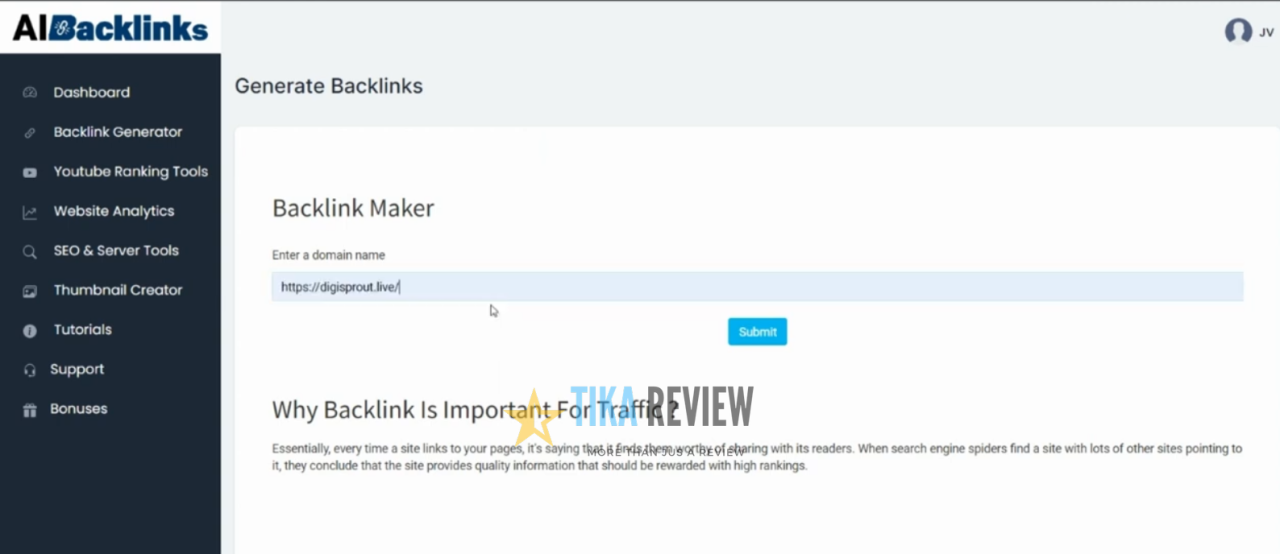
The rapid evolution of artificial intelligence continues to revolutionize backlink strategies, opening new avenues for more precise, efficient, and innovative link-building practices. Staying ahead of emerging AI technologies will be crucial for digital marketers and professionals seeking a competitive edge in the ever-changing landscape of search engine optimization. As AI advances, its influence on backlink development is expected to grow significantly, ushering in novel tools and methodologies that will reshape how high-quality links are identified, acquired, and maintained.
Understanding the future trajectory of AI in backlink strategies enables organizations to adapt proactively, leveraging cutting-edge innovations to optimize their link-building efforts. This forward-looking perspective not only enhances current practices but also fosters the development of resilient, scalable, and ethically sound backlink campaigns aligned with technological advancements and industry standards.
Emerging AI Technologies Impacting Link Building
Several groundbreaking AI technologies are poised to significantly influence the future of backlink strategies. These innovations promise to enhance the accuracy, speed, and sophistication of link acquisition processes, reducing manual effort and improving outcomes.
- Natural Language Processing (NLP): Advanced NLP models, such as GPT-4 and beyond, will enable more nuanced content analysis and outreach personalization. These models can identify high-value content topics, craft highly tailored outreach messages, and understand contextual relevance with greater precision.
- Machine Learning Algorithms for Predictive Analytics: These algorithms will analyze vast datasets to forecast link opportunities, identify emerging authority sites, and predict the potential value of backlinks before outreach begins, allowing for more strategic decision-making.
- AI-Powered Content Generation: Future tools will produce high-quality, -optimized content at scale, tailored for backlink opportunities. Such content will be more engaging and relevant, increasing the likelihood of acquiring authoritative backlinks.
- Visual Recognition and Data Extraction: AI-driven image and video analysis tools will facilitate the identification of backlink opportunities through multimedia content, expanding the scope beyond traditional text-based analysis.
Predictions for AI-Driven Backlink Tactics in the Coming Years
The next few years are expected to witness a paradigm shift in backlink tactics, heavily driven by AI innovations that enhance automation, accuracy, and strategic insights.
- Hyper-Personalized Outreach: AI will enable the creation of highly personalized outreach messages based on detailed analysis of target websites, influencers, and their content preferences, significantly increasing response and conversion rates.
- Automated Link Prospecting and Validation: Fully automated systems will continuously scan the web for high-authority sites, evaluate their relevance and authority metrics, and prioritize prospects with minimal human intervention.
- Dynamic Content Optimization for Backlink Acquisition: AI will adapt content in real-time to align with evolving search trends and target audience interests, ensuring that content remains attractive for backlink opportunities.
- Real-Time Monitoring and Adjustment: AI-driven analytics platforms will offer real-time feedback on backlink campaigns, allowing immediate adjustments to outreach strategies and content, thereby maximizing effectiveness.
Innovations in Tools and Methods for Future Link Building
The landscape of backlink strategy development is set to be transformed by innovative tools and methods that harness AI capabilities. These upcoming innovations aim to streamline processes, increase reliability, and ensure ethical compliance.
| Innovation | Functionality | Impact |
|---|---|---|
| AI-Based Link Quality Scoring | Automated evaluation of backlink quality based on authority, relevance, and potential spam signals | Improves decision-making accuracy in selecting link prospects |
| Intelligent Outreach Platforms | Automates personalization, follow-ups, and relationship management using AI-driven insights | Enhances outreach efficiency and relationship strength |
| Semantic Search and Relevance Matching | Utilizes NLP to match content relevance with prospective link sources more precisely | Increases the likelihood of securing high-quality backlinks |
| AI-Enhanced Competitor Analysis | Provides detailed insights into competitor backlink profiles using machine learning models | Identifies gaps and new opportunities for strategic link acquisition |
| Automated Content Creation and Optimization | Generates and refines content tailored for backlink opportunities, optimized for and relevance | Reduces content development time while increasing backlink appeal |
As AI technologies continue to evolve, so too will the sophistication of backlink strategies. Embracing these innovations today sets the foundation for resilient, scalable, and ethically responsible link-building practices in the future.
Ending Remarks
In conclusion, integrating AI into your backlink strategy represents a crucial step toward achieving higher search rankings and maintaining a competitive edge in the digital marketplace. By adopting AI-powered tools and following best practices, businesses can streamline their backlink processes, ensure quality and relevance, and stay ahead of emerging trends. As AI continues to evolve, those who harness its potential will be well-positioned to craft innovative, effective, and ethical link building strategies for years to come.