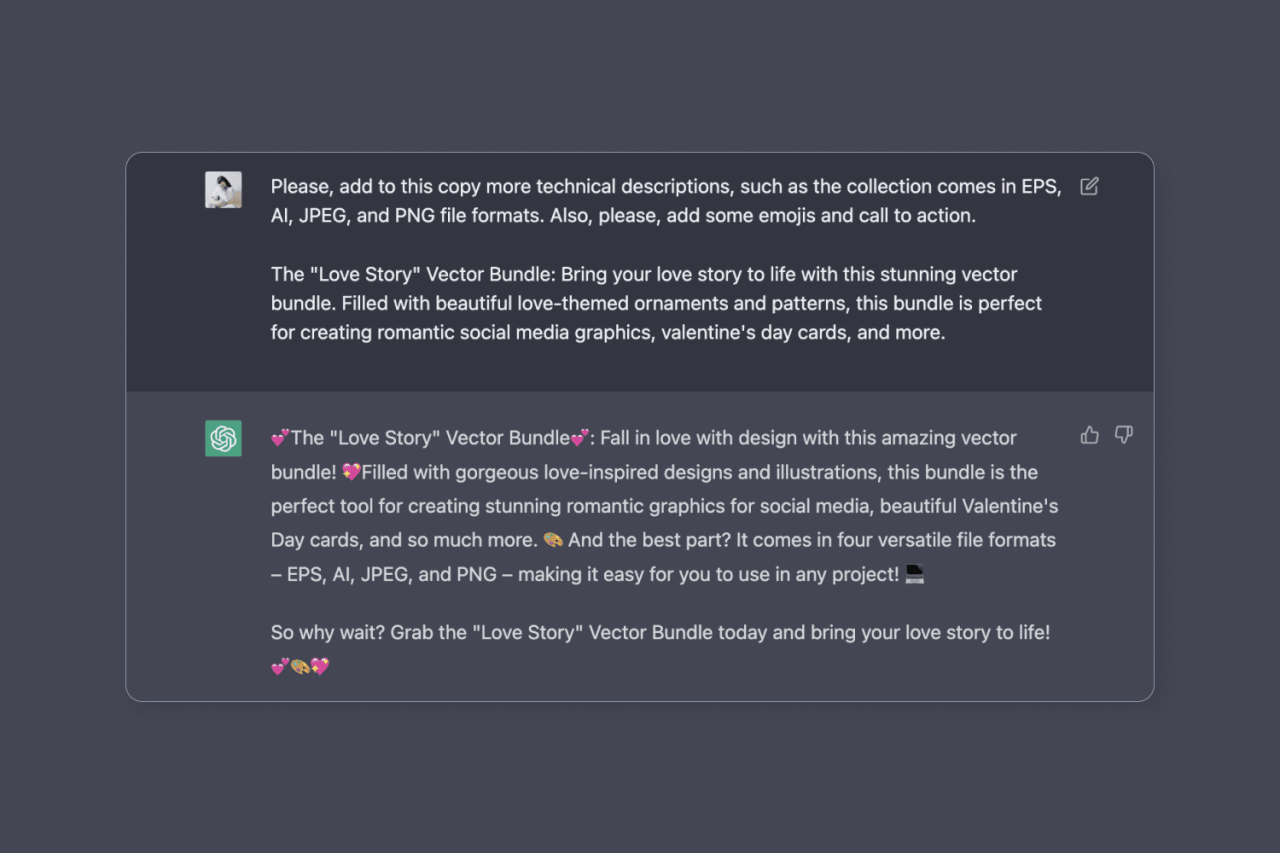
Learning how to generate product descriptions with AI opens new horizons for streamlining your e-commerce content creation. This approach leverages advanced technology to produce compelling, informative, and engaging product summaries efficiently. As online shopping continues to grow, harnessing AI to craft high-quality descriptions can significantly enhance user experience and boost sales.
This guide explores the fundamental concepts behind AI-generated product descriptions, from preparing data inputs to customizing content for brand consistency. It offers practical strategies for optimizing descriptions, integrating visual elements, and maintaining quality, ensuring your product listings stand out effectively in a competitive marketplace.
Understanding the Fundamentals of AI-Generated Product Descriptions
Leveraging artificial intelligence to craft product descriptions has become an essential strategy for businesses aiming to produce compelling, consistent, and scalable content. The core concepts behind AI-generated descriptions revolve around machine learning models that analyze vast amounts of data to understand product features and consumer preferences. These models facilitate the creation of engaging content that accurately reflects product attributes while resonating with target audiences.
AI models interpret product features by employing natural language processing (NLP) and deep learning techniques. They analyze detailed data inputs such as specifications, benefits, and unique selling points to generate descriptions that are both informative and persuasive. Automation in this context not only accelerates the content creation process but also ensures consistency across large product catalogs, reducing manual effort and minimizing human error.
Core Concepts Behind AI-Generated Product Descriptions
Understanding how AI models function is fundamental to appreciating their effectiveness in content creation. These systems rely on training data comprised of existing product descriptions, customer reviews, and other relevant texts to learn language patterns and product-specific terminology. Through this training, AI develops the ability to generate new descriptions that are contextually relevant and linguistically natural.
Key concepts include:
- Natural Language Processing (NLP): Enables AI to understand, interpret, and generate human language, ensuring that product descriptions are coherent and engaging.
- Machine Learning Models: Algorithms such as GPT (Generative Pre-trained Transformer) learn from extensive datasets to create contextually appropriate content.
- Feature Extraction: The process where AI identifies critical product attributes—like size, color, material, or usage—to incorporate into descriptions seamlessly.
- Prompt Engineering: Crafting input instructions that guide AI models to produce specific types of descriptions aligned with brand voice and marketing goals.
How AI Interprets Product Features for Content Generation
Transforming raw product data into persuasive descriptions hinges on AI’s ability to analyze and synthesize information. The models process structured data (such as technical specifications) and unstructured data (like customer reviews) to understand what makes a product unique and desirable. This understanding allows AI to craft narratives that highlight key benefits while aligning with consumer interests.
For example, if a smartwatch features a long battery life, AI can generate a description emphasizing convenience and reliability, such as:
“Stay connected all day without interruption thanks to its extended battery life, ensuring you never miss a moment.”
Similarly, if a product has eco-friendly attributes, AI can emphasize sustainability and environmental benefits, resonating with eco-conscious consumers.
Advanced AI systems utilize semantic understanding to differentiate between essential features and peripheral details, ensuring the generated descriptions are targeted and impactful. This capability allows businesses to maintain a high level of personalization and relevance, creating content that appeals directly to their audience’s preferences and needs.
The automation of product descriptions through AI offers significant advantages, including rapid content generation, consistency across extensive product ranges, and the ability to adapt descriptions based on evolving market trends or customer feedback. Such systems empower companies to scale their marketing efforts efficiently while maintaining high-quality standards in their product communications.
Preparing Data and Inputs for AI-Generated Descriptions
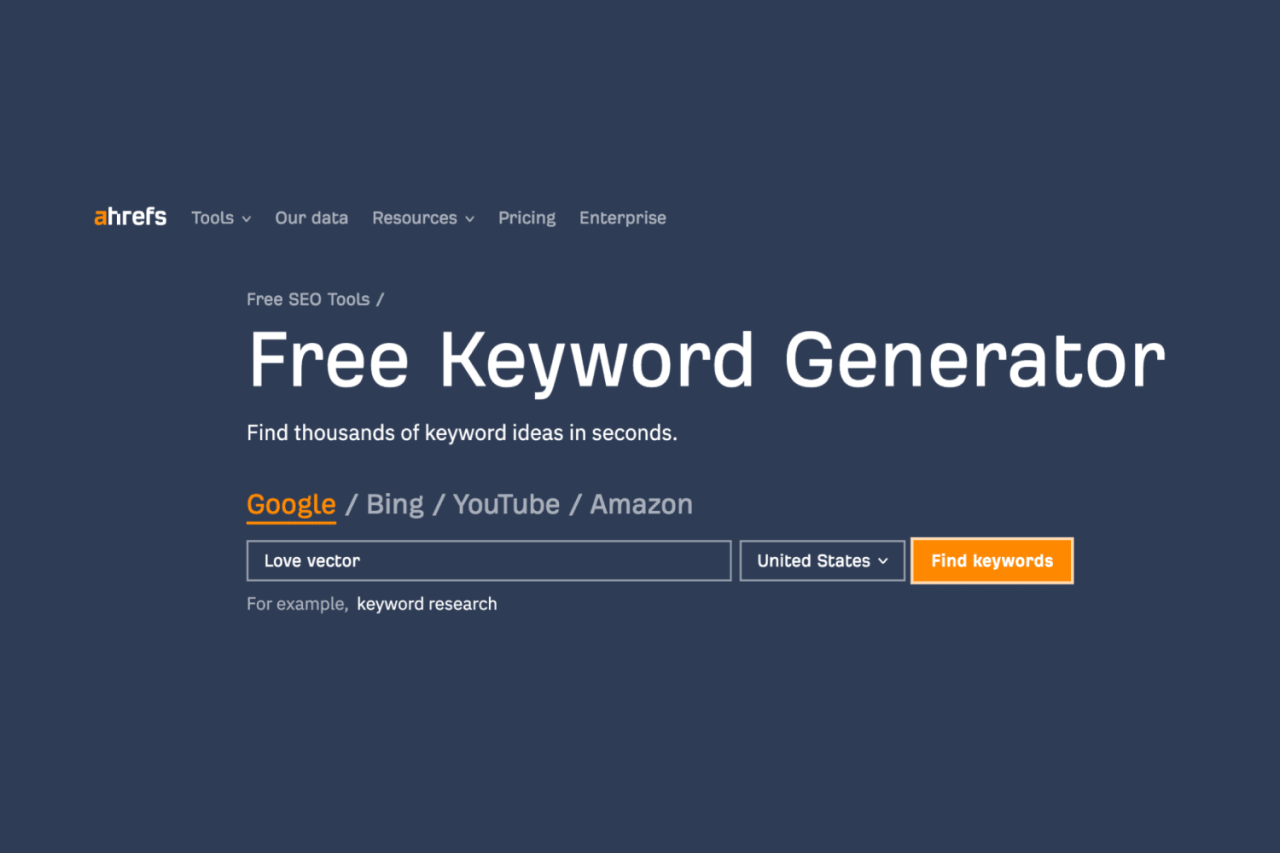
Effective AI-driven product descriptions rely heavily on well-structured and comprehensive input data. Preparing this data accurately ensures that the AI can generate compelling, accurate, and persuasive content that resonates with the target audience. This process involves organizing key product details systematically and designing input templates that facilitate clarity and consistency.
Proper preparation of product information not only streamlines the content generation process but also enhances the quality and relevance of the resulting descriptions. When inputs are clear and structured, AI systems can better understand the product’s unique features and appeal, leading to descriptions that effectively highlight benefits and address customer needs.
Organizing Key Product Information
To enable AI systems to craft precise and engaging product descriptions, it is essential to gather and organize all relevant product data meticulously. This includes detailed features, technical specifications, and insights into the target audience. Clear categorization of this information helps the AI differentiate between core attributes and supplementary details, ensuring that the most compelling aspects are emphasized.
- Features: List out the main characteristics that set the product apart, such as material, design, functionality, and unique selling points. For example, a smartwatch feature might include a heart-rate monitor, GPS tracking, and waterproof design.
- Specifications: Provide precise technical data, dimensions, compatibility details, and other measurable attributes. For a laptop, this could include processor type, RAM, storage capacity, and screen size.
- Target Audience: Identify the demographics or user segments most likely to benefit from the product, such as age group, profession, or lifestyle. For instance, a high-end DSLR camera might be targeted towards professional photographers or serious hobbyists.
Designing Structured Inputs for AI
Creating standardized templates for inputting product details ensures consistency, reduces ambiguity, and simplifies the data feeding process into AI systems. Structured inputs guide the AI in understanding the context and importance of each attribute, leading to more coherent and persuasive descriptions.
Structured inputs serve as clear instructions for AI, aligning content generation with branding tone, key selling points, and customer needs.
Templates typically organize information into predefined fields or sections, making it easier for marketers and product teams to input data accurately. Examples include sections for product name, features, specifications, benefits, and target audience. Consistent formatting also facilitates batch processing, enabling large volumes of product descriptions to be generated efficiently.
Example Templates for Inputting Product Details
Below are sample templates to standardize how product information is submitted to AI systems:
| Field | Description | Example |
|---|---|---|
| Product Name | The official name or model of the product. | UltraSlim 15.6″ Laptop |
| Features | Bullet points highlighting key features. |
|
| Specifications | Technical details and measurements. |
|
| Target Audience | Intended user group or segment. | Professional students and remote workers seeking lightweight and powerful laptops. |
By adopting structured templates like these, organizations can ensure their product data is comprehensive and uniform, enabling AI systems to generate high-quality, persuasive descriptions tailored to specific products and audiences.
Crafting Effective Explainings for AI Content Generation
Creating clear and comprehensive explanations for AI-generated product descriptions is a crucial step in ensuring the output aligns with brand messaging, target audience preferences, and product specifics. Well-structured explainings serve as the blueprint guiding AI to produce content that is both accurate and engaging, ultimately enhancing the quality of product descriptions and their effectiveness in driving customer interest.
This segment emphasizes developing detailed explaining structures that specify tone, style, and length, demonstrating how to focus AI on highlighting unique selling points, and providing sample formats tailored to different product categories. Employing these strategies ensures that AI-generated descriptions are consistent, persuasive, and tailored to each product’s distinctive features.
Developing Detailed Explaining Structures
Establishing a comprehensive explaining framework involves defining key parameters such as tone, style, length, and focal points. These parameters guide AI to generate content that resonates with the brand voice and meets marketing objectives. The explanation should explicitly state whether the tone should be formal, friendly, luxurious, or casual, depending on the target market. Style directives might include preferences for concise, descriptive, or elaborate language.
Length specifications help maintain consistency across product descriptions, whether brief summaries or detailed overviews.
To improve clarity, it is beneficial to include sample sentences illustrating the desired tone and style, along with explicit instructions on emphasizing product features and benefits. For example, a luxury watch description might specify a sophisticated tone with elaborate language emphasizing craftsmanship, while a tech gadget description might favor a crisp, straightforward style highlighting performance features.
Focusing AI on Unique Selling Points
Highlighting a product’s unique selling points (USPs) is essential for creating compelling descriptions that differentiate offerings in a competitive marketplace. Explicit instructions should direct AI to identify and emphasize what makes the product stand out—be it innovative features, exclusive materials, exceptional performance, or notable design elements.
“Ensure the description underscores the product’s USPs by prioritizing features that distinguish it from competitors.”
For example, when describing a skincare product, instruct the AI to focus on ingredients that are organic and hypoallergenic, while for a smartphone, highlight its cutting-edge camera technology and battery life. Clear guidance on USPs ensures that each description communicates compelling reasons for customers to choose the product.
Sample Explaining Formats for Different Product Categories
Different product categories benefit from tailored explaining formats that address their specific features and customer expectations. Providing standardized templates or formats helps AI generate consistent and effective descriptions across varied categories.
| Category | Sample Format Description |
|---|---|
| Jewelry | Begin with a luxurious tone emphasizing craftsmanship and exclusivity, followed by details of materials, design inspiration, and USPs like hypoallergenic properties or unique design elements. Conclude with a style statement that appeals to aesthetics and status. |
| Electronics | Use a technical yet accessible tone. Start with key features like performance metrics, durability, and innovative aspects. Highlight benefits such as user experience improvements and compatibility. End with a concise callout of value propositions like warranty or after-sales support. |
| Clothing | Adopt a friendly and aspirational tone. Focus on fabric quality, fit, comfort, and style. Include lifestyle imagery or scenarios to make the description relatable. Emphasize USPs such as eco-friendliness or versatile design. |
By applying these tailored formats, AI can produce descriptions that resonate well with target audiences and effectively communicate each product’s distinctive qualities, thereby enhancing marketing impact and customer engagement.
Using HTML Tables to Structure Product Details and Descriptions
Organizing product information effectively is essential for creating clear, professional, and user-friendly product descriptions. HTML tables provide a versatile and structured way to present detailed product features, specifications, and descriptions in a format that is easy to read and visually appealing across various devices. Properly designed tables can enhance the overall presentation, making complex data accessible and engaging for potential customers.Utilizing HTML tables in product descriptions allows businesses to embed detailed specifications, features, and benefits in a cohesive layout.
By structuring data in rows and columns, users can quickly scan for relevant details, improving their understanding and decision-making process. Moreover, well-crafted tables contribute to a consistent branding experience and can be styled to match the website’s design aesthetics, ensuring seamless integration with other content elements.
Creating Responsive HTML Table Templates to Organize Product Features and Specifications
Responsive design is critical in ensuring that product tables adapt seamlessly to different screen sizes, from desktops to mobile devices. When generating product descriptions with AI, templates should incorporate flexible HTML and CSS techniques to maintain readability and layout integrity regardless of the device used. A responsive HTML table typically employs CSS media queries, flexible widths, and overflow properties. For example, setting table widths to a percentage rather than fixed pixels allows tables to resize dynamically.
Additionally, wrapping tables in containers with overflow-x set to auto enables horizontal scrolling on smaller screens, preventing layout breakage. This approach ensures users can access all product details without losing context or experiencing layout issues.
| Feature | Description |
|---|---|
| Material | Stainless Steel |
| Dimensions | 10 x 5 x 2 inches |
| Weight | 1.2 pounds |
Designing Table Layouts to Enhance Readability and Presentation
Effective table layouts prioritize clarity and ease of navigation, especially when presenting extensive or complex product details. To optimize readability, it is important to use clear headers, consistent spacing, and alternating row colors to distinguish data sets. Incorporating bold fonts for headers and regular fonts for data cells helps users differentiate between categories and specific details effortlessly.Additionally, strategic use of whitespace prevents overcrowding of information, allowing each data point to stand out.
In AI-generated content, embedding descriptions within structured tables can be achieved by using nested HTML tags—such as ` `, ``, or `
`—to emphasize key features or highlight important notes. For example, critical instructions or warnings can be set apart in blockquotes within table cells, ensuring they are immediately noticeable.
Embedding descriptions within tables using HTML tags enhances the clarity and hierarchy of information, guiding users to focus on the most relevant details.
By combining thoughtful layout design with responsive techniques and semantic HTML markup, product descriptions become more accessible, engaging, and professional—improving overall user experience and increasing conversion rates.
Incorporating Visual Elements and Descriptive Language
Effective product descriptions transcend mere technical specifications by engaging the senses and evoking vivid imagery that resonate with potential customers. Integrating sensory details and descriptive language enhances the appeal of products, making descriptions more memorable and persuasive. When AI-generated content effectively employs these elements, it bridges the gap between cold data and emotional engagement, ultimately driving more confident purchasing decisions.
Balancing technical accuracy with engaging storytelling is crucial to crafting compelling product descriptions. This involves instructing AI to include sensory-rich details that paint a clear picture while simultaneously highlighting key features and benefits. By doing so, descriptions become both informative and captivating, appealing to consumers’ emotions and needs. Techniques such as using evocative adjectives and metaphors, emphasizing usage scenarios, and aligning sensory details with brand identity help create a harmonious blend of technical precision and engaging narrative.
Utilizing Sensory Details for Vivid Imagery
Incorporating sensory language involves guiding AI to describe how a product looks, feels, smells, sounds, or even tastes when applicable. Sensory details create a multi-dimensional experience that enables customers to imagine using the product. For example, describing a skincare cream as “luxuriously smooth with a subtle floral aroma” provides both tactile and olfactory imagery, enhancing desirability. Using descriptive adjectives such as “crisp,” “velvety,” or “refreshing” helps to evoke specific sensory responses, making descriptions more immersive.
Descriptive language that appeals to the senses transforms a simple product listing into a compelling story that invites customers to experience the product vicariously.
Balancing Technical Specifications with Engaging Language
Achieving the right balance requires instructing AI to present essential technical information clearly while integrating creative language that captures attention. Technical details like dimensions, materials, or performance metrics should be contextualized within a narrative that emphasizes their benefits. For instance, instead of merely listing “made of stainless steel,” a description might state, “crafted from durable stainless steel that resists tarnishing, ensuring your investment stays pristine over time.” This approach maintains accuracy while also emphasizing value.
Employing techniques such as juxtaposing specifications with real-life scenarios helps to humanize technical data. For example, describing a backpack’s capacity as “large enough to carry all your essentials for a weekend getaway, yet compact enough to fit comfortably in your daily commute” combines technical detail with practical benefits, enhancing reader engagement.
Emphasizing Product Benefits through Descriptive Storytelling
Storytelling elevates product descriptions by illustrating how a product enhances the customer’s life rather than just listing features. Incorporating narratives or scenarios where the product solves a problem or creates an experience makes the description relatable and persuasive. For example, describing a coffee maker as “brewing your favorite morning brew with rich aroma and perfect temperature, bringing warmth and comfort to busy mornings” creates an emotional connection and clearly highlights the benefit.
Using evocative language, metaphors, and customer-centric perspectives helps articulate the value proposition compellingly. Highlighting scenarios where the product transforms an ordinary experience into a delightful one nurtures an emotional attachment, encouraging customers to envision themselves using the product and enjoying its benefits.
Customizing and Fine-tuning AI-Generated Content for Branding
Effective branding relies heavily on consistent tone and voice that resonate with the target audience. When utilizing AI-generated product descriptions, tailoring the outputs to reflect your brand’s unique personality ensures authenticity and enhances customer engagement. Fine-tuning these descriptions aligns AI outputs with your marketing strategies, reinforcing brand identity across all product lines.
This process involves establishing clear guidelines and parameters for AI models, enabling them to produce content that maintains your brand’s voice while preserving the flexibility to adapt to different products and market segments. Proper customization and refinement ultimately lead to more compelling, coherent, and brand-aligned product descriptions that support your overall marketing objectives.
Aligning AI-Generated Content with Brand Voice and Tone
To ensure that AI-produced descriptions accurately reflect your brand’s personality, it is essential to define and embed specific voice and tone characteristics into your AI training or prompting strategies. This approach guarantees consistency in language style, formality level, and emotional appeal across all product descriptions.
Key steps include:
- Creating a comprehensive brand voice guideline document that Artikels tone, vocabulary preferences, and stylistic nuances.
- Incorporating sample descriptions that exemplify your brand voice to serve as training data or prompt references for AI models.
- Utilizing prompt engineering techniques that emphasize style prompts, such as requesting a friendly, professional, or innovative tone, depending on your brand identity.
Regularly reviewing AI outputs and adjusting prompts or retraining models ensures ongoing alignment with evolving brand messaging and market positioning.
Establishing Guidelines for Editing AI Outputs to Match Marketing Strategies
While AI can efficiently generate product descriptions, human oversight remains crucial to refine content and ensure it aligns with your marketing goals. Developing clear editing guidelines for content review helps streamline this process and maintains quality standards.
Guidelines should include:
- Checking for consistency with brand tone, style, and vocabulary, referencing the predefined style guide.
- Ensuring that product features are highlighted effectively to appeal to target demographics.
- Verifying factual accuracy and completeness of product details, including specifications and benefits.
- Incorporating s and strategies without compromising readability or natural flow.
- Adjusting emotional language to evoke the desired customer response, whether it’s trust, excitement, or urgency.
Implementing a collaborative review process with marketing and branding teams ensures that AI outputs are consistently aligned with strategic objectives and brand messaging.
Methods for Ensuring Consistency Across Multiple Product Descriptions
Maintaining uniformity in product descriptions across a product catalog consolidates brand identity and enhances user experience. Consistency can be achieved through standardized templates, style guides, and automation practices.
Effective methods include:
- Developing structured templates that specify sections such as features, benefits, and specifications, ensuring uniform presentation.
- Applying style and tone guidelines uniformly to all descriptions, supported by AI prompting strategies and review processes.
- Using version control and centralized content repositories to manage updates and maintain consistency over time.
- Implementing automated quality checks that compare descriptions against established standards and flag deviations.
- Leveraging batch processing of product descriptions with AI tools configured to adhere to predefined parameters, thus reducing manual editing effort.
“Consistency in product descriptions enhances brand recognition and builds customer trust, ultimately driving sales and loyalty.”
Quality Control and Optimization of AI-Generated Descriptions
Ensuring the accuracy, clarity, and effectiveness of AI-generated product descriptions is crucial for maintaining brand integrity and enhancing customer engagement. Implementing structured quality control procedures helps identify issues early and refine content for optimal performance. Continuous optimization through feedback loops ensures that AI models adapt over time, producing increasingly effective and compelling descriptions that meet evolving market and customer expectations.
Effective quality control involves systematic review processes, objective evaluation metrics, and collaborative feedback mechanisms. These steps are essential for maintaining high content standards, reducing errors, and aligning outputs with brand voice and marketing goals. Regular refinement based on real-world performance data helps in delivering consistently compelling and accurate product descriptions that resonate with target audiences.
Procedures for Reviewing and Refining AI-Generated Content
Review procedures should be comprehensive, involving multiple stages of content evaluation. Initially, automated checks can flag issues such as grammatical errors, inconsistent terminology, or formatting inconsistencies. These automated tools should be complemented by manual reviews performed by skilled content editors who assess the overall clarity, relevance, and tone of the descriptions. Establishing clear criteria for evaluation is vital. Criteria may include factual accuracy, presence for , readability, and adherence to branding guidelines.
A structured review checklist can streamline this process, ensuring that all necessary aspects are scrutinized before content publication. Regular audits of generated descriptions enable identification of recurring issues, facilitating targeted improvements.
Addressing Common Issues in AI-Generated Descriptions
Common challenges in AI-generated content include redundancy, vague explanations, lack of specificity, or overly complex language that hampers customer understanding. Redundancy can dilute the impact of product features, while ambiguous language may lead to customer confusion or misinterpretation. To mitigate these issues, it is important to implement specific review protocols that detect repetitive phrases or sentences, especially in lengthy descriptions.
Clarity can be enhanced by emphasizing concise, straightforward explanations and avoiding overly technical jargon unless appropriate for the target audience. Employing style guides and tone standards ensures consistency, while regular training for reviewers helps maintain high-quality standards.
Organizing Feedback Loops for Continuous Improvement
Establishing effective feedback loops is essential to refine AI-generated descriptions over time. Feedback should be collected from multiple sources, including customer reviews, sales data, and internal teams such as marketing and customer service. Analyzing this data reveals patterns of success or recurring issues within the descriptions. Creating a centralized system—such as a shared database or project management tool—facilitates the collection, tracking, and prioritization of feedback.
This system allows content creators and AI developers to collaborate efficiently, making iterative adjustments to input data, explanation templates, or model parameters. Over time, these feedback mechanisms lead to a cycle of continuous learning, significantly enhancing the relevance, accuracy, and persuasive power of product descriptions.
Implementing structured review protocols and feedback loops ensures that AI-generated content not only meets initial quality standards but also evolves to better serve customer needs and brand objectives.
Examples and Best Practices for AI Product Descriptions
Creating compelling and effective AI-generated product descriptions is essential for engaging customers and driving conversions. By analyzing high-quality examples and adhering to established best practices, businesses can optimize their content for clarity, appeal, and performance. This section provides concrete examples of well-crafted descriptions, methods to evaluate their effectiveness, and practical checklists to guide content creation.When utilizing AI to generate product descriptions, understanding what constitutes high-quality content is critical.
Below are examples showcasing descriptions that effectively highlight features, benefits, and unique selling points, while maintaining a natural tone that resonates with consumers.
High-Quality AI-Generated Product Description Examples
- Example 1: Electronics: “Experience crystal-clear visuals with our 55-inch 4K Ultra HD Smart TV. Designed for immersive entertainment, it features vibrant colors, seamless connectivity, and sleek modern aesthetics that complement any living room.”
- Example 2: Apparel: “Step into comfort and style with our breathable organic cotton T-shirt. Perfect for everyday wear, it offers a soft touch against your skin and a timeless fit that complements any wardrobe.”
- Example 3: Home Appliances: “Streamline your kitchen with our energy-efficient, multi-function blender. Whether blending smoothies or crushing ice, its powerful motor and durable blades make food preparation effortless.”
- Example 4: Outdoor Gear: “Conquer rugged terrains with our lightweight waterproof hiking boots. Featuring reinforced soles and breathable materials, they provide optimal support and comfort on every adventure.”
Procedures for Evaluating the Effectiveness of Descriptions
Assessing how well AI-generated descriptions perform involves multiple metrics and user feedback to ensure alignment with business goals and customer preferences. The following steps help evaluate their impact:
- Engagement Metrics: Monitor click-through rates, time spent on product pages, and bounce rates to gauge user interest.
- Conversion Data: Analyze purchase rates and cart additions to determine if descriptions influence buying decisions.
- Customer Feedback: Collect reviews and direct feedback to understand if descriptions accurately and attractively convey product value.
- A/B Testing: Compare different description versions to identify which wording or structure yields better performance.
- Analytics: Track rankings and organic traffic to evaluate the descriptions’ effectiveness in search visibility.
Best Practice Checklists for Creating Engaging Product Content
Following a structured checklist ensures consistency and quality in AI-generated product descriptions. The checklist below emphasizes clarity, persuasiveness, and brand alignment:
Checklist Item Description Highlight Unique Selling Points Clearly state what makes the product stand out from competitors. Use Clear and Concise Language Ensure descriptions are easy to read and avoid jargon unless appropriate for the target audience. Incorporate Descriptive and Sensory Language Use vivid adjectives and phrases that evoke senses and emotions. Align with Brand Voice Maintain tone consistency that reflects your brand’s personality and values. Include Relevant s Integrate s naturally to improve search visibility without compromising readability. Focus on Benefits Over Features Explain how the product improves the customer’s life rather than just listing specifications. Test and Iterate Regularly review performance metrics and refine descriptions based on data insights and feedback. Effective AI-generated product descriptions combine strategic language, compelling storytelling, and consistent brand messaging to influence customer decision-making and enhance online presence.
Conclusion
Mastering how to generate product descriptions with AI allows you to automate and elevate your content creation process, saving time while maintaining high standards. By applying best practices and fine-tuning AI outputs, you can achieve consistent, persuasive, and visually appealing product listings that resonate with your target audience. Embracing these techniques positions your business for sustained online success.