Discover how to generate content clusters with AI to enhance your digital content strategy and improve website visibility. Leveraging AI tools enables the creation of well-structured, relevant, and engaging content around core topics, streamlining your content development process.
This guide provides practical steps for identifying key topics, developing supporting content, organizing clusters efficiently, and utilizing AI for content creation and optimization, ensuring your website remains authoritative and user-friendly.
Foundations of Content Clusters and AI Integration
Building effective content clusters is a cornerstone of modern digital marketing strategies, enabling websites to establish authority, improve search engine rankings, and deliver comprehensive value to target audiences. Integrating AI tools into the development of these clusters streamlines research, enhances precision, and accelerates the content creation process, making it accessible even for teams with limited resources or expertise in data analysis.
By understanding the foundational principles of content clusters and leveraging AI-driven research methodologies, organizations can craft well-structured, interconnected content ecosystems that resonate with both users and search engines. This approach ensures that every piece of content contributes to a cohesive strategy, maximizing visibility and engagement across digital channels.
Understanding Content Clusters and Their Strategic Value
Content clusters consist of a central core topic supported by multiple related s, or “spokes,” which collectively form a comprehensive network of information. This structure enhances the topical authority of a website, helping search engines better understand the site’s expertise in specific areas. The strategic importance of content clusters is underscored by their ability to improve organic rankings, increase dwell time, and lower bounce rates by offering users in-depth, relevant content within a cohesive framework.
Integrating AI Tools into Content Cluster Development
Effective integration of AI tools into the process of developing content clusters involves several key steps:
- Identify Core Topics: Use AI-powered research tools and natural language processing (NLP) algorithms to analyze search trends, user queries, and competitive landscapes. These tools can quickly surface high-volume, relevant topics that form the basis of your content cluster.
- Discover Related s and s: Employ AI-driven topic modeling and clustering algorithms to analyze large datasets—such as search engine results pages (SERPs), social media discussions, and industry forums—identifying related themes and s that naturally associate with the core topic.
- Analyze Competitor Content: Utilize AI-based content analysis platforms to evaluate competitors’ content strategies. These tools can identify gaps, high-performing s, and content gaps within your niche, informing your cluster’s structure.
- Assess Search Intent and Content Gaps: Implement AI tools that analyze search intent behind s and identify content gaps. This ensures that your content cluster addresses the needs and questions of your target audience effectively.
- Create a Content Map: Use AI-driven visualization tools to organize core topics and s into a logical, interconnected map. This aids in planning content creation, ensuring strategic coverage and internal linking opportunities.
Identifying Core Topics and Related s with AI
AI-powered research methods facilitate the precise identification of core topics and their related s by analyzing vast amounts of data rapidly and accurately. These methods include:
- Natural Language Processing (NLP): NLP algorithms analyze textual data from search queries, industry publications, and social media to identify prevalent themes and extract semantic relationships. For example, NLP can reveal that “sustainable fashion” and “eco-friendly materials” are semantically linked, informing development.
- Clustering: AI tools can group s into clusters based on semantic similarity, search intent, and co-occurrence patterns. This process helps identify clusters of related s that can form the basis of s within a content cluster.
- Trend Analysis and Predictive Modeling: AI systems analyze historical search data to forecast emerging topics, enabling proactive content planning. For example, if AI detects a rising interest in “AI-powered chatbots,” content creators can develop related s ahead of competitors.
- Data Visualization and Mapping: Visual tools powered by AI help content strategists see the relationships between core topics and s, facilitating strategic decision-making and ensuring comprehensive coverage.
“Integrating AI into content cluster development transforms a traditionally manual process into a strategic, data-driven endeavor that aligns with evolving search behaviors and audience interests.”
Generating Core Topics with AI Assistance
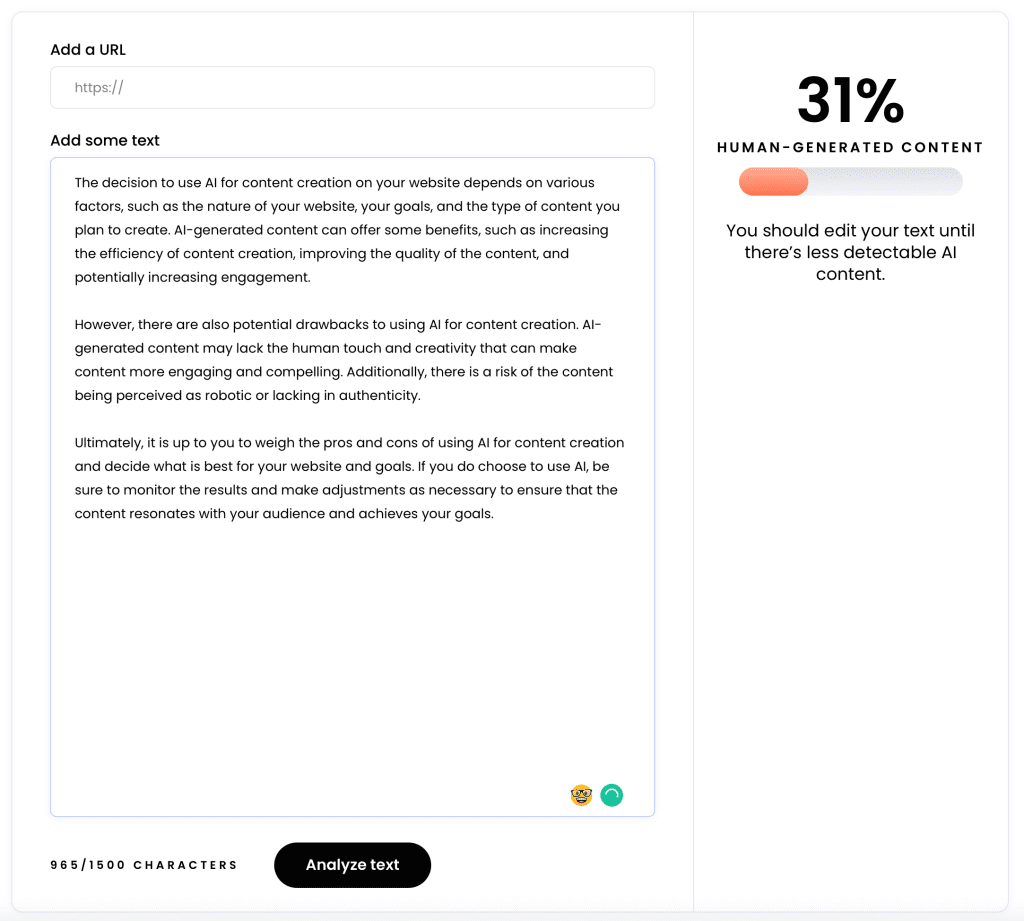
Developing a robust content cluster begins with identifying high-potential core topics that resonate within your niche. Leveraging artificial intelligence offers a strategic advantage in brainstorming, evaluating, and selecting these foundational themes. By integrating AI tools into your process, you can streamline the discovery phase and ensure your content is aligned with audience interests and market demands.
This section provides a comprehensive framework for utilizing AI to generate, assess, and organize core topics. From establishing effective guidelines to creating structured templates, these guidelines empower content strategists to maximize AI capabilities and curate a cohesive set of core themes for their content clusters.
Guidelines for Using AI to Brainstorm and Select Core Topics
Effectively harnessing AI involves setting clear criteria and structured approaches to generate potential core topics. The following guidelines facilitate a systematic process:
- Define Your Niche and Audience: Clearly articulate your target market, including interests, needs, and pain points. Input this information into AI tools to generate relevant topic ideas.
- Use and Trend Data: Incorporate current search trends and high-volume s as parameters for AI brainstorming. This ensures generated topics have existing search intent and relevance.
- Set Relevance and Scope Criteria: Establish parameters such as topical relevance, target audience intent, and scope (broad vs. narrow) to filter AI-generated suggestions effectively.
- Iterate and Refine: Use AI to produce multiple iterations, then refine based on criteria such as uniqueness, depth, and alignment with your content goals.
Criteria for Evaluating the Relevance and Scope of Core Topics
Once potential topics are generated, a structured evaluation ensures they fit within your content strategy. The criteria include:
- Audience Relevance: The topic should address specific audience interests, questions, or problems, ensuring engagement and value.
- Search Volume: High search volume indicates demand; however, balance it with relevance and competition level.
- Scope and Depth: Topics should be broad enough to develop multiple s but focused enough to establish authority.
- Competitive Landscape: Analyze existing content and identify opportunities for differentiation or underserved areas.
- Alignment with Business Goals: Ensure the topic supports your overall content objectives and brand positioning.
Template for Listing Potential Core Topics
Organizing core topics systematically helps in tracking and prioritizing ideas. The following HTML table template facilitates comprehensive listing and evaluation:
Topic Search Volume Relevance Score Notes Example: Sustainable Packaging 1,200 8.5 High interest among eco-conscious consumers; potential for niche differentiation Example: Renewable Energy Solutions 2,300 9.0 Aligns with industry trends; competitive landscape is moderate
Using this structured approach, content creators can systematically brainstorm, evaluate, and prioritize core topics, ensuring their content clusters are built around high-potential themes that effectively serve their niche and audience.
Developing Content Ideas Using AI
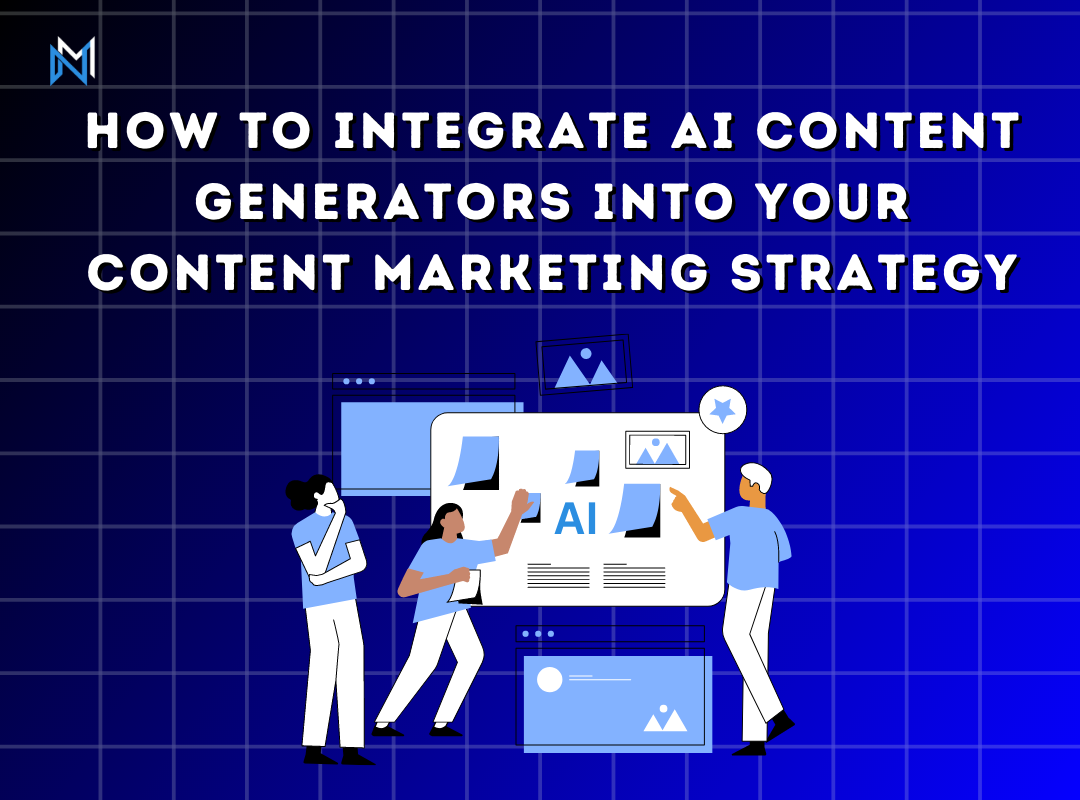
Creating a diverse and engaging array of content ideas is fundamental to establishing a robust content cluster. Leveraging AI tools enables content creators and marketers to efficiently generate a wide spectrum of related topics, ensuring comprehensive coverage of core subjects and addressing the evolving interests of their target audience. The strategic use of AI not only accelerates ideation but also enhances the relevance and diversity of proposed content ideas.
By utilizing AI-driven suggestion engines, analysis, and semantic understanding, teams can identify related s, emerging trends, and user pain points that align with their primary themes. This process helps in constructing a varied content ecosystem that appeals to different segments within the target audience, ultimately driving higher engagement and authority in the niche.
Strategies for Leveraging AI to Generate Related Topics and Content Ideas
Effective implementation of AI in content ideation involves multiple strategies that maximize yield and relevance. These include:
- Cluster Analysis: Using AI tools to analyze existing s and discover related terms and phrases that can serve as s for detailed exploration.
- Semantic Search and Topic Modeling: Applying natural language processing (NLP) algorithms to understand user intent and identify semantically linked topics that extend the core theme.
- Trend Monitoring: Leveraging AI platforms that track real-time social media, news, and industry updates to surface timely content ideas aligned with current interests.
- Content Gap Analysis: Employing AI to compare existing content with competitors and identify underserved areas or questions that require coverage.
- Automated Brainstorming: Using AI-powered tools that generate brainstorming lists based on seed s or phrases, often producing hundreds of potential ideas rapidly.
Filtering and Prioritizing Content Ideas Based on Engagement Metrics and AI Suggestions
After generating a broad array of content ideas, it is essential to filter and prioritize them to maximize impact. Employing data-driven methods ensures focus on ideas with the highest potential for engagement and relevance.
- Analyzing User Engagement Data: Review metrics such as click-through rates, social shares, comments, and time on page from existing content to identify themes that resonate most with the audience.
- Assessing AI Suggestion Relevance: Evaluate AI-generated ideas based on difficulty, search volume, and content competitiveness to select feasible topics for creation.
- Scoring and Ranking: Develop a scoring system that accounts for engagement metrics, search intent alignment, and strategic goals, enabling the ranking of content ideas.
- Iterative Refinement: Continuously refine the idea list by monitoring performance once content is published, adjusting focus toward high-performing topics.
Example of a Structured Content Plan
Below is a structured example illustrating how AI can assist in planning content for a specific core topic. The table includes different content formats tailored to various target audiences, their estimated word counts, and intended engagement goals.
| Content Idea | Content Format | Estimated Word Count | Target Audience |
|---|---|---|---|
| Understanding Fundamentals for Beginners | Blog Post | 1,200 words | New digital marketers, small business owners |
| Advanced Research Techniques | Video Tutorial | 10 minutes | Intermediate professionals, content strategists |
| Case Study: Successful Content Clusters in E-Commerce | White Paper | 2,500 words | Marketing managers, e-commerce entrepreneurs |
| How AI Can Enhance Your Content Strategy | Webinar | 45 minutes | Content marketers, digital strategists |
| Top Tools for Content Ideation in 2024 | Infographic | Visual summary | Marketing teams, agency clients |
Organizing Content Clusters Effectively
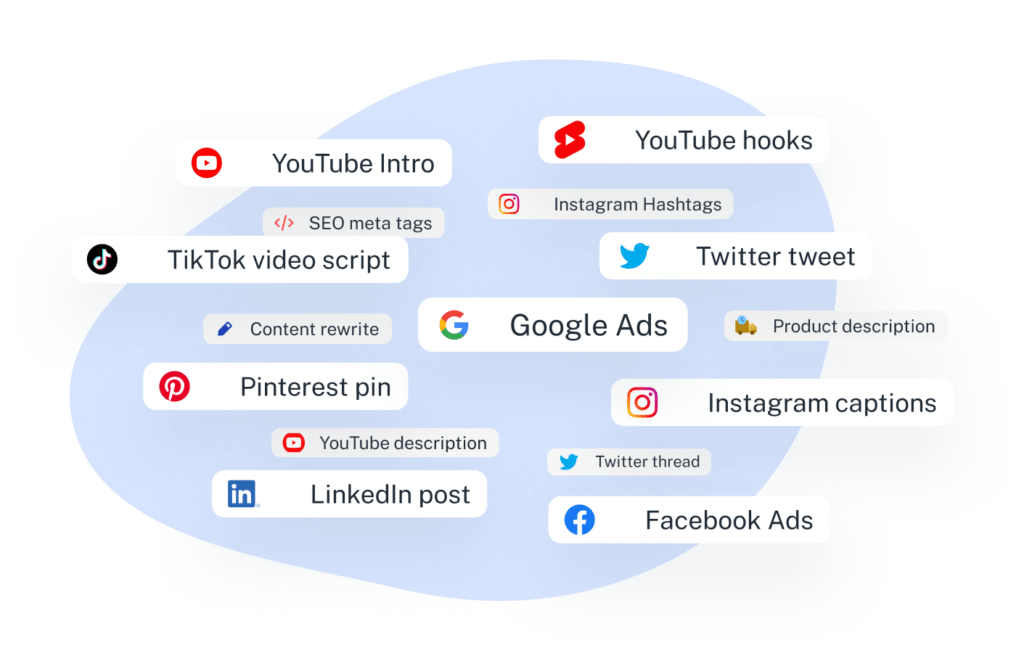
Effective organization of content clusters is a critical component in creating a cohesive and easily navigable website or knowledge base. Proper structuring ensures that users can find related information seamlessly while also enhancing search engine optimization (). Using AI-generated insights to craft a logical hierarchy of main pages and supporting subpages facilitates a strategic approach to content planning, which maximizes both user engagement and search rankings.
By systematically arranging content with clear linkage strategies, website owners can build authoritative clusters that reinforce core topics and relevant s. AI tools assist in identifying appropriate s, determining optimal linkages, and establishing content focus areas. This process results in a well-organized architecture that guides users intuitively through related content while strengthening the thematic relevance for search engines.
Structuring Content Clusters with Main Pages and Subpages
Constructing a content cluster begins by defining a central main page that encompasses the primary topic. Supporting subpages then delve into specific aspects or related s, creating a network of interconnected content. This hierarchical structure not only enhances clarity but also facilitates internal linking, which reinforces the authority of core pages and distributes link equity effectively.
Consistent internal linking between main pages and subpages is essential for establishing topical relevance and improving performance.
AI-generated content suggestions streamline this process by analyzing data, user intent, and existing content assets. AI can recommend s that naturally extend the main theme, suggest optimal placement within the site architecture, and identify opportunities for cross-linking. This systematic approach ensures that each subpage is purposefully aligned with the overall content cluster, contributing to a unified user experience and robust site authority.
Sample Content Cluster Structure
Below is an example of a structured content cluster formatted in an HTML table with four columns: Main Page, Subpage, Linkage Strategy, and Content Focus. This visual representation aids in planning and organizing the content hierarchy effectively.
| Main Page | Subpage | Linkage Strategy | Content Focus |
|---|---|---|---|
| Digital Marketing Strategies | Social Media Optimization | Internal links from main page to subpage and cross-linking among related subpages | Best practices, tools, and case studies for social media marketing |
| Digital Marketing Strategies | Email Marketing Campaigns | Complementary content linked from main page and related subpages for targeted audience engagement | Design, automation, and analytics of email campaigns |
| Digital Marketing Strategies | Content Creation Tips | Hierarchical linkage emphasizing supporting role to core strategy page | Content planning, optimization, and content types |
| Digital Marketing Strategies | Analytics and Metrics | Supporting subpages linked back to the main page to showcase performance measurement | Data analysis tools, KPI tracking, and reporting methodologies |
Automating Content Creation and Optimization
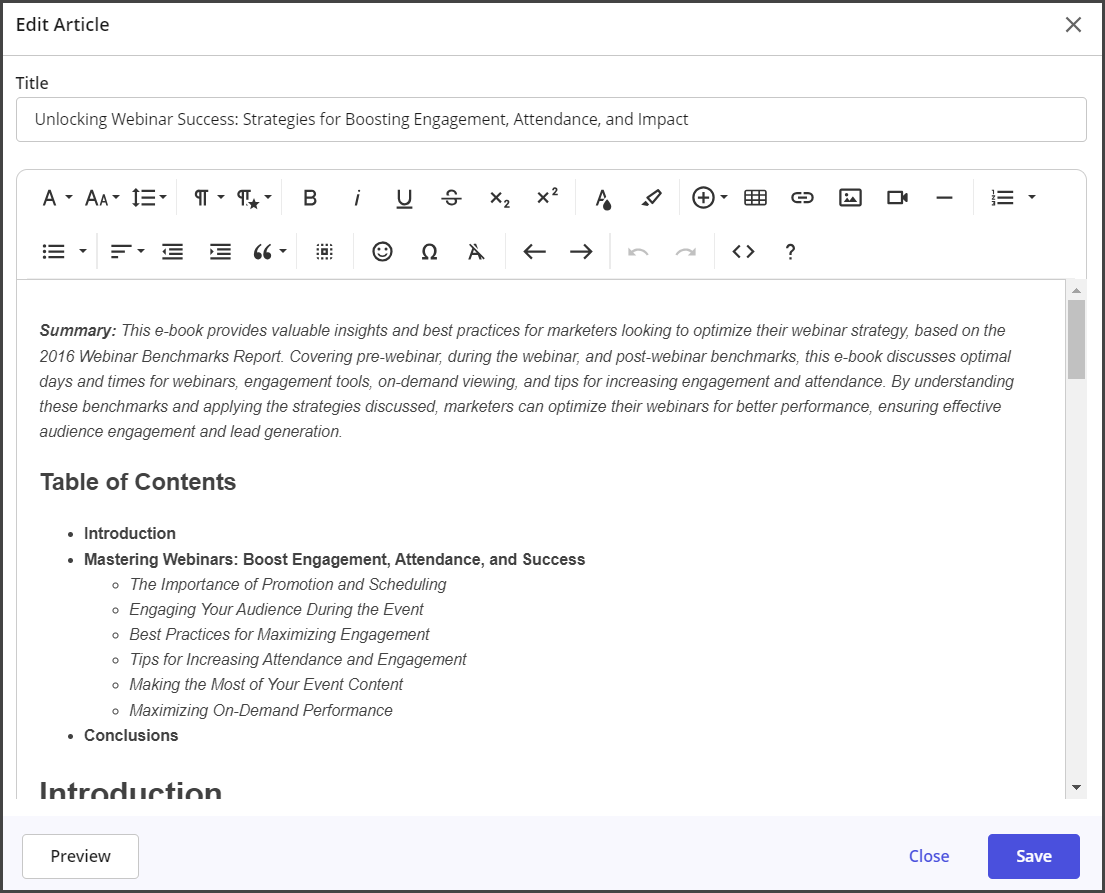
Leveraging AI for content creation and optimization streamlines the production process, ensures consistency across materials, and enhances overall quality. By integrating advanced AI tools, content strategists can generate initial drafts efficiently, allowing more time for refinement and strategic improvements. Automation not only accelerates content workflows but also maintains a high standard of relevance and engagement, essential for building authoritative content clusters.
Implementing effective methods to utilize AI in drafting and refining content involves establishing a systematic workflow. This process includes generating initial drafts, editing for clarity and accuracy, optimizing for and readability, and continually refining content based on performance insights. Incorporating AI insights into this workflow allows for data-driven enhancements, ensuring content resonates well with target audiences and performs effectively across platforms.
Methods for Drafting Content with AI
AI-powered tools such as language models and content generators are capable of producing comprehensive drafts that adhere to specified topics and tone guidelines. These tools can analyze existing content to identify key themes and structure, then generate text that aligns with the intended message. To ensure consistency and quality, it is essential to fine-tune AI outputs by providing clear prompts, specifying style guidelines, and setting content standards.
Additionally, leveraging AI to suggest variations or alternative phrasing can enrich the final output, making it more engaging and diverse.
Workflow for Editing and Optimizing AI-Generated Content
Establishing a robust workflow enhances the quality and relevance of AI-produced content. This typically involves the following steps:
| Step | Process Description | Tools/Methods |
|---|---|---|
| Initial Draft Generation | Use AI tools to create a first version based on core topics and guidelines. | AI content generators like GPT-based models, Jasper, Copy.ai |
| Content Review & Editing | Review AI drafts for clarity, tone, and factual accuracy, making necessary edits. | Manual editing, Grammarly, Hemingway Editor |
| Optimization | Integrate s, meta descriptions, and headers to enhance search visibility. | SEMrush, Ahrefs, Yoast plugin |
| Version Comparison | Compare different versions or edits to select the most effective content. | Comparison tables, version control tools |
| Citation & Fact-Checking | Add citations and verify facts to maintain credibility and accuracy. | Google Scholar, CrossRef, manual research |
| Final Review & Publishing | Conduct a final review before publishing across platforms. | CMS tools, content management systems |
“Structured workflows combining AI and manual review processes ensure high-quality, optimized content while maintaining efficiency.”
Tips for Incorporating AI Insights to Enhance Readability and Engagement
Utilizing AI insights can significantly improve how content appeals to readers. Here are essential tips for maximizing these benefits:
- Analyze AI-generated data to identify trending topics and s that resonate with your target audience, then tailor your content accordingly.
- Use AI-powered readability analyzers to adjust sentence complexity, paragraph length, and vocabulary, ensuring accessibility for diverse readerships.
- Employ AI tools that suggest engaging headlines and subheadings, increasing click-through rates and reader interest.
- Incorporate AI-driven sentiment analysis to gauge tone and emotional impact, refining content to evoke desired responses.
- Leverage AI insights for personalized content recommendations, delivering more relevant information to individual users and improving overall engagement.
Visual and Data-Driven Content in Clusters
Incorporating visual and data-driven elements into content clusters significantly enhances engagement and comprehension. These elements serve to illustrate complex concepts, highlight key statistics, and provide comparative insights, making the content more accessible and actionable for the target audience. Effective visual and data-driven content transforms raw data into compelling narratives that complement textual information, thereby strengthening the overall value of the content cluster.
Creating in-depth visuals and infographics requires a strategic approach to data interpretation and presentation. Leveraging AI tools can streamline the process of generating visual explanations, ensuring accuracy and relevance. By combining descriptive insights with visual storytelling, content creators can produce more persuasive and memorable content that resonates with viewers and encourages deeper exploration within the cluster.
Techniques for Generating Descriptive Explanations for Visual Content
Developing detailed descriptions for visuals involves capturing the essence of the data or concept while maintaining clarity and context. AI-powered language models can assist in creating comprehensive narratives that explain the purpose, data points, and insights embedded in visuals such as infographics, charts, and diagrams. These descriptions should focus on highlighting relationships, trends, and key takeaways, making the visuals more informative and easier to interpret.
For instance, when designing an infographic on market share data, an AI-generated explanation might describe the distribution of competitors, noting the dominant players and emerging trends. Such detailed explanations can be used as captions, annotations, or accompanying text to deepen user understanding and facilitate better decision-making.
Structuring Data-Driven Content Using HTML Tables
Organizing data effectively within content clusters involves the strategic use of HTML tables to present clear, concise, and accessible information. Tables are ideal for summarizing statistics, comparing variables, or displaying hierarchical data, enabling readers to quickly grasp key insights. Proper structuring ensures that data is easy to scan and interpret, supporting the overall coherence of the content cluster.
Effective data tables prioritize clarity, simplicity, and relevance, avoiding clutter and emphasizing essential information.
To illustrate, a table comparing the performance of different marketing channels over time could be structured as follows:
| Channel | Q1 Conversion Rate (%) | Q2 Conversion Rate (%) | Growth (%) |
|---|---|---|---|
| Social Media | 3.2 | 4.5 | 40.6% |
| Email Marketing | 2.8 | 3.1 | 10.7% |
| Paid Search | 4.0 | 4.8 | 20.0% |
Such structured data helps in quick comparison and analysis, supporting strategic decisions within the content cluster.
Developing Descriptive Content for Deep Visual Elements
Transforming detailed content into visual elements requires thorough descriptive narratives that encapsulate the key insights and data points. For example, a deep descriptive explanation for a visual showing the correlation between advertising spend and sales growth might include:
“This scatter plot illustrates the positive correlation between advertising expenditure and sales performance across different regions. Regions with higher ad spend, such as North America and Europe, demonstrate a proportional increase in sales, suggesting a direct impact of marketing investment on revenue. Conversely, regions with lower ad spend, like Asia, show relatively modest sales growth, indicating potential untapped opportunities or differing market dynamics.”
Such comprehensive descriptions guide the design of visuals that not only present data but also tell a compelling story, making complex analyses more digestible and impactful for the audience.
Summary
In summary, mastering how to generate content clusters with AI empowers content creators to build comprehensive and interconnected websites that attract and retain visitors. By implementing these strategies, you can elevate your efforts and establish a strong online presence with well-organized, high-quality content.