Learning how to generate blog ideas with AI opens up a world of possibilities for content creators seeking innovative and relevant topics. By leveraging artificial intelligence, bloggers can streamline their brainstorming process, ensuring a steady flow of fresh, engaging ideas that resonate with their target audience. This approach not only enhances productivity but also fosters creativity by providing diverse perspectives and insights.
Integrating AI tools into your content planning allows for the efficient development of trending and evergreen subjects. Through step-by-step methods, creative prompting techniques, and structured organization, writers can craft compelling blog concepts, prioritize the most impactful ideas, and incorporate visual content strategies. This comprehensive approach empowers bloggers to maintain a consistent and dynamic publishing schedule while adapting to evolving audience interests.
Overview of Using AI for Blog Idea Generation

Artificial intelligence has revolutionized the way content creators approach the process of brainstorming and developing blog topics. By leveraging advanced algorithms and data analysis, AI tools assist writers and marketers in identifying trending themes, understanding audience preferences, and uncovering niche opportunities. This integration streamlines the ideation phase, making it more efficient, data-driven, and creative.
Incorporating AI into the content planning workflow offers numerous benefits. It accelerates the generation of diverse ideas, reduces the time spent on manual research, and enhances the relevance of topics by analyzing large datasets from social media, search engines, and industry reports. As a result, bloggers can maintain a consistent flow of fresh, engaging content that resonates with their target audience, ultimately improving engagement and performance.
Role of Artificial Intelligence in Brainstorming Blog Topics
AI acts as an intelligent co-creator, analyzing vast amounts of data to suggest blog topics that align with current trends, audience interests, and competitive gaps. Machine learning models can identify patterns, predict emerging themes, and recommend unique angles that might not be immediately apparent through traditional brainstorming methods. This proactive approach ensures content remains relevant and timely.
For example, tools like GPT-based systems can generate a list of potential blog titles based on a or industry niche. These suggestions are often tailored to match the tone, style, and target audience, providing a personalized starting point for content creators. Additionally, AI can assist in refining ideas by evaluating their potential impact and search engine optimization potential, thus guiding bloggers toward topics most likely to attract traffic.
Benefits of Integrating AI Tools into Content Planning
Integrating AI tools into the content planning process brings several strategic advantages. Firstly, it enhances creativity by offering diverse perspectives and unconventional ideas that may not surface through manual research alone. Secondly, AI-powered analytics help identify trending topics, seasonal interests, and gaps in existing content, enabling bloggers to craft highly relevant articles.
Furthermore, AI-driven tools facilitate consistency and efficiency. For instance, content calendars can be optimized by analyzing past performance data to prioritize high-potential topics. The automation of idea generation reduces the effort involved in research, freeing up time for content refinement and quality enhancement. Many platforms also provide real-time insights, allowing bloggers to adapt quickly to changing audience preferences and industry shifts.
Examples of Successful Blog Idea Generation Workflows with AI Assistance
Several content creators and marketing teams have adopted AI-assisted workflows to streamline their idea generation process. A typical successful workflow involves inputting core s or themes into an AI tool, which then analyzes related search queries, trending hashtags, and competitor content to generate a list of promising topics. This list is subsequently filtered based on relevance, audience interest, and potential.
For example, a digital marketing blog used an AI content ideation platform to analyze industry trends and customer queries in real time. The platform generated weekly topic suggestions that aligned with emerging digital marketing strategies, resulting in a 30% increase in blog traffic over three months. Another case involved a health and wellness blog leveraging AI to identify seasonal health concerns, enabling timely content publication that resonated with readers actively seeking solutions during specific periods.
These workflows highlight how combining human expertise with AI capabilities can lead to innovative, targeted, and timely blog ideas that sustain audience engagement and enhance content strategy.
Methods to Generate Blog Ideas with AI

Leveraging AI to generate blog ideas involves a combination of strategic input formulation and utilizing specialized tools to produce diverse and engaging topics. This method streamlines the creative process, enabling bloggers and content creators to explore a wide range of themes efficiently. By understanding and applying these techniques, users can consistently develop fresh content ideas that resonate with their target audience and stay ahead in a competitive digital landscape.
Implementing effective AI-driven idea generation requires a systematic approach. Starting with crafting clear and detailed prompts ensures that the AI understands the context and scope of the desired topics. Incorporating specific s, target audience insights, and thematic constraints helps refine outputs, resulting in more relevant and targeted blog ideas. Additionally, experimenting with different AI models and settings can diversify the types of suggestions received, from broad themes to niche s.
Step-by-Step Procedures for Inputting Explaining Prompts
- Identify the core theme or niche: Clarify the main subject or industry you want to focus on, such as technology, health, travel, or finance.
- Define the target audience: Specify who the blog is intended for, including demographics, interests, and pain points, to tailor the generated ideas accordingly.
- Create detailed prompts: Formulate descriptive and specific instructions that include relevant s, desired tone, and scope. For example, “Generate innovative blog topics about sustainable travel for eco-conscious millennials.”
- Input prompts into AI tools: Use platforms like Kami, Jasper, or Copy.ai, entering the crafted prompts to produce a variety of ideas.
- Review and select: Analyze the output for relevance, originality, and practicality. Select the most promising ideas for further development.
- Refine prompts iteratively: Adjust prompts based on previous outputs to better align with desired topics, emphasizing specificity or expanding scope as needed.
Contrasting AI Approaches for Blog Idea Generation
Different AI methods offer unique advantages and are suited to various content creation needs. Below is a comparative table outlining key approaches, their characteristics, and typical use cases.
| Approach | Description | Example Use Case | Strengths | Limitations |
|---|---|---|---|---|
| Prompt-Based Generation | Uses specific, detailed prompts to guide AI in generating ideas tailored to particular themes or niches. | Creating blog topics about renewable energy innovations tailored to environmental enthusiasts. | High relevance and specificity; flexible customization. | Requires careful prompt crafting; can produce repetitive ideas if prompts are not varied. |
| Expansion | Inputs core s to expand into related topics and s, often utilizing AI’s semantic understanding. | Expanding a like “digital marketing” into related blog ideas such as strategies, social media trends, and analytics tools. | Provides a broad spectrum of related ideas; ideal for comprehensive content planning. | May generate overly broad or generic topics; requires filtering and refinement. |
| Concept Mapping with AI | Involves inputting a central concept, then using AI to create interconnected idea webs or clusters. | Developing a cluster of blog ideas around “artificial intelligence,” including ethics, applications, and future trends. | Encourages diverse and interconnected ideas; sparks innovative angles. | More complex to set up; may need manual organization afterward. |
| AI Content Rephrasing and Refinement | Utilizes AI to rephrase existing ideas or expand brief Artikels into detailed topics. | Starting with a basic idea like “healthy eating” and having AI generate detailed blog post angles. | Efficient for refining and diversifying ideas; enhances existing concepts. | Dependent on initial input quality; may produce similar outputs without originality. |
Techniques for Refining Explainings to Yield Targeted Blog Concepts
Refining your prompts and instructions is essential to obtaining precise and relevant blog ideas from AI. Effective techniques include:
- Adding Contextual Details: Incorporate background information, target audience, or specific industry jargon within prompts to guide the AI towards relevant topics.
- Using Constraints and Boundaries: Define parameters such as word count, tone, or focus areas to narrow down outputs. For example, “Generate three concise, humorous blog ideas about personal finance for beginners.”
- Experimenting with Synonyms and Variations: Slightly alter s or phrasing to explore different angles and ensure diversity in ideas.
- Iterative Feedback Loop: Review initial outputs, identify gaps or overgeneralizations, and refine prompts accordingly to hone in on more targeted topics.
- Incorporating Trends and Data: Mention current events, trending topics, or recent data within prompts to generate timely and relevant ideas.
Effective prompt refinement transforms broad AI suggestions into precise, actionable blog topics tailored to specific goals and audiences.
Creative Explaining Design for Blog Topic Ideation
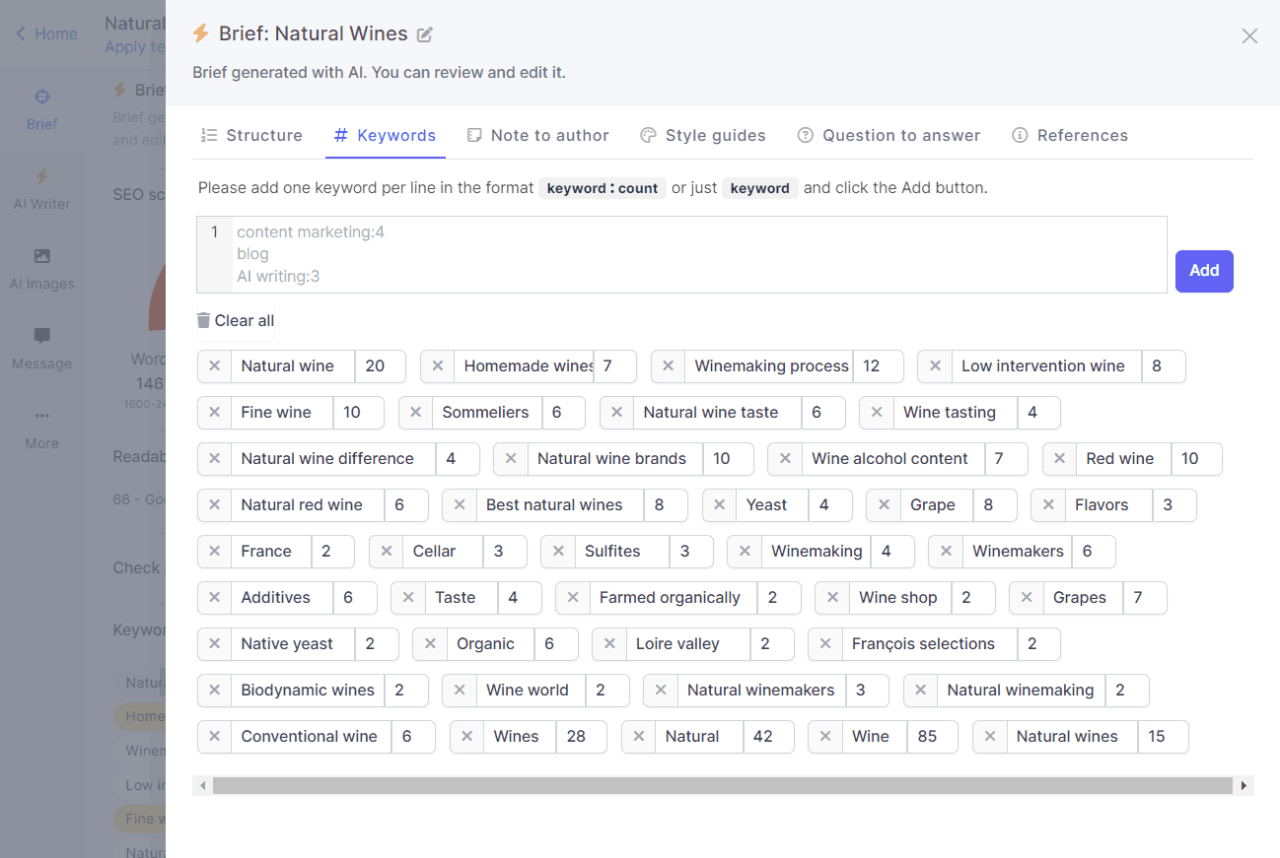
Effective blog topic ideation involves harnessing AI’s capacity to generate innovative and relevant ideas. By designing explanations that leverage AI’s strengths, content creators can produce compelling topics that resonate with current trends, evergreen interests, and cross-industry insights. This creative approach broadens the scope of potential blog themes, ensuring a diverse and engaging content pipeline.
This section explores methods to instruct AI in suggesting trending or evergreen subjects, mixing niches or industry angles, and utilizing templates with specific s, audiences, or formats. These strategies enable bloggers to streamline their ideation process while maintaining relevance and originality in their content.
Suggesting Trending or Evergreen Subjects through AI
Designing AI prompts to identify trending or evergreen blog topics involves emphasizing the importance of real-time data and long-term appeal. AI can analyze social media trends, news cycles, and historical data to recommend subjects that are either currently popular or consistently relevant over time.
- Instruct AI to prioritize recent viral topics by including s such as “latest,” “breakthrough,” or “viral” alongside your niche s.
- Encourage AI to focus on evergreen themes by specifying “timeless,” “long-lasting,” or “perennial” interests that have sustained audience engagement over years.
- Example prompt:
“Suggest trending and evergreen blog topics related to sustainable living, incorporating recent innovations and long-term lifestyle tips.”
By tailoring prompts with these directives, AI can deliver a balanced list of ideas that appeal to both immediate curiosity and lasting interest, helping bloggers stay relevant and authoritative.
Mixing Different Niches or Industry Angles
Creative design in blog topic ideation benefits from instructing AI to blend multiple niches or industries, fostering unique and interdisciplinary content. This approach can attract diverse audiences and position a blog as an innovative thought leader.
- Guide AI to combine elements from distinct fields by using prompts such as “Create blog topics that merge technology and health,” or “Integrate travel and sustainable fashion.”
- Encourage cross-sector insights by requesting ideas that explore the intersection of related industries, like finance and cryptocurrency or education and AI.
- Sample prompt:
“Generate blog ideas that connect renewable energy advancements with smart home technology for eco-conscious homeowners.”
Such prompts enable AI to produce hybrid topics that stand out in crowded niches, offering fresh perspectives and attracting multiple audience segments.
Developing Templates with Specific s, Audiences, or Formats
Structured templates facilitate consistent and targeted blog idea generation. By embedding specific s, target audiences, or preferred formats into prompts, AI can deliver tailored ideas aligned with content strategy and reader interests.
- Construct templates that include placeholders for s, such as
, and specify the target audience, likebeginners, professionals, hobbyists. - Incorporate desired formats such as listicles, how-to guides, or case studies to guide the AI’s output towards practical content structures.
- Example template:
“Provide five format blog topics focused on , aimed at audience in industry.”
Using such templates ensures consistency, relevance, and ease of content planning, while allowing flexibility for various niches and audience needs. This method streamlines the ideation process and maintains alignment with overall content goals.
Structuring Blog Ideas Using HTML Tables
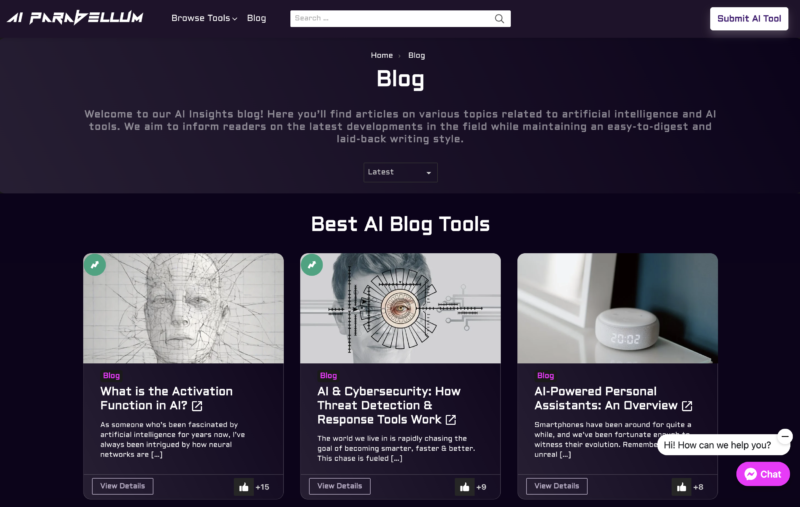
Organizing blog ideas systematically enhances clarity and efficiency in content planning. Utilizing HTML tables to structure these ideas allows writers and editors to visualize the scope of topics, subcategories, and different angles in a concise, accessible format. Properly formatted tables facilitate easier navigation through diverse ideas and ensure comprehensive coverage of key themes.
Implementing responsive HTML tables ensures that your blog ideas are presented in a clean, adaptable layout suitable for various devices and screen sizes. This structured approach improves both readability and collaboration, enabling teams to quickly identify gaps, prioritize topics, and develop targeted content strategies.
Designing Responsive HTML Tables for Blog Idea Organization
Creating an effective table involves clear labeling of columns and rows to categorize blog topics, subcategories, and potential angles. The goal is to provide a visual framework that captures multiple ideas simultaneously while maintaining simplicity and clarity. When designing tables, consider the following best practices:
- Use descriptive headers: Clearly label each column to indicate the type of information it contains, such as “Main Topic,” “Subcategory,” and “Potential Angle.”
- Ensure responsiveness: Apply CSS styles or use frameworks like Bootstrap to make tables adaptable to different screen sizes, preventing horizontal scrolling or layout issues on mobile devices.
- Limit column width: Keep columns concise to avoid clutter and make data easier to scan.
- Highlight key ideas: Use styling such as bold text or background colors to emphasize priority topics or distinctive angles.
Below is a sample HTML snippet illustrating a responsive table structure for organizing blog ideas:
<style> table width: 100%; border-collapse: collapse; th, td padding: 12px; border: 1px solid #ddd; text-align: left; @media (max-width: 768px) th, td display: block; width: 100%; th background-color: #f2f2f2; </style><table> <thead> <tr> <th>Main Topic</th> <th>Subcategory</th> <th>Potential Angle</th> </tr> </thead> <tbody> <tr> <td>Digital Marketing</td> <td>Social Media</td> <td>Emerging Trends in TikTok Advertising</td> </tr> <tr> <td>Health & Wellness</td> <td>Nutrition</td> <td>Plant-Based Diet Benefits</td> </tr> <tr> <td>Travel</td> <td>Eco-Tourism</td> <td>Top Sustainable Destinations in 2024</td> </tr> </tbody></table>
In designing such tables, ensure each column provides distinct, relevant information to avoid confusion. Using visual hierarchy—such as bold headings, strategic coloring, or spacing—helps readers quickly grasp the scope of each idea. This structured presentation simplifies decision-making processes, streamlines content development workflows, and supports strategic content planning for diverse audiences and platforms.
Enhancing Blog Ideas with Descriptive Details
Transforming a basic blog idea into a compelling and engaging piece requires careful elaboration and the addition of rich descriptive details. Utilizing AI to expand on initial concepts allows writers to craft content that resonates more deeply with readers, offers valuable insights, and stands out in a crowded digital landscape. This process involves providing context, highlighting relevance, and developing unique angles that make each idea more vivid and memorable.
By leveraging AI’s capability to generate detailed explanations, bloggers can create more comprehensive Artikels, identify pertinent s, and incorporate nuanced perspectives. These enhancements not only improve the quality of content but also foster better engagement by addressing varied reader interests and framing ideas within relevant, real-world contexts.
Adding Context and Relevance to Blog Ideas
Incorporating context helps anchor each blog idea within a specific environment or situation, making it more relatable and timely. AI can assist by suggesting background information, current trends, or industry-specific insights that deepen the understanding of the topic. For example, transforming a simple idea like “remote work” into a detailed discussion might include recent statistics, technological advancements, or shifts in workplace culture.
Relevance ensures that the blog idea addresses current reader interests or pressing issues. AI can analyze trending topics or popular s to refine the initial concept, aligning it with what audiences are actively seeking. For instance, an initial idea like “eco-friendly travel” can be expanded to include recent innovations in sustainable tourism or government policies promoting green initiatives, thereby increasing its pertinence and appeal.
Developing Unique Angles and Perspectives
To stand out, blog ideas need fresh, distinctive viewpoints that challenge conventional narratives or introduce new insights. AI can generate alternative perspectives by blending different disciplines or exploring under-discussed facets of a topic. For example, a basic idea such as “digital marketing strategies” can be expanded with a focus on ethical implications, emerging AI tools, or consumer privacy concerns, providing readers with a well-rounded view.
Additionally, AI-driven elaboration can include hypothetical scenarios, case studies, or success stories that add depth and authenticity to the content. For instance, describing how a small business successfully leveraged AI-powered chatbots to enhance customer service offers a compelling, real-world example that enriches the initial idea and inspires actionable insights.
Example of Detailed Elaborations from Initial Ideas
“Initial Idea: Sustainable fashion” Expanded Explanation: “Sustainable fashion involves using eco-friendly materials, ethical manufacturing practices, and promoting slow fashion to reduce environmental impact. Recent innovations include biodegradable textiles, circular design models, and transparent supply chains. A case study of a brand like Patagonia showcases successful integration of sustainability efforts, appealing to environmentally conscious consumers.”
“Initial Idea: Virtual reality in education” Expanded Explanation: “Virtual reality (VR) enhances immersive learning experiences by allowing students to explore historical sites, conduct virtual science experiments, or practice medical procedures in a risk-free environment. Advances in affordable VR headsets and content development have made this technology more accessible. Schools adopting VR report increased student engagement and improved learning outcomes.”
By systematically enriching each blog idea with precise context, relevant insights, and innovative perspectives, content creators can craft more compelling, impactful articles that captivate readers and establish authority within their niches. AI serves as a valuable partner in this process, transforming simple concepts into elaborate, multi-dimensional narratives.
Curating and Prioritizing Blog Topics
Effective blog content creation involves not only generating a wide array of ideas but also selecting the most promising topics for development. Utilizing AI tools to curate and prioritize these ideas ensures that your content strategy remains focused, relevant, and impactful. By systematically filtering and ranking potential blog concepts, content creators can maximize engagement and achieve their goals more efficiently.AI-powered curation and prioritization enable writers to assess ideas based on multiple criteria, such as audience interest, content relevance, and potential for engagement.
These tools analyze vast amounts of data—from social media trends to search engine queries—helping to identify which topics resonate most with your target readership. As a result, you can avoid spending time on less impactful ideas, focusing instead on those with higher potential for success.
Criteria for Selecting Promising Blog Concepts
When evaluating blog ideas for prioritization, it is essential to establish clear criteria that align with your overall content strategy and audience expectations. Below are key factors to consider, supported by AI-assisted analysis:
- Audience Interest: The idea should align with trending topics or recurring themes your audience actively searches for or discusses on social platforms. AI tools can analyze volume and social engagement metrics to gauge this interest.
- Relevance to Niche: The topic must be pertinent to your specific niche or industry, ensuring content remains targeted and authoritative. AI can identify related s and suggest contextual relevance based on existing content clusters.
- Potential Impact and Engagement: Consider how likely the topic is to generate comments, shares, and backlinks. AI can predict engagement levels by examining similar content performance metrics.
- Content Uniqueness: Evaluate whether the idea offers a fresh perspective or unique angle that differentiates your blog from competitors. AI can assist by analyzing content originality and identifying gaps in existing coverage.
- Searchability and Value: Prioritize ideas with high search intent and manageable competition. AI-driven research tools help estimate search volume and difficulty scores.
- Alignment with Business Goals: Ensure the topic supports your broader marketing or branding objectives, such as lead generation or authority building. AI insights can highlight alignment with strategic s and themes.
Grouping Related Ideas for Series or Categories
Organizing blog ideas into coherent groups enhances content planning by enabling series development or category specialization. AI facilitates this process through pattern recognition and clustering algorithms that analyze the semantic relationships among ideas.Using AI, you can automatically cluster related topics based on similarity, thematic relevance, or audience interest patterns. This grouping allows for strategic series creation, where multiple interconnected articles build upon each other, increasing reader engagement and time spent on your site.
Additionally, categorizing ideas helps streamline content calendar management and ensures consistent coverage of key themes.Suppose your AI analysis identifies a set of ideas related to digital marketing strategies. These can be grouped into a series covering , social media advertising, email campaigns, and content marketing. Each cluster addresses a specific category, making it easier to assign content creators, plan publication schedules, and develop targeted promotional strategies.
Effective curation and prioritization of blog topics leverage AI to filter ideas through relevance, impact, and strategic alignment, ultimately optimizing your content pipeline for maximum audience engagement and business success.
Visual and Descriptive Content Strategies
Incorporating compelling visuals and rich descriptive content enhances the engagement and clarity of blog articles. Effective use of visuals not only supports the written message but also captures readers’ attention, making complex ideas more understandable and memorable. Developing a strategic approach to visual and descriptive content ensures that each blog idea is supported by imagery that resonates with the audience and elevates the overall quality of the content.
AI can be a powerful tool in this domain by generating detailed visual concepts, crafting vivid image descriptions, and seamlessly integrating visual planning into content development. These strategies facilitate creating blog posts that are both visually appealing and informative, ultimately boosting reader engagement and comprehension.
AI-Generated Visual Concepts and Infographics
AI can assist in imagining detailed visuals or infographics that complement specific blog ideas. By analyzing the core themes and key messages of a blog, AI algorithms can generate descriptions for images that accurately reflect the content. These descriptions serve as blueprints for designers or can be directly used with AI image generation tools to create custom graphics.
For example, if a blog discusses sustainable urban development, AI can generate visual concepts such as a cityscape infused with green spaces, solar panels, and eco-friendly transportation. These detailed descriptions help ensure that generated images align with the blog’s narrative and support the message effectively.
Creating Compelling Image Descriptions to Support Blog Themes
Well-crafted image descriptions are essential for guiding visual creation and enhancing accessibility. Descriptive content should vividly illustrate the scene, emphasizing colors, elements, and mood while maintaining relevance to the blog theme. Clear, descriptive language enables AI tools or human designers to produce visuals that resonate with the intended message.
For instance, a blog about healthy eating could include an image description such as: “A vibrant, colorful plate filled with fresh vegetables, ripe berries, and whole grains, set against a rustic wooden table, evoking freshness and natural nutrition.” Such detailed descriptions create a strong visual mental image that supports the written content and aids in visual content generation.
Integrating Visual Suggestions into Content Planning
Effective content planning involves proactively incorporating visual strategies from the outset. During the ideation phase, each blog idea should be paired with potential visual concepts and descriptive prompts. These elements can be organized within content planning tools, such as HTML tables or visual storyboards, to streamline the creation process.
By embedding visual considerations into the planning stage, writers and designers can ensure that images complement the narrative seamlessly. This integration reduces the risk of visual-content disconnects and enhances overall coherence. For example, including a column or section in your content Artikel dedicated to visual ideas allows for better coordination between text and imagery, fostering a cohesive and engaging final product.
Practical Workflow for Continual Blog Idea Generation
Establishing a consistent workflow for generating blog ideas using AI ensures that content creation remains dynamic, relevant, and aligned with evolving audience interests. A structured approach allows bloggers to maintain a steady pipeline of fresh topics, reducing creative blocks and enhancing engagement over time. By integrating AI tools into daily or weekly routines, content creators can systematically discover, evaluate, and refine ideas to sustain a vibrant blogging schedule.
This section provides a procedural guide to implementing an effective workflow, including checklists to monitor ongoing idea development and strategies for adapting content themes as audience preferences shift. Emphasizing consistency and flexibility, these practices enable bloggers to harness AI’s potential fully while staying attuned to their readership’s changing needs.
Establishing a Regular Idea Generation Schedule
Consistency is key to maintaining a steady stream of blog topics. Setting fixed intervals—be it daily, weekly, or bi-weekly—for idea generation ensures ongoing content flow. Allocate dedicated time to interact with AI tools, review new suggestions, and update your idea repository.
- Define specific time slots within your weekly schedule for brainstorming sessions using AI.
- Set reminders or calendar alerts to reinforce routine engagement with idea generation tools.
- Utilize automation features, such as scheduled prompts or recurring tasks, to streamline this process.
Maintaining a Dynamic Idea Repository
Having a centralized and organized repository facilitates easy access and evaluation of generated ideas. This repository can be a simple document, spreadsheet, or dedicated project management tool. Regularly updating and categorizing ideas helps in tracking their relevance and potential for development.
- After each AI brainstorming session, review and document new ideas promptly.
- Use tags or categories such as trending topics, evergreen content, or seasonal themes for better organization.
- Periodically revisit older ideas that may become relevant due to current events or trends.
Implementing a Checklist for Idea Validation
Not every generated idea will be suitable for immediate development. A validation checklist ensures that each idea aligns with your target audience’s preferences and content strategy. This process maintains quality and relevance in your blog topics.
“Ensure each idea meets criteria such as audience interest, uniqueness, relevance, and feasibility before proceeding to content development.”
- Assess whether the idea resonates with current audience interests or emerging trends.
- Verify the uniqueness of the topic to avoid repetitive content.
- Determine the resources and expertise required for comprehensive coverage.
- Estimate the time and effort needed for research and writing.
Adapting the Workflow Over Time
As audience interests evolve, so should the idea generation process. Regularly analyze engagement metrics, feedback, and industry developments to update your approach. Incorporate new AI features or explore alternative tools to diversify idea sources.
- Review analytics to identify which topics perform best and adjust your focus accordingly.
- Solicit direct feedback from readers through surveys or comments to understand their preferences.
- Experiment with new AI prompts or integrations that can uncover novel content ideas.
- Update your criteria and checklists periodically to reflect shifting priorities and market trends.
Conclusive Thoughts
In conclusion, mastering how to generate blog ideas with AI is a valuable skill that significantly enhances the quality and consistency of your content. By employing strategic prompts, organized structures, and creative techniques, bloggers can stay ahead of trends and continuously inspire their audience. Embracing AI-driven idea generation ultimately leads to more engaging, diverse, and impactful blog posts that foster long-term growth and success.