Understanding how to generate ad copy that converts with ai is essential for modern marketers seeking to enhance their advertising strategies. Leveraging artificial intelligence empowers businesses to craft persuasive, targeted messages that resonate with specific audiences, significantly improving engagement and conversion rates. This innovative approach not only streamlines the creative process but also allows for continuous optimization based on data-driven insights, making ad campaigns more effective and efficient.
In this discussion, we explore the key elements of high-converting ad copy, including the role of AI in designing compelling headlines, personalizing content, and employing emotional triggers. We also examine best practices for testing and refining AI-generated ads, while highlighting common pitfalls to avoid. Ethical considerations and responsible use of AI are emphasized to ensure transparency and trust in advertising efforts.
Understanding AI’s Role in Ad Copy Creation
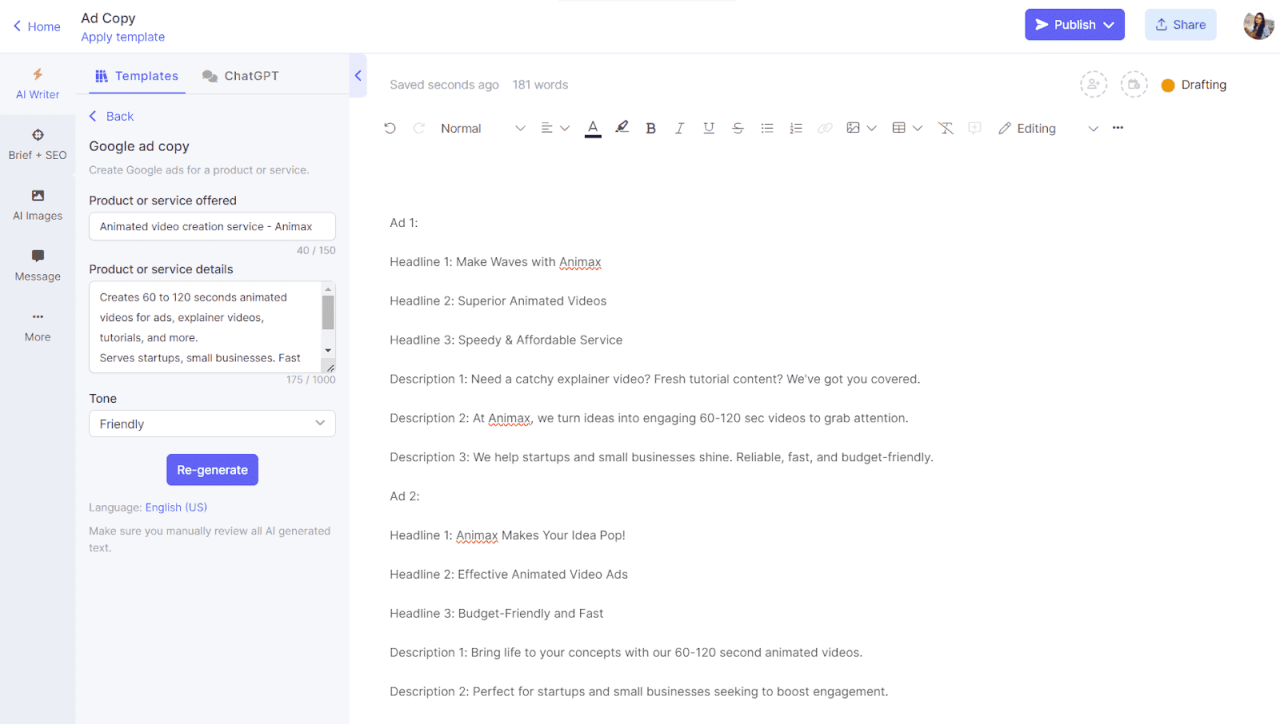
Artificial intelligence has revolutionized the way businesses craft advertising content by enabling the rapid generation of persuasive and tailored ad copy. Leveraging advanced algorithms, AI tools can analyze vast amounts of data to produce messaging that resonates with specific target audiences, ultimately enhancing engagement and conversion rates.
In the competitive landscape of digital marketing, understanding how AI contributes to ad copy development is essential. These technologies not only streamline the creative process but also introduce data-driven insights that improve the effectiveness of advertising campaigns. By integrating AI, marketers can achieve a level of personalization and precision previously unattainable through traditional methods.
Assistance of AI in Generating Persuasive Ad Copy
AI systems utilize natural language processing (NLP) and machine learning to craft compelling advertisements that align with consumer preferences and behaviors. These tools analyze data from previous campaigns, customer interactions, and market trends to generate content that appeals emotionally and logically to potential customers.
The process involves inputting key parameters such as target demographics, product features, and campaign objectives. AI then synthesizes this information to produce multiple variations of ad copy, allowing marketers to select or refine messaging based on performance insights. This automation accelerates content creation and enables real-time adjustments, increasing the likelihood of resonating with the audience.
Benefits of Using AI Algorithms for Targeted Messaging
Implementing AI in ad copy creation offers several strategic advantages, particularly in delivering targeted messaging that enhances ROI. The following points highlight the core benefits:
- Personalization: AI can tailor messages to individual customer profiles, increasing relevance and engagement by addressing specific needs and preferences.
- Efficiency: Automating content generation reduces the time and resources required for campaign development, allowing for rapid testing and optimization.
- Data-Driven Optimization: AI continuously learns from campaign performance data, refining messaging strategies to improve conversion rates over time.
- Scalability: AI facilitates the creation of large volumes of customized ad variations, supporting extensive multi-channel campaigns without compromising quality.
“AI-powered ad copy adapts dynamically to audience responses, ensuring messaging remains relevant and effective at every stage of the customer journey.”
Differences Between Human-Written and AI-Generated Ad Content
While both human writers and AI algorithms aim to create persuasive ad copy, their approaches and outputs differ significantly. Understanding these distinctions helps marketers leverage each method’s strengths effectively.
Human-written content is characterized by emotional nuance, creativity, and contextual understanding. Creative professionals can craft nuanced messages that evoke empathy, humor, or cultural references, which often resonate deeply with audiences. However, this process is time-consuming and limited by the writer’s scope and capacity.
In contrast, AI-generated content is produced rapidly based on data inputs and predefined parameters. AI excels at maintaining consistency, analyzing large datasets for patterns, and generating multiple variations efficiently. It can identify trends and optimize messaging for specific segments at scale. Nevertheless, AI may lack the subtlety and cultural sensitivity that human writers provide, sometimes resulting in generic or less emotionally impactful content.
Combining human creativity with AI’s analytical capabilities often leads to the most effective advertising strategies, leveraging the strengths of both to produce compelling, targeted ad copy that drives conversions.
Elements of High-Converting Ad Copy
Crafting ad copy that captures attention and drives action is essential for achieving marketing success. The effectiveness of an advertisement hinges on various key components that work together to engage the target audience, evoke emotional responses, and motivate conversions. Understanding these elements allows marketers to design compelling messages that stand out amidst the digital clutter, whether using traditional methods or AI-enhanced techniques.
High-converting ad copy typically integrates several critical features that appeal to consumers’ interests and needs. Incorporating these elements thoughtfully can significantly increase the likelihood of ad engagement, click-throughs, and conversions. As AI technologies evolve, they facilitate the optimization of these components, enabling more personalized and impactful ad messaging.
Key Components of Effective Ad Copy
Effective ad copy is characterized by carefully crafted elements that work synergistically to attract and persuade potential customers. The following features are fundamental in creating engaging and conversion-focused advertisements:
- Headlines: The first point of contact, headlines must be clear, attention-grabbing, and relevant. They should succinctly convey the primary benefit or value proposition, encouraging users to read further.
- Calls to Action (CTA): Strong CTAs direct users toward the desired action, such as making a purchase, signing up, or learning more. They should be concise, compelling, and easy to understand, often using urgent language like “Buy Now” or “Get Started.”
- Emotional Triggers: Appealing to emotions increases engagement and memorability. Effective ad copy leverages feelings like fear, joy, trust, or exclusivity to resonate with audiences and motivate response.
- Unique Selling Proposition (USP): Clearly communicating what differentiates the product or service from competitors reinforces its value and boosts credibility.
- Visual and Contextual Cues: Supporting elements such as compelling images, videos, or contextual messaging reinforce the core message and enhance emotional appeal.
- Conciseness and Clarity: Well-structured, easy-to-understand copy ensures that the message is conveyed quickly and efficiently, respecting the limited attention span of online users.
Comparison of Traditional and AI-Enhanced Ad Copy Techniques
To appreciate the advancements AI brings to ad copy creation, consider the following comparative table outlining traditional methods versus AI-enhanced approaches:
| Aspect | Traditional Ad Copy Techniques | AI-Enhanced Ad Copy Techniques |
|---|---|---|
| Ideation and Drafting | Relies heavily on human creativity, experience, and manual research, often leading to time-consuming processes and potential biases. | Utilizes machine learning algorithms to analyze vast datasets, generate multiple variations rapidly, and identify high-performing messaging patterns. |
| Personalization | Customization is limited and often based on broad audience segments, leading to generic messaging. | Leverages AI to tailor messages to individual preferences, behaviors, and purchase history, increasing relevance and engagement. |
| Optimization | A/B testing is manual, requiring time to implement and analyze results for each variant. | Performs real-time, automated A/B testing and dynamic content adjustments, optimizing ad effectiveness continuously. |
| Emotional Targeting | Depends on human intuition and experience to craft emotionally compelling copy. | Uses sentiment analysis and natural language processing to craft emotionally resonant messages based on user data and context. |
| Efficiency and Scale | Limited by manual effort, leading to slower production cycles. | Enables rapid generation and deployment of large volumes of optimized ad copy across multiple channels. |
| Data Utilization | Limited to basic analytics and insights. | Integrates complex data analytics, predictive modeling, and audience segmentation to inform message creation. |
Crafting Compelling Headlines with AI
Creating attention-grabbing headlines is a critical component of successful ad copy, as they serve as the first point of engagement with your audience. Leveraging AI tools can significantly enhance this process by generating diverse options rapidly and optimizing for maximum impact. This section explores effective strategies for designing compelling headlines using AI, along with systematic procedures for testing their effectiveness.
Utilizing AI-driven headline generation allows marketers to tap into vast data sets and linguistic models to craft headlines that resonate with target audiences. AI can analyze trending s, emotional triggers, and audience preferences to produce variants that stand out. The subsequent steps involve evaluating these options through structured testing to determine which headlines drive higher engagement and conversions. Organizing and analyzing headline performance systematically ensures data-driven decisions and continuous optimization.
Strategies for Designing Attention-Grabbing Headlines Using AI Tools
Effective headline creation begins with understanding your audience’s interests and pain points. AI tools can assist by generating multiple headline options based on input s and target demographics. Some strategies include:
- Leveraging AI-powered headline generators that utilize natural language processing to produce diverse options quickly.
- Incorporating emotional words and power verbs suggested by AI to evoke curiosity or urgency.
- Using AI to analyze top-performing headlines within your niche, extracting common patterns and phrases for inspiration.
- Utilizing sentiment analysis tools to craft headlines that align with the emotional tone preferred by your audience.
Step-by-Step Procedures for Testing Multiple Headline Variations
To maximize the effectiveness of your headlines, systematically test multiple variations, measure their performance, and select the best performer. The following process provides a structured approach:
- Generate a set of headline options using AI tools, ensuring diversity in style, tone, and messaging.
- Divide your target audience into segments, if applicable, to conduct A/B testing across different groups.
- Deploy each headline version in small-scale campaigns or ad sets, tracking key metrics such as click-through rate (CTR), conversion rate, and engagement.
- Use analytics platforms or AI-powered performance monitoring tools to collect real-time data on each headline’s effectiveness.
- Analyze the results to identify the top-performing headline, considering both quantitative metrics and audience feedback.
- Refine and iterate by combining elements of successful headlines or generating new variations based on insights gained.
Organizing Headline Options Within a Responsive HTML Table
Presenting headline options in a clear and organized manner facilitates comparison and decision-making. A responsive HTML table enables seamless viewing across devices and simplifies the evaluation process. Here is an example of how to structure such a table:
| Headline Variant | Generated By | Emotional Focus | Performance Metric |
|---|---|---|---|
| “Unlock Exclusive Deals Today” | AI Generator v2 | Urgency | CTR: 3.5% |
| “Discover Savings You Can’t Miss” | AI Generator v2 | Curiosity | CTR: 4.2% |
| “Limited Time Offer on Top Products” | AI Generator v2 | Urgency & Scarcity | CTR: 4.8% |
This table structure allows marketers to quickly compare headline variations across relevant metrics, facilitating informed decisions to optimize ad performance.
Utilizing AI to Personalize Ad Content
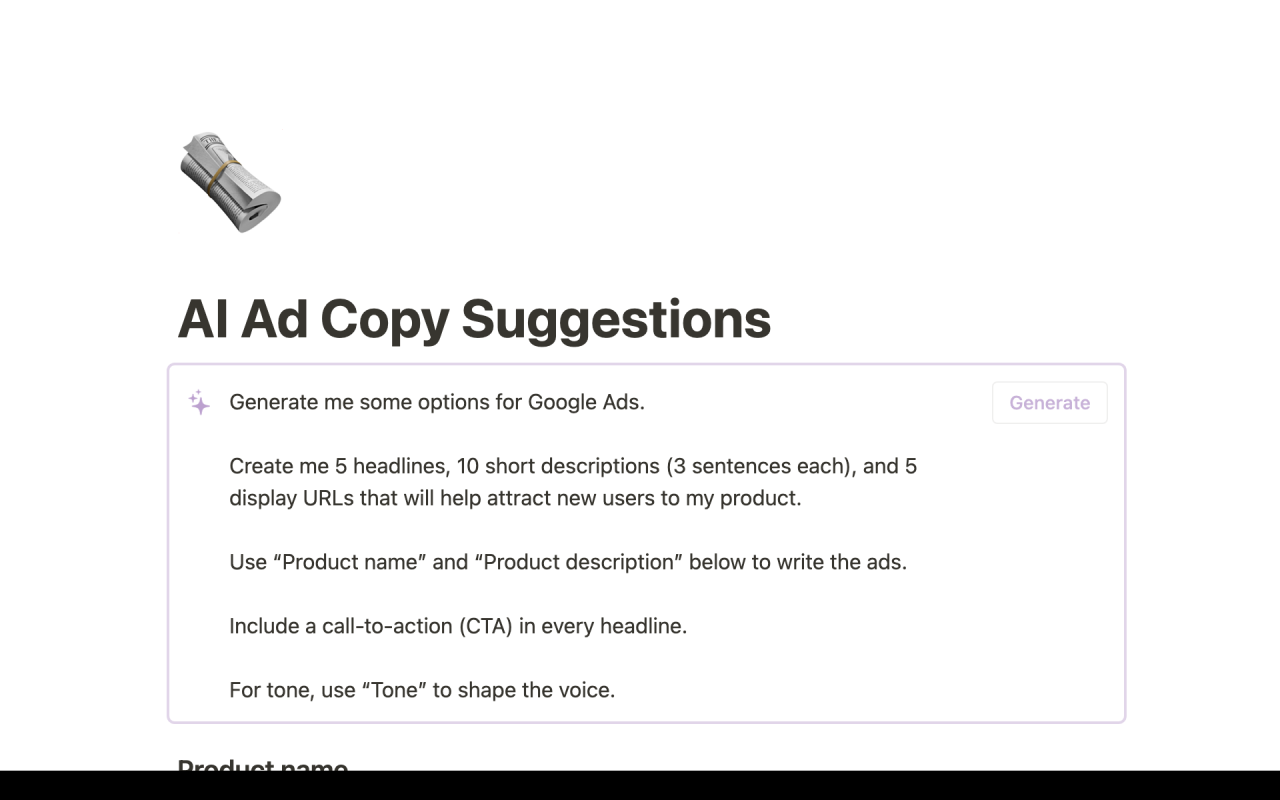
Personalization has become a cornerstone of effective advertising, enabling brands to connect with their audiences on a deeper level. Leveraging AI to tailor ad content allows marketers to deliver highly relevant messages that resonate with individual preferences and behaviors. This approach not only improves engagement rates but also enhances conversion effectiveness, making ad campaigns more efficient and impactful.
AI-driven personalization involves analyzing vast amounts of user data to create ad content that aligns with specific customer segments. By understanding user interests, browsing habits, and purchase histories, AI can dynamically generate customized messages that speak directly to each segment’s unique needs and motivations. This strategic customization fosters stronger relationships between brands and consumers, ultimately driving better ROI for advertising efforts.
Segmenting Audiences for Tailored Messaging
Effective personalization begins with precise audience segmentation. AI tools utilize multiple data points to categorize users into distinct groups based on demographics, behaviors, preferences, and purchase patterns. Segmentation ensures that each group receives messaging that is relevant and compelling, increasing the likelihood of conversion.
- Demographic segmentation: Dividing audiences based on age, gender, income level, location, or education to tailor messages accordingly.
- Behavioral segmentation: Analyzing user interactions such as website visits, click-through rates, and past purchases to identify behavioral patterns.
- Psychographic segmentation: Understanding lifestyle, values, interests, and opinions to craft emotionally resonant content.
- Purchase history segmentation: Targeting customers based on their previous buying behaviors for upselling or cross-selling opportunities.
AI algorithms continuously update these segments in real-time, ensuring that messaging adapts to evolving consumer behaviors and preferences.
AI Analysis of User Data for Personalized Ad Copy
AI systems analyze user data through sophisticated machine learning models that identify meaningful patterns and insights. These insights enable the creation of personalized ad copy that speaks directly to individual users or segments, increasing relevance and engagement.
- Data collection: Gathering data from various sources such as website interactions, social media activity, purchase records, and CRM databases.
- Data processing: Cleaning and organizing data to ensure accuracy and consistency, preparing it for analysis.
- Pattern recognition: Applying machine learning algorithms to detect behaviors, preferences, and predictive signals.
- Content generation: Using natural language processing (NLP) models to create ad copy that incorporates identified preferences, ensuring each message aligns with user interests.
AI-driven personalization transforms raw data into actionable insights, enabling brands to craft ad content that feels tailored and authentic to each consumer.
Structured Approach to Ad Copy Personalization for Customer Segments
Implementing a structured approach ensures consistent and scalable personalization across diverse customer segments. The following table illustrates how different segments can receive tailored ad copy with specific messaging strategies:
| Customer Segment | Key Characteristics | Personalized Messaging Strategy | Sample Ad Copy |
|---|---|---|---|
| Young Professionals | Age 25-35, tech-savvy, career-focused, urban dwellers | Highlight convenience, innovation, and status appeal | “Elevate your career with our cutting-edge solutions designed for ambitious professionals like you.” |
| Parents with Young Children | Age 30-45, family-oriented, safety-conscious, budget-aware | Emphasize safety, reliability, and affordability | “Ensure your family’s safety with our trusted products that offer quality and peace of mind.” |
| Retirees or Seniors | Age 60+, interested in health, comfort, and community | Focus on comfort, health benefits, and community engagement | “Enjoy your retirement with our health-focused solutions designed with your well-being in mind.” |
| Eco-Conscious Consumers | Environmentally aware, values sustainability, prefers green products | Highlight eco-friendly features and social responsibility | “Make a difference with our sustainable products built to protect the planet for future generations.” |
By customizing ad copy to reflect the specific needs and interests of each segment, brands can foster a sense of relevance and trust, leading to higher engagement and conversion rates. AI enables this structured and dynamic adaptation process, ensuring that messaging remains fresh and impactful across all customer touchpoints.
Incorporating Persuasive Language and Emotional Triggers
![Best AI-Powered Ad Copy Generators [Start For Free]](https://teknokrat.web.id/wp-content/uploads/2025/09/PR-Asset-5-1024x683-1.png "Best AI-Powered Ad Copy Generators [Start For Free]")
Effective ad copy not only conveys information but also resonates emotionally with the audience, prompting them to take action. When leveraging AI to generate persuasive language, understanding how to embed emotional triggers and select words that foster trust and urgency is essential. This approach enhances the overall impact of your advertisements, making them more memorable and compelling.Embedding emotional appeal into AI-generated copy involves choosing words and phrases that evoke specific feelings such as excitement, safety, exclusivity, or empathy.
These emotional cues influence consumer behavior by creating a sense of connection and motivation. AI tools can be trained on datasets rich in emotionally charged language or programmed with templates that incorporate proven emotional triggers, ensuring the generated content aligns with desired emotional responses.Careful selection of words that evoke action and trust is vital for convincing potential customers. Words like “exclusive,” “guaranteed,” “proven,” and “limited-time” foster a sense of urgency and reliability.
Similarly, incorporating language that addresses the customer’s needs or aspirations—such as “transform,” “empower,” or “discover”—can drive engagement and conversion.
Using emotionally charged language effectively requires a strategic approach that combines psychological insights with linguistic precision. The goal is to craft copy that prompts immediate action while establishing credibility and rapport with the audience.
Techniques for Embedding Emotional Appeal in AI-Generated Copy
To harness the power of emotional triggers, several techniques can be integrated into AI content creation processes. First, incorporating storytelling elements makes the message more relatable and memorable, allowing customers to envision the benefits or solutions offered. Second, utilizing sensory language—words that appeal to sight, sound, touch, taste, or smell—can intensify the emotional impact.
Another effective method involves employing social proof and testimonials within the copy. AI can be programmed to integrate phrases that reflect customer satisfaction, such as “Join thousands who have transformed their lives with our product.” This not only builds trust but also leverages the emotional appeal of belonging and community.
Additionally, sentiment analysis tools can help refine the emotional tone of AI-generated content, ensuring that the language aligns with the desired emotional trigger—whether excitement, reassurance, or urgency. Regularly updating the training data with current, emotionally resonant language further enhances the AI’s ability to produce compelling copy.
Selecting Words that Evoke Action and Trust
Choosing the right words is fundamental to transforming generic copy into persuasive messaging. Words that evoke action typically include verbs like “discover,” “claim,” “unlock,” or “experience,” which prompt immediate engagement. To foster trust, incorporate words such as “trusted,” “certified,” “secure,” or “endorsed,” which reassure customers about the credibility of your offering.
Creating a sense of urgency can be achieved through words like “limited,” “now,” “exclusive,” or “only,” encouraging prompt decision-making. Combining emotional words with specific benefits or guarantees amplifies their effectiveness, making the message more persuasive and trustworthy.
When selecting words, consider the target audience’s demographics, preferences, and cultural context, as emotional triggers may vary across different groups. AI tools can assist in analyzing past successful campaigns to identify high-impact words and phrases, enabling more strategic content generation.
“Words that speak directly to the audience’s aspirations and fears have the greatest power to motivate action and establish trust.” — Marketing Psychology Expert
Testing and Optimizing AI-Generated Ad Copy
Effective advertising relies not only on creating compelling AI-generated copy but also on systematically testing and refining it to maximize performance. This process ensures that the ad content resonates with target audiences, drives engagement, and achieves desired conversion goals. Implementing a structured approach to testing and optimization allows marketers to continuously improve their ad campaigns and adapt to evolving consumer preferences.Thorough testing and ongoing optimization are essential for identifying the most effective ad variations.
By analyzing performance metrics and refining copy based on real-world data, advertisers can enhance ad relevance, click-through rates, and conversion rates. This iterative process helps in minimizing advertising spend while maximizing return on investment.
Methods for A/B Testing Different Versions of AI-Created Ads
A/B testing involves comparing two or more variations of ad copy to determine which performs better among the target audience. Here are key methods to execute effective A/B tests:
- Define clear objectives: Establish specific goals such as increasing click-through rate (CTR), conversion rate, or engagement.
- Create multiple ad variations: Use AI to generate different headlines, calls-to-action, or messaging tones, ensuring each version differs in key elements.
- Randomized audience segmentation: Divide the target audience randomly into groups to receive different ad versions, maintaining statistical validity.
- Run tests simultaneously: Launch all ad variations at the same time to control for external factors like seasonal trends or market changes.
- Monitor performance metrics: Track key indicators such as CTR, bounce rate, and conversions for each variant.
- Determine statistical significance: Use tools like chi-square tests or confidence intervals to assess whether observed differences are statistically meaningful.
Procedures for Analyzing Performance Metrics and Refining Copy
Analyzing data systematically enables marketers to identify high-performing ad elements and areas needing improvement. The following procedures facilitate effective performance analysis:
- Collect comprehensive data: Utilize analytics platforms to gather data on impressions, clicks, conversions, and engagement metrics.
- Identify key performance indicators (KPIs): Focus on metrics aligned with campaign objectives, such as CTR for awareness or ROI for conversions.
- Compare ad variations: Assess performance differences between tested versions, paying attention to statistical significance.
- Identify patterns and insights: Look for trends indicating which copy elements resonate most, such as specific headlines or emotional triggers.
- Refine and iterate: Use insights to modify underperforming copy—alter phrasing, emotional appeals, or calls-to-action—and test new variants.
- Implement continuous testing cycles: Maintain an ongoing process where each cycle builds on previous insights, fostering perpetual improvement.
Testing Processes and Optimization Cycles
A structured testing and optimization cycle ensures a disciplined approach to ad performance enhancement. The following table illustrates an effective process:
| Step | Description | Duration | Tools & Techniques |
|---|---|---|---|
| 1. Planning | Define objectives, select ad elements to test, determine target segments, and set success criteria. | 1-2 days | Campaign planning tools, audience segmentation platforms |
| 2. Creation | Generate multiple ad variations using AI, focusing on headlines, messaging, and visual cues. | 2-3 days | AI copywriting tools, design software |
| 3. Implementation | Deploy ads across chosen channels, ensuring proper audience segmentation and randomized delivery. | 1 day | Ad management platforms, A/B testing tools |
| 4. Monitoring | Collect real-time performance data, focusing on predefined KPIs. | During campaign duration (typically 1-2 weeks) | Analytics dashboards, tracking pixels |
| 5. Analysis | Evaluate results, identify winners and underperformers, and assess statistical significance. | 2-3 days post-campaign | Data analysis software, statistical testing tools |
| 6. Refinement | Create improved ad variations based on insights, adjusting messaging, emotional triggers, or calls-to-action. | 2-3 days | AI copy optimization tools |
| 7. Iteration | Launch next testing cycle, applying learned lessons for continuous improvement. | Ongoing | Automation platforms, campaign management systems |
Effective testing and optimization require disciplined procedures, accurate data analysis, and iterative refinement. Incorporating these processes into your advertising strategy ensures sustained campaign success and maximized ROI.
Ethical Considerations and Best Practices
![Best AI-Powered Ad Copy Generators [Start For Free]](https://teknokrat.web.id/wp-content/uploads/2025/09/Copy-of-Photo-into-Art-LP-Section4_x-e1694694447587-768x768-2.png "Best AI-Powered Ad Copy Generators [Start For Free]")
In the rapidly evolving landscape of AI-generated advertising, maintaining ethical standards is essential to build trust with consumers and uphold the integrity of your brand. As AI tools become more sophisticated in creating compelling ad copy, it is crucial to establish responsible practices that ensure transparency, honesty, and compliance with industry standards. Emphasizing ethical guidelines not only protects your organization legally but also fosters long-term customer loyalty and brand credibility.
Implementing ethical considerations in AI-driven ad copy involves a comprehensive approach that balances innovation with integrity. It requires clear policies, ongoing oversight, and a commitment to responsible use of technology to prevent misuse, misinformation, or manipulative tactics. By adhering to these principles, marketers can leverage AI effectively while honoring ethical obligations and establishing a reputation of trustworthiness in the advertising space.
Ensuring Transparency and Honesty in AI-Generated Advertising
Transparency and honesty are fundamental to ethical AI advertising. Consumers have the right to know when they are interacting with AI-generated content, especially if it influences their purchasing decisions. Transparency involves clearly disclosing the use of AI in the creation of ad copy, which helps maintain consumer trust and aligns with legal standards such as the Federal Trade Commission (FTC) guidelines in the United States or similar regulations worldwide.
Brands should incorporate explicit statements within their advertising materials to inform audiences that AI was used to craft the message. For instance, including phrases like “Generated with AI assistance” or “Created using artificial intelligence technology” ensures consumers are aware of the origin of the content. Honesty also entails avoiding deceptive claims or exaggerated promises that could mislead consumers and harm the brand’s reputation.
Steps to Ensure Compliance with Advertising Standards
Compliance with established advertising standards is vital in preventing legal repercussions and maintaining ethical integrity. Organizations should adopt a structured process to verify that AI-generated content adheres to relevant laws and industry codes.
Key steps include:
- Developing internal guidelines aligned with legal regulations such as the FTC Act, GDPR, or local advertising laws.
- Implementing review processes where human oversight verifies that AI-produced content is truthful, non-deceptive, and substantiated by evidence.
- Engaging legal or compliance teams to regularly audit AI-generated advertisements for adherence to standards.
- Maintaining documentation of AI content creation processes and decision-making to facilitate accountability and transparency.
- Providing ongoing training for marketing teams on evolving advertising laws and ethical AI practices to foster awareness and compliance.
Organizing Guidelines for Responsible AI Usage in Ad Copy Creation
Responsible AI usage encompasses a set of best practices designed to ensure that AI tools are employed ethically, effectively, and safely. These guidelines help prevent misuse, bias, or unintended negative consequences in advertising campaigns.
Fundamental principles include:
- Establishing clear objectives and boundaries for AI-generated content to avoid manipulative or overly persuasive tactics.
- Ensuring AI models are trained on diverse and unbiased datasets to minimize discriminatory or stereotypical representations in ad copy.
- Implementing procedures for human review and approval of AI-created content, especially for sensitive topics or demographic targeting.
- Monitoring AI outputs continuously for unintended biases or inaccuracies, and adjusting algorithms accordingly.
- Promoting consumer privacy by adhering to data protection laws, avoiding intrusive targeting, and being transparent about data usage.
- Encouraging an organizational culture that prioritizes ethical considerations and fosters open dialogue about AI limitations and responsibilities.
Responsible AI usage in advertising balances innovation with integrity, ensuring that technological advancements serve the interests of both brands and consumers ethically and sustainably.
End of Discussion
In conclusion, harnessing AI for ad copy creation offers remarkable opportunities to enhance marketing effectiveness. By understanding its capabilities, applying key strategies, and maintaining ethical standards, businesses can produce compelling ads that truly connect with their audience. Embracing this technological advancement can lead to sustained success in competitive advertising landscapes.