Learning how to create youtube ad scripts using ai offers a powerful approach to streamlining your video marketing efforts. By harnessing artificial intelligence, marketers can craft compelling, engaging scripts more efficiently than traditional methods. This innovative process not only saves time but also enhances creativity, enabling the production of highly targeted and persuasive ads that resonate with audiences.
This guide provides a comprehensive overview of leveraging AI tools to generate effective YouTube ad scripts, covering essential components, refinement techniques, and seamless integration of visuals and calls-to-action to maximize viewer engagement and campaign success.
Understanding the Fundamentals of AI-Generated YouTube Ad Scripts
Leveraging artificial intelligence to create YouTube ad scripts represents a significant advancement in digital marketing. This approach combines computational power with linguistic algorithms to generate compelling, targeted, and efficient ad content. Understanding the core principles behind AI-driven script creation is essential for marketers aiming to enhance their video advertising strategies, ensuring they produce engaging content at scale with consistency.
AI-assisted scriptwriting transforms traditional content development by utilizing machine learning models trained on vast datasets of successful advertising language. This process not only accelerates the creation timeline but also offers innovative insights into audience preferences and trending language patterns. Consequently, marketers can craft scripts that resonate more effectively, improve viewer engagement, and increase conversion rates.
Core Principles of AI in Script Creation
At the heart of AI-generated YouTube ad scripts lie several foundational principles, including natural language processing (NLP), machine learning, and data analysis. These technologies analyze existing ad content, audience interactions, and trending topics to produce scripts aligned with current market demands. NLP enables the AI to understand context, tone, and intent, ensuring that generated scripts are coherent and persuasive. Machine learning models continually refine their outputs based on feedback, enhancing the quality over time.
Advantages of AI-Assisted Scriptwriting Over Traditional Methods
Adopting AI for scriptwriting offers numerous benefits that address many limitations of conventional methods. These advantages include:
- Speed and Efficiency: AI can generate multiple script drafts within minutes, significantly reducing the time required compared to manual writing.
- Cost-Effectiveness: Automating script generation lowers labor costs and allows teams to allocate resources more strategically.
- Consistency in Branding and Messaging: AI ensures that scripts adhere to brand voice and messaging guidelines across campaigns, maintaining a cohesive brand image.
- Data-Driven Creativity: By analyzing vast datasets, AI can identify successful language patterns and s that enhance viewer engagement.
- Personalization and Targeting: AI tools can tailor scripts to specific audience segments based on demographic data and viewing behaviors, increasing relevance and effectiveness.
Step-by-Step Process of AI-Generated YouTube Ad Script Creation
Understanding the workflow involved in AI script generation helps optimize the process for better results. The typical steps include:
- Define Campaign Objectives and Audience: Establish clear goals for the ad and identify target viewers, including demographics, interests, and behaviors.
- Input Relevant Data and s: Provide the AI system with key information such as product features, unique selling propositions, and trending s relevant to the campaign.
- Generate Initial Script Drafts: Use the AI tool to produce multiple script variations based on the input data, focusing on tone, style, and messaging parameters.
- Review and Refine Scripts: Human oversight is essential to ensure alignment with brand voice and to incorporate creative nuances. Feedback is fed back into the AI system for improved iterations.
- Optimize for Engagement: Adjust scripts based on performance data, such as click-through rates and viewer retention metrics, to enhance effectiveness.
- Finalize and Deploy: Select the most compelling script, then integrate it into the video production process for publishing on YouTube.
This systematic approach ensures that AI-generated scripts are not only efficient but also strategically aligned with marketing goals, leveraging data and automation for superior ad performance.
Key Components of Effective YouTube Ad Scripts
Creating compelling YouTube ad scripts requires a strategic blend of essential elements that engage viewers, clearly communicate value, and prompt desired actions. Understanding the core components—such as hooks, value propositions, and call-to-actions—is fundamental to crafting scripts that resonate and convert. When these elements are structured effectively, they not only capture attention but also guide viewers seamlessly toward taking the intended step, whether it’s making a purchase, subscribing, or exploring more about the product or service.
This section explores the vital components that constitute successful YouTube ad scripts. We will also provide a practical template using HTML tables to help organize these elements systematically, facilitating efficient AI-driven script generation. Real-world examples will illustrate optimal script structures tailored for automation and clarity, ensuring your ads are both engaging and effective.
Essential Elements of YouTube Ad Scripts
To maximize the impact of your YouTube ads, scripts must include several key components that work together to attract, inform, and motivate viewers. These elements serve as the building blocks for a persuasive and coherent message.
- Hook: A captivating opening phrase or visual that immediately grabs attention within the first few seconds. It often addresses a pain point, presents a surprising fact, or uses humor to pique curiosity.
- Value Proposition: Clearly communicates what makes your product or service unique and how it benefits the viewer. This element should succinctly answer the question, “What’s in it for me?”
- Call-to-Action (CTA): A direct prompt instructing viewers on the next step, such as visiting a website, signing up, or making a purchase. The CTA should be compelling and easy to follow.
- Supporting Details: Additional information or testimonials that reinforce the value proposition and build trust. This may include brief customer reviews, statistic highlights, or feature descriptions.
Structured Template for Outlining YouTube Ad Scripts
Effective scripts benefit from a clear Artikel that organizes these key components logically. Using HTML tables allows for a visual arrangement of different script parts, making it easier to plan and generate content systematically, especially when leveraging AI tools.
| Introduction & Hook | Main Body & Value Proposition | Supporting Details | Call-to-Action |
|---|---|---|---|
| Captivating opening statement or question to draw attention | Brief explanation of the product/service benefits, emphasizing uniqueness | Testimonials, statistics, or feature highlights that reinforce trust | Clear instruction encouraging immediate viewer response |
Below is an example structure demonstrating how these components align within a script to optimize engagement and conversion:
Example Script Structure: Hook: “Struggling to stay productive at home?” Value Proposition: “Our smart organizer app keeps your tasks in check effortlessly.” Supporting Details: “Join thousands of satisfied users improving their focus daily.” CTA: “Download now and boost your productivity today!”
Crafting Explainings for AI to Generate Engaging Content
Creating compelling YouTube ad scripts with AI requires precise and detailed instructions that guide the AI in producing content that resonates with viewers. Effective explainings serve as the blueprint for AI, helping it generate engaging hooks, narratives, and impactful closing statements tailored to specific campaign goals. The clarity and depth of these instructions directly influence the quality and relevance of the generated scripts, making it essential to craft explainings thoughtfully and systematically.Providing comprehensive parameters ensures the AI understands the context, desired style, and audience expectations.
Clear input specifications, such as target demographics, preferred tone, and script length, help optimize output by aligning AI-generated content with campaign objectives. The combination of detailed instructions and strategic input parameters results in scripts that are engaging, coherent, and aligned with brand messaging.To illustrate this, below are sample explainings structured to instruct AI on creating varied and compelling script styles, emphasizing specific elements like hooks, storytelling, and closing statements.
Designing Specific Explainings for AI in Creating Compelling Hooks, Narratives, and Closing Statements
- Creating Engaging Hooks: Provide the AI with context about the target audience’s interests, pain points, and preferences. Emphasize the importance of starting with a captivating statement or question that immediately grabs attention. For example, instruct the AI to generate a hook that addresses a common problem faced by the audience or promises a valuable solution, ensuring high viewer retention from the outset.
- Developing Persuasive Narratives: Guide the AI to craft stories that resonate emotionally or logically with viewers. Specify the tone—whether friendly, authoritative, humorous, or inspirational—and include details about key message points or unique selling propositions. Encourage the inclusion of relatable scenarios or testimonials to build credibility and engagement within the narrative.
- Formulating Impactful Closing Statements: Instruct the AI to generate strong calls to action or memorable closing remarks that reinforce the main message. Emphasize the importance of aligning the closing with the script’s overall tone and purpose, and suggest including prompts that motivate viewers to take the desired action, such as subscribing, visiting a website, or making a purchase.
Methods to Input Detailed Parameters for Optimized AI Output
Providing detailed input parameters enhances the AI’s ability to produce tailored and effective scripts. These parameters serve as guiding parameters that influence tone, style, structure, and content length. Clear and explicit inputs lead to more precise output, reducing the need for extensive editing and increasing the overall quality of the scripts.
- Target Audience: Specify demographics such as age, gender, location, interests, or profession. For instance, inputting “young professionals aged 25-35 interested in tech gadgets” helps AI tailor language and references appropriately.
- Tone and Style: Define the desired mood—friendly, professional, humorous, or urgent—and style—formal, conversational, or energetic. For example, instructing “a friendly and enthusiastic tone for a product launch” guides AI in aligning the script’s voice.
- Script Length: Indicate preferred duration or word count, such as “30 seconds” or “approximately 150 words,” to ensure the output fits the intended ad slot.
- Specific Content Elements: Mention key points, features, or messages that must be included, such as highlighting a product’s unique feature or emphasizing a limited-time offer.
Sample Explainings Demonstrating Varied Script Styles
Below are diverse examples of instructive explainings, illustrating how to direct AI to produce scripts with distinct styles suited for different campaigns or brand voices:
- Informative and Professional Style: “Generate a 60-second script targeting corporate clients interested in cybersecurity solutions. Use a formal tone, emphasizing trustworthiness and expertise. Start with a compelling statistic about cyber threats, develop a narrative explaining how our product addresses key vulnerabilities, and conclude with a call to schedule a demo.”
- Casual and Friendly Style: “Create a 45-second ad script for a new fitness app aimed at young adults. Use an upbeat and conversational tone, focusing on convenience and community. Begin with a relatable question about fitness struggles, tell a story of user success, and end with an invitation to download the app now.”
- Humorous and Entertaining Style: “Write a 30-second humorous script for a snack brand targeting teenagers. Incorporate light humor, playful language, and a quirky character. Start with an attention-grabbing joke, describe the snack as the ultimate fun companion, and finish with a catchy slogan.”
- Inspirational and Motivational Style: “Craft a 90-second motivational script for a charity campaign encouraging donations. Use an empathetic tone, sharing real stories of impact, highlighting emotional connections, and ending with a compelling call to action to make a difference today.”
Techniques for Refining AI-Generated Scripts
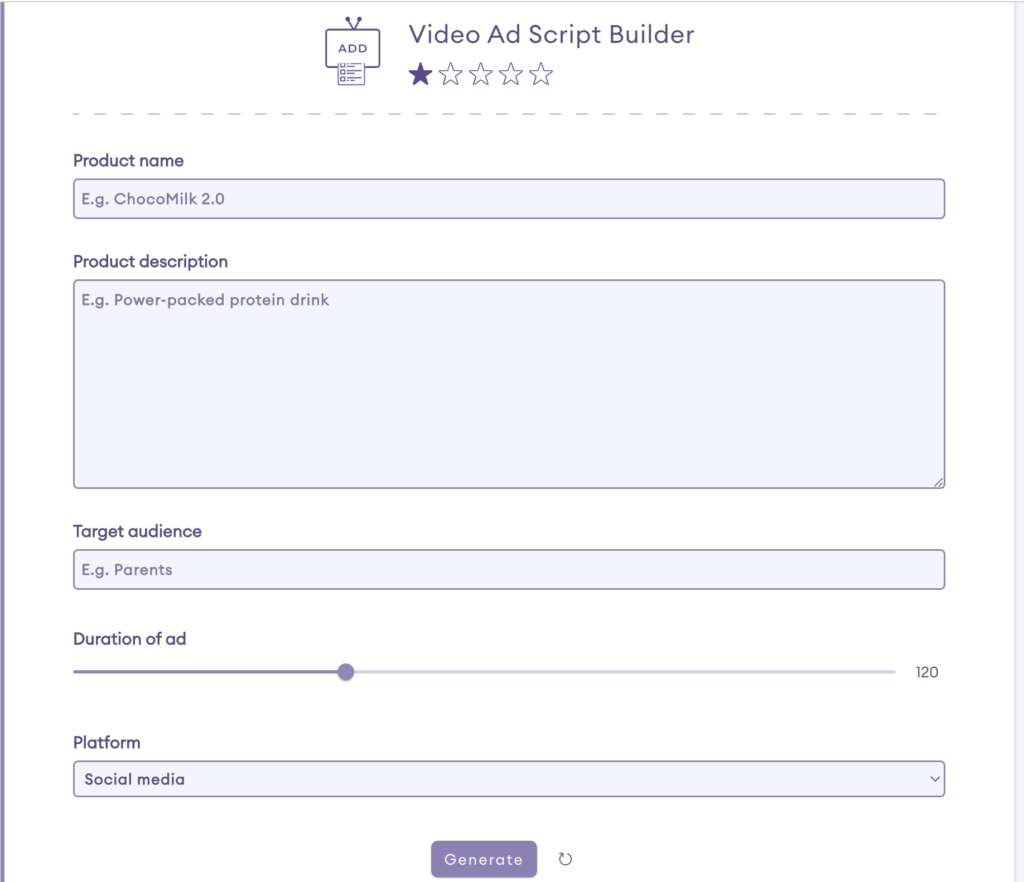
Creating compelling YouTube ad scripts using AI is an innovative process that combines technology with creative storytelling. However, the initial drafts generated by AI often require careful evaluation and refinement to ensure they align perfectly with branding, marketing goals, and audience preferences. Refining these scripts involves a systematic approach to enhancing clarity, persuasiveness, and engagement, ultimately resulting in a polished and impactful final product that resonates with viewers.Effective refinement begins with a thorough review of the AI-generated draft to identify areas where the message might be ambiguous or lacking in persuasive power.
This process involves analyzing the script’s language, tone, and structure. AI drafts can sometimes produce generic or overly complex language that may hinder viewer understanding or reduce emotional impact. Therefore, human oversight is crucial for ensuring that the script communicates clearly and aligns with the desired brand voice.Moreover, refining scripts entails editing to strengthen persuasive elements and engagement tactics. This includes incorporating compelling calls to action, emotional triggers, and storytelling techniques that capture attention within the first few seconds.
Adjusting sentence structure, adding vivid imagery, and emphasizing unique selling points can significantly improve viewer engagement and conversion rates.Below are essential procedures for evaluating and editing AI-generated scripts, along with a revision guideline table for consistent application:
Evaluating AI-Generated Drafts
Evaluating scripts involves assessing their clarity, persuasiveness, and engagement level. This ensures the content effectively communicates the intended message while maintaining viewer interest. Key evaluation points include:
- Clarity: Confirm the message is straightforward and easily understood without ambiguity. Remove jargon or complex language unless it aligns with the target audience.
- Persuasiveness: Ensure the script incorporates strong value propositions and compelling calls to action. It should motivate viewers to take the desired step.
- Engagement: Check for emotional resonance, storytelling elements, and attention-grabbing phrases. The script should evoke curiosity or emotion early on.
Improving AI-Generated Drafts
Once evaluations are complete, the next step involves editing the draft to enhance qualities like clarity, persuasiveness, and engagement. This process typically includes:
- Rephrasing ambiguous sentences to improve understanding.
- Adding persuasive language or emotional triggers aligned with the audience’s values and interests.
- Inserting dynamic and vivid descriptions to paint a compelling picture.
- Adjusting pacing to maintain viewer attention throughout the script.
- Ensuring consistency with brand voice and marketing objectives.
Revision Guidelines Organization
To facilitate efficient and consistent script refinement, establishing clear revision guidelines is essential. Below is a table summarizing key editing checkpoints for quick reference during the review process:
| Aspect | Checklist | Recommended Actions |
|---|---|---|
| Clarity | Is the message easily understandable? | Rephrase complex sentences, simplify vocabulary, remove jargon. |
| Persuasiveness | Does the script motivate action? | Add strong calls to action, emphasize benefits, include emotional appeals. |
| Engagement | Does the script capture and hold attention? | Incorporate storytelling, vivid descriptions, and dynamic language. |
| Brand Consistency | Is the tone and style aligned with branding guidelines? | Adjust vocabulary, tone, and messaging to match brand voice and marketing strategy. |
| Pacing | Is the flow smooth and compelling? | Shorten long sentences, vary sentence structure, and ensure logical progression. |
| Technical Accuracy | Are factual details correct? | Verify data, claims, and references against reliable sources. |
Adopting these refinement techniques ensures that AI-generated scripts are not only grammatically sound but also strategically aligned with marketing objectives, enhancing overall effectiveness and viewer impact.
Integrating Visuals and Calls-to-Action in AI-Created Scripts
Effective YouTube advertising relies heavily on engaging visuals and compelling calls-to-action (CTAs) that guide viewers toward desired responses. When leveraging AI to generate ad scripts, it is crucial to embed instructions that facilitate seamless integration of visuals and interactive elements. This approach enhances viewer engagement, improves message retention, and drives conversion rates. Embedding detailed explainings within the scripts ensures that AI tools can suggest appropriate visuals, annotations, and transitions that align perfectly with the narrative flow, making the final video more dynamic and persuasive.By providing explicit cues and context within the script, content creators can help AI generate suggestions for visuals that complement the message—such as showcasing product features, demonstrating use cases, or highlighting key benefits.
Additionally, integrating clear instructions for transitions and annotations enhances the video’s coherence and visual appeal. Carefully designed script segments that incorporate CTAs and interactive elements ensure a smooth viewer journey from awareness to action, increasing the likelihood of achieving campaign objectives.
Embedding Visuals and Transition Suggestions
To maximize AI-driven script effectiveness, it is important to include explainings that prompt the AI to propose relevant visuals, annotations, and transitions at appropriate points within the script. This can be achieved by explicitly describing the desired visual context and requesting specific visual cues.
- Visual Suggestions: Include phrases that specify the type of visuals needed, such as product demonstrations, close-up shots, infographic overlays, or animated graphics. For example, “Show a close-up of the product showcasing its unique feature” or “Overlay animated icons to emphasize key statistics.”
- Annotations and Text Overlays: Indicate where text annotations or labels should appear, such as highlighting features or benefits. For instance, “Add a caption explaining the eco-friendly aspect during the product showcase.”
- Transitions and Effects: Specify desired transition effects, like fade-ins, slide-ins, or cutaways, to create a smooth flow between segments. Example: “Transition smoothly with a fade effect as we move from product features to customer testimonials.”
This structured approach guides AI to generate visual cues aligned with the narrative, ensuring that the final script is rich with suggestions that enhance viewer engagement and comprehension.
Designing Script Segments with Embedded CTAs and Interactive Elements
Incorporating CTAs seamlessly within scripts requires careful planning so that they feel natural and compelling rather than intrusive. Effective script segments should balance informative content with strategic placement of interactive prompts that motivate viewers to act.
- Placement of CTAs: Position CTAs at logical progression points, such as after presenting a key benefit or demonstrating the product, to capitalize on viewer interest. For example, following a product feature highlight, include, “Click the link below to learn more.”
- Use of Action-Oriented Language: Craft CTAs that are clear, concise, and motivating. Phrases like “Subscribe now,” “Get your discount today,” or “Join the community” create urgency and clarity.
- Interactive Elements: Incorporate prompts for viewers to engage actively, such as “Tap the screen to get a special offer” or “Comment below with your thoughts.” These foster engagement beyond passive viewing.
- Visual and Textual Synchronization: Ensure that visual elements like buttons, links, or icons appear synchronized with verbal CTAs. For instance, when mentioning “Click the link,” show an animated arrow pointing to the CTA button.
This method ensures that the script naturally integrates interactive prompts, making it easier for viewers to respond and engage with the content effectively.
Effective Calls-to-Action Aligned with Script Content
Aligning CTAs with the specific content of the script maximizes their impact and relevance. Different types of CTAs serve various campaign goals, and selecting the appropriate ones enhances viewer response rates.
- Direct Purchase CTA: Encourages immediate buying, such as “Buy now and enjoy 20% off.”
- Subscription CTA: Promotes signing up for a newsletter or service, e.g., “Subscribe today to stay updated.”
- Engagement CTA: Invites comments, shares, or likes, such as “Leave a comment below and share your thoughts.”
- Educational CTA: Offers additional resources, like “Download our free guide to learn more.”
- Follow or Social Media CTA: Directs viewers to social channels, e.g., “Follow us on Instagram for daily updates.”
Incorporating these CTAs naturally into the script ensures they feel relevant and compelling. For example, after demonstrating a product’s benefits, prompting viewers with a “Click the link below to get yours today” aligns the call-to-action with the presented content, increasing conversion likelihood.
Using AI Tools and Platforms for Script Generation

Integrating AI-powered platforms into your YouTube advertising workflow streamlines the creation of compelling ad scripts, enhances creativity, and accelerates production cycles. Selecting the right AI tools tailored to specific marketing needs ensures that your scripts are engaging, accurate, and consistent with your brand voice.
Various AI platforms are available, each offering unique features suited for different aspects of script generation. Understanding their capabilities allows marketers to leverage these tools optimally and seamlessly incorporate AI-driven content into their advertising strategy.
Popular AI Platforms Suitable for Creating YouTube Ad Scripts
Choosing an appropriate AI platform begins with evaluating features such as natural language processing capabilities, customization options, ease of integration, and output quality. Below is an overview of some widely used AI tools for script generation:
| Platform | Key Features | Suitable Use Cases | Pricing Model |
|---|---|---|---|
| OpenAI GPT (e.g., GPT-4, GPT-3.5) | Advanced language understanding, customizable prompts, high-quality output | Creating persuasive scripts, generating multiple variations, brainstorming | Subscription-based, tiered plans based on usage |
| Copy.ai | Specialized in marketing copy, templates for scripts, easy-to-use interface | Quick script drafts, A/B testing content variations | Monthly subscription with free trial options |
| Jasper.ai (formerly Jarvis) | AI content generation focused on marketing, tone adjustment, contextual understanding | Storytelling, engaging voiceovers, product descriptions | Subscription plans with different feature sets |
| Writesonic | Multilingual support, diverse content templates, adjustable length | Script adaptation for different target audiences, localized content | Pay-as-you-go or subscription plans |
| Palm (Google’s AI Model) | Powerful language processing, integration with Google ecosystem | Complex script ideas, data-driven content | Part of Google’s cloud services, pay for usage |
Procedural Guide for Setting Up and Customizing AI Tools
To effectively utilize AI platforms for script creation, setting up and customizing the tools according to your specific advertising objectives is essential. The following steps Artikel a systematic approach to integrating these tools into your workflow:
- Select the appropriate AI platform: Assess your needs based on script complexity, tone, target audience, and budget. Choose a platform that offers the necessary features and scalability.
- Create an account and configure API access: Sign up for the platform, obtain API keys if applicable, and set up your environment for seamless integration with your content management systems.
- Define your script parameters: Customize prompt templates, tone settings, language preferences, and length restrictions. Use blockquotes to document your standard prompts or configurations for consistency:
“Create a persuasive 30-second script promoting our eco-friendly cleaning products aimed at environmentally conscious homeowners.”
- Integrate with your workflow: Connect AI tools with your content management or marketing automation platforms using APIs or third-party integrations, enabling automated script generation.
- Test and refine outputs: Generate sample scripts, review their relevance and quality, and adjust prompts or settings accordingly to improve results.
- Implement version control: Save and track different script iterations for comparison, ensuring consistent quality and alignment with campaign goals.
Sample HTML Table for Integrating AI Script Generation into Marketing Workflow
| Step | Action | Tools/Resources | Outcome |
|---|---|---|---|
| 1 | Identify campaign goals and key messaging | Marketing team brainstorming, brand guidelines | Clear objectives for script content |
| 2 | Configure AI platform prompts and settings | Selected AI tool, customized prompt templates | Optimized input parameters for script generation |
| 3 | Generate initial script drafts | AI platform interface or API calls | Multiple script options for review |
| 4 | Review and edit AI outputs | Content review team, style guides | Refined script versions aligned with brand voice |
| 5 | Integrate visuals and CTA elements | Design team, video editing tools | Complete ad scripts ready for production |
| 6 | Publish and monitor campaign performance | Analytics tools, YouTube Ads Manager | Insights for future AI prompt tuning and content refinement |
Best Practices for Creating Persuasive YouTube Ad Scripts with AI
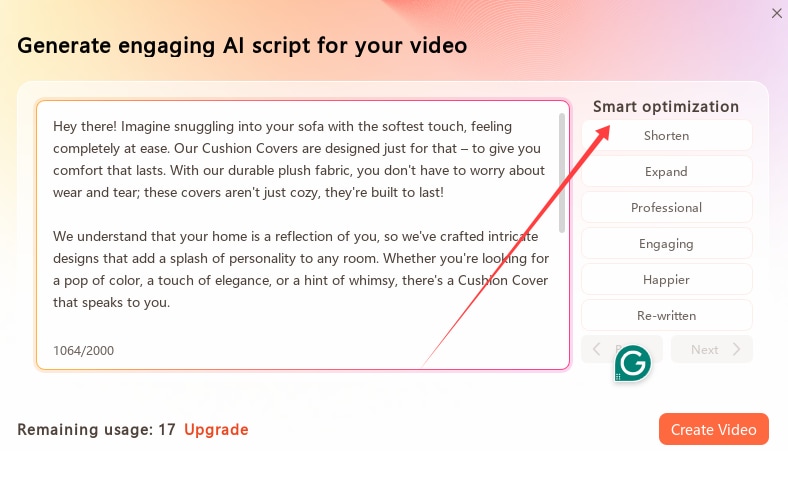
Creating compelling and effective YouTube ad scripts using AI requires a strategic approach that balances brevity, emotional resonance, and persuasive language. When optimized correctly, AI-generated scripts can significantly enhance viewer engagement and drive desired actions, making them a vital tool in digital marketing strategies. Incorporating best practices ensures that scripts not only capture attention but also maintain viewer interest throughout the advertisement, ultimately increasing conversion rates and return on investment.Effective AI-generated scripts need to be concise yet impactful.
They should deliver the core message quickly without sacrificing clarity or emotional appeal. Ensuring the script aligns with the target audience’s preferences, language style, and emotional triggers can make the difference between a forgettable ad and a memorable, persuasive one. Additionally, fine-tuning these scripts through iterative refinement and testing enhances their overall effectiveness, enabling marketers to optimize messaging for maximum impact.
Strategies for Crafting Concise, Compelling, and Viewer-Friendly Scripts
To maximize viewer retention and engagement, scripts should adhere to the following strategies:
- Prioritize Clarity and Brevity: Limit the script to essential information, avoiding unnecessary jargon or lengthy explanations. Use short, punchy sentences that convey the message swiftly and clearly.
- Hook the Audience Early: Start with an attention-grabbing statement or question that resonates with viewers’ needs or challenges. The initial few seconds are crucial in retaining viewer interest.
- Focus on Key Benefits: Highlight the unique selling points and benefits early in the script to persuade viewers of the value being offered.
- Use Repetition and Reinforcement: Reiterate the main message or call-to-action (CTA) throughout the script to reinforce the desired response.
- Incorporate Data and Testimonials: Whenever possible, include brief statistics or customer testimonials to build credibility and persuade viewers emotionally and logically.
Importance of Tone, Language, and Emotional Appeal
The tone and language of an AI-generated script profoundly influence its persuasive power. An appropriate tone should align with the brand personality and appeal to the target audience, whether it’s friendly, professional, energetic, or empathetic. Selecting precise and relatable language helps in establishing a connection, making the message more impactful.Emotional appeal is essential in motivating viewers to act. Scripts should evoke feelings such as trust, excitement, curiosity, or urgency.
Using storytelling techniques, relatable scenarios, or aspirational messaging can deepen emotional engagement. AI tools can be guided to generate scripts with these emotional nuances by providing specific prompts focused on emotional triggers or storytelling elements.
“A compelling script balances logical benefits with emotional resonance, guiding viewers toward an immediate response.”
Techniques to Enhance Script Impact
Enhancing the impact of AI-generated scripts involves integrating several techniques that elevate engagement and persuasiveness:
- Utilize Power Words and Phrases: Incorporate words like “exclusive,” “limited,” “proven,” or “transform” to evoke excitement and urgency.
- Implement Clear and Strong Calls-to-Action: Use direct CTAs such as “Sign up now,” “Get yours today,” or “Learn more” to guide viewer behavior effectively.
- Use Storytelling Elements: Embed brief stories or scenarios that connect emotionally with viewers, making the product or service more relatable and memorable.
- Avoid Jargon and Complex Language: Keep the language simple and accessible, ensuring the message resonates across diverse audiences.
- Test and Iterate: Continuously evaluate script performance through A/B testing and audience feedback to refine messaging and tone for maximum persuasion.
Summary
In conclusion, mastering how to create youtube ad scripts using ai empowers marketers to produce high-quality content with greater speed and precision. Implementing these techniques ensures your ads are persuasive, visually appealing, and aligned with your branding goals. Embracing AI-driven scriptwriting is a strategic step toward achieving more impactful video advertising campaigns.