Discovering how to create voiceover for ads with AI opens new horizons in digital marketing by streamlining production processes and enhancing creative possibilities. Utilizing advanced text-to-speech technology allows advertisers to craft engaging audio content quickly and cost-effectively, making it an invaluable tool in today’s fast-paced advertising landscape. This guide offers insights into the core principles, selection, and optimization of AI voice solutions for impactful advertising campaigns.
By understanding the capabilities of current AI voice synthesis platforms, preparing effective scripts, customizing voice profiles, and integrating audio seamlessly into campaigns, marketers can elevate their advertising efforts. Additionally, being aware of ethical considerations and future innovations ensures responsible and forward-looking use of this technology.
Understanding AI Voiceover Technology

Artificial intelligence has revolutionized the creation of voiceovers for advertisements by enabling rapid, high-quality, and customizable audio production. AI voiceover technology harnesses advanced algorithms and machine learning models to generate human-like speech that can be tailored to specific brand voices, tones, and styles. This innovation not only accelerates the production process but also opens new avenues for personalized and scalable advertising campaigns.
Current AI voice synthesis tools leverage deep neural networks, particularly text-to-speech (TTS) models, to convert written scripts into natural-sounding speech. These tools analyze vast datasets of human speech to learn nuanced pronunciation, intonation, and emotional expression. As a result, they can produce voiceovers that closely mimic human voices, with the flexibility to modify pitch, speed, and emphasis. This technology continues to evolve, offering more realistic and expressive voices that meet the diverse needs of advertisers across industries.
Core Principles of AI Voiceover Technology
The foundation of AI-generated voiceovers lies in sophisticated machine learning models trained on extensive speech datasets. These models utilize neural networks, such as WaveNet or Tacotron, to model speech waveforms or spectrograms, facilitating realistic voice synthesis. The process begins with text preprocessing, where scripts are analyzed for pronunciation, punctuation, and emotional cues. The AI then generates the corresponding audio, which can be fine-tuned for tone and emphasis.
This approach allows for the rapid creation of high-quality voice content without the need for traditional voice actors.
Features and Capabilities of Current AI Voice Synthesis Tools
Modern AI voice synthesis platforms offer a wide range of features designed to meet the demands of advertising professionals. These include multiple language and accent options, voice customization, emotional tone control, and seamless integration with editing software. Many tools also provide expressive speech capabilities, allowing voiceovers to convey enthusiasm, sincerity, or urgency as required by the ad’s message. Additionally, real-time editing and preview features enable users to experiment with different voices and styles before finalizing the output.
Comparison of AI Voice Platforms for Ad Creation
Below is a comparative overview of four prominent AI voice synthesis platforms, highlighting their strengths in voice quality, customization, pricing, and ease of use:
| Platform | Voice Quality | Customization Options | Pricing | Ease of Use |
|---|---|---|---|---|
| Descript Overdub | High, very natural-sounding with expressive control | Voice cloning, pitch, speed adjustment, emotional tone | Subscription-based, starting at $15/month | User-friendly interface with drag-and-drop functionality |
| WellSaid Labs | Exceptional clarity and realism | Multiple voices, pitch, emphasis, pauses | Pay-per-use or subscription options, approx. $29 per voice clip | Intuitive platform suitable for beginners and professionals |
| Replica Studios | Highly expressive, suitable for emotional scripts | Extensive voice library, emotion control, tone adjustment | Pricing on request, tailored for enterprise needs | Requires some training but generally accessible |
| Amazon Polly | Good quality, many voices and languages | Neural TTS, SSML support for detailed customization | Pay-as-you-go, starting at $4 per million characters | Developer-focused, may require technical knowledge |
In selecting the most suitable platform, considerations include the desired voice realism, level of customization, budget constraints, and technical proficiency. For instance, WellSaid Labs is often favored for its high-fidelity voices with simple editing, making it ideal for marketing teams without extensive technical backgrounds. Conversely, Amazon Polly provides extensive language support and cost-effective options for large-scale projects requiring multiple voices and accents.
Preparing Content for AI Voiceover
Effective preparation of ad content is essential for achieving natural and engaging AI voiceovers. This process involves crafting scripts that are optimized for synthetic speech, ensuring clarity, consistency, and emotional resonance. Properly prepared content enhances the AI’s ability to produce high-quality audio that captures the intended message and tone, making your advertisements more compelling and professional.
By following structured guidelines for scripting, tone, and formatting, marketers and content creators can significantly improve the efficiency and output quality of AI voice synthesis tools. This section provides a detailed step-by-step approach to creating suitable content for AI voiceovers, along with best practices and practical examples to facilitate seamless integration into your advertising workflows.
Developing the Script for AI Voiceover
Creating a script tailored for AI voice synthesis requires a strategic approach that emphasizes clarity, natural flow, and emotional engagement. The process begins with defining key messages and then translating them into spoken language that sounds authentic when rendered by AI voices. It is essential to avoid overly complex sentences, ambiguous phrasing, or technical jargon that may hinder the AI’s articulation or comprehension.
Start by outlining the core messages you want to communicate, ensuring each point is concise and impactful. Use simple sentence structures, clear pronunciation cues, and natural language patterns. Incorporate pauses where necessary to enhance clarity and emphasis, and consider the pacing to maintain listener engagement throughout the ad.
Best Practices for Writing Natural, Engaging Dialogue
To craft dialogue that sounds natural and captivating when synthesized by AI, it is important to focus on conversational tone, authentic vocabulary, and emotional resonance. Use contractions and everyday language to mimic natural speech patterns, which helps the AI produce more relatable and engaging voices.
Keep sentences short to facilitate easier pronunciation and reduce the risk of misinterpretation. Incorporate rhetorical devices like questions or exclamations sparingly, as they may not translate well in AI voice synthesis. Instead, aim for a tone that is friendly, persuasive, and aligned with your brand personality, whether it’s professional, playful, or warm.
Including cues for intonation, emphasis, and pauses can help AI voices deliver a more dynamic and human-like performance. These cues can be embedded within the script using brackets or specific formatting (depending on the platform’s capabilities). For example, inserting [pause] or [emphasis] tags guides the AI in delivering a more expressive voice.
Organizing Key Message Points and Tone Guidelines
Consistency in messaging and tone is paramount for effective advertising. Organize your key points to ensure a logical flow that guides the listener through the ad seamlessly. Use bullet points or numbered lists during script planning to prioritize information and maintain clarity.
Develop a tone guideline document that specifies language style, emotional tone, and pronunciation preferences. This reference helps maintain uniformity across different scripts and campaigns, especially when multiple voices or AI models are involved. For instance, a luxury brand might prefer a refined, calm tone, whereas a tech startup might opt for a lively and energetic style.
Applying these guidelines during script development ensures that the AI voice maintains a consistent brand voice and communicates the intended message effectively, regardless of the specific content variation.
Sample Script and Formatting for AI Voice Generation
Below is a sample advertisement script formatted for AI voice synthesis, demonstrating best practices in structure and clarity:
“Experience the future of cleaning with SparkVac. [pause] Our innovative technology ensures a spotless home in half the time. [pause] Discover more today at SparkVac.com. [emphasis] SparkVac — where brilliance begins.”
In this example, the script uses clear sentences, natural language, and cues for pauses and emphasis. Formatting cues like [pause] and [emphasis] help guide the AI in producing a more expressive and human-like voice. When entering this script into an AI voice platform, ensure the software recognizes such cues or adapt them to the platform’s specific formatting requirements.
By organizing content with succinct sentences, natural phrasing, and clear cues, creators can improve the AI’s ability to generate compelling, authentic-sounding voiceovers that resonate with audiences and elevate advertising campaigns.
Selecting and Customizing AI Voices
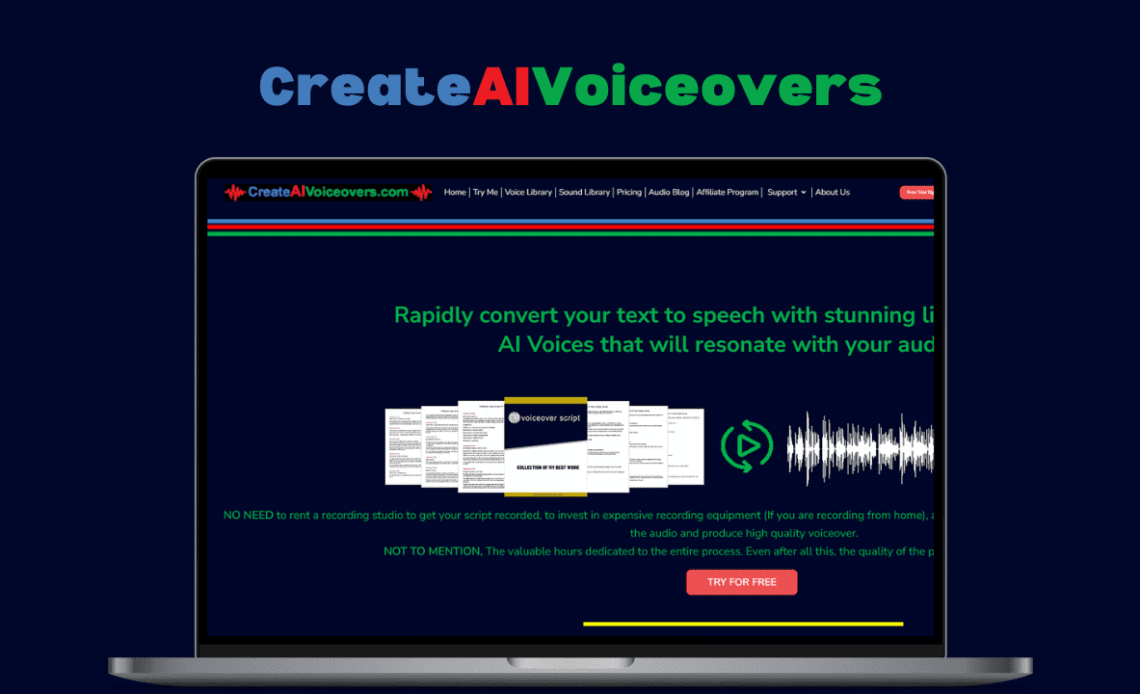
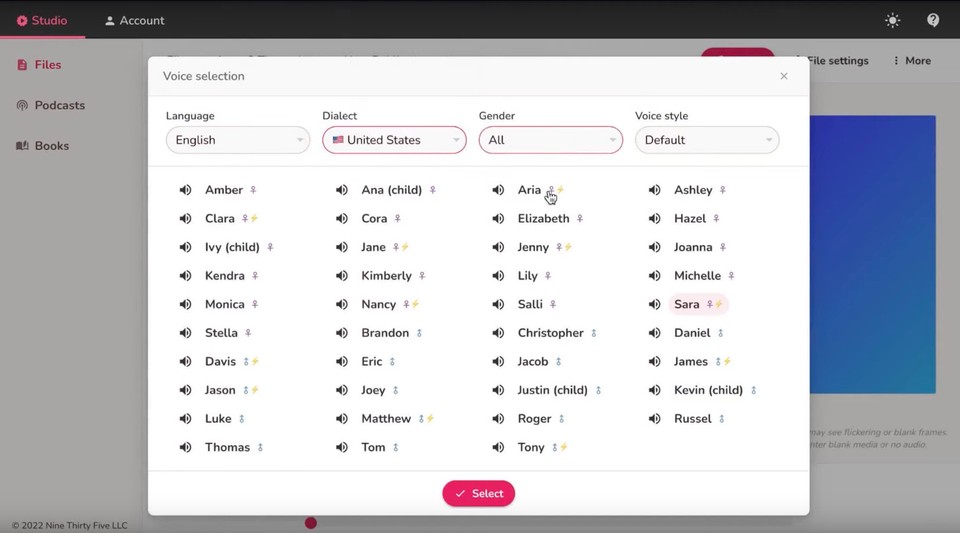
Choosing the right AI voice and tailoring its characteristics are crucial steps in creating compelling advertisements that resonate with target audiences. Proper selection and customization ensure that the voice aligns with the brand’s identity, emotional tone, and message delivery, ultimately enhancing ad effectiveness and audience engagement.
Effective customization involves adjusting various parameters such as pitch, speed, and intonation to evoke the desired emotional response or tone. These modifications help create a natural and engaging voiceover that captures attention and maintains listener interest throughout the ad duration.
Choosing Appropriate Voice Profiles for Target Audiences
Matching voice profiles to audience demographics and preferences increases the relatability and impact of advertisements. For example, a youthful, energetic tone may appeal to younger consumers, while a calm, authoritative voice could resonate with professional or senior audiences. When selecting a voice profile, consider factors such as age, gender, regional accent, and speech style.
Procedures for selecting the most suitable voice include reviewing sample voices provided by AI platforms, analyzing the emotional tone conveyed, and assessing how well the voice aligns with brand personality. Conducting focus group testing or internal reviews can further inform the decision, ensuring the chosen voice effectively communicates the intended message.
Customizing Pitch, Speed, and Intonation
Once a suitable voice profile is selected, fine-tuning its parameters enhances emotional delivery and clarity. Adjusting pitch can emphasize enthusiasm or seriousness, whereas modifying speech speed impacts the perceived urgency or relaxed nature of the message. Intonation patterns influence how natural and engaging the voice sounds, allowing for subtle variations that evoke specific emotional responses.
Procedures for customization include using the AI platform’s editing tools to modify parameters, listening to previews, and iteratively adjusting settings until the desired effect is achieved. For example, increasing pitch slightly can make the voice sound more lively, while slowing down speech might be beneficial for complex or important messages. Ensuring that adjustments do not compromise clarity or naturalness is essential for professional-quality voiceovers.
Voice Options Evaluation Checklist
To streamline the selection process, it is helpful to utilize a standardized checklist that considers project-specific needs. This checklist allows for an objective comparison of different voices based on key criteria such as clarity, emotional tone, regional accent, and ease of customization. Regularly evaluating voice options ensures the final choice aligns with campaign goals.
Clarity
Is the voice easily understandable across various listening environments?
Emotional Impact
Does the voice evoke the intended emotional response?
Cultural Fit
Is the accent and style appropriate for the target demographic?
Flexibility
Can the voice be effectively customized in pitch, speed, and intonation?
Compatibility
Does the voice integrate seamlessly with the advertisement’s script and format?
Comparison Table of AI Voice Options
| Voice Option | Customization Features | Typical Use Cases | Examples |
|---|---|---|---|
| Standard Male Voice A | Pitch, speed, intonation, emphasis | Promotional ads, informational videos | Energetic product launches, tech tutorials |
| Natural Female Voice B | Pitch, speed, emotional tone adjustments, pauses | Brand storytelling, customer service messages | Luxury brand commercials, onboarding videos |
| Regional Accent Voice C | Customizable accent, pitch, intonation | Localized marketing campaigns, regional outreach | Regional product ads, community announcements |
| Conversational Style Voice D | Natural speech flow, pitch variations, emphasis control | Vlogs, social media ads, informal branding | Lifestyle brands, influencer marketing videos |
Integrating AI Voiceovers into Ad Campaigns

Effective integration of AI-generated voiceovers into advertising campaigns enhances the overall impact and coherence of the message. This process ensures that the voice content seamlessly fits within various digital and traditional media formats, maintaining quality, consistency, and compatibility across platforms. Properly executed integration not only improves listener engagement but also streamlines production workflows, enabling marketers to deliver compelling narratives efficiently.
Successful integration involves selecting appropriate file formats, synchronizing voiceovers with visual elements, and maintaining a consistent brand voice across multiple campaigns. It requires a strategic approach that considers the technical specifications of advertising platforms and the creative objectives of the campaign.
Exporting AI Voice Files for Advertising Platforms
When deploying AI voiceovers for ad campaigns, exporting audio files in compatible formats is essential to ensure high-quality playback and smooth integration. Different platforms have specific requirements regarding file types, bit rates, and codecs.
- Common Audio Formats: MP3, WAV, AAC, and OGG are widely supported across digital advertising platforms. MP3 is preferred for its balance between quality and file size, making it ideal for online ads and social media.
- Export Settings: Use a minimum of 192 kbps bit rate for clear quality, and consider mono vs. stereo based on the use case. For voice clarity in video ads, stereo is often preferred, while mono suffices for simple audio banners.
- Platform Specifications: Verify platform guidelines, such as YouTube’s preference for AAC or MP4 container, or Facebook’s recommended MP3/ACC formats, to prevent playback issues.
Ensuring the exported voice files meet the technical standards of the targeted advertising platform is crucial for maintaining audio fidelity and seamless integration.
Syncing Voiceovers with Visual Content
Integrating voiceovers with visual elements in videos or digital ads involves precise synchronization to align spoken content with on-screen actions, transitions, or graphics. This synchronization enhances storytelling, ensures message clarity, and maintains viewer engagement.
- Use Video Editing Software: Tools like Adobe Premiere Pro, Final Cut Pro, or DaVinci Resolve allow precise timeline editing, enabling marketers to align voiceover tracks with visual cues accurately.
- Timing Adjustments: Adjust the timing of the voiceover clips to match visual transitions, such as product reveals, call-to-action prompts, or scene changes. Consider adding pauses or slight delays to emphasize key messages.
- Layering and Volume Control: Balance audio levels to ensure voice clarity without overpowering background music or sound effects, creating an engaging yet intelligible audio-visual experience.
For dynamic digital ads, synchronization can also involve integrating voiceovers with interactive elements, requiring close collaboration between audio engineers and digital developers to ensure smooth playback across devices and browsers.
Maintaining Consistency in Voice Branding
Consistent voice branding across multiple campaigns reinforces brand identity and fosters audience recognition. This consistency requires strategic planning and careful management of voice assets over time.
- Selecting a Signature Voice: Choose an AI voice that aligns with brand personality—whether authoritative, friendly, or energetic—and use it consistently across all campaigns.
- Creating Voice Profiles: Develop detailed voice profiles, including tone, pitch, pacing, and pronunciation preferences, which can be reused and fine-tuned for different projects.
- Version Control and Style Guides: Maintain style guides that specify voiceover parameters, and use version control systems to track modifications, ensuring uniformity regardless of campaign scale.
- Regular Audits: Periodically review voiceovers across campaigns to identify inconsistencies and make adjustments, preserving the integrity of the brand voice.
| Integration Step | Tools | Best Practices | Remarks |
|---|---|---|---|
| Export Voice Files | Audacity, Adobe Audition, AI voice platform export options | Use recommended formats and maintain high quality settings | Check platform specifications before exporting |
| Sync with Visual Content | Adobe Premiere Pro, Final Cut Pro, DaVinci Resolve | Align voice tracks with visual cues; adjust timing as needed | Preview multiple times to ensure perfect sync |
| Ensure Brand Voice Consistency | Voice profile templates, version control tools | Use standardized parameters and style guides | Regularly audit voice assets for consistency |
| Platform Uploads & Testing | Platform-specific upload tools, browser testing tools | Test playback on all target devices and platforms | Adjust file formats if playback issues arise |
Ethical and Legal Considerations
Creating voiceovers for advertisements using AI technology introduces vital ethical and legal responsibilities that must be carefully addressed to ensure responsible usage. As AI voice technology becomes increasingly sophisticated and prevalent in marketing, understanding and adhering to established guidelines is essential for maintaining integrity, protecting intellectual property, and fostering transparency with audiences. Failing to consider these aspects can result in legal repercussions, reputational damage, and loss of consumer trust.It is important to recognize that while AI offers remarkable flexibility and efficiency, its application in advertising must be guided by clear ethical principles and legal frameworks.
This involves respecting the rights of voice talent, ensuring truthful representation, and maintaining open communication with audiences regarding AI involvement. Adopting best practices not only safeguards your brand but also promotes a fair and transparent advertising environment.
Guidelines for Ethically Using AI Voice Technology in Advertising
Utilizing AI voice technology ethically entails implementing policies that prioritize honesty, respect, and consumer rights. It is crucial to avoid deceptive practices, such as misrepresenting AI-generated voices as human voices without disclosure, which can mislead audiences. Ensuring that AI voices are used in contexts that do not promote misinformation or manipulate viewers is vital for maintaining ethical standards.
Organizations should develop internal guidelines that clearly define acceptable AI voice applications. These guidelines must emphasize the importance of not infringing on individual rights, avoiding offensive or inappropriate content, and respecting cultural sensitivities. Ethical use also involves obtaining necessary permissions and ensuring that the AI voice applications align with societal norms and values.
Copyright and Licensing Issues Associated with AI-Generated Voices
The legal landscape surrounding AI-generated voices is complex and evolving. Since AI models are often trained on existing voice data, questions arise regarding ownership rights and licensing obligations. If AI voices replicate or closely resemble real individuals’ voices, legal complications related to likeness rights and personality rights may surface. Additionally, the use of proprietary AI voice models typically involves licensing agreements that specify permissible uses, restrictions, and royalties.
It is essential to thoroughly review licensing terms of AI voice platforms to ensure compliance. When creating custom voices, acquiring appropriate rights or licenses for any training data used is critical. Failing to adhere to licensing requirements can lead to legal disputes, penalties, and damage to your brand’s credibility.
Policies for Transparency with Audiences Regarding AI Voice Use
Transparency builds trust and demonstrates honesty when integrating AI voices into advertising campaigns. Clearly informing audiences that a voice is AI-generated helps set accurate expectations and avoids potential deception. Transparency policies should be reflected in your advertising disclosures, privacy policies, and consumer communications.
Beyond disclosure, organizations should educate their audiences about the role of AI in content creation, including the benefits and limitations. This openness fosters a responsible relationship with consumers and aligns your brand with ethical standards in digital communication.
Compliance Steps and Recommended Practices
To ensure ethical and legal compliance in AI voiceover use, consider implementing the following steps and practices:
- Obtain explicit permission from voice talent or rights holders when using their voices for AI training or reproduction.
- Use licensed or proprietary AI voice platforms that provide clear usage rights and licensing agreements.
- Disclose AI-generated voices in advertisements, ensuring transparency to the audience about the artificial nature of the voice.
- Regularly review legal regulations and industry standards related to AI content creation in your jurisdiction.
- Implement internal policies that prevent the misuse of AI voices, such as creating misleading or offensive content.
- Maintain records of licensing agreements, permissions, and disclosures for accountability and audit purposes.
- Engage legal experts to review your AI voice applications and ensure full compliance with copyright, personality rights, and advertising laws.
- Educate your team on ethical standards and legal obligations related to AI voice technology, fostering a culture of responsibility.
“Responsible use of AI voice technology in advertising not only protects your brand legally but also reinforces consumer trust through transparency and integrity.”
Final Thoughts

In summary, mastering how to create voiceover for ads with AI empowers marketers to produce high-quality, customizable, and engaging audio content efficiently. As technology continues to evolve, staying informed about emerging trends and best practices will be key to maintaining a competitive edge in advertising innovation.