Learning how to create Twitter posts using AI opens up new possibilities for efficient and effective social media content creation. By leveraging advanced AI tools, users can generate engaging tweets tailored to their audience with minimal effort. This approach not only saves time but also enhances the consistency and creativity of social media strategies. Understanding the capabilities and best practices for utilizing AI in this context can empower individuals and brands to maintain an active and compelling online presence.
Overview of AI tools for creating Twitter posts
Artificial Intelligence has revolutionized the way social media content is crafted, especially for platforms like Twitter, where concise and engaging posts are essential. AI-powered tools leverage natural language processing, machine learning algorithms, and data analysis to generate, optimize, and manage social media content efficiently. These tools assist users in creating tweets that are not only grammatically correct but also tailored to target audiences, trending topics, and brand voice.
The integration of AI in social media marketing streamlines content creation, reduces manual effort, and enhances overall engagement metrics.
Various AI platforms have emerged as popular choices for generating Twitter posts, each offering unique features suited for different needs—from simple text generation to sophisticated analytics and scheduling. Comparing these tools helps users select the most appropriate solution based on their specific requirements, such as ease of use, customization options, and output quality.
Comparison of popular AI platforms for creating tweets
Below is a summarized table highlighting the key features, strengths, and limitations of leading AI tools used in Twitter content creation. This comparison provides insights into how each platform can support social media managers, marketers, and individual users in their content strategies.
| AI Tool | Features | Strengths | Limitations |
|---|---|---|---|
| Kami (OpenAI) |
|
|
|
| Copy.ai |
|
|
|
| Writesonic |
|
|
|
| Jarvis (Jasper AI) |
|
|
|
Step-by-step Process to Generate Twitter Posts with AI
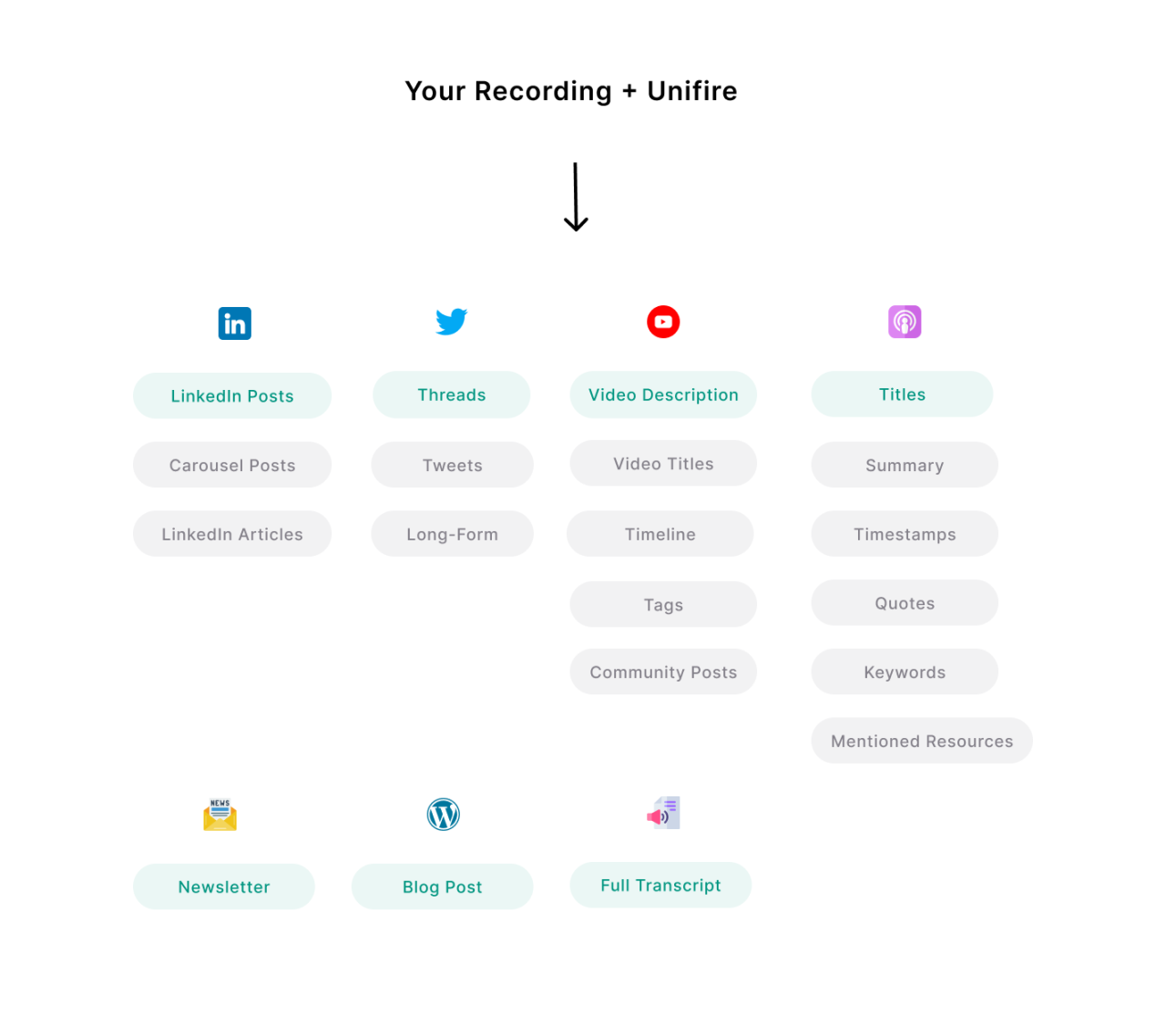
Creating engaging and effective Twitter posts using AI involves a structured approach that ensures clarity, relevance, and appeal to your target audience. By following a systematic process, you can harness AI tools to produce consistent and high-quality content tailored to your brand or message.
This section Artikels a detailed step-by-step procedure for inputting prompts into AI systems to craft compelling tweets, along with best practices for setting parameters to optimize output quality. Implementing these steps ensures your AI-generated posts are both impactful and aligned with your social media strategy.
Defining Clear Content Objectives
Before engaging with any AI tool, it is essential to establish clear goals for your Twitter post. Determine whether the aim is to inform, entertain, promote, or engage your audience. Clear objectives guide the AI in generating relevant and focused content, reducing the need for extensive editing afterward.
Crafting Effective Input Prompts
AI models interpret prompts to generate content; thus, providing precise and detailed instructions is crucial. Your input should specify the tone, style, and key messages you want conveyed. Consider including examples of desired tweet structures or s to steer the output toward your intended outcome.
Important: The quality of your output heavily depends on the clarity and specificity of your prompts.
Examples of Input Prompts for Twitter Posts
Concrete examples help illustrate how to communicate your requirements effectively to AI tools:
- “Create a catchy tweet promoting our new eco-friendly product, emphasizing sustainability and affordability, using a friendly tone.”
- “Generate a professional tweet sharing a recent industry statistic about renewable energy, including a call-to-action and hashtag suggestions.”
- “Write an engaging, humorous tweet about Monday mornings that resonates with young professionals, with a lighthearted tone.”
Optimizing Parameters for Better Output
Most AI tools allow customization of parameters such as temperature, length, and creativity level. Adjusting these settings influences the style and diversity of generated content, impacting overall quality.
- Temperature: Controls randomness; lower values (e.g., 0.2) produce more deterministic, consistent tweets, while higher values (e.g., 0.8) encourage creativity and variety.
- Max Token Length: Sets the maximum length of the generated tweet, typically between 50-280 characters, aligning with Twitter’s character limit.
- Prompt Specificity: Providing detailed prompts leads to more accurate and relevant outputs, reducing the need for multiple revisions.
Tip: Use a moderate temperature (around 0.3-0.5) for professional posts and a higher setting for more creative or humorous tweets.
Step-by-step Example for Generating a Twitter Post
- Identify Your Goal: Promote a new blog post about sustainable living.
- Draft Your Prompt: “Create a concise, engaging tweet to encourage followers to read our latest blog on sustainable living tips, including a hashtag #EcoFriendly and a call-to-action.”
- Set Parameters: Temperature 0.4, Max tokens 100, Style: professional yet approachable.
- Input the Prompt into the AI Tool: Paste your detailed prompt into the AI interface, adjust parameters, and execute.
- Review and Refine: Evaluate the generated tweet for clarity, tone, and relevance. Make minor edits if necessary to better match your brand voice.
- Publish: Once satisfied, schedule or post the tweet directly to your Twitter account.
Crafting Effective Explainings for AI-Generated Twitter Content

Creating impactful Twitter posts with AI requires more than just prompts; it demands well-structured explainings that guide the AI to produce relevant, engaging, and audience-specific content. The clarity and precision of these explainings directly influence the quality and effectiveness of the generated tweets, making it essential to develop techniques that align with your communication goals.
Effective explainings serve as the blueprint for AI to understand the desired tone, style, and target audience, ensuring that each tweet resonates appropriately. By mastering the art of crafting these detailed instructions, marketers, content creators, and social media strategists can automate high-quality tweet generation that consistently meets brand voice and engagement objectives.
Structuring Explainings for Relevance and Impact
To maximize the relevance and appeal of AI-generated Twitter content, structuring your explainings with clarity and focus is crucial. Your instructions should Artikel not only the core message but also contextual details that shape the tone, style, and audience targeting. This level of detail helps AI produce content that aligns with your specific goals and brand identity.
Key techniques include:
- Defining clear objectives for each tweet, such as informing, entertaining, or promoting.
- Specifying the main message or theme, including relevant s or hashtags to maintain topicality.
- Clarifying the desired length, whether concise or slightly expanded for emphasis.
- Identifying the target audience’s demographics, interests, and preferences to tailor language and tone.
- Outlining stylistic preferences, such as casual, professional, humorous, or authoritative tone.
- Providing examples of preferred language or expressions to guide the AI’s style choices.
These structured guidelines ensure that the AI interprets your intentions accurately, resulting in tweets that are not only relevant but also compelling and audience-specific.
Incorporating Tone, Style, and Audience Considerations
Effective explainings must explicitly address tone, style, and audience, as these elements are fundamental to creating engaging social media content. Failing to specify these factors can lead to generic or mismatched tweets that do not resonate with the intended readership.
When designing your instructions, consider:
- The emotional tone (e.g., enthusiastic, serious, empathetic) to evoke the desired reaction from followers.
- The stylistic approach (e.g., formal, conversational, witty) that aligns with your brand voice and campaign objectives.
- The specific audience profile, including age group, professional background, interests, and platform behavior, to tailor language complexity and references.
Including these considerations ensures that the AI-generated content is not only relevant but also emotionally and stylistically aligned with your strategic goals, thereby fostering better engagement and brand consistency.
Sample Explainings for Diverse Twitter Content Approaches
  "Objective": "Promote a new eco-friendly product line aimed at young adults.",
  "Tone": "Casual, upbeat, and environmentally conscious.",
  "Style": "Use lively language with emojis and hashtags.",
  "Audience": "Young adults aged 18-25 interested in sustainability and fashion.",
  "Message": "Highlight the product's eco-friendly materials and trendy designs.",
  "s": ["sustainable", "fashion", "eco-friendly", "#GreenStyle"]
  "Objective": "Share professional insights on digital marketing trends.",
  "Tone": "Authoritative and informative.",
  "Style": "Concise with technical terminology suitable for marketing professionals.",
  "Audience": "Marketing managers and digital strategists aged 30-45.",
  "Message": "Discuss the latest shifts in social media algorithms and content strategies.",
  "s": ["digital marketing", "social media", "algorithms", "content strategy"]
  "Objective": "Engage followers with a humorous take on remote work challenges.",
  "Tone": "Witty and light-hearted.",
  "Style": "Use humor, colloquial language, and relatable anecdotes.",
  "Audience": "Remote employees and freelancers aged 20-40.",
  "Message": "Share funny situations or frustrations common in work-from-home setups.",
  "s": ["remote work", "funny", "WFH", "#RemoteLife"]
Customizing AI-generated Twitter posts
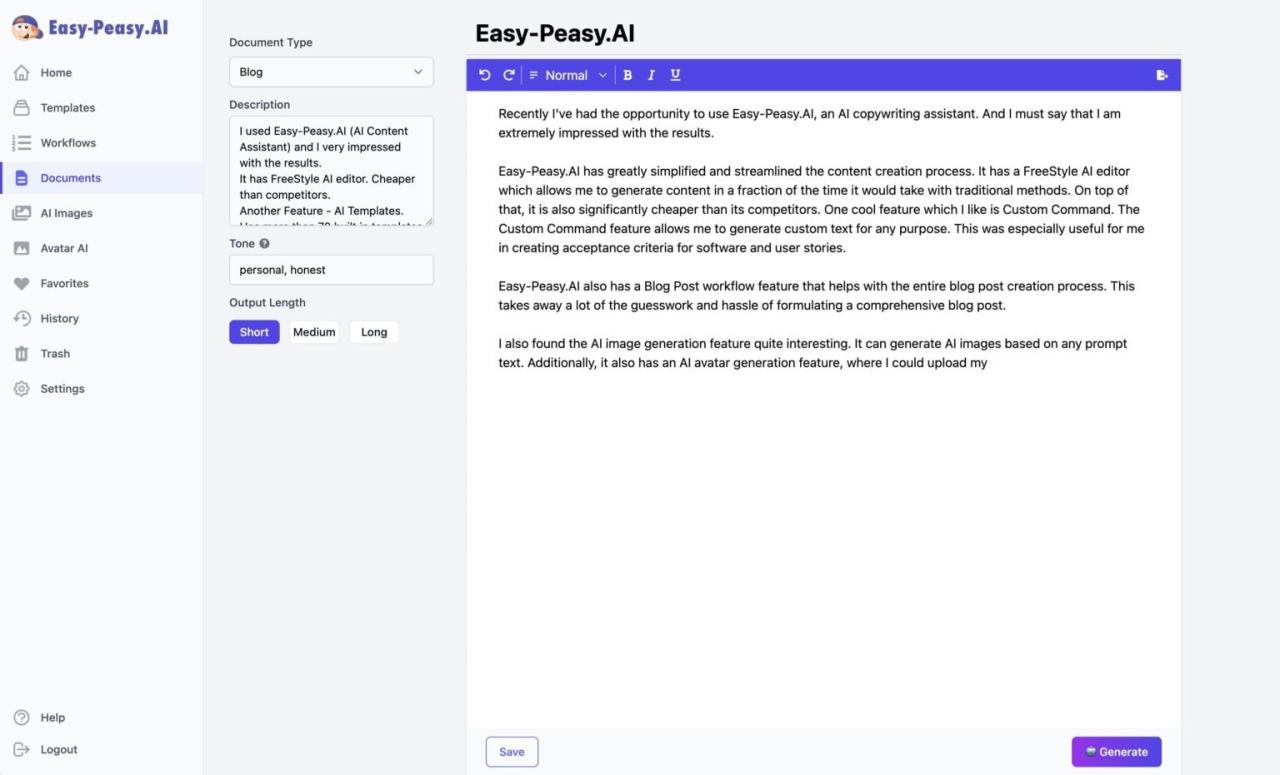
While AI tools excel at generating engaging content efficiently, tailoring these outputs to align with a specific brand voice and style enhances authenticity and audience connection. Customization ensures that AI-crafted posts resonate with your target audience, maintain consistency, and effectively communicate your brand identity.
Refining AI outputs involves a combination of strategic editing, contextual adjustments, and thoughtful incorporation of social media elements such as hashtags, mentions, and emojis. This process transforms generic AI-generated content into personalized, vibrant, and brand-specific Twitter posts that foster engagement and brand recognition.
Methods to modify and refine AI outputs for brand voice consistency
Achieving a cohesive brand voice with AI-generated content requires deliberate modifications and editing strategies. These methods help maintain a uniform tone, style, and messaging that reflect your brand’s personality across all Twitter posts.
- Adjusting tone and language style: Edit AI outputs to match your brand’s tone—be it professional, friendly, humorous, or authoritative. For instance, replacing formal vocabulary with casual expressions can make the content more approachable.
- Inserting brand-specific s and phrases: Incorporate commonly used phrases or jargon that your brand is known for, ensuring consistency in messaging.
- Modifying sentence structure: Rewrite sentences to align with your preferred style, such as using shorter, punchier statements for a dynamic feel or more detailed explanations for an informative tone.
- Utilizing editing tools: Employ editing software or AI-powered refinement tools that can suggest synonyms, adjust tone, or streamline content to better fit your brand voice.
Incorporating hashtags, mentions, and emojis naturally within AI-crafted content
Enhancing AI-generated posts with social media elements like hashtags, mentions, and emojis can significantly increase visibility and engagement. The key is to integrate these elements seamlessly so that they complement the message rather than appear forced or out of place.
Effective incorporation involves contextual placement and moderation, ensuring each element adds value to the post. Here are techniques to achieve natural integration:
- Hashtags: Use relevant hashtags that are trending or specific to your niche. Place them at the end of the post or within the sentence where they fit naturally. For example, if the AI-generated content mentions content marketing, include hashtags like
#ContentMarketingor#DigitalStrategy. - Mentions: Incorporate mentions of partners, influencers, or relevant accounts to foster engagement and expand reach. For instance, if referencing a collaborator, include
@PartnerAccountwithin the sentence, maintaining a conversational tone. - Emojis: Add emojis to convey emotion, emphasize key points, or make the post more visually appealing. Use them sparingly and contextually, such as including a
🎉after announcing a milestone or a🔥to highlight trending topics.
“Seamless integration of hashtags, mentions, and emojis enhances authenticity, ensuring AI-generated content feels lively and engaging.”
Examples of customization techniques
Here are practical ways to tailor AI-crafted Twitter posts for optimal engagement and brand alignment:
- Embedding hashtags directly into sentences:
Discover our latest updates in digital marketing! #Innovation #MarketingTips - Including mentions to amplify reach:
Thanks to our amazing partner @TechSolutions for their support! #Collaboration - Using emojis to enhance tone:
Excited to announce our new product launch! 🚀✨ Stay tuned for updates. #ProductLaunch - Adjusting language tone: Convert a formal statement like
Our company is committed to providing excellent service.
to a friendly, engaging version:
We’re here to serve you better! 😊 Thanks for being part of our journey. #CustomerFirst - Refining AI outputs by removing generic phrases and inserting brand-specific content, such as replacing
Our services help you grow.
with
Growing your business is our priority. Let’s do this together! #BusinessGrowth.
Automating Twitter Post Creation Using AI
Automation of Twitter content generation through AI technology offers a streamlined approach for maintaining an active and engaging social media presence. By setting up automated workflows, users can ensure consistent posting schedules, save valuable time, and optimize content relevance based on audience engagement metrics. Implementing these processes effectively combines AI capabilities with social media management tools, resulting in a scalable and efficient content strategy.
Establishing automated workflows involves configuring AI tools to generate, schedule, and publish tweets automatically. These workflows can be customized to reflect brand voice, trending topics, or specific campaign goals. Integration with social media management platforms enables seamless scheduling and posting, reducing manual effort and increasing the reliability of content delivery. The following sections Artikel procedures and tools to facilitate this automation process effectively.
Setting Up Automated Workflows for Regular Tweet Generation
Creating automated workflows requires selecting suitable AI content generation tools and integrating them with social media management systems. The process involves defining triggers, content parameters, and scheduling intervals to ensure tweets are generated and posted consistently. Utilizing APIs and automation platforms allows for real-time content updates, responsiveness to trending topics, and adherence to branding guidelines.
- Choose AI Content Generation Tools: Select AI platforms capable of producing high-quality, contextually relevant tweets, such as OpenAI’s GPT models or specialized social media content generators.
- Define Content Parameters: Establish tone, style, hashtags, and themes to guide AI output, aligning with overall marketing strategies.
- Integrate with Social Media Management Platforms: Connect AI tools via APIs to platforms like Buffer, Hootsuite, or Sprout Social for seamless scheduling and posting.
- Configure Triggers and Schedules: Set specific times or events that prompt AI-generated content creation, ensuring regular and timely posting.
Scheduling and Posting AI-Generated Content via Social Media Management Tools
Once the workflow for content creation is established, the next step involves scheduling these posts to be published automatically. Social media management tools provide user-friendly interfaces to plan, review, and automate the publishing process. Automation ensures that content reaches the audience at optimal times, improving engagement rates and streamlining campaign execution.
Effective scheduling considers audience activity patterns, regional time zones, and content variety to maximize reach and interaction.
Implementing scheduling involves connecting your AI-generated content repository with the management tool’s scheduling features. Users can set recurring posting intervals or time-specific slots, with the flexibility to review and approve content before publication if necessary. This approach maintains consistency while allowing for timely responses to current events or trending topics.
Sample HTML Table with Scheduling Options, Tools, and Automation Steps
| Scheduling Option | Recommended Tools | Automation Steps |
|---|---|---|
| Time-based Scheduling | Hootsuite, Buffer, Sprout Social |
|
| Event-triggered Posting | Zapier, Integromat, IFTTT |
|
| Recurring Content Campaigns | Later, SocialBee |
|
Ensuring Quality and Authenticity in AI-Generated Tweets
Creating engaging and genuine Twitter content using AI tools is an effective strategy for maintaining consistent online presence. However, ensuring that these AI-generated tweets meet quality standards and retain authenticity is crucial to foster trust and engagement with your audience. Proper evaluation and editing processes help maintain your brand’s voice while avoiding generic or off-brand messages.Achieving a balance between automation efficiency and human oversight is essential.
AI can produce rapid content, but without proper checks, the output may lack nuance, relevance, or originality. Therefore, implementing structured evaluation, editing, and authenticity guidelines ensures that each tweet aligns with your communication objectives and resonates well with your followers.
Evaluating AI Outputs for Relevance and Engagement Potential
The relevance and engagement capacity of AI-generated tweets depend on how closely the outputs match your target audience’s interests and current trends. To assess these factors effectively:
- Review the generated content to ensure it aligns with your brand voice, tone, and messaging standards. Discrepancies may require adjustments to maintain consistency.
- Analyze the topical relevance of the tweet relative to trending topics, industry news, or your ongoing campaigns to maximize engagement potential.
- Evaluate the clarity and conciseness of the message, ensuring it communicates the intended point without ambiguity or excess jargon.
- Assess the emotional appeal or call-to-action embedded within the tweet, which significantly influences user interaction and sharing behaviors.
- Use engagement metrics from previous posts—such as likes, retweets, and comments—to gauge which types of content your followers respond to best, then compare AI outputs against these benchmarks.
Procedures for Editing and Proofreading AI-Created Content Before Posting
Ensuring accuracy and coherence in AI-generated tweets involves systematic editing and proofreading routines. These procedures help eliminate errors, improve readability, and personalize content:
- Read through the AI-produced tweet meticulously to check for grammatical mistakes, spelling errors, and awkward phrasing.
- Verify factual accuracy, especially if the content references data, statistics, or current events, to prevent disseminating misinformation.
- Refine the language to better reflect your brand’s tone, ensuring the message sounds authentic and humanized rather than robotic.
- Adjust the length if necessary, making tweets concise yet comprehensive to fit Twitter’s character limit while preserving essential information.
- Incorporate relevant hashtags, mentions, or emojis thoughtfully to enhance engagement without overloading the message or diluting professionalism.
- Solicit feedback from team members or colleagues to gain diverse perspectives and ensure the content resonates across your audience segments.
Guidelines for Maintaining Authenticity and Avoiding Generic Messages
To foster genuine connections with your audience, AI-generated content must avoid sounding impersonal or overly generic. Following specific guidelines helps maintain authenticity:
- Personalize the content by adding specific expressions, industry jargon, or brand-specific phrases that reflect your unique voice.
- Incorporate storytelling elements or relatable insights that resonate with your followers’ experiences and interests.
- Stay current with trending topics, cultural nuances, and audience preferences to make your tweets timely and relevant.
- Limit reliance on overly broad or vague statements; instead, craft precise messages that deliver clear value or insights.
- Use a conversational tone where appropriate, paying attention to humor, empathy, or enthusiasm to create a more humanized interaction.
- Regularly review and update your AI prompts and parameters to prevent repetitive or stale content, fostering continuous authenticity.
“Authentic engagement hinges on the ability to blend AI efficiency with human touch, ensuring each message truly reflects your brand personality.”
Ethical considerations and best practices
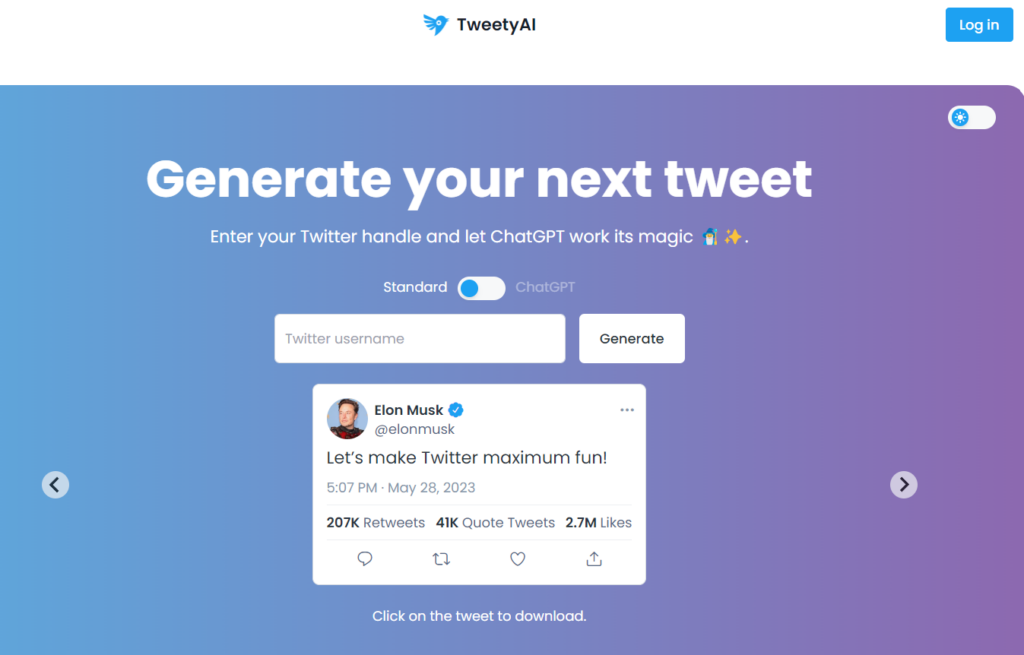
As the use of AI tools for creating Twitter content becomes increasingly prevalent, it is imperative to address the ethical dimensions associated with their deployment. Ensuring responsible and transparent use of AI not only fosters trust with your audience but also aligns your social media practices with industry standards and societal expectations. Recognizing potential ethical pitfalls and implementing best practices can help maintain the integrity of your online presence while leveraging the efficiencies of AI technology.
Maintaining ethical standards in AI-generated Twitter posts involves a conscientious approach to transparency, originality, and accountability. It is crucial to establish guidelines that prevent misuse, uphold honesty, and promote respect for intellectual property. By adhering to these principles, content creators and social media managers can navigate the complexities of AI utilization ethically and effectively.
Transparency in AI-Generated Content
Clear communication regarding the use of AI in content creation is fundamental to maintaining trust with followers. When audiences are informed that certain posts are generated or assisted by AI, it fosters transparency and demonstrates honesty. This can be achieved through disclosures such as hashtags (#AIGenerated) or statements within the post, which indicate the use of artificial intelligence tools.
Transparency also involves disclosing the sources of data used for AI training and emphasizing that the content has been curated or generated with the aid of AI. Such openness ensures followers understand the nature of the content they engage with and prevents misinformation or misrepresentation.
Procedures to Avoid Plagiarism and Ensure Originality
Preventing plagiarism and encouraging originality are critical components of ethical AI content creation. AI tools should be configured to generate unique and tailored content rather than copying existing material. Regular review and editing of AI outputs help identify and eliminate inadvertent duplication or unintentional plagiarism.
Implementing the following procedures enhances content originality:
- Utilize plagiarism detection software to review AI-generated posts before publication.
- Customize AI prompts to encourage diverse and context-specific outputs that reflect your brand voice.
- Combine AI-generated content with your own insights and commentary to add authenticity and personal touch.
- Maintain an internal repository of original ideas and key messages to guide AI prompts and outputs.
Adhering to these procedures safeguards against intellectual property violations and promotes the creation of distinctive, trustworthy content.
Ethical Guidelines for Responsible AI Use in Social Media
Implementing clear ethical guidelines ensures that AI tools are used responsibly and ethically in social media management. These guidelines serve as a framework to address potential issues related to bias, misinformation, and user trust.
- Ensure that AI-generated content does not propagate misinformation, stereotypes, or offensive material.
- Always attribute AI-assisted content appropriately and disclose the use of automation when relevant.
- Respect intellectual property rights by avoiding the replication of protected content without permission.
- Regularly evaluate AI outputs for bias or inaccuracies and make adjustments to improve fairness and accuracy.
- Prioritize human oversight to review and approve AI-generated posts, especially for sensitive or controversial topics.
- Maintain an ethical stance that values authenticity and transparency over click-driven metrics or sensationalism.
“Responsible use of AI in social media not only safeguards your brand’s reputation but also upholds the values of honesty, respect, and accountability.”
Closing Notes
In conclusion, mastering how to create Twitter posts using AI can significantly streamline your social media efforts while ensuring high-quality, relevant content. By carefully selecting tools, crafting meaningful explainings, and maintaining authenticity, you can elevate your Twitter engagement effectively. Embracing automation and ethical practices will help you build a trustworthy and vibrant online community that resonates with your audience.