Learning how to create promotional emails with AI opens new horizons for personalized and impactful marketing campaigns. Utilizing artificial intelligence transforms traditional email creation into a dynamic process that enhances engagement and efficiency. This guide explores the essential steps to harness AI tools for crafting compelling promotional emails that resonate with your audience and drive results.
From selecting the right AI platforms to designing content, automating campaigns, and ensuring ethical compliance, this comprehensive overview provides valuable insights into leveraging AI for successful email marketing strategies. Embracing AI technology can significantly streamline your workflow while delivering tailored messages that boost customer interaction and satisfaction.
Understanding the Basics of AI-Powered Promotional Emails
![AI Email Marketing: What It Is and How To Do It [Research + Tools]](https://teknokrat.web.id/wp-content/uploads/2025/09/8c554bc-5fb0-0a26-3578-1dcae0a16e2_dc6bc467-5a43-48f7-9236-d927da2eda7a.png "AI Email Marketing: What It Is and How To Do It [Research + Tools]")
In the rapidly evolving landscape of digital marketing, leveraging artificial intelligence (AI) has transformed the way businesses craft and deliver promotional emails. AI-powered email marketing enables marketers to automate processes, analyze vast amounts of data, and tailor content to individual recipients. Grasping the fundamental concepts behind AI integration is essential for optimizing campaign effectiveness and enhancing customer engagement.
Traditional email creation relies heavily on static content, manual segmentation, and broad targeting strategies that often result in generic messaging. In contrast, AI-assisted methods utilize sophisticated algorithms and machine learning to generate dynamic, personalized content. This shift not only streamlines workflow but also significantly improves the relevance and impact of promotional communications, leading to higher open rates, click-throughs, and conversions.
Fundamental Concepts of AI in Email Marketing
Implementing AI in email campaigns involves understanding key technological components such as machine learning, natural language processing (NLP), and predictive analytics. These tools work collaboratively to analyze customer data, predict behaviors, and generate tailored content that resonates with individual preferences.
Machine learning algorithms process historical data—such as past purchase behavior, browsing habits, and engagement patterns—to identify trends and segment audiences more precisely. NLP enables AI systems to craft human-like, contextually relevant messages that can adapt to different tones or styles based on the recipient’s profile. Predictive analytics forecast future actions, allowing marketers to send optimized timing and offer personalized incentives that increase the likelihood of conversions.
Comparison Between Traditional and AI-Assisted Email Creation
Understanding the differences in approach and outcomes between traditional and AI-driven methods highlights the advantages of adopting AI in email marketing. Traditional methods often involve manual segmentation, static templates, and generalized content, which may not effectively address individual customer needs or preferences.
AI-assisted email creation automates segmentation based on real-time data, generates dynamic content tailored to each recipient, and optimizes sending times through predictive insights. This results in more personalized and engaging emails that are aligned with customer interests, leading to improved campaign performance.
| Aspect | Traditional Email Marketing | AI-Powered Email Marketing |
|---|---|---|
| Segmentation | Manual, often based on basic demographics | Automated, based on behavioral data and predictive models |
| Content Personalization | Limited, generic templates | Dynamically generated, highly personalized content |
| Timing Optimization | Fixed schedules, guesswork involved | Predictive analytics to determine optimal send times |
| Efficiency | Manual effort, time-consuming | Automated, scalable across large audiences |
Benefits of Integrating AI for Personalized Email Content
Integrating AI into email marketing strategies offers numerous benefits that directly impact campaign success and customer satisfaction. Personalization driven by AI enhances relevance, leading to increased engagement and loyalty among recipients.
“Personalized content powered by AI results in an average increase of 20% in click-through rates and 15% in conversion rates.” — Industry Report, 2023
AI enables marketers to tailor subject lines, email copy, visuals, and offers based on individual preferences and behaviors, creating a more meaningful connection with each customer. Additionally, AI can dynamically adjust content in real-time, ensuring that messages remain relevant even as customer interests evolve.
Furthermore, AI-driven segmentation allows for more precise targeting, reducing wasted impressions and optimizing marketing budgets. The ability to predict customer needs and automate personalized outreach ultimately contributes to higher ROI, improved customer experiences, and sustained brand loyalty.
Selecting the Right AI Tools for Email Creation
![AI Email Marketing: What It Is and How To Do It [Research + Tools]](https://salesblink.io/blog/wp-content/uploads/2023/11/Build-Better-Email-Campaigns-AI-For-Sales-Salesblink-1024x538.webp "AI Email Marketing: What It Is and How To Do It [Research + Tools]")
Choosing the appropriate AI tools for developing promotional emails is a critical step in leveraging technology effectively. The right platform can enhance creativity, streamline workflows, and improve campaign performance. With a variety of AI solutions available, understanding their features, usability, and integration capabilities is essential for making an informed decision that aligns with your marketing objectives.
Many AI-powered email marketing tools have emerged to assist marketers in generating compelling content, personalizing messages, and automating campaigns. These platforms vary widely in their functionalities, user interfaces, and compatibility with existing marketing systems. Selecting the most suitable solution requires a clear assessment of your specific needs, technical environment, and long-term marketing strategy.
Popular AI Platforms and Software for Email Marketing
Below is an overview of some leading AI tools designed to facilitate promotional email creation. These platforms are recognized for their innovative features, ease of use, and seamless integration with other marketing channels.
| Platform / Software | Key Capabilities | Ease of Use | Integration Options | Additional Features |
|---|---|---|---|---|
| Mailchimp with AI Extensions | Automated content generation, predictive personalization, A/B testing | User-friendly interface with drag-and-drop editor | APIs for CRM systems, e-commerce platforms (Shopify, WooCommerce) | Performance analytics, segmentation tools |
| Phrasee | AI-generated subject lines and email copy, tone optimization | Intuitive dashboard, minimal learning curve | Integrates with major ESPs like Salesforce, HubSpot | Real-time performance insights, brand voice consistency |
| Persado | Language optimization, emotional targeting, multi-channel content | Designed for marketers with basic technical knowledge | API access, CRM integrations, marketing automation platforms | AI-driven insights, campaign performance metrics |
| Copy.ai | Content ideas, email drafts, subject lines | Simple interface suitable for beginners | Limited direct integrations; works well with email platforms via export | Template library, multi-language support |
When evaluating these tools, consider factors such as the complexity of your campaigns, your team’s technical skills, and existing marketing infrastructure. For instance, platforms like Mailchimp are ideal for small to medium-sized businesses seeking comprehensive solutions with user-friendly interfaces. In contrast, Persado and Phrasee are better suited for organizations aiming for sophisticated language personalization and emotional engagement. The goal is to identify an AI tool that not only offers powerful features but also integrates seamlessly into your current marketing ecosystem to maximize efficiency and results.
Designing Effective Promotional Email Content with AI
Creating compelling and engaging promotional emails is essential for capturing the recipient’s attention and driving desired actions. Leveraging AI tools can significantly enhance this process by generating personalized, targeted, and persuasive content that resonates with individual audiences. By integrating AI into your email creation workflow, marketers can craft messages that are not only well-structured but also highly relevant and impactful.
Effective AI-assisted email content design involves a combination of generating eye-catching subject lines, drafting engaging body content, and personalizing messages to increase engagement rates. Utilizing advanced algorithms and natural language processing, AI can help marketers produce content that aligns with consumer preferences and behaviors, ultimately leading to higher conversion rates and improved ROI.
Generating Compelling Subject Lines Using AI
Subject lines serve as the gateway to your promotional emails, influencing open rates and initial engagement. AI algorithms analyze vast datasets of successful subject lines, enabling the creation of attention-grabbing phrases tailored to specific audiences. These tools consider factors such as customer demographics, previous interaction patterns, and trending s to suggest subject lines that are likely to resonate.
For example, an AI tool might generate a subject line like “Exclusive Offer Just for You, Mary – Save 25% Today!” based on the recipient’s purchase history and browsing behavior. Such personalized subject lines increase the likelihood of recipients opening the email, as they feel the message is directly relevant to their interests.
Drafting Engaging Email Body Content with AI Assistance
Developing persuasive email body content involves crafting clear, concise, and compelling messaging that guides recipients toward desired actions. AI-powered writing assistants facilitate this process by suggesting sentence structures, vocabulary, and tone adjustments to match the brand voice and target audience.
To create effective content, marketers can follow these step-by-step procedures:
- Input key information about the promotion, audience profile, and desired call-to-action into the AI tool.
- Allow the AI to generate multiple draft versions of the email body, each emphasizing different benefits or approaches.
- Select the most suitable draft and refine it by adjusting tone, adding personalization elements, or incorporating specific product details.
- Use AI suggestions to enhance clarity and engagement, ensuring the message is persuasive and aligned with campaign goals.
For example, an AI might suggest a message like: “Hi FirstName, don’t miss out on our limited-time deal! Enjoy 30% off on all electronics this weekend only. Shop now and upgrade your gadgets with us.”
Personalized Messaging to Boost Engagement
Personalization is a critical factor in increasing email engagement. AI enables marketers to generate tailored messages based on individual recipient data such as past purchases, browsing history, or engagement levels. These personalized messages resonate more effectively, fostering a sense of connection and relevance.
AI can suggest personalized content snippets such as:
“Hi FirstName, as a valued customer, you’re eligible for early access to our new summer collection. Explore styles tailored to your preferences and enjoy exclusive discounts.”
Such targeted messaging not only enhances recipient interest but also increases the likelihood of click-through and conversion. Implementing dynamic content blocks within emails, powered by AI, allows for real-time customization, ensuring each recipient receives a message that feels uniquely crafted for them.
Structuring Email Components with HTML Tables
Organizing email components in a structured format enhances readability and visual appeal. HTML tables offer an effective way to layout headers, body sections, call-to-action buttons, and footers systematically, ensuring consistency across different devices and email clients.
Below is an example of how AI can assist in structuring email components using HTML tables:
<table width="100%" cellpadding="0" cellspacing="0" border="0">
  <tr>
    <td align="center" bgcolor="#f4f4f4">
      <!-- Header -->
      <table width="600" cellpadding="20" cellspacing="0" border="0">
        <tr>
          <td align="center">
            <h1>Your Exclusive Promotion</h1>
          </td>
        </tr>
      </table>
      <!-- Body -->
      <table width="600" cellpadding="20" cellspacing="0" border="0">
        <tr>
          <td>
            <p>Dear FirstName,</p>
            <p>Enjoy 30% off your next purchase with code SAVE30. Hurry, offer ends soon!</p>
          </td>
        </tr>
      </table>
      <!-- Call-to-Action -->
      <table width="600" cellpadding="20" cellspacing="0" border="0">
        <tr>
          <td align="center">
            <a href="CTA_Link" style="display:inline-block;padding:12px 24px;background-color:#007BFF;color:#ffffff;text-decoration:none;font-weight:bold;border-radius:4px;">Shop Now</a>
          </td>
        </tr>
      </table>
      <!-- Footer -->
      <table width="600" cellpadding="20" cellspacing="0" border="0">
        <tr>
          <td align="center" style="font-size:12px;color:#999;">
            <p>You are receiving this email because you opted in at our website.</p>
            <p>Unsubscribe <a href="Unsubscribe_Link" style="color:#999;text-decoration:underline;">here</a>.</p>
          </td>
        </tr>
      </table>
    </td>
  </tr>
</table>
Using structured HTML tables ensures that each component of the promotional email is clearly defined and visually organized, significantly improving the recipient’s reading experience and engagement potential.
Automating Email Campaigns with AI
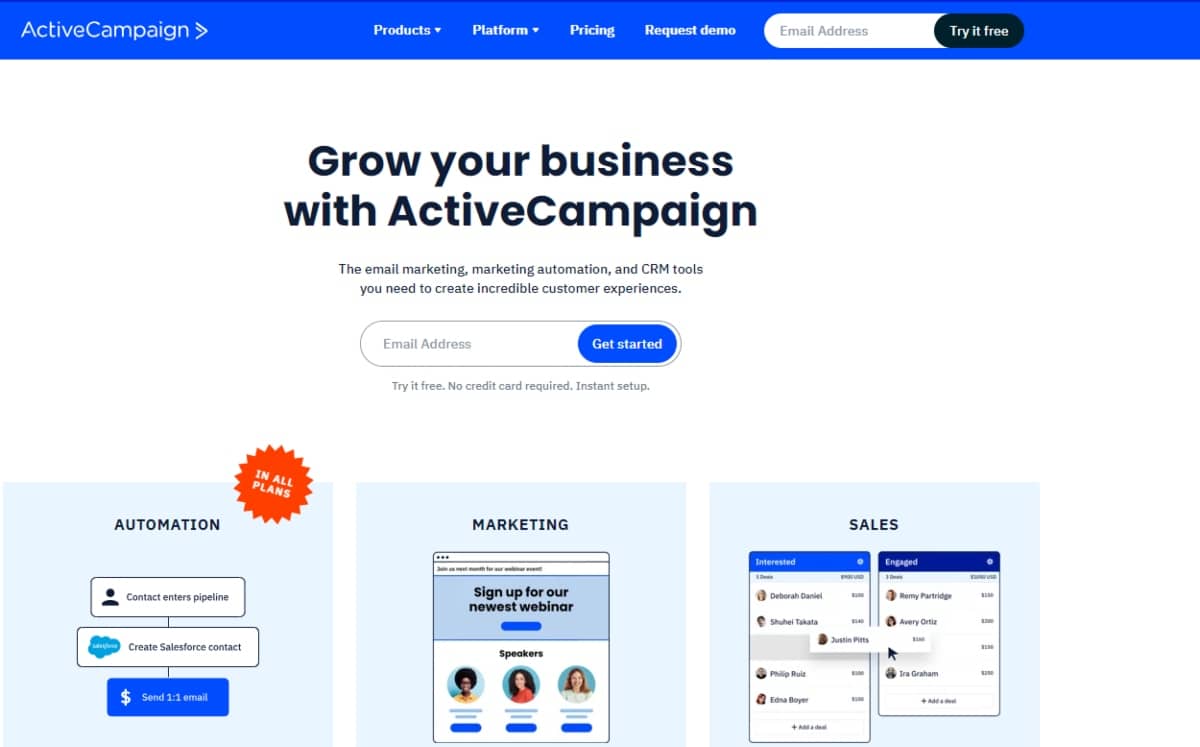
Implementing automated email campaigns driven by artificial intelligence enhances efficiency, personalization, and engagement. By leveraging AI insights, marketers can deliver timely, relevant messages to their audiences with minimal manual intervention. This section explores effective methods for setting up AI-powered automation workflows, visualizing trigger points and actions, and integrating AI tools seamlessly with existing email marketing platforms.
Automation in email marketing allows for scalable and dynamic interactions that adapt to user behaviors and preferences. When properly configured, AI-driven automation ensures that each recipient receives content tailored to their journey stage, increasing the likelihood of conversions and fostering long-term customer relationships.
Setting Up Automated Email Sequences Driven by AI Insights
Establishing automated email sequences involves utilizing AI analytics to identify optimal timing, content, and targeting strategies. This process begins with collecting data from user interactions, such as website visits, email opens, click-through rates, and purchase history. AI algorithms then analyze this data to uncover patterns and predict user behavior, enabling marketers to craft personalized sequences.
Automated workflows typically involve defining specific trigger points, such as a user abandoning a shopping cart or subscribing to a newsletter. Once a trigger is detected, AI determines the appropriate response—sending a follow-up offer, educational content, or loyalty incentives. These sequences can be adjusted dynamically based on ongoing AI insights, ensuring relevance and timeliness.
Organizing Automation Workflows with Visual Diagrams and Tables
Visualizing automation workflows helps in understanding and optimizing the sequence of actions and trigger points. Clear diagrams illustrate how user behaviors initiate specific email responses and how subsequent actions depend on user engagement or inactivity. Below is an example of a typical workflow structure:
| Trigger Point | AI-Driven Action | Follow-up |
|---|---|---|
| User subscribes to newsletter | Send welcome email with personalized content | Wait 3 days; if no response, send reminder email |
| User clicks a product link | Send product recommendation email based on browsing history | Monitor engagement; if no purchase, trigger retargeting sequence |
| User abandons cart | Send cart abandonment email with personalized discount | Follow up after 48 hours; if no response, offer additional incentives |
These diagrams and tables serve as useful tools for designing, communicating, and refining automation workflows, ensuring that each step is logically structured and aligned with user behavior patterns identified by AI.
Integrating AI Tools with Existing Email Marketing Platforms
Effective AI-powered automation requires seamless integration between AI tools and current email marketing systems such as Mailchimp, HubSpot, or Salesforce Marketing Cloud. Integration involves connecting data sources, such as CRM databases or web analytics, with AI algorithms to enable real-time insights and automation triggers.
Many AI platforms offer APIs and plugins compatible with popular marketing platforms, simplifying integration. For instance, an AI tool can analyze customer data in a CRM, then automatically update segments within an email platform based on predictive scores or behavioral patterns. This integration facilitates dynamic segmentation, personalized content delivery, and automated decision-making processes.
Successful integration ensures that AI insights are directly actionable within familiar marketing environments, creating a cohesive system that maximizes automation efficiency and personalization.
In practice, integration steps include configuring data pipelines, setting up user permissions, and establishing workflows that synchronize AI-generated insights with email campaign triggers. Regular monitoring and calibration of AI models are essential to maintain accuracy and relevance over time.
Enhancing Personalization and Segmentation Using AI
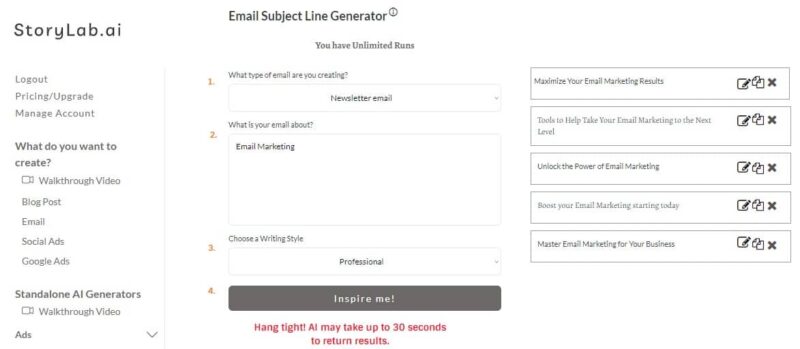
Effective email marketing hinges on delivering relevant content that resonates with individual recipients. AI-driven personalization and segmentation enable marketers to tailor messages precisely, increasing engagement rates and fostering brand loyalty. By leveraging sophisticated data analysis, businesses can create highly targeted campaigns that speak directly to each customer’s preferences and behaviors.
AI analyzes vast amounts of customer data, including browsing history, purchase patterns, demographics, and interaction history, to develop detailed customer profiles. These profiles facilitate the segmentation of audiences into specific groups with shared characteristics. Consequently, marketers can craft customized email content that aligns with each segment’s unique interests, leading to higher open and click-through rates.
AI-Driven Customer Data Analysis for Targeted Segmentation
AI algorithms process multiple data sources to identify patterns and clusters within customer behavior. For example, clustering techniques can group customers based on purchase frequency, product preferences, or engagement levels. This granular segmentation allows marketers to target micro-audiences with tailored messaging, ensuring relevance and increasing conversion potential.
- Analyzing purchase history to identify high-value customers and potential upsell segments.
- Monitoring browsing behavior to detect interest in specific product categories.
- Assessing engagement metrics such as email opens, clicks, and time spent on content.
Procedures for Customizing Email Content Based on User Preferences and Behaviors
Once customer segments are established, AI facilitates dynamic content customization by employing machine learning models that predict user preferences. These models enable marketers to adapt email messaging in real time, ensuring each recipient receives content aligned with their current interests and past interactions.
- Gather detailed data on user interactions from previous email campaigns and website activity.
- Use AI algorithms to identify patterns indicating preferences, such as favorite products or content types.
- Implement dynamic content blocks within emails that adjust based on the recipient’s profile data.
For example, if a customer has shown interest in outdoor gear, AI can automatically insert product recommendations, images, and promotional offers related to outdoor activities within the email, enhancing relevance and engagement.
Dynamic Content Blocks and Audience Segment Variations
AI-powered email platforms can generate dynamic content blocks tailored to distinct audience segments, enabling marketers to deliver personalized experiences at scale. These blocks can include product recommendations, personalized greetings, or targeted offers, all generated automatically based on segment data.
Consider an online fashion retailer with segments such as “New Customers,” “Loyal Buyers,” and “Abandoned Carts.” AI can dynamically generate content blocks for each segment, such as:
html table
| Segmentation Criteria | Personalized Message Variations |
|---|---|
| New Customers | Welcome offer, introductory product recommendations, brand story |
| Loyal Buyers | Exclusive VIP discounts, early access to new collections, loyalty rewards |
| Abandoned Carts | Reminder of items left in cart, limited-time discounts, personalized product suggestions |
html table
By utilizing AI to automate the creation of these targeted content blocks, marketers can ensure that each recipient perceives the email as uniquely relevant, thereby boosting engagement and conversion rates.
Testing and Optimizing Promotional Emails with AI
Effective optimization of promotional emails is crucial for maximizing engagement, click-through rates, and conversions. Leveraging AI capabilities allows marketers to systematically test various email components and refine their campaigns based on data-driven insights. This process ensures that each email resonates more effectively with the target audience, leading to improved overall campaign performance.
AI-powered tools facilitate continuous experimentation by automating the testing of different email elements, analyzing performance metrics in real time, and providing actionable recommendations for enhancement. This iterative approach not only saves time but also enhances the precision of campaign adjustments, ultimately driving better results and return on investment.
Methods for Conducting A/B Testing of AI-Generated Email Elements
Implementing A/B testing within AI-driven email marketing involves systematically comparing variations of specific email components to determine which version performs better. Effective testing strategies include:
- Identifying Key Elements: Focus on testing subject lines, call-to-action (CTA) buttons, images, email layouts, and personalization tokens. Prioritize elements that significantly influence recipient engagement.
- Creating Variations: Use AI to generate multiple versions of each element, incorporating different wording, designs, or placement strategies. AI can suggest variations based on historical data and recipient preferences.
- Randomized Distribution: Divide the email list randomly into segments to receive different versions. AI ensures proper randomization to eliminate bias.
- Defining Metrics and Duration: Establish clear success metrics such as open rate, click-through rate, or conversion rate. Run tests for a sufficient period to gather statistically significant data.
- Automating Testing Cycles: Use AI platforms to automate the testing process, including scheduling, distribution, and initial analysis, reducing manual effort and potential errors.
How AI Analyzes Performance Metrics to Recommend Improvements
AI continuously monitors performance metrics collected during email campaigns, applying advanced analytics to identify patterns and areas for improvement. The analysis process involves:
- Data Aggregation: Compiling metrics such as open rates, click-through rates, bounce rates, and unsubscribe rates across different email versions and segments.
- Pattern Recognition: Utilizing machine learning algorithms to detect correlations between specific email elements and performance outcomes. For example, AI might discover that personalized subject lines increase open rates by 15%.
- Predictive Modeling: Forecasting future performance based on historical data, enabling preemptive adjustments before campaign deployment.
- Recommendations Generation: Providing specific suggestions, such as modifying a CTA color or rephrasing a headline, based on identified patterns and predictive insights.
Example: If AI detects that emails with shorter subject lines outperform longer ones by 10%, it may recommend reducing subject line length in upcoming campaigns to enhance open rates.
Organizing Testing Results and Optimization Strategies
Structured organization of testing outcomes enables marketers to make informed decisions quickly. Presenting results in clear formats, such as tables or blockquotes, facilitates comprehension and actionability.
| Test Element | Variation A | Variation B | Winning Version | Performance Metric |
|---|---|---|---|---|
| Subject Line | Exclusive Offer Inside | Don’t Miss This Deal | ‘Exclusive Offer Inside’ | Open Rate: 22% vs. 18% |
| CTA Button Color | Red | Green | Green | Click-Through Rate: 4.5% vs. 3.8% |
Sample Optimization Strategy: Based on A/B test results, replace all red CTA buttons with green ones in future campaigns to leverage higher click-through rates. Continually monitor performance metrics post-implementation to verify improvements.
Iterative Refinement of Email Campaigns Using AI Insights
Refining promotional campaigns is an ongoing process driven by AI insights. After initial testing and analysis, marketers should:
- Implement Changes: Apply recommended adjustments to email content, design, or targeting strategies based on AI suggestions.
- Monitor New Performance Data: Track the impact of modifications through real-time analytics provided by AI tools.
- Conduct Follow-Up Tests: Run subsequent A/B tests to verify the effectiveness of changes, exploring new hypotheses as needed.
- Refine Further: Use AI to identify additional optimization opportunities, such as segment-specific messaging or timing adjustments, creating a cycle of continuous improvement.
This iterative process ensures that promotional emails evolve in alignment with recipient preferences and behaviors, leading to sustained campaign success.
Ensuring Compliance and Ethical Use of AI in Email Marketing
Effective implementation of AI in email marketing not only enhances campaign performance but also necessitates strict adherence to legal standards and ethical principles. Maintaining transparency, respecting user privacy, and fostering trust are fundamental components that ensure AI-driven promotional efforts remain compliant and ethically sound. This segment explores vital guidelines, best practices, and procedural checklists to uphold integrity in your AI-powered email marketing initiatives.
As organizations leverage AI to generate and optimize promotional emails, they must navigate a complex landscape of privacy laws, data security concerns, and ethical considerations. Ensuring compliance involves diligent data management, clear user consent mechanisms, and responsible content creation that aligns with established regulations and moral standards.
Guidelines for Maintaining Privacy and Data Security in AI-Driven Campaigns
Protecting customer information and securing data are paramount when utilizing AI tools to craft and send promotional emails. Companies must implement robust security measures and adhere to privacy regulations to prevent data breaches and misuse of personal information.
- Obtain explicit consent from recipients before collecting or processing personal data, aligning with regulations such as GDPR, CCPA, or other relevant laws.
- Implement data encryption protocols during storage and transmission to safeguard sensitive information against unauthorized access.
- Limit data collection to only what is necessary for campaign objectives, avoiding excessive or intrusive data gathering.
- Regularly audit data handling processes and update security measures to address emerging threats and vulnerabilities.
- Maintain transparent privacy policies that clearly explain how recipient data is collected, used, stored, and protected.
Best Practices for Ethical Content Generation and Spam Avoidance
Ethical content creation involves honesty, respect, and responsibility to foster positive relationships with recipients while avoiding spam filters and reputation damage.
- Ensure all promotional content accurately represents products or services without misleading language or exaggerated claims.
- Avoid using manipulative techniques such as clickbait headlines or false urgency to entice opens or conversions.
- Personalize content responsibly by respecting user preferences and avoiding intrusive or overly frequent messaging that could be perceived as spam.
- Incorporate clear and easy-to-find unsubscribe links in every email to comply with anti-spam regulations and respect user choices.
- Use AI tools to pre-screen content for compliance issues, offensive language, or inaccuracies before deployment.
- Apply AI-driven spam filter detection techniques during testing phases to ensure emails pass through common spam filters successfully.
Procedural Checklist for Compliance Adherence
Implementing a systematic approach helps maintain ongoing compliance and ethical standards in AI-powered email marketing campaigns. The following checklist provides a structured method to ensure all critical areas are addressed:
- Verify that all recipient data is collected with explicit consent and documented appropriately.
- Confirm data security measures are in place, including encryption and access controls.
- Review and update privacy policies to reflect current data handling practices and legal requirements.
- Utilize AI tools to scan email content for compliance with advertising standards and ethical guidelines.
- Test emails against spam filters to identify and rectify elements that could trigger spam classification.
- Include clear unsubscribe options in every email and monitor removal requests promptly.
- Document all procedures, audits, and updates related to compliance efforts for accountability and transparency.
Adhering to these guidelines and practices ensures that AI-enhanced promotional email campaigns are both effective and responsible. Upholding privacy, ethics, and transparency not only complies with legal standards but also fosters trust and loyalty among your audience, ultimately contributing to the long-term success of your marketing efforts.
Last Recap
In conclusion, mastering how to create promotional emails with AI empowers marketers to deliver personalized, efficient, and compliant campaigns that stand out in crowded inboxes. By adopting the right tools and techniques, you can optimize your email marketing efforts, foster stronger customer relationships, and achieve greater success in your marketing endeavors. Embrace AI to revolutionize your email campaigns today.