Discover how to create newsletter content with AI by exploring innovative techniques that streamline the process and enhance engagement. This guide provides a comprehensive overview of leveraging artificial intelligence to craft compelling, personalized, and visually appealing newsletters that resonate with your audience.
From generating engaging topics to designing captivating headlines and structuring content effectively, this approach combines strategic insights with AI-powered tools to transform your newsletter creation process into a seamless and efficient experience.
Understanding the Fundamentals of Newsletter Content Creation

Creating compelling newsletter content requires a clear understanding of core principles that resonate with the target audience while effectively conveying your message. The foundation of successful newsletters lies in combining strategic planning with engaging storytelling, ensuring that each issue informs, entertains, and motivates readers to take action.
Fundamentally, effective newsletter content balances relevance, clarity, and consistency. It involves understanding your audience’s preferences and needs, crafting messages that align with their interests, and maintaining a consistent tone and style that reinforces your brand identity. By adhering to these principles, newsletter creators can foster trust, encourage readership loyalty, and achieve their communication goals.
Defining Target Audience and Tailoring Messages
Identifying your target audience is crucial to producing relevant and engaging newsletter content. It allows you to customize your tone, topics, and visuals to match the demographics, interests, and professional backgrounds of your readers. For example, a newsletter aimed at tech industry professionals may focus on the latest innovations and industry trends, whereas one targeting local community members might emphasize neighborhood events and local business updates.
Effective targeting involves collecting data through surveys, analytics, and feedback mechanisms to understand audience preferences better. Tailoring messages ensures higher engagement rates, as readers feel the content speaks directly to their needs and interests. Personalization techniques, such as using recipient names and offering content based on past interactions, further enhance relevance and foster a sense of connection.
“Knowing your audience is the cornerstone of compelling newsletter content. Tailoring messages increases engagement and builds long-term relationships.”
Organizing Key Components of Newsletter Content
Structured organization of content enhances readability and ensures that your newsletter delivers value efficiently. Here is a suggested overview of key components, organized into a table for clarity:
| Section | Description | Purpose | Tips |
|---|---|---|---|
| Header | Includes the newsletter title, logo, and key branding elements. | Establishes brand recognition and sets the tone for the content. | Use clear, bold fonts and consistent branding colors for instant recognition. |
| Introduction | A brief opening message that previews the content. | Engages readers and provides context for the issues covered. | Keep it concise and friendly, highlighting the main themes. |
| Main Content | The core articles, updates, or features relevant to your audience. | Deliver valuable information, insights, or stories that align with your goals. | Use headings, subheadings, and visuals to organize and break up text. |
| Call to Action (CTA) | Encourages readers to take specific steps, such as subscribing, purchasing, or sharing. | Drive engagement and achieve desired outcomes. | Make CTAs clear, prominent, and action-oriented. |
Utilizing AI for Generating Newsletter Topics and Ideas
Harnessing AI to develop compelling newsletter topics can significantly streamline content planning and ensure a continuous flow of relevant ideas. By leveraging AI tools, marketers and content creators can efficiently brainstorm innovative themes that resonate with their target audience, saving valuable time and enhancing creativity.
AI-assisted brainstorming involves inputting specific prompts or s related to your niche, industry, or current trends. These AI models then generate a diverse array of potential topics based on vast datasets and language patterns. This process not only broadens the scope of ideas but also uncovers trending subjects that might otherwise be overlooked.
Methods to Brainstorm Engaging Topics Using AI Assistance
Several effective methods exist to utilize AI for generating newsletter topics:
- Prompt-Based Idea Generation: Input specific s or themes into AI tools such as Kami, Jasper, or Copy.ai. For instance, entering terms like “sustainable living,” “tech innovations,” or “health tips” yields a list of relevant topics.
- Trend Analysis Integration: Use AI-powered trend analysis platforms to identify emerging topics within your industry. These tools analyze social media, news outlets, and industry reports to suggest timely subjects.
- Content Gap Analysis: Employ AI to review existing content and identify gaps or underserved areas. This strategy ensures your newsletter offers unique and valuable insights, making it more engaging.
- Audience Data Utilization: Leverage AI to analyze your subscriber data, preferences, and engagement metrics. The insights can guide the AI to suggest topics with high potential for audience interest.
Filtering and Selecting the Most Relevant Ideas
After generating a broad list of potential topics, it is crucial to filter and select the most pertinent ones. A structured approach ensures the chosen themes align with your strategic goals and audience interests.
- Assess Relevance: Evaluate each idea based on current industry trends, seasonal relevance, and alignment with your brand message. Discard topics that do not fit your niche or audience expectations.
- Measure Audience Engagement Potential: Use AI analytics to estimate the potential engagement level of each idea, considering factors like search volume, social media interest, and past content performance.
- Prioritize Based on Goals: Select topics that support your newsletter’s objectives, whether driving traffic, increasing conversions, or building brand loyalty.
- Refine and Customize: Adapt AI-suggested topics to incorporate your unique voice and expertise, ensuring authenticity and relevance.
Sample HTML Table Listing Potential Newsletter Topics
Below is a sample table illustrating how to organize potential newsletter topics with important evaluation criteria. This structure aids in visualizing and comparing ideas systematically.
| Topic | Relevance | Audience Engagement | Suggested Format |
|---|---|---|---|
| Sustainable Living Tips for Urban Dwellers | High | Very High | Listicle, Infographic |
| Latest Trends in Artificial Intelligence | Moderate | High | Deep Dive Article, Video |
| Healthy Recipes Using Local Ingredients | High | Moderate | Recipe Roundup, Video Tutorial |
| How to Optimize Your Home Office Setup | High | High | Guide, Step-by-Step Video |
| Upcoming Industry Conferences and Events | Moderate | Medium | Event Calendar, Summary Post |
Effective topic generation combines AI-driven insights with strategic filtering to produce content that informs, engages, and sustains audience interest.
Crafting Compelling Headlines and Subject Lines with AI

Effective headlines and subject lines are crucial in capturing the reader’s attention and encouraging them to engage with your newsletter. Leveraging AI tools can significantly enhance your ability to generate attractive and impactful headlines that stand out amidst crowded inboxes and social feeds. Understanding how to craft these elements strategically ensures higher open rates and greater overall engagement with your content.
Using AI for headline and subject line creation involves analyzing current trends, audience preferences, and linguistic patterns to produce options that resonate. AI-driven solutions can rapidly generate multiple variations, allowing content creators to select the most compelling options based on data-driven insights. This approach not only saves time but also increases the likelihood that your message will grab attention effectively.
Techniques for Generating Attention-Grabbing Headlines
Generating captivating headlines requires combining creativity with a data-backed understanding of what appeals to your audience. AI tools utilize natural language processing (NLP) algorithms that analyze successful headlines across industries, detecting patterns and s associated with high engagement. These techniques include:
- Incorporating powerful action words that invoke curiosity or urgency.
- Utilizing numbers and statistics to provide specificity and promise value.
- Using emotional language that resonates on a personal level.
- Applying personalization through AI-generated dynamic content based on user data.
For example, an AI tool may suggest headlines like:
“Unlock 5 Proven Strategies to Boost Your Productivity Today”
“Discover How AI Can Transform Your Marketing Campaigns”
“Exclusive Tips: Increase Your Email Open Rates by 30%”
Optimizing Subject Lines for Higher Open Rates
Optimizing subject lines involves crafting concise, relevant, and engaging phrases that compel recipients to open the newsletter. AI can assist by analyzing recipient behavior, email engagement metrics, and current market trends to refine the subject line for maximum impact. Key practices include:
- Personalization to directly address the recipient’s interests or needs.
- Creating a sense of urgency or exclusivity to motivate immediate action.
- Keeping the length optimal—generally between 40-60 characters—to ensure visibility on all devices.
- Testing multiple variations through AI-powered A/B testing to determine the most effective phrasing.
Sample AI-generated subject lines with annotations on their effectiveness:
“Last Chance: Secure Your Spot at Our Exclusive Webinar” — Creates urgency and exclusivity.
“Your Personalized Report Is Ready” — Personalization enhances relevance and curiosity.
“10 Tips to Improve Your Social Media Strategy” — Clear value proposition with numbers for impact.
| Headline Example | Effectiveness Annotation |
|---|---|
| “Boost Your Business Revenue by 20% with These Simple Tricks” | Specific benefit-focused headline that appeals to business owners seeking growth. |
| “Discover the Secrets Behind Viral Content Creation” | Intriguing and promises insider knowledge, encouraging clicks. |
| “Limited Offer: Save 50% on Premium Tools Today” | Creates urgency and highlights a tangible benefit, prompting immediate action. |
Structuring Newsletter Content Using AI-Generated Support
Creating a well-organized newsletter is essential for engaging readers and delivering your message effectively. Leveraging AI tools can significantly streamline the process of developing coherent content structures, ensuring clarity and logical flow throughout the newsletter. AI support not only assists in organizing sections but also helps in maintaining consistency and emphasizing key messages, ultimately enhancing the overall quality of your communication.
By utilizing AI-generated Artikels and suggestions, content creators can efficiently map out the hierarchy of information, allocate appropriate space for each topic, and optimize readability. This process involves defining main sections, subsections, and key messages, which collectively form a structured framework that guides the reader seamlessly from introduction to conclusion. The following procedures detail how to develop and organize newsletter content effectively with AI assistance.
Developing Coherent Content Structures with AI Support
AI tools can analyze your content themes and suggest logical arrangements for your newsletter. These tools often generate Artikels that highlight the most important topics and group related ideas together, ensuring a cohesive narrative flow. When developing a structure, consider inputting your primary goals and target audience into the AI system, which can then recommend an optimal sequence of sections and sub-sections.
Furthermore, AI can help identify potential gaps or redundancies in your content, prompting adjustments that enhance clarity and engagement. For instance, an AI-powered content editor may suggest placing a critical update or call-to-action at a strategic point within the newsletter, ensuring it captures the reader’s attention effectively.
Organizing Sections, Subheadings, and Key Messages
Effective organization of newsletter content relies on clear delineation of sections, meaningful subheadings, and well-articulated key messages. AI-driven content management systems facilitate this by providing templates and prompts that structure your newsletter logically. They assist in grouping related information under appropriate headings, thereby improving readability and comprehension.
To organize your newsletter, start by defining the core themes for each section. Use AI tools to generate descriptive subheadings that accurately reflect the content they introduce. Subsequently, identify the key message or takeaway for each segment, ensuring it aligns with your overall communication objectives. These messages should be concise, impactful, and easy for readers to grasp.
Example of Content Hierarchy and Organization Table
Below is a detailed example of how to organize newsletter content using a hierarchical structure. This table demonstrates the relationship between main sections, subsections, content summaries, and notes to guide content development:
| Main Section | Subsection | Content Summary | Notes |
|---|---|---|---|
| Introduction | Welcome Message | Brief greeting and overview of newsletter topics. | Set a friendly tone; highlight the newsletter’s value. |
| Main Content | Industry Updates | Latest trends and news relevant to the target audience. | Include data, statistics, and expert opinions. |
| Main Content | Feature Article | In-depth discussion on a hot topic or case study. | Use visuals and quotes for engagement. |
| Call to Action | Engagement Prompt | Encourage readers to visit the website or participate in a survey. | Make it clear and compelling. |
| Conclusion | Closing Remarks | Summarize key points and thank readers. | Include contact info and social links. |
Creating Engaging Body Content with AI Assistance
Developing compelling and informative body content forms the core of an effective newsletter. Leveraging AI tools can significantly streamline this process by providing insights, suggestions, and creative ideas that ensure your message resonates with your audience. AI-driven content creation enables marketers and writers to craft paragraphs that are persuasive, data-informed, and engaging, all while maintaining consistency and originality.
Incorporating AI into your content development workflow helps not only in generating ideas but also in refining tone, structure, and depth of information. By utilizing AI’s capabilities, you can produce well-balanced, reader-friendly articles that combine storytelling elements with factual data, ultimately increasing reader engagement and fostering a stronger connection with your audience.
Developing Informative and Persuasive Paragraphs
Creating impactful paragraphs involves balancing factual information with persuasive language. AI tools can assist by analyzing your target audience’s preferences and suggesting language that appeals to their interests and values. An effective paragraph begins with a strong topic sentence that clearly states the main idea, followed by supporting sentences that provide evidence, examples, or explanations. AI can generate these supporting sentences, ensuring they are relevant and compelling.
Utilizing AI for editing and optimization can also improve clarity, conciseness, and tone. For example, AI can identify complex phrases and suggest simpler alternatives, or recommend emphasizing particular points to enhance persuasiveness. This process results in paragraphs that are not only informative but also motivate readers to take desired actions or retain key messages.
Incorporating Storytelling and Data-Driven Insights
Effective newsletter content often combines storytelling with empirical data to create a memorable and credible message. AI can analyze vast datasets to identify trending topics, unique insights, or relatable stories that align with your newsletter’s theme. It can then help craft narratives that illustrate your points through real-life examples, case studies, or hypothetical scenarios, making abstract concepts tangible and engaging.
Embedding data-driven insights involves presenting statistics or facts in a way that enhances credibility without overwhelming the reader. AI tools can generate summaries, visualizations, or comparative analyses that highlight key takeaways. For instance, AI can suggest including a brief story about a customer success story backed by relevant metrics, such as a 30% increase in productivity, to persuade your audience of the value your product or service offers.
Methods for Body Content Development Suggested by AI
AI can assist in the systematic development of your newsletter’s body content by offering structured suggestions and creative input. Here are some effective methods AI can recommend or generate for you:
- Generating Relevant Supporting Details: AI can suggest specific facts, examples, or anecdotes that bolster your main points, ensuring each paragraph is rich with valuable information.
- Creating Persuasive Calls-to-Action: AI can formulate compelling statements that motivate readers to engage further, such as signing up for a webinar, downloading a resource, or making a purchase.
- Developing Data-Backed Arguments: AI can analyze your topic and recommend relevant statistics or trends, helping you craft credible and impactful arguments.
- Storytelling Frameworks: AI can propose story structures or narrative arcs that make your content more relatable and memorable, including introductions, conflict, resolution, and call-to-action sequences.
- Content Variations: AI can generate multiple versions of a paragraph or section, allowing you to select the most effective tone or message for your audience.
By integrating these AI-suggested methods, you can elevate your newsletter content to be more engaging, informative, and persuasive, ultimately fostering a loyal readership that looks forward to your updates.
Incorporating Visuals and Interactive Elements
Effective newsletter content not only informs but also engages readers through compelling visuals and interactive components. Integrating images, infographics, and interactive features enhances message clarity, fosters user engagement, and encourages recipients to spend more time exploring the content. Thoughtfully designed visual and interactive elements can transform a standard newsletter into an immersive experience that resonates with the audience and reinforces key messages.Including visuals such as relevant images or infographics helps to illustrate complex concepts, highlight important data, and break up textual content for better readability.
Interactive components, like clickable polls, embedded videos, or dynamic sliders, invite recipients to participate actively, increasing engagement and fostering a sense of community. These elements should be seamlessly integrated into the newsletter layout to ensure a cohesive and professional appearance.Utilizing AI to generate descriptive explanations for visual content is a practical strategy to streamline the creation process. AI can analyze the purpose of a visual element and produce detailed, context-aware descriptions that guide designers or serve accessibility needs.
For example, AI can suggest descriptive alt texts for images or provide captions that succinctly summarize infographic data, ensuring clarity and inclusivity.Organizing visual content descriptions effectively enhances clarity and facilitates efficient content creation. Formats such as HTML tables allow for structured presentation of visual elements alongside their descriptions, ensuring consistency and easy reference. Additionally, blockquotes can be used to emphasize key explanations or insights derived from visual components, making it easier for content creators to highlight important details and for readers to grasp the significance of each visual aid.
Personalization and Segmentation with AI Tools
Creating highly relevant and engaging newsletter content hinges on understanding your audience’s diverse interests and needs. Personalization and segmentation enable marketers to deliver targeted messages that resonate with distinct subscriber groups, thereby increasing engagement, open rates, and conversions. Leveraging AI tools simplifies and scales this process, allowing for dynamic, data-driven customization that adapts as subscriber behaviors evolve over time.AI can analyze vast quantities of subscriber data—including browsing history, purchase behavior, demographic information, and engagement patterns—to identify meaningful segments.
It then automates the creation of personalized content tailored to each segment’s preferences. This approach not only enhances the relevance of your newsletters but also optimizes resource allocation by reducing manual effort and enabling real-time adjustments.
Approaches to Tailor Newsletter Content Based on Subscriber Segments
Effective segmentation begins with categorizing your subscriber base according to shared characteristics or behaviors. AI-powered segmentation techniques include demographic segmentation, behavioral segmentation, and predictive segmentation:
- Demographic Segmentation: Dividing subscribers by age, gender, location, or occupation allows for targeted messaging relevant to specific groups. For instance, promoting local events to geographically segmented audiences.
- Behavioral Segmentation: Grouping users based on their previous interactions, such as click-through rates, purchase history, or content preferences. For example, sending special offers to frequent buyers or recommendations based on browsing patterns.
- Predictive Segmentation: Utilizing AI models that forecast future behaviors or preferences, enabling proactive content delivery. For example, predicting when a subscriber might be most receptive to promotional emails or new product launches.
AI tools can continuously analyze real-time data to dynamically adjust segment definitions, ensuring your content remains aligned with evolving subscriber interests.
AI-Driven Personalization at Scale
Personalization at scale involves delivering unique experiences to each subscriber without manual intervention. AI facilitates this by generating personalized content, product recommendations, and messaging tailored to individual preferences, all in real-time.Using natural language processing (NLP) and machine learning algorithms, AI systems can craft personalized greetings, customize newsletter sections, and recommend relevant articles or products based on user behavior. For instance, an AI-powered email platform can automatically insert subscriber names, suggest content aligned with past interactions, and adapt subject lines to maximize open rates.
This automation ensures that personalized experiences are consistent and scalable, even for large subscriber bases, leading to increased engagement and customer loyalty.
Sample Comparison of Segmentation Strategies and Personalized Content Ideas
The following table illustrates different segmentation strategies alongside corresponding personalized content ideas, emphasizing how AI can enhance each approach:
| Segmentation Strategy | Subscriber Group | Personalized Content Idea |
|---|---|---|
| Demographic | Young Professionals (ages 25-35, urban areas) | Highlight trendy, eco-friendly products and local events tailored to urban lifestyles. |
| Behavioral | Frequent purchasers of fitness gear | Send exclusive discounts on new workout equipment and personalized workout tips. |
| Predictive | Subscribers likely to churn within 30 days | Offer limited-time discounts or personalized thank-you messages to retain engagement. |
| Interest-Based | Subscribers interested in technology | Curate content with the latest tech news, product launches, and expert reviews. |
| Geographic | Subscribers in coastal regions | Promote beachwear collections and local seaside events. |
“AI-driven segmentation enables marketers to deliver precision-targeted content, transforming generic messaging into personalized experiences that foster loyalty and drive conversions.”
Reviewing and Editing Newsletter Content with AI
Ensuring the quality and accuracy of newsletter content is a critical step that can significantly influence reader engagement and credibility. Integrating AI into the reviewing and editing process streamlines quality assurance by providing systematic checks, error correction, and suggestions for improvement. This approach not only enhances the overall polish of your newsletter but also saves valuable time and resources.
AI-driven editing tools utilize advanced algorithms to identify grammatical, punctuation, and stylistic errors, delivering precise suggestions for corrections. They can also assess the consistency of tone, clarity, and readability, ensuring your content aligns with your brand voice and audience expectations.
Procedures for Quality Assurance and Error Correction
Implementing a structured approach when reviewing newsletter content with AI involves multiple phases that maximize accuracy and professionalism:
- Initial Content Scan: Use AI editing tools to perform an overall review of the draft, identifying obvious errors in spelling, grammar, and punctuation. Most platforms, such as Grammarly or Hemingway Editor, can highlight issues and suggest corrections instantly.
- Contextual Analysis: AI can evaluate whether the language and tone are appropriate for your target audience. For example, a formal business newsletter may require a different tone than a casual community update.
- Consistency Checks: Verify consistency in terminology, date formats, and branding elements using AI tools that compare the content against predefined style guides.
- Fact-Checking Assistance: Some AI solutions integrate with fact-checking databases or allow for -based verification, helping prevent factual inaccuracies in your newsletter.
- Iterative Review Process: After initial corrections, rerun the content through AI tools to ensure all identified issues are addressed, and no new errors have been introduced.
Techniques to Enhance Clarity, Tone, and Engagement
AI tools can significantly improve the clarity, tone, and engagement level of your newsletter through specific techniques and suggestions:
- Sentence Simplification: AI can propose rephrasing complex sentences into more straightforward expressions, making content more accessible to a broad audience.
- Active Voice Recommendations: Encourage the use of active voice to create more dynamic and direct sentences, which often increase reader engagement.
- Tone Adjustments: Based on the target demographic, AI can suggest modifications to match a professional, friendly, or persuasive tone, ensuring your message resonates effectively.
- Reducing Redundancy: AI can identify repetitive phrases or ideas, recommending concise alternatives to keep the content engaging and to the point.
- Enhancing Readability: Suggestions for paragraph structure, sentence length, and transition words help improve flow and comprehension.
AI-Driven Suggestions for Improvements and Alternative Phrasings
Many AI editing tools offer suggestions that elevate the quality of your newsletter by proposing better wording or alternative phrasing. These features often include the following:
- Synonym Recommendations: AI can suggest synonyms that better fit the context or improve the tone without altering the original meaning.
- Rephrasing Suggestions: When sentences are cumbersome or awkward, AI can offer clearer, more concise alternatives that enhance clarity.
- Style and Tone Adjustments: Based on your specified style preferences, AI can modify the phrasing to meet formal, casual, or persuasive communication standards.
- Emphasis and Highlighting: AI can identify key messages and suggest ways to emphasize them, such as through sentence restructuring or strategic placement.
- Error Elimination: Beyond grammatical corrections, AI can flag and suggest fixes for subtle issues like misplaced modifiers, double negatives, or ambiguous phrasing.
Final Formatting and Distribution Preparation
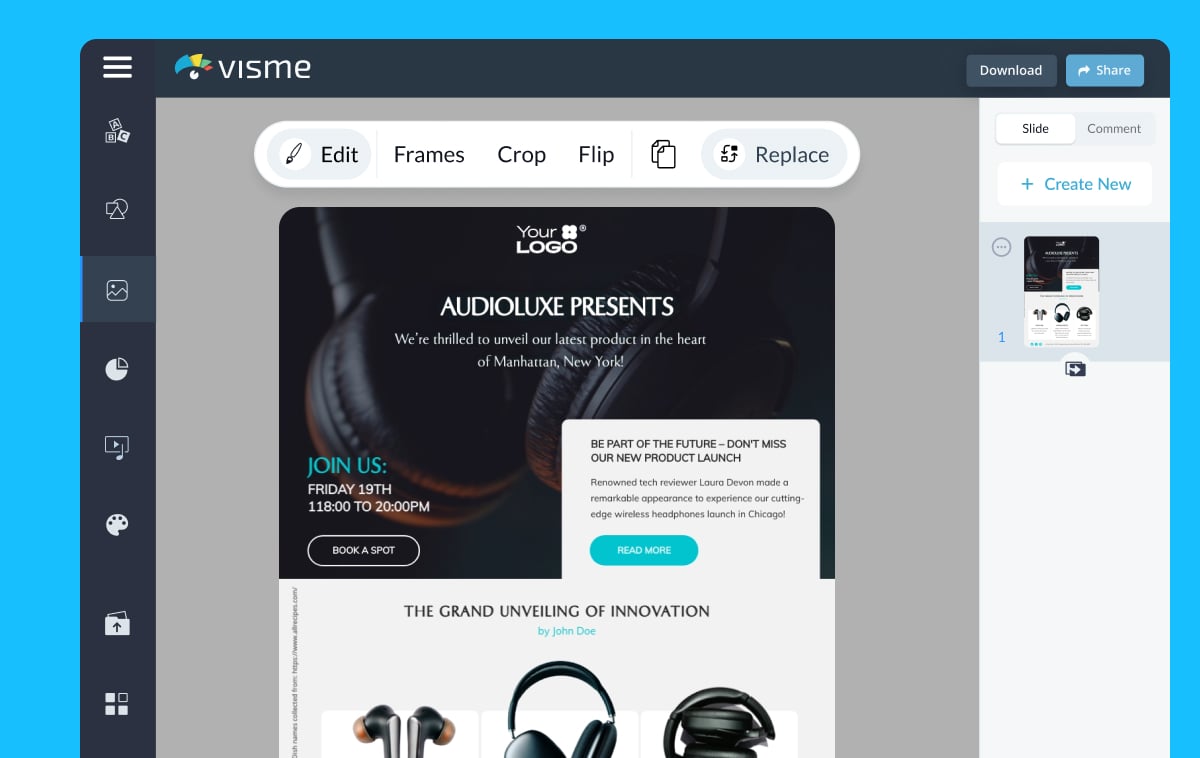
Ensuring the final newsletter is professionally formatted and appropriately prepared for distribution is essential for maintaining brand consistency and maximizing engagement. Proper formatting not only enhances readability but also ensures compatibility across various devices and email clients. Thoughtful preparation for distribution channels guarantees that your content reaches your audience effectively, whether through email platforms, social media, or other digital channels.
Implementing best practices in final formatting and distribution involves attention to layout, visual elements, and technical specifications. This process helps to avoid common issues such as broken layouts, slow loading times, or deliverability problems. The following guidelines provide a comprehensive approach to refining your newsletter for optimal delivery and presentation.
Best Practices for Final Content Formatting
Final formatting should prioritize clarity, visual appeal, and functionality. Consistent use of fonts, colors, and spacing creates a cohesive look that aligns with your brand identity. It is crucial to optimize images and visuals to ensure fast loading times without sacrificing quality. Additionally, responsive design techniques enable newsletters to adapt seamlessly to various screen sizes, including smartphones and tablets.
Use inline CSS styles for greater compatibility across email clients, as some may strip out external stylesheets. Incorporate clear headings, bullet points, and short paragraphs to improve scannability. Testing the layout on multiple devices and email clients before distribution helps identify and resolve display issues.
Preparing Content for Various Distribution Channels
Different channels require tailored approaches to content presentation. Email newsletters demand optimized HTML that supports responsive design and minimal spam triggers. For social media platforms, concise and visually engaging snippets of your newsletter can be repurposed as posts or stories, linking back to the full content on your website or landing page.
When preparing for web posting, ensure that the content is embedded within your website’s CMS using accessible formatting and alt text for images to enhance and accessibility. For integration with marketing automation tools, export your content in compatible formats and verify that personalization tokens or dynamic content blocks function correctly.
Consistency in branding elements, such as logo placement and color schemes, across all channels helps reinforce brand recognition. Additionally, include clear call-to-action buttons or links, styled appropriately for each platform, to guide audience engagement effectively.
Organizing Final Layout Using HTML Tables or Styled Blocks
Structured layout organization enhances readability and visual hierarchy within your newsletter. HTML tables are a reliable method for creating consistent columns and sections, especially in environments where CSS support may be limited. Styled blocks, using inline styles or embedded CSS, offer flexibility for customizing backgrounds, borders, and spacing.
Implementing a clean, grid-based layout is recommended to separate different content sections such as headers, body text, visuals, and footers. For example, a two-column table can effectively juxtapose text and images side by side, maintaining alignment across various email clients. Styled div blocks with inline CSS allow for more modern, responsive designs, especially when combined with media queries.
Maintaining a balance between aesthetic appeal and functional clarity is key. Use consistent spacing, font sizes, and color schemes to create a harmonious layout that guides the reader naturally through your content.
Finally, testing your layout with email preview tools or by sending test batches ensures that the formatting holds across platforms. Adjustments based on feedback and observed issues will help achieve a polished final product ready for effective distribution.
Last Word
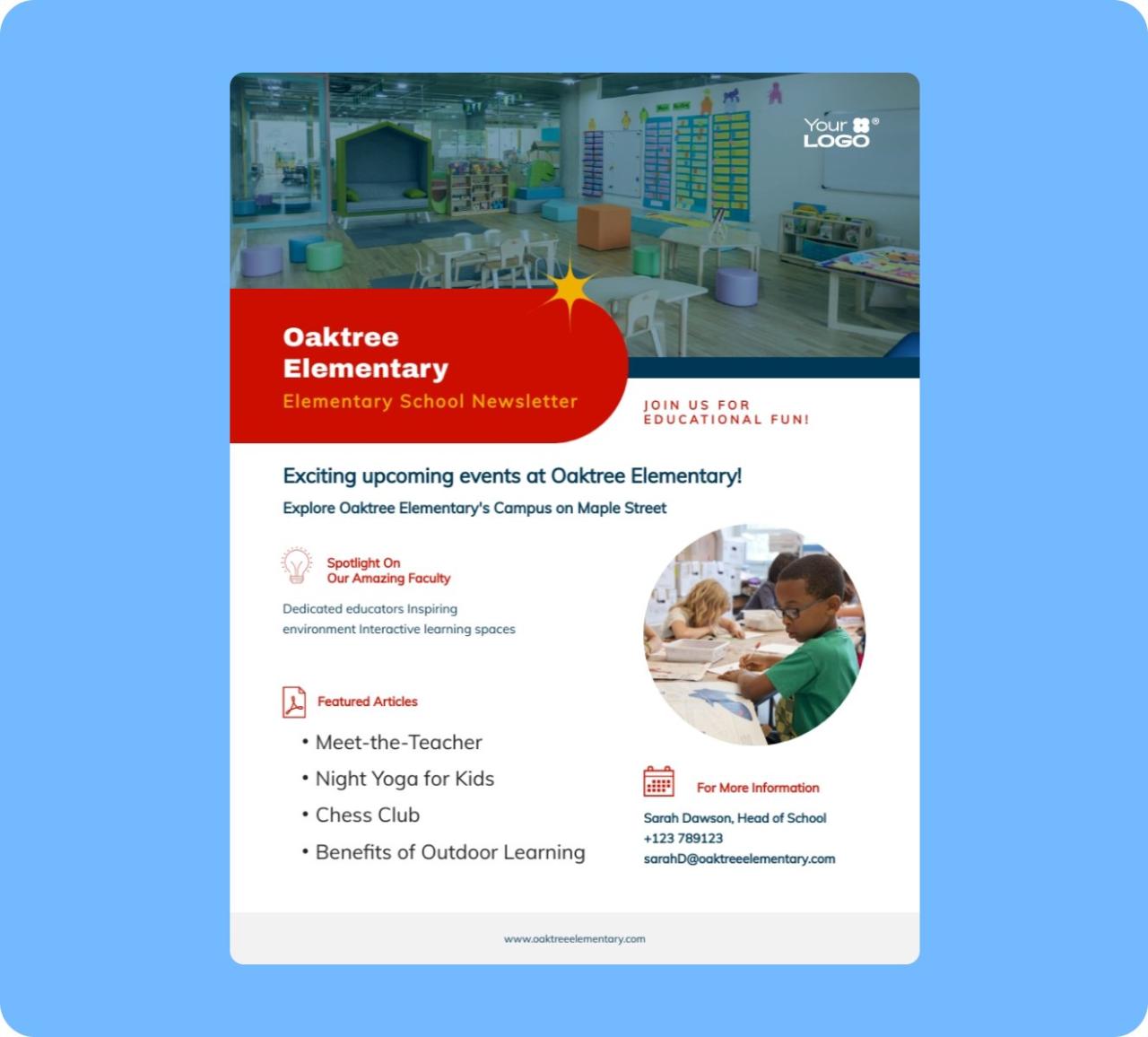
In summary, mastering how to create newsletter content with AI empowers you to produce high-quality, personalized communications that captivate your subscribers. Implementing these techniques ensures your newsletters stand out, foster stronger connections, and achieve your outreach goals with greater ease and precision.