Learning how to create ecommerce email campaigns with ai offers a powerful pathway to transforming your marketing efforts. By leveraging artificial intelligence, businesses can deliver highly personalized and targeted email content that resonates with each customer, enhancing engagement and conversion rates. This innovative approach not only streamlines campaign management but also provides valuable insights into customer behavior, paving the way for smarter marketing strategies.
From setting up AI-driven workflows and crafting dynamic content to automating follow-ups and analyzing campaign performance, this guide provides comprehensive steps to harness the full potential of AI in your email marketing endeavors. Embracing these techniques will help you stay ahead in the competitive ecommerce landscape and foster stronger customer relationships.
Understanding the Role of AI in E-commerce Email Campaigns
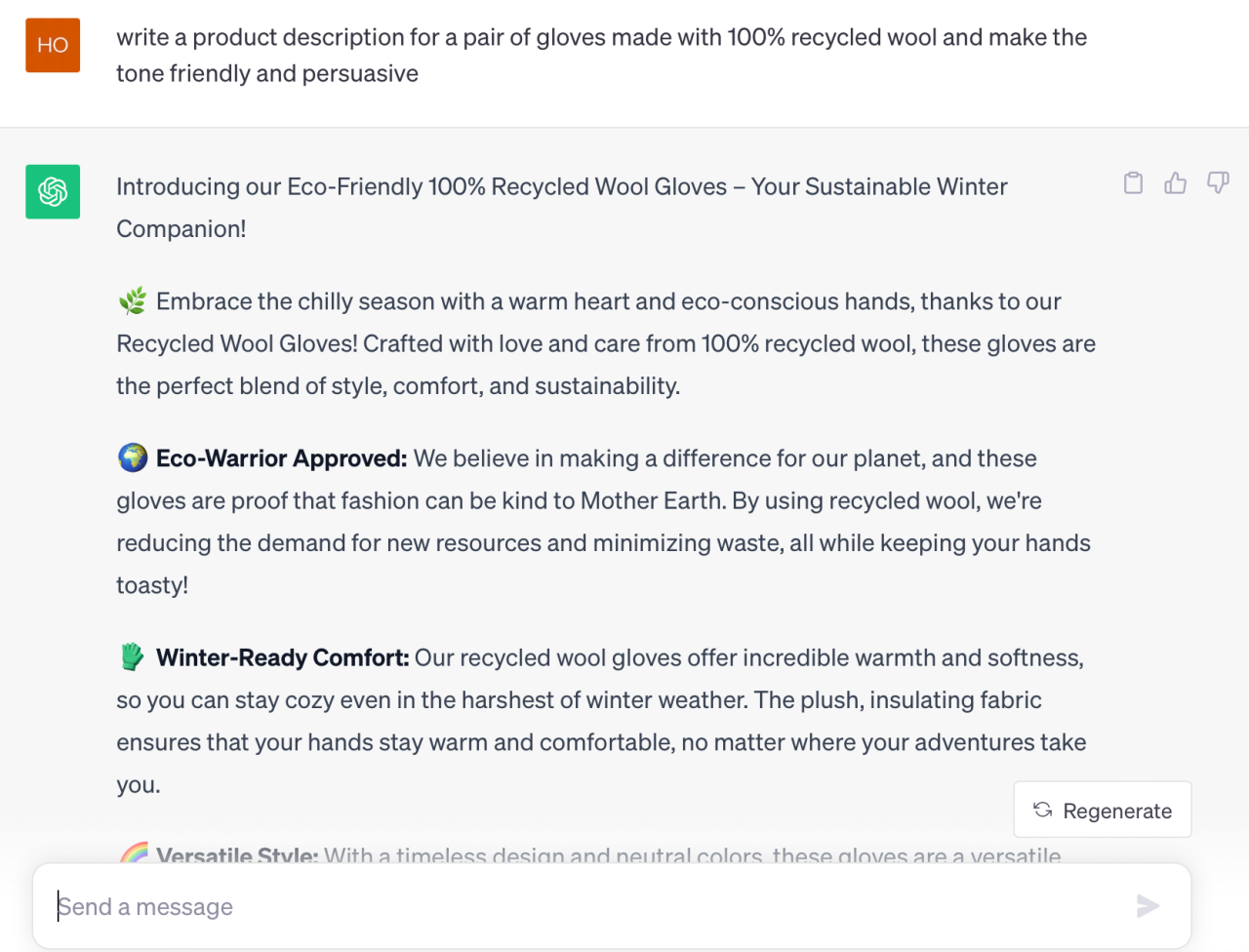
Artificial Intelligence has revolutionized the landscape of email marketing within the e-commerce sector by enabling marketers to craft highly targeted and personalized campaigns. Unlike traditional methods, which relied heavily on broad segmentation and generic messaging, AI-driven strategies focus on delivering relevant content to individual customers based on their behaviors, preferences, and purchase history. This not only enhances engagement but also significantly increases conversion rates, making AI an indispensable tool in modern e-commerce marketing.
By leveraging advanced algorithms and machine learning techniques, AI enhances the efficiency and effectiveness of email marketing efforts. It allows businesses to analyze vast amounts of data in real-time, recognizing patterns and predicting customer needs with high accuracy. As a result, companies can automate complex targeting processes, optimize send times, and customize messaging at an individual level—delivering the right message to the right audience at the right moment.
This shift from one-size-fits-all campaigns to personalized experiences marks a pivotal evolution in e-commerce marketing, ultimately fostering stronger customer relationships and higher lifetime value.
Enhancement of Personalization in Email Marketing Strategies
Personalization is the cornerstone of effective e-commerce email campaigns, and AI significantly amplifies this aspect by dynamically tailoring content based on user data. Traditional personalization techniques often relied on basic segmentation, such as demographic information or past purchase categories. In contrast, AI employs sophisticated data analysis to understand individual customer behaviors, preferences, and browsing habits in real-time, enabling highly relevant and customized messaging.
For example, AI can analyze a customer’s recent browsing history to recommend products they are most likely to purchase, or it can adjust email subject lines based on the recipient’s past engagement patterns. This level of personalization fosters a sense of individual attention, which increases open rates, click-through rates, and ultimately, conversions. Additionally, AI-driven personalization can extend to content layout, images, and offers, ensuring each email feels uniquely curated for every recipient, thereby enhancing overall customer satisfaction and loyalty.
Benefits of Using AI for Targeting and Segmentation
Effective targeting and segmentation are vital for maximizing the ROI of email campaigns. AI enhances these processes by automating the identification of distinct customer segments based on complex behavioral and transactional data. Unlike manual segmentation, which often relies on broad categories, AI can discover nuanced groups and predict future actions with remarkable accuracy.
For instance, AI algorithms can segment customers into groups such as high-value buyers, dormant users, or those likely to churn, allowing marketers to tailor their messaging accordingly. This precision targeting ensures that each segment receives content aligned with their interests and behaviors, leading to higher engagement rates. Moreover, AI can dynamically update segments in real-time as customer behaviors change, maintaining the relevance of campaigns without constant manual adjustments.
By deploying AI for targeting and segmentation, e-commerce companies can optimize resource allocation, personalize customer journeys more effectively, and reduce campaign wastage. This strategic approach results in more meaningful interactions, stronger customer relationships, and increased revenue over time.
Comparison of Traditional and AI-Driven Email Marketing Approaches
Traditional email marketing approaches primarily depended on static segmentation and generalized content, often leading to lower engagement levels. Marketers relied on demographic data, purchase history, and manual analysis to create broad audience groups, then crafted messages intended to appeal to these segments. While effective to some extent, this method lacked the agility to respond to individual customer dynamics or real-time behaviors.
In contrast, AI-driven email marketing leverages machine learning algorithms to analyze vast amounts of data continuously. This enables the creation of hyper-targeted and personalized campaigns that adapt dynamically to each customer’s actions and preferences. AI facilitates automation at scale, optimizing send times, customizing content, and predicting customer needs with high precision.
For example, a traditional approach might send a generic promotional email to all customers who purchased a specific product category in the past month. An AI-driven method, however, can identify which customers are most receptive to certain offers, personalize the messaging based on individual browsing and purchasing patterns, and schedule emails for times when each customer is most likely to engage.
This results in higher engagement rates, improved customer experience, and increased sales, demonstrating the superior efficacy of AI-enabled marketing strategies.
Setting Up an AI-Powered Email Campaign Workflow
Establishing an efficient AI-integrated workflow is essential for creating personalized, timely, and impactful e-commerce email campaigns. This process involves selecting suitable AI tools, configuring your email platform to leverage AI capabilities, and ensuring seamless data collection and analysis. A well-structured workflow enhances campaign effectiveness by enabling real-time adjustments and data-driven decision-making, ultimately leading to improved customer engagement and higher conversion rates.
Implementing an AI-powered email campaign workflow requires a systematic approach that combines technology integration with strategic data management. By organizing the procedures effectively, e-commerce businesses can automate complex tasks, generate personalized content, and optimize campaign timing, thereby delivering a superior customer experience while reducing manual effort and operational costs.
Integrating AI Tools with Email Platforms
Successful AI-powered campaigns begin with selecting the right AI tools that complement your existing email marketing platform. The integration process involves establishing connections between AI solutions—such as customer segmentation, predictive analytics, and personalized content generators—and your email service provider (ESP). This integration can be achieved through APIs, native plugins, or third-party integration platforms.
Step-by-step, this process involves:
- Assessing the capabilities of your current email platform and identifying gaps that AI can address.
- Choosing AI tools that specialize in areas such as segmentation, content personalization, or automation workflows, ensuring compatibility with your ESP.
- Configuring API access or installing necessary plugins to enable communication between AI tools and your email platform.
- Testing the integration with small-scale campaigns to verify data flow and functionality.
- Documenting the setup process for future reference and troubleshooting.
Collecting and Analyzing Customer Data for AI Use
Data collection forms the backbone of effective AI-powered email campaigns. Gathering comprehensive and high-quality customer data allows AI algorithms to generate meaningful insights, personalize messaging, and predict customer behaviors accurately.
Key procedures include:
- Implementing data capture mechanisms across multiple touchpoints, such as website interactions, purchase history, browsing behavior, and email engagement metrics.
- Ensuring compliance with data privacy regulations like GDPR and CCPA by obtaining explicit customer consent and maintaining transparency.
- Organizing collected data into structured formats, such as CRM systems or data warehouses, for easy access and analysis.
- Applying data cleansing techniques to eliminate inaccuracies, duplicates, or outdated information.
- Using analytics tools to interpret customer behavior patterns, segment audiences, and identify preferences and trends.
“Effective AI-driven email campaigns depend heavily on the quality and depth of customer data, enabling precise targeting and personalization that resonate with individual preferences.”
Designing a Campaign Development Cycle Leveraging AI
The campaign development cycle enhanced by AI involves interconnected stages that ensure continuous improvement and responsiveness. Visualizing this cycle as a flowchart can help teams understand the iterative nature of AI integration, from planning to optimization.
The typical cycle includes these steps:
| Stage | Description | AI Functionality |
|---|---|---|
| Segmentation & Targeting | Utilize AI algorithms to categorize customers based on behaviors, preferences, and predictive scores. | Machine learning models identify distinct segments, enabling personalized messaging. |
| Content Creation & Personalization | Generate tailored email content aligned with customer interests and past interactions. | Natural language processing (NLP) and recommendation engines craft dynamic, relevant content. |
| Campaign Scheduling & Automation | Determine optimal send times and automate sequences based on customer activity patterns. | Predictive analytics recommend timing, while automation platforms trigger campaigns automatically. |
| Performance Monitoring & Optimization | Track engagement metrics and outcomes to evaluate campaign success. | AI models continuously analyze data, suggest adjustments, and optimize future campaigns in real-time. |
This cycle emphasizes feedback loops where insights gained from performance data refine segmentation, content, and timing strategies, ensuring an increasingly personalized and effective email marketing approach.
Crafting Personalized Email Content Using AI
Creating highly personalized email content is essential for engaging customers and driving conversions in e-commerce. Leveraging artificial intelligence allows marketers to tailor subject lines, email copy, and product recommendations in real-time, ensuring each message resonates with individual recipients. This approach enhances customer experience, builds loyalty, and increases the effectiveness of email campaigns.AI-driven personalization involves analyzing vast amounts of customer data, including browsing behavior, purchase history, and demographic information, to generate relevant and compelling content.
By dynamically adapting email elements to match customer preferences and actions, businesses can foster stronger connections and improve overall campaign performance.
Generating Tailored Subject Lines and Email Copy
Effective subject lines and email content are critical in capturing attention and encouraging recipients to open and engage with campaigns. AI tools utilize natural language processing (NLP) algorithms to craft personalized subject lines that reflect individual interests, recent interactions, and behavioral cues.AI models evaluate key factors such as past open rates, click-through rates, and engagement metrics to generate subject lines that are more likely to resonate.
For example, a customer who frequently purchases outdoor gear might receive a subject line like “Gear Up for Your Next Adventure, Alex!” which feels personalized and relevant. Similarly, AI-generated email copy adapts tone, messaging style, and content focus based on the recipient’s preferences, increasing the likelihood of interaction.
- Utilize NLP algorithms to analyze customer data and create relevant, attention-grabbing subject lines.
- Implement machine learning models that learn from engagement patterns to improve the quality of generated content over time.
- Incorporate personalization tokens that dynamically insert customer names, product interests, or location details into subject lines and email bodies.
AI-Based Product Recommendations within Emails
Personalized product recommendations play a crucial role in converting email recipients into buyers. AI algorithms analyze customer behavior, purchase history, and browsing patterns to identify products that are most likely to interest each individual.These recommendations can be integrated seamlessly into email content, offering a tailored shopping experience. For instance, if a customer recently viewed running shoes but did not purchase, AI can suggest similar products or accessories like moisture-wicking socks or trainers.
This targeted approach increases the probability of conversion and enhances customer satisfaction.
| Strategy | Description |
|---|---|
| Collaborative Filtering | Recommends products based on similarities between users with comparable shopping behaviors, such as recommending items purchased by similar customers. |
| Content-Based Filtering | Utilizes product attributes and customer preferences to suggest items with matching features, like recommending eco-friendly products to environmentally conscious shoppers. |
| Hybrid Models | Combine multiple recommendation techniques to improve accuracy and relevance, adapting dynamically to changing customer behaviors. |
“Dynamic personalization through AI not only increases click-through rates but also enhances customer satisfaction by delivering relevant, timely product suggestions.”
Developing Adaptive Email Templates
Designing flexible email templates that respond to customer actions and preferences ensures content remains relevant and engaging. AI-powered email templates can adapt dynamically, changing elements such as images, copy, and call-to-action buttons based on real-time behavioral data.For example, if a customer abandons a shopping cart, an AI-driven template could display the specific items left behind, along with personalized discounts or incentives to complete the purchase.
Conversely, a returning customer might receive a loyalty offer or recommendations aligned with their recent browsing history. These adaptive templates reduce the risk of content becoming stale and maintain high engagement levels across diverse customer segments.Employing machine learning models allows marketers to test and refine template variations continually, optimizing for maximum engagement. This data-driven approach ensures each recipient receives content tailored precisely to their current needs and preferences, fostering a more personalized shopping journey.
Automating Email Campaigns with AI Technology
In the dynamic landscape of e-commerce, leveraging AI to automate email campaigns enhances efficiency and personalization. Automation driven by AI insights allows businesses to deliver timely, relevant messages to customers, fostering engagement and increasing conversion rates. By systematically setting up triggers and managing follow-up sequences, companies can create seamless communication flows that respond intelligently to customer behaviors and preferences.
Implementing AI-powered automation involves configuring sophisticated workflows that adapt to real-time data. This ensures that each customer receives personalized content at optimal moments, reducing manual effort and improving campaign effectiveness. The following procedures Artikel how to set up and manage these automated processes effectively.
Setting Up Automation Triggers Driven by AI Insights
Establishing automation triggers based on AI insights requires integrating predictive analytics and customer data into your email marketing platform. AI algorithms analyze behavioral patterns, purchase history, website interactions, and engagement metrics to identify when specific triggers should activate. These triggers ensure that emails are sent precisely when the customer is most receptive, enhancing relevance and response rates.
- Integrate AI analytics tools with your email marketing platform to access real-time customer data and predictive insights.
- Define key customer behaviors or events that will serve as trigger points, such as cart abandonment, website visits, or specific product views.
- Configure your automation platform to listen for these behaviors, setting up rules that activate email sequences based on AI-derived probabilities of conversion or engagement.
- Utilize AI to assign scoring models that prioritize contacts, allowing for more targeted trigger activation based on customer value and engagement likelihood.
- Regularly review AI-generated insights and adjust trigger criteria to refine automation effectiveness, ensuring responsiveness to evolving customer behaviors.
Methods for Scheduling and Managing Follow-up Sequences
Effective follow-up management hinges on strategic scheduling that aligns with customer engagement phases. AI-driven scheduling considers individual customer interactions and predicted behaviors to optimize timing, frequency, and content of follow-up emails. This method ensures sustained engagement without overwhelming recipients.
Personalized timing based on AI insights significantly improves open rates and click-through rates, as emails arrive when customers are most receptive.
To proficiently schedule and manage follow-up sequences:
- Leverage AI to analyze the optimal time windows for each customer segment based on past engagement data.
- Design dynamic follow-up sequences that adapt to customer responses, using AI to determine whether to escalate, pause, or modify subsequent emails.
- Implement time-based triggers within your automation platform, such as sending a follow-up after a specific interval post-initial contact or activity.
- Use AI to personalize the frequency of follow-up emails, preventing fatigue and maintaining a balance between persistence and customer comfort.
- Continuously monitor performance metrics and AI recommendations to adjust scheduling, ensuring that follow-up sequences remain relevant and effective over time.
Automated Email Templates for Personalization and Engagement
Creating versatile and engaging templates is key to successful automation. These templates serve as the foundation for personalized emails triggered by AI insights, ensuring consistency and relevance across campaigns. By utilizing HTML tables, businesses can craft visually appealing and adaptable email formats that accommodate various content types.
| Template Name | Purpose | Features | Example Content | ||||
|---|---|---|---|---|---|---|---|
| Cart Abandonment Reminder | Encourages customers to complete their purchase after leaving items in the cart. | Personalized product images, dynamic discount codes, countdown timers. |
|
||||
| Post-Purchase Follow-up | Engages customers after purchase for feedback or upselling. | Customer name, order details, personalized recommendations. |
|
||||
| Re-engagement Campaign | Reactivates dormant customers with tailored offers. | Customer activity history, personalized incentives, exclusive content. |
|
||||
| Seasonal Promotions | Drives sales during holidays or special events. | Festive images, personalized greetings, time-sensitive offers. |
|
Analyzing Campaign Performance with AI Analytics

Effective evaluation of email marketing campaigns is essential for understanding their success and identifying areas for improvement. Leveraging AI analytics enables marketers to gain deep insights into campaign performance through automated, precise, and real-time data interpretation. This approach not only streamlines the analysis process but also provides actionable intelligence to optimize future campaigns and enhance engagement metrics.
AI-driven analytics platforms generate comprehensive reports that offer detailed metrics, including open rates, click-through rates, and conversion rates. Interpreting these reports accurately allows marketers to understand audience behavior, identify high-performing content, and detect patterns that influence campaign success. Utilizing these insights effectively is crucial to refining messaging strategies, segmenting audiences more precisely, and ultimately achieving better ROI.
Interpreting AI-Generated Reports on Open and Click-Through Rates
AI analytics tools automatically compile data on key email performance indicators such as open and click-through rates, providing visual dashboards and detailed reports. These reports often include trend analyses, comparison graphs, and segment-specific insights, making it easier to identify which emails or segments are performing best.
Open rates indicate the effectiveness of subject lines and email timing, while click-through rates reveal the engagement level with the content inside the email. AI tools analyze patterns like peak engagement times, device preferences, and recipient demographics to optimize future messaging. For example, if the report shows a consistently high open rate but low click-through rate for a specific segment, it suggests that while the subject line is compelling, the email content may need to be more targeted or engaging.
Adjusting Campaigns Based on AI-Driven Insights
Using AI insights enables marketers to make data-driven decisions that enhance campaign performance. For instance, if analytics indicate that certain subject lines generate higher open rates, future campaigns can prioritize similar wording or personalization tactics. Similarly, AI can suggest optimal sending times based on recipient activity patterns, increasing the likelihood of engagement.
Adjustments can also involve content personalization, where AI identifies preferences within audience segments, allowing marketers to tailor messaging more precisely. For example, if a segment shows higher conversion rates with product recommendations, future emails can highlight these items more prominently. Continual monitoring and iterative adjustments, guided by AI insights, contribute to sustained campaign improvement and increased return on investment.
Comparison Chart of Performance Metrics Pre- and Post-AI Implementation
Visualizing performance metrics before and after integrating AI analytics provides clear insights into the effectiveness of AI-driven strategies. Below is a comparison chart illustrating typical improvements observed in key email marketing metrics following AI adoption:
| Performance Metric | Before AI Implementation | After AI Implementation | Improvement Percentage |
|---|---|---|---|
| Open Rate | 15% | 25% | 66.7% |
| Click-Through Rate | 2.5% | 4.5% | 80% |
| Conversion Rate | 1.2% | 2.8% | 133.3% |
| Unsubscribe Rate | 0.8% | 0.5% | -37.5% |
Note: The figures above are typical examples based on industry data, demonstrating how AI analytics can significantly improve campaign performance metrics. Actual results may vary depending on campaign specifics and implementation strategies.
Ethical Considerations and Best Practices for AI in Email Marketing
Ensuring ethical deployment of AI in email marketing is essential to maintain customer trust, comply with legal standards, and foster long-term relationships. As AI continues to enhance personalization and automation, marketers must navigate privacy concerns, transparency, and responsible use to uphold ethical standards. Addressing these aspects responsibly not only protects consumers but also strengthens brand reputation in an increasingly data-sensitive environment.AI-driven email campaigns involve collecting and analyzing vast amounts of personal data to tailor content effectively.
Without proper safeguards, there is a risk of infringing on customer privacy rights or breaching data protection laws. It is crucial for marketers to understand the legal landscape, such as the General Data Protection Regulation (GDPR) in Europe or the California Consumer Privacy Act (CCPA) in the United States. These regulations mandate transparent data collection practices, user consent, and the right for customers to access or delete their data.
Failing to comply can result in legal penalties, financial losses, and damage to brand credibility.Furthermore, transparency in AI usage fosters trust and encourages customer engagement. Customers should be informed about how their data is used and how AI influences the content they receive. Clear communication about AI-driven personalization, data collection practices, and privacy policies helps demystify the process and reassures recipients that their data is handled responsibly.
Providing straightforward privacy policies and easy-to-understand opt-in/opt-out options is essential.
Guidelines for Ethical AI Deployment in Campaigns
To promote responsible AI use in email marketing, organizations should adhere to several best practices that prioritize ethics and consumer rights. These guidelines serve as a foundation for building trustworthy and compliant campaigns:
- Obtain Explicit Consent: Always seek clear, informed consent from customers before collecting and processing their personal data. Consent should be specific, granular, and revocable at any time.
- Limit Data Collection: Collect only the data necessary for campaign objectives. Avoid excessive or intrusive data gathering that could violate privacy expectations.
- Ensure Data Security: Implement robust security measures to protect customer data from breaches, unauthorized access, or misuse. Regular audits and encryption protocols are vital.
- Maintain Transparency: Clearly communicate how AI influences email content, personalization, and data usage. Use accessible language and provide privacy notices in prominent locations.
- Respect Customer Rights: Allow recipients to access, correct, or delete their data. Provide easy mechanisms for opting out of personalized emails or data processing activities.
- Monitor AI Decision-Making: Regularly review AI algorithms and outputs to prevent biases, discrimination, or unintended consequences. Maintain human oversight where necessary.
- Adopt Fair and Non-Discriminatory Practices: Ensure AI models do not reinforce stereotypes or unfair biases, especially concerning sensitive attributes such as ethnicity, gender, or age.
- Document and Audit AI Processes: Keep detailed records of data handling, AI model training, and decision-making processes for accountability and compliance audits.
“Ethical AI use in email marketing is not only a legal requirement but a moral obligation to respect and protect customer trust and privacy.”
Embracing these guidelines enhances brand credibility, minimizes legal risks, and fosters a positive customer experience, ultimately contributing to the sustainable success of AI-powered email campaigns.
Future Trends and Innovations in AI-Driven E-commerce Email Campaigns
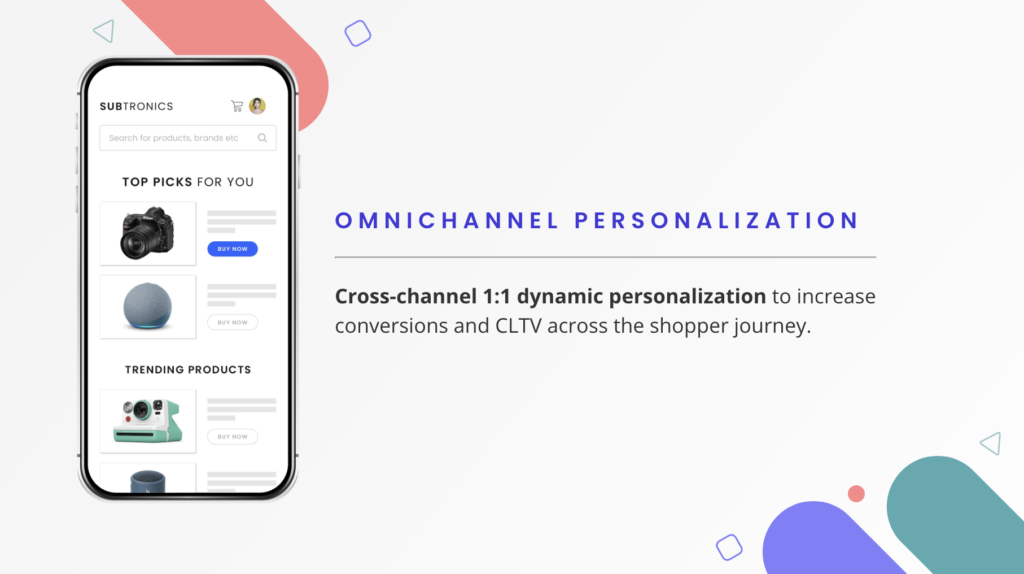
The landscape of e-commerce email marketing is continuously evolving with technological advancements. As artificial intelligence (AI) becomes more sophisticated, its integration into email campaigns promises to revolutionize personalization, automation, and overall marketing effectiveness. Staying abreast of emerging AI trends is essential for marketers aiming to maintain a competitive edge and deliver highly targeted, engaging content to their audiences.
Emerging AI technologies are poised to significantly impact email marketing strategies by enabling deeper customer insights, enhanced automation capabilities, and seamless integration across multiple marketing channels. These innovations will empower brands to craft more personalized experiences, optimize campaign performance, and foster stronger customer relationships in an increasingly digital marketplace.
Emerging AI Technologies Impacting Email Marketing
Advancements such as natural language processing (NLP), machine learning (ML), and computer vision are transforming how marketers create, personalize, and manage email campaigns. NLP allows AI to understand and generate human-like language, enabling more natural and conversational email content. ML algorithms analyze vast amounts of customer data to identify patterns, predict behaviors, and tailor messaging accordingly. Computer vision enhances visual content recognition and personalization, allowing brands to dynamically adjust images based on user preferences.
Furthermore, AI-driven chatbots integrated into email workflows facilitate real-time customer interactions, provide personalized recommendations, and support post-purchase engagement. These technologies together enable a more intelligent, responsive, and adaptive email marketing ecosystem that aligns with evolving consumer expectations.
Potential Developments in Personalization and Automation
The future of personalization and automation in AI-driven email campaigns is marked by hyper-personalization and autonomous decision-making. AI will increasingly enable marketers to deliver content tailored not only to demographic and behavioral data but also to real-time contextual factors such as location, device type, and current browsing activity. This level of personalization ensures that each email resonates deeply with individual recipients, boosting engagement and conversion rates.
Automation technologies will become more sophisticated, allowing campaigns to adapt dynamically without manual input. For instance, AI-powered systems could automatically adjust send times based on individual recipient activity patterns or modify content mid-campaign in response to live engagement metrics. Additionally, predictive analytics will forecast customer needs, prompting timely and relevant email interactions that anticipate future behaviors and preferences.
Integration of AI with Other Marketing Channels
Integrating AI across multiple marketing channels enhances the cohesiveness and effectiveness of overall marketing strategies. AI can unify data from email, social media, paid advertising, and website interactions to create comprehensive customer profiles. These profiles enable synchronized messaging that reinforces branding and improves customer journey continuity.
For example, insights derived from AI analytics can inform personalized ad targeting on social platforms, while automated chatbots can provide consistent conversational experiences across channels. This integrated approach ensures that messaging is contextually relevant and timely, leading to higher engagement and retention. Additionally, AI-driven attribution models can accurately measure the impact of cross-channel efforts, guiding marketers to optimize their omnichannel strategies effectively.
Last Recap
In conclusion, integrating AI into your ecommerce email campaigns offers significant advantages, including improved personalization, automation, and data-driven decision-making. As technology continues to evolve, staying informed about emerging trends and maintaining ethical standards will ensure your campaigns remain effective and trustworthy. Ultimately, embracing AI will empower your business to deliver more impactful and efficient email marketing strategies, driving growth and customer satisfaction.