Discover how to create impactful drip email sequences with AI that can transform your marketing efforts. Leveraging artificial intelligence allows for personalized, timely, and optimized communication with your audience, enhancing engagement and conversion rates.
This guide explores the essential steps to set up AI-powered email campaigns, design compelling content, implement personalization strategies, and optimize timing through automation. It also highlights best practices and ethical considerations to ensure responsible and effective use of AI in your email marketing initiatives.
Understanding Drip Email Sequences with AI
Automated drip email sequences have revolutionized how businesses nurture leads and maintain ongoing customer engagement. When enhanced with artificial intelligence, these sequences become even more effective by delivering highly personalized content at optimal moments, thereby increasing the likelihood of conversions and building stronger relationships with recipients.
AI integration into drip campaigns allows for dynamic customization of email content and timing based on individual recipient behavior, preferences, and engagement patterns. This capability transforms static email workflows into intelligent systems that adapt in real-time, ensuring each message resonates more profoundly with the audience and achieves its intended purpose.
Personalization and Optimization of Content
AI-driven tools analyze vast amounts of data from user interactions, purchase history, browsing patterns, and demographic information to craft tailored email messages. This personalization goes beyond inserting the recipient’s name, extending to customized offers, relevant content, and contextually appropriate messaging that aligns with their journey stage.
Optimization of email timing is a critical aspect where AI excels. By examining past engagement times and predicting when a recipient is most likely to open and interact with an email, AI algorithms schedule deliveries to maximize visibility and response rates. This precise timing ensures messages arrive when recipients are most receptive, reducing the likelihood of emails being ignored or marked as spam.
AI-powered personalization and timing optimization significantly enhance engagement rates, leading to higher open rates, click-throughs, and ultimately, conversions.
Benefits of Integrating AI into Drip Campaigns
Incorporating AI into drip email sequences offers numerous advantages that streamline the marketing process while boosting effectiveness. These benefits include:
- Enhanced Engagement: Personalized content and optimized sending times increase recipient interaction and foster stronger relationships.
- Improved Conversion Rates: Targeted messaging aligned with individual preferences and behaviors leads to higher conversion likelihoods.
- Automation and Scalability: AI automates complex segmentation and personalization tasks, allowing campaigns to scale efficiently without manual intervention.
- Real-Time Adaptability: Campaigns continuously evolve based on real-time data, ensuring relevance and responsiveness to changing customer behaviors.
- Data-Driven Insights: AI provides actionable analytics that help marketers refine strategies and optimize future campaigns.
By leveraging AI in drip sequences, businesses can create more intelligent, responsive, and effective email marketing strategies that not only engage recipients but also foster loyalty and increase revenue.
Setting Up AI-Powered Email Campaigns
Implementing AI tools within email marketing platforms significantly enhances the efficiency and personalization of your campaigns. Proper setup ensures that AI can optimize email sequences, analyze recipient behavior, and generate targeted content that resonates with your audience. A systematic approach to connecting AI tools and configuring settings is crucial for maximizing the benefits of automation and data-driven insights.
This process involves integrating AI solutions with existing email marketing platforms, establishing relevant data flows, and fine-tuning AI parameters to generate customized email sequences tailored to audience segments. Following a clear, step-by-step setup process guarantees a seamless and effective deployment of AI-powered campaigns that can adapt and improve over time.
Connecting AI Tools with Email Marketing Platforms
Establishing a reliable connection between AI solutions and your email marketing platform forms the foundation for successful automation. This requires selecting compatible tools, authenticating integrations, and ensuring data flows are correctly configured.
- Select compatible AI tools: Choose AI platforms that support integration with your existing email marketing system. Popular options include Mailchimp with AI plugins, HubSpot, ActiveCampaign, or specialized AI services like Persado or Phrasee.
- Authenticate API access: Generate API keys or tokens from the AI platform and authorize the email marketing system to access these credentials. This ensures secure data exchange.
- Configure integration settings: Use built-in connectors or third-party integration tools (such as Zapier or Integromat) to establish communication channels. Confirm that data such as contact lists, engagement metrics, and content preferences flow seamlessly between platforms.
- Test the connection: Run initial test campaigns to verify data transfer, email rendering, and AI-generated content accuracy. Address any errors or misconfigurations before going live.
Configuring AI Settings for Targeted Email Sequences
Fine-tuning AI parameters is essential to create personalized and effective email sequences. Proper configuration allows AI to analyze recipient data, predict preferences, and generate content that aligns with campaign goals.
- Define audience segments: Upload or synchronize your contact lists, and create segments based on demographics, behavior, purchase history, or engagement levels. AI leverages these segments to tailor messaging.
- Set personalization parameters: Specify variables such as recipient names, locations, product interests, and past interactions. These inputs enable AI to craft individualized content.
- Configure AI tone and style preferences: Adjust settings to align AI-generated content with your brand voice, whether formal, friendly, or innovative. This ensures consistency across all communications.
- Establish campaign objectives and KPIs: Clearly define goals such as open rates, click-through rates, or conversions. AI can then optimize email content and timing to meet these targets.
- Set frequency and scheduling rules: Determine how often AI should send sequences and at what times, based on recipient behavior patterns. AI can adapt schedules dynamically to maximize engagement.
Setup Process Flowchart / Table
Below is a simplified table outlining the essential steps, tools involved, actions to be taken, and the expected outcomes:
| Tools | Actions | Expected Outcomes |
|---|---|---|
| AI Platform (e.g., Persado, Phrasee) | Authenticate API keys, configure integration with email platform | Secure data exchange; AI can access contact and engagement data |
| Email Marketing Platform (e.g., Mailchimp, HubSpot) | Connect to AI platform; enable automation workflows | Automated data flow; AI-driven content generation and campaign management |
| Data Analytics & Segmentation Tools | Create segments, define personalization variables | Targeted recipient groups; relevant content tailored to preferences |
| AI Configuration Settings | Adjust tone, style, timing, and frequency parameters | Optimized email sequences; increased engagement and conversion rates |
| Testing & Optimization Tools | Run test campaigns, monitor KPIs, refine settings | Enhanced AI accuracy; continuous improvement of campaign performance |
Designing Content for Drip Sequences Using AI
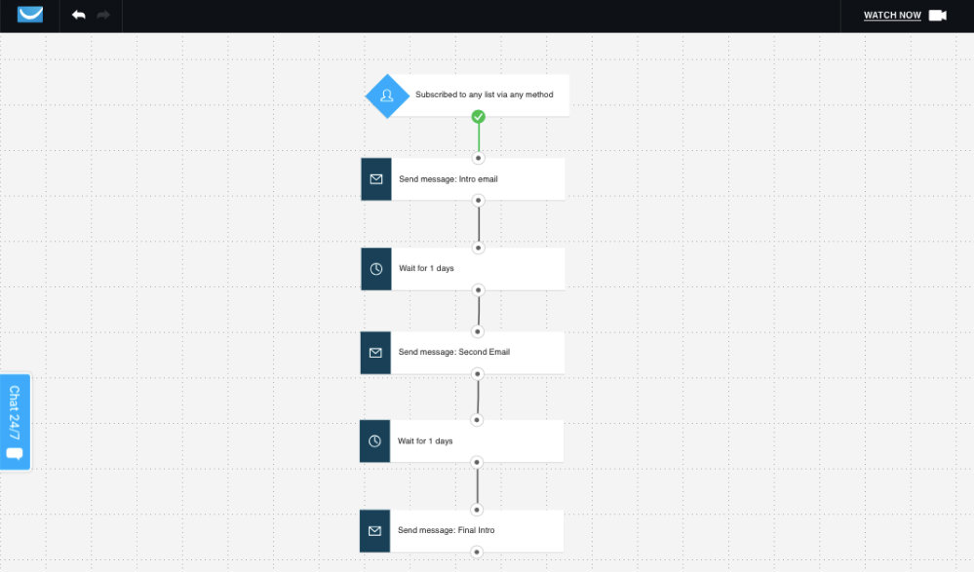
Creating effective email content within drip sequences is crucial for nurturing leads, engaging customers, and driving conversions. Leveraging AI technologies allows marketers to craft personalized, compelling, and optimized messages at scale, ensuring each subscriber receives relevant content tailored to their preferences and behaviors. This section explores techniques for utilizing AI to generate and refine email copy that resonates with diverse customer segments, ultimately enhancing the effectiveness of automated campaigns.
AI-driven content design involves both the creation of initial messages and continuous optimization based on performance data. By implementing advanced algorithms, marketers can automate the development of engaging subject lines, persuasive email bodies, and compelling call-to-actions (CTAs). These tools not only save time but also enable a data-informed approach to message personalization, ensuring that each email aligns with the recipient’s interests and stage in the customer journey.
Techniques for AI to Generate Compelling Email Copy for Different Customer Segments
Segment-specific content is fundamental to success in drip campaigns. AI can analyze customer data such as purchase history, browsing behavior, demographic information, and engagement patterns to craft tailored email messages. These techniques include:
- Customer Profiling and Segmentation: Using machine learning algorithms to categorize subscribers into distinct segments based on behavioral data. AI models can identify high-value customers, dormant users, or those interested in specific product categories, allowing for targeted messaging.
- Personalized Content Generation: Employing natural language processing (NLP) models to produce personalized email copy that addresses individual pain points, preferences, or previous interactions. For example, recommending products similar to past purchases or highlighting benefits relevant to a specific segment.
- Dynamic Content Blocks: Creating adaptable email components that change based on recipient data. AI can automate the insertion of personalized images, offers, or testimonials within each email to enhance relevance and engagement.
Methods for AI to Optimize Subject Lines, Email Bodies, and Call-to-Actions
Effective email content requires not only relevant messaging but also high-performing subject lines, persuasive body copy, and compelling CTAs. AI techniques for optimization include:
- Subject Line Optimization: Machine learning models analyze historical open rates to generate and test various subject line variants. Using A/B testing frameworks, AI identifies the most effective phrasing, length, and emotional triggers to maximize open rates.
- Content Personalization and Testing: AI can automatically generate multiple versions of email bodies tailored to different segments. It continuously learns from engagement metrics, such as click-through rates and conversions, to refine messaging over time.
- Call-to-Action Enhancement: Using data-driven insights, AI recommends action-oriented phrases and placement within the email. For example, replacing generic CTAs like “Click Here” with specific prompts such as “Get Your Discount Today” based on what resonates most with the audience.
Comparison of AI-Generated Content Versus Manually Created Content
Understanding the differences between AI-generated and manually crafted content helps in assessing their respective strengths and appropriate applications. Below is a comparison table illustrating typical attributes and outcomes for each approach:
| Feature | AI-Generated Content | Manually Created Content |
|---|---|---|
| Personalization Level | High, based on data analysis and segmentation | Variable, depends on marketer’s effort and insights |
| Consistency and Scalability | Consistent and scalable; can produce large volumes rapidly | Limited by human capacity; may vary in quality |
| Creativity and Emotional Appeal | Limited by language models; capable of generating diverse variations but may lack nuanced emotional touch | High; human writers can craft nuanced, emotionally resonant messages |
| Optimization and Testing | Facilitates rapid A/B testing and real-time adjustments based on performance data | Requires manual analysis and iterative revisions |
| Time and Cost | Lower time investment; cost-effective at scale | Higher time and resource investment per piece |
While AI enhances efficiency and personalization, combining AI tools with human oversight often yields the most engaging and authentic email content. This synergy allows marketers to harness computational power for data-driven insights while infusing messages with genuine creativity and emotional intelligence.
Personalization Strategies with AI in Drip Campaigns

Implementing effective personalization strategies is essential for maximizing engagement and conversion rates in email drip campaigns. Artificial Intelligence (AI) empowers marketers to analyze vast amounts of user data, enabling highly tailored messaging that resonates with individual recipients. By leveraging AI-driven insights, businesses can create dynamic, relevant email sequences that adapt to each user’s unique behaviors and preferences.
AI analyzes user data by collecting and processing information from various touchpoints, such as website activity, previous interactions, purchase history, and engagement patterns. This data forms the foundation for segmentation and personalization, allowing marketers to deliver content that aligns precisely with each subscriber’s current interests, needs, and lifecycle stage. The result is a more meaningful connection with recipients, increased open and click-through rates, and ultimately, higher conversion rates.
Audience Segmentation and Dynamic Content Assignment
Proper segmentation and dynamic content assignment are crucial to effective personalization. AI algorithms automatically categorize subscribers into distinct segments based on their behaviors, preferences, and demographic data. These segments enable marketers to tailor email sequences specifically to each group, ensuring relevance and engagement.
Dynamic content technology takes this a step further by allowing individual emails within a sequence to display different messaging, images, or offers based on real-time data. For instance, a subscriber who recently viewed a specific product category may receive an email featuring related products or exclusive discounts. AI continuously updates these segments and content elements as new data becomes available, ensuring that each email remains relevant and timely.
Personalization Techniques
Employing sophisticated personalization techniques enhances the effectiveness of AI-driven drip campaigns. Below are key methods used to customize email content:
- Behavioral Data Analysis: AI monitors user interactions such as email opens, clicks, website visits, and time spent on pages. This information reveals interests and engagement levels, allowing the creation of highly targeted follow-up messages.
- Purchase History Integration: Analyzing past purchase data provides insights into customer preferences and buying patterns. AI can recommend complementary products, offer personalized discounts, or send reminders based on previous transactions.
- Preferences and Engagement Tracking: Subscribers often specify their preferences or update their profile information. AI tracks these inputs alongside engagement metrics to refine content personalization continually.
Personalization strategies grounded in AI-driven data analysis lead to a 30-50% increase in open rates and a 20-40% boost in click-through rates, exemplifying their significant impact on campaign success.
Timing and Automation Optimization Through AI
Effective email marketing hinges on sending messages at moments when recipients are most receptive. AI-driven tools have revolutionized this aspect by analyzing recipient behavior patterns to optimize the timing of email dispatches. By leveraging artificial intelligence, marketers can ensure their messages reach inboxes when recipients are most likely to engage, thereby increasing open rates and conversions.
Additionally, AI enhances automation workflows by predicting optimal trigger points based on individual engagement signals. This enables the creation of highly responsive drip campaigns that adapt dynamically to user actions, delivering relevant content precisely when it is most impactful. Proper configuration of AI-driven automation triggers ensures seamless and personalized communication, reducing manual oversight while maximizing campaign effectiveness.
Predicting Optimal Email Send Times
AI algorithms analyze various data points such as past open times, click patterns, device usage, and time zone information to forecast the most advantageous moments for email delivery. These predictive models consider recipient-specific behaviors, allowing for tailored scheduling that aligns with individual routines.
For example, if a recipient tends to open emails late in the afternoon on weekdays, the AI system will prioritize sending the campaign during that window. Such precision reduces the likelihood of emails being overlooked or marked as spam, ultimately fostering higher engagement rates.
Configuring AI-Driven Automation Triggers
Automation triggers guided by AI operate based on real-time recipient interactions and behavioral cues. These triggers can include actions such as opening a previous email, clicking a link, or visiting a specific webpage. Configuring these triggers involves integrating AI-powered platforms with your email marketing system and setting parameters that specify the conditions for subsequent emails.
For instance, an AI system can automatically send a follow-up email within a few hours after a recipient clicks a product link, or delay a re-engagement message if the recipient has not interacted with recent emails. Setting these triggers requires defining clear rules within the automation platform, enabling the AI to execute decisions based on learned patterns and data insights.
Example Schedule of AI-Optimized Email Campaigns
| Recipient | Email Send Time | Content Type | Engagement Metrics |
|---|---|---|---|
| Jane Doe | 2024-04-25 14:30 | Product Promotion | Open Rate: 45%, Click Rate: 12% |
| John Smith | 2024-04-25 09:15 | Newsletter | Open Rate: 52%, Click Rate: 8% |
| Emily Johnson | 2024-04-25 20:45 | Event Reminder | Open Rate: 60%, Click Rate: 15% |
| Michael Lee | 2024-04-26 11:00 | Follow-up Offer | Open Rate: 38%, Click Rate: 10% |
In this example, AI systems have analyzed each recipient’s previous engagement data to determine the optimal sending time for each email. The results demonstrate how personalized timing can significantly influence recipient interactions, promoting higher engagement and conversion rates.
Monitoring and Improving AI-Driven Drip Sequences
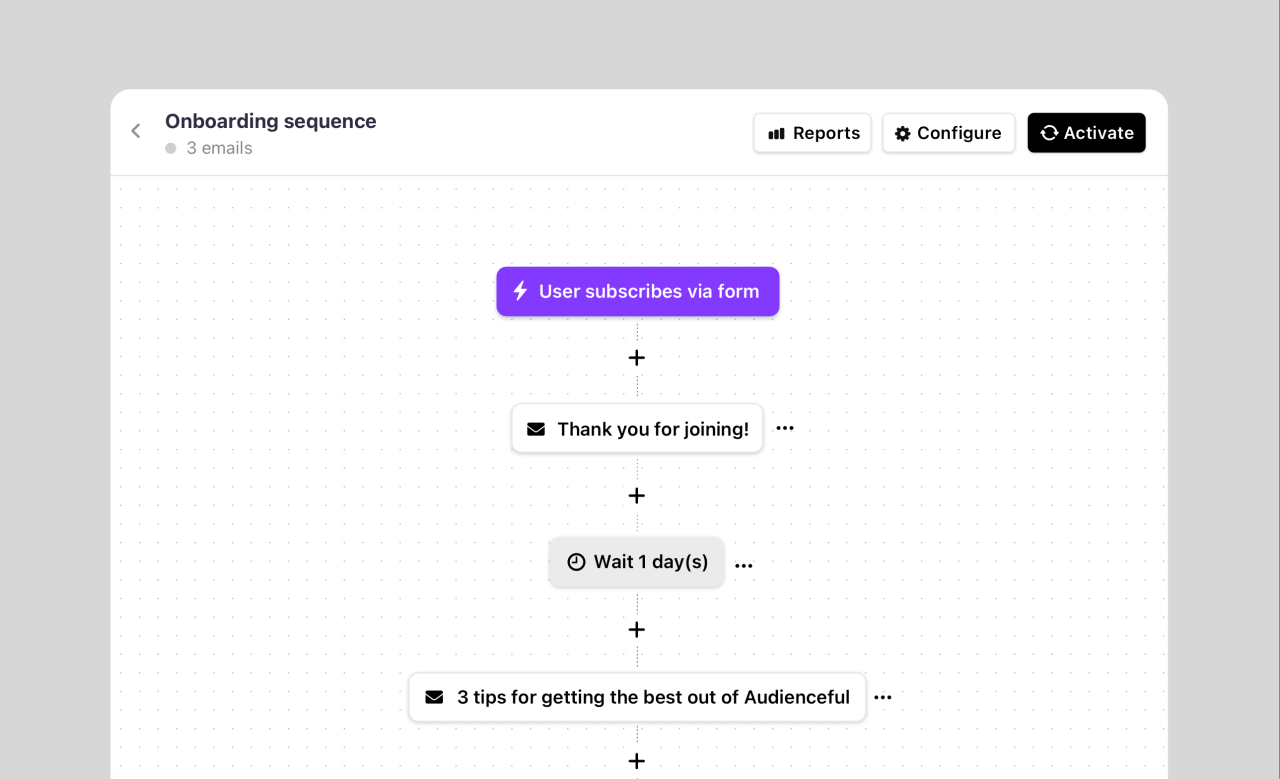
Effective management of AI-powered email campaigns necessitates continuous monitoring and iterative enhancements. By leveraging AI insights, marketers can refine their drip sequences to maximize engagement, conversions, and overall campaign ROI. This section explores the methodologies for analyzing performance, utilizing AI feedback for updates, and employing data-driven strategies to optimize ongoing email sequences.
Monitoring involves systematically collecting data on key performance indicators (KPIs) and interpreting AI-generated analytics to identify strengths and areas of improvement within the campaign. Regularly reviewing these metrics ensures that the drip sequences remain aligned with campaign goals and adapt to subscriber behavior patterns. Iterative updates, informed by AI insights, enable marketers to fine-tune content, timing, and personalization strategies, fostering increased responsiveness from recipients and better campaign outcomes.
Analyzing Campaign Performance with AI Insights
AI tools provide detailed analytics that surpass traditional metrics, offering predictive insights and behavioral analytics. These advanced capabilities help marketers understand not only how recipients interact with emails but also predict future actions based on historical data. Key methods for analyzing campaign performance using AI include:
- Tracking Engagement Metrics: AI systems automatically monitor open rates, click-through rates, and conversion rates, providing real-time dashboards for immediate insights.
- Behavioral Segmentation Analysis: AI segments recipients based on behaviors such as response frequency, time spent reading emails, and interaction patterns, revealing valuable audience subgroups.
- Predictive Analytics: AI forecasts future engagement levels and likely churn risks, enabling proactive adjustments to the email sequences.
- Sentiment and Content Performance Analysis: Natural language processing (NLP) tools assess recipient sentiment and identify which content resonates most within the sequence.
For example, AI can identify that a specific segment exhibits declining engagement after the third email, prompting a review of the content or timing for that segment.
Iterative Updates Based on AI Feedback
Consistent refinement of drip sequences relies on translating AI insights into actionable updates. This involves a systematic process of testing, learning, and adjusting to improve campaign effectiveness:
- Identify Underperforming Elements: Use AI analytics to pinpoint emails with low open or click rates, or segments showing decreased engagement.
- Hypothesize Improvements: Develop targeted hypotheses, such as changing subject lines, adjusting send times, or personalizing content further, based on AI feedback.
- Implement A/B Testing: Use AI-driven A/B testing tools to validate hypotheses by comparing different email versions within segments.
- Automate Adjustments: Leverage AI automation to update sequences dynamically, such as reordering emails, modifying content, or adjusting send intervals based on performance data.
- Monitor Results: Continuously track the impact of changes, ensuring iterative improvements lead to measurable gains.
For example, if AI suggests that personalized recommendations increase click rates, marketers can update sequences to include dynamic product suggestions and monitor subsequent engagement metrics.
Sample Data Table: Key Performance Indicators
Below is an illustrative example of how key performance indicators (KPIs) can be presented for ongoing analysis:
| Segment | Open Rate (%) | Click Rate (%) | Conversion Rate (%) |
|---|---|---|---|
| New Subscribers | 45.2 | 12.8 | 4.5 |
| Engaged Users | 58.7 | 22.3 | 9.1 |
| Inactive Subscribers | 18.5 | 3.2 | 1.2 |
Regularly reviewing these KPIs with the help of AI insights allows for data-driven decision-making, ensuring the drip sequences evolve to meet recipient preferences and maximize ROI.
Ethical Considerations and Best Practices
Creating AI-driven drip email sequences offers significant advantages in personalization and efficiency; however, it also raises crucial ethical questions. Maintaining user privacy and ensuring responsible use of AI are fundamental to building trust and safeguarding brand reputation. Implementing best practices in ethical AI usage not only complies with legal standards but also fosters a positive relationship with your audience, encouraging engagement and loyalty.The deployment of AI in email marketing necessitates a careful balance between personalization and privacy.
As AI models analyze vast amounts of user data to craft relevant content, marketers must prioritize transparency, security, and ethical standards. Ensuring that your AI practices align with privacy regulations and ethical guidelines enhances user trust and sustains long-term success.
User Privacy and Data Protection
Organizations must recognize the importance of safeguarding personal information when utilizing AI technology. Unauthorized data collection, inadequate security measures, or misuse of information can lead to legal penalties and damage to brand reputation. Privacy laws such as GDPR (General Data Protection Regulation) in Europe and CCPA (California Consumer Privacy Act) in the United States establish strict standards for data collection, storage, and processing.To uphold privacy standards, companies should implement comprehensive data security measures, including encryption, secure servers, and access controls.
Additionally, it is vital to inform users about the data being collected and obtain explicit consent before gathering personal information. Transparency in data practices ensures compliance and builds consumer confidence in your brand’s commitment to ethical standards.
Guidelines for Transparent Personalization and Data Security
Effective AI-powered email marketing relies on personalized content tailored to individual preferences. Nevertheless, transparency regarding how data is used strengthens user trust and complies with ethical standards. Clear communication about data collection, storage, and usage policies should be integrated into your privacy notices and marketing strategies.Some best practices include:
- Providing explicit options for users to control their data, including opting out of personalized content or data sharing.
- Using descriptive language that explains why certain data is collected and how it enhances the user experience.
- Implementing robust security protocols, such as encryption and regular security audits, to prevent data breaches.
- Limiting data collection to only what is necessary for the intended purpose, avoiding excessive or intrusive data gathering.
- Regularly reviewing privacy policies to ensure they reflect current practices and legal requirements.
Best Practices for Responsible AI Use in Email Marketing
Responsible deployment of AI in email campaigns involves adherence to ethical principles, transparency, and respect for user rights. These practices promote responsible innovation while maintaining audience trust:
- Ensure that AI algorithms do not perpetuate biases or discriminatory practices by regularly auditing models for fairness and accuracy.
- Maintain transparency with users about the use of AI-driven personalization, avoiding deceptive tactics or hidden data collection.
- Prioritize user consent and provide easy-to-access options for managing preferences and data sharing.
- Use AI to augment human judgment rather than replace it, especially when dealing with sensitive content or decisions.
- Stay informed about evolving regulations and ethical standards related to AI and data privacy, updating practices accordingly.
- Document your AI development and deployment processes, ensuring accountability and the ability to review decision-making pathways.
Epilogue
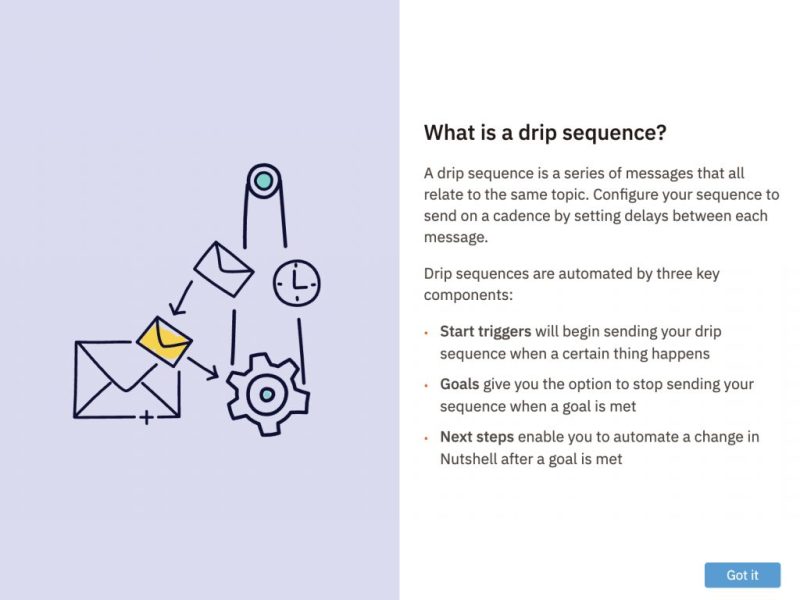
In summary, integrating AI into your drip email sequences offers a powerful approach to delivering personalized, timely, and engaging messages. By following the Artikeld strategies and best practices, you can significantly improve your campaign performance and build stronger relationships with your audience.