Understanding how to analyze social media engagement with AI is essential for leveraging the full potential of digital interactions. In today’s dynamic landscape, social media platforms generate vast amounts of data that can provide valuable insights into audience behavior, content performance, and campaign effectiveness. By harnessing AI technologies, businesses and content creators can automate data collection, classify engagement types, visualize key metrics, and refine their strategies for better engagement outcomes.
This comprehensive approach combines the fundamentals of engagement metrics with advanced AI tools and algorithms, enabling users to monitor real-time activity, interpret visual insights, and make data-driven decisions. As ethical considerations and data privacy remain vital, employing responsible practices ensures trustworthy and sustainable engagement analysis.
Overview of Social Media Engagement Metrics
Understanding social media engagement metrics is essential for evaluating how audiences interact with content across different platforms. These metrics offer vital insights into content performance, audience preferences, and overall brand health. By analyzing these indicators, organizations can tailor their strategies to increase visibility, foster community, and achieve specific marketing objectives.
Engagement metrics typically measure various forms of user interactions, providing a quantitative and qualitative gauge of content effectiveness. They help identify which posts resonate most with audiences and guide future content creation, advertising efforts, and community management. Recognizing the nuances of each metric and how they translate into audience behavior enables social media managers to optimize their campaigns for better results.
Fundamental Types of Engagement Metrics
Social media platforms utilize a range of metrics to quantify audience interactions. The most common include likes, shares, comments, and follower counts. Each metric captures different dimensions of engagement and offers unique insights into how audiences respond to content.
- Likes: Represent the number of users who have expressed approval or appreciation for a post. Likes often serve as a quick indicator of content popularity and initial audience interest. They are simple to track and widely used across platforms like Facebook, Instagram, and Twitter.
- Shares: Indicate the extent to which users find content valuable enough to distribute it within their network. Shares enhance content visibility and can lead to organic growth by reaching new audiences.
- Comments: Reflect deeper engagement, allowing users to voice opinions, ask questions, or provide feedback. Comments foster community interactions and provide qualitative insights into audience perceptions.
- Followers: The total number of users who subscribe to a profile or page. This metric signifies the potential reach and long-term interest in a brand or individual account.
Comparative Engagement Metrics Across Social Media Channels
Different social media platforms emphasize various engagement metrics based on their unique features and audience behavior. The importance and typical values of these metrics can vary significantly from one channel to another. The following table offers a comparative overview of key engagement metrics across popular platforms:
| Metric | ||||
|---|---|---|---|---|
| Likes | Primary for post popularity; also called reactions | Most common form of engagement; visually impactful | Known as favorites; less prominent compared to retweets or replies | Indicates appreciation; used alongside other reactions |
| Shares/Retweets | Shares significantly amplify content reach | Shares increase visibility within followers’ networks | Retweets facilitate rapid content dissemination | Shares are less common; focus on sharing articles or posts |
| Comments | Encourage community discussion; indicator of engagement depth | Active comment sections foster community building | Used for real-time feedback and conversation | Comments tend to be more professional and discussion-oriented |
| Followers | Measure audience size; indicates potential reach | Reflects audience growth and content interest | Signifies user interest; often used for trend analysis | Professional network size; vital for B2B engagement |
These metrics collectively reflect how audiences interact with content, showcasing preferences, content resonance, and community engagement levels. While likes and followers provide quantitative measures of popularity, comments and shares reveal deeper engagement and content virality. Analyzing these metrics in concert allows for a comprehensive understanding of social media performance and guides strategic decision-making.
Utilizing Artificial Intelligence for Data Collection
Effective social media engagement analysis hinges on the ability to gather comprehensive and real-time data. Artificial Intelligence (AI) has revolutionized this process by providing advanced tools and methodologies to automate data collection, ensuring marketers and analysts can monitor vast online activities efficiently. Leveraging AI-powered tools not only accelerates data retrieval but also enhances accuracy and depth of insights, paving the way for more informed decision-making in social media strategies.
Implementing AI for social media data collection involves choosing suitable tools, setting up appropriate APIs, and establishing monitoring systems that operate continuously. These systems can sift through enormous volumes of data, capture relevant metrics, and even analyze sentiment or detect emerging trends. The integration of AI in this domain empowers users to stay ahead of social conversations and respond proactively, ultimately optimizing engagement outcomes.
Methods for Gathering Social Media Data Using AI-powered Tools and APIs
Collecting social media data with AI involves employing specialized tools and Application Programming Interfaces (APIs) that automate the process of data extraction from various platforms. These methods ensure a scalable, accurate, and real-time collection of engagement metrics and content that can be further analyzed to gauge social media performance.
- Utilizing Social Media Platform APIs: Most major social media platforms such as Twitter, Facebook, Instagram, and LinkedIn offer APIs that facilitate access to public data. Developers can use these APIs to retrieve posts, comments, likes, shares, and other engagement metrics programmatically. For example, Twitter’s API provides endpoints to fetch tweets, user activity, and trending topics, enabling continuous monitoring.
- Employing AI Data Scraping Tools: AI-based web scraping tools automate data extraction from social media pages where APIs may have limitations or restrictions. These tools use machine learning algorithms to navigate, identify relevant content, and capture data without manual intervention, especially when dealing with unstructured data or platforms lacking open APIs.
- Sentiment Analysis and Content Classification: AI models can analyze textual data during collection to classify sentiment, detect spam, or categorize content types. This enhances the quality of collected data by filtering noise and focusing on meaningful engagement signals.
Step-by-Step Guide for Setting Up AI Systems to Monitor Social Media Activity in Real-Time
Establishing a real-time social media monitoring system powered by AI requires methodical setup and integration. The following steps Artikel an effective process for deploying such systems:
- Identify Objectives and Data Requirements: Define the key metrics, platforms, and types of data needed for your analysis, such as mentions, hashtags, engagement rates, or sentiment.
- Select Appropriate AI Tools and APIs: Based on your objectives, choose tools that support your target platforms, offer real-time data access, and include necessary features like sentiment analysis or trend detection.
- Register for API Access and Obtain Credentials: Sign up as a developer on social media platforms to acquire API keys or access tokens. Ensure compliance with platform policies and rate limits.
- Configure Data Collection Parameters: Set parameters such as s, hashtags, geographical locations, or user segments to filter the data collected, aligning with your strategic goals.
- Develop or Integrate Data Collection Scripts: Use programming languages like Python or JavaScript to create scripts that call APIs regularly, retrieve data, and store it securely in databases or cloud storage solutions.
- Implement Data Processing and Analysis Modules: Incorporate AI models for sentiment analysis, engagement scoring, or trend detection to interpret raw data in real-time.
- Test and Optimize the System: Run initial tests to verify data accuracy, system stability, and performance. Adjust parameters and algorithms based on results.
- Set Up Alerts and Dashboards: Design real-time dashboards and alerts for significant changes or insights, enabling prompt responses to social media dynamics.
Popular AI Tools for Social Media Data Collection
Below is a comprehensive table summarizing some of the most widely used AI tools for social media data collection, including features, supported platforms, and pricing models.
| Tool Name | Features | Supported Platforms | Pricing |
|---|---|---|---|
| Brandwatch | Advanced sentiment analysis, trend detection, customizable dashboards, historical data access | Twitter, Facebook, Instagram, YouTube, Reddit | Custom enterprise pricing; starts at approximately $1,000/month |
| Hootsuite Insights | Real-time monitoring, sentiment analysis, influencer identification, engagement metrics | Twitter, Facebook, Instagram, LinkedIn | Subscription-based; plans start at $129/month |
| Sprout Social | Engagement tracking, hashtag performance, audience demographics, automated reporting | Twitter, Facebook, Instagram, LinkedIn | Plans begin at $249/month |
| Crimson Hexagon (now part of Brandwatch) | Deep audience insights, trend analysis, AI-driven content recommendations | Multiple social platforms including emerging ones | Enterprise pricing; customized based on needs |
| Talkwalker | Image recognition, sentiment analysis, influencer tracking, crisis alerts | Twitter, Facebook, Instagram, YouTube, LinkedIn, TikTok | Pricing available upon request; generally tailored for enterprise clients |
Automating Engagement Analysis with AI Algorithms
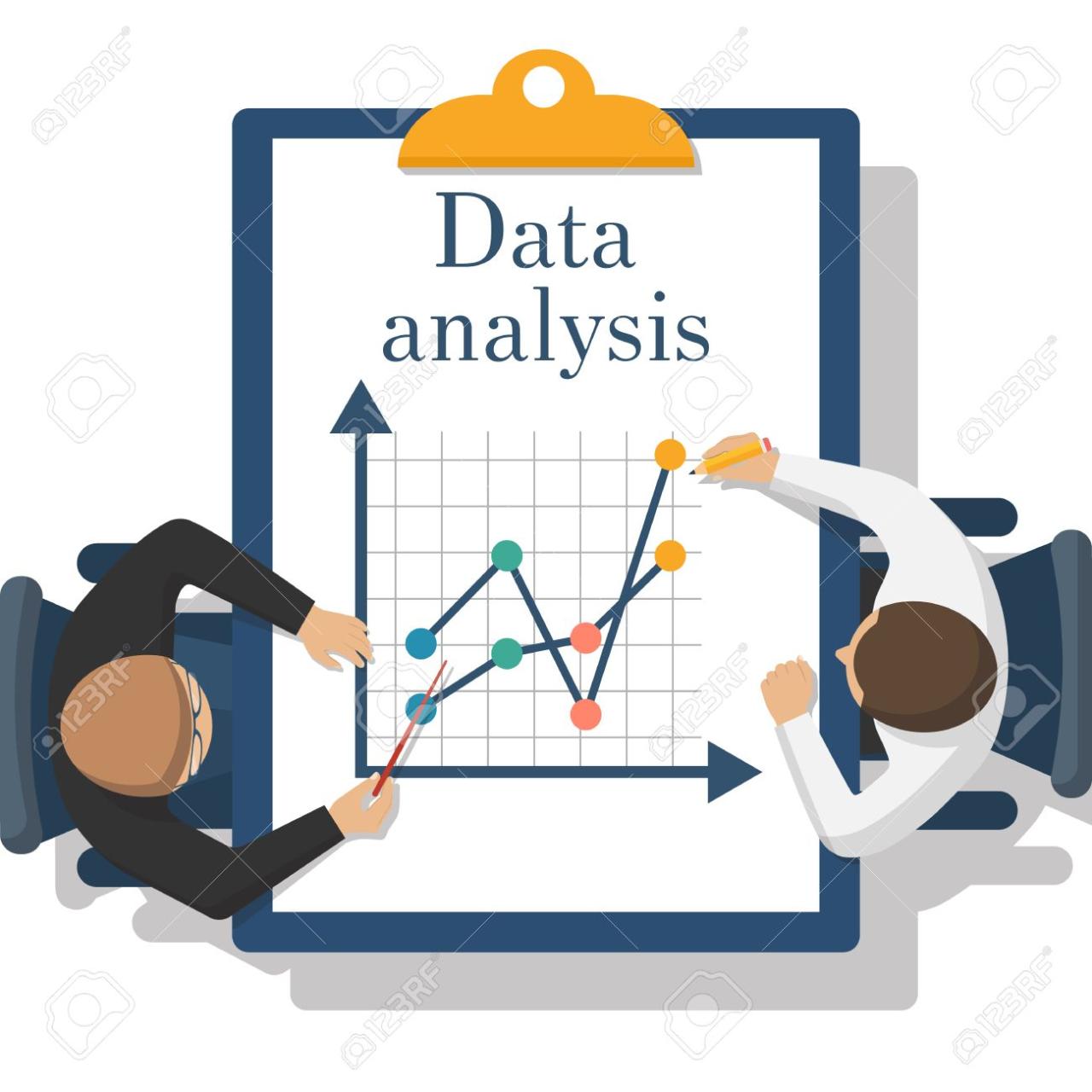
Leveraging artificial intelligence to automate engagement analysis enables social media professionals to process vast amounts of interaction data efficiently and accurately. By implementing sophisticated machine learning models, organizations can classify engagement types, gauge sentiment, and identify key patterns over time. This automation not only accelerates data processing but also enhances the precision of insights, facilitating more informed decision-making and targeted content strategies.
Applying AI algorithms to engagement data transforms raw user interactions into actionable intelligence. Customizable models can adapt to specific platform nuances or content formats, providing deeper insights into audience behavior. This approach empowers social media analysts to proactively respond to audience preferences, optimize content performance, and ultimately amplify digital outreach efforts.
Implementing Machine Learning Models to Classify Engagement Types and Sentiment
Effective engagement analysis begins with selecting suitable machine learning algorithms capable of categorizing various interaction types—such as likes, comments, shares, and reactions—and interpreting the sentiment behind user comments. Supervised learning models, including Support Vector Machines (SVM) and Random Forest classifiers, are often employed for these tasks, trained on annotated datasets to recognize patterns corresponding to positive, negative, or neutral sentiments.
Data collection is critical; large volumes of labeled interaction data are necessary to train robust models. Natural Language Processing (NLP) techniques, such as tokenization, stemming, and sentiment lexicons, are integrated to improve the accuracy of text-based sentiment analysis. Once trained, these models can automatically classify incoming engagement data in real time, providing a continuous stream of insights into audience reactions and mood shifts.
Analyzing Engagement Patterns Over Time Using AI-Driven Analytics
The temporal dimension of social media engagement offers valuable insights into audience behavior and content performance trends. AI-driven analytics tools can process longitudinal data, spotting peaks, troughs, and cyclical patterns in engagement metrics. Techniques such as time-series analysis, clustering, and anomaly detection are employed to understand how engagement fluctuates over days, weeks, or months.
For instance, AI algorithms can identify recurring spikes coinciding with specific events or campaigns, helping marketers optimize content timing. They can also detect anomalies—sudden drops or surges—that signal issues like content fatigue or viral moments. Visualizations generated through AI analytics dashboards enable analysts to interpret complex engagement patterns easily and adjust strategies accordingly, fostering a more responsive social media presence.
Customizing AI Algorithms for Different Platforms and Content Types
Recognizing that each social media platform and content format has unique engagement characteristics, customization of AI algorithms is essential for maximizing analytical accuracy. Tailoring models involves adjusting parameters, training datasets, and feature extraction techniques to reflect the specific nuances of platforms like Instagram, Twitter, LinkedIn, or TikTok, as well as different content types such as videos, images, or text posts.
For example, visual content analysis may employ convolutional neural networks (CNNs) to interpret images and videos, while textual engagement analysis relies on NLP models. Platform-specific adaptation includes considering factors like platform algorithms, user demographics, and interaction modalities. Continuous retraining and validation of these models ensure they stay relevant with evolving social media trends, thereby delivering precise and meaningful insights tailored to each context.
Visualizing Engagement Data with AI-Generated Insights

Effective visualization of social media engagement data transforms raw metrics into actionable insights. Leveraging AI-driven tools to create comprehensive dashboards allows marketers and analysts to monitor performance, identify trends, and uncover engagement hotspots with precision. Visual representations serve as a bridge between complex data sets and strategic decision-making, enabling stakeholders to respond swiftly to emerging patterns and optimize content strategies.
By integrating AI-generated visualizations, organizations can streamline their analysis process, facilitate clearer communication of data insights, and make informed choices that enhance audience engagement. The following sections delve into the methods of designing impactful dashboards, creating insightful visual content, and interpreting these visuals to inform strategic initiatives effectively.
Creating Dashboards with AI-Driven Engagement Metrics
Constructing dashboards that display key engagement metrics involves selecting the most relevant data points and leveraging AI tools to automate data aggregation and visualization. Modern AI platforms allow for the integration of real-time data streams from various social media channels, providing a unified view of performance indicators such as likes, shares, comments, reach, and sentiment analysis.
Designing these dashboards requires a focus on clarity and usability. AI tools often come with customizable templates, enabling users to choose visualizations that best represent their goals. Incorporating interactive elements, such as filters and drill-down features, empowers stakeholders to explore data at different levels of granularity, uncovering deeper insights into audience behavior and content performance.
Designing Visual Content: Heatmaps and Trend Graphs
Visual content like heatmaps and trend graphs play a crucial role in highlighting engagement hotspots and temporal patterns. Heatmaps can illustrate areas within a social media post or webpage that attract the most interaction, revealing which sections or features drive user activity. Trend graphs depict the evolution of engagement metrics over time, helping identify peak periods or declining interest points.
When designing these visuals, it’s vital to ensure they are both intuitive and informative. For heatmaps, using a gradient color scale—from cool blues indicating low activity to warm reds denoting high engagement—facilitates quick interpretation. Trend graphs should display data points with clear labels, axes, and annotations for significant events or campaigns. Incorporating AI algorithms that automatically detect and highlight anomalies or significant shifts enhances the usability of these visualizations.
Interpreting AI-Generated Visual Reports for Strategic Decisions
Accurate interpretation of visual reports generated by AI is essential for translating insights into strategic actions. Familiarity with common visual patterns, such as sudden spikes or dips, enables analysts to quickly identify causes—be it a viral post, campaign launch, or external event. AI tools often include interpretive features, such as highlighting statistically significant trends or offering predictive insights based on historical data.
Best practices involve cross-referencing visual insights with contextual factors, such as content type, posting times, and audience segments. For instance, a heatmap indicating high engagement on a particular image or topic can inform future content creation. Trend graphs showing seasonal variations can guide scheduling decisions. Ultimately, AI-generated visual reports should be integrated into broader strategic frameworks, allowing for data-driven refinements that enhance overall engagement performance.
Enhancing Engagement Strategies Using AI Insights
Leveraging artificial intelligence to refine social media engagement strategies has become essential for creating impactful and targeted content. AI insights enable brands and content creators to make data-driven decisions that optimize reach, foster deeper connections with audiences, and improve overall campaign effectiveness. By systematically analyzing engagement data, AI tools facilitate a strategic approach to content planning and audience interaction, ensuring resources are allocated efficiently and results are maximized.AI-driven insights provide granular understanding of audience behavior, preferences, and content performance.
These insights help identify optimal timing for posting, preferred content formats, and specific audience segments that respond most favorably to different types of content. Consequently, marketers can tailor their strategies to meet audience expectations more precisely, fostering higher engagement rates and stronger brand loyalty.
Optimizing Content Timing and Format
Artificial intelligence techniques enable the precise scheduling and formatting of social media posts to align with audience activity patterns. By analyzing historical engagement data, AI algorithms can predict the times when specific segments are most active online, allowing for optimal post timing that increases visibility and interaction.AI also assesses which content formats—such as videos, images, or text-based posts—resonate best with different segments.
For instance, AI may reveal that younger audiences engage more with short-form videos during late evenings, while professional audiences prefer in-depth articles during weekday mornings. Utilizing these insights, content creators can adapt their format and timing to maximize engagement.
Targeting Audience Segments Effectively
Understanding the specific characteristics and behaviors of various audience segments is crucial for personalized marketing. AI-driven engagement analysis helps identify distinct groups based on demographics, interests, and interaction history. These segments can then be targeted with tailored content that aligns with their preferences and behaviors.For example, an AI system might segment users into groups such as “tech enthusiasts” and “health-conscious consumers,” each exhibiting different engagement patterns.
Marketers can then develop specialized campaigns—like tech product launches for the former and wellness tips for the latter—resulting in higher relevance and increased engagement within each segment.
Implementing AI-Driven A/B Testing Procedures
A/B testing remains a fundamental method for optimizing social media campaigns, and AI enhances this process by automating and refining testing procedures. AI algorithms can generate multiple variants of content, such as different headlines, images, or call-to-action buttons, and then automatically test these variations against real audience segments.Through continuous learning and real-time data collection, AI evaluates which variations deliver the highest engagement metrics, such as click-through rates or shares.
For instance, an AI system might test two versions of an Instagram ad—one with a bright, energetic image and another with a more subdued tone—and determine that the energetic version yields 25% higher engagement over a week. This data-driven approach allows marketers to iteratively optimize their content for maximum impact, reducing guesswork and accelerating campaign success.
Ethical Considerations and Data Privacy in AI-Driven Engagement Analysis

Engaging with social media data through artificial intelligence offers immense opportunities for insights and strategic decision-making. However, the utilization of such data must be balanced with a strong commitment to ethical standards and data privacy protections. Ensuring responsible AI deployment not only preserves user trust but also aligns with legal obligations and societal expectations. This section underscores the importance of adhering to data privacy regulations, adopting ethical best practices, and maintaining transparency when leveraging AI for social media engagement analysis.Effective AI-driven engagement analysis hinges on respecting user privacy and complying with relevant data protection laws.
As organizations collect, process, and analyze vast quantities of social media data, they must be vigilant to avoid infringing on individual rights. Privacy regulations such as the General Data Protection Regulation (GDPR) in the European Union, the California Consumer Privacy Act (CCPA), and other regional laws establish clear guidelines on data collection, processing, and user rights. Non-compliance can result in hefty fines, reputational damage, and loss of user trust.
Therefore, organizations must ensure that data collection methods are lawful, transparent, and purpose-specific, with explicit user consent where required.
Data Privacy and Regulatory Compliance
Data privacy involves implementing robust measures to safeguard personal information from unauthorized access, misuse, or accidental disclosure. Organizations should:
- Gather only data necessary for the intended analysis, avoiding excessive or intrusive collection.
- Inform users about data collection practices through clear privacy notices that specify the purpose, duration, and scope.
- Secure data storage with encryption and access controls to prevent breaches.
- Allow users to access, rectify, or delete their data in accordance with applicable laws.
- Regularly audit data handling processes to ensure ongoing compliance with evolving regulations.
By embedding these practices into their AI workflows, organizations foster a culture of privacy consciousness and legal adherence.
Ethical Best Practices in Engagement Data Utilization
Responsible analysis of engagement data involves more than regulatory compliance; it requires ethical considerations that prioritize user welfare and societal impact. Organizations should:
- Respect user autonomy by avoiding manipulative or deceptive tactics based on engagement insights.
- Limit the scope of data analysis to avoid profiling or targeting individuals in ways that could be discriminatory or invasive.
- Implement fairness checks within AI algorithms to prevent biases that could marginalize specific user groups.
- Ensure data anonymization wherever possible to protect user identities during analysis and reporting.
- Obtain explicit consent for collecting sensitive data, such as demographic details or personal preferences.
Adhering to these ethical principles promotes responsible AI use, fostering trust and integrity in social media analytics.
Checklist for Transparency and User Trust
Maintaining transparency and trust is fundamental when deploying AI tools for engagement analysis. The following checklist provides a structured approach:
- Clearly disclose data collection methods and purposes to users and stakeholders.
- Provide accessible privacy policies that explain how engagement data is processed and protected.
- Offer straightforward options for users to opt-out or control their data sharing preferences.
- Regularly communicate updates on data handling practices and AI model improvements.
- Demonstrate accountability through third-party audits, certifications, or compliance reports.
- Establish feedback mechanisms for users to raise concerns or report misuse of their data.
- Use AI explanations or interpretability tools to make insights understandable and transparent to non-technical audiences.
Implementing this checklist helps organizations build and maintain user trust, mitigate risks, and uphold ethical standards in AI-driven social media engagement analysis.
Final Wrap-Up
In conclusion, mastering how to analyze social media engagement with AI empowers organizations to optimize their content, target audiences more effectively, and adapt strategies based on insightful data. Embracing these technological advances not only enhances engagement but also fosters a more transparent and ethical digital environment. Staying ahead in the competitive social media space requires leveraging AI-driven insights to build stronger, more meaningful connections with audiences.