Understanding how to analyze marketing data with ai is essential for businesses seeking to optimize their strategies and make data-driven decisions. Artificial intelligence transforms vast amounts of raw data into meaningful insights, enabling marketers to identify trends, predict customer behaviors, and refine campaign effectiveness with unprecedented precision.
This comprehensive overview explores the tools, techniques, and best practices involved in leveraging AI for marketing data analysis, from data collection and preprocessing to interpreting insights ethically and effectively.
Overview of AI tools in marketing data evaluation
Artificial intelligence (AI) has become a cornerstone in the analysis and interpretation of marketing data, enabling businesses to derive actionable insights efficiently and accurately. The integration of AI technologies into marketing workflows transforms vast and complex datasets into strategic intelligence, empowering organizations to tailor campaigns, optimize customer engagement, and improve overall return on investment.
Various AI technologies are employed in analyzing marketing activities, each offering unique capabilities that address different facets of data evaluation. From machine learning algorithms that predict consumer behavior to natural language processing tools that analyze customer feedback, these innovations facilitate deeper understanding and more precise decision-making. The proliferation of AI-driven platforms means organizations can now leverage sophisticated tools without extensive technical expertise, democratizing advanced data analysis across marketing teams.
Comparison of AI tools for marketing data analysis
Below is a comprehensive comparison table highlighting prominent AI tools used in marketing analytics. The table examines their core features, benefits, limitations, and typical use cases, providing a clear overview to aid in selecting the most suitable platform for specific needs.
| AI Tool | Features | Benefits | Limitations | Typical Use Cases |
|---|---|---|---|---|
| Google Cloud AI Platform | Machine learning models, data ingestion, real-time analytics | Scalable, integrates seamlessly with Google ecosystem, robust data processing | Requires technical expertise for setup, cost can escalate with scale | Customer segmentation, predictive analytics, ad performance optimization |
| IBM Watson Analytics | Automated data discovery, natural language processing, predictive modeling | User-friendly interface, automated insights, strong data visualization tools | Less customizable for advanced users, higher cost for enterprise features | Market segmentation, sentiment analysis, campaign performance analysis |
| Tableau with Einstein AI | Advanced visualization combined with AI-powered insights | Interactive dashboards, easy to interpret data, real-time updates | Limited predictive capabilities compared to dedicated ML platforms, licensing costs | Performance tracking, customer journey analysis, data storytelling |
| HubSpot Analytics with AI Enhancements | Automated lead scoring, predictive analytics, customer behavior insights | Integrated with CRM, user-friendly, suitable for small to medium businesses | Limited customization, less suitable for complex data environments | Lead prioritization, email marketing optimization, customer retention strategies |
| Adobe Analytics with Sensei AI | Real-time data analysis, anomaly detection, automated insights | Deep integration with Adobe Marketing Cloud, powerful for enterprise-scale analysis | High cost, steep learning curve for advanced features | Customer journey analysis, cross-channel attribution, personalization efforts |
Examples of AI-driven platforms in marketing analytics include Salesforce Einstein, which offers predictive lead scoring and personalized recommendations, and SAS Customer Intelligence, known for its advanced customer segmentation capabilities. These platforms leverage AI to automate data processing, identify patterns, and generate insights that inform strategic marketing decisions, making them invaluable tools in modern marketing ecosystems.
Data Collection and Preparation Using AI
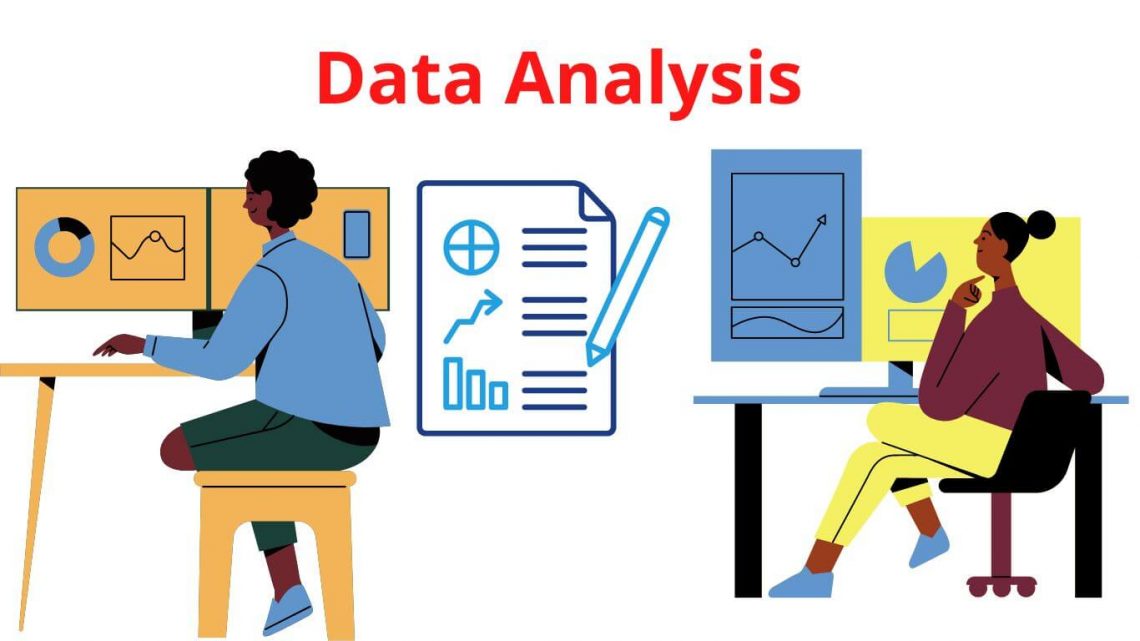
Effective marketing analysis begins with the meticulous collection and preparation of data. Leveraging AI tools in this phase enhances accuracy, efficiency, and scalability, enabling marketers to handle vast and diverse datasets seamlessly. Automating data gathering and preprocessing ensures that insights are based on high-quality information, ultimately supporting informed decision-making and strategic planning.
Incorporating AI into data collection and preparation involves deploying advanced automation techniques that minimize manual effort, reduce errors, and accelerate workflows. This process involves systematically gathering raw marketing data from various sources, cleaning and organizing it, and preparing it for meaningful analysis. Proper data preparation not only improves model performance but also guarantees the reliability of the insights derived from subsequent analytical processes.
Procedures for Gathering Marketing Data with AI Automation
AI-driven data collection encompasses a variety of automated techniques designed to efficiently compile relevant marketing information from multiple sources. These methods are essential for capturing real-time data, expanding datasets, and ensuring comprehensive coverage across different channels.
- Web Scraping and APIs: AI-powered web scraping tools automatically extract data from websites, social media platforms, and online forums. Application Programming Interfaces (APIs) enable direct, structured access to data repositories from advertising platforms, CRM systems, and analytics services, ensuring timely and accurate data retrieval.
- Sensor and IoT Data Collection: For location-based or real-time marketing initiatives, AI can process data from IoT devices and sensors, providing valuable insights into customer behaviors and environment interactions.
- Automated Data Entry and Integration: Robotic Process Automation (RPA) facilitates the seamless integration of data from disparate sources, reducing manual entry errors and enabling continuous data updates.
Methods for Cleaning, Categorizing, and Organizing Raw Marketing Data
Once data is collected, transforming raw information into a structured and usable format is crucial. AI techniques streamline this process by automating cleaning, categorization, and organization tasks, ensuring high data quality for analysis.
- Data Cleaning: AI algorithms identify and rectify inconsistencies, duplicates, and errors within datasets. For example, natural language processing (NLP) can detect and correct misspellings in customer feedback, while anomaly detection models flag outliers such as unusually high purchase amounts that may indicate fraudulent activity.
- Data Categorization: Machine learning models classify data into relevant segments, such as categorizing customer reviews by sentiment or segmenting website visitors based on behavior patterns. This facilitates targeted analysis and personalized marketing strategies.
- Data Organization: AI systems organize data hierarchically or into structured formats like relational databases or data lakes. Tagging, indexing, and metadata generation enable swift retrieval and efficient management of vast datasets.
Step-by-Step Guide for Data Preprocessing in Marketing Analytics
Preprocessing is a critical phase that prepares raw data for effective analysis. AI-powered preprocessing ensures consistency, completeness, and accuracy, which are essential for generating reliable insights. Below is a workflow Artikel that illustrates typical steps involved:
| Step | Description | Tools Used | Expected Outcome |
|---|---|---|---|
| Data Collection | Gather raw marketing data from various sources using automated scripts, APIs, and scraping tools. | BeautifulSoup, Scrapy, API clients, RPA tools | Comprehensive raw dataset ready for cleaning |
| Data Cleaning | Identify and correct errors, handle duplicates, and remove irrelevant or corrupted data entries. | Python pandas, OpenRefine, Talend Data Preparation | Consistent and accurate data set free of errors |
| Handling Missing Values | Detect missing data points and apply imputation or removal strategies as appropriate. | scikit-learn Imputer, R, Python pandas | Complete data with minimal bias introduced by imputation |
| Outlier Detection | Identify data points that significantly deviate from the norm using statistical or machine learning techniques. | Isolation Forest, Z-score analysis, LOF (Local Outlier Factor) | Refined dataset with outliers appropriately handled or removed |
| Data Transformation | Normalize, scale, or encode data to prepare for analysis, such as transforming categorical data into numerical formats. | scikit-learn StandardScaler, OneHotEncoder | Data in suitable format for analytical models |
| Data Integration | Combine data from various sources into a unified dataset, ensuring consistent formatting and structure. | ETL tools, SQL, Python scripts | Consolidated, structured dataset ready for analysis |
Applying machine learning algorithms to marketing data

Leveraging machine learning (ML) algorithms enables marketers to uncover actionable insights, automate decision-making, and optimize campaigns with increased precision. Selecting appropriate models tailored to specific marketing objectives is crucial for maximizing effectiveness. Proper training, validation, and testing of these models ensure their reliability, while feature selection and engineering enhance their predictive capabilities. Understanding the strengths and limitations of various ML algorithms facilitates informed choices that align with organizational goals and data characteristics.
Applying machine learning to marketing data involves a systematic approach that balances technical accuracy with strategic relevance. This process encompasses choosing suitable algorithms, preparing datasets meticulously, and continuously refining models to adapt to dynamic market conditions. The following sections delve into the key aspects of this application, providing practical guidance to harness the full potential of ML in marketing analytics.
Selecting Suitable Machine Learning Models for Marketing Objectives
Choosing the right ML model depends on the specific marketing goal—whether it is customer segmentation, churn prediction, personalization, or sales forecasting. Different models excel in different contexts, and understanding their inherent properties helps in aligning them with business needs.
- Supervised learning models are ideal for predictive tasks where labeled data is available, such as sales forecasting or lead scoring.
- Unsupervised learning models are suitable for discovering hidden patterns, such as customer segmentation or anomaly detection in transactions.
- Semi-supervised and reinforcement learning can address complex scenarios with limited labeled data or require adaptive decision-making, respectively.
Factors influencing model selection include the nature of the data, the complexity of the task, interpretability requirements, and computational resources. For instance, decision trees are favored for their transparency, while neural networks excel in capturing complex patterns but are less interpretable.
Training, Validating, and Testing ML Models on Marketing Datasets
Developing robust ML models necessitates a disciplined process of training, validating, and testing using appropriate datasets. Proper data partitioning ensures that the model generalizes well to unseen data, minimizing overfitting and underfitting risks.
- Training phase: The model learns patterns from the training dataset, adjusting internal parameters to minimize prediction errors.
- Validation phase: Hyperparameters are tuned, and model performance is evaluated on a validation set to prevent overfitting.
- Testing phase: The final assessment occurs on a separate test dataset, confirming the model’s predictive accuracy in real-world scenarios.
Cross-validation techniques, like k-fold validation, provide additional robustness by averaging results across multiple data splits. Continuous monitoring of performance metrics such as accuracy, precision, recall, and F1-score guides iterative improvements.
Procedures for Feature Selection and Engineering to Improve Model Accuracy
Effective feature selection and engineering are pivotal for enhancing model performance and interpretability. They involve identifying the most relevant variables and transforming raw data into meaningful inputs.
- Feature selection methods include filter techniques (e.g., correlation coefficients), wrapper methods (e.g., recursive feature elimination), and embedded approaches (e.g., LASSO regularization) that evaluate feature importance.
- Feature engineering encompasses creating new variables through transformations, aggregations, or encoding categorical data into numerical formats. For example, deriving customer lifetime value from transaction histories or encoding geographic location data using one-hot encoding.
- Dimensionality reduction techniques such as Principal Component Analysis (PCA) help simplify datasets while retaining essential information, improving computational efficiency and reducing noise.
Effective feature engineering not only boosts model accuracy but also enhances interpretability, allowing marketers to better understand the drivers behind model predictions and make data-driven decisions.
Comparison of Machine Learning Algorithms for Marketing Applications
Understanding the typical applications, advantages, and constraints of various ML algorithms assists in making informed choices tailored to marketing needs. The table below summarizes common algorithms used in marketing analytics:
| Algorithm | Typical Marketing Application | Advantages | Constraints |
|---|---|---|---|
| Decision Trees | Customer segmentation, churn prediction, credit scoring | Highly interpretable, handles categorical variables well, requires minimal data preprocessing | Prone to overfitting, can be unstable with small data variations |
| Random Forests | Predictive modeling, customer lifetime value estimation | High accuracy, reduces overfitting, handles large feature sets | Less interpretable than single trees, computationally intensive |
| Gradient Boosting Machines (GBM) | Sales forecast, response modeling | Excellent predictive performance, handles missing data | Complex tuning, longer training time, risk of overfitting without proper regularization |
| Neural Networks | Personalization, image and text analysis for marketing | Capable of modeling complex, non-linear relationships, adaptable to various data types | Requires large datasets, less interpretable, computationally demanding |
| Support Vector Machines (SVM) | Customer classification, segmentation | Effective in high-dimensional spaces, robust to overfitting with appropriate kernels | Less scalable with very large datasets, parameter tuning can be complex |
Interpreting AI-driven insights for marketing strategies
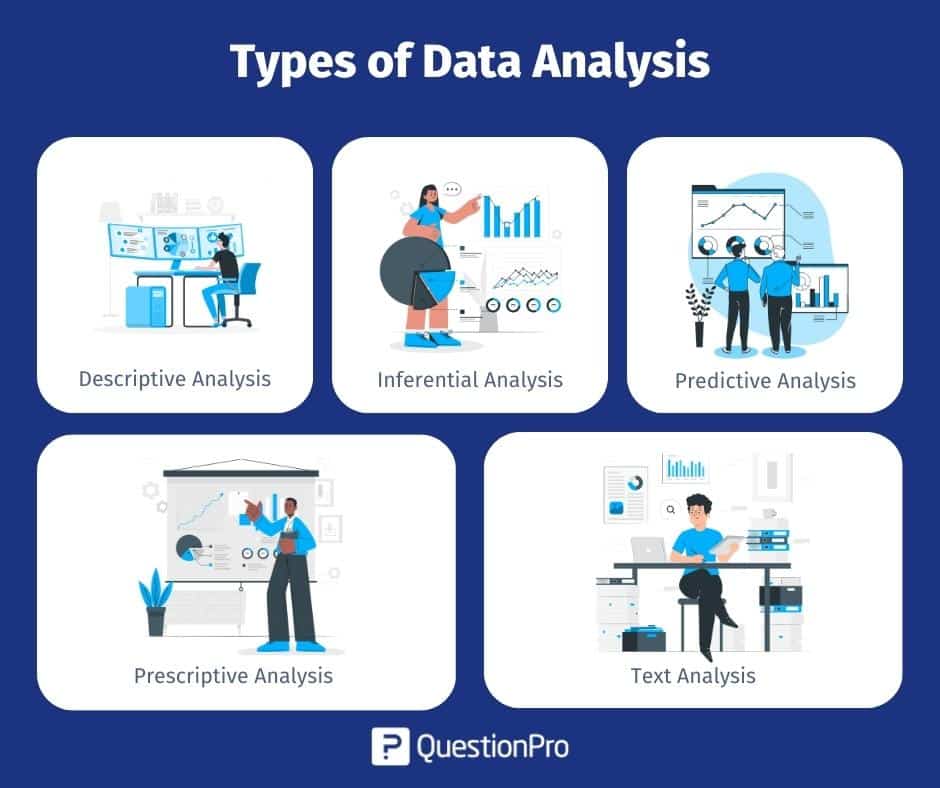
Effectively translating AI-generated insights into actionable marketing strategies is essential for maximizing the value of data analysis. This process involves understanding model outputs, visualizing complex data, and identifying meaningful patterns that inform campaign adjustments. By doing so, marketers can make informed decisions that drive engagement, improve ROI, and foster long-term customer relationships.
Interpreting AI insights requires a combination of analytical thinking and strategic foresight. It involves converting raw data outputs into comprehensible and practical recommendations. Additionally, visual tools like charts and dashboards facilitate a clearer understanding of trends and patterns, enabling marketers to respond swiftly to emerging opportunities or challenges. Proper interpretation and visualization support a data-driven approach that aligns marketing efforts with business objectives.
Translating Model Outputs into Actionable Marketing Decisions
To convert AI insights into effective strategies, marketers must focus on contextualizing the data within their specific campaign goals. This involves analyzing model predictions—such as customer segmentation, propensity scores, or churn likelihoods—and identifying key segments that warrant targeted actions. For instance, if an AI model highlights a segment with a high likelihood of repeat purchases, marketing efforts can prioritize personalized outreach to this group, boosting retention rates.
Another approach is setting clear thresholds for model outputs to trigger specific marketing actions. For example, customers with a predicted lifetime value exceeding a certain level could be enrolled in exclusive loyalty programs. Regularly validating model accuracy against real-world results ensures that decisions remain aligned with actual customer behaviors, minimizing risks associated with misinterpretation.
Visualizing Data Insights through Charts, Dashboards, and Heatmaps
Visual representations of AI insights are instrumental for simplifying complex data and enabling rapid decision-making. Dashboards provide real-time updates on key performance indicators (KPIs), allowing marketers to monitor campaign health and quickly identify areas needing attention. Charts such as bar graphs and line charts illustrate trends over time, revealing seasonal variations or the impact of specific interventions.
Heatmaps offer a granular view of customer behaviors or engagement levels across different segments or geographic regions. For example, a heatmap showing website click data can uncover high-interest zones, guiding content placement or targeted advertising. Interactive dashboards that combine multiple visualizations facilitate comprehensive analysis, empowering marketers to explore data dimensions and derive nuanced insights.
“Effective visualization turns complex AI outputs into clear, actionable narratives, enabling marketers to make informed decisions rapidly.”
Structuring Insights into Reports with HTML Elements
Presenting AI-driven insights in a structured report enhances clarity and facilitates stakeholder comprehension. Using HTML tables to organize data points, such as segment performance, predicted customer lifetime values, or conversion rates, offers a clear snapshot of key metrics. For example:
| Customer Segment | Predicted Lifetime Value | Recommended Action |
|---|---|---|
| High-Value Customers | $5,000+ | Exclusive offers and personalized communication |
| Potential Churners | $1,000–$3,000 | Retention campaigns and targeted incentives |
| New Customers | $500–$1,000 | Onboarding sequences and introductory offers |
Additionally, summarizing insights within blockquotes facilitates quick understanding of strategic implications:
Identifying patterns in customer engagement reveals that users engaging with mobile channels have a 20% higher conversion rate when targeted with personalized content, indicating a need to optimize mobile marketing strategies.
Detecting Patterns and Trends to Optimize Campaigns
AI analysis excels at uncovering hidden patterns and long-term trends within large datasets, which are often difficult to detect manually. By examining model outputs, marketers can identify recurring behaviors, such as seasonal surges in demand, shifts in customer preferences, or emerging market segments. Recognizing these patterns enables proactive adjustments to campaigns, such as timing promotions around peak periods or tailoring messages to evolving interests.
For example, an AI system analyzing social media engagement might reveal that certain s or hashtags consistently correlate with higher conversion rates. Marketers can leverage this insight by incorporating these elements into future content strategies. Furthermore, trend analysis can guide resource allocation, ensuring that marketing efforts align with predicted customer behaviors and market dynamics, ultimately leading to enhanced campaign effectiveness.
Ethical considerations and best practices
As organizations increasingly leverage AI for analyzing marketing data, maintaining ethical standards is paramount to ensure responsible and trustworthy use of technology. Ethical considerations encompass data privacy, transparency in AI applications, and proactive bias mitigation, all of which are essential to uphold consumer trust and comply with legal regulations. Implementing best practices helps navigate the complex landscape of AI ethics, fostering an environment where data-driven marketing enhances value without compromising ethical standards.
Addressing these considerations involves establishing clear guidelines that prioritize user privacy, ensure transparency in AI decision-making processes, and actively work to identify and mitigate biases. This not only protects consumers but also enhances the credibility of marketing strategies driven by AI insights. Organizations committed to ethical AI use can build stronger relationships with their audiences while avoiding legal repercussions and reputational damage.
Guidelines for maintaining data privacy and compliance during analysis
Maintaining data privacy and ensuring compliance with regulations such as GDPR, CCPA, and other regional laws are critical components of ethical data analysis. Organizations should implement robust data governance frameworks that specify how data is collected, stored, processed, and shared. Anonymizing personal data and obtaining explicit consent from users before data collection are fundamental practices to prevent misuse and protect individual rights.
Regular audits of data handling procedures and adherence to legal standards should be integral parts of the marketing analytics process. Employing privacy-preserving techniques, such as differential privacy or federated learning, can further enhance data security while enabling AI models to learn effectively without exposing sensitive information.
Transparency and bias mitigation in AI applications
Transparency in AI involves clearly communicating how data is used and how insights are derived, allowing stakeholders to understand and trust the AI-driven processes. This includes documenting the algorithms employed, data sources, and decision criteria, thereby fostering accountability and enabling scrutiny.
Bias mitigation is crucial to prevent unfair or discriminatory outcomes in marketing strategies. Techniques such as diverse data sampling, fairness-aware algorithms, and regular bias detection audits are essential to ensure AI models do not perpetuate existing prejudices. Incorporating diverse teams in model development and continuously monitoring outputs helps reduce bias and promote equitable outcomes.
Checklist for ethical standards in marketing data analysis with AI
- Obtain explicit, informed consent from data subjects prior to data collection and analysis.
- Ensure data anonymization and encryption to protect individual privacy.
- Maintain compliance with relevant data protection laws and regulations.
- Implement transparent processes for how AI models make decisions and derive insights.
- Regularly audit AI models for bias and discrimination, and apply corrective measures as needed.
- Document all data sources, algorithms, and decision-making processes for accountability.
- Foster a culture of ethical awareness among marketing and data teams.
- Limit access to sensitive data to authorized personnel only.
Best practices for integrating AI insights into marketing workflows
Successfully embedding AI-driven insights into marketing workflows requires a strategic approach that aligns technology with organizational goals and ethical standards. The following best practices facilitate seamless integration:
- Establish clear communication channels between data scientists, marketers, and compliance teams to ensure mutual understanding of AI capabilities and limitations.
- Prioritize transparency by sharing how AI insights are generated and their implications for marketing strategies.
- Incorporate human oversight in decision-making processes to review AI recommendations and validate their appropriateness.
- Develop standardized protocols for data handling, model deployment, and result interpretation to maintain consistency and ethical integrity.
- Continuously monitor AI performance and impact, adjusting models and processes to address biases or inaccuracies.
- Train marketing teams on AI tools and ethical considerations to foster informed and responsible use of insights.
- Maintain documentation of AI integrations and updates to facilitate transparency and regulatory compliance.
Conclusion
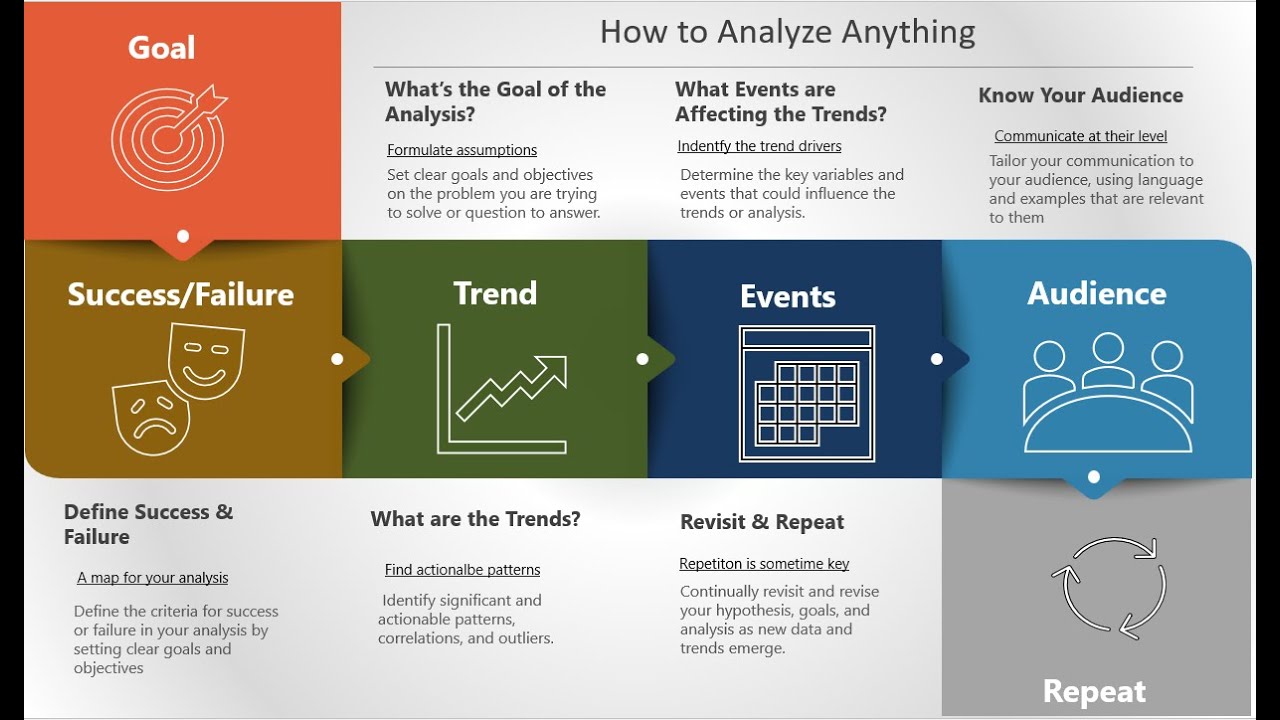
In conclusion, mastering how to analyze marketing data with ai empowers organizations to stay competitive and innovative in a rapidly evolving digital landscape. By carefully selecting tools, applying appropriate algorithms, and adhering to ethical standards, marketers can turn data into strategic assets that drive meaningful growth and success.