Understanding how to analyze email performance using AI opens new horizons for optimizing your email marketing strategies. Leveraging artificial intelligence enables marketers to gain deeper insights into campaign effectiveness, automate data analysis, and make informed decisions to enhance engagement. This innovative approach transforms traditional methods by introducing advanced, data-driven techniques that can significantly improve overall campaign outcomes.
By utilizing AI tools to collect, process, and visualize email engagement data, businesses can identify patterns and anomalies that might otherwise go unnoticed. From measuring open and click rates to interpreting complex engagement trends, AI-driven analysis provides a comprehensive view of campaign success. This guide explores the steps involved in implementing AI for email performance assessment, ensuring you stay ahead in the competitive digital landscape.
Overview of AI in Email Performance Assessment
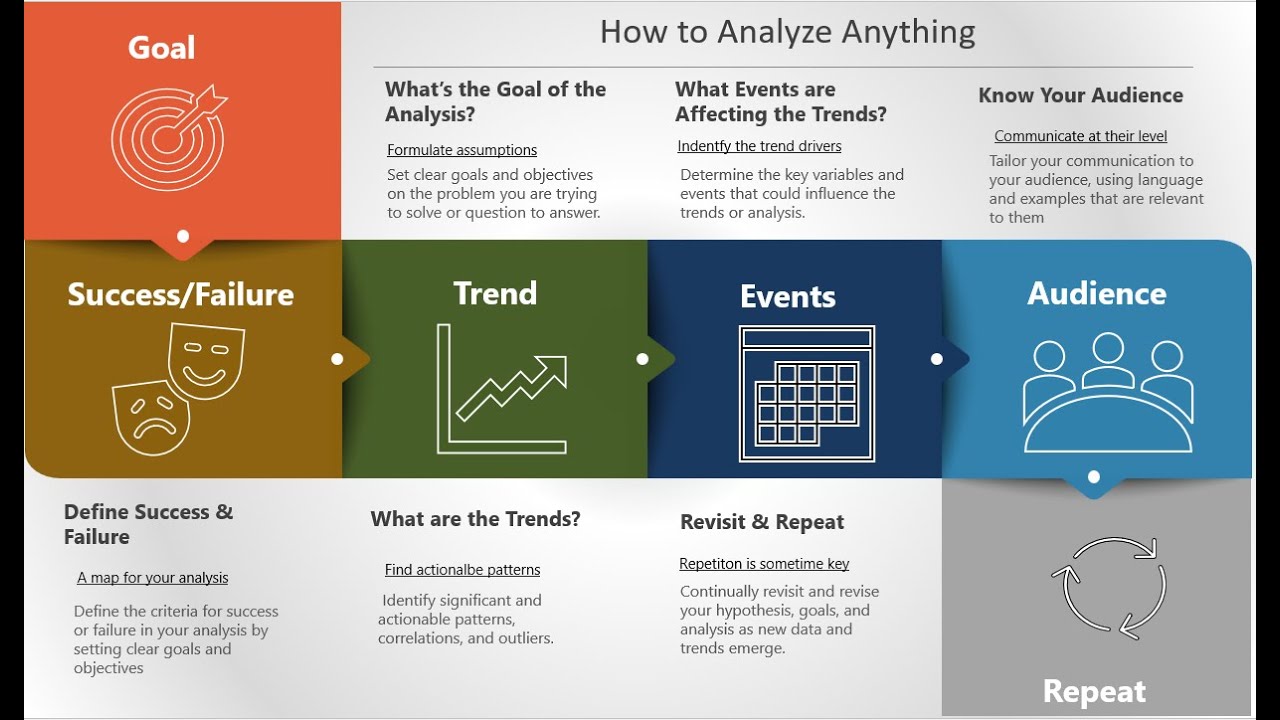
Artificial Intelligence (AI) has revolutionized the way organizations evaluate and enhance their email marketing strategies. By leveraging advanced algorithms and machine learning techniques, AI enables marketers to gain deeper insights into email effectiveness, moving beyond traditional metrics to uncover nuanced patterns and predictive indicators. This technological integration facilitates more precise, scalable, and actionable assessments of email campaigns, ensuring that marketing efforts are optimized for better engagement and conversion rates.
Automating email performance insights with AI tools offers numerous advantages, such as reducing manual analysis time, increasing accuracy, and providing real-time feedback. AI-powered platforms can analyze vast quantities of data across multiple campaigns rapidly, identify trends that may not be immediately apparent, and suggest targeted improvements. These capabilities empower marketers to make data-driven decisions swiftly, adapt strategies proactively, and ultimately improve return on investment (ROI) in email marketing efforts.
Comparison of Traditional Methods Versus AI-Powered Approaches
Understanding the differences between conventional email analysis techniques and AI-driven methods highlights the advantages of adopting AI technology in performance assessment. The following table provides a clear comparison:
| Aspect | Traditional Methods | AI-Powered Approaches |
|---|---|---|
| Data Processing | Manual collection and analysis of basic metrics like open rates and click-through rates. | Automated aggregation and analysis of large datasets, including behavioral and contextual data. |
| Insights Generation | Relies on predefined reports and simple trend observations, often requiring manual interpretation. | Uses machine learning to identify complex patterns, predict future behaviors, and generate actionable insights. |
| Speed and Scalability | Time-consuming for large datasets; limited ability to scale rapidly. | Real-time analysis capable of handling vast volumes of data efficiently, scalable to multiple campaigns. |
| Accuracy and Depth | Limited by human capacity and static reporting; may miss subtle correlations. | High accuracy with the ability to discover intricate relationships and predictive indicators, leading to more precise recommendations. |
| Proactive Optimization | Reactive adjustments based on periodic reviews. | Proactive improvements through ongoing learning and automated suggestions based on evolving data patterns. |
Data Collection and Preparation for AI Analysis
Effective AI-driven email performance analysis begins with comprehensive data collection and meticulous preparation. Gathering accurate engagement metrics such as open rates, click-through rates, bounce rates, and unsubscribe figures lays the foundation for meaningful insights. Proper data handling ensures that AI models can interpret the information correctly, leading to reliable predictions and actionable recommendations.
Data collection involves harnessing email marketing tools and platforms to extract detailed metrics for each campaign. Subsequently, preprocessing the data—cleaning, organizing, and structuring—enhances its quality and compatibility for AI analysis. This process minimizes errors, removes inconsistencies, and prepares datasets that are both comprehensive and analyzable.
Procedures to Gather Email Campaign Data
Accurate data collection requires systematic procedures to ensure all relevant engagement metrics are captured consistently across campaigns. This involves integrating email marketing software with analytics dashboards or exporting raw data reports periodically.
- Utilize email marketing platforms such as Mailchimp, HubSpot, or Sendinblue to export campaign reports that include open, click, bounce, and unsubscribe metrics.
- Automate data extraction through APIs or scheduled exports to maintain up-to-date datasets.
- Ensure data includes timestamps, recipient identifiers, and campaign identifiers for detailed analysis.
- Record bounce details, distinguishing between soft bounces (temporary issues) and hard bounces (permanent delivery failures).
- Track unsubscribe events separately to analyze recipient disengagement patterns.
Methods to Clean and Preprocess Email Engagement Data
Preprocessing ensures that the collected data is accurate, consistent, and ready for AI algorithms. Cleaning involves identifying and correcting anomalies, handling missing values, and standardizing formats to avoid skewed or erroneous analysis.
- Remove duplicate records that may have been generated during multiple exports or system errors.
- Correct or exclude entries with invalid email addresses or inconsistent formatting (e.g., differing date formats).
- Handle missing data by imputing values based on similar records or by removing incomplete entries if appropriate.
- Normalize engagement metrics to a common scale, especially when combining data from multiple sources or campaigns.
- Convert categorical data, such as email segment labels, into numerical formats through encoding techniques, facilitating AI model compatibility.
- Identify and filter out outliers that could distort analysis, such as unusually high click rates due to spam traps or bots.
Step-by-Step Guide to Structuring Raw Data for AI Analysis
Transforming raw email engagement data into a structured format is crucial for effective AI analysis. Structured data allows algorithms to identify patterns, trends, and correlations efficiently.
- Aggregate raw data: Combine data from multiple campaigns into a single dataset, ensuring each record corresponds to a unique recipient or email interaction.
- Standardize data formats: Ensure consistent date/time formats, email address formats, and categorical labels across all records.
- Create a unified schema: Design a table that includes key features such as recipient ID, campaign ID, open status (binary), click count, bounce reason, unsubscribe status, and timestamps.
- Encode categorical variables: Convert categories like email segments or bounce reasons into numerical values using techniques like one-hot encoding or label encoding.
- Impute missing data: Fill in missing values where feasible to prevent gaps that could hinder model training, using methods such as mean or median imputation.
- Normalize numerical features: Scale metrics like click counts or open times to comparable ranges, often using min-max scaling or z-score standardization.
- Split data for analysis: Divide the dataset into training, validation, and testing subsets to facilitate model development and evaluation.
Following this structured approach ensures the dataset is clean, consistent, and optimized for AI-driven insights into email campaign performance. Accurate data preparation directly contributes to the reliability and effectiveness of subsequent analysis stages.
Implementing AI Algorithms for Email Performance

Utilizing AI algorithms to analyze email performance requires selecting suitable models and establishing workflows that can effectively detect patterns, trends, and anomalies. The deployment of these models transforms raw email engagement data into actionable insights, enabling marketers and analysts to optimize campaigns with precision.
Implementing AI involves understanding the appropriate types of models, configuring them for specific analysis tasks, and interpreting their outputs to inform decision-making processes. This section delves into the various AI techniques applicable for email performance analysis, illustrating how to set up algorithms for pattern recognition and anomaly detection.
Applicable AI Models for Email Performance Analysis
Several AI models can be employed to evaluate email success metrics such as open rates, click-through rates, and conversion rates. The choice of model depends on the specific objectives, data complexity, and computational resources available.
- Machine Learning Classifiers: Algorithms like Random Forests, Support Vector Machines (SVM), and Logistic Regression are useful for categorizing emails based on engagement levels or predicting the likelihood of user actions. These models are trained on historical data to learn the relationships between features such as email content, send time, and recipient behavior.
- Natural Language Processing (NLP): NLP techniques analyze the textual content of emails to assess sentiment, relevance, and personalization effectiveness. Sentiment analysis can detect whether the tone of the email influences engagement, while topic modeling identifies the themes resonating with recipients.
- Clustering Algorithms: Unsupervised models like K-Means or Hierarchical Clustering group similar email campaigns or recipient segments, revealing underlying patterns and aiding targeted marketing strategies.
Configuring AI Algorithms for Pattern and Anomaly Detection
Detecting patterns and anomalies in email engagement data involves setting up algorithms to sift through vast datasets and identify deviations from typical behavior. Proper configuration enhances the sensitivity and specificity of these models, ensuring relevant insights are surfaced efficiently.
- Data Preprocessing: Normalize engagement metrics, encode categorical variables, and handle missing data to prepare the dataset for analysis.
- Feature Selection: Identify the most predictive features—such as send time, email subject length, or recipient demographics—that influence engagement outcomes.
- Model Training: Use historical data to train classifiers or clustering models, tuning hyperparameters to optimize performance.
- Pattern Recognition: Apply trained models to new data to detect established patterns, such as peak engagement times or preferred content types.
- Anomaly Detection: Implement techniques like Isolation Forests or statistical thresholding to flag emails or campaigns that deviate significantly from normal patterns, indicating potential issues or opportunities.
Algorithm Workflow with Pseudocode and Data Processing Table
Organizing AI algorithm workflows helps streamline the implementation process. Below is a simplified pseudocode Artikel illustrating the stages of data input, processing, and output. Additionally, a table summarizes each stage with its corresponding activities.
| Stage | Activities | Expected Outcome |
|---|---|---|
| Data Input | Import email engagement data, including open rates, click-throughs, timestamps, and content features. | Prepared raw dataset ready for preprocessing. |
| Processing | Normalize data, extract features, train AI models, and validate performance. | Trained models capable of pattern recognition and anomaly detection. |
| Output | Generate insights such as identified engagement patterns, flagged anomalies, and predictive scores. | Actionable reports to guide email campaign optimization. |
# Pseudocode for Email Performance Analysis Using AI
# Step 1: Load Data
data = load_email_engagement_data()

# Step 2: Preprocess Data
processed_data = preprocess(data)

# Step 3: Feature Extraction
features = extract_features(processed_data)

# Step 4: Train Model
model = train_classifier(features, labels)

# Step 5: Detect Patterns and Anomalies
patterns = identify_patterns(model, new_data)
anomalies = detect_anomalies(model, new_data)

# Step 6: Generate Insights
report = generate_report(patterns, anomalies)
Visualizing Email Performance Data with AI Insights
Effectively representing email campaign data through visualizations enhances understanding and decision-making. Leveraging AI insights allows marketers to create dynamic, insightful visuals that reveal underlying patterns, trends, and anomalies in email performance metrics. These visual representations serve as powerful tools to communicate complex data in an accessible and actionable manner.
By integrating AI-driven analytics with visualization techniques, businesses can develop comprehensive dashboards that facilitate real-time monitoring and strategic adjustments. This approach enables marketers to interpret open rates, click-through rates, and engagement trends at a glance, supporting more informed and timely decisions to optimize future campaigns.
Methods to Generate Visual Representations of Email Performance Metrics Enhanced by AI Insights
Utilizing advanced data visualization methods enhances the clarity and impact of email performance analysis. AI algorithms can identify key performance indicators (KPIs) and uncover hidden patterns, which are then translated into visual formats that are easy to interpret. Common techniques include:
- Heatmaps: Display engagement intensity across different segments or time periods, highlighting zones of high or low activity based on AI-identified patterns.
- Trend Lines and Line Charts: Illustrate changes in open rates, click-through rates, and engagement over time, with AI providing forecasts or anomaly detection to anticipate future performance shifts.
- Scatter Plots: Show relationships between different metrics, such as open rates versus click-through rates, with AI assisting in identifying clusters or outliers.
- Pie and Donut Charts: Visualize the distribution of engagement across various segments, with AI-driven segmentation ensuring meaningful categorization.
Creating Dashboards for Email Performance Metrics
Dashboards serve as centralized, interactive platforms that aggregate multiple visual elements, enabling users to monitor email campaign performance comprehensively. Integrating AI insights ensures these dashboards are not only descriptive but also predictive and prescriptive, aiding strategic decision-making.
Effective dashboards should include real-time data updates, customizable views, and the ability to drill down into specific metrics. Incorporating AI-generated alerts or trend predictions can further enhance responsiveness. For example, a dashboard displaying open rates, click-through rates, and engagement trends might include:
- A line chart illustrating daily open rates with AI-detected anomalies flagged for review.
- A bar chart comparing click-through rates across different segments, with AI suggesting optimal target groups.
- An engagement heatmap highlighting peak activity periods, informed by AI-driven temporal analysis.
Sample Layout for a Responsive HTML Table Summarizing Key Performance Indicators
Below is a concise, responsive HTML table designed to present key email performance metrics clearly and efficiently, suitable for embedding within dashboards or reports.
| Metric | Current Value | Trend / Change | AI Insights / Recommendations |
|---|---|---|---|
| Open Rate | 45% | +5% from last campaign | Target segment with higher engagement |
| Click-Through Rate | 12% | Stable trend | Optimize call-to-action placement |
| Unsubscribe Rate | 0.8% | Decreased by 0.2% | Review content relevance |
| Engagement Trend | Increasing | Predicted continued growth | Focus on high-performing segments |
Interpreting AI-Generated Reports on Email Campaigns
Effective interpretation of AI-generated reports is essential for understanding the true performance of email campaigns. These insights provide a data-driven foundation that enables marketers to optimize future strategies, improve engagement, and enhance overall email effectiveness. Properly analyzing and acting upon these reports ensures that marketing efforts are aligned with audience preferences and behavior patterns identified through AI analysis.
AI tools process vast amounts of data to deliver comprehensive reports that highlight key performance indicators, segment-specific insights, and content effectiveness. These reports often include visualizations, predictive models, and recommendations derived from complex algorithms. Interpreting this information accurately requires understanding the context, recognizing patterns, and translating insights into actionable steps that can improve campaign outcomes.
Understanding AI-Generated Insights and Metrics
AI-generated reports typically present a range of metrics such as open rates, click-through rates, conversion rates, bounce rates, and unsubscribe rates. These metrics are analyzed in conjunction with advanced insights like engagement heatmaps, audience segmentation performance, and predictive scoring. Recognizing how these data points interrelate helps marketers identify strengths and weaknesses within their campaigns.
Critical insights in AI reports often include:
- Identification of high-engagement segments based on behavioral data
- Content types and subject lines associated with higher open and click rates
- Timing patterns that optimize send schedules
- Predictive scores indicating audience readiness to convert or disengage
Guidelines for Identifying High-Performing Segments and Content
AI analysis enables marketers to pinpoint segments and content types that drive superior engagement. To leverage these insights effectively, it is important to establish clear criteria for what constitutes high performance and to analyze the data systematically.
- Review segment-specific performance metrics to identify groups with consistently high open, click, and conversion rates. For example, a segment of subscribers aged 25-34 in urban areas might show a 35% higher engagement rate compared to other demographics.
- Compare content types across the report to determine which formats—such as personalized product recommendations, educational content, or promotional offers—resonate most with your audience.
- Utilize predictive scoring insights to prioritize segments that exhibit high likelihood to convert, enabling targeted campaign adjustments for maximum ROI.
- Assess timing patterns highlighted by AI to schedule future campaigns during periods of peak engagement for specific segments or content types.
Structured report format for critical findings and recommendations:
<blockquote>High-Performing Segment: Millennials in Urban Areas
Engagement Rate: 40% (versus overall average of 20%)
Content Type: Personalized product recommendations
Timing: Sent on Tuesday mornings, resulting in a 25% higher open rate
Recommendation: Focus future campaigns on this segment with tailored content and optimized send times to maximize engagement.</blockquote>
Enhancing Future Campaigns Using AI Feedback
Leveraging AI feedback effectively is essential for refining email marketing strategies and achieving higher engagement rates. By systematically analyzing AI-generated insights, marketers can make data-driven adjustments that optimize the effectiveness of future campaigns. This process not only improves open and click-through rates but also enhances overall return on investment and customer satisfaction.
Implementing AI-driven recommendations requires a structured approach that involves continuous testing, validation, and iterative refinement. It transforms passive reporting into proactive strategy development, enabling marketers to stay ahead of evolving audience preferences and market trends.
Strategies for Optimizing Email Elements Using AI Insights
AI provides valuable insights into various aspects of email content, including subject lines, messaging, visuals, and sending schedules. To maximize these insights, marketers should adopt targeted strategies for each element. AI can identify which subject line styles generate higher open rates, suggest optimal times for sending emails based on recipient activity patterns, and recommend content personalization techniques that resonate more effectively with specific segments.
For example, AI analysis might reveal that subject lines incorporating personalization tokens like the recipient’s first name or specific s related to their interests perform significantly better than generic ones. Similarly, AI insights may indicate that emails sent early in the weekday mornings see higher engagement, guiding adjustments to scheduling.
Procedures for Testing and Validating Performance Improvements
To ensure AI-driven optimizations lead to genuine improvements, it is crucial to employ rigorous testing procedures. This involves setting up controlled experiments, such as A/B tests, where one version of an email incorporates the AI-suggested change, and a control version maintains previous standards. Comparing performance metrics like open rate, click-through rate, and conversion rate over multiple campaigns provides evidence of effectiveness.
Additionally, statistical significance should be assessed to validate results, ensuring that observed improvements are not due to random variations. Marketers should document each test’s parameters, analyze the outcomes critically, and refine their strategies accordingly, fostering a cycle of continuous improvement.
Checklist for Iterative Campaign Refinement Based on AI Feedback
To systematically incorporate AI insights into ongoing campaign optimization, a structured checklist is essential. This facilitates organized implementation, tracking, and evaluation of changes. The following points serve as a practical guide for iterative refinement:
- Review AI Insights: Analyze AI-generated reports focusing on elements like subject line performance, optimal sending times, and content personalization suggestions.
- Select Key Recommendations: Prioritize feasible changes based on potential impact and resource availability.
- Create Variations: Develop email versions incorporating the AI-suggested adjustments for testing.
- Conduct Controlled Tests: Implement A/B testing or multivariate testing to compare new variations against current standards.
- Measure Performance Metrics: Track open rates, CTRs, conversions, and other relevant KPIs for each variation.
- Analyze Results: Use statistical analysis to determine the significance and effectiveness of the modifications.
- Document Findings: Record outcomes, insights gained, and lessons learned to inform future iterations.
- Implement Successful Changes: Roll out proven enhancements across the broader campaign.
- Repeat the Cycle: Continuously revisit AI feedback to identify new opportunities for optimization, maintaining an ongoing process of campaign refinement.
Concluding Remarks

In conclusion, harnessing AI to analyze email performance offers a powerful means to refine marketing efforts continually. By interpreting AI-generated insights, marketers can identify high-performing segments, optimize content, and tailor future campaigns for maximum impact. Embracing this technology not only streamlines the analytical process but also empowers decision-makers to create more engaging and effective email strategies for sustained success.