Understanding customer behavior is essential for developing effective marketing strategies and enhancing overall business performance. Leveraging artificial intelligence provides a powerful approach to interpreting vast amounts of customer data with precision and efficiency. This method enables businesses to uncover valuable insights, predict future actions, and tailor interactions in a way that fosters stronger customer relationships.
By integrating AI-driven techniques such as machine learning algorithms, natural language processing, and data visualization, organizations can systematically analyze customer interactions across various channels. From data collection to ethical considerations, this comprehensive approach transforms raw data into actionable intelligence, ultimately driving smarter decision-making and personalized engagement.
Overview of AI-driven customer behavior analysis
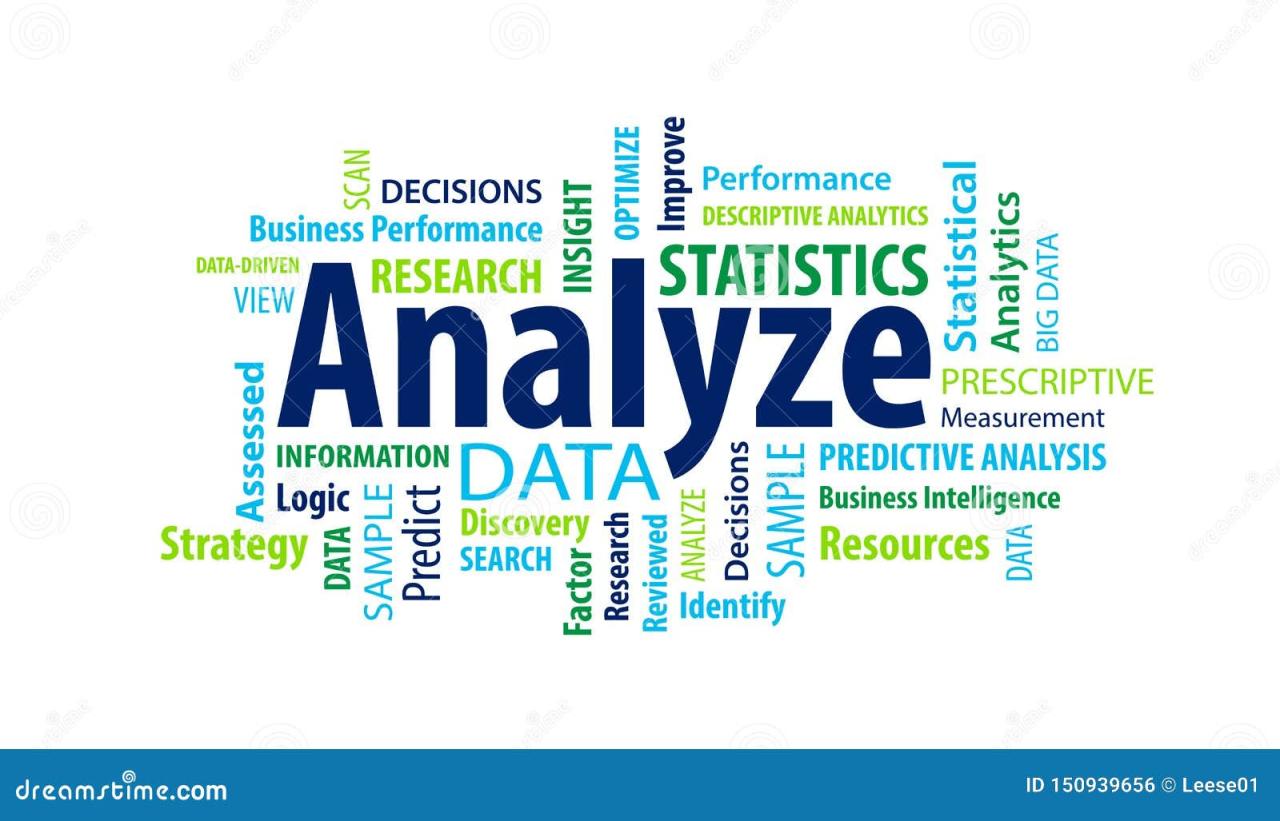
In today’s competitive marketplace, understanding customer behaviors has become essential for businesses aiming to enhance engagement, personalize experiences, and optimize marketing strategies. Leveraging artificial intelligence (AI) offers a transformative approach to deciphering complex customer interactions and emerging trends effectively. By integrating AI tools, organizations can gain deeper insights into customer preferences, purchasing patterns, and overall behavior, enabling data-driven decision-making.
AI-driven customer behavior analysis involves utilizing advanced algorithms and machine learning techniques to interpret vast quantities of data generated by customers across multiple channels. This approach not only enhances the accuracy of insights but also accelerates their availability, allowing businesses to respond swiftly to changing customer needs. As a result, companies can deliver more tailored solutions, improve customer satisfaction, and foster long-term loyalty.
Fundamental Concepts of AI in Customer Behavior Analysis
Artificial intelligence, particularly through machine learning (ML), serves as the backbone of modern customer behavior analysis. ML algorithms learn from historical data, identifying patterns and correlations that might be too complex for manual analysis. These models continuously improve their accuracy by adapting to new data, ensuring that insights remain current and relevant.
At its core, AI interprets customer interactions—such as website visits, purchase histories, social media engagement, and customer service exchanges—by transforming raw data into meaningful information. Natural language processing (NLP) techniques analyze textual data, extracting sentiment, intent, and emerging topics. Similarly, image recognition algorithms can interpret visual content shared by customers, providing additional layers of insight.
Processing Large Volumes of Customer Data Effectively
The effectiveness of AI-driven analysis hinges on its ability to handle voluminous and diverse datasets. Customer data is often extensive, spanning transactional records, behavioral logs, demographic information, and social media activity. Traditional analytical methods may struggle with such data scales, but machine learning algorithms are designed to process and analyze big data efficiently.
Techniques such as clustering, classification, and predictive modeling enable AI systems to identify segments within customer bases, forecast future behaviors, and personalize marketing efforts. Parallel processing and cloud computing infrastructure further enhance the capacity to analyze data in real-time, providing immediate insights that can influence ongoing campaigns or customer engagements.
Benefits of Integrating AI into Customer Behavior Studies
The integration of AI into customer behavior analysis offers numerous advantages that drive business success. These benefits include:
- Enhanced Personalization: AI models can tailor recommendations and messaging based on individual customer preferences, increasing conversion rates and customer satisfaction.
- Deeper Insights: Automated analysis uncovers hidden patterns and trends that may not be apparent through manual methods, leading to more informed strategic decisions.
- Real-Time Adaptability: AI enables continuous monitoring and quick adjustments to marketing strategies, ensuring relevance and competitiveness.
- Efficiency and Scalability: Automating data processing reduces time and resource expenditure, allowing businesses to scale their customer insights operations without proportional increases in effort.
- Predictive Capabilities: Machine learning algorithms forecast future customer behaviors, supporting proactive engagement and retention strategies.
Overall, AI-driven customer behavior analysis empowers organizations to transform raw data into actionable insights, fostering a more customer-centric approach that aligns with contemporary digital expectations and market demands.
Data Collection Methods for Customer Insights
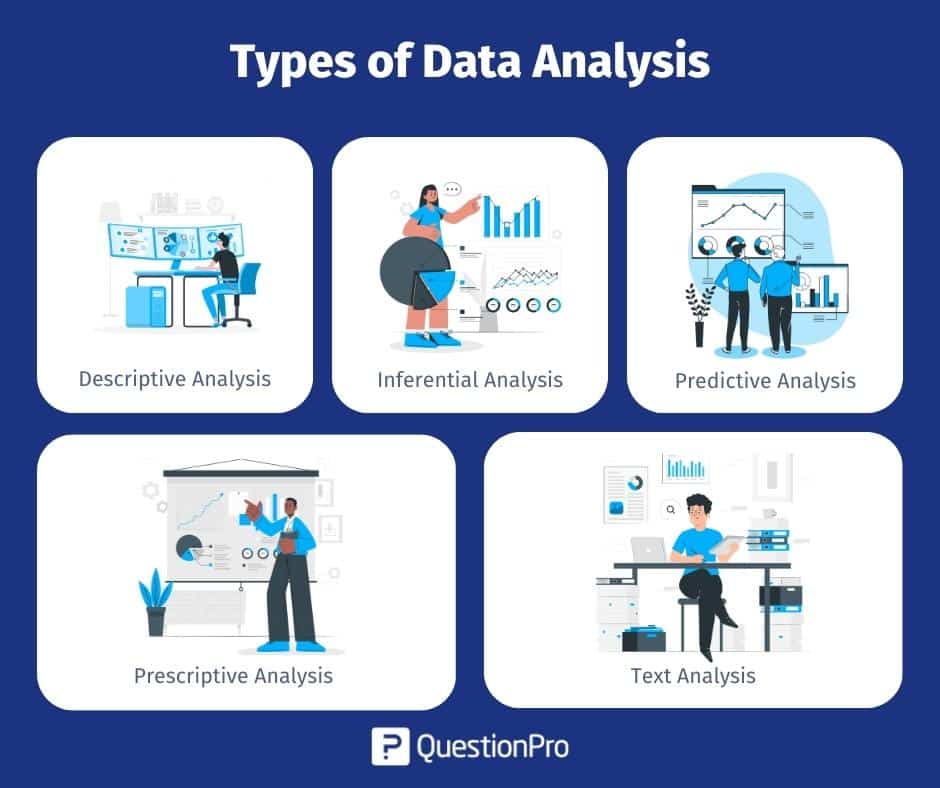
Effective analysis of customer behavior hinges on gathering comprehensive and accurate data from multiple sources. The methods employed for data collection significantly influence the quality of insights derived through AI-driven analysis. A robust data collection strategy ensures that businesses can develop a nuanced understanding of customer preferences, purchasing patterns, and engagement levels, enabling more personalized and effective marketing strategies.
Implementing diverse data collection techniques allows organizations to capture a holistic view of the customer journey. However, it is equally vital to prioritize data quality and adhere to privacy regulations throughout the collection process. Ensuring data integrity and compliance fosters trust with customers and upholds the company’s reputation while enabling reliable AI analysis.
Sources for Gathering Customer Data
Customer insights can be obtained from a wide array of sources, each offering unique perspectives on consumer behavior. The primary data sources include transactional records, social media platforms, web analytics, customer feedback, loyalty programs, and third-party data providers. Below is a detailed list of these sources with insights into the type of data they provide:
- Transactional Records: Data from sales transactions, including purchase history, transaction dates, amounts, and payment methods, which help analyze buying patterns and product preferences.
- Social Media Platforms: Data from platforms such as Facebook, Twitter, Instagram, and LinkedIn, capturing customer sentiments, engagement levels, and brand interactions.
- Web Analytics: Data collected via tools like Google Analytics, including page views, session durations, bounce rates, and clickstream data that reveal how customers navigate a website.
- Customer Feedback and Surveys: Direct input from customers through surveys, reviews, and support interactions, providing qualitative insights into customer satisfaction and expectations.
- Loyalty and Rewards Programs: Data accrued through customer participation in loyalty initiatives, tracking purchase frequency and reward redemptions.
- Third-Party Data Providers: External datasets offering demographic, geographic, or behavioral information that complements internal data sources.
Data Collection Techniques and Characteristics
Organizations employ various techniques to gather customer data, each with distinct characteristics and suitability depending on the context and desired insights. The following table summarizes common data collection methods along with their features:
| Technique | Description | Advantages | Limitations |
|---|---|---|---|
| Web Tracking | Using cookies, pixels, and tracking scripts to monitor user behavior on websites and apps. | Real-time data collection, detailed navigation paths, and user engagement metrics. | Privacy concerns, reliance on browser settings, and potential data loss due to ad blockers. |
| Surveys and Questionnaires | Direct collection of customer opinions through structured questionnaires. | Qualitative insights, specific targeted questions, and high control over data quality. | Low response rates, potential bias, and limited scope if not well-designed. |
| Transactional Data Capture | Recording purchase and service interactions automatically through POS systems or online checkout processes. | Accurate, high-volume data, and easy integration with sales systems. | Limited to behavioral data, lacking emotional or intent-related insights. |
| Social Media Monitoring | Extracting data from public posts, comments, and shares via APIs or social listening tools. | Understanding brand sentiment, trends, and customer engagement. | Unstructured data, potential privacy issues, and noisy data requiring analysis. |
| Third-Party Data Acquisition | Purchasing or licensing datasets from external vendors. | Enriches internal data with demographic or psychographic information. | Data privacy considerations, costs, and variable data quality. |
To maximize data utility, organizations should adopt best practices for ensuring data quality and privacy compliance during collection. This includes implementing rigorous data validation procedures, regular audits, and employing encryption and anonymization techniques to protect sensitive information. Additionally, adhering to legal frameworks such as the General Data Protection Regulation (GDPR) and the California Consumer Privacy Act (CCPA) safeguards customer rights and promotes transparency in data handling practices.
Clear consent mechanisms, transparent privacy policies, and providing customers with control over their data are essential steps to maintain trust and ethical standards.
Techniques and models for analyzing customer patterns
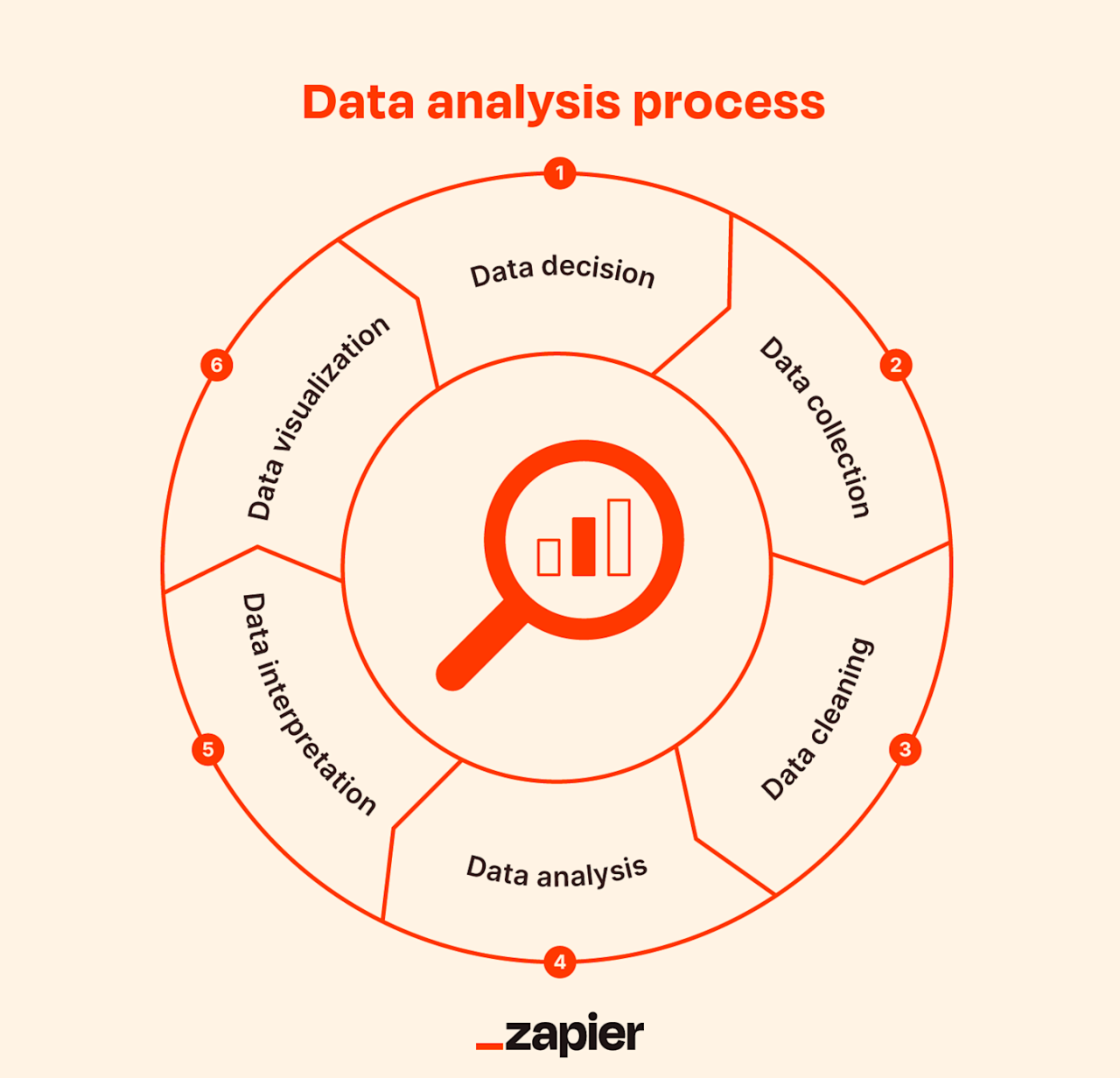
Understanding customer behavior through AI-driven techniques is essential for developing targeted marketing strategies, enhancing customer experience, and increasing overall business efficiency. Various models and analytical methods enable organizations to uncover meaningful insights from complex datasets, allowing for more precise segmentation and prediction of customer actions. This section explores the core AI techniques employed in analyzing customer patterns, providing clarity on their applications and advantages.
Applying these models involves systematic steps, from data preprocessing to model deployment, ensuring that insights are both accurate and actionable. Whether utilizing clustering to find natural customer groups, classification to predict specific behaviors, or regression to forecast continuous variables like purchase amounts, organizations can tailor their analytical approach based on their unique needs and data characteristics.
Clustering, Classification, and Regression for Customer Segmentation and Analysis
AI models such as clustering, classification, and regression serve as fundamental tools in analyzing customer data. These techniques facilitate the identification of customer segments, prediction of future behaviors, and understanding of underlying patterns within vast datasets.
Clustering: Unsupervised learning method that groups customers based on similarities across multiple attributes, such as purchasing habits, demographics, or online behavior. It helps uncover natural segments without prior labels, enabling businesses to tailor marketing efforts effectively. Common algorithms include K-Means, Hierarchical Clustering, and DBSCAN.
Classification: Supervised learning approach used to categorize customers into predefined groups based on labeled data. For example, classifying customers as high-value or low-value based on their transaction history. Popular models include Decision Trees, Random Forests, and Support Vector Machines.
Regression: Predicts continuous outcomes, such as estimating the future spending amount or likelihood of churn. Regression models like Linear Regression, Polynomial Regression, and Gradient Boosting are often employed to forecast these metrics accurately.
These models form the backbone of customer pattern analysis, allowing organizations to segment their audience, anticipate needs, and personalize interactions. The choice of model depends on the specific goal, data structure, and desired output, with many organizations combining multiple techniques for comprehensive insights.
Applying Natural Language Processing to Customer Feedback
Natural Language Processing (NLP) transforms unstructured textual data—such as customer reviews, support tickets, social media comments, and survey responses—into structured insights. Effectively applying NLP involves several critical steps that enhance understanding of customer sentiment, preferences, and common concerns.
- Data Collection: Gather textual feedback from multiple channels, ensuring data quality and relevance. This may include scraping social media posts, aggregating survey responses, or compiling customer support interactions.
- Data Preprocessing: Clean the text by removing noise such as punctuation, stop words, and irrelevant characters. Tokenize the text into words or phrases, normalize text through lowercasing, stemming, or lemmatization, and convert it into a suitable format for analysis.
- Feature Extraction: Transform textual data into numerical representations using techniques like Bag of Words, Term Frequency-Inverse Document Frequency (TF-IDF), or word embeddings such as Word2Vec or GloVe. These representations enable machine learning models to interpret the semantic content.
- Sentiment Analysis and Topic Modeling: Employ classification models to determine overall sentiment—positive, negative, or neutral—and use topic modeling algorithms like Latent Dirichlet Allocation (LDA) to identify prevalent themes within customer feedback. This helps organizations prioritize issues and understand customer perceptions.
- Model Evaluation and Deployment: Assess model accuracy using metrics like precision, recall, and F1-score, then deploy the NLP models to analyze ongoing customer feedback streams, providing real-time insights that inform strategic decisions.
By systematically applying NLP, businesses can gain a deeper understanding of customer sentiment trends, identify pain points, and tailor their communication strategies effectively. This process supports continuous improvement in customer engagement and satisfaction.
Comparison of AI Techniques for Customer Pattern Analysis
Understanding the strengths, limitations, and ideal use cases of different AI techniques is crucial for selecting the appropriate model for customer analysis. The table below offers a detailed comparison to guide decision-making:
| Technique | Strengths | Use Cases |
|---|---|---|
| Clustering |
|
|
| Classification |
|
|
| Regression |
|
|
Selecting the appropriate AI technique depends on the specific business question, data availability, and desired output. Combining these models often yields the most comprehensive insights into customer behavior.
Implementing AI Tools for Customer Segmentation
Leveraging AI for customer segmentation allows organizations to divide their customer base into distinct groups based on behavioral patterns, preferences, and other relevant attributes. This targeted approach enhances marketing efficiency, personalizes customer experiences, and drives better engagement. Proper implementation of AI tools ensures that segmentation is accurate, scalable, and adaptable to evolving customer dynamics.
AI-driven segmentation involves applying advanced algorithms that analyze large volumes of customer data to identify meaningful clusters. These clusters can then inform tailored marketing strategies, product recommendations, and customer service initiatives. Effective deployment of AI segmentation tools requires a clear understanding of data sources, algorithm selection, and integration within existing analytics platforms.
Methods to Utilize AI for Customer Segmentation
Using AI for customer segmentation involves several techniques designed to uncover natural groupings within data. Common methods include clustering algorithms such as K-Means, Hierarchical Clustering, and DBSCAN, which group customers based on similarities in behavior or attributes. Additionally, supervised learning models can predict segment membership based on predefined criteria, enabling dynamic segmentation as new data emerges.
In practice, organizations often combine multiple techniques to refine segmentation accuracy. For example, initial clustering might identify broad segments, which are then validated and enriched using predictive models. This layered approach ensures that segments are both meaningful and actionable for marketing teams.
Procedural Guidelines for Setting Up Segmentation Algorithms Within Analytics Platforms
Implementing segmentation algorithms within analytics platforms involves a systematic process that ensures accurate results and seamless integration. The following guidelines facilitate effective setup:
- Data Preparation: Collect and preprocess customer data, ensuring completeness, consistency, and normalization. This includes cleaning missing values and encoding categorical variables where necessary.
- Feature Selection: Identify key variables that influence customer behavior, such as purchase frequency, average order value, browsing patterns, or engagement metrics.
- Algorithm Choice: Select appropriate clustering algorithms based on data characteristics. For instance, K-Means suits large, spherical clusters, while hierarchical methods are effective for smaller, nested segments.
- Parameter Tuning: Optimize algorithm parameters like the number of clusters in K-Means or linkage criteria in hierarchical clustering using techniques such as the Elbow Method or Silhouette Score.
- Model Validation: Assess the quality and stability of segments through validation metrics and visualization techniques. Ensure that segments are distinct and meaningful.
- Integration and Deployment: Embed the segmentation model into the analytics platform, enabling real-time or scheduled segmentation updates. Tie these segments into marketing automation tools for targeted campaigns.
Examples of Segmentation Criteria and Their Impact on Marketing Strategies
Choosing appropriate segmentation criteria directly influences marketing tactics and overall business strategies. Here are some common criteria used and their typical implications:
| Segmentation Criterion | Description | Impact on Marketing Strategy |
|---|---|---|
| Purchase Frequency | How often a customer makes a purchase within a specific timeframe | Highly frequent buyers can be targeted with loyalty programs, while infrequent buyers may require re-engagement campaigns. |
| Average Order Value (AOV) | The average amount spent per transaction | High AOV segments might be offered premium products or exclusive discounts, whereas lower AOV groups could be targeted with upselling offers. |
| Browsing Behavior | Patterns in product pages visited, time spent, and categories explored | Personalized product recommendations and content can be tailored based on browsing habits, improving cross-selling opportunities. |
| Customer Engagement Level | Interaction frequency across channels such as email opens, website visits, or social media activity | Engaged segments may be prioritized for exclusive events, while less active customers can be targeted with reactivation campaigns. |
| Demographic Attributes | Age, gender, location, income level, etc. | Marketing messages and offers can be customized to resonate with specific demographic groups, increasing relevance and conversion rates. |
Effective customer segmentation enables businesses to allocate marketing resources more efficiently, tailor messaging, and foster long-term loyalty by understanding and addressing the unique needs of each group.
Predictive Analytics and Customer Future Behavior
Understanding and forecasting customer behavior is a vital aspect of designing effective marketing strategies and enhancing customer engagement. Predictive analytics leverages historical data and machine learning algorithms to anticipate future customer actions, such as purchase likelihood, churn risk, or product preferences. By accurately modeling these behaviors, organizations can proactively tailor their offerings, optimize resource allocation, and improve overall customer experience.
Implementing robust predictive models involves a systematic process of designing, training, validating, and refining algorithms that interpret complex data patterns. This approach not only enables businesses to make data-driven decisions but also fosters a deeper understanding of customer dynamics, ultimately leading to increased loyalty and revenue.
Designing Predictive Models for Customer Actions
Creating effective predictive models begins with clearly defining the specific customer behavior to forecast, such as the probability of a purchase within a given timeframe. The process involves selecting appropriate algorithms—such as logistic regression, decision trees, or neural networks—that align with the nature of the data and the prediction goal. It is essential to identify relevant features or variables, including demographic information, browsing history, previous purchase patterns, and engagement metrics, which influence customer actions.
Feature engineering plays a critical role in enhancing model accuracy, involving the transformation of raw data into meaningful inputs. For instance, aggregating customer activity over specific periods or calculating engagement scores can provide more predictive power. Once features are prepared, models are configured to learn the relationships between these inputs and the target outcomes, such as purchase behavior or churn risk.
Training Machine Learning Models on Historical Data
Training predictive models requires high-quality historical data that accurately reflects past customer interactions. This data is used to teach the algorithms to identify patterns associated with different behaviors. The training process involves splitting datasets into training and validation sets to ensure the model learns without overfitting. Various machine learning techniques—such as supervised learning methods—are employed to model the relationship between features and outcomes.
During training, algorithms iteratively adjust internal parameters to minimize prediction errors. For example, in a logistic regression model predicting purchase likelihood, the model estimates coefficients for each feature that best fit the historical data. Techniques like cross-validation help to optimize model parameters and prevent overfitting, ensuring the model performs well on new, unseen data.
Validating and Testing Predictive Outcomes
Robust validation and testing procedures are crucial for assessing the predictive accuracy and reliability of the models. Validation involves evaluating the model on a separate subset of data not used during training, such as through k-fold cross-validation or holdout methods. Key performance metrics—like accuracy, precision, recall, F1-score, or ROC-AUC—are employed to quantify the model’s effectiveness.
“Validation ensures that the model generalizes well to unseen data, reducing the risk of overfitting and improving future prediction reliability.”
Testing predictive outcomes involves applying the trained model to real or simulated sample data to examine its performance in practical scenarios. For instance, a model predicting purchase likelihood can be tested on recent customer interactions to verify its accuracy. Continuous monitoring and periodic retraining with new data are essential to maintain model relevance, especially as customer behaviors evolve over time.
Visualizing Customer Insights Derived from AI Analysis

Effective visualization of customer insights is essential for transforming complex AI-generated data into actionable business strategies. Well-designed dashboards enable stakeholders to grasp customer behavior patterns quickly, identify trends, and make informed decisions. By leveraging appropriate visualization techniques, organizations can communicate intricate insights clearly and efficiently, fostering a data-driven culture across teams.Visualizing customer insights involves selecting the right combination of charts, tables, and interactive elements to highlight key metrics and trends.
These visual representations should not only be aesthetically pleasing but also serve as intuitive tools for analysis. The goal is to bridge the gap between raw data and strategic understanding, ensuring that insights are accessible to diverse audiences, from analysts to executive leadership.
Designing Dashboards for Customer Behavior Metrics
Designing effective dashboards requires a thoughtful approach that combines clarity, relevance, and interactivity. The process involves identifying critical customer behavior metrics—such as purchase frequency, average order value, churn rate, and engagement levels—and then organizing them in a manner that facilitates quick comprehension.Key considerations for dashboard design include:
- Prioritization of Metrics: Focus on the most impactful data points that align with business objectives.
- Clarity and Simplicity: Use clean layouts with minimal clutter, ensuring that each visualization communicates its message effectively.
- Interactivity: Incorporate filters, drill-down capabilities, and real-time updates to allow users to explore data dynamically.
- Consistency in Visual Elements: Use uniform colors, fonts, and scales to reduce cognitive load and improve interpretability.
Designing dashboards with these principles in mind ensures that insights are not only visually appealing but also practical for day-to-day decision-making.
Organizing Data Visualizations for Clarity and Impact
Effective organization of data visualizations is crucial for maintaining clarity and guiding viewers through the insights logically. Arranging charts and tables thoughtfully helps prevent information overload and highlights the most significant findings.Strategies for organizing visualizations include:
- Grouping Related Metrics: Cluster charts that depict similar aspects of customer behavior, such as grouping all engagement metrics in one section and purchase data in another.
- Hierarchical Layout: Arrange visuals from high-level summaries at the top to detailed breakdowns below, enabling quick overview followed by deeper analysis.
- Sequential Flow: Design dashboards that lead the user through a logical progression of insights, facilitating step-by-step understanding.
- Use of White Space: Incorporate ample spacing to reduce visual fatigue and separate different sections clearly.
When visualizations are well-organized, stakeholders can seamlessly interpret complex data, reinforcing strategic insights and fostering confidence in data-driven decisions.
Best Practices for Presenting Complex Insights
Conveying complex customer insights in an understandable manner requires adherence to specific best practices. Clear communication ensures that all users, regardless of their technical background, can grasp key messages and act upon them.Recommended practices include:
Emphasize simplicity by distilling complex data into core messages, avoiding unnecessary jargon or overly technical language.
- Use Visual Hierarchies: Highlight the most critical insights with larger, bold visuals or distinctive colors to draw attention.
- Leverage Annotations and Labels: Add notes, trend lines, and data labels to clarify what each visualization depicts and why it matters.
- Combine Multiple Visualization Types: Use a mix of charts, heatmaps, and tables to cater to different analysis needs and improve comprehension.
- Contextualize Data: Provide contextual information, such as benchmark comparisons or historical trends, to enrich understanding.
- Iterate and Gather Feedback: Continuously refine visualizations based on user feedback to ensure relevance and clarity.
By adhering to these principles, organizations can ensure that even the most complex insights are accessible, actionable, and ultimately drive strategic initiatives effectively.
Ethical considerations and data privacy
Ensuring ethical handling of customer data is a fundamental aspect of AI-driven customer behavior analysis. As organizations leverage vast amounts of personal information to gain insights, it is crucial to establish guidelines and procedures that protect individual rights, uphold trust, and comply with legal standards. This section emphasizes the importance of ethical practices, transparency, and regulatory compliance in managing customer data within AI applications.A comprehensive approach to data privacy involves implementing policies that prioritize customer rights and promote responsible data usage.
As AI systems process sensitive information, organizations must adhere to strict ethical principles to prevent misuse, bias, and potential harm. Establishing clear standards for transparency and obtaining informed consent are essential components in fostering trust between businesses and their customers. Additionally, compliance with relevant data protection regulations such as GDPR (General Data Protection Regulation) and CCPA (California Consumer Privacy Act) is critical to avoid legal repercussions and uphold corporate integrity.
Procedures for ethical handling of customer data in AI applications
To ethically manage customer data in AI systems, organizations should develop and enforce comprehensive data governance frameworks that include the following procedures:
- Implement data minimization practices by collecting only the information necessary for specific analysis purposes, reducing exposure to unnecessary risks.
- Establish strict access controls and authentication protocols to limit data access to authorized personnel only.
- Regularly audit data handling processes to identify and mitigate potential ethical concerns or compliance gaps.
- Ensure data anonymization or pseudonymization where possible to protect individual identities without compromising analytical effectiveness.
- Maintain detailed documentation of data collection, processing activities, and decision-making processes related to AI applications.
These practices help organizations uphold ethical standards, reduce the risk of data breaches, and foster a culture of responsibility.
Standards for transparency and customer consent
Transparency and informed consent are vital to building customer trust and ensuring ethical data practices. Clear communication about how customer data is collected, used, and stored must be provided through accessible privacy policies and consent forms. Organizations should:
“Provide customers with understandable explanations of AI data collection practices, including the purpose, scope, and duration of data use.”
Explicit consent should be obtained prior to data collection, with options for customers to opt-in or opt-out of specific data uses. Consent mechanisms must be straightforward, allowing customers to make informed decisions without ambiguity. Additionally, organizations should offer easy-to-access privacy settings and update customers about any changes to data policies or practices.
Compliance measures with regulations such as GDPR or CCPA
Adherence to legal frameworks like GDPR and CCPA is essential for lawful AI data handling. These regulations establish specific requirements for organizations to follow:
- GDPR mandates data protection by design and by default, ensuring privacy considerations are integrated into AI systems from the outset.
- Implementing procedures to enable customers to access, rectify, or delete their personal data, thereby exercising their rights under GDPR and CCPA.
- Maintaining records of data processing activities to demonstrate compliance during audits or investigations.
- Designing data collection mechanisms that align with legal standards, such as obtaining explicit consent and providing clear opt-out options.
- Appointing Data Protection Officers (DPOs) or responsible personnel to oversee privacy practices and regulatory adherence.
Meeting these legal requirements not only prevents penalties but also reinforces an organization’s commitment to ethical data stewardship and customer respect.
Enhancing Customer Engagement through AI Insights
Leveraging AI-driven insights into customer behavior allows organizations to forge deeper, more meaningful connections with their audience. By understanding nuanced preferences, browsing habits, and purchasing patterns, businesses can craft personalized experiences that resonate with individual customers. This targeted approach not only fosters loyalty but also increases the likelihood of repeat interactions and conversions.
Effective utilization of AI insights transforms generic marketing strategies into tailored interactions, making each engagement more relevant and impactful. Implementing these insights requires a strategic focus on data-driven personalization, enabling companies to anticipate customer needs and respond proactively with customized solutions.
Applying Behavioral Insights to Personalize Customer Interactions
Personalization rooted in behavioral insights involves analyzing customer data to identify specific preferences, intents, and engagement patterns. This enables businesses to customize communication, offers, and service touchpoints that directly align with individual customer motivations. Strategies include dynamic content delivery, personalized recommendations, and tailored customer support experiences.
For example, an e-commerce platform can utilize browsing history and past purchase data to recommend products that match a customer’s style and preferences, thereby increasing the likelihood of a purchase. Personalization also extends to customer service, where AI chatbots recognize previous interactions and adjust their responses to suit the customer’s history and preferences, creating a seamless experience.
Tailoring Marketing Messages Based on AI-Driven Customer Profiles
Utilizing AI-generated customer profiles allows marketers to craft highly targeted messages that resonate with specific audience segments. These profiles incorporate demographic details, behavioral data, purchase history, and engagement metrics, offering a holistic view of each customer.
Marketers can then develop customized marketing campaigns, such as email messages, social media ads, or push notifications. For instance, a retailer might send exclusive discounts on products that a customer frequently views but has not yet purchased, thus addressing their specific interests and encouraging conversion. Additionally, AI enables adaptive messaging in real-time, adjusting content based on evolving customer behaviors and responses.
Personalized marketing based on AI insights enhances relevance, increases engagement rates, and drives higher conversion, making each interaction more meaningful.
Examples of Campaigns Improved by AI Analysis of Customer Behavior
Several leading companies have demonstrated the power of AI-enhanced customer insights in their marketing efforts. For example, Netflix leverages viewing history and user ratings to recommend content tailored to individual preferences, leading to increased user engagement and retention. Similarly, Amazon’s product recommendations are powered by AI models analyzing browsing and purchase data, resulting in significant uplift in cross-selling and upselling.
Another case involves a fashion retailer deploying AI to analyze customer browsing patterns and purchase history to customize promotional emails. This approach resulted in a 30% increase in click-through rates and a notable rise in repeat purchases. These examples underscore how AI-driven analysis enables organizations to deliver highly targeted campaigns that align closely with customer interests and behaviors, ultimately fostering stronger engagement and loyalty.
Last Recap
Utilizing AI to analyze customer behavior offers a strategic advantage in understanding and anticipating customer needs. As organizations harness these advanced tools, they can enhance their marketing efforts, improve customer satisfaction, and maintain a competitive edge in the market. Embracing this technological evolution is crucial for unlocking the full potential of customer insights and fostering long-term success.