Mastering how to generate persuasive ad copy with AI opens new horizons in digital marketing, combining technological innovation with psychological insight to craft compelling messages. This approach not only streamlines the creation process but also enhances the ability to connect with targeted audiences on a deeper level, ultimately boosting engagement and conversions.
In this discussion, we explore the fundamental principles of persuasive advertising, how AI tools can analyze audience data for personalized messaging, and techniques for creating captivating headlines, engaging content, and emotional triggers. Additionally, we examine best practices for testing and refining AI-generated ads ethically and effectively, ensuring strategies are both impactful and responsible.
Understanding the Foundations of Persuasive Ad Copy with AI
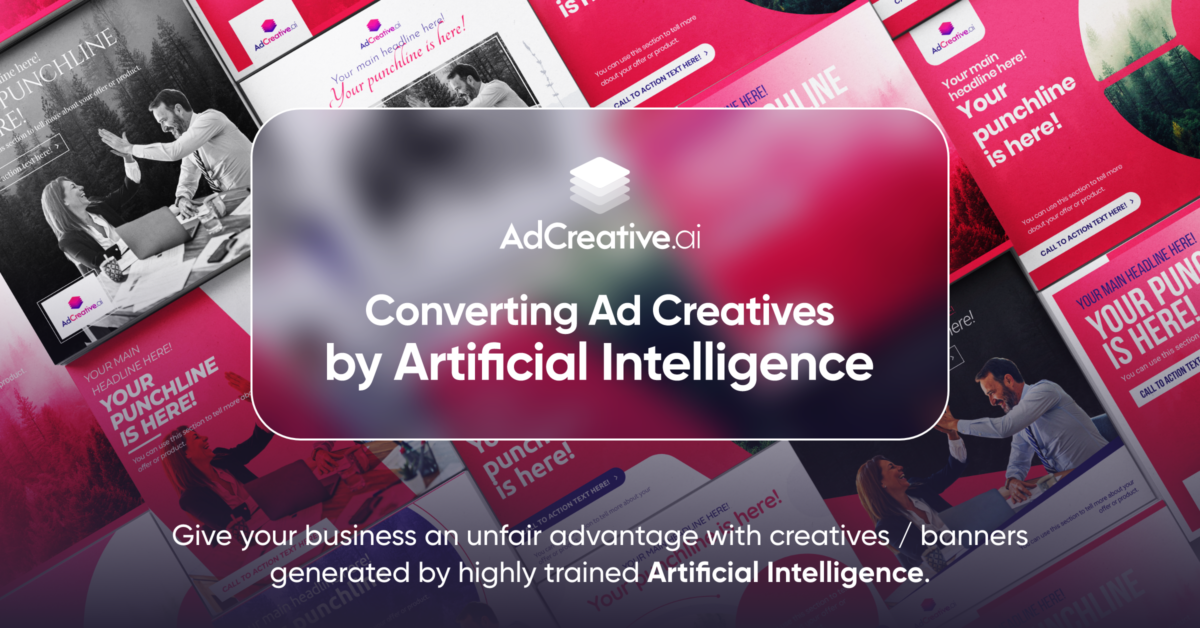
Creating compelling advertising content involves a deep understanding of persuasive principles and the strategic use of technology. Integrating AI into the process enhances the ability to craft targeted, emotionally resonant, and effective ad copy. By examining core persuasive elements and how AI amplifies these factors, marketers can develop more impactful campaigns that resonate with their audiences.
AI tools revolutionize traditional advertising techniques by offering data-driven insights, real-time customization, and automated content generation. This combination allows for a nuanced approach to persuasion, blending established psychological triggers with the power of machine learning. Comparing traditional methods with AI-enhanced strategies reveals significant improvements in efficiency, personalization, and overall effectiveness of ad copy.
Core Principles of Persuasion in Advertising and AI Enhancement
Fundamental to persuasive advertising are principles rooted in psychology, such as authority, scarcity, social proof, consistency, and reciprocity. These elements influence consumer behavior by appealing to innate psychological triggers. AI enhances these principles through advanced data analysis and natural language processing, enabling marketers to tailor messages that activate these triggers more precisely.
For example, AI algorithms analyze consumer behavior patterns and preferences, allowing for the dynamic creation of ad copy that emphasizes scarcity (“Limited offer for a select few”) or social proof (“Join thousands of satisfied customers”). By leveraging machine learning, AI can generate personalized messages that resonate on an individual level, increasing the likelihood of engagement and conversion.
Psychological Triggers and AI Integration
Understanding psychological triggers is vital for crafting persuasive ad copy. These triggers include emotional appeals, credibility, urgency, and familiarity. AI tools facilitate the incorporation of these triggers by providing insights into target audiences and automating the creation of compelling content.
For example, sentiment analysis enables AI to identify the emotional tone that most appeals to a specific demographic, allowing marketers to craft messages that evoke trust or excitement. AI-powered copy generators can incorporate urgency (“Act now—limited stock!”) or familiarity (“Trusted by thousands of users”) seamlessly, optimizing message effectiveness based on real-time data.
Comparison Between Traditional and AI-Generated Persuasive Techniques
The traditional approach to persuasive ad copy relies heavily on manual research, intuition, and static messaging, which can limit responsiveness and personalization. While experienced marketers can craft impactful messages, these often lack the scalability and real-time adaptability that AI offers.
In contrast, AI-generated persuasive techniques harness vast datasets and advanced algorithms to produce highly tailored content quickly. AI can test multiple variations of ad copy simultaneously, determine which resonates best through A/B testing, and refine messaging without human intervention. For instance, AI-driven campaigns for major brands like Amazon utilize machine learning to personalize product recommendations and promotional messages based on individual browsing and purchase histories, significantly boosting engagement rates compared to traditional methods.
Leveraging AI for Audience Analysis and Targeting
In the realm of digital advertising, understanding and accurately targeting the audience is crucial for maximizing campaign effectiveness. Artificial Intelligence offers sophisticated tools to analyze vast amounts of demographic and behavioral data, enabling marketers to craft highly personalized and persuasive ad copy. By leveraging AI-driven insights, brands can identify key audience segments and tailor their messaging to resonate deeply with each group, ultimately increasing engagement and conversion rates.
AI techniques for audience analysis encompass data collection from various sources, including social media, website interactions, purchase histories, and survey responses. These data points are processed using machine learning algorithms to uncover patterns and preferences, providing a comprehensive picture of the target audience. This informed approach allows marketers to move beyond generic messaging, delivering content that addresses specific needs, motivations, and pain points of each segment.
Methods for AI-Driven Audience Analysis and Segmentation
Effective audience analysis begins with collecting relevant data and applying AI models to extract actionable insights. The following methods facilitate this process:
- Data Aggregation: Gather data from multiple sources, including customer databases, social media platforms, and website analytics, to create a unified view of audience behaviors and demographics.
- Predictive Analytics: Utilize machine learning algorithms to forecast customer behaviors and preferences, such as purchase likelihood or content engagement levels.
- Clustering Algorithms: Implement clustering techniques like K-means or hierarchical clustering to identify distinct audience segments based on shared characteristics.
- Sentiment Analysis: Analyze customer feedback, reviews, and social media comments to gauge attitudes and emotional responses towards products or brands.
- Behavioral Segmentation: Segment audiences based on online activity patterns, such as browsing habits, time spent on pages, or interaction frequency.
By applying these methods, marketers can develop detailed profiles for each segment, enabling the creation of targeted and persuasive ad copy tailored to specific audience preferences and behaviors. This precision in targeting not only enhances relevance but also fosters stronger emotional connections with potential customers.
Audience Segmentation and Personalized Messaging Strategies
Segmentation involves dividing a broad audience into smaller, more manageable groups that share common traits. Creating a step-by-step guide helps marketers systematically identify and target these groups using AI insights:
- Identify Key Data Points: Determine essential demographic, psychographic, and behavioral data relevant to your product or service.
- Collect Data: Use AI-enabled tools to gather and update data continuously from various sources.
- Segment the Audience: Apply clustering algorithms to categorize users into distinct segments based on shared characteristics.
- Analyze Segment Traits: Use AI insights to understand the unique needs, preferences, and pain points of each segment.
- Develop Tailored Messages: Craft persuasive ad copy that addresses the specific motivations and objections identified for each group.
- Test and Optimize: Implement A/B testing to evaluate the effectiveness of tailored messages and refine them based on AI-driven performance data.
This structured approach ensures that messaging strategies are data-backed and precisely aligned with audience expectations, significantly improving campaign outcomes.
Audience Segments and Persuasive Strategies Table
Below is a table illustrating various audience segments alongside AI-generated persuasive strategies designed to maximize engagement:
| Audience Segment | Characteristics | Persuasive Strategies |
|---|---|---|
| Young Professionals | Age 25-35, Tech-savvy, Career-oriented, Active on social media |
|
| Budget-Conscious Shoppers | Price-sensitive, Value-focused, Comparison shoppers |
|
| Health-Conscious Consumers | Interest in wellness, Organic and natural products, Active on health forums |
|
| Luxury Seekers | High-income, Brand-conscious, Preference for exclusivity |
|
| Frequent Online Shoppers | Regular e-commerce users, Fast decision-makers, Responsive to digital cues |
|
Crafting Compelling Headlines and Calls-to-Action with AI
Effective advertising hinges on capturing the audience’s attention swiftly and guiding them toward desired actions. AI-powered tools have revolutionized the creation of persuasive headlines and calls-to-action (CTAs), enabling marketers to craft messages that resonate emotionally and motivate engagement. By leveraging AI’s analytical and creative capabilities, brands can significantly enhance their advertising impact, ensuring messages stand out in crowded digital spaces.
This section explores how AI can generate attention-grabbing headlines that evoke emotional responses and design compelling CTAs that drive user interaction. Implementing these techniques can lead to improved conversion rates and more effective advertising campaigns.
Generating Attention-Grabbing Headlines with AI
Creating headlines that capture immediate interest requires understanding the emotional triggers and language patterns that resonate with target audiences. AI algorithms analyze vast datasets of successful headlines, identifying linguistic features that evoke curiosity, urgency, or relevance. These insights enable AI to produce headline variations tailored to specific demographics and campaign goals.
Procedures for AI to generate compelling headlines include:
- Analyzing existing high-performing headlines within the industry to identify common features such as power words, emotional appeals, and concise phrasing.
- Utilizing natural language processing (NLP) models to generate multiple headline options that incorporate emotional triggers like fear, excitement, or aspiration.
- Applying sentiment analysis to gauge the emotional tone of generated headlines, selecting those with the strongest positive or urgent emotional appeal.
- Testing headline variations through A/B testing platforms, with AI continuously learning which styles yield the highest engagement and refining future outputs accordingly.
“Emotionally resonant headlines drive higher click-through rates by tapping into the audience’s underlying motivations and desires.” — Marketing Data Insights
Creating Effective Calls-to-Action that Motivate Engagement
Calls-to-action serve as the final prompt that guides users toward desired behaviors, such as making a purchase, signing up, or sharing content. AI enhances CTA effectiveness by analyzing user behavior, contextual cues, and language patterns to craft messages that are both persuasive and relevant.
Key techniques for AI-driven CTA creation include:
- Analyzing user engagement data to identify which action phrases resonate most with specific segments, such as “Get Started Now,” “Claim Your Discount,” or “Join Free for a Month.”
- Generating personalized CTAs based on user past interactions, preferences, and browsing behavior, increasing the likelihood of conversion.
- Incorporating urgency and scarcity into CTAs, for example, “Limited Time Offer” or “Only a Few Spots Left,” to motivate immediate action.
- Testing multiple CTA formats and placements, with AI metrics evaluating performance to optimize future calls-to-action.
Below is a sample HTML table demonstrating various headline styles and their observed impact on conversion rates, based on industry benchmarks and case studies:
| Headline Style | Description | Average Conversion Rate | Example |
|---|---|---|---|
| Curiosity-Driven | Headlines that pique curiosity by teasing information or benefits, encouraging users to click to learn more. | 18% | “You Won’t Believe These Secrets to Better Sleep” |
| Urgency-Based | Headlines that create a sense of urgency or scarcity, prompting immediate action. | 22% | “Limited Time Offer – Ends Tonight!” |
| Benefit-Focused | Headlines emphasizing clear benefits or outcomes for the user. | 20% | “Save 50% on Your First Purchase” |
| Question Format | Headlines posing a question that resonates with the audience’s needs or desires. | 16% | “Ready to Transform Your Career?” |
Integrating AI into your headline and CTA development processes enables a dynamic, data-driven approach that adapts to audience preferences and behavioral patterns. The result is more persuasive messaging that drives higher engagement and conversion rates in your advertising efforts.
Utilizing AI to Develop Engaging Content and Messaging

Developing captivating and persuasive ad content is essential for capturing audience attention and driving conversions. Leveraging AI tools allows marketers to craft compelling body copy that aligns with brand voice while resonating with diverse audience segments. AI-driven content creation streamlines the process, enhances personalization, and ensures message consistency across campaigns, making it a vital component in modern advertising strategies.AI technologies can analyze vast amounts of data to generate persuasive messaging that appeals to specific audience preferences and behaviors.
By integrating natural language generation models with brand guidelines, marketers can produce content that maintains a consistent tone and style. These models can adapt messaging based on real-time feedback and performance metrics, continuously refining the effectiveness of ad copy.
Methods for AI to Produce Persuasive Body Copy Aligned with Brand Voice and Audience Expectations
Effective AI-generated ad copy hinges on clear input parameters and comprehensive training data that reflect the brand’s voice and audience expectations. The process involves providing the AI with detailed brand guidelines, target demographics, and campaign goals. AI models then utilize this information to produce messaging that is both persuasive and authentic.Natural language processing (NLP) algorithms enable AI to understand context and sentiment, ensuring that the generated content matches the desired emotional tone—be it urgency, trust, excitement, or empathy.
Additionally, machine learning techniques can analyze past successful campaigns to identify language patterns and stylistic elements that resonate best with the target audience. This iterative approach helps in fine-tuning the messaging for maximum engagement.
Incorporating Storytelling Elements into AI-Generated Ad Content to Increase Resonance
Storytelling remains a powerful technique to create emotional connections with consumers. Integrating storytelling elements into AI-generated content can significantly enhance audience engagement and brand recall. AI tools can assist in crafting narratives that highlight customer journeys, problem-solution scenarios, or brand ethos, making the messaging more relatable and memorable.To effectively incorporate storytelling, AI models can be guided by prompts that emphasize character development, conflict, and resolution.
For example, an AI can generate a narrative illustrating how a product solved a common problem faced by the target audience, emphasizing transformation and positive outcomes. Using storytelling frameworks like the hero’s journey or customer success stories within AI content can amplify emotional resonance and foster trust.
Messaging Frameworks Created by AI
AI can generate a variety of messaging frameworks tailored to different campaign objectives. These frameworks help structure persuasive ad content to maximize impact. Examples include:
- Problem-Solution Framework: Highlighting a specific pain point of the audience and presenting the product or service as the ideal solution. For example, “Struggling with slow Wi-Fi? Our high-speed internet keeps you connected seamlessly.”
- Scarcity and Urgency: Creating a sense of limited availability or time-sensitive opportunity to prompt immediate action. For example, “Only a few spots left! Sign up today to secure your place.”
- Social Proof: Leveraging testimonials, reviews, or influencer endorsements to build credibility and trust. For example, “Join thousands of satisfied customers who have transformed their homes with our appliances.”
- Benefit-Driven Messaging: Focusing on the key advantages the audience gains from the product or service, emphasizing value. For example, “Save time and money with our innovative energy-efficient solutions.”
- Emotional Appeal: Tapping into feelings such as happiness, security, or pride to connect with consumers on a deeper level. For example, “Create unforgettable family moments with our easy-to-use camera system.”
This versatility allows AI to craft tailored messages suited to specific campaign goals, audience segments, and brand positioning, making advertising more impactful and efficient.
Incorporating Visual and Emotional Triggers with AI-Generated Content
Enhancing advertising effectiveness requires more than compelling text; integrating powerful visual cues and emotional appeals can significantly influence audience engagement and conversion rates. AI technology now offers sophisticated tools to suggest and incorporate these emotional triggers seamlessly into ad copy, making campaigns more resonant and memorable.
By leveraging AI to identify emotional cues and corresponding visual elements, marketers can craft advertisements that evoke specific feelings—such as trust, excitement, or empathy—leading to a deeper connection with the target audience. This process involves analyzing emotional language patterns within the AI-generated content and pairing them with suitable imagery or visual cues that reinforce the intended message, ultimately amplifying persuasive power.
Utilizing AI to Suggest Visual Cues and Emotional Appeals
AI algorithms can analyze large datasets of successful advertisements to identify visual elements and emotional themes that resonate with specific demographics. These systems utilize machine learning models trained on image recognition and sentiment analysis to recommend visual cues—such as colors, imagery, or symbols—that complement the emotional tone of the ad copy. For instance, AI might suggest using warm color palettes and images of smiling people to evoke feelings of happiness and trust, or darker tones and serious imagery to foster a sense of urgency or concern.
Furthermore, AI can simulate the emotional impact of different visual elements by predicting audience reactions, enabling marketers to select the most effective visual cues for their campaigns before deployment.
Analyzing and Integrating Emotional Language into AI-Generated Ad Text
Effective emotional integration begins with analyzing the generated ad copy to identify emotional tone and intent. Natural language processing (NLP) tools can detect sentiment, emotional s, and phrase structures that evoke specific feelings. Marketers can then refine the AI output by incorporating targeted emotional language—such as words that inspire confidence (“secure,” “trusted”) or excitement (“innovative,” “unforgettable”).
Once the emotional language is identified, visual suggestions can be aligned to reinforce these sentiments. For example, if the copy emphasizes safety, imagery of secure environments or protective symbols can be integrated. This alignment ensures that verbal and visual cues work synergistically to heighten emotional impact, making the ad more persuasive and memorable.
Emotional Triggers, Copy Techniques, and Visual Suggestions Table
Formulating effective ad content involves matching emotional triggers with appropriate copy techniques and visual cues. The following table offers a structured guide for this process.
| Emotional Trigger | Copy Technique | Visual Suggestion |
|---|---|---|
| Trust | Emphasize credentials, testimonials, guarantees | Images of satisfied customers, secure locks, certificates |
| Excitement | Use energetic language, highlight benefits, urgency phrases | Bright colors, dynamic motion graphics, celebratory scenes |
| Empathy | Share relatable stories, compassionate language | Images of diverse people, caring gestures, community scenes |
| Security | Reassure with safety features, reliability claims | Padlocks, shield icons, secure environment visuals |
| Innovation | Emphasize cutting-edge technology, unique features | Futuristic imagery, sleek product visuals, abstract tech patterns |
Testing and Optimizing Persuasive AI-Generated Ads
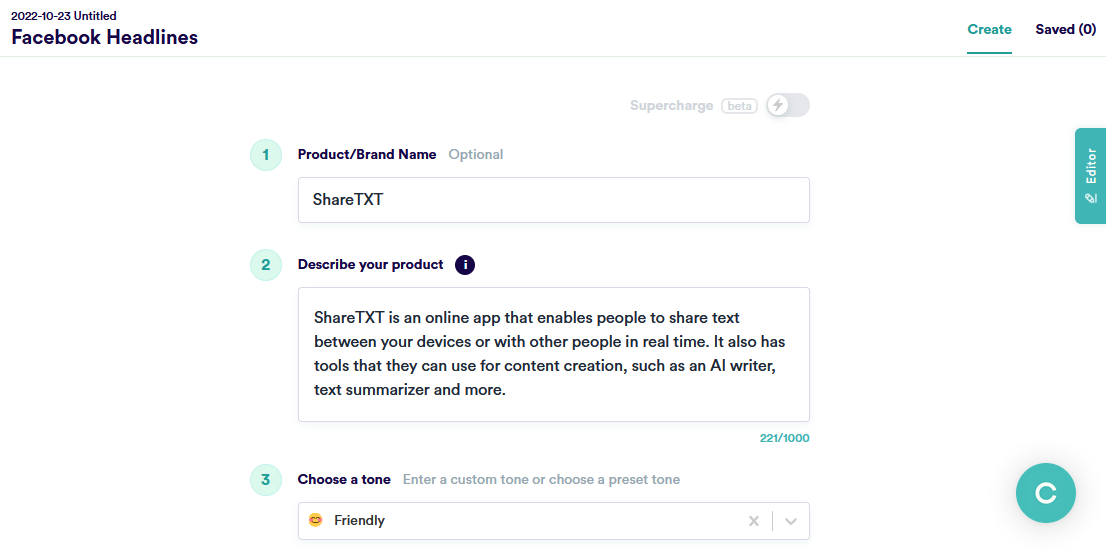
Effective advertisement campaigns require continuous assessment and refinement to maximize performance. When leveraging AI to generate ad copy, testing and optimization become crucial components in ensuring that the messaging resonates with the target audience and drives desired actions. Systematic evaluation allows marketers to identify the most compelling variations and improve overall campaign ROI.
In the context of AI-powered advertising, testing involves deploying multiple versions of ad copy, analyzing engagement and conversion metrics, and adjusting models accordingly. This iterative process ensures that AI-generated content evolves in alignment with audience preferences and market trends, ultimately enhancing the effectiveness of advertising efforts.
Methods for A/B Testing of AI-Generated Ad Copy
A/B testing is essential to compare different versions of ad copy, understanding which variants perform better in real-world conditions. The process involves creating multiple ad variations through AI, then systematically distributing them across similar audience segments to gather performance data.
- Define clear objectives and key performance indicators (KPIs) such as click-through rate (CTR), conversion rate, or engagement time.
- Create diverse ad copies using AI, varying headlines, calls-to-action, emotional triggers, or messaging tones.
- Randomly assign audience segments to different ad versions to prevent bias and ensure statistical significance.
- Monitor real-time performance metrics, noting which ad variations outperform others based on predetermined KPIs.
- Implement statistical analysis to determine significance, ensuring the results are not due to chance.
Procedures for Refining AI Models Based on Engagement Metrics and Conversion Data
Refinement of AI models hinges on systematically analyzing performance data and adjusting algorithms to enhance future ad copy generation. This process involves collecting detailed engagement and conversion metrics, then feeding insights back into the AI training cycle.
- Gather comprehensive data on how users interact with each ad variation, including metrics such as CTR, bounce rate, time spent, and conversion actions.
- Identify patterns indicating which elements—such as specific headlines, emotional triggers, or calls-to-action—drive higher engagement.
- Use these insights to adjust the parameters or training data of the AI model, emphasizing successful messaging features.
- Conduct periodic retraining of the AI with updated data to improve its ability to generate persuasive and relevant ad copy.
- Continuously test updated models against previous versions, maintaining an iterative cycle of improvement.
Sample Table for Organizing Testing Results and Optimization Strategies
To facilitate effective analysis, organizing testing outcomes in a structured manner enables clear identification of winning ad variants and optimization strategies. The following sample table illustrates how to record key data points:
| Ad Version | Headline | Call-to-Action | Emotional Trigger | Impressions | Clicks | CTR (%) | Conversions | Conversion Rate (%) | Notes |
|---|---|---|---|---|---|---|---|---|---|
| A | Exclusive Offer Inside | Shop Now | Urgency | 10,000 | 500 | 5.0 | 75 | 0.75 | Strong click-through, moderate conversions |
| B | Limited Time Deal | Buy Today | Scarcity | 9,500 | 600 | 6.3 | 60 | 0.63 | Higher CTR, slightly lower conversions |
| C | Discover Savings | Learn More | Curiosity | 11,000 | 450 | 4.1 | 80 | 0.73 | Lower CTR but higher engagement duration |
Regularly analyzing such data helps marketers identify which ad variations resonate most with the audience and guides strategic adjustments. Refinement may include modifying headlines, refining emotional triggers, or altering calls-to-action to optimize conversion rates and overall campaign performance.
Ethical Considerations and Best Practices in AI-Generated Advertising
As the integration of artificial intelligence in advertising continues to advance, maintaining ethical standards is paramount to ensure responsible use and preserve consumer trust. AI-driven ad copy offers significant opportunities for personalization and engagement; however, these benefits must be balanced with principles of transparency, authenticity, and fairness. Adhering to ethical practices not only protects consumers but also enhances brand reputation and long-term effectiveness.
Implementing responsible AI in advertising involves establishing clear guidelines that prevent manipulation, safeguard privacy, and promote honest communication. This ensures that AI technologies serve consumers ethically while enabling marketers to leverage their full potential. Below are key principles and methods for fostering ethical standards in AI-generated advertising.
Principles for Ensuring Transparency and Authenticity in AI-Driven Ad Copy
Transparency and authenticity form the foundation of trustworthy AI advertising. Clearly communicating when content is generated or influenced by AI helps consumers understand the nature of the message they are receiving. Authenticity involves ensuring that the AI-generated content genuinely reflects the brand’s values and does not deceive or mislead audiences.
- Disclose AI Usage: Clearly indicate when ad copy or content has been created or optimized using AI technologies. This can be achieved through explicit statements or visual cues within the advertisement.
- Maintain Brand Voice Consistency: Ensure AI-generated messages align with the brand’s established tone and values, fostering a sense of authenticity and trustworthiness.
- Validate Content Accuracy: Regularly review AI-produced content to verify factual correctness and prevent the dissemination of false or misleading information.
- Implement Ethical Guidelines: Develop and enforce internal policies that define acceptable AI use, emphasizing honesty and transparency.
Methods to Avoid Manipulation and Uphold Consumer Trust in AI-Generated Messages
While AI enables highly personalized advertising, it also risks crossing ethical boundaries if used improperly. The potential for manipulation, such as exploiting vulnerabilities or emotional triggers unfairly, must be carefully managed to preserve consumer trust.
- Set Boundaries for Personalization: Avoid invasive data collection and overly intrusive targeting that may infringe on consumer privacy or create discomfort.
- Prevent Deceptive Practices: Ensure AI does not generate content that exaggerates benefits or misleads consumers about product capabilities.
- Respect Consumer Autonomy: Design AI interactions that inform rather than coerce, allowing consumers to make informed choices without undue influence.
- Monitor AI Outputs: Continuously audit AI-generated content for bias, inaccuracies, or manipulative language, and correct issues promptly.
Standards and Guidelines for Responsible AI Use in Advertising
Establishing comprehensive standards and adhering to established guidelines promote responsible AI deployment across advertising campaigns. These standards serve as a benchmark for ethical conduct and help organizations navigate complex issues related to AI use.
| Principle | Description |
|---|---|
| Transparency | Clearly communicate the involvement of AI in content creation and data usage practices. |
| Fairness | Ensure AI algorithms do not perpetuate stereotypes or biases, promoting equal treatment for all consumers. |
| Accountability | Assign responsibility for AI-generated content and establish procedures for addressing issues. |
| Privacy | Protect consumer data and comply with relevant data protection regulations, such as GDPR or CCPA. |
| Continuous Improvement | Regularly review AI systems and content to adapt to evolving ethical standards and consumer expectations. |
“Responsible AI use in advertising balances technological innovation with ethical integrity, ensuring that advancements serve consumers ethically and foster long-term trust.”
Final Review

In summary, leveraging AI to generate persuasive ad copy offers a powerful combination of data-driven insights and creative storytelling that can significantly elevate marketing campaigns. By adopting ethical standards and continuously optimizing strategies, businesses can build trust and achieve sustained advertising success in a competitive landscape.