Discover how to create a social media calendar with AI to revolutionize your content strategy and boost engagement. Leveraging advanced AI tools allows for streamlined planning, automated scheduling, and insightful analytics, making social media management more efficient and impactful. Embracing this innovative approach can save time while ensuring your content remains relevant and consistent across platforms.
This guide introduces the essential steps for integrating AI into your social media workflows, from selecting the right tools to customizing content and analyzing performance. By harnessing AI-driven automation and insights, you can craft a dynamic, responsive calendar that adapts to your audience’s interests and industry trends, paving the way for sustained social media success.
Introduction to Creating a Social Media Calendar with AI
Establishing a well-structured social media calendar is essential for maintaining a consistent online presence and maximizing audience engagement. It allows brands and content creators to plan their posts strategically, ensuring timely delivery of valuable content aligned with marketing goals and audience interests. A comprehensive calendar helps avoid content gaps, reduces last-minute scrambling, and enhances overall brand coherence across multiple platforms.
Artificial Intelligence (AI) tools have revolutionized the way social media planning and scheduling are approached. By leveraging AI, users can automate routine tasks, gain predictive insights, and optimize content delivery based on audience behavior. This integration not only streamlines workflows but also enhances the precision of content targeting, ensuring posts reach the right audience at the right time.
Integrating AI into Social Media Planning Workflows
Successful incorporation of AI into social media management involves several fundamental steps that can significantly improve efficiency and effectiveness. First, selecting the appropriate AI-powered tools tailored to specific social media platforms is crucial. These tools can assist in content ideation, scheduling, analytics, and audience segmentation. Second, establishing a clear content strategy and goal alignment ensures that AI outputs serve broader marketing objectives.
Next, training team members on how to utilize these AI tools effectively maximizes their potential. This process includes understanding how to interpret data insights, customizing content recommendations, and setting parameters for automation. Additionally, integrating AI with existing social media management platforms enables seamless workflow automation, from content creation to publishing and analytics tracking.
Finally, continuously monitoring AI-generated outputs and adjusting strategies based on analytics helps refine the content calendar. By analyzing engagement metrics and audience responses, brands can iteratively improve their scheduling and content distribution, ultimately creating a more dynamic and responsive social media presence.
Selecting AI Tools for Social Media Calendar Creation
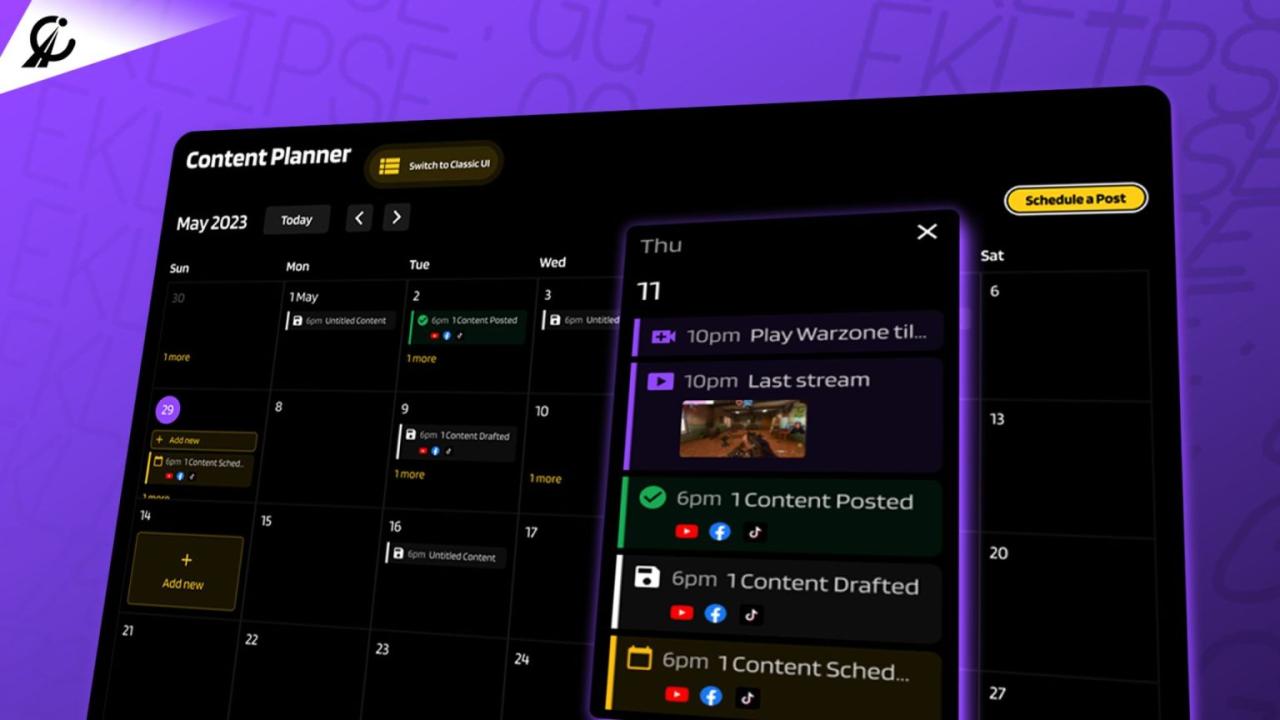
Choosing the right AI tools is a crucial step in streamlining the development of an effective social media calendar. The market offers a variety of platforms, each with unique features tailored to different needs, whether it’s content generation, scheduling automation, or analytics integration. An informed selection ensures that your social media strategy remains efficient, data-driven, and adaptable to changing trends.
When evaluating AI tools, it is essential to consider their core capabilities, ease of use, pricing structures, and user feedback. The ideal platform should seamlessly automate routine tasks, assist with creative content development, and provide insightful analytics to refine your strategy. The following comparison table highlights some popular AI-driven platforms suited for social media scheduling, emphasizing their key features, pricing models, and user ratings.
Comparison of Popular AI Platforms for Social Media Scheduling
| AI Tool | Key Capabilities | Pricing | User Ratings |
|---|---|---|---|
| Hootsuite Amplify |
|
Starting at $49/month; custom enterprise plans available | 4.5/5 (Gartner Peer Insights) |
| LatelyAI |
|
Subscription plans from $99/month | 4.3/5 (G2) |
| Buffer |
|
Starts at $6/month per social account; advanced plans at $12–$99/month | 4.4/5 (Capterra) |
| Sprout Social |
|
Plans from $249/month | 4.6/5 (Software Advice) |
Each platform offers a distinct combination of features tailored to different organizational sizes and needs. For instance, Hootsuite Amplify excels in content curation and team collaboration, making it suitable for larger teams. LatelyAI’s strength lies in AI-driven content repurposing, helping marketers maximize existing assets. Buffer provides a user-friendly interface with affordable pricing, ideal for small to medium-sized businesses. Sprout Social combines automation, analytics, and social listening, making it a comprehensive choice for organizations seeking in-depth social media insights.
Planning Content Themes and Topics with AI Assistance
Developing a strategic approach to content themes and topics is essential for maintaining relevance and engaging your target audience effectively. AI tools can significantly streamline this process by offering innovative insights, data-driven suggestions, and organized frameworks that align with industry trends and audience interests. Leveraging AI not only enhances creativity but also ensures that your content remains consistent, timely, and tailored to your brand objectives.
By integrating AI into your content planning, you can systematically brainstorm, evaluate, and organize themes that resonate with your audience. This approach helps you stay ahead of market shifts, identify emerging topics, and craft a responsive content calendar that adapts to evolving trends and audience preferences, ultimately strengthening your social media strategy.
Using AI to Brainstorm and Select Relevant Content Themes
AI-powered platforms excel at analyzing vast amounts of data to identify themes that are both trending and aligned with your brand’s niche. These tools can scan social media platforms, news outlets, industry reports, and competitor content to surface popular topics and emerging discussions. This process enables you to generate a diverse pool of potential themes without extensive manual research, saving time and enhancing creativity.
For example, AI tools like Kami or specialized content ideation platforms can suggest themes based on s, current industry buzz, or audience engagement metrics. They can also simulate audience preferences by analyzing user interactions, comments, and feedback to determine which topics are likely to generate interest.
Utilizing AI for theme selection involves inputting your target s, specifying your industry, and setting parameters for relevance and popularity. The AI then provides a curated list of themes, which you can further refine based on your brand voice and strategic goals.
Generating Content Ideas from Industry Trends and Audience Interests
Understanding current industry trends and audience interests is vital for creating compelling content. AI tools can analyze real-time data streams, social media conversations, and search engine queries to identify what topics are gaining momentum. This analysis helps in generating fresh content ideas that are timely and relevant.
For instance, by monitoring hashtags, trending topics, and searches, AI platforms can suggest specific content angles, formats, or storylines that align with trending discussions. These insights can inspire blog posts, videos, infographics, or interactive campaigns that resonate with your community.
Moreover, AI can segment audience data to uncover preferences across different demographics or geographic locations. This segmentation allows for targeted content creation that addresses specific interests, increasing engagement and shareability.
Organizing Themes in a Responsive Calendar Format
Effective content planning requires not only selecting relevant themes but also scheduling them strategically. Organizing themes in a responsive calendar format ensures that content remains consistent and adaptable to unexpected developments or trending topics. This structured approach provides clarity and flexibility in managing your social media campaigns.
Using a table format, you can create a visual overview that includes columns such as Theme/Topic, Content Type, Target Date, Platform, and Status. This layout facilitates easy updates, prioritization, and alignment with marketing campaigns or seasonal events.
For example, your responsive calendar might feature monthly themes like “Summer Trends,” “Back-to-School Tips,” or “Holiday Campaigns,” with specific content ideas mapped out within each theme. Integrating AI suggestions into this calendar helps you quickly adapt to new trends by adding or shifting themes as needed, ensuring your content remains fresh and engaging throughout the year.
Implementing such a system often involves using digital tools or spreadsheet templates equipped with filters, reminders, and collaboration features, enabling teams to work cohesively and respond dynamically to real-time insights provided by AI analysis.
Automating Content Creation Using AI
Leveraging AI for content creation has transformed how social media managers produce engaging and relevant posts efficiently. By automating the generation of social media content, businesses can maintain a consistent posting schedule while saving time and resources. AI tools facilitate the creation of tailored captions, posts, and hashtags that resonate with target audiences, ensuring content remains fresh and aligned with brand objectives.
Effective automation begins with selecting appropriate AI-powered platforms capable of understanding brand voice and audience preferences. These tools utilize natural language processing (NLP) and machine learning algorithms to generate content that can be customized to fit different social media channels. Integrating AI into the content creation process enhances productivity, promotes consistency, and allows marketing teams to focus on strategic initiatives while routine content tasks are handled seamlessly.
Techniques for Leveraging AI to Write Social Media Posts, Captions, and Hashtags
To maximize AI capabilities in content creation, it is essential to employ specific techniques that ensure high-quality outputs aligned with brand voice. These techniques include providing clear prompts to AI tools, utilizing existing content as references, and iteratively refining generated outputs for relevance and tone.
- Using detailed prompts that specify the desired tone, style, and audience to guide AI in generating appropriate content.
- Feeding AI models with existing brand content, such as previous successful posts, to help maintain consistency in voice and messaging.
- Employing multiple iterations or variations of a generated caption or post and selecting the most fitting one for publishing.
- Integrating AI tools that analyze trending hashtags and suggest relevant, high-engagement tags to maximize reach.
- Combining AI-generated drafts with human editing to refine language, ensure accuracy, and infuse personality into the posts.
Procedures for Customizing AI-Generated Content to Match Brand Voice
Customizing AI outputs to reflect a brand’s unique voice requires a systematic approach. This process involves training or fine-tuning AI models with brand-specific language, establishing style guidelines, and incorporating feedback mechanisms to continuously improve content quality.
- Develop comprehensive brand voice guidelines that Artikel tone, language preferences, and key messaging points.
- Input samples of existing branded content into AI systems to help the tool learn the preferred style and tone.
- Use prompts that specify desired stylistic elements, such as formal tone, friendly language, or playful expressions, depending on brand personality.
- Review and edit AI-generated content to ensure it aligns with brand standards before scheduling or posting.
- Implement feedback loops where team members monitor performance metrics and refine prompts or training data to enhance AI output accuracy.
Example Templates for AI-Generated Social Media Posts
Below are illustrative templates showcasing different types of social media posts generated with AI tools, adaptable to various brand styles and campaign objectives:
- Promotional Post:
“Discover our latest collection of eco-friendly products! Shop now and enjoy 20% off with code GREEN20. Limited time offer. #EcoLiving #SustainableShopping”
- Event Announcement:
“Join us for our upcoming webinar on digital marketing strategies! Save your spot today and learn from industry experts. Register here: [link] #Webinar #MarketingTips”
- Customer Testimonial:
“Thanks to [Brand], I’ve transformed my home with their innovative solutions. Highly recommend! — Jane D.”
- Educational Content:
“Did you know? Regular exercise boosts your mood and energy levels. Check out our blog for more health tips! #Wellness #HealthyLiving”
- Celebratory Post:
“Happy Customer Appreciation Day! We thank you for your loyalty and support. Stay tuned for special surprises! #CustomerLove #ThankYou”
By implementing these techniques and templates, brands can effectively harness AI to generate diverse, engaging, and on-brand social media content that resonates with their audiences and enhances their online presence.
Best Practices for Maintaining an AI-Enhanced Social Media Calendar

Efficient management of a social media calendar powered by AI requires adherence to certain best practices that ensure consistency, relevance, and audience engagement. Integrating AI tools into your workflow can significantly enhance productivity, but it also demands strategic oversight to maximize their potential. Regular updates, content diversity, and responsiveness to analytics are crucial components that help maintain a dynamic and effective social media presence.
By adopting these best practices, organizations can streamline content planning, improve audience engagement, and stay ahead of industry trends. The following guidelines serve as a comprehensive approach to sustain and optimize an AI-supported social media calendar over time.
Integrating AI Tools Smoothly into Existing Workflows
Seamless integration of AI tools into current social media workflows is vital for maximizing efficiency without disrupting established processes. Begin by evaluating your current content creation and scheduling routines to identify areas where AI can add value, such as content generation, analytics, or scheduling automation. Train team members on the functionalities of chosen AI tools to ensure smooth adoption.
Establish clear protocols for AI tool usage, including guidelines for content approval, editing, and customization. Automate routine tasks such as posting schedules and analytics reporting, freeing up human resources for strategic planning and creative tasks. Regularly review the integration process and provide ongoing training or updates to adapt to new AI features or tools, ensuring the technology complements and enhances existing workflows rather than complicating them.
Updating the Calendar Based on Audience Feedback and Analytics
Maintaining a responsive social media calendar involves continuously analyzing audience interactions and feedback to refine content strategies. Use AI-driven analytics platforms to track metrics such as engagement rates, click-throughs, and audience demographics. Incorporate sentiment analysis to gauge audience reactions and adjust content themes accordingly.
Regularly review analytics reports—preferably on a weekly or bi-weekly basis—to identify trending topics, peak engagement times, and content types that resonate most with your followers. Incorporate feedback from comments, direct messages, and surveys to understand audience preferences better. Adjust your content calendar by scheduling more of what works and phasing out less effective posts, ensuring your social media presence remains relevant and engaging.
Ensuring Content Diversity and Avoiding Repetitive Posts
Content diversity is essential to maintaining audience interest and preventing fatigue from repetitive posts. AI tools can assist by suggesting varied topics, formats, and styles based on audience preferences and trending industry themes. Implement a repository of different content types, such as images, videos, infographics, and curated articles, to diversify your posts.
Establish a rotation schedule for content themes and incorporate periodic unique campaigns, such as user-generated content, behind-the-scenes looks, or seasonal promotions. Use AI analytics to identify when your audience has seen similar content and adjust your schedule accordingly. Regularly refreshing your content mix not only enhances engagement but also positions your brand as innovative and attentive to audience interests.
Adopting these best practices ensures that your AI-enhanced social media calendar remains a dynamic, engaging, and strategic tool that adapts to evolving audience needs and industry trends.
End of Discussion
Implementing an AI-enhanced social media calendar empowers you to maintain content consistency, optimize posting times, and adapt strategies based on real-time analytics. This innovative approach not only saves valuable time but also enhances your ability to connect meaningfully with your audience. Embracing AI in your social media planning is a strategic move toward more efficient, effective, and engaging digital presence.