Discover how to optimize ecommerce product pages with ai to elevate your online store’s performance and customer satisfaction. Leveraging artificial intelligence enables smarter presentation, personalized experiences, and streamlined management, providing a competitive edge in today’s digital marketplace.
This guide explores the latest AI technologies transforming product pages, from automated content creation to visual enhancement and personalized recommendations. By understanding these strategies, businesses can effectively increase engagement and drive sales through innovative optimization techniques.
Overview of AI’s Role in Optimizing Ecommerce Product Pages
Artificial intelligence has transformed the landscape of ecommerce by enabling more dynamic, personalized, and efficient product presentation strategies. Its integration into product pages not only enhances visual appeal and informational accuracy but also significantly boosts customer engagement and conversions. As consumers increasingly demand tailored experiences and instant access to relevant product information, AI stands out as a vital tool for ecommerce businesses seeking a competitive edge.
Current AI technologies are at the forefront of this revolution, leveraging advances in machine learning, natural language processing (NLP), and computer vision to analyze, optimize, and personalize product content. These tools automate and refine many aspects of product page management, resulting in improved user experience and operational efficiency. Understanding the specific capabilities and advantages of these technologies helps businesses adopt smarter strategies for showcasing their products effectively.
Current AI Technologies Used in Ecommerce
AI adoption in ecommerce primarily revolves around three core technologies: machine learning, natural language processing, and computer vision. Each plays a distinct role in enhancing product presentation and customer interaction:
- Machine Learning: Utilized to analyze vast amounts of customer data, predict preferences, and personalize product recommendations. It also optimizes pricing strategies and inventory management based on shopping patterns.
- Natural Language Processing (NLP): Powers chatbots, reviews analysis, and product description generation. NLP enables more natural interactions with customers and improves content relevance.
- Computer Vision: Facilitates automatic image tagging, visual search, and 3D product visualization. This technology enhances product imagery quality and allows for more interactive browsing experiences.
Traditional Optimization vs. AI-Driven Strategies
While traditional optimization methods relied heavily on manual efforts and static data, AI-driven strategies facilitate real-time, data-driven, and highly personalized optimizations. Below is a comparative analysis highlighting key differences:
| Strategy | AI Technology | Benefits | Examples |
|---|---|---|---|
| Manual Product Descriptions & Images | NLP, Human Curation | Time-consuming, less scalable, limited personalization | Generic descriptions created by content teams, static images |
| AI-Generated Content & Visuals | Natural Language Processing, Computer Vision | Faster updates, personalized content, enriched visuals | Automated product descriptions tailored to target segments, AI-enhanced images with dynamic backgrounds |
| Static Recommendations | Basic Collaborative Filtering | Limited personalization, suboptimal up-sell/cross-sell | Basic “Customers also bought” lists based on pre-set rules |
| AI-Powered Personalization | Machine Learning Algorithms, Deep Learning | Highly relevant recommendations, increased engagement and sales | Real-time personalized product suggestions based on browsing and purchase history |
Automating Product Descriptions with AI
In the competitive landscape of ecommerce, delivering compelling and informative product descriptions at scale can be a daunting task. Leveraging artificial intelligence (AI) offers a transformative solution by enabling businesses to generate high-quality, -rich descriptions efficiently. This approach not only accelerates content creation but also enhances the overall shopping experience, aiding in improved search engine rankings and customer engagement.
AI-powered tools utilize advanced natural language processing (NLP) algorithms to craft product descriptions that are both persuasive and optimized for search visibility. These tools analyze input parameters such as product features, specifications, and target s to produce tailored content that resonates with target audiences while maintaining consistency across product listings. Customization options allow brands to infuse their unique voice and tone, ensuring the generated descriptions align with their overall branding strategy.
Generating Compelling and -Rich Product Descriptions
Effective product descriptions require a balance of engaging language and strategic placement. AI models trained on extensive ecommerce datasets can automatically incorporate relevant s seamlessly into descriptions, helping products rank higher in search results. These models analyze trending search terms, industry-specific jargon, and customer query data to produce descriptions that are both attractive and discoverable.
For example, an AI system might generate a description like:
“Experience unparalleled comfort with our ergonomic office chair, featuring adjustable height, supportive lumbar support, and breathable mesh fabric. Perfect for home or office use, this ergonomic chair enhances productivity and reduces fatigue.”
Here, s such as “ergonomic office chair,” “adjustable height,” and “breathable mesh” are integrated naturally to improve performance.
Customizing AI-Generated Content to Match Brand Voice and Target Audience
While AI can automatically generate descriptions, customizing this content ensures alignment with brand identity and audience preferences. Many AI platforms offer parameters to adjust tone, formality, and style, allowing marketers to tailor the output accordingly. For instance, a luxury brand may prefer refined, sophisticated descriptions, whereas a tech startup might opt for a more energetic and modern tone.
Brands can refine AI outputs by providing style guidelines, specific s, or examples of preferred language. Iterative editing and feedback loops enable continuous improvement, ensuring that the final descriptions accurately reflect brand ethos and appeal effectively to target demographics. This synergy between AI automation and human oversight results in descriptions that are both scalable and authentic.
Sample AI-Generated Product Descriptions
Below is a table showcasing examples of AI-generated product descriptions, emphasizing the importance of structured and optimized content for ecommerce success:
| Product Name | AI Description | Features | Call to Action (CTA) |
|---|---|---|---|
| Wireless Noise-Canceling Headphones | Immerse yourself in crystal-clear sound with our wireless noise-canceling headphones. Designed for comfort and long-lasting battery life, these headphones are perfect for travel, work, or leisure. Experience superior audio quality and block out distractions effortlessly. | Active noise cancellation, Bluetooth 5.0, 20-hour battery, ergonomic ear cushions | Shop now and enjoy pure, uninterrupted sound on your next adventure! |
| Stainless Steel Travel Mug | Keep your beverages hot or cold for hours with our durable stainless steel travel mug. Featuring a leak-proof lid and ergonomic grip, it’s ideal for busy mornings, commutes, or outdoor activities. Stay refreshed wherever life takes you. | Double-wall insulation, leak-proof lid, BPA-free, spill-resistant design | Order today and stay hydrated on the go! |
| Smart LED Desk Lamp | Enhance your workspace with our smart LED desk lamp, offering adjustable brightness and color temperature. Equipped with touch controls and energy-efficient LEDs, it provides customizable lighting for reading, working, or relaxing. | Touch controls, adjustable brightness and color temperature, energy-saving LEDs | Get yours now for a brighter, more comfortable workspace! |
| Organic Cotton Bed Sheets | Experience luxurious comfort with our organic cotton bed sheets. Soft, breathable, and eco-friendly, these sheets ensure restful sleep while supporting sustainable practices. Elevate your bedroom ambiance effortlessly. | 100% organic cotton, hypoallergenic, machine washable, available in multiple sizes and colors | Buy today and transform your sleep experience! |
Enhancing Visual Content Using AI-Powered Image Tools
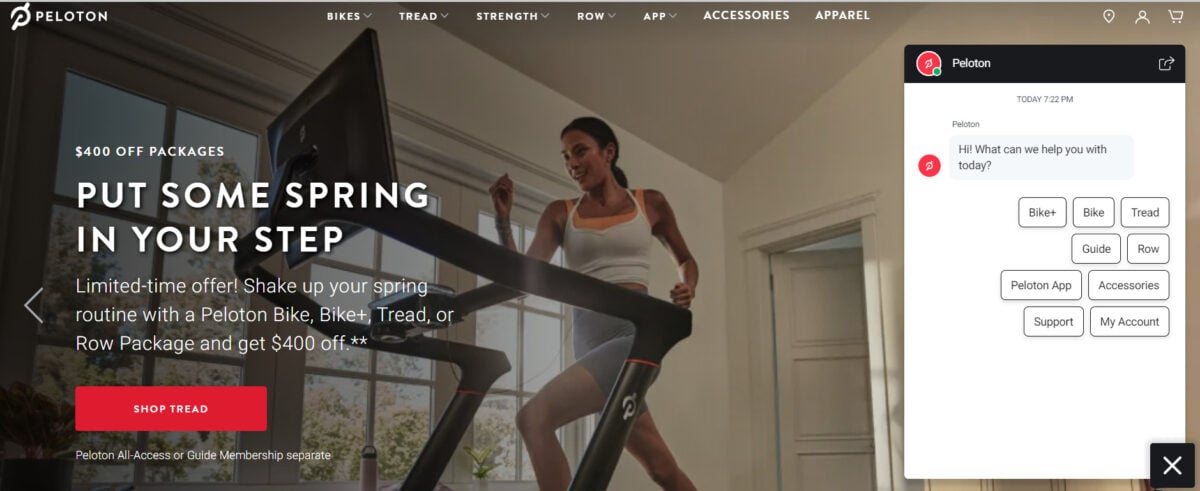
In the competitive landscape of ecommerce, high-quality visual content can significantly influence customer engagement and conversion rates. Artificial Intelligence offers advanced tools to optimize product images, ensuring they are not only visually appealing but also serve functional purposes such as better load times, accurate representations, and interactive displays. Leveraging AI-driven image enhancement techniques allows brands to produce professional-grade visuals efficiently, ultimately elevating the shopper’s experience and trust.
By integrating AI-powered image tools, ecommerce platforms can automate complex image editing tasks, create dynamic product views, and generate visuals that resonate more effectively with consumers. This approach reduces manual workload and accelerates content production, while also maintaining consistency and quality across the product catalog.
AI-Enhanced Image Optimization Techniques
Optimizing product images using AI involves a suite of techniques designed to improve clarity, relevance, and visual impact. These methods include auto-cropping, background removal, and quality enhancement, which collectively contribute to more engaging and professional product presentations.
- Auto-Cropping: AI algorithms can automatically detect the main subject of an image and crop it to focus on the product, eliminating distracting backgrounds or unnecessary space. This ensures uniformity across product images and emphasizes key features, making listings more appealing.
- Background Removal: Using AI-powered segmentation models, backgrounds can be efficiently removed or replaced. This process allows for consistent white or neutral backgrounds, which are preferred in ecommerce to highlight the product and facilitate better visual comparisons.
- Quality Enhancement: AI tools analyze images for issues such as blurriness, poor lighting, or color inconsistencies. They then apply algorithms to sharpen details, correct color balances, and improve resolution, resulting in crisp, vibrant visuals that attract customer attention.
Creating 360-Degree and AR-Enabled Product Visuals
Interactive and immersive visuals like 360-degree views and augmented reality (AR) experiences are transforming ecommerce by providing customers with a more comprehensive understanding of products. AI plays a crucial role in automating and streamlining the creation of these advanced visual formats.
- 360-Degree Visuals: AI-assisted imaging techniques capture multiple angles of a product, which are then stitched together to produce seamless, rotatable views. Automated alignment and blending algorithms ensure smooth transitions, offering shoppers a detailed view from every perspective without extensive manual editing.
- AR-Enabled Visuals: AI enables the generation of realistic 3D models from 2D images by analyzing surface textures, dimensions, and spatial relationships. These models can be integrated into AR applications, allowing customers to visualize products within their own environment—such as placing furniture in a room or trying on accessories virtually.
Implementing these AI-driven visual techniques enhances the shopping experience by providing interactive, realistic, and detailed product representations, which can lead to increased conversions and reduced return rates.
Generating Descriptive Visuals with Clarity, Detail, and Contextual Relevance
AI-powered image generation and enhancement tools are capable of creating visuals that are not only visually appealing but also rich in detail and contextual accuracy. These capabilities are essential for conveying product features clearly and effectively to consumers.
- Clarity and Detail
- Advanced AI models utilize deep learning to generate high-resolution images that showcase minute details such as fabric texture, intricate patterns, or material finishes. This level of detail helps customers make informed purchasing decisions, reducing ambiguity and increasing satisfaction.
- Contextual Relevance
- AI can generate images that reflect specific contextual scenarios, such as demonstrating product usage or styling tips. For example, an AI-generated scene might depict a model wearing a clothing item in a relevant setting, enhancing emotional engagement and providing practical understanding.
- Consistency and Accuracy
- AI tools ensure that generated visuals maintain consistency in lighting, perspective, and color accuracy across a product range. This consistency is vital for brand integrity and easy comparison between similar products.
By harnessing AI to generate and optimize visual content, ecommerce businesses can deliver more engaging, accurate, and high-quality images that resonate with consumers and elevate their overall shopping experience.
Personalizing User Experience Through AI Algorithms

Enhancing the shopping experience by delivering tailored content is a pivotal strategy in modern ecommerce. AI algorithms analyze individual user behaviors to create personalized interactions, fostering customer engagement, loyalty, and higher conversion rates. By leveraging advanced data processing capabilities, businesses can transform static product pages into dynamic, user-centric platforms that resonate with each visitor’s preferences and intentions.
Implementing AI-driven personalization involves collecting and analyzing data from browsing patterns, purchase history, and interaction metrics. These insights enable the creation of customized product recommendations, targeted content, and adaptive user interfaces. The result is a seamless shopping journey where users are presented with relevant products and offers, increasing the likelihood of purchase and enhancing overall satisfaction.
Integration of AI-Driven Personalization Engines
To effectively incorporate AI personalization into ecommerce platforms, a systematic approach is essential. This process begins with selecting suitable AI engines or platforms capable of real-time data analysis and recommendation generation. E-commerce businesses should ensure these tools can integrate smoothly with existing content management systems (CMS) and customer relationship management (CRM) tools.
Key procedures involve:
- Data Collection: Establishing mechanisms to gather comprehensive user data, including browsing history, clickstream data, and purchase records, while maintaining compliance with privacy regulations.
- Model Training: Utilizing machine learning models trained on historical data to identify patterns and predict user preferences.
- Personalized Content Deployment: Embedding recommendation modules into product pages, which dynamically display suggested products based on individual user profiles.
- Continuous Optimization: Monitoring performance metrics and refining algorithms to improve recommendation accuracy and relevance over time.
For example, an AI engine might analyze a user’s recent browsing sessions and identify a pattern such as interest in outdoor gear. The system then dynamically updates the product page to showcase related accessories, apparel, or exclusive offers tailored to that user’s interests, creating a more engaging shopping experience.
Examples of Personalized Content Layouts
Effective presentation of personalized content requires thoughtful layout design to maximize relevance and user engagement. Below are examples illustrating how personalized recommendations can be organized within product pages:
<div class="recommendations">
  <h4>Recommended for You</h4>
  <ul>
    <li>Wireless Bluetooth Earbuds - Based on your recent searches for portable audio</li>
    <li>Outdoor Hiking Backpack - Matched to your interest in camping gear</li>
    <li>Smart Fitness Watch - Suggested after viewing health and wellness products</li>
  </ul>
</div>
This layout uses a straightforward list to present personalized suggestions, making it easy for users to explore relevant products. Additionally, product recommendations can be organized within a table for a more structured view:
<table border="1">
  <tr>
    <th>Product Image</th>
    <th>Product Name</th>
    <th>Relevance Score</th>
  </tr>
  <tr>
    <td>[Image of wireless earbuds]</td>
    <td>Wireless Bluetooth Earbuds</td>
    <td>95% Match</td>
  </tr>
  <tr>
    <td>[Image of hiking backpack]</td>
    <td>Outdoor Hiking Backpack</td>
    <td>89% Match</td>
  </tr>
  <tr>
    <td>[Image of fitness watch]</td>
    <td>Smart Fitness Watch</td>
    <td>92% Match</td>
  </tr>
</table>
Such layouts facilitate quick visual scanning and decision-making, encouraging users to explore personalized recommendations more intuitively.
The combination of data-driven insights and strategic content organization significantly enhances the overall shopping experience, transforming standard product pages into personalized environments that cater to individual preferences and behaviors.
Implementing AI Chatbots and Virtual Assistants on Product Pages
Integrating AI chatbots and virtual assistants into ecommerce product pages significantly enhances user engagement and streamlines the shopping experience. These intelligent agents serve as real-time helpers, guiding customers through product options, addressing queries instantly, and providing personalized recommendations. Effective implementation of these tools not only improves customer satisfaction but also increases conversion rates and fosters brand loyalty.
Implementing AI chatbots and virtual assistants requires a strategic approach that combines thoughtful design, seamless platform integration, and scripted interactions tailored to user needs. This ensures that the virtual helpers provide meaningful assistance without disrupting the natural flow of the shopping journey, ultimately creating a more interactive and satisfying shopping environment.
Design Strategies for AI Chatbots Assisting Users in Product Selection and Query Resolution
Designing effective AI chatbots involves creating a user-centric interface that combines simplicity with intelligence. The chatbot should be designed to understand natural language inputs, allowing users to communicate as they would with a human assistant. Key strategies include:
- Developing a conversational flow that anticipates common customer questions and product-related inquiries, ensuring quick and accurate responses.
- Incorporating personality traits that align with the brand, providing a friendly yet professional tone that fosters trust.
- Using visual cues, such as product images or icons, to enhance understanding and make interactions more engaging.
- Implementing fallback mechanisms to gracefully handle unrecognized queries, guiding users back to relevant topics or suggesting alternatives.
- Allowing users to seamlessly escalate to human support when needed, maintaining a high level of service quality.
Effective chatbot design focuses on delivering value through intuitive interactions that help users make informed decisions, reduce cart abandonment, and improve overall shopping satisfaction.
Steps for Integrating AI Virtual Assistants with Ecommerce Platforms
Seamless integration of AI virtual assistants with ecommerce platforms requires a structured approach that ensures compatibility, security, and functionality. The main steps include:
- Assessment and Planning: Evaluate the existing platform architecture and identify specific needs the virtual assistant should address, such as product recommendations or customer support.
- Choosing the Right AI Solution: Select an AI chatbot framework or platform that offers robust natural language processing (NLP), integration capabilities, and scalability. Examples include Google Dialogflow, Microsoft Bot Framework, or custom solutions built with AI APIs.
- API Integration: Connect the chatbot platform to the ecommerce backend using RESTful APIs, enabling real-time access to product inventories, order statuses, customer data, and more.
- Embedding on Product Pages: Embed the chatbot interface directly within product pages or as a floating widget that remains accessible throughout the shopping experience.
- Testing and Optimization: Conduct extensive testing to ensure smooth interactions, responsiveness, and data accuracy. Utilize user feedback to refine conversational flows and functionality.
- Monitoring and Maintenance: Continuously monitor chatbot performance through analytics, adjusting scripts and capabilities based on evolving customer needs and platform updates.
This systematic approach ensures that the AI virtual assistant functions reliably, provides valuable assistance, and integrates seamlessly with the ecommerce infrastructure.
Scripting Conversations to Guide Users Through Product Features and Benefits
Effective scripting forms the backbone of a helpful AI virtual assistant, enabling it to deliver informative and persuasive messages that guide users efficiently. Crafting these scripts involves understanding customer intents, common questions, and decision-making processes. Key considerations include:
- Creating dialogue trees that cover typical user inquiries regarding product specifications, usage instructions, and comparison points.
- Using clear, concise language that emphasizes product benefits and addresses potential concerns proactively.
- Incorporating persuasive elements, such as highlighting unique selling points or offering limited-time promotions, to encourage conversions.
- Designing conversational prompts that gently steer users toward actionable steps, such as adding items to the cart or viewing related products.
- Including fallback responses that acknowledge user inputs diplomatically and suggest alternative queries or direct contact options.
For example, a scripted conversation might involve the virtual assistant asking, “Are you looking for a specific feature or trying to compare options?” This helps narrow down user needs and provides tailored product recommendations. Another example involves explaining product features, such as, “This smartwatch includes a heart rate monitor, GPS tracking, and a long-lasting battery—perfect for fitness enthusiasts.”
“Well-crafted scripts empower AI virtual assistants to deliver personalized, relevant, and persuasive guidance, ultimately driving customer satisfaction and sales.”
Optimizing Product Page Layout and Design with AI Insights
Effective layout and design are crucial for enhancing user engagement and boosting conversion rates on ecommerce product pages. Leveraging AI insights allows businesses to analyze user behavior, identify high-performing elements, and tailor the page structure to meet customer preferences. This data-driven approach ensures that product pages are not only visually appealing but also strategically organized to facilitate seamless navigation and decision-making.
By integrating AI-powered analytics into the design process, ecommerce platforms can continuously refine layout elements such as image placement, call-to-action buttons, and product information sections. This iterative optimization results in a more intuitive user experience, ultimately leading to increased sales and customer satisfaction.
Utilizing AI Analytics for Optimal Page Layout and Element Placement
AI analytics tools can process vast amounts of user interaction data to determine which layout configurations yield the highest engagement. For instance, heatmap analysis powered by AI can reveal where visitors tend to focus their attention, highlighting the most effective positions for key elements like product images, reviews, and purchase buttons.
Machine learning algorithms can identify patterns in user behavior, such as the types of product descriptions that encourage longer visits or the locations where users typically exit the page. These insights enable marketers to adjust layout components dynamically, ensuring that crucial information appears where it is most likely to influence purchasing decisions.
Testing UI/UX Variations for Maximum Conversion
AI-driven A/B testing platforms facilitate the systematic experimentation of different user interface and user experience designs. These tools can automatically generate variations of page layouts, such as differing image sizes, text placements, or color schemes, and then assess their performance based on real-time user interactions.
By employing machine learning algorithms, businesses can quickly identify the most effective design elements and combinations, reducing the trial-and-error cycle typically involved in UI/UX optimization. This approach ensures that the final layout maximizes conversion rates by aligning with user preferences and behaviors.
Sample Layout Plan with AI-Driven Enhancements
| Element | AI Suggested Enhancement | Implementation Steps |
|---|---|---|
| Product Image | Optimize size and placement based on user attention heatmaps to ensure the image is prominently displayed without overwhelming other content. |
|
| Product Description and Reviews | Use natural language processing (NLP) to prioritize and highlight the most impactful information based on user interactions. |
|
| Call-to-Action (CTA) Buttons | Place CTAs where AI analytics indicate users are most likely to click, optimizing for maximum conversions. |
|
Incorporating AI insights into layout and design decisions enables ecommerce businesses to craft highly personalized and efficient product pages. This strategic alignment with user behavior not only enhances the overall shopping experience but also significantly contributes to higher conversion rates and increased revenue.
Managing Inventory and Pricing with AI
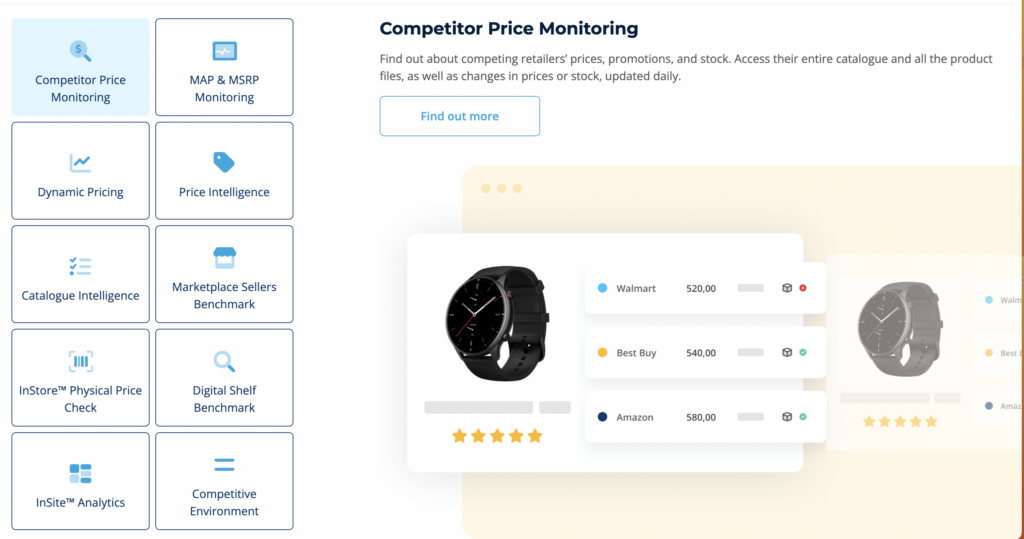
Effective management of inventory and pricing is critical for maximizing profitability and ensuring customer satisfaction in the e-commerce sector. Artificial Intelligence (AI) offers advanced tools to forecast demand accurately and implement dynamic pricing strategies, helping merchants remain competitive and responsive to market fluctuations.
By leveraging AI-driven solutions, online retailers can automate complex inventory and price adjustments, reducing manual effort and minimizing errors. This integration of AI technologies enables a proactive approach to stock management and pricing optimization, ensuring that products are priced competitively while maintaining optimal stock levels.
Demand Forecasting and Dynamic Pricing
AI algorithms analyze historical sales data, market trends, seasonal patterns, and external factors such as economic indicators or competitor actions to predict future demand with high accuracy. This predictive capability allows businesses to adjust their inventory levels proactively, avoiding stockouts and overstock situations.
Dynamic pricing involves real-time adjustment of product prices based on demand forecasts, competitor pricing, inventory levels, and customer behavior. AI models facilitate this by continuously monitoring market conditions and automating price changes to maximize revenue and market share.
Demand prediction formulas: AI models often use time series analysis, regression models, or machine learning algorithms such as Random Forests and Gradient Boosting Machines to forecast sales volumes and demand fluctuations.
Procedures for Integrating AI-Based Inventory Management Tools
Successful integration of AI inventory management systems requires a systematic approach:
- Conduct an inventory audit to understand current stock levels, turnover rates, and supply chain constraints.
- Select AI software solutions that align with business needs, scalability, and existing systems.
- Integrate the AI tool with your e-commerce platform and Enterprise Resource Planning (ERP) systems through APIs or direct data connections.
- Train staff on the new system to ensure smooth adoption and proper interpretation of AI-driven insights.
- Establish continuous monitoring and feedback mechanisms to refine AI models based on real-world performance and changing market conditions.
Automation of reorder points, stock replenishment, and supplier communication are key benefits of AI integration, enabling real-time updates and reducing manual intervention.
Algorithms for Dynamic Pricing and Stock Level Predictions
Various algorithms underpin AI applications in inventory and pricing management, each suited to different operational contexts:
| Algorithm | Description | Application |
|---|---|---|
| Time Series Forecasting | Analyzes historical data to identify trends and seasonal patterns for demand prediction. | Forecasting sales volumes, adjusting stock levels accordingly. |
| Regression Models | Predicts demand based on variables such as price, promotions, or external factors. | Optimizing pricing based on competitor activity or market conditions. |
| Reinforcement Learning | Allows the system to learn and adapt pricing strategies through trial and error, maximizing revenue. | Dynamic adjustment of prices in response to market feedback in real time. |
| Neural Networks | Models complex nonlinear relationships within data for highly accurate demand forecasting. | Predicting rapid demand shifts during promotional campaigns or sudden market changes. |
For example, Amazon employs sophisticated machine learning models that analyze vast amounts of data to adjust prices dynamically across millions of products, ensuring competitiveness and profitability.
Ethical considerations and best practices in AI-driven optimization
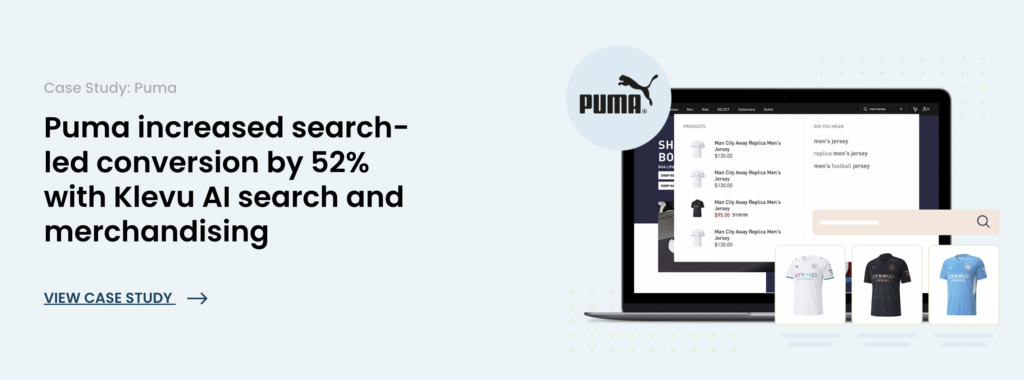
Implementing AI technologies in ecommerce offers significant advantages in enhancing customer experience, streamlining operations, and driving sales. However, these benefits come with ethical responsibilities that ensure AI applications are transparent, fair, and respect user privacy. Addressing ethical considerations is essential to build trust with customers and to uphold the integrity of the business while leveraging AI for optimization.
Responsible AI deployment requires a comprehensive approach that prioritizes transparency, minimizes bias, safeguards user data, and adheres to established best practices. Embracing these principles not only mitigates legal and reputational risks but also fosters a sustainable and ethical digital environment for both businesses and consumers.
Maintaining transparency and avoiding bias in AI-generated content
Transparency involves clearly communicating to users how AI influences the content and recommendations they encounter on ecommerce platforms. Customers should be informed when AI tools are used to generate product descriptions, personalized recommendations, or visual enhancements. This openness enhances trust and demonstrates a commitment to honest business practices.
Bias in AI arises when algorithms inadvertently favor certain demographics, products, or viewpoints, often stemming from skewed training data. Such biases can lead to unfair treatment of customers or misrepresentation of products. To prevent this, it is crucial to regularly audit AI models for bias, incorporate diverse datasets, and adjust algorithms to promote fairness and neutrality.
Implementing explainability features in AI systems allows users and stakeholders to understand decision-making processes, fostering transparency and accountability.
Ensuring user privacy and data security
Protecting customer data is a fundamental ethical obligation. Ecommerce platforms integrating AI must adhere to data privacy laws such as GDPR or CCPA, which mandate explicit user consent, data minimization, and clear data handling policies. Ensuring that customer information is securely stored and transmitted minimizes the risk of breaches and misuse.
Employing techniques such as data anonymization, encryption, and secure authentication protocols enhances data security. Additionally, informing users about how their data is used and providing options to manage their privacy settings cultivates trust and demonstrates respect for their rights.
Checklist of best practices for responsible AI implementation in ecommerce
Adopting responsible AI practices involves following established guidelines to ensure ethical deployment and continuous improvement. The following checklist offers essential steps for businesses:
- Conduct regular bias audits and fairness evaluations of AI models to identify and mitigate unfair treatment.
- Maintain transparency by clearly disclosing AI usage and decision-making processes to users.
- Implement robust data protection measures, including encryption and secure storage, compliant with relevant privacy laws.
- Obtain explicit user consent before collecting or processing personal data, with clear explanations of data usage.
- Engage diverse teams in AI development to incorporate broad perspectives and reduce unintentional bias.
- Establish accountability mechanisms, including documentation and oversight, to monitor AI performance and ethical compliance.
- Provide avenues for user feedback and dispute resolution concerning AI-driven decisions or content.
- Stay updated on evolving legal standards and ethical guidelines related to AI in ecommerce.
Epilogue
Incorporating AI into your ecommerce product pages offers substantial benefits, including improved content quality, visual appeal, and user experience. As technology advances, adopting these intelligent solutions will be crucial for staying ahead in a dynamic online environment. Implementing responsible practices ensures ethical and secure optimization that benefits both your business and your customers.