Learning how to generate press releases with AI offers a transformative approach to media communication, enabling organizations to craft compelling and professional content efficiently. This innovative method leverages advanced algorithms to streamline the creation process, saving time while maintaining quality. By understanding the fundamental principles and practical steps involved, businesses can harness AI tools to produce impactful press releases that resonate with their target audiences.
This guide explores the essential techniques for developing, structuring, and enhancing press releases using AI. It covers how to input key information, organize content effectively, incorporate data and multimedia, and ensure quality control. Additionally, it highlights strategies for automating distribution and adhering to ethical standards, making AI a valuable partner in modern public relations efforts.
Understanding the Basics of AI-Generated Press Releases
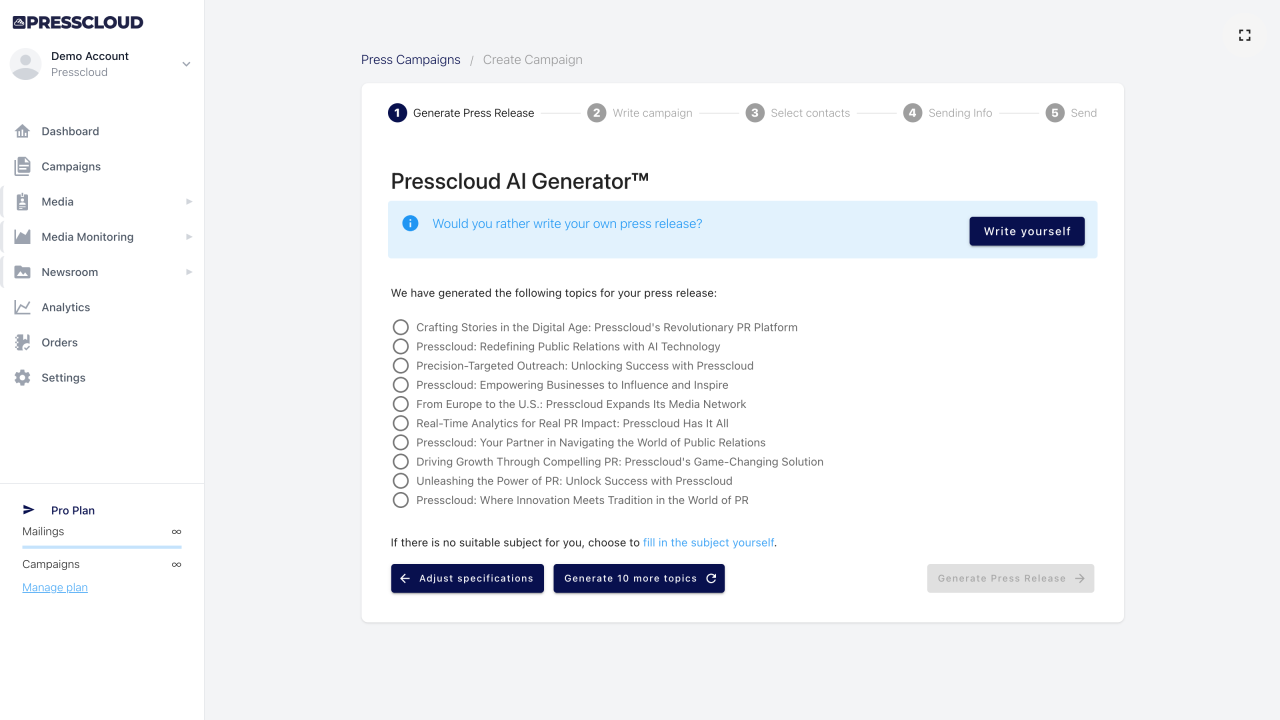
Generating press releases with artificial intelligence (AI) has become an increasingly popular method for organizations seeking efficient and effective communication. By leveraging AI tools, companies can streamline the creation process, ensure consistency, and tailor content to specific audiences with minimal manual effort. Understanding the foundational principles behind AI-driven press release creation is essential for harnessing its full potential and maintaining journalistic integrity.
AI-generated press releases are based on advanced natural language processing (NLP) algorithms that analyze large datasets, recognize patterns, and produce coherent, contextually relevant content. These tools often incorporate machine learning models trained on extensive media and corporate communication examples, enabling them to mimic human writing styles while adhering to specific guidelines. Setting up or accessing these tools typically involves selecting suitable platforms, inputting relevant data, and configuring parameters to align with organizational tone and messaging objectives.
Compared to traditional manual writing, AI-assisted methods significantly reduce time and resource expenditure, allowing communications teams to focus on strategic initiatives and creative oversight, while ensuring rapid, consistent dissemination of information.
Fundamental Principles of Using AI for Press Release Creation
Understanding the core principles guiding AI-based press release generation ensures effective deployment and high-quality outputs. These principles include data-driven insights, automation, and adaptability. AI models rely heavily on large-scale datasets to learn language patterns, industry terminology, and contextual nuances, facilitating the production of accurate and engaging content. Automation enables rapid content creation, making it possible to generate multiple versions or updates of press releases swiftly, which is particularly advantageous during crisis communication or product launches.
Adaptability refers to the AI’s ability to fine-tune language, tone, and style based on user feedback, ensuring the generated content aligns with the organization’s branding and audience expectations.
Steps to Set Up or Access AI Tools for Press Release Creation
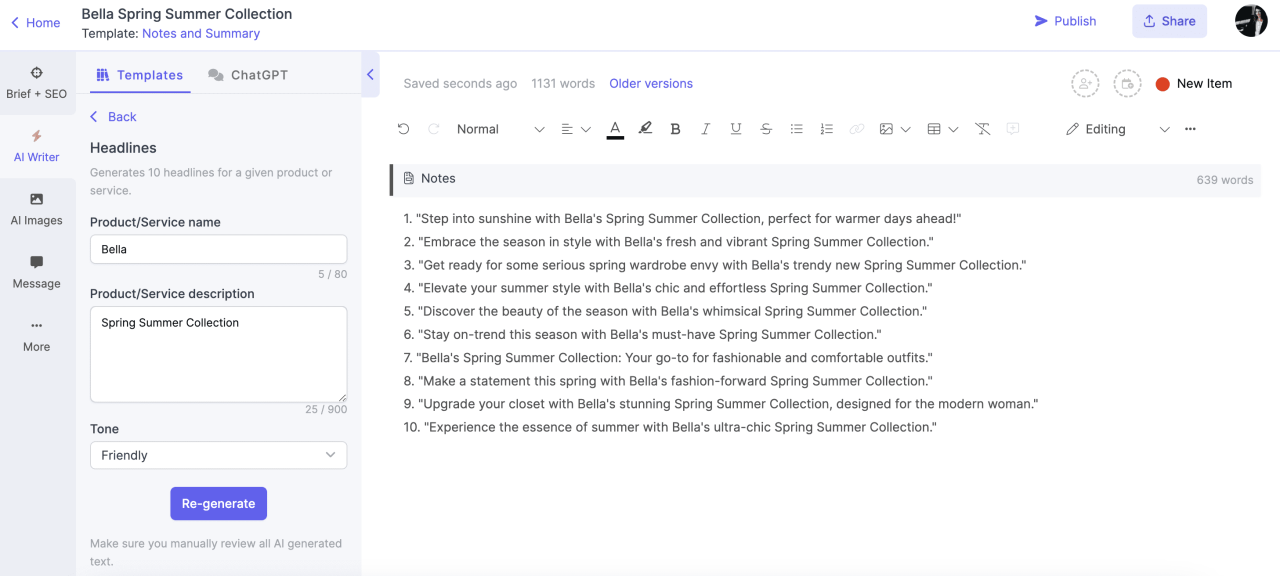
Implementing AI tools for press release creation involves a series of methodical steps, aimed at ensuring the tools are aligned with organizational needs and produce optimal results. Initially, organizations should research and select suitable AI platforms that specialize in natural language generation (NLG), such as OpenAI’s GPT models, Jasper.ai, or Copy.ai, among others. Once a platform is chosen, users typically need to create an account and familiarize themselves with its features and settings.
The next step involves preparing input data, which may include key messages, company background, product details, and target audience information. Customization options, like tone of voice and style preferences, are then configured to match organizational branding. After setup, users can begin generating draft press releases, review the outputs for accuracy and consistency, and make necessary adjustments. Continuous learning from user feedback enhances the AI’s ability to produce refined and contextually appropriate content over time.
Comparison Between Traditional and AI-Assisted Press Release Writing
Traditional press release writing relies heavily on human expertise, creativity, and manual research. Writers craft content from scratch, often dedicating significant time to research, drafting, editing, and approval processes. This approach ensures nuanced storytelling, strategic messaging, and a high degree of personalization but can be resource-intensive and slow, especially under tight deadlines. Conversely, AI-assisted methods significantly accelerate content production by automating initial drafts and suggesting edits, which enhances efficiency without necessarily sacrificing quality.
While AI-generated content offers consistency, speed, and the ability to quickly adapt to different formats or audiences, it may require human oversight to ensure accuracy, context relevance, and adherence to ethical standards. Combining the strengths of both approaches—human creativity and AI efficiency—can lead to highly effective press communications that are both timely and impactful.
Developing Content Using AI for Press Releases
Creating compelling and professional press releases with the assistance of AI requires a structured approach to inputting key information and guiding the AI to produce coherent, engaging content. By leveraging the capabilities of AI platforms, organizations can streamline their communication processes and ensure consistency across releases.
This section explores the procedures for inputting essential details into AI tools, designing effective templates to standardize outputs, and identifying the critical elements that AI should incorporate to craft effective press releases.
Procedures for Inputting Key Information into AI Platforms
Accurate and comprehensive input of key information is fundamental to generating high-quality press releases with AI. The process involves preparing clear, structured data that guides the AI to produce relevant content efficiently. To achieve this, organizations should follow these steps:
- Gather all relevant details including the news event, company background, key messages, and target audience.
- Dissect the information into core components: the main announcement, supporting facts, quotes, and contact information.
- Use a standardized format or prompt that clearly specifies the expected output, such as including placeholders for the headline, dateline, body, and boilerplate.
- Input the data into the AI platform through structured prompts or templates, ensuring clarity and precision to reduce ambiguity.
- Review preliminary outputs for accuracy and relevance, then refine input prompts as necessary to improve the quality of subsequent generations.
For instance, a well-crafted prompt might be:
“Generate a professional press release about [event], including a compelling headline, dateline, detailed body paragraph, and boilerplate about [company]. Focus on clarity, newsworthiness, and engaging language.”
This approach ensures the AI understands the context and expected structure, leading to more effective content creation.
Designing Templates to Guide AI in Producing Consistent and Professional Releases
Templates serve as valuable tools for maintaining consistency and professionalism across press releases generated by AI. They provide a predefined structure that guides the AI in organizing content logically and uniformly, which is particularly important for brand identity and message clarity. When designing templates, consider including:
- Predefined sections such as headline, dateline, introduction, body, quotes, and boilerplate.
- Instructions within each section to specify tone, style, and key points to emphasize.
- Placeholders for inserting specific data points, such as dates, locations, or statistics.
- Guidelines for word count or paragraph length to ensure readability and focus.
Effective templates align with the company’s branding standards, ensuring all generated releases reflect a cohesive voice. For example, a template might specify that the headline should be no longer than 10 words and include the main achievement or announcement. The AI then populates this template based on the input data, producing a uniform output that can easily be reviewed and published.
Essential Elements AI Should Incorporate in a Press Release
To maximize the effectiveness of AI-generated press releases, certain key elements must be incorporated consistently. These elements ensure that the release conveys the intended message clearly, provides necessary information, and adheres to journalistic standards. The main components include:
| Element | Description |
|---|---|
| Headline | A concise, attention-grabbing summary of the news that encourages readership. |
| Dateline | Includes the city and date of release, establishing timeliness and location context. |
| Introduction/Body | Provides detailed information about the announcement, including supporting facts, context, and significance. |
| Quotes | Statements from key stakeholders or experts that add credibility and perspective. |
| Boilerplate | A brief paragraph about the organization, offering background and contact details for media follow-up. |
Ensuring these elements are correctly formatted and integrated by the AI leads to a professional, comprehensive press release that effectively communicates the intended message to journalists, stakeholders, and the public.
Structuring Press Releases Effectively with AI
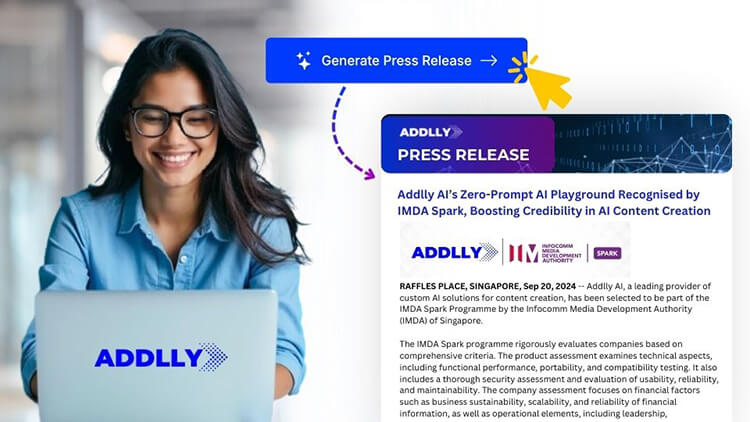
Crafting a well-structured press release is essential for capturing media attention and conveying your message clearly. Utilizing AI to assist in structuring these releases can streamline the process, ensuring consistency and effectiveness. Proper organization not only enhances readability but also emphasizes the newsworthiness and encourages immediate engagement from journalists and audiences alike.
AI can be guided to prioritize the most critical information, arrange components logically, and incorporate engaging elements such as compelling headlines and calls-to-action. By understanding how to instruct AI in structuring press releases, organizations can produce professional, impactful communications that resonate with target audiences and achieve desired outcomes.
Organizing Content for Clarity and Engagement
Effective press releases follow a logical structure that addresses the who, what, when, where, why, and how. Guiding AI to adhere to this structure ensures that key details are prominent and accessible. The first paragraph should succinctly answer the most pressing questions, establishing the newsworthiness immediately. Subsequent sections can elaborate with supporting details, quotes, and background information.
When instructing AI, specify the hierarchy of information, emphasizing clarity and brevity. AI can be guided to avoid jargon, use active voice, and maintain a professional tone throughout. This approach guarantees that the press release remains engaging while delivering all essential information.
Sample Press Release Structure Table
Using HTML tables allows for a clear visual layout of the typical components of a press release. This helps AI recognize the importance and placement of each element, resulting in well-organized content. Here is an example layout showing standard components with sample content:
| Component | Description | Sample Content |
|---|---|---|
| Headline | Captures attention and summarizes the main news | Innovative Eco-Friendly Packaging Launches in 2024 |
| Dateline | Includes date and location of the press release | San Francisco, CA — March 15, 2024 |
| Introduction | Summary of the news, answering the key questions | GreenPack Inc. has announced the launch of biodegradable packaging solutions aimed at reducing plastic waste globally. |
| Details | Additional context, statistics, and quotes | According to CEO Jane Doe, “Our new products are designed to meet the rising demand for sustainable packaging while maintaining quality and affordability.” |
| Boilerplate | Background information about the organization | GreenPack Inc., founded in 2010, is a leader in eco-conscious packaging solutions dedicated to environmental sustainability. |
| Call-to-Action | Encourages immediate response or contact | For more information, visit www.greenpack.com or contact [email protected]. |
Emphasizing Newsworthiness and Calls-to-Action with AI
AI can be programmed to identify and highlight the most newsworthy elements of a story, ensuring that these aspects are prominently featured. This involves instructing AI to prioritize information such as unique innovations, significant impacts, or notable quotes, making the press release more compelling.
To maximize engagement, instruct AI to incorporate clear calls-to-action that prompt readers to act immediately, whether it’s visiting a website, contacting a representative, or attending an event. Effective CTAs should be concise, direct, and aligned with the overall objective of the press release.
For example, AI can be guided to craft compelling statements like “Join us at the launch event on April 10th,” or “Discover more about our sustainable solutions by visiting our website today.” Ensuring that these elements stand out within the structure increases the likelihood of achieving the desired response from journalists and the target audience.
Enhancing Press Releases with AI-Generated Data and Insights
Integrating data-driven insights into press releases significantly boosts their credibility and impact. Using AI to generate supporting statistics, quotes, and tailored content allows communicators to craft compelling narratives that resonate with specific audiences and media outlets. This approach not only enriches the content but also streamlines the process of creating persuasive, data-backed messages in a timely manner.
By leveraging AI for data enhancement, organizations can deliver more authoritative and relevant information, positioning themselves as credible sources. The following methods demonstrate how to effectively input data for AI-generated support, customize content for target audiences, and incorporate multimedia descriptions to elevate press releases.
Inputting Data for AI-Generated Supporting Statistics and Quotes
Providing accurate, structured data is fundamental for AI systems to produce meaningful statistics and authentic quotes. Clear data inputs enable AI to analyze trends, extract insights, and formulate compelling supporting statements. It is essential to compile relevant figures, such as market shares, growth percentages, or customer satisfaction scores, in a structured format like CSV, JSON, or directly within prompts.
For example, to generate a quote from a data-driven perspective, inputting a summary of the key statistics along with contextual information allows AI to craft persuasive statements. Using prompts such as, “Based on the recent 2023 survey showing 75% customer satisfaction with our product, generate a quote emphasizing our commitment to quality,” can produce authentic, relatable quotes from company executives or industry experts.
Tailoring Press Releases to Specific Audiences or Media Outlets
Customizing press releases to suit distinct audiences or media outlets enhances relevance and engagement. AI can analyze audience demographics, preferences, and the typical tone of targeted outlets to adjust content accordingly. This personalization involves providing AI with data about the outlet’s audience, including industry focus, preferred topics, and stylistic guidelines.
For instance, for a trade publication focused on renewable energy, AI can emphasize technical achievements, sustainability metrics, and industry impact. Conversely, for mainstream media, the AI-generated content might highlight broader societal benefits and human-interest angles. Feeding AI with insights about the target audience or outlet ensures the press release aligns with their interests and communication style.
Incorporating Multimedia Descriptions into AI-Generated Content
The inclusion of multimedia elements enriches press releases, making them more engaging and visually appealing. AI can assist in generating detailed descriptions for images, videos, or infographics, making multimedia content accessible and integrated seamlessly into the narrative. Providing AI with contextual information about the visuals enables it to craft descriptive captions and alt-text that enhance comprehension and .
For example, if a press release contains a new product image, supplying a detailed description—such as, “A sleek, silver smartwatch with a 1.5-inch display, resting on a wooden surface, showcasing its modern design and advanced features”—allows AI to generate compelling captions for social media or digital distribution. This practice ensures that multimedia content complements the written message effectively, increasing the overall impact of the release.
Quality Control and Editing of AI-Generated Press Releases
Ensuring the accuracy, professionalism, and consistency of AI-generated press releases is vital for maintaining credibility and effective communication. Proper review and editing procedures are essential to align AI outputs with brand standards, factual correctness, and desired tone. Implementing structured workflows for quality control helps organizations maximize the benefits of AI technology while minimizing errors or misrepresentations.
This segment Artikels a comprehensive approach to reviewing, editing, and verifying AI-produced content, emphasizing collaborative processes, checklists, and best practices to achieve high-quality press releases that resonate with target audiences and uphold journalistic integrity.
Steps for Reviewing AI-Created Content to Ensure Accuracy and Tone
Effective review processes are pivotal in catching discrepancies, ensuring consistency, and refining the voice of the press release. The following steps provide a systematic approach to scrutinizing AI-generated drafts:
- Initial Read-Through: Conduct a thorough reading of the entire press release to assess overall coherence, tone, and clarity. Confirm that the content aligns with the intended message and brand voice.
- Fact-Checking: Verify all factual information, data points, quotes, and statistics against reliable sources. Cross-reference with recent reports, official statements, or authoritative publications to prevent inaccuracies.
- Tone and Style Evaluation: Ensure the language, tone, and style are appropriate for the target audience and consistent with organizational branding guidelines. Adjust any overly technical or informal language as needed.
- Contextual Relevance: Confirm that the content is relevant to the current news cycle or organizational goals. Remove or modify any off-topic or outdated information.
- Plagiarism Check: Use plagiarism detection tools to ensure originality and prevent unintentional duplication of existing content.
Procedures for Editing and Customizing AI Output within a Collaborative Workflow
To optimize AI-generated press releases, establish procedures that facilitate seamless editing and customization by human editors. This collaborative approach leverages AI efficiency while maintaining editorial standards:
- Assign Roles and Responsibilities: Define clear roles for content reviewers, editors, and subject matter experts to streamline the editing process and ensure accountability.
- Implement Version Control: Use collaborative platforms or document management tools that track changes, allowing multiple team members to review and revise content systematically.
- Standardize Editing Guidelines: Develop style guides, tone templates, and factual verification checklists to maintain consistency across all press releases.
- Provide Feedback and Training: Offer constructive feedback on AI outputs to improve future prompts and AI performance. Conduct periodic training sessions on editing best practices.
- Automation and Workflow Integration: Integrate AI tools within existing editorial workflows to facilitate smooth handoffs, reviews, and approvals, reducing turnaround times and errors.
Checklists for Verifying Proper Structure, Grammar, and Factual Consistency
Structured checklists serve as practical tools to systematically validate the quality of press releases before distribution. They help ensure all critical elements are addressed efficiently and thoroughly:
Press Release Quality Assurance Checklist
| Category | Checklist Item |
|---|---|
| Structure |
|
| Grammar and Style |
|
| Factual Accuracy |
|
| Formatting and Presentation |
|
By systematically applying these review steps, procedures, and checklists, organizations can enhance the quality of AI-generated press releases, ensuring they are accurate, engaging, and professional. This disciplined approach fosters trust with media outlets and stakeholders, reinforcing the credibility of communications produced with AI assistance.
Automating Press Release Distribution via AI Tools
Integrating artificial intelligence into the distribution process of press releases significantly enhances efficiency, targeting accuracy, and overall campaign effectiveness. By leveraging AI tools, organizations can streamline outreach efforts, personalize messages at scale, and gain valuable insights into the performance of their communications. This approach not only saves time but also maximizes the reach and impact of each press release, ensuring that the message resonates with the right audience at the right moment.
Effective automation involves combining AI-driven platforms with existing distribution channels, utilizing scheduling functionalities, and deploying data analytics to refine outreach strategies continuously. The following sections delve into strategies for seamless integration, personalized outreach, and performance analysis using AI technologies.
Strategies for Integrating AI with Distribution Platforms
To optimize press release dissemination, organizations should focus on integrating AI tools with their preferred distribution platforms. This integration allows for automated workflows, real-time adjustments, and consistent communication efforts across multiple channels. Successful strategies include:
- API Integration: Connecting AI solutions with popular distribution services like PR Newswire, Business Wire, or customized email marketing platforms through Application Programming Interfaces (APIs). This enables automatic submission of press releases based on predefined parameters.
- CRM and Media Database Synchronization: Linking AI tools with Customer Relationship Management (CRM) systems and media databases to identify relevant journalists, influencers, and outlets, ensuring targeted distribution.
- Workflow Automation Platforms: Utilizing platforms like Zapier or Integromat that facilitate the automation of tasks such as drafting, scheduling, and sending press releases through AI-generated content.
These strategies foster a cohesive ecosystem where AI-driven insights and automation work in tandem to enhance distribution reach and precision, resulting in higher media engagement and coverage.
Methods for Scheduling and Personalizing Outreach Using AI-Generated Drafts
Personalization remains a cornerstone of effective press release distribution. AI enables the creation of tailored outreach messages and their timely delivery through sophisticated scheduling techniques. The primary methods include:
- Dynamic Scheduling Algorithms: AI systems analyze media calendars, regional time zones, and recipient engagement patterns to determine optimal sending times. For example, AI can identify peak email open rates based on historical data and schedule releases accordingly.
- Personalized Email Campaigns: Using AI-generated drafts, organizations can customize messages for individual journalists and outlets, incorporating relevant topics, past interactions, and preferences. This increases the likelihood of engagement and coverage.
- Automated Follow-Ups: AI tools can automatically send follow-up messages based on recipient responses, engagement metrics, or time delays, ensuring persistence without manual effort.
By employing these methods, organizations ensure their press releases are not only timely but also tailored to each recipient, enhancing the chances of successful media pickup.
Examples of Tracking and Analyzing Press Release Performance Through AI Analytics
Monitoring the effectiveness of press releases is essential for refining communication strategies. AI-powered analytics tools enable comprehensive performance tracking, offering insights that guide future efforts. Key examples include:
| Metric | Description | Application |
|---|---|---|
| Open Rates | Tracks the percentage of recipients who opened the press release email. | Helps identify the most engaging subject lines and optimal sending times. |
| Click-Through Rates (CTR) | Measures how many recipients clicked on links within the press release. | Assesses content relevance and call-to-action effectiveness. |
| Media Coverage and Mentions | Uses AI sentiment analysis and media monitoring to track mentions across news outlets and social media. | Evaluates overall campaign reach and public perception. |
| Engagement Analytics | Analyzes interactions such as shares, comments, and likes. | Identifies influential audiences and content resonance. |
For example, AI tools like Cision and Meltwater provide dashboards that compile these metrics, offering real-time insights. Organizations can then adjust their messaging, targeting, and timing strategies based on these analytics to improve future press release campaigns.
Ethical Considerations and Best Practices
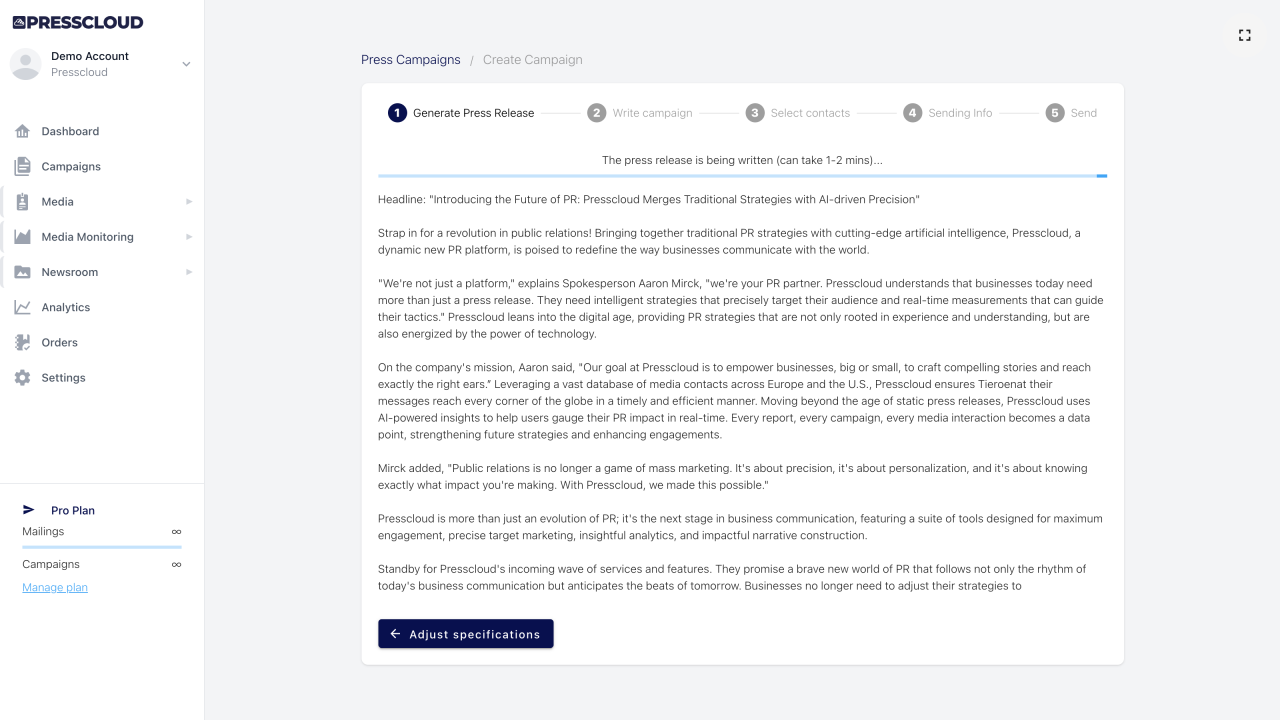
Ensuring ethical standards when generating press releases with AI is paramount to maintain credibility, transparency, and trust with audiences and stakeholders. As AI becomes increasingly integrated into content creation, it is essential for organizations to adopt responsible practices that uphold integrity, respect privacy, and promote originality. This section delves into the key guidelines and protocols that can help navigate ethical challenges associated with AI-generated press releases.Maintaining transparency, safeguarding originality, and adhering to data privacy protocols form the cornerstone of ethical AI utilization in PR.
By clearly communicating the role of AI in content creation, organizations can build trust and avoid potential reputational risks. Equally important is implementing rigorous measures to prevent plagiarism, ensure content uniqueness, and protect sensitive information handled by AI systems. Following these best practices not only aligns with legal standards but also fosters a responsible approach to leveraging advanced technologies for effective public relations.
Sharing Guidelines for Transparency in AI Content
Transparency in AI-generated press releases involves openly disclosing the use of AI tools during the content creation process. Organizations should inform their audiences, stakeholders, and media outlets when press releases are produced or significantly assisted by AI technologies. This transparency helps establish honesty, reduces skepticism, and reinforces the organization’s commitment to ethical communication.To promote transparency:
- Include a clear statement within the press release indicating AI involvement, such as “This press release was generated with the assistance of artificial intelligence tools.”
- Maintain documentation of the AI tools and algorithms used, enabling accountability and traceability.
- Educate communication teams and content creators about the importance of transparency and the ethical use of AI tools.
Adopting transparent practices not only aligns with ethical standards but also enhances credibility and stakeholder confidence in the organization’s content.
Methods for Ensuring Originality and Avoiding Plagiarism
Originality remains a critical factor in maintaining the integrity of press releases. AI tools, while powerful, can sometimes generate content that overlaps with existing sources or lacks uniqueness. Therefore, rigorous measures must be employed to ensure all AI-generated content is original and free from plagiarism.Key practices include:
- Utilizing advanced plagiarism detection software to scan AI-generated content before distribution, ensuring it does not replicate existing material.
- Implementing guidelines for AI training data, emphasizing the use of reputable, licensed, and non-infringing sources to prevent unintentional copying.
- Encouraging human oversight where editors review AI-created drafts for originality, factual accuracy, and tone consistency.
- Applying creative prompts and diversity in AI inputs to foster unique and tailored content outcomes.
Real-world examples demonstrate that organizations that rigorously verify AI content reduce the risk of copyright infringement and maintain their reputation for producing authentic, high-quality press releases.
Privacy and Data Handling Protocols for AI Processes
Handling sensitive data responsibly is fundamental when deploying AI tools for press release generation. Organizations must adhere to legal standards such as GDPR, CCPA, and other relevant data protection regulations, ensuring that personal and confidential information is managed ethically and securely.Best practices include:
- Implementing data minimization principles by collecting and processing only necessary information relevant to the press release content.
- Securing data through encryption, access controls, and regular security audits to prevent unauthorized access or breaches.
- Establishing clear data handling policies that specify how data is collected, stored, processed, and deleted, aligning with applicable legal requirements.
- Training staff involved in AI content creation on data privacy responsibilities and ethical data management practices.
- Using anonymized or aggregated data where possible to reduce privacy risks and protect individual identities.
By establishing robust privacy protocols, organizations demonstrate their commitment to ethical AI use, fostering trust among clients, media, and the wider public. Responsible data handling not only reduces legal liabilities but also upholds the organization’s reputation for integrity and ethical conduct in digital communications.
Last Recap
In conclusion, mastering how to generate press releases with AI equips organizations with a powerful tool to elevate their communication strategies. By integrating AI-driven content creation, structuring, and distribution, businesses can achieve greater efficiency and impact. Embracing these innovative practices will ensure you stay ahead in a competitive media landscape, delivering timely and engaging press releases that effectively convey your message.