Discover the innovative ways to create compelling video advertisements using artificial intelligence technologies. This approach streamlines the production process, enhances creative possibilities, and allows marketers to craft personalized content efficiently. Embracing AI-driven tools can significantly elevate your advertising strategy and deliver impactful messages to your target audiences.
From conceptualizing ideas and selecting suitable AI platforms to scripting, automating video generation, and optimizing performance, this guide provides comprehensive insights into leveraging AI for video ad creation. By understanding these methods, you can produce high-quality, engaging advertisements that resonate with viewers across various channels.
Introduction to AI-powered Video Advertising
Artificial Intelligence (AI) has revolutionized the landscape of digital marketing, particularly in the domain of video advertising. Leveraging advanced algorithms and machine learning models, brands and content creators can now produce engaging and personalized video ads more efficiently than ever before. AI-powered video advertising combines data analysis, automation, and creative techniques to deliver targeted content that resonates with specific audiences, significantly enhancing overall campaign performance.
This innovative approach streamlines the entire video ad creation process, reducing time and resource expenditure while expanding creative possibilities. By integrating AI technologies, advertisers can generate high-quality visual content, optimize ad placement, and tailor messaging in real-time, thus achieving better engagement and conversion rates. The fusion of human creativity with AI capabilities opens new horizons for crafting dynamic, compelling advertisements that adapt seamlessly to market trends and consumer preferences.
Common AI Technologies Used in Video Ad Creation
The development of AI-driven video advertisements relies on a suite of sophisticated technologies that enable automation, customization, and enhanced visual storytelling. Understanding these core tools is essential for appreciating how AI transforms the ad production process.
Machine learning (ML) is fundamental in analyzing vast datasets to identify patterns and predict viewer preferences. This technology allows for the automation of content personalization, ensuring that each viewer receives the most relevant ad experience. Computer vision, another critical component, equips AI systems to interpret and manipulate visual elements within videos, enabling automated editing, object recognition, and scene analysis. Deep learning, a subset of machine learning that utilizes neural networks with multiple layers, powers complex tasks such as natural language processing and realistic video synthesis, facilitating the creation of highly engaging and lifelike advertisements.
AI technologies such as machine learning, computer vision, and deep learning are the pillars of modern AI-powered video advertising, enabling automation, personalization, and visual sophistication.
These technologies work synergistically to reduce manual effort, accelerate production timelines, and unlock creative potential. For example, AI can analyze consumer data to generate personalized storylines, automatically edit video clips to match brand guidelines, and even create virtual presenters or characters that interact with viewers in real-time, offering immersive advertising experiences grounded in data-driven insights.
Planning and Concept Development for AI Video Ads
Developing compelling video advertisements using AI requires a strategic approach that combines creative ideation with data-driven insights. Effective planning ensures that each ad resonates with the target audience, optimizes resources, and leverages AI capabilities to maximize impact. This stage is crucial for transforming abstract ideas into tangible, engaging visuals that align with marketing objectives and audience preferences.
AI-powered tools revolutionize the traditional brainstorming process by offering innovative methodologies for concept development. They enable marketers to generate a wide array of creative ideas rapidly, analyze audience behavior in real-time, and refine ad concepts based on predictive models. Understanding how to harness these technologies is essential for creating effective and scalable video ad campaigns in the modern digital landscape.
Ideating Effective Video Ad Concepts with AI Assistance
Ideation is the foundation of impactful video advertising, and AI tools enhance this phase by providing data-driven inspiration and automation. Marketers can utilize AI algorithms that analyze trending content, consumer sentiment, and competitor campaigns to identify successful themes and visual styles. These insights facilitate the creation of original concepts that are more likely to engage viewers and meet campaign goals.
Advanced AI platforms can simulate viewer reactions to various creative elements, such as color schemes, narratives, and call-to-action placements. By integrating these simulations, marketers can test multiple scenarios quickly and select the most promising ideas before production begins. Additionally, AI can assist in generating storyboards, scripts, and visual suggestions aligned with the identified audience interests, reducing brainstorming time while increasing idea quality.
Defining Target Audiences and Tailoring Content
Understanding the target audience is fundamental to effective video ad planning. AI-driven analytics allow marketers to segment audiences based on demographics, behaviors, interests, and viewing preferences. This segmentation enables the creation of highly personalized content that appeals directly to specific groups, thereby increasing engagement and conversion rates.
AI tools can analyze vast amounts of data from social media, search queries, and previous campaign performances to uncover nuanced audience insights. These insights inform not only the content theme but also the tone, style, and messaging of the video ads. For example, a campaign targeting Millennials interested in eco-friendly products might incorporate vibrant visuals and a narrative emphasizing sustainability, tailored specifically to the values of that demographic.
Comparison Between Traditional Planning and AI-Driven Content Brainstorming
Traditional planning methods rely heavily on manual research, intuition, and historical data analysis, which can be time-consuming and may lack agility. Marketers often brainstorm within limited teams, using past campaigns as templates, which might restrict creativity and innovation. While these methods have proven effective historically, they can struggle to keep pace with rapidly evolving consumer trends and digital environments.
In contrast, AI-driven content brainstorming leverages large datasets, machine learning algorithms, and predictive analytics to generate ideas and refine concepts automatically. AI tools can identify emerging trends, suggest novel visual styles, and optimize messaging based on real-time data. This approach not only accelerates the planning process but also enhances the relevance and personalization of video ads, leading to higher engagement.
For example, AI-powered platforms like Jasper or AdCreative.ai have demonstrated success in producing creative assets that outperform traditional designs in terms of engagement metrics and conversion rates.
Selecting AI Tools and Platforms for Video Ad Creation
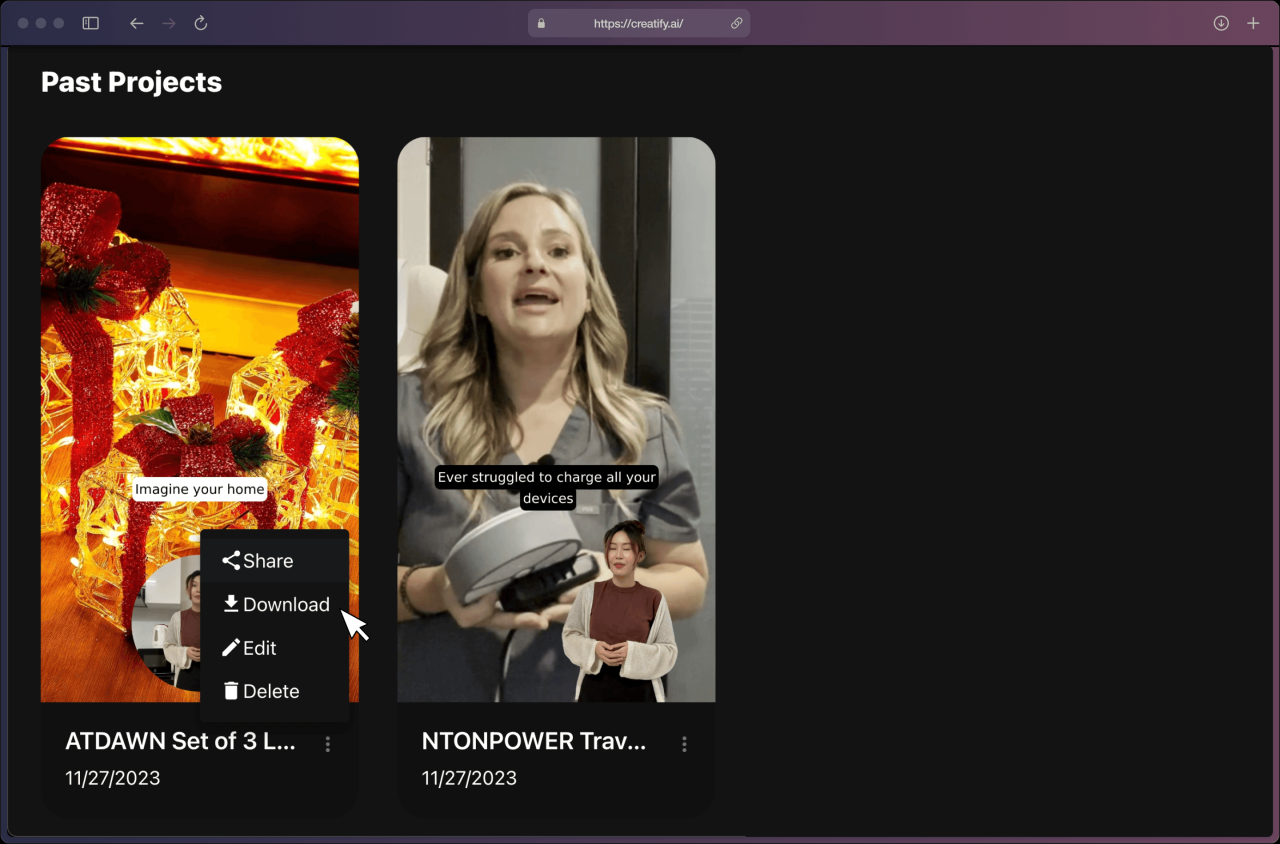
Choosing the right AI tools and platforms is a critical step in streamlining the creation of effective video advertisements. The diversity of available options caters to various needs, from automated content generation to advanced editing capabilities. An informed selection process ensures that the tools align with your campaign objectives, budget, and technical proficiency, ultimately enhancing the efficiency and quality of your AI-powered video advertising efforts.
Integrating AI platforms into your workflow involves understanding their core features, setup procedures, and compatibility with existing systems. A strategic approach to setup and integration facilitates seamless operation, minimizes technical hurdles, and accelerates the production timeline. This section provides a comprehensive overview of popular AI platforms, detailed steps for integration, and a comparative analysis to guide optimal selection.
Popular AI Platforms and Software for Generating Video Ads
Several AI-driven platforms have emerged as leaders in the field of automated video ad creation, each offering unique capabilities tailored to different levels of expertise and campaign needs. Here are some of the most notable options:
- Lumen5: Utilizes AI to transform text content into engaging videos with customizable templates, music, and branding options. Ideal for social media ads and short promotional videos.
- Synthesia: Specializes in AI-generated human avatars and voiceovers, enabling the creation of personalized video messages without the need for actors or filming equipment.
- InVideo: Combines AI with an extensive library of templates, stock footage, and music to produce professional-quality video ads efficiently.
- Animoto: Focuses on automated video creation from photos and clips, offering drag-and-drop simplicity and branded templates suitable for quick ad production.
- Pictory: Uses AI to convert long-form content into short promotional videos, ideal for repurposing webinars, podcasts, or blog posts into ad content.
- Magisto: Incorporates AI-driven editing features that analyze footage to automatically generate compelling videos with effects and music, suitable for social media campaigns.
These platforms typically feature user-friendly interfaces, automation of key editing tasks, and integration options with marketing tools, making them accessible to users with varying technical skills. Advanced options may include analytics tracking, A/B testing, and multi-format export capabilities to optimize ad performance across channels.
Step-by-Step Procedures for Setting Up and Integrating AI Tools into the Ad Creation Workflow
Effective integration of AI video creation tools requires a systematic approach to setup, configuration, and workflow alignment. The following steps offer a detailed guide:
- Assess Needs and Select Platform: Identify your campaign objectives, budget, and technical capacity to choose the most suitable AI platform based on features and scalability.
- Register and Create Accounts: Sign up on the chosen platform, ensuring the use of relevant business credentials and verifying necessary subscriptions or licenses.
- Review Documentation and Tutorials: Familiarize yourself with the platform’s user guides, video tutorials, and support resources to understand core functionalities and best practices.
- Configure Settings: Set up branding elements, aspect ratios, preferred voice options, and language preferences to match your campaign requirements.
- Integrate with Existing Systems: Connect the platform with your content management system (CMS), marketing automation tools, or social media accounts via APIs or integrations provided by the platform.
- Create Templates and Assets: Develop reusable templates, upload brand assets, and prepare scripts or storyboards to streamline ongoing production processes.
- Test and Preview: Generate sample videos to evaluate quality, branding consistency, and alignment with campaign goals. Adjust settings based on feedback.
- Implement Workflow Automation: Establish processes for content input, video generation, review, and scheduling, leveraging automation features for efficiency.
- Monitor and Optimize: Track performance metrics, gather feedback, and refine settings or content strategies to continuously enhance ad effectiveness.
Comparison Table of AI Video Ad Creation Tools
This table provides a clear comparison of popular AI-driven video ad platforms, focusing on key functionalities, pricing models, and ease of use to aid decision-making:
| Platform | Core Features | Pricing Model | User-Friendliness |
|---|---|---|---|
| Lumen5 | Text-to-video conversion, customizable templates, branding options | Subscription plans starting from $49/month; tiered based on features | High; intuitive drag-and-drop interface suitable for beginners |
| Synthesia | AI avatars, voiceovers, multi-language support | Pay-per-video or subscription; prices vary based on video length and features | Moderate; requires some familiarity with script input and avatar customization |
| InVideo | Extensive template library, stock footage, automated editing | Free plan with watermark; paid plans starting at $20/month | High; user-friendly with guided editing processes |
| Animoto | Photo/video slideshow creation, branding, music integration | Monthly subscription from $33; annual discounts available | High; simple drag-and-drop interface suitable for non-technical users |
| Pictory | Content repurposing, automatic summarization, captioning | Plans from $19/month; custom enterprise pricing available | Moderate; requires basic familiarity with content management |
| Magisto | AI editing, effects, music synchronization | Plans from $4.99/month; more advanced features at higher tiers | High; automates most editing, ideal for quick content creation |
Note: Pricing and features are subject to change; always verify with official sources before making a selection.
Scriptwriting and Storyboarding Using AI
Creating engaging and effective video advertisements requires compelling storytelling and visual planning. Leveraging AI in scriptwriting and storyboarding streamlines this process, enabling marketers and creators to generate high-quality content efficiently while maintaining alignment with brand identity and campaign objectives. AI-driven tools facilitate rapid idea development, enhance creative flexibility, and support iterative refinement, making the entire process more agile and data-informed.AI-powered platforms for scriptwriting and storyboarding utilize natural language processing and machine learning algorithms to produce structured narratives and visual layouts.
These tools analyze input parameters such as target audience, product features, tone preferences, and campaign goals to generate tailored scripts and storyboards that resonate with viewers and optimize engagement. This automation not only accelerates content creation but also offers innovative ideas that may not emerge through traditional brainstorming.
Generating Compelling Scripts and Storyboards with AI
In the context of video advertising, effective scripts and storyboards are foundational to conveying the brand message clearly and persuasively. AI algorithms aid in crafting compelling narratives by analyzing successful campaigns, industry trends, and linguistic patterns. These systems can suggest dialogue, voiceovers, and scene descriptions that align with the desired emotional tone and messaging strategy.For example, an AI tool may generate a script for a new skincare product emphasizing natural ingredients and youthful vitality, incorporating persuasive language tailored to a demographic of health-conscious consumers.
Simultaneously, AI can produce visual storyboards that map out scene transitions, character placements, and key visual elements, offering a cohesive blueprint for production teams.AI-driven storyboarding tools often come with customizable templates and visual assets, allowing creators to adjust layouts, camera angles, and scene sequences to better suit brand aesthetics and campaign objectives. These tools can also incorporate branding elements such as logos, color schemes, and taglines directly into the visual plan, ensuring consistency across all creative assets.
Customizing AI-Generated Content to Match Brand Voice and Campaign Goals
Adapting AI-produced scripts and storyboards to reflect a brand’s unique voice and campaign targets is vital for authenticity and effectiveness. This customization process involves integrating brand-specific language, tone, and visual identity into the AI outputs.To achieve this, creators typically start by providing AI tools with detailed input parameters, including brand guidelines, preferred tone (e.g., friendly, authoritative, humorous), and specific messaging points.
Many AI platforms allow for iterative adjustments, where users review the generated content and make targeted edits to align more closely with desired brand attributes.Furthermore, employing a style guide or voice profile within AI tools helps ensure linguistic consistency. For instance, a luxury brand’s AI-generated script might prioritize elegant language and sophisticated visuals, whereas a tech startup might prefer a more energetic and modern tone.
By fine-tuning the AI suggestions through manual editing or machine learning feedback loops, marketers can produce scripts and storyboards that authentically represent their brand identity and campaign purposes.
Editing and Refining AI-Produced Scripts for Clarity and Engagement
While AI tools significantly expedite initial content creation, human oversight remains essential for polishing scripts and storyboards to maximize clarity, engagement, and emotional impact. Editors review AI-generated drafts to eliminate ambiguity, enhance narrative flow, and ensure the language resonates with the target audience.The refinement process involves several key steps:
- Review AI suggestions for grammatical correctness, coherence, and relevance, making necessary adjustments to improve readability and tone.
- Incorporate brand-specific terminology and storytelling elements to reinforce identity and campaign messaging.
- Adjust scene pacing, visual cues, and transitions within storyboards to create a compelling visual rhythm that captures viewer attention.
- Test scripts for emotional resonance by evaluating whether the language evokes desired responses, such as trust, excitement, or curiosity.
- Gather feedback from stakeholders or target audience samples and iterate the content accordingly to optimize effectiveness.
Advanced AI editing tools can assist in this phase by suggesting alternative phrasing, highlighting inconsistent tone, and recommending visual adjustments. Ultimately, combining AI efficiency with human creativity ensures the final video ad script and storyboard are clear, engaging, and aligned with strategic goals, leading to more impactful advertising campaigns.
Automating Video Generation with AI
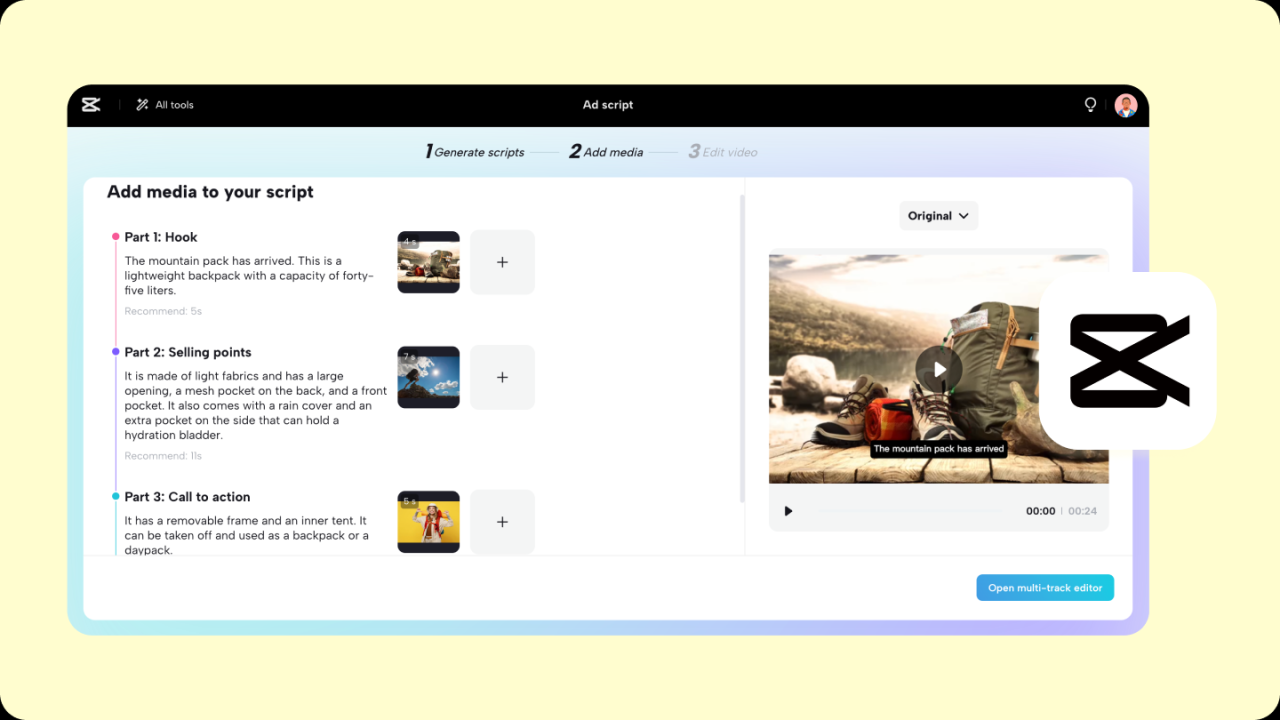
Leveraging AI to automate video creation streamlines the production process, significantly reducing time and resource expenditure while maintaining high-quality output. This segment explores the practical steps involved in inputting assets, managing parameters, and optimizing videos for diverse advertising channels through advanced AI platforms.
AI-powered video generation platforms enable marketers and content creators to efficiently transform their raw assets into polished advertisements. By understanding how to systematically organize visual elements, voiceovers, and animations, users can produce engaging videos tailored to various formats and audiences. This automation fosters creativity and accelerates campaign deployment, making AI an indispensable asset in modern digital advertising strategies.
Inputting Assets and Parameters into AI Video Generation Platforms
The foundation of effective AI-driven video production begins with accurately inputting assets and configuring parameters. These platforms typically allow users to upload a range of media files, including images, video clips, audio files, and branding elements such as logos and color schemes. Proper organization of these assets ensures seamless integration and coherence in the final output.
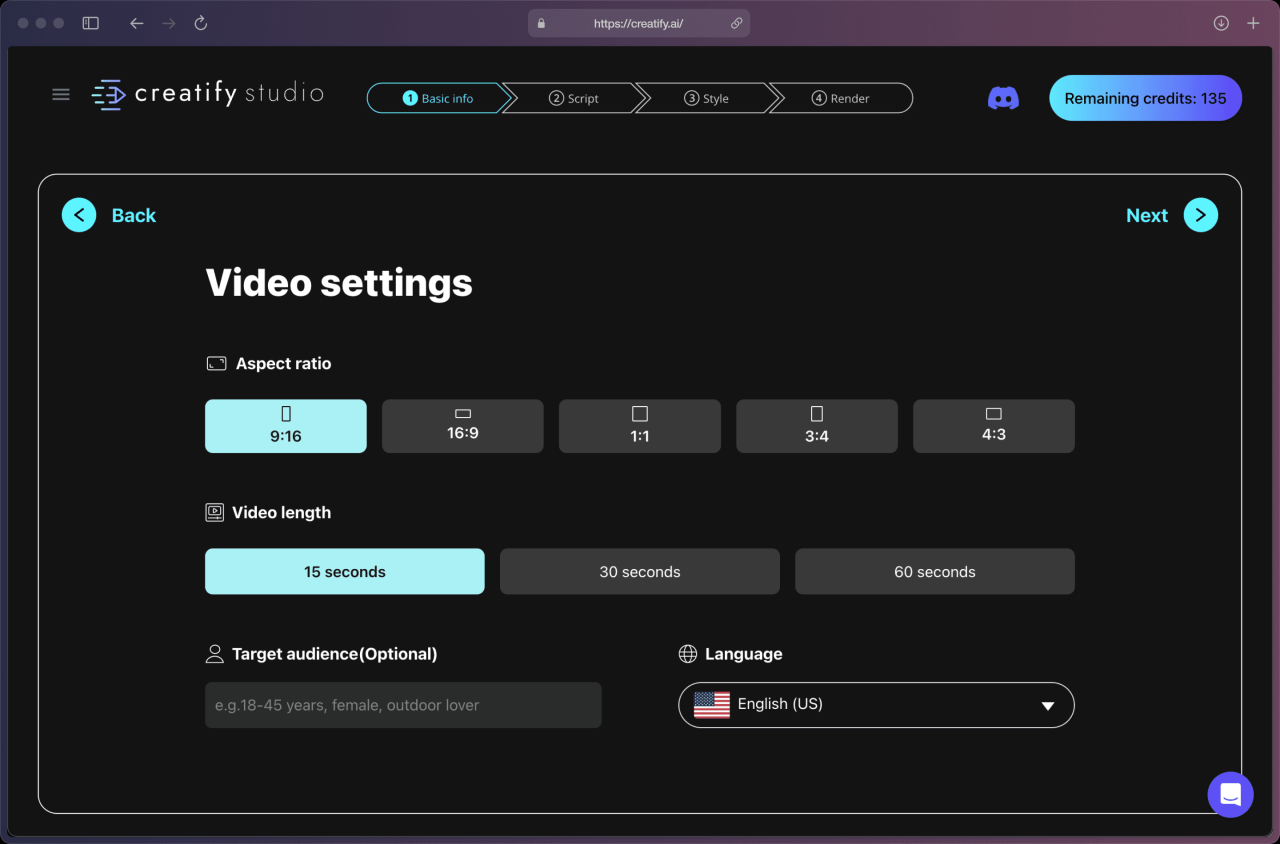
Parameters such as video duration, aspect ratio, style preferences, and target audience specifications are essential for customizing the generated content. Many AI platforms offer intuitive interfaces where users can specify these settings, enabling the system to adapt the output accordingly. For example, selecting a vertical format optimized for social media stories or a shorter duration for paid ads enhances relevance and engagement.
In addition, advanced platforms often support the import of scripts or text prompts that guide content themes, tone, and messaging. This input customization ensures that the AI-generated video aligns closely with brand identity and campaign objectives, resulting in more impactful advertisements.
Organizing Visual Elements, Voiceovers, and Animations Using AI Tools
Effective organization and management of visual elements, voiceovers, and animations are crucial for creating cohesive and dynamic videos with AI tools. Modern platforms typically provide drag-and-drop interfaces and templates that facilitate easy assembly of assets into structured sequences.
Visual elements such as images, video clips, and icons can be arranged within a timeline or storyboard view, allowing precise control over their display duration and transition effects. AI tools often come with auto-suggestion features that recommend complementary visuals based on the input assets and desired themes.
Voiceovers can be integrated seamlessly by uploading audio files or generating synthetic voices using AI text-to-speech (TTS) technology. These voices can be customized for pitch, speed, and tone to match brand personality and audience preferences.
Animations and effects, including text animations, motion graphics, and transitions, are typically applied through pre-designed templates or AI-assisted recommendations. This automation simplifies complex animation tasks, enabling even those with limited technical skills to produce professional-quality videos.
By systematically organizing these elements within the AI platform, marketers can craft engaging narratives, ensure visual consistency, and enhance overall viewer experience.
Optimizing AI-Generated Videos for Different Advertising Channels and Formats
Adapting AI-generated videos to various advertising platforms and formats is vital for maximizing reach and engagement. Each channel—such as social media, display networks, or television—has specific technical requirements and audience expectations that must be addressed during the optimization process.
The first step involves tailoring aspect ratios and dimensions to suit each platform. For instance, square (1:1) videos perform well on Instagram feeds, while vertical (9:16) formats are preferred for TikTok and Instagram Stories. Horizontal (16:9) videos are suitable for YouTube and television ads.
Further optimization includes adjusting video duration based on platform constraints; short-form videos (15-30 seconds) are ideal for social media ads, whereas longer content may be suitable for YouTube pre-rolls or in-stream ads.
AI tools often incorporate features that automatically resize and reformat videos, preserving core visual elements and message clarity across formats. Additionally, applying subtitles and captions enhances accessibility and engagement, especially on platforms where videos autoplay without sound.
Performance-based optimization can be achieved through AI analytics that monitor viewer interactions, enabling iterative improvements. For example, AI may suggest alternative thumbnails, call-to-action placements, or visual enhancements to boost click-through rates and conversions.
Enhancing Video Ads with AI-driven Customization and Effects
Leveraging AI technologies to enhance video advertising allows marketers to create more engaging, visually appealing, and personalized content. By applying AI-powered effects, dynamic customization, and interactive features, brands can significantly improve viewer engagement and conversion rates. This section explores various techniques and methods to elevate video ads through AI-driven customization and effects.
Effective implementation of these AI capabilities enables advertisers to tailor content to individual viewer preferences, deliver visually stunning effects, and incorporate interactive elements that foster deeper audience interaction. These advancements not only enhance the aesthetic quality of video ads but also ensure they resonate more effectively with diverse target audiences, driving better campaign performance.
Applying AI-powered Effects, Filters, and Visual Enhancements
Incorporating AI-generated visual effects introduces a new level of sophistication and appeal to video ads. These effects can range from subtle color corrections to complex artistic filters, all optimized through machine learning algorithms for real-time processing. The application of such effects ensures that each video maintains a high visual standard while aligning with brand aesthetics.
Some popular techniques include:
- Style transfer filters: Using AI to apply artistic styles, such as impressionist or abstract art, to video frames, creating visually distinctive ads that stand out.
- Auto-enhancement: AI algorithms automatically adjust brightness, contrast, and color saturation to improve overall video quality, especially in user-generated content.
- Noise reduction and stabilization: Enhancing visual clarity by removing grain, flickering, or shaky footage, providing a smoother viewing experience.
- Dynamic filters: Adaptive effects that change based on scene content, mood, or viewer interactions, offering a more immersive experience.
Employing these techniques ensures that video ads are visually compelling and professionally polished, capturing audience attention effectively.
Dynamic Personalization Based on Viewer Data
Personalization is central to modern advertising, and AI facilitates this by analyzing viewer data in real-time. By integrating AI-driven personalization, brands can dynamically adjust video content to match individual preferences, behaviors, and demographics, resulting in higher engagement and conversion rates.
Key methods include:
- Behavioral analysis: AI examines past viewing history, interaction patterns, and engagement metrics to predict future preferences and tailor content accordingly.
- Location-based customization: Adjusting visuals, language, or offers based on geographic data to make the ad more relevant to the viewer’s environment.
- Device-aware content: Optimizing video quality, aspect ratio, and interactive features based on whether the viewer is on mobile, desktop, or tablet devices.
- Real-time content adaptation: Using AI to modify elements such as product recommendations or call-to-actions during ad playback, making the experience more targeted and effective.
This level of personalization ensures that each viewer receives a uniquely relevant ad experience, increasing the likelihood of engagement and conversion.
Adding Subtitles, Captions, and Interactive Elements via AI
Incorporating subtitles, captions, and interactive features enhances accessibility and engagement, especially for diverse audiences and those with disabilities. AI-powered tools streamline the creation and integration of these elements, making the process efficient and highly adaptable.
Some notable techniques include:
- Automatic transcription and captioning: AI models transcribe speech in videos with high accuracy, generating subtitles and captions quickly and cost-effectively.
- Multilingual captioning: AI translates captions into multiple languages, broadening reach and improving understanding across diverse linguistic groups.
- Interactive overlays: AI can generate clickable elements, such as product tags or links, that appear during playback, encouraging viewer interaction.
- Emotion and attention analysis: AI detects viewer reactions or focus points, allowing for dynamic adjustments to content or prompts to increase engagement.
These AI-driven features make video ads more inclusive and interactive, fostering a deeper connection with the audience while providing valuable data on viewer preferences and behaviors.
Post-production and Editing of AI-generated Video Ads
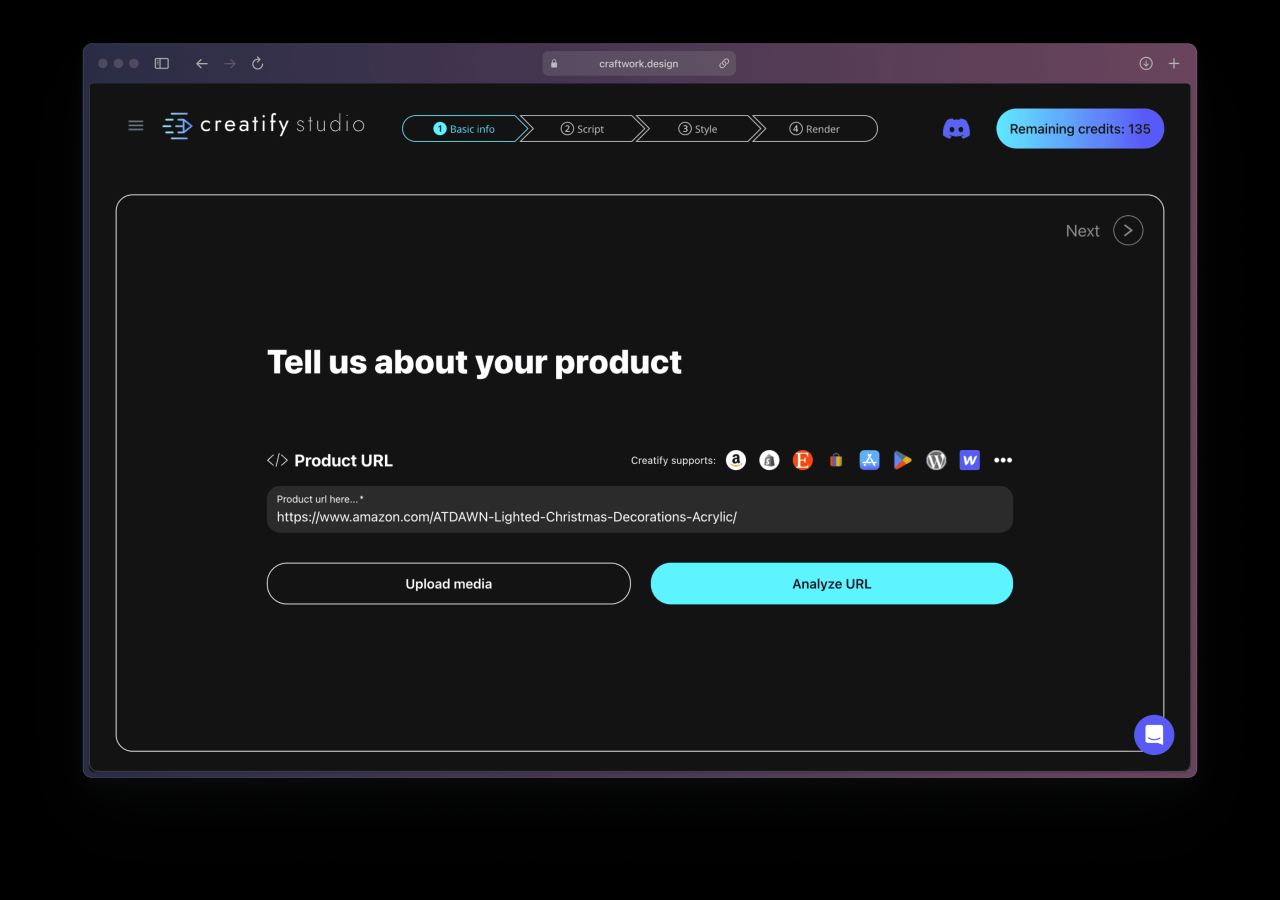
Once an AI has generated the initial version of a video advertisement, the post-production and editing phase becomes crucial to ensure the final output aligns with brand standards, campaign goals, and quality expectations. This process involves reviewing the automated content, making necessary adjustments, and preparing the video for deployment across various marketing channels. Effective post-production guarantees that AI-generated videos not only meet technical specifications but also resonate with target audiences and maintain brand integrity.
In this stage, meticulous review and editing are essential to refine the AI-produced content, apply consistent branding elements, and enhance overall visual and audio quality. This ensures the final product is compelling, professional, and ready for integration into broader marketing strategies. Implementing best practices during post-production enhances efficiency, maintains brand consistency, and maximizes the impact of AI-driven advertising campaigns.
Review, Editing, and Finalization of AI-created Videos
Thorough review processes are vital to identify and correct any inaccuracies, visual inconsistencies, or audio issues present in the AI-generated video. This step involves multiple rounds of quality checks by creative teams, brand managers, and technical specialists. During editing, elements such as color grading, audio balancing, text overlays, and visual effects are refined to align with campaign objectives and brand guidelines.
Utilizing professional editing tools allows for precise adjustments, ensuring the video’s pacing, transitions, and overall aesthetics meet high standards. Finalizing the video entails rendering it in the appropriate formats, checking compatibility across platforms, and ensuring accessibility features such as captions or subtitles are incorporated. This comprehensive process guarantees a polished, cohesive, and impactful advertisement ready for deployment.
Maintaining Brand Consistency and Quality Control
Ensuring brand consistency and quality across AI-produced videos requires implementing structured review protocols and standardized editing procedures. Consistent application of brand colors, logos, typography, and messaging reinforces brand identity and maintains audience trust. Establishing comprehensive style guides and asset libraries helps editors apply these elements uniformly across all videos.
Quality control measures include setting up checklists for visual and auditory standards, regular audits of video outputs, and feedback loops involving different stakeholders. Utilizing collaborative review platforms facilitates seamless communication and version control. These practices help prevent discrepancies, uphold brand integrity, and ensure that each video adheres to the organization’s quality benchmarks before release.
Tools and Procedures for Integrating AI-produced Videos into Marketing Campaigns
Integrating AI-generated videos into broader marketing initiatives requires strategic planning and the use of specialized tools for seamless deployment. Video management platforms enable efficient storage, version control, and distribution across multiple channels such as social media, websites, email campaigns, and digital advertising networks. These platforms often include analytics features to monitor performance and audience engagement.
Procedures for integration include aligning video timelines with campaign schedules, customizing video content for different platforms, and ensuring consistent branding across all assets. Automation tools can facilitate bulk uploads and scheduling, reducing manual effort and enhancing campaign agility. Additionally, tracking tools provide insights into viewer behavior, enabling marketers to optimize future content based on performance metrics. Proper integration ensures that AI-generated videos effectively support overall marketing objectives and reach the intended audiences with maximum impact.
Analyzing and Optimizing AI Video Ads Performance
Effective analysis and optimization are vital components in maximizing the return on investment for AI-driven video advertising campaigns. Leveraging sophisticated AI analytics platforms allows marketers to gather precise insights into how their video ads are performing across various metrics. By continuously refining ad content based on data-driven insights, brands can enhance engagement, conversions, and overall campaign effectiveness, ensuring that marketing efforts align with audience preferences and behaviors.Understanding the performance of AI-generated video ads involves tracking multiple key metrics such as view-through rate (VTR), click-through rate (CTR), engagement duration, conversion rate, and audience retention.
AI-powered analytics platforms can automatically collect and process these data points, providing real-time dashboards and detailed reports that highlight which ad variations resonate most with viewers. Additionally, these platforms can identify audience segments that respond better to specific content styles or messaging, enabling targeted adjustments for improved performance.
Tracking Ad Performance Metrics Using AI Analytics Platforms
Implementing AI analytics tools enhances the ability to monitor detailed performance metrics efficiently. These platforms utilize machine learning algorithms to analyze viewer interactions, engagement patterns, and conversion paths across multiple channels. For example, platforms like Google Analytics with AI features, Meta Ads Manager, or specialized tools such as Vidooly or TubeBuddy offer robust tracking capabilities. They automate data collection, classify viewer behaviors, and generate insights such as drop-off points, peak engagement times, and demographic responses, which are essential for refining ad strategies.
Procedures for A/B Testing Different AI-Generated Video Ad Versions
Conducting systematic A/B testing involves creating multiple versions of the same ad, each with slight variations in script, visuals, or call-to-action elements, all generated or optimized via AI tools. These versions are then simultaneously served to comparable audience segments to observe differential performance. An effective approach involves defining clear hypotheses—for example, testing whether a different opening scene increases viewer retention.
AI platforms facilitate this by automatically splitting audiences, tracking real-time metrics, and statistically analyzing outcomes. Based on the results, marketers can identify the most effective version and further iterate to refine ad components.
Strategies for Iterative Improvements Based on AI-Driven Insights
Utilizing insights derived from AI analytics involves a continuous cycle of testing, analyzing, and refining ad content. Key strategies include:
- Data-Driven Content Refinement: Adjust scripts, visuals, or pacing based on viewer engagement data. For instance, if analytics show high drop-off rates early in the video, consider making the opening more compelling using AI-suggested modifications.
- Personalization and Segmentation: Use AI insights to tailor ad variations for specific audience segments, enhancing relevance and engagement. For example, tailoring messaging for different demographic groups based on their preferences and behaviors.
- Predictive Analytics: Apply machine learning models that forecast future performance trends, enabling proactive adjustments before a campaign even begins.
- Automated Optimization: Integrate AI-powered tools that automatically adjust bidding strategies, content delivery times, or creative elements in response to ongoing performance metrics to maximize efficiency.
Iterative optimization driven by AI insights transforms static campaigns into adaptive systems, significantly improving ROI by aligning content with audience preferences dynamically.
Epilogue
In summary, utilizing AI to create video ads offers numerous advantages, including increased efficiency, creativity, and personalization. Mastering these techniques can transform your advertising efforts, enabling you to produce captivating content that effectively reaches and engages your audience. Embracing AI-driven video advertising is a strategic move toward future-proof marketing.