Learning how to generate tutorial articles with AI opens up new avenues for efficient and consistent content creation. This innovative approach empowers creators to produce comprehensive, well-structured tutorials with ease, saving time while maintaining quality. By leveraging AI tools, users can streamline the process of organizing ideas, developing detailed procedures, and enhancing readability, making it an invaluable asset for educators, developers, and content creators alike.
This guide explores a step-by-step workflow for harnessing AI to craft engaging tutorial articles, from structuring content to adding visual aids and refining the final output. It provides practical methods to ensure clarity, coherence, and audience engagement throughout the process, enabling users to produce professional-grade tutorials efficiently.
Overview of Generating Tutorial Articles with AI
Creating high-quality tutorial articles efficiently is essential for educators, content creators, and technical writers. Leveraging artificial intelligence (AI) offers a transformative approach to streamline this process, making content development faster, more consistent, and adaptable to diverse audiences. AI-driven content generation combines natural language processing (NLP) techniques with vast datasets to produce comprehensive, clear, and engaging tutorials tailored to specific topics.
The process of utilizing AI to generate tutorial articles involves several structured steps that ensure accuracy, coherence, and readability. This workflow not only reduces manual effort but also enhances the ability to update and customize content swiftly. By understanding this process, content creators can maximize AI capabilities to deliver valuable educational material with improved efficiency and consistency.
Workflow for Generating Tutorial Articles with AI
Organizing the process into clear, sequential stages helps optimize the use of AI tools for content creation. Below is a simplified representation of each step, illustrating how to systematically develop tutorial articles from initial idea to final output.
| Stage | Description | Tools/Methods | Outcome |
|---|---|---|---|
| Idea and Topic Selection | Identify the specific subject or skill the tutorial will cover, considering audience needs and trending topics. | AI research tools, trend analysis platforms | Clear, targeted tutorial theme |
| Artikel Generation | Develop a structured Artikel of the tutorial, breaking down the main concepts and s for comprehensive coverage. | AI Artikel generators, GPT-based prompts | Logical, organized skeleton of the content |
| Content Drafting | Utilize AI language models to generate detailed paragraphs for each section of the Artikel, ensuring clarity and depth. | AI writing assistants like GPT, Kami | Initial draft of the tutorial in cohesive sections |
| Review and Refinement | Manually review AI-generated content for accuracy, tone, and comprehensiveness. Make necessary edits or corrections. | Human editing and fact-checking tools | polished, accurate tutorial article |
Structuring Tutorial Content Using AI
Effective organization of tutorial articles is essential for clarity and user engagement. AI tools can significantly assist in designing well-structured content by generating clear section headings, distinct content segments, and organized step-by-step instructions. Leveraging AI for these tasks ensures consistency, saves time, and enhances the overall readability of the tutorial.
The process of structuring tutorial content with AI involves multiple strategies. First, AI can suggest appropriate and descriptive headings that guide readers logically through the topic. Additionally, AI can generate separate introduction, body, and conclusion sections to maintain a coherent flow. Finally, organizing complex steps into structured formats like HTML tables improves visual clarity and ease of understanding, especially for procedural or multi-step tutorials.
Designing Clear Section Headings and Sub-Headings with AI Assistance
Creating meaningful and hierarchical headings is crucial for guiding the reader and emphasizing key points within a tutorial. AI-powered content generation tools can analyze the main topic and suggest headings that reflect the logical structure of the content. These suggestions can be customized to match the tone and technical level required. For example, when writing a tutorial on setting up a website, AI can propose headings such as “Prerequisites,” “Installation Process,” “Configuration Settings,” and “Final Checks.” This approach ensures each section is focused and easy to navigate.
To optimize headings, it is beneficial to use descriptive, concise, and -rich titles that improve search engine visibility and user comprehension. AI can also assist in maintaining consistency across multiple tutorials by adopting a uniform heading style and hierarchy, which contributes to a professional and organized appearance.
Generating Introduction, Body, and Conclusion Sections with AI
AI models can be guided to produce distinct content segments that serve specific functions within the tutorial. For the introduction, AI can craft an engaging overview that Artikels the purpose, scope, and expected outcomes of the tutorial. The body section involves detailed, step-by-step instructions or explanations, which AI can generate based on input parameters or prompts, ensuring each step is logically ordered and clearly articulated.
The conclusion summarizes key points, offers final tips, or suggests next steps, helping to reinforce learning and encourage further exploration.
By specifying the role of each section when prompting AI, content creators can obtain organized and coherent segments. For example, prompting AI with “Generate an introduction for a tutorial on creating a responsive webpage,” followed by “List detailed steps for coding the header section,” and finally “Write a conclusion emphasizing best practices,” results in a well-structured article that flows seamlessly from start to finish.
Organizing Tutorial Steps into a Structured Format for Readability
Clear presentation of tutorial steps is vital for user comprehension. Using structured formats like HTML tables can significantly enhance readability, especially when dealing with multiple related steps or options. An organized table can display procedures, tools required, expected outcomes, and troubleshooting tips in separate columns, making it easier for users to scan and follow instructions.
For example, a tutorial on configuring a database can be structured into a table with columns such as “Step Number,” “Action,” “Tools Needed,” “Expected Result,” and “Notes.” This not only breaks down complex processes into manageable parts but also helps users quickly locate specific information. AI can assist in generating these tables by analyzing the procedural content and organizing it into an optimal format, ensuring that the tutorial remains comprehensive yet easy to navigate.
In summary, AI plays a pivotal role in structuring tutorial content by providing clear headings, distinct content segments, and organized step formats. These techniques together facilitate a more engaging, understandable, and professionally presented tutorial that meets the needs of diverse learners.
Generating Detailed Procedures and Step-by-Step Instructions

Creating comprehensive and precise step-by-step procedures is essential for effective tutorial articles. When utilizing AI to develop these instructions, it is vital to ensure clarity and completeness to guide users successfully through each process. AI can assist in structuring these steps systematically, reducing ambiguity, and enhancing the tutorial’s overall quality.
In this section, we explore techniques for instructing AI to craft detailed procedures that are easy to follow. These methods focus on leveraging AI’s capabilities to generate logically ordered steps, incorporate clear formatting, and include helpful tips to improve user understanding.
Utilizing AI to Develop Clear and Organized Step-by-Step Procedures
To maximize the effectiveness of AI in crafting tutorial procedures, it is important to provide specific prompts that emphasize clarity, sequence, and completeness. Clear instructions help AI understand the desired level of detail and the logical flow of procedures.
Effective prompts should include details about the task, the expected outcome of each step, and any prerequisites or tools needed. For example, specify that the AI should generate numbered instructions that guide users through a process from start to finish, including troubleshooting tips if applicable.
When instructing AI, consider the following techniques:
- Define the scope and objectives: Clearly Artikel what the procedure aims to achieve, enabling AI to focus on relevant steps.
- Specify the format: Request numbered lists or bullet points to enhance readability and ease of following each instruction.
- Include context or prerequisites: Mention necessary tools, prior knowledge, or setups before the procedure begins.
- Request detailed explanations: Encourage AI to add descriptive details within each step, avoiding vague instructions.
- Incorporate tips and warnings: Ask AI to include helpful suggestions or cautionary notes where relevant, to prevent common mistakes.
Sample HTML Structure for Step-by-Step Procedures
Embedding generated procedures within well-structured HTML enhances the presentation and accessibility of tutorials. Below is an example of how to organize detailed instructions in HTML format:
<ol>
<li>Identify the necessary tools and materials needed for the task.</li>
<li>Prepare the workspace by clearing the area and setting up tools.</li>
<li>Follow the initial setup instructions, ensuring all components are correctly assembled.</li>
<li>Execute the primary task, following each step carefully and in sequence.</li>
<li>Verify the results and troubleshoot if necessary, referring to specific tips provided.</li>
</ol>
Using such structured HTML blocks ensures that the tutorial content remains organized, easy to follow, and visually appealing to users. Additionally, including descriptive comments within the HTML helps in maintaining clarity during content editing or updates.
Incorporating Examples and Visual Aids
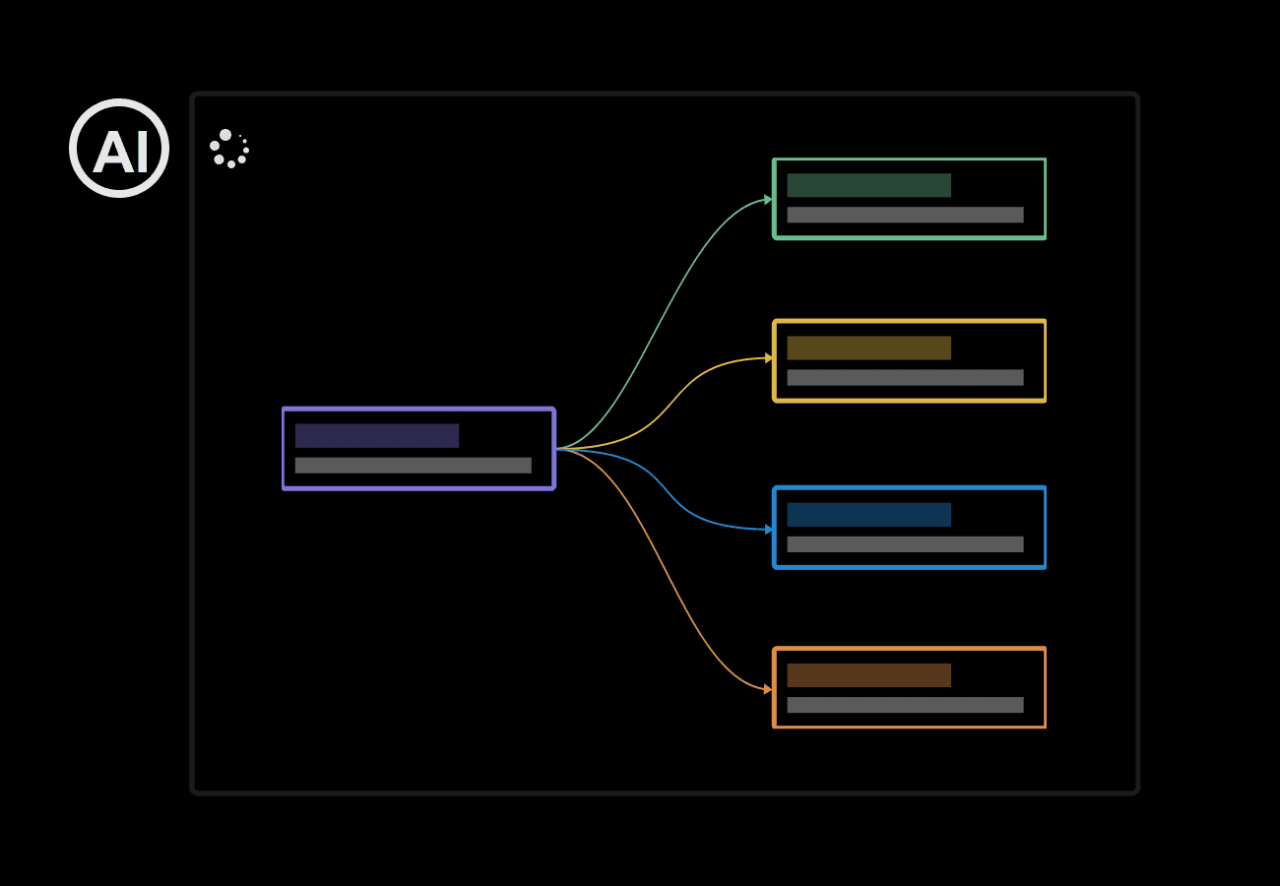
Integrating illustrative examples and visual aids into tutorial articles significantly enhances clarity and learner engagement. Properly generated content using AI can help convey complex concepts through detailed textual descriptions, code snippets, and schematic explanations, making technical topics more accessible and memorable for readers.AI tools can be instructed to produce concrete examples that demonstrate key principles or procedures. These examples may include concise code snippets that exemplify specific functions or algorithms, as well as vivid scenarios that contextualize abstract ideas within real-world applications.
Visual explanations, while not always involving actual images, can be crafted entirely through descriptive language that paints a mental picture for the reader.This process involves requesting AI to generate highly detailed textual descriptions that simulate diagrams, flowcharts, or illustrative scenarios. Such descriptions should emphasize spatial relationships, step sequences, and component interactions, allowing readers to visualize the concept without requiring actual images.
Organizing these examples within HTML tables or bullet point lists can improve readability and facilitate quick reference, aiding learners in comparing different cases or understanding procedural steps systematically.
Producing Illustrative Examples and Code Snippets
To generate effective examples, specify the context and the type of example needed. For instance, instruct AI to create a code snippet demonstrating a specific function, such as sorting algorithms, data manipulation, or API calls. When requesting code, include details like programming language, input values, expected output, and any particular nuances to highlight. This ensures the AI produces relevant and accurate samples.For scenarios, describe the environment or the problem situation in detail.
For example, “a scenario where a user interacts with a chatbot in a customer service context” allows AI to craft a realistic dialogue or interaction flow. These examples should be formatted clearly, with inline code blocks for snippets and descriptive text for scenarios, to facilitate easy understanding.
Creating Visual Explanations through Textual Descriptions
Since actual images are not generated, detailed textual descriptions serve as effective visual aids. When requesting AI to produce such descriptions, focus on spatial arrangements, sequential steps, and component functions. For example, describing a flowchart involves outlining each decision point, the flow direction, and outcome scenarios.A typical process involves asking AI to imagine and describe diagrams or schematics. For example, describing a network architecture entails detailing the positioning of servers, client devices, and data flow paths using descriptive language.
Similarly, describing a process flow might involve sequentially explaining each stage, the decision branches, and the resulting actions, as if narrating a detailed storyboard.
Organizing Examples for Clarity
To maximize usability, organize examples within structured formats like HTML tables or bullet point lists. Tables can compare multiple code snippets or scenarios side by side, with columns for context, input, and output. Bullet points are excellent for listing step-by-step procedures or highlighting key features within an example.For instance, a table detailing different sorting algorithms could include columns such as Algorithm Name, Use Case, Time Complexity, and Sample Code.
Bullet points can enumerate the steps involved in a process, such as setting up a database connection or executing a calculation, with each step explained succinctly.Utilizing these structures ensures that the generated content remains clear, easy to navigate, and supports quick reference, thereby improving the overall effectiveness of tutorial articles created with AI assistance.
Enhancing Readability and Engagement
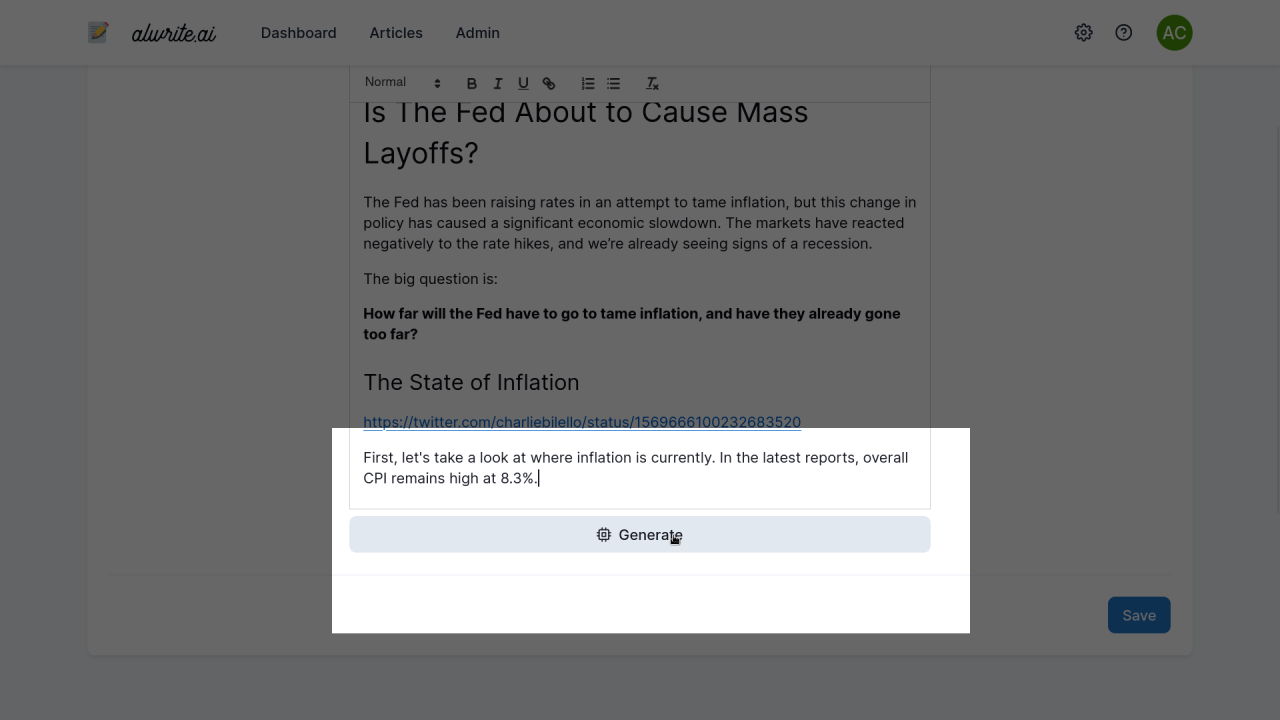
Creating tutorial articles that are both easy to understand and engaging is essential for effective knowledge transfer. Leveraging AI capabilities to enhance clarity, highlight key points, and stimulate reader interaction can significantly improve the overall quality of tutorial content. Incorporating engaging elements such as tips, warnings, or common mistakes, alongside varied formatting techniques, helps maintain reader interest and facilitates better comprehension of complex information.AI can be programmed to include strategic elements like tips that offer practical advice, warnings that alert readers to potential pitfalls, and common mistakes to prevent errors.
These features serve to guide users through the learning process more safely and efficiently. When integrated thoughtfully, these elements transform a standard tutorial into an interactive, reader-friendly resource that encourages continued engagement and learning.To further improve clarity, AI should utilize diverse formatting options such as tables, blockquotes, and highlighted sections. Tables are effective for organizing data, comparisons, or step sequences, making information quickly scannable.
Blockquotes can emphasize important notes, warnings, or definitions, drawing the reader’s attention to critical points. Highlighted sections, often styled with background colors or borders, can distinguish essential tips or cautions, ensuring they stand out amid the instructional content.Instructing AI to generate content with varied formatting ensures that different types of information are appropriately emphasized, reducing monotony and aiding visual learners.
For example, a tutorial on setting up a software environment could include a table summarizing the required tools, a blockquote emphasizing a key warning about version compatibility, and highlighted tips offering shortcuts or best practices. Such layered presentation not only enhances comprehension but also transforms the tutorial into an engaging learning experience.By systematically applying these strategies, tutorial articles become more accessible and engaging, motivating readers to follow through each step with confidence and clarity.
Finalizing and Refining the AI-Generated Tutorial
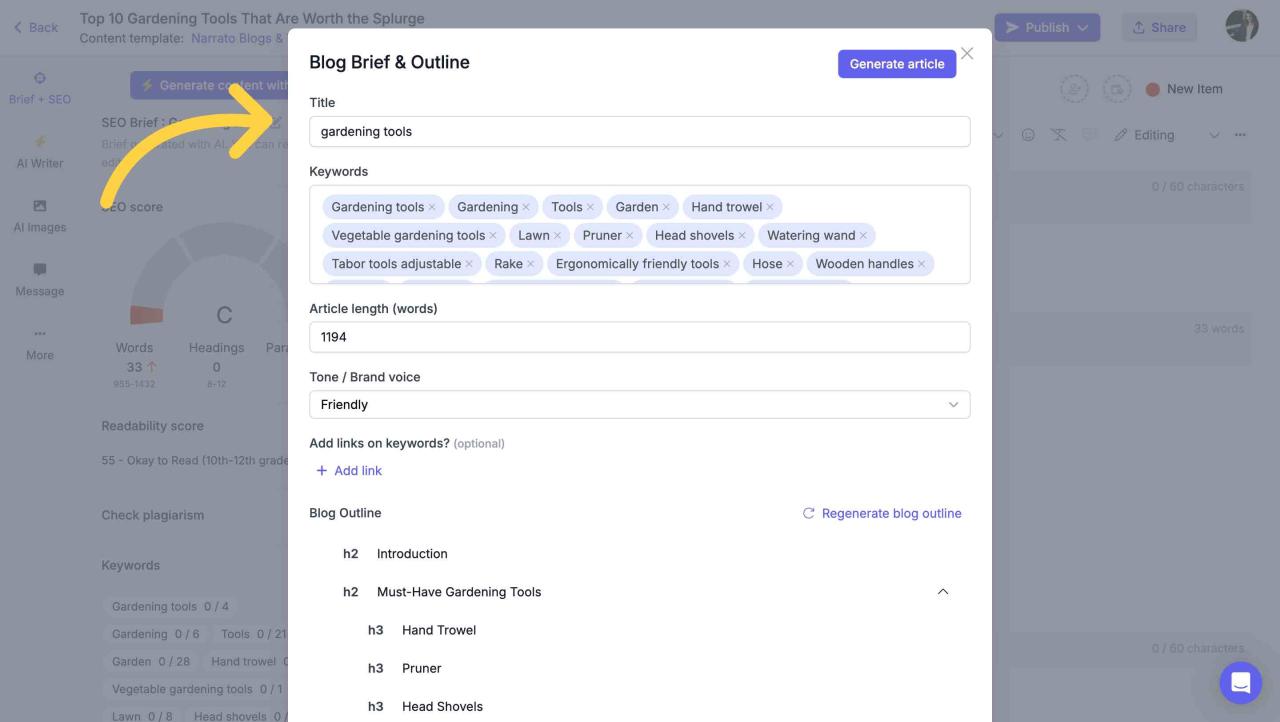
After generating the initial draft of a tutorial using AI, it is essential to undertake a thorough review and refinement process. This ensures the content is clear, cohesive, and engaging for readers. Proper finalization also involves organizing the material into a well-structured article that meets professional standards and effectively communicates the intended knowledge or procedures.
This phase emphasizes reviewing AI outputs for accuracy, clarity, and logical flow, followed by editing to enhance readability. Additionally, organizing the tutorial into a cohesive HTML format helps in creating a user-friendly presentation. Incorporating summaries and key takeaways in structured formats such as bullet points or tables further aids in reinforcing important concepts and facilitating quick reference for readers.
Review, Revise, and Enhance Clarity and Flow
AI-generated content benefits significantly from human oversight to ensure precision and comprehensibility. Begin by systematically reviewing the tutorial to identify areas where explanations may be vague or convoluted. Focus on improving sentence structure, eliminating redundancies, and ensuring that technical terminology is appropriately defined or explained. Use readability tools or AI-assisted editing features to detect complex sentences or jargon that may hinder understanding.
Enhancing the flow involves organizing ideas logically, ensuring smooth transitions between sections, and maintaining a consistent tone throughout the tutorial.
Organizing the Tutorial into a Cohesive HTML Article
Transforming the AI output into a structured HTML document involves using semantic tags that improve readability and accessibility. Start with a clear `
` tag for the main title, followed by introductory paragraphs that set the context. Divide the content into meaningful sections using `
` tags for s, and employ `
` tags for explanations. Lists such as `
- ` and `
- The primary objectives of the tutorial.
- Critical steps or procedures to remember.
- Common pitfalls and how to avoid them.
- Additional resources or references for further learning.
- ` should be used for enumerations or step-by-step procedures, which makes the instructions easy to follow.
Ensure that each section logically flows into the next, with appropriate use of `
`, `
`, or other formatting tags where necessary to improve visual separation. Proper indentation and consistent use of tags create a professional appearance and aid in navigation. This structured approach not only enhances readability but also ensures that search engines and accessibility tools can easily interpret the content.
Creating Summaries and Key Takeaways in Structured Formats
Summaries and key takeaways distill complex information into digestible points, reinforcing essential concepts. Using structured formats such as `