How to research YouTube s with AI offers a powerful approach to enhance your content’s visibility and engagement. Leveraging artificial intelligence tools enables creators to efficiently identify high-performing search terms, analyze competition, and craft optimized metadata, all while saving time and gaining deeper insights into audience preferences.
This comprehensive process integrates traditional research fundamentals with modern AI-driven methods, providing a strategic advantage in creating content that resonates with viewers and ranks well in search results. Understanding how to utilize these innovative techniques can significantly improve your channel’s growth and success.
Understanding the Basics of YouTube Research
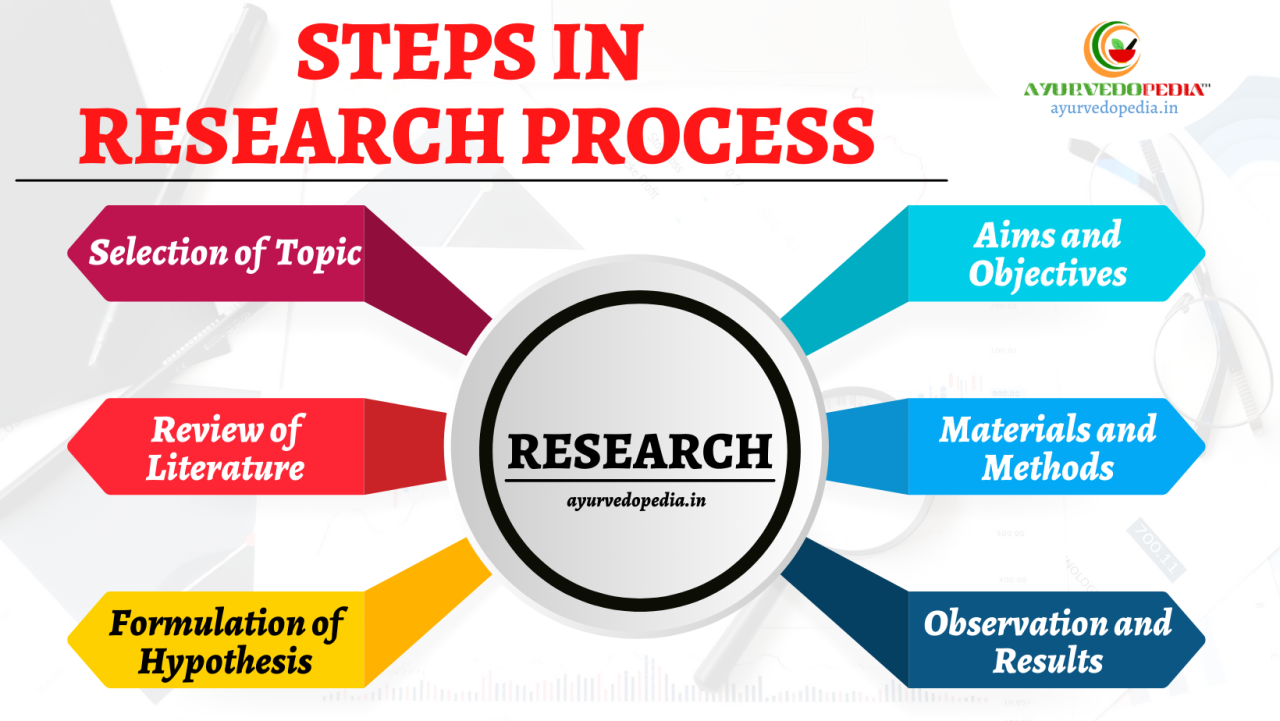
Effective research forms the foundation of a successful YouTube content strategy. By understanding what viewers are searching for, creators can optimize their videos to reach a broader audience, increase engagement, and improve visibility in search results and recommendations. This process involves identifying relevant terms and phrases that align with the content, ensuring videos meet viewer demand while maintaining authenticity and relevance.
Traditionally, research relied on manual methods such as browsing YouTube’s autocomplete suggestions, analyzing competitors, and using basic tools. While these approaches provided useful insights, they often lacked depth and scalability. The advent of AI-powered tools has revolutionized this process, offering sophisticated algorithms capable of analyzing vast amounts of data to generate highly targeted suggestions. These approaches enable creators to uncover high-demand, low-competition s more efficiently, leading to better content positioning and growth opportunities.
Key Steps in Preliminary YouTube Research
Understanding the main steps involved in initial research helps creators develop a strategic approach. The following table summarizes the most common methods, tools used, and the expected outcomes from each step:
| Method | Tools | Expected Outcomes |
|---|---|---|
| Manual Brainstorming & YouTube Autocomplete | YouTube Search Bar, Google Trends | Initial list of popular and trending s based on viewer suggestions and search trends |
| Competitor Analysis | TubeBuddy, vidIQ, Social Blade | Insights into s and tags used by successful channels within the same niche |
| AI-Powered Generation | TubeRanker, Ahrefs, SEMrush, Kami-based tools | Comprehensive suggestions with data-driven insights on search volume and competition |
| Data Analysis & Refinement | Google Planner, YouTube Analytics | Refined list with high relevance and potential for engagement |
Incorporating AI tools streamlines the research process, enabling creators to access deeper insights and identify niche opportunities that manual methods might overlook.
Utilizing AI Tools to Identify Effective Search Terms
Leveraging AI tools for discovering high-performing YouTube search terms significantly enhances content discoverability and audience targeting. These tools expedite the research process by generating relevant and trending search terms tailored to specific niches. Understanding how to effectively select and utilize these AI-driven solutions can yield a strategic advantage in optimizing YouTube content for maximum reach and engagement.
AI-based research tools analyze vast amounts of data, including search trends, competitor performance, and user behavior patterns, to suggest search terms that have high potential for visibility. By systematically integrating these tools into your research workflow, you can uncover valuable s that may not be immediately obvious through traditional methods, thereby broadening your content’s reach and aligning it more closely with audience interests.
Selecting AI-Based Tools for YouTube Research
Choosing the right AI tools involves evaluating their capabilities, accuracy, user interface, and integration features to ensure they align with your content strategy. The following steps Artikel a comprehensive approach for selecting the most suitable tools:
- Identify Your Niche and Goals: Clearly define your target audience and content focus. This helps in selecting tools that are optimized for specific niches like gaming, education, or product reviews.
- Research Available AI Tools: Compile a list of popular AI-driven research tools such as TubeBuddy, VidIQ, Ahrefs, SEMrush, and Tool.io. Review their features, user ratings, and case studies.
- Compare Features and Capabilities: Evaluate each tool based on criteria such as suggestion quality, trend analysis, competition metrics, and ease of use.
- Assess Output Relevance and Accuracy: Test the tools with your niche topics to determine how relevant and actionable their suggestions are.
- Consider Pricing and Support: Analyze the cost-benefit ratio and available customer support options to ensure long-term usability.
Inputting Niche Topics into AI Tools
Once the suitable AI tools are selected, the next step involves inputting niche-specific topics to generate relevant search terms. This process should be precise and strategic to maximize the quality of suggestions:
- Start with broad s related to your niche, such as “digital marketing tutorials” or “vegan cooking recipes.”
- Use the tool’s interface to input these s into the designated search bar or project setup section.
- Leverage additional filters or parameters offered by the tool, such as geographic location, language, or specific audience segments, to refine results.
- Allow the AI to process the input and generate a list of suggested search terms, which often includes high-volume s, long-tail phrases, and trending terms.
- Save and categorize the generated suggestions for subsequent evaluation and comparison.
Evaluating AI-Generated Suggestions
Assessing the effectiveness of AI-generated suggestions involves analyzing their potential for high engagement, low competition, and relevance to your content. The following step-by-step process facilitates this evaluation:
- Compare Metrics: Use the tool’s data on search volume, competition score, and trending status to filter promising s.
- Determine Relevance: Cross-verify suggested terms with your content topics to ensure alignment with your niche.
- Assess Competition: Prioritize s with high search volume but manageable competition, increasing your chances of ranking well.
- Test Actual Performance: Implement selected s in your video titles, descriptions, and tags, then monitor performance metrics such as views, click-through rate, and engagement.
- Iterate and Refine: Continuously refine your list based on real-world performance data, focusing on terms that yield tangible results.
| Tool Name | Main Features | Output Type | Pricing | Best For |
|---|---|---|---|---|
| TubeBuddy | Explorer, Trend Alerts, Competitor Analysis | suggestions, trend data | Free with premium tiers | Content creators seeking integrated YouTube optimization |
| VidIQ | Research, Real-time Analytics, Competitor Tracking | Suggested s, competition scores | Free basic, paid plans available | Channels focusing on analytics-driven growth |
| Ahrefs | Explorer, Content Gap Analysis, Trend Tracking | difficulty, search volume | Subscription-based, higher cost | Advanced and research needs |
| SEMrush | Magic Tool, Trend Analysis, Competition Metrics | ideas, volume, trend data | Subscription-based | Comprehensive digital marketing research |
| Tool.io | Autocomplete Data, Niche-specific Suggestions | Long-tail s, trending terms | Freemium model | Quick generation for multiple platforms |
In conclusion, selecting the appropriate AI tools involves understanding their features, testing their outputs with your niche topics, and evaluating their performance based on relevance and competitiveness. By following these procedures, content creators can efficiently identify high-impact s that enhance their YouTube channel’s visibility and growth potential.
Analyzing Search Volume and Competition with AI Assistance

Effectively gauging the potential reach and competitiveness of YouTube s is crucial for content creators aiming to optimize their videos. Leveraging AI tools enables a more accurate and efficient analysis of search volume and competitive landscape, allowing creators to select s that maximize visibility and relevance. This process involves estimating how often specific search terms are used and assessing how many other creators are targeting similar s, thus informing strategic choices in content optimization.
AI-powered solutions can automate the collection and interpretation of data related to search frequency and competition levels. By doing so, creators can save significant time and improve the accuracy of their research. Organizing these insights into structured formats, such as HTML tables, facilitates easy comparison and decision-making. Furthermore, scripting formulas to analyze data streamlines the process, ensuring that insights are both accessible and actionable for ongoing content strategy refinement.
Leveraging AI to Estimate Search Volume and Competition
Utilizing AI tools involves feeding in a list of potential s and receiving detailed metrics regarding their search volume and competitiveness. Many AI platforms incorporate natural language processing (NLP) and machine learning algorithms trained on vast datasets of YouTube search queries and trends. These tools can predict search volume based on historical data, current trends, and user engagement patterns with impressive accuracy.
Assessing competition involves analyzing factors such as the number of existing videos targeting a specific , the view counts of top-ranking videos, and engagement metrics like likes and comments. AI tools can generate a competition level score—often categorized as low, medium, or high—based on these indicators. This helps creators identify niches with sufficient demand but manageable competition, optimizing their chances of standing out.
Organizing Findings into an HTML Table
To facilitate decision-making, it is beneficial to compile AI-derived data into an organized table. An example structure includes columns such as Search Term, Estimated Volume, Competition Level, and Relevance. The table allows for quick visual comparison of s and their potential impact.
| Search Term | Estimated Volume | Competition Level | Relevance |
|---|---|---|---|
| Cooking recipes | 150,000/month | Medium | High |
| Vegan meal prep | 80,000/month | Low | Moderate |
| Gaming highlights | 200,000/month | High | High |
| Travel vlogs | 120,000/month | Medium | High |
Such tables enable creators to visually assess which s align with their content goals. To further streamline analysis, creators can develop scripts or formulas, such as in Excel or Google Sheets, that automatically calculate relevance scores or flag high-potential s based on predefined thresholds.
For instance, a formula could multiply estimated volume by relevance weight and divide by competition score to generate a composite metric, guiding priority ranking. Using scripts like Google Apps Script or Python, creators can automate data import, processing, and visualization, ensuring continuous, up-to-date insights that support dynamic content strategies.
Generating Content Strategies Based on AI Insights

Effective content creation hinges on understanding trending topics and aligning them with your audience’s interests and your channel’s objectives. AI-powered tools offer valuable insights that enable creators to develop targeted content strategies, optimize their reach, and foster greater engagement. By leveraging AI outputs, you can craft well-structured content themes that resonate with viewers and stay relevant in a competitive environment.AI assists in transforming data into actionable strategies by analyzing trending s, viewer preferences, and niche opportunities.
These insights allow content creators to prioritize themes that have high potential for visibility and audience retention, ensuring that efforts are focused on topics with proven or emerging interest. The process involves a systematic approach to aligning trending data with content goals, resulting in a cohesive content plan that maximizes impact.
Using AI-Generated Insights to Structure Content Themes
To build a robust content strategy, start by examining AI-generated data reports that highlight trending topics and emerging search patterns within your niche. These insights reveal what viewers are actively searching for and what competitors are covering. Based on this information, organize your content around core themes that tap into current trends while aligning with your brand identity.For example, if AI analysis indicates a surge in interest in sustainable living, create content themes such as eco-friendly tips, sustainable product reviews, or lifestyle modifications.
Structuring your themes around these trending topics ensures relevance and increases the likelihood of attracting organic traffic. Additionally, AI can suggest related s or niche angles to diversify your content while maintaining topical consistency.
Prioritizing s to Match Audience Interests and Content Goals
Prioritizing s involves evaluating their relevance, search volume, and competition levels, which AI tools can precisely analyze. Focus on s that have high search volume but manageable competition, as these offer the best opportunity for visibility without extensive resource investment. Equally important is aligning s with your target audience’s interests and your overarching content goals.Begin by compiling a list of AI-identified s relevant to your niche.
Use AI-generated data to rank these s based on metrics such as search volume, trend momentum, and competition score. Cross-reference these with your audience’s preferences and your channel’s objectives. For example, if your goal is to grow a subscriber base interested in tech reviews, prioritize s like “latest smartphone features” or “best budget laptops,” which are trending and align with viewer interests.
Prioritizing s with high search volume and low competition maximizes your channel’s visibility while aligning content with viewer interests and strategic goals.
Organizing Content Plans with Focused Topics, Titles, and Tags
Creating a detailed content plan ensures consistency and strategic alignment. Incorporate specific focus areas such as trending themes, target s, and audience preferences. Structure your plan with clear titles, compelling descriptions, and strategic tags to optimize searchability and viewer engagement.Start by outlining your content plan into bullet points that specify each video’s focus area. For instance:
- Focus Area: Sustainable Lifestyle
- Suggested Title: “10 Simple Eco-Friendly Habits for Everyday Life”
- Description Highlights: Emphasize actionable tips that viewers can implement immediately, backed by AI insights on trending eco topics.
- Tags Group: #SustainableLiving, #EcoTips, #GreenLifestyle, #EnvironmentallyFriendly
Similarly, organize other content ideas around trending search terms, ensuring each plan aligns with your strategic goals and audience interests. Consistently review AI data to adjust titles, descriptions, and tags, keeping your content fresh and optimized for search algorithms. This systematic approach enhances discoverability and supports long-term channel growth.
Refining Selection Through AI-Driven Trends and Sentiment

Effective YouTube optimization extends beyond basic search volume analysis. Incorporating AI-driven insights into current trends and audience sentiment allows content creators to identify s that resonate deeply with viewers’ interests and emotional states. This approach ensures that content remains relevant, engaging, and competitive within a dynamic digital landscape.
By leveraging AI tools capable of analyzing vast datasets from social media, news outlets, and online communities, creators can detect emerging topics and shifts in audience sentiment. These insights facilitate a more nuanced selection process, aligning content strategy with audience preferences and trending conversations. This proactive methodology increases the likelihood of content discovery, engagement, and overall channel growth.
Analyzing Current Trends and Audience Sentiment with AI Tools
Understanding what your target audience is currently interested in and how they feel about specific topics is crucial for effective refinement. AI tools harness natural language processing (NLP) and machine learning algorithms to scan social media platforms, forums, news articles, and comment sections, extracting real-time data on trending topics and prevailing sentiments.
These tools can identify s associated with trending phrases, hashtags, and topics gaining rapid popularity. For instance, during a viral health trend, AI might detect increased mentions of specific related s, such as “immune boosting foods” or “home workouts,” along with positive or negative sentiment indicators. This data helps creators adjust their s to align with what viewers are currently discussing and feeling.
Comparing Different Sets of s or Phrases
To determine the most effective s for content optimization, comparing multiple sets of potential search terms is essential. This process involves evaluating each set based on factors such as trend strength, audience sentiment, and search intent relevance. An organized comparison facilitates informed decision-making and prioritization.
| Set | Trend Strength | Audience Sentiment | Search Volume | Relevance to Content | Overall Effectiveness |
|---|---|---|---|---|---|
| “Fitness challenges” / “Home workouts” | High, trending in social media | Mostly positive, enthusiastic responses | Moderate to high | Strong alignment with fitness content | High |
| “Vegan recipes” / “Plant-based diets” | Steady growth, increasing searches | Mixed, some skepticism, some enthusiasm | High | Highly relevant for health-focused channels | High |
| “Gaming reviews” / “New game releases” | Spiking with recent game launches | Mixed, excited for new releases but critical reviews | High | Very relevant for gaming channels | High |
Using such comparative tables helps pinpoint which s are not only currently popular but also emotionally resonant and relevant to your target audience’s interests, thereby increasing the likelihood of engagement and visibility.
Creating Detailed Descriptive Summaries of Trending Topics
To effectively capitalize on trending s, it is imperative to craft comprehensive summaries that encapsulate the core of these topics. These summaries should synthesize the main points, emotional tones, and audience perceptions detected through AI analysis, providing a clear picture of why a topic is trending and how it appeals to viewers.
“A well-crafted summary acts as a bridge between raw data and content creation, translating complex AI insights into actionable ideas for video themes and titles.”
For example, if AI indicates a surge in searches related to “eco-friendly living,” along with predominantly positive sentiment emphasizing sustainability and environmental awareness, a detailed summary might highlight this trend as follows:
“Recent data reveals a rising interest in eco-conscious lifestyles, with audiences expressing enthusiasm for sustainable practices and products. This trend is driven by increasing environmental concerns and social media campaigns promoting green living. Content that emphasizes practical tips, eco-friendly product reviews, or lifestyle transformations aligns well with this trending topic, capturing viewer interest and engagement.”
By developing such rich summaries, creators can craft targeted s, compelling titles, and engaging content that directly tap into current audience interests and emotional drivers, ultimately enhancing visibility and viewer connection.
Implementing AI-Enhanced Optimization for YouTube Videos
Optimizing YouTube videos with AI-driven insights significantly enhances visibility and viewer engagement. Leveraging AI tools to refine metadata elements such as titles, tags, and descriptions allows content creators to align their videos with effective search strategies, thereby increasing discoverability and performance. This section provides structured guidance on how to implement AI-based optimization techniques to maximize the impact of each video.
By systematically integrating AI recommendations into metadata creation, creators can ensure their videos are more precisely targeted to their audience’s interests and trending search queries. This approach not only improves search rankings but also contributes to higher click-through rates and sustained viewer retention.
Structuring Metadata Based on AI Insights
Effective metadata structuring involves crafting compelling titles, selecting relevant tags, and writing detailed descriptions, all informed by AI-generated data. AI tools analyze vast amounts of search data and user behavior to suggest the most effective s and phrases that resonate with current trends and viewer preferences. Implementing these insights helps ensure that each element of the metadata aligns with what users are actively searching for, thus enhancing the video’s visibility in search results and recommendations.
| Element | AI Recommendation | Implementation Tips |
|---|---|---|
| Title | Use high-ranking s identified by AI, incorporate emotional triggers or numbers for increased appeal. | Craft concise yet descriptive titles that include primary s near the beginning. For example, “Top YouTube Strategies in 2024 | Boost Your Views.” |
| Tags | Generate a list of relevant s and long-tail phrases based on trending search terms and competitor analysis. | Add a mix of broad and specific tags; include variations and related terms to cover a wider search spectrum. |
| Description | Integrate AI-suggested s seamlessly into a comprehensive summary that highlights key points and includes calls to action. | Write detailed descriptions that naturally incorporate s, summarize the video content, and encourage engagement, such as subscribing or commenting. |
Optimizing metadata with AI insights involves more than stuffing. It requires a strategic integration of relevant, high-performing terms that enhance contextual relevance, thereby improving search rankings and user engagement. Regularly updating metadata based on ongoing AI trend analysis ensures your content remains aligned with shifting viewer interests and algorithm preferences.
For example, if AI tools identify a rising trend around “short-form video marketing,” incorporating this phrase into your video’s title and description can attract a broader audience actively searching for such content, leading to increased visibility and engagement.
Monitoring and Adjusting Strategies with AI Feedback

Effective YouTube content growth relies heavily on continuous performance monitoring and strategic adjustments informed by AI insights. By leveraging AI tools to analyze real-time data, creators can refine their strategies, optimize content, and enhance audience engagement over time. This dynamic approach ensures that content remains relevant and competitive within the ever-evolving landscape of YouTube search trends.
Implementing a systematic method for tracking metrics and adapting strategies allows creators to maximize their channel’s visibility and growth. AI-driven feedback mechanisms offer valuable suggestions, enabling creators to identify underperforming s, capitalize on emerging trends, and adjust content planning accordingly. This ongoing process transforms data into actionable insights, fostering sustained success on the platform.
Tracking Performance Metrics Influenced by AI-Informed Choices
Accurate performance tracking is fundamental to understanding the impact of AI-optimized s on your YouTube channel. Utilizing analytics tools integrated with AI capabilities, creators can monitor key metrics such as watch time, click-through rate (CTR), audience retention, and rankings. These metrics help assess whether the chosen s are effectively attracting viewers and engaging them.
AI tools often provide predictive analytics, indicating potential future performance based on historical data, enabling proactive adjustments. For example, if an AI system suggests that a particular combination is trending upward, tracking subsequent metric changes can validate this trend’s effectiveness. Regularly reviewing these insights supports data-driven decision-making to improve content visibility.
Organizing Ongoing Data into Actionable Tables
Structured data organization facilitates continuous assessment and strategic refinement. A comprehensive table can include columns such as the or trend, current metrics, observed performance changes, required adjustments, and future focus areas. This setup ensures a clear overview of what strategies are working and where improvements are needed.
Example of a simple performance tracking table:
| /Trend | Metrics Monitored | Performance Changes | Adjustments Needed | Future Focus |
|---|---|---|---|---|
| “Tech Review 2024” | CTR, Watch Time, Ranking | CTR increased by 15%, ranking improved from #5 to #3 | Enhance thumbnail and title for higher CTR | Test new thumbnail designs and optimize description |
| “Gaming Tips” | Audience Retention, Views | Retention dropped after 1 minute; views plateaued | Revise content structure to improve engagement | Create shorter, more engaging segments |
This organized approach helps maintain clarity on performance status and guides targeted improvements.
Updating Content Plans Based on Trends and AI Suggestions
It is essential to regularly revise content strategies to stay aligned with current trends and AI-driven insights. AI tools can identify nascent search patterns, emerging topics, and audience sentiment shifts, which should inform upcoming content themes. By establishing routine review cycles—such as weekly or monthly—creators can adapt their content calendars accordingly.
Updating content plans involves prioritizing trending topics, optimizing titles and descriptions based on latest insights, and scheduling content around observed audience engagement peaks. For instance, if AI detects an increase in searches for “sustainable tech gadgets,” creators can plan relevant videos promptly, ensuring they capitalize on the trend’s momentum. This proactive approach keeps content fresh, relevant, and aligned with audience interests, ultimately boosting discoverability and growth potential.
Final Conclusion
In conclusion, mastering how to research YouTube s with AI equips you with the tools to stay ahead in a competitive environment. By continuously analyzing trends, refining your strategies, and leveraging AI insights, you can optimize your content for maximum reach and audience engagement. Embracing these techniques ensures your channel remains relevant and thrives in the ever-evolving digital landscape.