Discover how to optimize blog posts using ai to elevate your content strategy and engage your audience effectively. Leveraging artificial intelligence tools offers innovative ways to improve content relevance, structure, and visual appeal, making your blogs more compelling and accessible. This guide explores practical strategies to harness AI for creating impactful and personalized blog content that resonates with readers and boosts overall performance.
Introduction to AI-Driven Blog Optimization
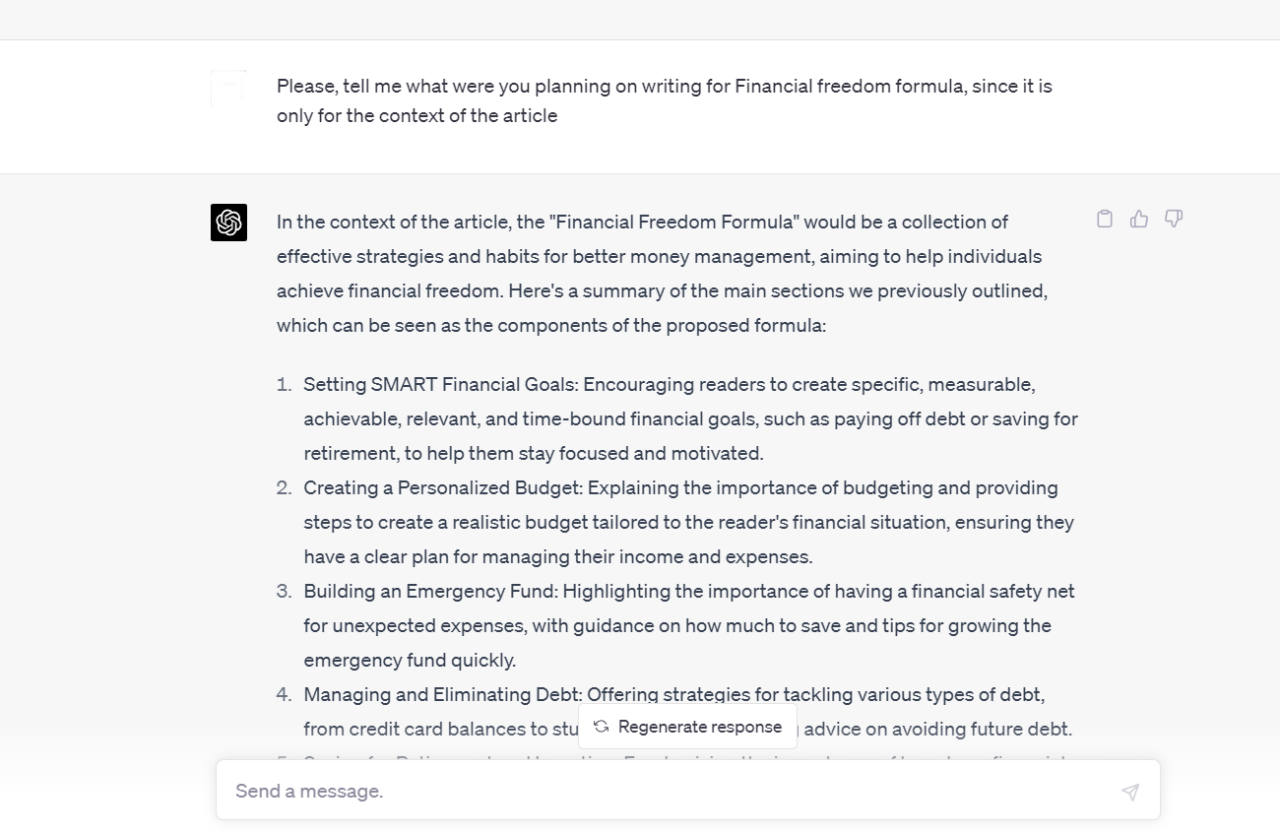
Artificial intelligence (AI) has become a transformative force in the realm of digital content creation, particularly in enhancing the quality and engagement levels of blog posts. By leveraging sophisticated algorithms and machine learning models, AI tools assist writers and marketers in crafting more compelling, targeted, and optimized content. This integration not only streamlines the editorial process but also ensures that blog posts resonate more effectively with their intended audiences.
The evolution of AI in content creation has been marked by significant advancements, transitioning from basic analysis to intelligent systems capable of understanding context, tone, and reader preferences. Early AI applications primarily focused on stuffing and simple automation; however, modern tools now employ natural language processing (NLP) and deep learning techniques to generate and refine content with human-like nuance.
These developments have empowered content creators to produce high-quality blog posts more efficiently and with greater strategic insight.
Examples of AI Applications Supporting Blog Post Improvement
Numerous AI applications are now integral to the blog optimization process, providing valuable insights and automation features that elevate content quality. For instance, AI-powered readability analyzers evaluate the complexity of text, suggesting adjustments to make content more accessible. Grammar and style checkers, such as Grammarly or Hemingway Editor, leverage AI to enhance clarity and coherence. Content ideation tools, like Jasper or Copy.ai, assist in generating engaging topics and headlines by analyzing trending s and audience preferences.
Furthermore, -focused AI tools, such as Surfer or MarketMuse, analyze search engine ranking factors to recommend optimal placement, content structure, and backlink strategies. Some platforms use AI to personalize content recommendations based on user behavior, resulting in higher engagement rates. The integration of these AI applications not only accelerates the content creation cycle but also ensures that each blog post is strategically optimized for maximum visibility and reader engagement.
Strategies for Using AI to Enhance Content Relevance
In the rapidly evolving landscape of digital content, maintaining relevance is essential for engaging audiences and improving search engine rankings. Artificial Intelligence offers powerful tools to analyze, organize, and tailor blog content precisely to audience interests. Implementing effective AI-driven strategies can significantly elevate the quality and pertinence of your blog posts, ensuring they resonate with readers and stay ahead of trending topics.
By leveraging AI, content creators can systematically identify what their audience values most, adapt to emerging themes, and personalize content delivery. These strategies not only enhance user engagement but also optimize resource allocation by focusing on high-impact topics. The following methods provide a comprehensive approach to utilizing AI for content relevance, enabling bloggers and marketers to produce more targeted, timely, and meaningful content.
Organizing Blog Topics Based on Audience Interest Using AI
Understanding the interests and preferences of your audience is fundamental to creating relevant content. AI tools can process large volumes of data from multiple sources—including social media, comments, search queries, and website analytics—to uncover patterns and preferences. These insights serve as a foundation for organizing blog topics that align with your readers’ interests.
Procedures for implementing this include:
- Collect Data from Diverse Sources: Gather information from social media platforms, search engine queries, email feedback, and website analytics to obtain a holistic view of audience preferences.
- Natural Language Processing (NLP) Analysis: Utilize NLP algorithms to analyze textual data, identifying frequently discussed themes, s, and sentiment trends.
- Topic Clustering: Employ unsupervised learning techniques such as k-means clustering or hierarchical clustering to group similar interests and themes into distinct categories.
- Prioritize Topics: Use AI-driven scoring systems to evaluate the potential impact and relevance of various topics, enabling strategic content planning that targets high-interest areas.
This structured approach ensures that blog topics are not only data-driven but also aligned with what your audience genuinely cares about, fostering increased engagement and loyalty.
Analyzing Trending Themes and Integrating Them into Blog Posts
Staying current with trending themes allows your blog to remain fresh and competitive. AI applications can monitor real-time data to detect emerging trends across industries and social platforms, facilitating timely content updates and new posts.
Steps to leverage trending analysis include:
- Real-Time Monitoring: Employ AI tools that utilize web crawling, social listening, and news aggregators to track trending s, hashtags, and discussions relevant to your niche.
- Trend Scoring and Validation: Use AI algorithms to evaluate the velocity and sustainability of emerging trends, distinguishing fleeting topics from long-term shifts.
- Content Gap Analysis: Identify gaps between trending themes and existing content, revealing opportunities for new blog posts or updates to current articles.
- Content Integration: Incorporate trending themes into blog posts by aligning them with your core topics, adding timely insights, data, and examples that resonate with current conversations.
For instance, if AI detects a surge in interest around renewable energy advancements, a blog can incorporate this trend by discussing recent technological innovations, policy changes, or market impacts, thereby increasing relevance and reader interest.
Aligning Content with Reader Preferences Using AI Insights
Personalizing content based on reader preferences enhances engagement and satisfaction. AI-powered personalization engines analyze individual user behaviors, such as browsing history, click patterns, and interaction time, to tailor content delivery effectively.
Implementing this involves:
- Behavioral Data Collection: Track user interactions on your platform to gather comprehensive data on their interests and content preferences.
- Segmentation and Profiling: Use machine learning algorithms to segment audiences into distinct groups based on their behavior patterns and interests.
- Content Recommendation Models: Deploy AI recommendation systems that suggest relevant blog posts, topics, or sections within your site based on individual profiles.
- Continuous Feedback Loop: Adapt and refine personalization models continuously with new data, ensuring that content recommendations evolve with user preferences.
For example, if a visitor frequently reads articles related to sustainable farming, AI insights can ensure that subsequent recommendations include the latest research, case studies, and tutorials in that domain, fostering a more engaging and customized user experience.
Automating Content Structuring and Formatting
Creating well-organized and visually appealing blog content is essential for engaging readers and improving . Automation tools powered by AI can significantly streamline the process of structuring and formatting your content, ensuring consistency and professionalism across posts. By leveraging AI, content creators can focus more on the quality of the information while the tools handle the presentation and organization.Utilizing AI for content structuring involves generating clear hierarchies through headings, subheadings, and bullet points that enhance readability.
Additionally, AI can help in converting raw, unstructured content into polished, formatted outputs suitable for publication. This automation not only accelerates content production but also ensures that the information flows logically and is visually appealing to your audience.
Creating Responsive HTML Table Structures with Up to Four Columns
Tables are effective for presenting data, comparisons, or grouped information in a concise manner. To ensure compatibility across devices, tables should be designed responsively. Here is a simple example of a responsive HTML table with four columns:
<table style="width:100%; border-collapse: collapse;">
  <thead>
    <tr>
      <th style="border: 1px solid #ddd; padding: 8px;">Feature</th>
      <th style="border: 1px solid #ddd; padding: 8px;">Description</th>
      <th style="border: 1px solid #ddd; padding: 8px;">Example</th>
      <th style="border: 1px solid #ddd; padding: 8px;">Benefits</th>
    </tr>
  </thead>
  <tbody>
    <tr>
      <td style="border: 1px solid #ddd; padding: 8px;">AI Content Generation</td>
      <td style="border: 1px solid #ddd; padding: 8px;"> Automatically creates blog sections</td>
      <td style="border: 1px solid #ddd; padding: 8px;"> GPT-based tools</td>
      <td style="border: 1px solid #ddd; padding: 8px;"> Saves time and enhances consistency</td>
    </tr>
    <tr>
      <td style="border: 1px solid #ddd; padding: 8px;">Content Formatting</td>
      <td style="border: 1px solid #ddd; padding: 8px;"> Styles and aligns text dynamically</td>
      <td style="border: 1px solid #ddd; padding: 8px;"> AI formatting tools</td>
      <td style="border: 1px solid #ddd; padding: 8px;"> Ensures visual hierarchy and readability</td>
    </tr>
  </tbody>
</table>
To make tables responsive, apply CSS styles such as `max-width: 100%; overflow-x: auto;` on the container, allowing horizontal scrolling on smaller screens without breaking the layout.
Generating Structured Headings, Subheadings, and Bullet Points with AI
Consistent and logical content hierarchy improves user experience and rankings. AI tools can assist in creating well-structured headings and subheadings by analyzing the core themes of your raw content. They identify key topics and suggest appropriate hierarchical structures that guide readers naturally through your material.
Techniques for effective AI-driven structuring include:
- Using AI to analyze the main topics within your raw content and generate relevant headings that encapsulate each section’s focus.
- Applying AI algorithms to identify logical s, producing subheadings that break down complex information into digestible parts.
- Leveraging AI to create bullet point lists that distill lengthy paragraphs into concise, easy-to-scan points, emphasizing key facts or steps.
For instance, after inputting raw content about AI content writing, an AI tool might generate headings such as “Introduction to AI in Content Creation,” “Benefits of AI Content Tools,” and “Best Practices for AI-Assisted Writing.” It can also suggest bullet points summarizing each section’s main ideas, making the information more accessible and structured.
Converting Raw Content into Visually Organized Formats Step-by-Step
Transforming unstructured or raw text into a professional and organized format involves several systematic steps:
- Identify core themes and sections within the raw content to determine logical division points.
- Generate hierarchical headings and subheadings for each identified section using AI suggestions or templates.
- Break down lengthy paragraphs into bullet points or numbered lists, highlighting essential details or sequential steps.
- Use AI-powered formatting tools to apply consistent styles, such as bolding key terms or italicizing important phrases.
- Create visual elements like tables or infographics where data comparison or summary is necessary, ensuring they are designed responsively.
- Review the structured content to ensure clarity, logical flow, and visual appeal, making adjustments as needed.
For example, raw data about a product feature list can be converted into a well-organized section with a prominent heading, followed by subheadings for each feature. Bullet points clearly Artikel the advantages, and a table summarizes specifications, all formatted cohesively for optimal user experience.
Enhancing Readability and Engagement with AI

Creating content that resonates with readers requires clarity, coherence, and captivating elements. Leveraging AI tools to refine readability and boost engagement can significantly improve the overall impact of blog posts. By systematically applying AI-driven editing and interactive features, content creators can craft articles that not only inform but also actively involve their audience.
Improving clarity and flow within blog articles is essential to retain readers and communicate messages effectively. AI editing tools utilize advanced natural language processing algorithms to identify awkward phrasing, redundant sentences, and complex structures. These tools suggest revisions that streamline sentences, improve transitions between ideas, and enhance overall readability, ensuring the content is accessible to a wider audience.
Generating compelling calls-to-action (CTAs) and interactive elements plays a crucial role in fostering engagement. AI can analyze the context of the content and recommend tailored CTAs that motivate readers to act, such as subscribing to a newsletter, commenting, or sharing the article. Additionally, AI-powered tools can suggest or automatically embed interactive components like quizzes, polls, or chatbots, encouraging active participation and enriching the user experience.
Implementing a workflow for iterative content refinement with AI feedback mechanisms ensures continuous improvement. This process involves initial content creation, followed by AI-driven analysis to identify areas for enhancement. Content creators can review AI suggestions, make necessary adjustments, and re-evaluate the content. Tools that support real-time feedback and version control facilitate an ongoing cycle of refinement, leading to polished, engaging, and reader-friendly blog posts.
Incorporating Visual Elements and Descriptive Content
Effective integration of visual elements into blog posts significantly enhances reader understanding and engagement. Descriptive content paired with visuals not only clarifies complex ideas but also makes the content more aesthetically appealing and memorable. AI tools now enable content creators to generate detailed descriptions for images, infographics, and diagrams, ensuring that visuals complement and reinforce the written material seamlessly.
By leveraging AI-generated descriptions, bloggers can craft rich narratives that deepen the reader’s comprehension of visual data. These descriptions serve as narratives that explain what the visual depicts, highlight key data points, and contextualize the image within the overall content. This practice is especially beneficial for accessibility, ensuring that all readers, including those with visual impairments, can grasp the core message conveyed through visuals.
Developing Detailed Descriptions for Visual Content
Creating comprehensive descriptions requires attention to detail, clarity, and relevance. AI-powered language models can analyze images and generate precise descriptions that encapsulate their essential elements. For example, an AI might describe an infographic showing the growth of renewable energy investments over the past decade as follows:
“A colorful infographic illustrating a steady increase in renewable energy investments from 2010 to 2020. The chart features four main categories—solar, wind, hydro, and geothermal energy—with each represented by distinct icons. The upward trend lines indicate exponential growth, culminating in a total investment value surpassing $300 billion in 2020.”
These descriptions should include specifics about visual components, such as colors, shapes, data points, and relationships among elements, to provide clarity and context.
Integrating Visual Descriptions into HTML Content
Inserting descriptive content into blog posts enhances accessibility and . Use HTML tags like
For example:
<figure>
  <img src="renewable_energy_growth_chart.png" alt="Graph illustrating renewable energy investments from 2010 to 2020">
  <figcaption>
    A line graph depicting the exponential increase in renewable energy investments over the decade, highlighting a surge in solar and wind energy sectors.
  </figcaption>
</figure>
Additionally, for complex diagrams or infographics, detailed descriptions can be included within
By adopting these practices, content creators can significantly improve the clarity, accessibility, and overall quality of their blog posts, leveraging AI to produce detailed, accurate visual descriptions that resonate with a diverse audience.
Content Personalization and Audience Targeting

Effective blog content must resonate with specific audience segments to maximize engagement and relevance. Leveraging AI enables content creators to tailor their messages dynamically, ensuring each reader receives information suited to their preferences, interests, and behaviors. This targeted approach not only enhances user experience but also increases the likelihood of achieving desired outcomes such as conversions or brand loyalty.
AI-driven personalization involves analyzing audience data to deliver customized content, recommendations, and interactive elements. By understanding different segments’ needs and preferences, bloggers can create more meaningful and compelling experiences. The subsequent strategies detail how to implement AI to optimize content delivery and audience engagement effectively.
Utilizing AI to Tailor Blog Content to Different Audience Segments
AI employs machine learning algorithms to process large volumes of user data, including browsing history, demographic information, interaction patterns, and content preferences. This analysis helps in segmenting the audience into distinct groups with shared characteristics or interests.
Once segments are identified, AI can generate tailored content suggestions, modify messaging tone, and adjust the depth of information to suit each group. For example, a technology blog might present beginner guides to novices and in-depth technical analyses to advanced users, dynamically adjusting content based on real-time user engagement signals.
Creating Personalized Recommendations and Dynamic Content Blocks
Personalized recommendations enhance the user experience by suggesting relevant articles, products, or resources based on individual behaviors and preferences. AI algorithms analyze previous interactions to predict what content will resonate most with each visitor.
Dynamic content blocks are sections within a blog that adapt in real-time, displaying different messages or content elements depending on the viewer’s profile. For instance, a health blog might display different symptom checklists or wellness tips based on whether the visitor is a fitness enthusiast or someone seeking medical advice. This adaptability is achieved through AI systems that continuously learn from user interactions to refine content delivery.
“Implementing AI-driven recommendations and dynamic blocks creates a personalized browsing experience that fosters higher engagement and longer site visits.”
Procedures for Segment Analysis to Optimize Content Delivery
Segment analysis involves collecting and evaluating data about different audience groups to identify patterns and preferences that inform content strategy. AI tools facilitate this process by automating data collection, segmentation, and insights generation.
Specific procedures include:
- Data Collection: Aggregating user data from various sources such as website analytics, social media, and email interactions.
- Segmentation: Applying clustering algorithms and predictive modeling to categorize users into meaningful groups based on behaviors and demographics.
- Insights Generation: Analyzing segment-specific data to understand preferences, content consumption habits, and engagement levels.
- Content Optimization: Refining content themes, formats, and delivery channels tailored to each segment’s characteristics.
This analytical approach ensures that content strategies remain targeted, relevant, and adaptable to evolving audience dynamics, ultimately fostering stronger engagement and a more personalized user journey.
Quality Assurance and Performance Tracking
Ensuring the continuous quality and effectiveness of AI-optimized blog content is fundamental to maintaining audience engagement and achieving strategic goals. Implementing robust quality assurance processes and performance tracking mechanisms allows content creators and marketers to identify areas for improvement, verify adherence to standards, and refine their content strategies over time. Leveraging AI-powered tools enhances these processes by providing precise insights and actionable recommendations, fostering a cycle of ongoing enhancement and excellence.To maintain high-quality standards and assess the impact of AI-driven content strategies effectively, structured workflows must be established that integrate AI suggestions, performance metrics, and regular review cycles.
These workflows support systematic content evaluation, ensuring that blog posts remain relevant, engaging, and optimized for search engines while adapting to evolving audience preferences.
Setting Up AI-Based Editing for Structural Issue Detection and Correction
Implementing AI-based editing tools involves configuring algorithms that analyze the structural integrity of blog content. These tools examine elements such as headings, paragraph flow, sentence cohesion, and overall content hierarchy to identify issues that may hinder readability or performance. For example, an AI editor can detect overly long paragraphs that reduce readability or misplaced headings that disrupt content flow.The process typically includes:
- Integrating AI editing platforms with the content management system (CMS) for seamless analysis.
- Defining specific structural guidelines aligned with best practices and readability standards.
- Running automated scans on draft content to flag issues such as fragmented sentences, inconsistent formatting, or improper heading usage.
- Applying suggested corrections, which may include reordering sections, adjusting heading levels, or improving sentence cohesion, to enhance overall content structure.
Blockquote:
“AI-driven editing tools act as a virtual proofreader, ensuring content adheres to structural standards before publication.”
Regular updates and training of these tools ensure they stay aligned with evolving content standards and audience preferences.
Generating Reports on Content Performance Metrics and Identifying Improvement Areas
Data-driven insights are crucial for refining blog content strategies. Performance reports provide a comprehensive view of how content is resonating with the target audience, highlighting strengths and pinpointing areas needing improvement. Key metrics include page views, bounce rates, average time on page, conversion rates, and engagement signals such as shares and comments.The process of generating these reports involves:
- Utilizing AI analytics platforms that automatically collect and analyze data from various sources, including Google Analytics, social media, and internal CMS metrics.
- Configuring dashboards that visualize key performance indicators (KPIs) in real-time, enabling quick assessment of content effectiveness.
- Applying AI algorithms to identify patterns and correlations, such as which topics generate the most engagement or which s lead to higher conversions.
- Highlighting areas for improvement, such as underperforming posts, topics with low engagement, or technical issues like slow-loading pages.
Blockquote:
“Regular performance reports empower content teams to make informed decisions, ensuring ongoing content refinement and audience engagement.”
These insights should be reviewed periodically, and action plans should be developed to address identified gaps.
Organizing Workflows that Incorporate AI Suggestions for Ongoing Content Enhancement
Establishing efficient workflows that integrate AI-generated insights ensures continuous content improvement. This involves creating systematic procedures where AI suggestions are seamlessly incorporated into the editorial process, allowing for iterative refinement and quality control.Key steps include:
- Automating the collection of AI suggestions during the editing phase, such as content restructuring, optimization, and readability enhancements.
- Designing review cycles where editors evaluate AI recommendations, validate their relevance, and implement changes accordingly.
- Utilizing project management tools to assign tasks related to AI-driven improvements, tracking progress, and ensuring accountability.
- Scheduling periodic content audits that compare previous versions with updated ones, measuring the impact of AI-driven modifications on performance metrics.
- Maintaining a feedback loop where insights from performance tracking inform future AI training and algorithm refinement, creating a self-improving system.
Blockquote:
“Integrating AI suggestions within structured workflows promotes a culture of continuous improvement, ensuring blog content remains relevant, engaging, and optimized.”
This systematic approach fosters agility and data-informed decision-making, sustaining content quality over time.
Closing Summary
By integrating AI-driven techniques into your blogging workflow, you can significantly enhance the quality, relevance, and engagement of your content. Embracing these innovative approaches ensures your blog remains competitive and appealing to diverse audiences. Implementing AI tools for optimization paves the way for continuous improvement and long-term success in content marketing.