Learning how to generate ad copy with AI opens new horizons for creating compelling and targeted advertising content efficiently. This innovative approach leverages advanced technology to streamline the development of engaging advertisements, saving time and resources while enhancing effectiveness.
By understanding the key components of AI-driven ad copy creation, marketers can craft messages that resonate with their audiences, maintain brand consistency, and optimize performance through strategic testing and refinement. This guide provides insights into designing precise instructions for AI, evaluating outputs, and integrating AI-generated content seamlessly into campaigns.
Introduction to AI-driven Ad Copy Generation
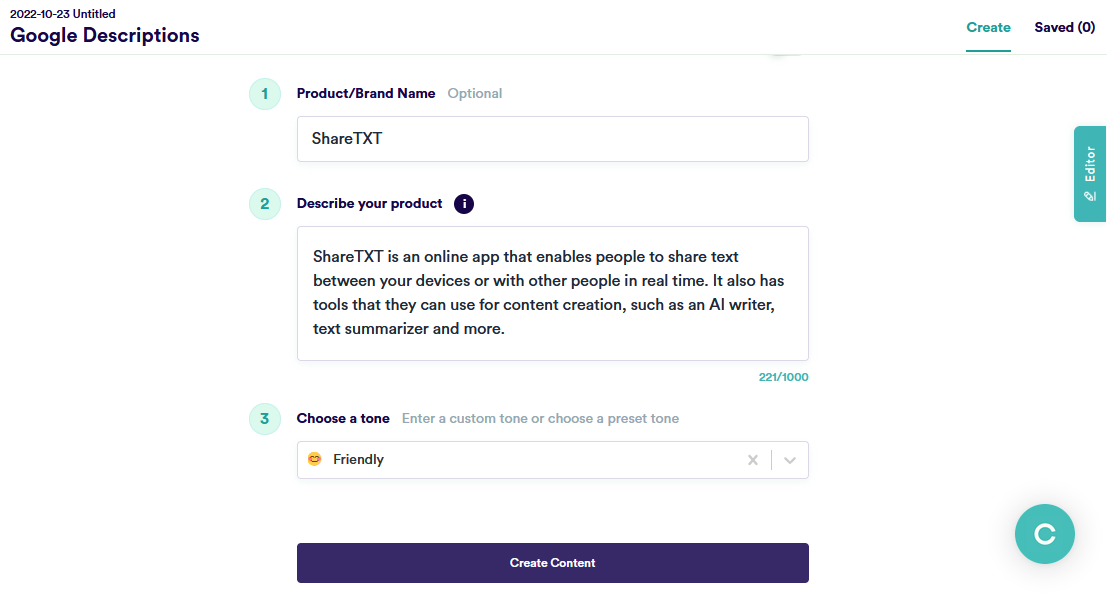
Artificial intelligence has revolutionized many aspects of digital marketing, with ad copy generation being a prominent application. Leveraging AI to craft advertising text involves utilizing advanced algorithms and machine learning models that analyze data, understand target audiences, and produce compelling messages. This approach enables marketers to automate the creation of personalized, engaging, and effective advertisements with greater efficiency and consistency.
The integration of AI in generating ad copy offers numerous benefits, including significant time savings, enhanced creativity through data-driven insights, and the ability to scale campaigns rapidly. AI tools can adapt to various industries and target demographics, ensuring that each ad resonates with its intended audience. The typical workflow begins with inputting relevant information such as product details, target audience specifics, and campaign goals.
The AI then processes this data to generate multiple draft options, which can be refined iteratively based on performance analytics and human feedback. This streamlined process facilitates the production of high-quality ad copy that aligns with brand messaging and marketing objectives.
Automated Workflow for Effective Ad Copy Generation
Generating effective ad copy with AI involves a structured workflow designed to maximize relevance and engagement. The process generally includes several key stages:
- Data Input: Providing the AI system with detailed information about the product or service, target demographics, campaign goals, and preferred tone or style. This data forms the foundation for the AI to craft contextually appropriate content.
- Content Creation: The AI utilizes natural language processing (NLP) models to generate multiple variations of ad copy based on the input parameters. These models are trained on vast datasets to understand language patterns, persuasive techniques, and industry-specific terminology.
- Evaluation and Refinement: The generated drafts are evaluated against established criteria such as clarity, relevance, and appeal. Feedback loops and A/B testing can be incorporated to identify the most effective versions, allowing for further refinement.
- Finalization and Deployment: Once the optimal ad copy is selected, it is integrated into advertising platforms for distribution. Continuous monitoring of campaign performance helps in adjusting the copy as needed for improved results.
Throughout this process, the AI-driven approach ensures that ad copy is crafted efficiently while maintaining a high standard of quality. It also enables marketers to experiment with different messaging strategies rapidly, fostering innovation and adaptability in advertising campaigns.
Key Components of Effective AI-generated Ad Copy
Creating compelling advertising copy with AI requires understanding and integrating core elements that resonate with target audiences while maintaining brand consistency. The essential components—such as headlines, call-to-actions, and value propositions—serve as the foundation for engaging and converting potential customers. When thoughtfully crafted, these elements ensure that AI outputs are not only relevant but also aligned with strategic marketing goals.
Ensuring that AI-generated ad copy effectively communicates brand messages involves precise guidelines for tone, style, and audience relevance. Incorporating audience segmentation into AI processes enhances personalization, making each ad more impactful. This approach leverages data-driven insights to tailor messaging, increasing the likelihood of engagement and conversions across diverse customer segments.
Core Elements of AI-generated Ad Copy
Understanding the fundamental elements that constitute successful ad copy is crucial for guiding AI models to produce effective content. These elements include attention-grabbing headlines, compelling call-to-actions, and clear value propositions. Each component plays a vital role in capturing interest, encouraging interaction, and conveying the unique benefits of the product or service.
- Headlines: They must be concise, engaging, and relevant to the target audience. Effective headlines often incorporate emotional triggers or curiosity to motivate further reading. AI can generate multiple headline options by analyzing successful patterns and s pertinent to the campaign’s goals.
- Call-to-Actions (CTAs): These directives guide users toward desired actions, such as making a purchase, signing up, or learning more. CTAs should be clear, urgent, and aligned with the overall campaign message. AI can optimize CTA language by testing various formulations to identify the most effective phrasing.
- Value Propositions: Articulating the unique benefits or solutions offered by the product is essential. The AI must highlight features that differentiate the brand and resonate with the audience’s needs. Incorporating specific data points or customer testimonials can enhance credibility and appeal.
Aligning AI Output with Brand Tone and Message
Consistency in tone and messaging is vital for brand recognition and trust. When training AI models, it is important to provide comprehensive guidelines that specify the desired voice—be it professional, friendly, playful, or authoritative. These guidelines ensure that generated ad copy reflects the brand’s personality across all campaigns.
Practically, this involves creating style guides and example templates that AI can learn from, enabling it to mimic preferred language patterns and vocabulary. Regular review and fine-tuning of AI outputs help maintain alignment, especially as brand strategies evolve or new campaigns are launched. Such practices also safeguard against messaging drift that could confuse or alienate target audiences.
Incorporating Audience Segmentation into AI-generated Ad Copy
Audience segmentation enhances the relevance of ad copy by delivering tailored messages to distinct customer groups. AI systems can utilize demographic, behavioral, and psychographic data to customize content, ensuring that each segment receives messaging that resonates with their specific preferences and needs.
By integrating segmentation data, AI models can generate variations of ad copy that address different persona characteristics. For example, a luxury brand targeting high-income individuals might emphasize exclusivity, while a budget-focused campaign could highlight affordability. This targeted approach increases engagement rates and conversion likelihood.
Effective incorporation of segmentation involves feeding relevant data into AI algorithms and establishing rules that prioritize personalized messaging. Continuous analysis of campaign performance allows for iterative improvements, refining how AI adapts content for diverse audience segments.
Crafting Explainings for AI to Generate Ad Copy
![Social Media Ad Copy Generator. Powered by AI [Start for Free]](https://teknokrat.web.id/wp-content/uploads/2025/09/Narrato-AI-Ad-Copy-Generator-1.png "Social Media Ad Copy Generator. Powered by AI [Start for Free]")
Developing clear and comprehensive explainings is fundamental for guiding AI systems to produce effective advertisement copy tailored to specific goals and audiences. Well-structured instructions enable AI to generate content that aligns with brand voice, resonates with target demographics, and adheres to desired formats.
This process involves defining target demographics, specifying tone and style, choosing appropriate formats, and organizing these directives into templates or structured layouts. Such clarity ensures that AI-driven outputs are consistent, relevant, and impactful across various advertising channels.
Specifications for Effective Ad Copy Instructions
Providing detailed explainings involves precisely articulating the target audience, tone, format, and key messaging points. These specifications serve as the blueprint for AI to craft compelling ad copy that meets strategic objectives. Clear instructions minimize ambiguity, enhance relevance, and improve the overall quality of generated ads.
“Effective AI-generated ad copy hinges on explicit, detailed instructions that encompass audience insights, tone preferences, and format requirements.”
Designing Templates for Different Advertisement Types
Templates facilitate the creation of adaptable and consistent ad variations across multiple platforms. Structuring templates for social media, display, and email ads ensures that each format’s unique characteristics and audience expectations are addressed while maintaining brand coherence.
Below are structured templates for various ad types, organized using HTML tables to clearly delineate differences and commonalities:
| Ad Type | Target Demographics | Tone & Style | Format & Content Structure | Key Messaging Points |
|---|---|---|---|---|
| Social Media Ad | Young adults aged 18-34, tech-savvy, active users on platforms like Instagram, TikTok | Casual, engaging, conversational, with a focus on trending language and hashtags |
|
Include a timely offer or promotion Encourage immediate engagement or sharing |
| Display Ad | Professionals aged 35-50, decision-makers, interested in efficiency and reliability | Formal, concise, authoritative |
|
Use persuasive language highlighting trustworthiness Encourage direct response with a strong CTA |
| Email Advertisement | Existing customers and prospects interested in personalized solutions, aged 25-45 | Personal, informative, persuasive |
|
Build trust through social proof Drive conversions with exclusive offers |
Organizing Explaining Structures for Multiple Variations
To maximize AI’s ability to generate diverse ad copies, organizing instructions into structured templates or matrices is essential. Using HTML tables provides a visual and systematic way to specify variations based on demographics, tone, format, and messaging.
For example, creating a master table with different rows representing variations allows AI to select or combine elements dynamically, ensuring each ad variation aligns with specific campaign objectives. This structured approach enhances scalability and consistency, especially when managing large ad campaigns across multiple platforms.
Techniques for Refining and Optimizing AI-generated Content
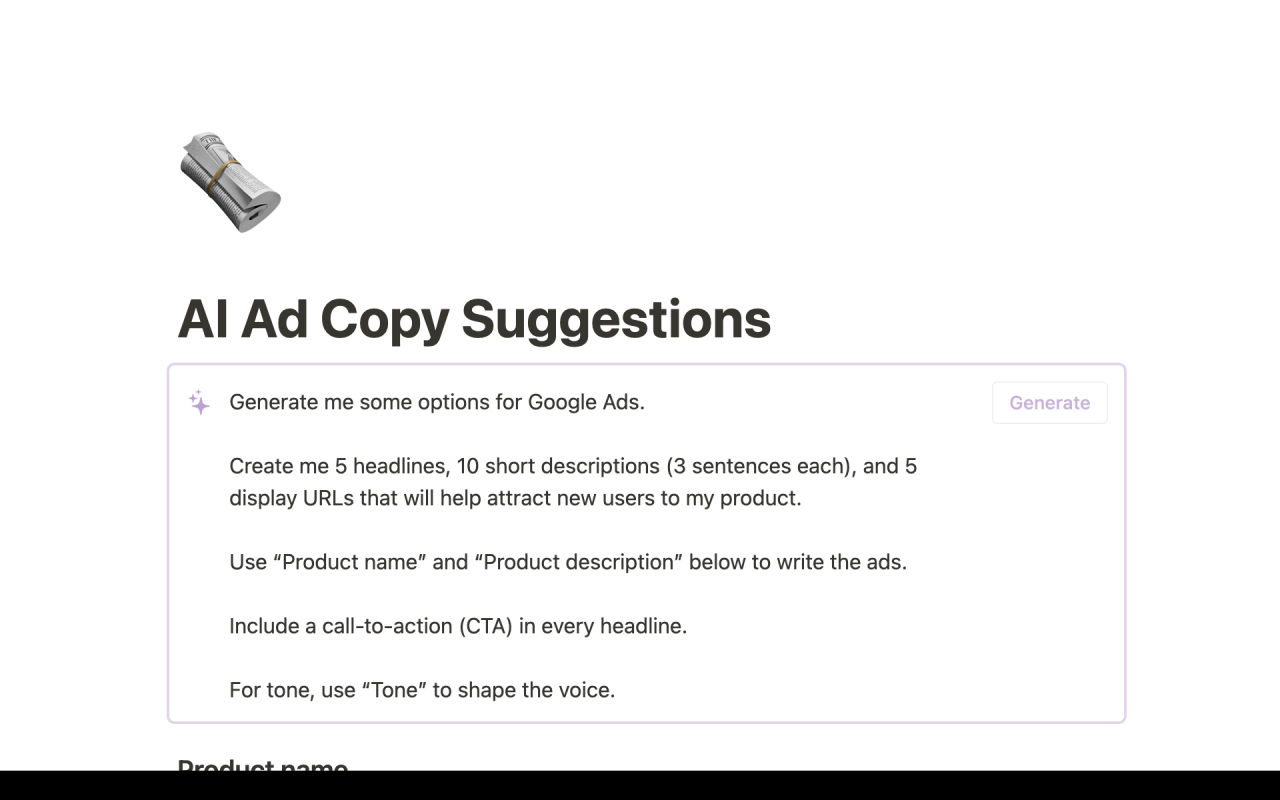
Effective advertising relies on compelling copy that resonates with the target audience. When utilizing AI to generate ad content, refinement and optimization are critical steps to ensure the output aligns with marketing objectives, brand voice, and audience preferences. These techniques help marketers transform initial AI outputs into highly persuasive and polished messages that drive engagement and conversions.Refining AI-generated ad copy involves a systematic evaluation process, making targeted modifications to improve tone, clarity, and overall engagement.
Moreover, testing multiple variations of ad copy allows for data-driven decisions to select the most effective message. This section explores practical methods for assessing AI outputs, adjusting explainings for better results, and implementing testing strategies to maximize ad performance.
Evaluating AI Output for Persuasiveness and Relevance
Assessing the quality of AI-generated content is foundational to effective optimization. Key evaluation methods include:
- Automated Metrics: Utilize natural language processing tools to analyze readability scores, density, and sentiment analysis, which gauge how well the copy aligns with branding and audience tone.
- Human Review: Conduct thorough reviews to assess emotional appeal, clarity, and relevance. Human judgment identifies nuances that automated tools may overlook, such as cultural sensitivity or brand voice consistency.
- Performance Data Analysis: Examine historical performance metrics such as click-through rates (CTR), conversion rates, and engagement metrics for similar past ads to benchmark AI-generated content.
Prioritizing both qualitative and quantitative assessments ensures a comprehensive evaluation of AI outputs, enabling more informed refinement decisions.
Modifying Explainings to Enhance Tone, Clarity, and Engagement
Adjusting the instructions or explainings provided to AI can significantly improve the quality of generated ad copy. Effective modifications focus on clarifying the desired tone, emphasizing key messages, and increasing engagement potential.To achieve this, consider the following approaches:
- Incorporate specific tone directives, such as “use a friendly and enthusiastic tone” or “maintain a professional and authoritative voice,” to guide AI outputs.
- Highlight essential value propositions explicitly within the explainings, ensuring that AI emphasizes benefits over features.
- Use examples or sample phrases within the explainings that reflect desired language style, which helps AI model generate more aligned content.
- Rephrase or expand instructions to address any ambiguity, ensuring AI understands the context and objectives clearly.
By iteratively refining these explainings and observing the resulting outputs, marketers can develop a set of optimized instructions that consistently produce high-quality ad copy.
Procedures for Testing Multiple Versions of Ad Copy
Implementing A/B testing or multivariate testing strategies is crucial for identifying top-performing ad variations. These procedures help determine which copy resonates most with the target audience and yields optimal results.Key steps include:
1. Generating Multiple Variations
Use AI to produce diverse ad copies by varying tone, messaging focus, call-to-action phrasing, and value emphasis.
2. Defining Testing Parameters
Establish clear metrics for success, such as CTR, conversion rate, or engagement time, and determine the testing period.
3. Deploying Variations Simultaneously
Run all variations concurrently to minimize external influences and ensure fair comparison.
4. Collecting and Analyzing Data
Use analytics tools to monitor performance metrics, segment data by audience demographics, and identify statistically significant differences.
5. Selecting Top Performers
Choose the ad copy that demonstrates the highest engagement and conversion metrics. Consider iterative testing by refining the winning variations further for even better results.
Effective testing is iterative; continuously refining and testing new variations enables ongoing optimization of AI-generated ad copy for maximum impact.
Examples of AI-generated Ad Copy in Various Industries
AI-driven ad copy generation has become increasingly influential across diverse sectors, enabling brands to craft targeted, compelling messages efficiently. By analyzing industry-specific trends, consumer behaviors, and brand voice, AI models produce tailored content that resonates with audiences. This section explores how AI generates ad copy within retail, technology, and service industries, highlighting different stylistic approaches and real-world case studies that demonstrate successful implementations.
Understanding the variations in AI-generated ad copy across different sectors provides valuable insights into customizing strategies for maximum engagement and conversion. It also illustrates the versatility of AI tools in adapting to distinct industry needs, from promotional offers in retail to technical feature highlights in technology and personalized service descriptions in the service sector.
Retail Industry
In the retail sector, AI-generated ad copy often emphasizes immediacy, discounts, and product benefits to attract shoppers. Retail brands benefit from dynamic language that can adapt based on inventory, seasonal trends, or customer preferences, creating personalized shopping experiences.
- Example 1: “Unwrap exclusive savings on our latest collection! Limited-time offers just for you—shop now and elevate your style.”
- Example 2: “Discover unbeatable deals on electronics—upgrade your tech today with our special discounts. Hurry, stock is limited!”
- Example 3: “Refresh your home with our new furniture range—special prices available for a limited period. Transform your space today.”
AI models in retail tend to generate energetic, persuasive copy that emphasizes urgency and personalization, often incorporating seasonal or trending s to increase relevance.
Technology Industry
For technology companies, AI-generated ad copy typically focuses on innovation, technical specifications, and problem-solving capabilities. The tone can range from professional and authoritative to accessible and engaging, depending on target demographics.
- Example 1: “Experience cutting-edge performance with our latest smartphone—powered by AI for smarter, faster, and more secure connectivity.”
- Example 2: “Revolutionize your business with our cloud solutions—seamless integration, robust security, and scalable technology designed for growth.”
- Example 3: “Transform your workflow with our AI-driven analytics platform—gain real-time insights and make data-backed decisions with ease.”
AI-generated technology ads often employ technical jargon balanced with benefits-driven messaging, aiming to establish authority while remaining accessible to a broad audience.
Service Sector
In the service industry, AI-generated ad copy is geared toward personalization, trust-building, and highlighting unique value propositions. The style often combines friendly language with clear calls to action, emphasizing customer benefits and satisfaction.
| Type of Service | Sample AI-generated Ad Copy |
|---|---|
| Healthcare | “Your health, our priority. Book a consultation with our expert team today and take the first step toward better well-being.” |
| Hospitality | “Experience luxury and comfort at our boutique hotel. Reserve now for exclusive rates and personalized service.” |
| Education | “Unlock your potential with our online courses. Enroll today and start your journey toward success with expert instructors.” |
AI-driven service ads often emphasize customer-centric language, trust signals, and clear benefits, adapting tone and style to suit specific service offerings.
Integrating AI-generated Ad Copy into Campaigns
Effective integration of AI-generated advertising copy into broader marketing campaigns is crucial for maximizing reach, maintaining brand consistency, and ensuring message accuracy. As AI continues to evolve as a valuable tool for content creation, understanding how to seamlessly incorporate its output into various advertising platforms and workflows becomes essential for marketing professionals seeking efficiency and effectiveness. This process involves a series of strategic steps to ensure smooth deployment, quality control, and consistent branding across multiple channels.AI-generated ad copy offers rapid content production, enabling marketers to quickly adapt to market trends and target audiences.
However, successful integration requires careful planning to align AI outputs with campaign objectives, compliance standards, and brand voice. Establishing clear procedures for review, approval, and deployment helps prevent inconsistencies and ensures that the AI-produced content resonates authentically with the intended audience.
Steps for Incorporating AI Output into Advertising Platforms
Integrating AI-generated ad copy into various advertising platforms encompasses a structured process to facilitate effective deployment. First, the AI system outputs a set of ad variations tailored to specific campaign goals. These outputs should be stored securely in a centralized content management system (CMS) to enable easy access and version control. Next, marketers should ensure compatibility with the platforms being used, such as Google Ads, Facebook Ads Manager, LinkedIn Campaign Manager, or programmatic advertising tools.
This involves formatting the content according to platform specifications, including character limits, image/video integration, and call-to-action placement. Once formatted, the AI-generated copy must be uploaded or integrated via APIs or bulk upload features, depending on the platform. Automating this process through scripts or third-party tools can streamline deployment, especially when managing large-scale campaigns. Finally, tracking and analytics integration should be established to monitor the performance of AI-generated ads, enabling ongoing optimization based on real-time data.
Best Practices for Maintaining Consistency Across Multiple Ads
Consistency across multiple advertisements enhances brand recognition and reinforces campaign messaging. Involving AI-generated content in a cohesive manner involves implementing several best practices:
Develop and adhere to comprehensive brand guidelines that explicitly define tone, style, voice, and visual elements. These guidelines serve as a reference for reviewing AI outputs to ensure alignment.
Establish standardized templates and frameworks for ad copy, which AI can populate with variations while preserving core messaging and style. This approach reduces discrepancies across different ads and platforms. Utilize a centralized approval process where all AI-generated content is reviewed before deployment. This process should include checks for tone consistency, compliance with regulations, and factual accuracy. Leverage version control tools and content calendars to schedule and track ad deployment, thereby maintaining a uniform rollout across channels.
Regularly update the AI models with feedback and new brand assets to ensure that future outputs remain aligned with evolving branding strategies and campaign objectives.
Review and Approval Procedures for AI-created Content Before Deployment
A structured review and approval process is vital to maintain quality, accuracy, and brand integrity in AI-generated ad copy. Initially, the AI output should undergo an automated quality check, which includes verifying adherence to character limits, integration, and compliance considerations. Subsequently, a dedicated review team—comprising copywriters, brand managers, and legal advisors—should evaluate the content for tone, message clarity, factual correctness, and regulatory compliance.
The review process involves multiple stages:
- Initial assessment to identify immediate issues or inconsistencies.
- Suggested revisions or edits made by the review team to align with brand voice and campaign goals.
- Final approval where authorized personnel endorse the content for deployment.
Utilizing collaborative tools such as review platforms and shared documentation enhances transparency and accountability in the approval workflow. Once approved, AI-generated ads should be subjected to a final check in the ad platform’s preview environment to verify formatting, visual integration, and functionality before live deployment. This ensures that the content appears as intended and functions correctly across devices and user scenarios.
Ethical Considerations and Best Practices
Engaging with AI-generated ad copy necessitates a strong commitment to ethical standards to maintain trust with audiences and uphold brand integrity. As AI tools become more prevalent in advertising, understanding how to implement responsible practices ensures that AI-driven content aligns with societal expectations, legal requirements, and industry standards. This section explores key ethical principles, practical guidelines, and measures to ensure responsible use of AI in advertising campaigns.
Adopting ethical practices in AI-generated advertising not only fosters consumer trust but also mitigates risks related to misinformation, bias, and misrepresentation. Maintaining transparency about AI involvement in content creation and ensuring authenticity are critical components for brands looking to leverage AI responsibly. By implementing clear guidelines and compliance measures, organizations can navigate the evolving landscape of AI technology while safeguarding their reputation and adhering to legal standards.
Transparency and Authenticity in AI-generated Content
Transparency involves openly communicating to consumers when AI technology has contributed to the creation of advertising content. Authenticity relates to ensuring that the messaging accurately represents the product, service, or brand without misleading the audience. Both elements are vital for building credibility and maintaining consumer trust in an increasingly AI-driven marketplace.
Clear disclosure practices, such as explicitly stating when AI tools have generated or assisted in creating ad copy, help maintain transparency. For example, a brand may include a statement like, “This advertisement was created with the assistance of artificial intelligence.” Such openness reassures consumers about the source of the content and demonstrates honesty. Additionally, AI-generated content should accurately reflect the brand’s values, product features, and promises, avoiding exaggeration or false claims that could deceive consumers.
Guidelines for Avoiding Misleading or Inappropriate Ad Copy
To prevent the creation of misleading or inappropriate advertisements, organizations should establish comprehensive guidelines that govern AI output. These guidelines serve as a safeguard against content that could harm consumers, infringe on ethical standards, or violate legal regulations.
Key practices include:
- Implementing review processes where human editors verify AI-generated content before publication to ensure accuracy and appropriateness.
- Setting parameters within AI tools to restrict the generation of false claims, exaggerated benefits, or sensitive topics that could offend or mislead audiences.
- Utilizing bias detection algorithms to identify and mitigate unintended prejudiced language or stereotypes that may emerge in AI outputs.
- Training AI models on diverse and inclusive datasets to promote fairness and prevent discriminatory messaging.
It is essential for brands to establish a culture of accountability, ensuring that all AI-generated content is scrutinized for ethical compliance and aligns with societal norms and legal standards.
Measures for Ensuring Compliance with Advertising Standards
Compliance with advertising standards involves adherence to legal regulations, industry codes, and platform-specific policies designed to protect consumers and promote fair practices. As AI-generated ad copy becomes more sophisticated, it is crucial to integrate compliance measures into the content creation process.
Effective measures include:
- Regularly consulting with legal and compliance teams to review AI-generated content for legal adherence, especially concerning claims, privacy, and data protection laws.
- Staying updated on evolving regulations related to digital advertising, such as the Federal Trade Commission (FTC) guidelines in the United States or similar authorities worldwide.
- Implementing automated tools that flag potentially non-compliant content or phrases for human review, reducing the risk of unintentional violations.
- Documenting the AI content creation process and establishing audit trails to demonstrate due diligence in compliance efforts.
- Training marketing teams on ethical standards, legal requirements, and responsible AI use to foster a culture of compliance and ethical awareness.
By integrating these ethical considerations and best practices, brands can harness the power of AI-driven ad copy while upholding integrity, fostering trust, and adhering to legal and societal standards.
Final Summary

In summary, mastering how to generate ad copy with AI empowers marketers to produce high-quality, tailored advertisements with greater speed and accuracy. Embracing these techniques not only enhances campaign impact but also ensures ethical and compliant messaging. As AI continues to evolve, its role in advertising is set to become an indispensable asset for innovative marketing strategies.