Discovering the most effective PPC s is essential for maximizing advertising success. Leveraging artificial intelligence offers innovative ways to streamline and enhance this process, providing insights that traditional methods may overlook. With AI-powered tools, marketers can uncover high-potential s, analyze competitors, and refine their campaigns more efficiently than ever before.
This guide explores how to utilize AI for researching PPC s, from setup and idea generation to performance analysis and automation. By integrating these advanced technologies, advertisers can stay ahead in a competitive landscape, making smarter decisions backed by data-driven insights.
Overview of AI-powered PPC research tools
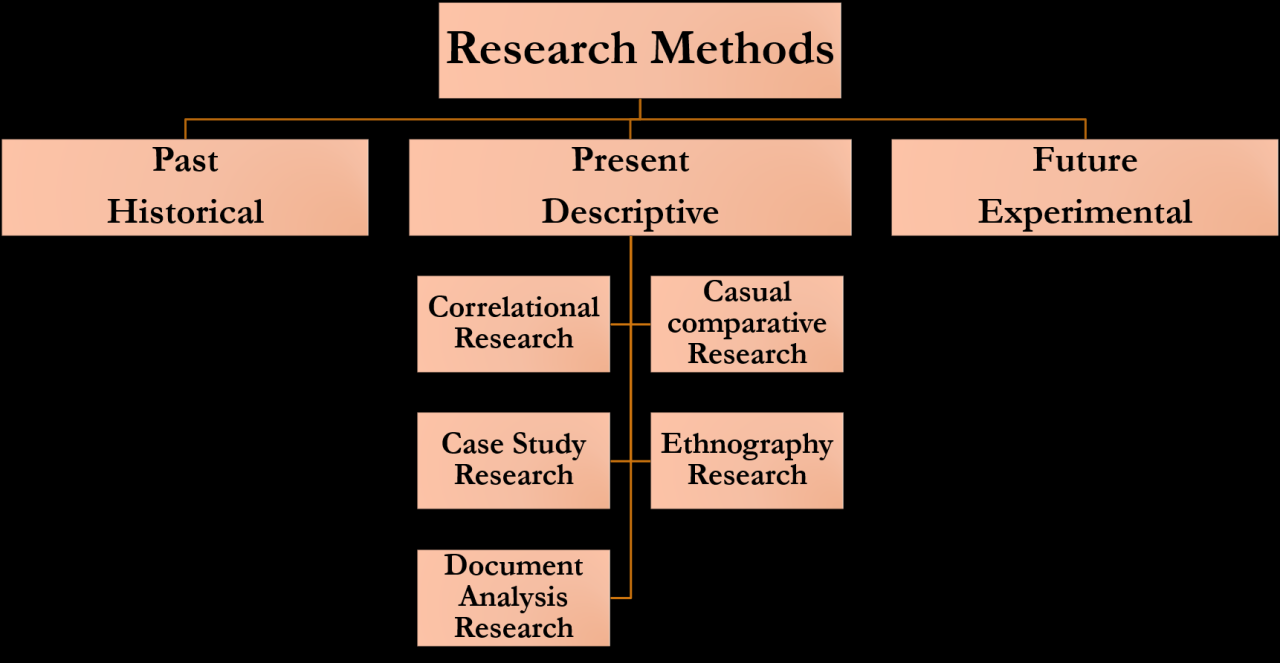
Artificial intelligence has revolutionized the landscape of pay-per-click (PPC) advertising by enabling more efficient, accurate, and insightful research. Traditionally, discovery relied heavily on manual analysis, gut instinct, and basic tools, often resulting in a time-consuming process with limited scope. Today, AI-powered tools leverage advanced algorithms, machine learning, and natural language processing to automate and enhance each stage of research, delivering data-driven suggestions that are highly relevant to target audiences.
This shift not only accelerates campaign setup but also improves overall performance by identifying high-converting s that might be overlooked through conventional methods.
AI-driven PPC research tools analyze large volumes of data from multiple sources, including search engine queries, competitor campaigns, trending topics, and user behavior patterns. They can identify latent semantic relationships, predict performance, and recommend long-tail s with greater precision. This capability allows marketers to craft more targeted, competitive campaigns while reducing wasted spend. As a result, advertisers gain a strategic advantage by harnessing AI to discover s that align closely with consumer intent and market demand, ultimately leading to higher click-through rates (CTR) and conversions.
Comparison of Traditional vs. AI-driven PPC Research Methods
Understanding the differences between conventional and AI-powered research methods highlights the significant benefits AI introduces to PPC campaigns. The table below summarizes key aspects of both approaches:
| Aspect | Traditional PPC Research | AI-driven PPC Research |
|---|---|---|
| Data Analysis | Manual review of tools, search volumes, and competitor data; limited scope and scalability. | Automated analysis of vast datasets, including search trends, user behavior, and competitor strategies, providing comprehensive insights. |
| Speed | Slow, often taking days or weeks to gather and analyze data for new campaigns. | Rapid, delivering suggestions within minutes based on real-time data processing. |
| Accuracy | Dependent on user experience and available tools; prone to oversight. | Enhanced accuracy through machine learning models that identify patterns and predict performance. |
| Discovery | Relies primarily on predefined lists and basic suggestion tools. | Generates a broader set of relevant, long-tail, and semantic s dynamically. |
| Adaptability | Limited; updates require manual intervention and re-research. | Highly adaptive; continuously learns from new data to refine suggestions. |
Key Features to Look for in AI Tools for PPC Campaigns
Selecting the right AI-powered PPC research tool involves evaluating features that maximize efficiency, relevance, and strategic value. The most effective tools should include the following capabilities:
- Intelligent Suggestions: The ability to propose both high-volume and niche s based on semantic analysis and user intent, including long-tail variants that reduce competition and improve targeting.
- Predictive Performance Analytics: Features that forecast performance metrics such as CTR, conversion rate, and cost-per-acquisition (CPA), helping prioritize s with the highest potential.
- Competitive Analysis Integration: Tools that analyze competitors’ strategies, uncover gaps, and identify opportunities for differentiation.
- Trend and Seasonal Insights: Real-time trend tracking to ensure s remain relevant, especially for rapidly changing markets or trending topics.
- Automation and Workflow Integration: Seamless integration with existing PPC platforms (Google Ads, Bing Ads), as well as automation features for bid adjustments and updates based on data insights.
- User-Friendly Interface and Reporting: Intuitive dashboards with customizable reports that make the data accessible and actionable for marketers of all levels.
Setting up AI tools for PPC research

Effective utilization of AI-powered tools for PPC research begins with proper setup and configuration. This process ensures that the tools can accurately analyze data, generate valuable suggestions, and seamlessly integrate with existing advertising workflows. A systematic approach to setup maximizes the efficiency and accuracy of your PPC campaigns, enabling better targeting and optimized ad spend.
Proper setup involves configuring the AI software to align with your specific advertising goals, integrating it with your current platforms, and ensuring all prerequisites are in place. This ensures that the AI tools operate at peak performance, providing insights that are both relevant and actionable for your PPC strategy.
Configuring AI software for analysis
Configuring AI tools effectively requires attention to detail, starting with establishing your campaign parameters, target audience, and industry specifics. Most AI-based PPC tools come with customizable settings that allow you to tailor suggestions based on geographic location, language, device type, and user intent.
Begin by inputting your core s or seed s that define your niche. Adjust the parameters such as search volume thresholds, competition levels, and relevance filters to refine the suggestions. Many AI tools also incorporate natural language processing (NLP) capabilities, enabling them to analyze search queries in context, which enhances the relevance of recommendations.
Integrating AI tools with advertising platforms
Seamless integration of AI tools with existing advertising platforms like Google Ads, Bing Ads, or other PPC management systems is critical for streamlined workflows and data consistency. Most AI software providers offer built-in integrations or APIs that facilitate connectivity with popular platforms.
To establish integration, follow these steps:
- Identify the API or plugin options compatible with your advertising platform, ensuring they support the functionalities you need.
- Obtain API keys or authorization credentials from your ad platform’s developer console.
- Configure the AI tool to connect with your ad accounts by inputting the API credentials within the setup interface.
- Set synchronization preferences, such as automatic updates of suggestions, bid modifications, or budget adjustments.
- Test the connection to ensure data flows correctly and that the AI tool can create or modify campaigns within your advertising platform.
Regular monitoring and updates of the integration settings help maintain smooth operation and enable real-time optimization based on AI-driven insights.
Checklist of prerequisites for effective AI-based research
Before initiating AI-powered PPC research, ensure that all necessary prerequisites are in place to facilitate accurate and efficient analysis. Having these elements ready will prevent disruptions and enhance the quality of insights generated by the AI tools.
Prerequisites include data readiness, access credentials, and a clear understanding of campaign objectives.
- Access to existing campaign data: Historical performance data, current lists, and ad copy examples provide context for AI algorithms to generate relevant suggestions.
- API credentials and permissions: Proper authorization to connect AI tools with your advertising accounts is essential for seamless integration and campaign management.
- Clear campaign goals: Defining target audiences, geographic focus, budget constraints, and performance metrics ensures the AI outputs align with your strategic objectives.
- Hardware and software requirements: Confirm that your system meets the technical specifications recommended by the AI tool provider for optimal operation.
- Knowledge of industry-specific terminology: Familiarity with s and phrases relevant to your niche helps in setting appropriate filters and parameters during configuration.
- Team access and roles: Assign roles within your team to manage the AI tool setup, monitor performance, and interpret insights effectively.
Generating Ideas with AI Algorithms
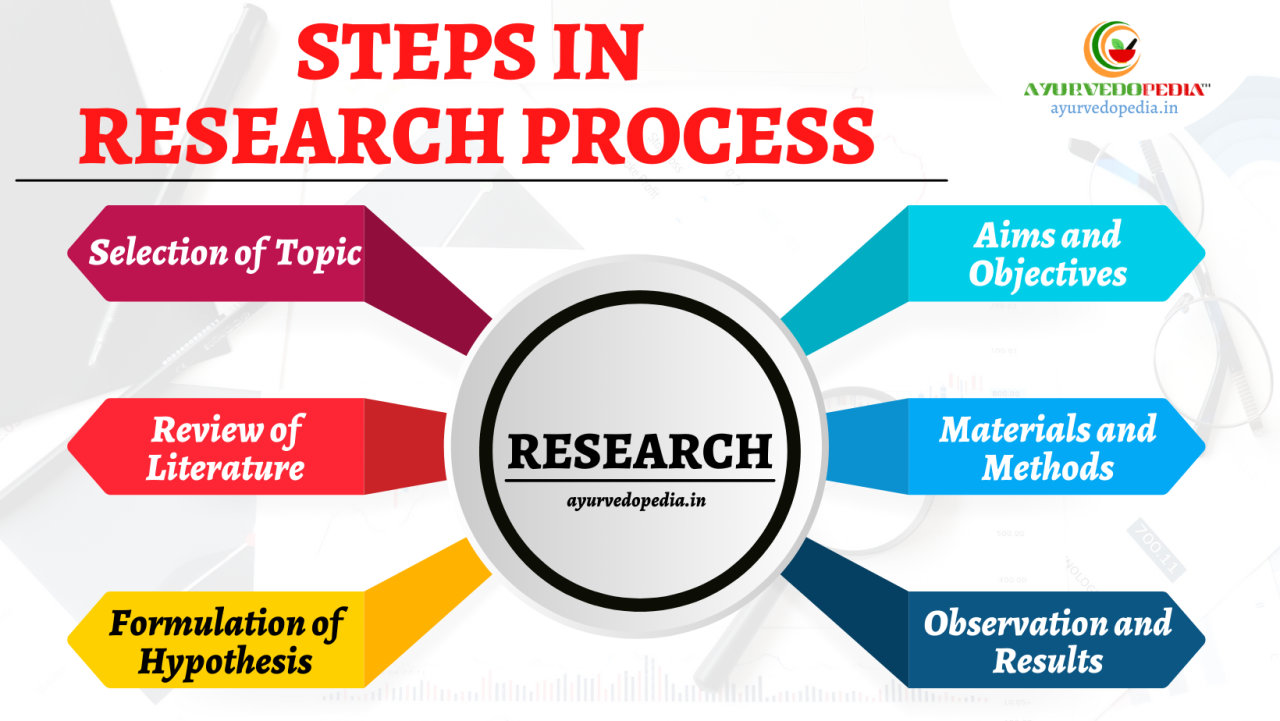
Leveraging AI algorithms to generate ideas transforms traditional research into a dynamic, data-driven process. AI-powered tools can analyze vast datasets, uncover hidden opportunities, and suggest high-potential s tailored to specific niches or markets. This approach not only accelerates the brainstorming phase but also enhances the accuracy and relevance of your list, ultimately improving your PPC campaign’s effectiveness.
By utilizing AI algorithms, marketers can bypass manual guesswork and instead focus on data-backed insights. These algorithms identify patterns, semantic relationships, and emerging trends that might be overlooked by human analysis. The result is a diverse set of options that align with user intent and current market behavior, providing a competitive edge in PPC advertising strategies.
Utilizing AI to Identify High-Potential s
AI tools employ advanced natural language processing (NLP) and machine learning (ML) techniques to scan multiple data sources such as search engine queries, competitor s, social media trends, and industry-specific content. This multidimensional analysis reveals s that have high search volume, low competition, or significant commercial intent, making them ideal candidates for PPC campaigns.
For instance, an AI-powered tool analyzing the health supplement niche might identify s like “natural energy boosters,” “plant-based vitamins,” or “herbal weight loss supplements.” These s are derived from real search patterns, ensuring they are relevant and likely to generate conversions.
Utilize AI to focus on s with high search volume, low competition, and strong commercial intent for optimal PPC results.
Creating Diverse Options Based on Niche Data
Generating diverse options involves feeding niche-specific data into AI algorithms, which then produce a spectrum of ideas across various intent levels, long-tail variations, and related topics. This breadth allows advertisers to target different segments of the audience and test multiple angles for their campaigns.
For example, in the luxury travel niche, AI might suggest s such as “private yacht charter Greece,” “luxury safari accommodations,” or “boutique hotel packages Bali.” These options cover different traveler intents—ranging from informational to transactional—enabling comprehensive campaign coverage.
Designing a Flowchart for Refining AI-Generated s
Refining AI-generated s is essential to focus on the most relevant and profitable options. A clear flowchart can streamline this process, ensuring systematic evaluation and selection.
The typical flowchart includes the following steps:
- Initial Data Collection: Input niche data and seed s into the AI tool.
- AI Generation: The AI algorithm produces a broad list of suggestions.
- Relevance Filtering: Remove s that are irrelevant or too broad based on intent analysis.
- Performance Metrics Evaluation: Assess s based on search volume, competition, and CPC estimates.
- Intent and Profitability Assessment: Prioritize s aligned with user intent and high conversion potential.
- Final Selection and Testing: Select a refined list for campaign testing and ongoing optimization.
This flowchart can be visualized as a step-by-step diagram, with decision points guiding the flow toward the most promising s, ensuring a data-driven and efficient refinement process.
Analyzing Competition and Search Intent through AI
Effective PPC campaigns depend heavily on understanding the competitive landscape and accurately interpreting user search intent. Leveraging AI technologies enables marketers to gain deeper insights into competitor strategies and user behaviors, allowing for more precise targeting and campaign optimization. By adopting AI-driven analysis, businesses can identify gaps, refine their messaging, and improve overall campaign performance with data-backed confidence.
This section explores how AI can assess competitor strategies and interpret user search intent, providing actionable insights that enhance PPC effectiveness.
Assessing Competitor Strategies with AI
Understanding competitors’ tactics is essential for developing a competitive edge. AI tools can analyze large volumes of data from search engine results, ad copies, and landing pages to uncover the s competitors are targeting. These methods enable marketers to identify high-value s, detect overlapping or missed opportunities, and anticipate shifts in competitive strategies.
Key methods include:
- Scraping and Data Collection: AI-powered web crawlers gather data from competitor ad campaigns, landing pages, and organic search results.
- Gap Analysis: Using AI algorithms to compare your profile against competitors, highlighting areas where your coverage is lacking or where competitors are gaining traction.
- Sentiment and Performance Analysis: AI assesses the effectiveness of competitor ads by analyzing ad copy sentiment, engagement metrics, and landing page relevance, providing insights into what resonates with the target audience.
These insights help marketers craft strategies that either capitalize on existing successful s or target underserved niche segments to gain a competitive advantage.
Interpreting User Search Intent and Behavior with AI
Accurately deciphering user intent is crucial for aligning ad messaging with what users are truly seeking. AI algorithms analyze vast amounts of search query data, user engagement patterns, and browsing behaviors to interpret underlying motivations behind searches. This enables PPC campaigns to be more targeted, relevant, and effective.
Steps involved in this process include:
- Analyzing Search Query Data: AI examines s and phrases to categorize them into informational, navigational, transactional, or comparison intents.
- Behavioral Pattern Recognition: AI tracks user interactions such as click-through rates, time spent on landing pages, and bounce rates to infer intent accuracy.
- Contextual Understanding: AI considers contextual factors like location, device type, and recent search history to refine the interpretation of user needs.
- Predictive Modeling: AI employs machine learning models to forecast future search behaviors and preferences based on historical data, helping anticipate emerging trends.
By integrating these AI-driven insights, PPC marketers can tailor campaigns that precisely match user needs, resulting in higher conversions and improved ROI.
Comparison of AI Insights on Competitive s
| Insight Type | Description | Application | Limitations |
|---|---|---|---|
| Overlap Analysis | Identifies shared s among competitors to find common opportunities or gaps. | Refining targeting to avoid oversaturation or to exploit underserved segments. | May not capture nuanced intent differences or recent strategic shifts. |
| Ad Copy Effectiveness | Assesses which competitor ads perform best based on engagement signals. | Improving your ad messaging by analyzing successful strategies. | Dependent on the visibility of competitor ads and available engagement data. |
| Search Volume and Trend Analysis | Tracks changes in popularity over time. | Identifying seasonal trends and adjusting bids accordingly. | Potentially lagging data that may not reflect immediate shifts. |
| User Intent Classification | Categorizes search queries into different intent types with high accuracy. | Creating targeted ad groups tailored to specific user needs. | Requires substantial data and sophisticated models for precise classification. |
| Behavioral Insights | Analyzes user engagement metrics to infer preferences and likelihood to convert. | Optimizing landing pages and ad copy for higher relevance. | Data privacy regulations may limit access to detailed behavioral data. |
Utilizing AI for Clustering and Grouping
Effective PPC campaigns rely heavily on well-structured groups that target specific themes or user intents. Leveraging AI for clustering automates this process, enabling marketers to organize large sets of s efficiently and accurately. AI algorithms analyze semantic relationships, search patterns, and intent signals to categorize related s into meaningful ad groups, which enhances overall campaign relevance and performance.
By employing AI-driven clustering, advertisers can ensure that each ad group contains tightly related s, leading to higher Quality Scores, better ad relevance, and improved click-through rates. This systematic grouping streamlines campaign management and provides a solid foundation for ongoing optimization efforts.
Categorization and Group Formation
AI tools utilize natural language processing (NLP) and machine learning models to identify semantic similarities among s. These models analyze text, search volume patterns, and contextual data to group s that share common themes or user intents. For instance, an AI system might recognize that “running shoes,” “athletic sneakers,” and “training footwear” are related s suitable for a single ad group targeting sports footwear.
The clustering process often involves unsupervised learning techniques, such as k-means clustering or hierarchical clustering, which automatically segment large lists into smaller, logically coherent groups. This method reduces manual effort and enhances the precision of grouping, especially when dealing with extensive databases.
Organizing Clusters in a Table
Presenting clusters within an organized table facilitates easy review and further refinement. Below is an example of organizing clusters into a four-column table, where each column represents a distinct ad group with relevant s:
| Ad Group 1: Running Shoes | Ad Group 2: Bridal Jewelry | Ad Group 3: Digital Marketing | Ad Group 4: Organic Skincare |
|---|---|---|---|
| running shoes for men | bridal engagement rings | strategies 2024 | organic face moisturizer |
| best running sneakers | wedding jewelry sets | social media marketing tips | natural acne treatment |
| athletic trainers | bridal earrings | PPC advertising platforms | herbal skincare remedies |
| training footwear | engagement ring styles | email marketing automation | organic anti-aging serum |
This structured approach not only clarifies the groupings but also aids in identifying gaps or overlaps, allowing for further refinement based on campaign goals and performance data.
Optimizing Grouped s for Better Ad Relevance
Once s are grouped into clusters, the next step involves optimizing these groups to maximize ad relevance and campaign effectiveness. This process includes:
- Ensuring that each ad copy is tailored to the specific theme of the group, incorporating primary s naturally within headlines, descriptions, and display URLs.
- Refining match types within the group, balancing broad, phrase, and exact matches to control reach and precision.
- Utilizing negative s to exclude unrelated searches that may trigger ads but do not convert, thereby improving click quality and conversion rates.
- Testing different ad variations within each group to identify the most compelling messaging based on AI insights and performance metrics.
Applying AI-driven insights to continuously monitor and adjust groupings and ad relevance ensures sustained campaign optimization, improved ROI, and a competitive edge in PPC advertising.
Leveraging AI to Evaluate Performance Metrics
Applying artificial intelligence to assess performance metrics offers a strategic advantage in optimizing PPC campaigns. By harnessing AI’s analytical capabilities, marketers can accurately predict which s are likely to generate the highest ROI, understand emerging trends, and make data-driven decisions that enhance campaign effectiveness. This approach minimizes guesswork, maximizes resource allocation, and ensures a more targeted advertising effort.
AI tools utilize complex algorithms to analyze a wealth of historical and real-time data, providing insights into the probable success of each . This process involves examining various performance indicators, forecasting future trends, and helping advertisers focus on high-potential s that align with their marketing objectives. The continuous evolution of AI models enhances the precision of these evaluations, ultimately leading to more successful PPC strategies.
Predicting Potential ROI of s
AI-driven systems employ predictive analytics to estimate the potential return on investment for selected s. These models analyze historical performance data, including click-through rates (CTR), conversion rates, cost per acquisition (CPA), and overall revenue generated from similar s in past campaigns. By integrating these metrics, AI can generate forecasts indicating which s are most likely to deliver favorable ROI.
For example, an e-commerce retailer might use AI to evaluate s related to seasonal products. The AI model considers past sales data, seasonal fluctuations, and competitive dynamics to predict that certain s will yield a 20-30% higher ROI during the upcoming holiday season. Such insights enable marketers to prioritize high-yield s and allocate budget more effectively.
Analyzing Historical Data and Forecasting Performance Trends
AI tools excel in processing vast quantities of historical campaign data to identify patterns and project future performance trends. By continuously analyzing metrics such as impressions, clicks, conversions, and spend, AI models can detect shifts in user behavior, competitive landscape, and market demand. This proactive analysis allows advertisers to anticipate changes and adjust their strategies accordingly.
For instance, if historical data reveals a steady decline in the CTR for a specific set of s, AI can forecast a continued downward trend, prompting marketers to refine or replace those s. Conversely, AI might identify emerging search queries gaining popularity, enabling early adoption and gaining a competitive advantage.
Performance Indicators Organized by AI Analysis
Understanding key performance indicators (KPIs) is essential for evaluating the success of PPC s. AI systems typically analyze a comprehensive set of metrics to provide a holistic view of performance, including:
- Click-Through Rate (CTR): The percentage of users who click on an ad after seeing it, indicating relevance and appeal.
- Conversion Rate: The ratio of users completing a desired action after clicking, reflecting effectiveness in driving sales or leads.
- Cost Per Click (CPC): The average amount spent for each click, helping assess cost efficiency.
- Cost Per Acquisition (CPA): The total cost to acquire a customer through the , vital for ROI analysis.
- Impression Share: The proportion of total available impressions your ad receives, indicating competitiveness.
- Quality Score: Google’s measure of relevance and quality, influencing ad placement and cost.
- Return on Ad Spend (ROAS): The revenue generated relative to ad spend, directly correlating with profitability.
AI models synthesize these indicators to generate actionable insights, such as identifying high-performing s or flagging underperformers for optimization. By integrating predictive analytics with these metrics, AI provides a forward-looking view that helps advertisers maximize their campaign outcomes and achieve sustainable growth.
Automating ongoing research with AI
Effective PPC campaigns require continuous monitoring and refinement to maintain competitiveness and optimize ad spend. Leveraging AI for automated ongoing research enables marketers to stay ahead of market trends, adapt to shifts in consumer behavior, and ensure their lists remain relevant over time. This process minimizes manual effort while maximizing the accuracy and timeliness of data, ultimately enhancing campaign performance.
By integrating AI-driven automation into the research workflow, advertisers can set up systems that regularly scan for new opportunities, reassess existing s, and generate actionable insights without constant manual intervention. This proactive approach not only saves time but also ensures that PPC campaigns are always optimized based on the latest data, leading to better ROI and sustained competitiveness in dynamic digital advertising environments.
Setting up AI to monitor and update lists periodically
Establishing an automated system for ongoing research involves configuring AI tools to continuously analyze search data, industry trends, and competitor activities. This setup allows the AI to identify emerging s, detect declining performance, and suggest modifications to existing lists.
- Integrate AI-powered PPC tools with your data sources, such as Google Ads API, search engine data feeds, and third-party analytics platforms, to access real-time search behavior insights.
- Define specific parameters and thresholds within the AI system for detecting significant changes in performance, relevance, or competitiveness.
- Schedule periodic data pulls—daily, weekly, or monthly—based on campaign needs and market volatility—to ensure up-to-date insights.
- Configure the AI to automatically add high-potential s to your active campaigns or to flag underperforming s for review.
Example: An AI system monitoring search volume trends might detect a sudden surge in related search queries for a product category, prompting automatic suggestions to expand or refine relevant PPC s.
Automating reports on performance and competitiveness
Regular reporting on metrics is vital for assessing campaign health and making informed decisions. Automating this process ensures timely insights and reduces manual reporting efforts.
- Set up the AI to generate scheduled reports that include key performance indicators (KPIs) such as click-through rate (CTR), conversion rate, cost per click (CPC), and impression share for each .
- Configure the system to compare current performance metrics against historical data or industry benchmarks, highlighting areas requiring optimization.
- Incorporate competitiveness analysis, such as auction insights or difficulty scores, to understand the market landscape for each .
- Distribute these reports automatically via email or integrate them into dashboards for team-wide visibility and quick action.
Pro Tip: Automating performance reports with AI enables marketers to promptly react to declining metrics or capitalize on emerging opportunities, maintaining a competitive edge.
Structuring automated workflows using HTML tables to track updates
Organizing ongoing research activities within structured workflows ensures clarity and accountability. Using HTML tables to track updates allows teams to visualize data changes, monitor progress, and identify areas needing attention efficiently.
| Last Updated | Performance Metrics | Change Since Last Update | Action Taken | |
|---|---|---|---|---|
| Wireless Earbuds | 2024-04-20 | CPC: $1.20, CTR: 5.8%, Conversions: 150 | CTR increased by 0.5%, CPC decreased by $0.05 | Expanded ad groups, increased bid adjustments |
| Bluetooth Headphones | 2024-04-18 | CPC: $1.50, CTR: 4.2%, Conversions: 80 | Declined in CTR by 0.3% | Revised ad copy, paused low-performing s |
| Smart Fitness Bands | 2024-04-22 | CPC: $0.95, CTR: 6.2%, Conversions: 120 | Newly added s with high engagement | Increased budget allocation |
This structured approach facilitates continuous tracking of health, enables prompt adjustments, and maintains an up-to-date overview of campaign dynamics, all managed seamlessly through AI-driven automation.
Ethical considerations and limitations of AI in PPC research
As AI technologies become increasingly integral to PPC research, it is crucial to recognize the ethical responsibilities and inherent limitations associated with their use. While AI can significantly enhance efficiency and insight, human oversight remains essential to ensure responsible application, accuracy, and fairness in PPC campaigns.
Understanding the ethical considerations involves acknowledging potential biases, inaccuracies, and the importance of maintaining transparency and accountability. By addressing these aspects proactively, marketers can leverage AI tools effectively while minimizing risks related to ethical lapses and unintended consequences.
Importance of Human Oversight in AI-Driven Processes
Despite the advanced capabilities of AI, human oversight is indispensable in PPC research to interpret AI outputs contextually and make informed decisions. AI algorithms analyze vast amounts of data efficiently but lack the nuanced understanding of market dynamics, brand voice, and ethical considerations that humans possess.
Humans are responsible for validating AI-generated suggestions, ensuring relevance, and adjusting strategies based on real-world insights. Continuous monitoring helps detect errors or biases that AI might inadvertently introduce, maintaining the integrity of PPC campaigns and aligning them with overarching marketing goals.
Potential Biases and Inaccuracies in AI Suggestions
AI systems learn from historical data, which can reflect existing societal, cultural, or market biases. These biases may manifest as skewed suggestions that favor certain demographics or omit important segments, leading to unfair targeting or lost opportunities.
Inaccuracies can also emerge from incomplete or outdated data, resulting in choices that are irrelevant or less effective. For instance, an AI algorithm trained predominantly on data from a specific geographic region may not accurately capture search intent in other markets, potentially misleading campaign strategies.
It is vital to be aware of these limitations and approach AI suggestions with skepticism, ensuring thorough review and validation before implementation.
Best Practices for Responsible AI Use in PPC Research
To maximize the benefits of AI while mitigating risks, organizations should follow established best practices for responsible AI deployment:
- Maintain human oversight throughout the AI-driven process to validate and interpret suggestions.
- Regularly review and update AI training data to minimize biases and ensure relevance across target markets.
- Implement transparency by understanding how AI algorithms generate recommendations and maintaining documentation of decision-making processes.
- Use AI as an assistive tool rather than a sole decision-maker, combining machine insights with human expertise.
- Continuously monitor performance metrics and adjust strategies based on real-world outcomes, not solely AI outputs.
- Educate team members on AI limitations and ethical considerations to foster responsible use and awareness.
- Ensure compliance with data privacy regulations and avoid leveraging sensitive or personally identifiable information without proper consent.
Effective PPC research with AI necessitates a balanced approach that combines technological power with ethical responsibility and human judgment, fostering sustainable and fair marketing practices.
Outcome Summary

In conclusion, harnessing AI in PPC research transforms the way campaigns are built and optimized. By adopting these cutting-edge tools and strategies, marketers can improve targeting, increase ROI, and maintain a competitive edge in the digital advertising space. Embracing AI-driven research is the key to smarter, more effective PPC advertising.