Mastering the art of creating engaging hashtags with AI opens new horizons for digital content creators and marketers alike. Harnessing artificial intelligence not only streamlines the process but also enhances the relevance and appeal of hashtags, leading to increased visibility and interaction. This guide delves into effective strategies, tools, and best practices to utilize AI for crafting compelling hashtags that resonate with target audiences.
By exploring the foundational principles, innovative techniques, and performance analysis methods, readers can develop a comprehensive understanding of how AI can elevate their hashtag strategies. From generating creative ideas to evaluating engagement metrics, this approach ensures a data-driven and authentic connection with audiences across various platforms.
Foundations of Engaging Hashtags Using AI
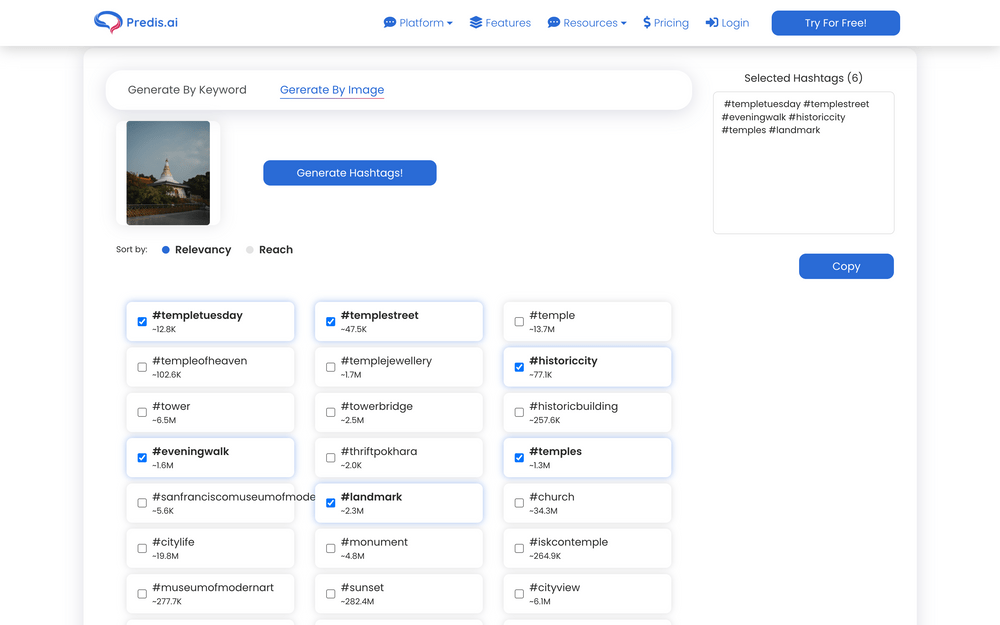
Creating compelling hashtags is essential for enhancing visibility and engagement across social media platforms. Leveraging artificial intelligence (AI) tools streamlines this process by offering data-driven insights and innovative suggestions, ensuring hashtags resonate with target audiences and trend effectively. Understanding the core principles behind AI-assisted hashtag creation empowers content creators and marketers to craft more impactful campaigns.
Applying AI in hashtag development involves a systematic approach that integrates advanced algorithms, trend analysis, and natural language processing. This method not only saves time but also improves the relevance and reach of hashtags, ultimately fostering higher engagement rates. Below is a step-by-step guide outlining how to effectively incorporate AI tools into your hashtag strategy and a key factors organizational table to optimize hashtag performance.
Principles of Creating Compelling Hashtags with AI Assistance
The effectiveness of AI-assisted hashtags hinges on several foundational principles:
- Relevance: Hashtags should accurately reflect the content, message, or campaign theme, making them easily discoverable by interested audiences.
- Trend Alignment: Incorporating trending terms and themes ensures increased visibility and potential viral reach.
- Uniqueness: While trending topics are crucial, unique hashtags help brands stand out and foster community building.
- Conciseness: Short, memorable hashtags facilitate user interaction and sharing.
- Data-Driven Insights: AI tools analyze vast amounts of social data to suggest hashtags with high engagement potential based on current trends and user behavior.
Step-by-Step Process for Integrating AI Tools in Hashtag Development
Implementing AI in hashtag creation involves a structured process that maximizes efficiency and effectiveness:
- Define Campaign Goals: Clearly Artikel the purpose, target audience, and key themes of the campaign to guide AI analysis.
- and Content Analysis: Use AI-powered natural language processing (NLP) tools to parse your content, extracting relevant s and phrases.
- Trend Research: Leverage AI trend analysis platforms that scan social media platforms to identify trending topics and hashtags related to your niche.
- Hashtag Generation: Use AI-driven suggestion tools that combine your s with trending data to propose potential hashtags.
- Filtering and Optimization: Evaluate AI-generated hashtags based on relevance, uniqueness, and competition levels, using metrics provided by the tools.
- Testing and Monitoring: Implement selected hashtags in your posts, then monitor engagement metrics through analytics tools to refine future hashtag strategies.
Key Factors Influencing Hashtag Engagement
Understanding what drives engagement is vital for selecting effective hashtags. The following table summarizes the primary factors that influence how users interact with hashtags:
| Factor | Description | Influence on Engagement | Examples |
|---|---|---|---|
| Relevance | The degree to which a hashtag aligns with the content and audience interests. | High relevance increases likelihood of user interaction and sharing. | #HealthyLiving for wellness content |
| Trendiness | Use of hashtags trending in current social conversations. | Boosts visibility and potential virality. | #AIRevolution during tech events |
| Uniqueness | Distinctive hashtags that stand out from common tags. | Facilitates community formation and brand recognition. | #EcoInnovator2023 |
| Conciseness | Short and memorable hashtags that are easy to recall and type. | Enhances shareability and user participation. | #FitFam |
Techniques for AI-Generated Hashtag Ideas
Generating relevant and engaging hashtags is crucial for maximizing reach and engagement on social media platforms. Leveraging AI enhances this process by providing data-driven, creative, and contextually appropriate hashtag suggestions. Employing specific techniques enables users to harness AI effectively, ensuring that the hashtags align with content themes, target audiences, and current trends.
Designing AI to generate effective hashtags involves a blend of linguistic analysis, trend monitoring, and relevance assessment. These methods help in producing diverse hashtag ideas that resonate with users and adapt to evolving social media landscapes. By understanding and applying these techniques, content creators can significantly improve the visibility and impact of their posts.
Contextual and -Based Prompt Design
Creating precise prompts for AI involves clearly defining the content themes, target audience, and desired tone. Incorporate specific s and contextual details in prompts to guide AI in generating relevant hashtags. For example, for a fitness post about yoga, a prompt could specify: “Generate popular and relevant hashtags related to yoga, mindfulness, and wellness, targeting health-conscious audiences.” This tailored approach ensures the AI’s suggestions are directly aligned with the content’s focus.
Utilizing Trending Data and Relevance Metrics
To evaluate and refine AI-generated hashtags, compare them against trending hashtags using social media analytics tools or trend monitoring platforms. Analyzing metrics such as hashtag popularity, engagement rates, and relevance scores helps identify the most effective suggestions. For instance, if an AI proposes hashtags like #YogaFlow and #MindfulnessMonday, cross-reference these with trending topics to select the most timely and impactful options.
This process enhances post visibility by aligning hashtags with current conversations.
Diverse Hashtag Examples for Different Content Types
AI can produce a broad spectrum of hashtag ideas tailored to various content genres. Here are examples across different categories:
| Content Type | Hashtag Examples |
|---|---|
| Travel | #WanderlustWednesday, #ExploreTheWorld, #TravelTips, #AdventureAwaits, #HiddenGems |
| Food | #FoodieLife, #DeliciousEats, #HealthyRecipes, #GourmetVibes, #TastyTreats |
| Fashion | #StyleInspo, #FashionTrends, #OOTD, #StreetStyle, #EcoFashion |
| Technology | #TechInnovations, #GadgetGoals, #FutureTech, #AIRevolution, #CodingLife |
| Fitness | #WorkoutMotivation, #FitFam, #YogaEveryday, #HealthyLiving, #GymLife |
Using AI to Analyze Hashtag Performance

Analyzing the effectiveness of hashtags is crucial to optimize social media engagement and ensure content reaches the intended audience. AI-powered tools provide comprehensive insights into hashtag performance, enabling marketers and content creators to make data-driven decisions. By leveraging AI to assess engagement metrics, users can refine their hashtag strategies to maximize visibility and interaction.
AI-driven analysis involves collecting vast amounts of data from social media platforms, processing these datasets to identify patterns, and generating actionable insights. This allows for a nuanced understanding of which hashtags are resonating with specific audiences, how they impact post engagement, and where improvements can be made. Implementing these insights enhances the overall effectiveness of hashtag campaigns and aligns them more closely with target user behavior.
Assessing Hashtag Engagement Metrics with AI
Utilizing AI to evaluate hashtag performance involves several systematic procedures designed to interpret engagement data accurately. Key steps include:
- Data Collection: AI tools gather real-time data on hashtag usage across social media platforms, including likes, shares, comments, reach, and impressions.
- Data Processing: Machine learning algorithms analyze the collected data to identify trends, spikes in engagement, and patterns associated with specific hashtags.
- Sentiment Analysis: AI models assess the nature of comments and interactions to determine whether engagement is positive, negative, or neutral.
- Performance Benchmarking: Comparing hashtag metrics against industry standards or historical data to evaluate relative success.
“AI enables continuous and automated assessment of hashtag efficacy, reducing manual effort and increasing accuracy.”
Refining Hashtags Based on AI Insights
After gathering and analyzing engagement metrics, the next step involves refining existing hashtags to improve their performance. Techniques include:
- Identifying High-Performers: Focus on hashtags with high engagement rates, further optimizing content around these tags to amplify reach.
- Eliminating Underperformers: Remove or modify hashtags that show low engagement or negative sentiment, reallocating efforts toward more effective tags.
- Emerging Trend Integration: Use AI trend analysis to incorporate trending hashtags relevant to your niche, increasing the chances of virality.
- Creating Variations: Generate alternative versions of successful hashtags to test different audiences or contexts, leveraging AI-generated suggestions.
Hashtag Categorization Table
To better understand and target different segments, categorizing hashtags based on engagement levels and niche relevance is beneficial. The following table provides a structured overview:
| Category | Engagement Level | Niche Relevance | Description |
|---|---|---|---|
| High Engagement & Highly Relevant | Excellent | Specific niche, trending topics | Hashtags that consistently generate high interaction within targeted communities, ideal for concentrated campaigns. |
| Moderate Engagement & Relevant | Good | Broader niche, occasional trending topics | Tags that perform well but may benefit from refinement or trending enhancements. |
| Low Engagement & Niche Mismatch | Weak | Irrelevant or outdated topics | Hashtags that underperform or attract the wrong audience, best to phase out or revisit for relevance. |
| Emerging Trends & Broad Reach | Variable | Viral or trending topics with wide appeal | New or popular hashtags that can be leveraged for rapid engagement growth. |
Crafting Unique and Memorable Hashtags with AI
Creating hashtags that resonate and remain memorable is a critical aspect of effective social media campaigns. Leveraging AI technologies offers innovative avenues to generate distinctive hashtags that not only capture the essence of a brand but also stand out amidst the digital crowd. By combining AI’s creative capabilities with a clear understanding of brand identity, marketers can develop hashtags that forge stronger connections with their target audiences and enhance campaign visibility.
Using AI to craft unique and memorable hashtags involves a strategic blend of technological input and human insight. AI tools can analyze vast datasets, identify trending patterns, and suggest creative combinations that might not be immediately apparent through traditional brainstorming. When these suggestions are aligned with a brand’s voice and values, they create a harmonious message that is both engaging and authentic.
Strategies for Combining AI Creativity with Brand Voice
Effective hashtag creation requires maintaining consistency with the brand’s personality while exploring new, inventive ideas through AI. One strategy involves inputting key brand s, values, and tone into AI tools to receive tailored suggestions that reflect the brand’s identity. For instance, a luxury fashion brand might prompt AI with words like “elegant,” “timeless,” and “sophisticated,” leading to hashtag ideas that evoke these qualities.
Another approach is to incorporate existing brand language and messaging into AI prompts. This ensures that AI-generated suggestions align seamlessly with the brand’s voice, tone, and style. Continuous refinement—by providing feedback on initial suggestions—helps AI adapt and produce hashtags that are both creative and on-brand.
Guidelines for Customizing AI Suggestions to Fit Target Audiences
Personalization is key to maximizing the impact of AI-generated hashtags. Customization begins with understanding the target audience’s interests, language preferences, and cultural nuances. Incorporating these insights into AI prompts allows the model to generate hashtags that are relevant and appealing to the specific demographic.
For example, if the target audience comprises environmentally conscious consumers, prompts should include eco-related terms and values. Additionally, adjusting the tone—whether playful, professional, or trendy—guides AI to suggest hashtags that resonate authentically with the intended audience. Regularly analyzing audience feedback and engagement metrics further refines this process, enabling iterative improvements in hashtag relevance and memorability.
Innovative Hashtag Formats Generated by AI for Specific Campaigns
AI can produce diverse and innovative hashtag formats tailored to various campaign objectives. These formats often incorporate creative structures that enhance engagement and memorability. Here are some examples of AI-generated hashtag formats suitable for different campaigns:
| Campaign Type | Hashtag Format | Example |
|---|---|---|
| Product Launch | BrandName + Action + Trend | #EcoChicUnveiled |
| Awareness Campaign | Adjective + Noun + Campaign Year | #BoldForChange2024 |
| Community Engagement | CommunityName + Community + Hashtag | #FitFamUnited |
| Contest or Giveaway | BrandName + Win + Campaign Theme | #GlamUpWithStyle |
| Event Promotion | EventName + Location + Date | #TechSummitNYC2024 |
Utilizing AI to generate varied hashtag formats ensures a dynamic approach that keeps campaigns fresh and adaptable. Experimenting with different formats can significantly increase the likelihood of discovering a viral or highly engaging hashtag.
Ethical Considerations and Best Practices
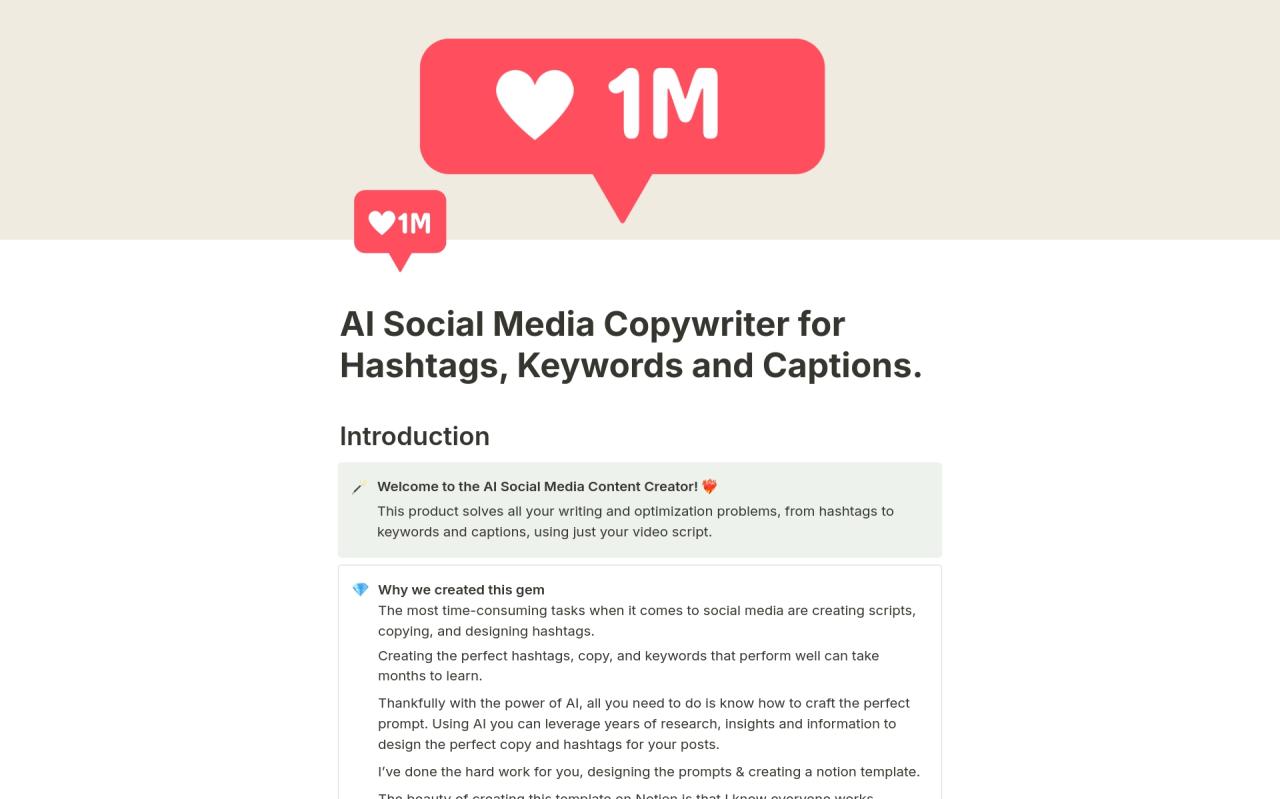
Creating engaging hashtags with AI offers numerous advantages, such as efficiency and data-driven insights. However, it is essential to recognize the ethical implications and maintain best practices to ensure authenticity, avoid spam, and uphold integrity in digital communication. Responsible use of AI in hashtag creation not only preserves brand credibility but also fosters genuine engagement with audiences.When relying solely on AI-generated hashtags, potential pitfalls include the risk of promoting redundant or irrelevant tags, inadvertently encouraging spammy or manipulative practices, and compromising authenticity.
AI tools, while powerful, may lack the nuanced understanding of cultural sensitivities, current trends, or brand voice, which are crucial for meaningful interactions.To maximize benefits and mitigate risks, it is advisable to implement a set of best practices that combine AI efficiency with human oversight. These practices help maintain transparency, uphold ethical standards, and ensure that hashtags genuinely reflect the brand’s identity and values.
Potential Pitfalls of Relying Solely on AI for Hashtag Creation
While AI can rapidly generate numerous hashtag options based on data patterns, it may also produce tags that are overly generic, irrelevant, or even inappropriate. AI models are trained on existing data, which can sometimes reflect biases, stereotypes, or outdated information. Relying exclusively on AI can result in a lack of originality, diminishing the authenticity of your brand’s voice. Moreover, AI-generated hashtags may inadvertently include spammy or manipulative tags designed to inflate engagement artificially, risking penalties from social media platforms and damaging your online reputation.
Maintaining Authenticity and Avoiding Spammy Tags
Preserving authenticity involves ensuring that hashtags genuinely resonate with your brand’s message and audience. This requires human oversight to review AI suggestions critically, refining or rejecting tags that do not align with your brand identity or could be perceived as insincere. Avoiding spammy tags entails steering clear of overly promotional, irrelevant, or exaggerated hashtags that can be deemed manipulative. Striking a balance between leveraging AI’s efficiency and applying human judgment is key to fostering trust and meaningful engagement with your audience.
Recommended Dos and Don’ts for Ethical Hashtag Use
Implementing clear guidelines helps maintain ethical standards in hashtag creation, ensuring that your social media practices are transparent and respectful.
| Dos | Don’ts |
|---|---|
| Review AI-generated hashtags to ensure relevance and appropriateness before publishing. | Use hashtags blindly without human oversight, risking irrelevant or offensive tags. |
| Incorporate brand voice and audience insights when selecting or modifying hashtags. | Copy trending hashtags without considering their suitability or potential for misinterpretation. |
| Avoid using overly generic or spam-like tags that may be flagged by platforms or alienate followers. | Overuse hashtags or employ manipulative tactics aimed solely at increasing visibility. |
| Maintain transparency by disclosing sponsored or promotional tags where applicable. | Engage in hashtag stuffing or deceptive practices to artificially boost engagement metrics. |
| Continuously monitor hashtag performance and audience feedback to refine your hashtag strategy. | Ignore data and feedback, allowing outdated or ineffective hashtags to persist. |
Practical Applications and Case Studies
Implementing AI-driven hashtag strategies has demonstrated significant success across various industries. Examining real-world examples illuminates how organizations leverage AI to enhance their social media presence, increase engagement, and achieve marketing objectives. Analyzing these cases provides valuable insights into best practices and the tangible benefits of adopting AI in hashtag creation and optimization.
Understanding how to interpret engagement data derived from AI tools is critical for refining future hashtag strategies. By assessing metrics such as reach, impressions, click-through rates, and user interactions, brands can identify which hashtags perform best and adjust their approaches accordingly. This data-driven methodology ensures continuous improvement and maximizes campaign effectiveness.
Successful AI-Driven Hashtag Campaigns
Several notable companies have effectively utilized AI to craft and manage hashtag campaigns that resonate with target audiences and generate measurable outcomes:
- Nike’s #JustDoIt Campaign: Nike employed AI algorithms to analyze trending hashtags and user sentiment, enabling the creation of dynamic hashtags that aligned with current cultural moments. This approach resulted in increased user participation and a 20% rise in engagement compared to previous campaigns.
- Starbucks’ Seasonal Promotions: Utilizing AI-generated insights, Starbucks developed unique hashtags for seasonal beverages, such as #PumpkinSpiceVibes. The data revealed high engagement levels and contributed to a 15% growth in social media mentions during promotional periods.
- Fashion Retailers’ Trendspotting: Fast-fashion brands used AI to monitor real-time hashtag trends on platforms like Instagram and TikTok. By incorporating AI-suggested hashtags into their posts, they experienced an average increase of 25% in post visibility and follower growth.
Analyzing Engagement Data to Optimize Hashtag Strategies
Effective analysis of engagement metrics allows marketers to identify the most impactful hashtags and refine their strategies accordingly. Key steps include:
- Collect detailed data on hashtag performance, including reach, impressions, engagement rate, and audience demographics.
- Utilize AI-powered analytics tools to detect patterns and correlations that might not be immediately apparent through manual analysis.
- Test variations of high-performing hashtags to determine which formulations yield the best results.
- Adjust future campaigns based on insights, focusing on trending, contextually relevant, and audience-specific hashtags identified through AI analysis.
“Data-driven hashtag optimization leverages AI insights to continually enhance reach and engagement, turning casual interactions into meaningful brand connections.”
Comparison of Manual Versus AI-Assisted Hashtag Outcomes
Understanding the differences in outcomes between manual and AI-assisted approaches helps in making informed decisions about social media strategies:
| Criterion | Manual Hashtag Creation | AI-Assisted Hashtag Creation |
|---|---|---|
| Speed of Generation | Relatively slower, requiring manual brainstorming and research | Rapid, with instant suggestions based on data analysis and trend detection |
| Relevance and Trend Alignment | Dependent on human intuition and experience, which may miss emergent trends | High alignment with current trending topics through real-time data processing |
| Creativity and Uniqueness | Potentially more creative, as humans can craft original ideas | Provides unique suggestions, but may require human refinement for originality |
| Performance Optimization | Limited to manual analysis and intuition, potentially less precise | Enhanced with AI analytics, resulting in better targeting and higher engagement |
| Scalability | Less scalable for large campaigns due to resource constraints | Highly scalable, capable of managing multiple campaigns simultaneously |
Final Thoughts
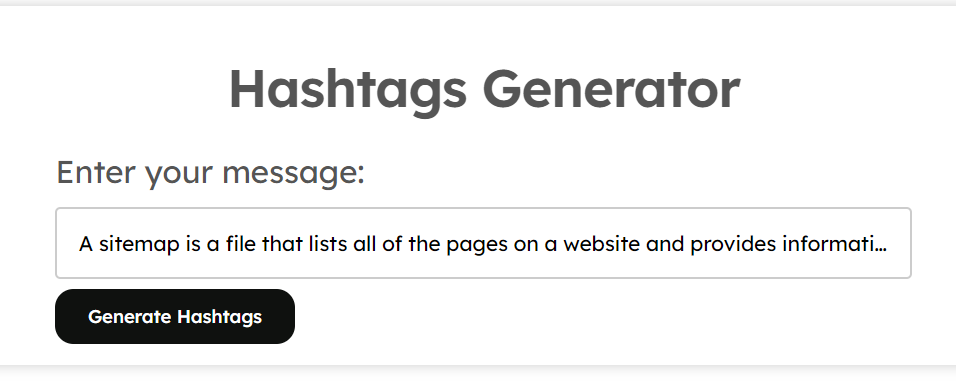
In conclusion, integrating AI into hashtag creation offers a powerful edge in today’s competitive digital landscape. By combining technological insights with strategic creativity, content creators can develop memorable and impactful hashtags that drive engagement and foster brand growth. Embracing these practices positions you at the forefront of innovative social media marketing.