Discovering how to create Facebook page content using AI opens new horizons for efficient and engaging social media management. Leveraging artificial intelligence allows content creators and marketers to streamline their workflows, generate compelling posts, and maintain a consistent online presence with personalized touches tailored to their audience. This approach not only saves valuable time but also enhances the quality and relevance of the content shared.
Through exploring various AI tools and strategies, users can develop a comprehensive content plan that includes captivating visuals, targeted messaging, and automated scheduling. Understanding how to harness AI capabilities effectively ensures that Facebook pages remain vibrant, responsive, and aligned with branding goals, ultimately driving better engagement and growth.
Understanding the Role of AI in Facebook Content Creation
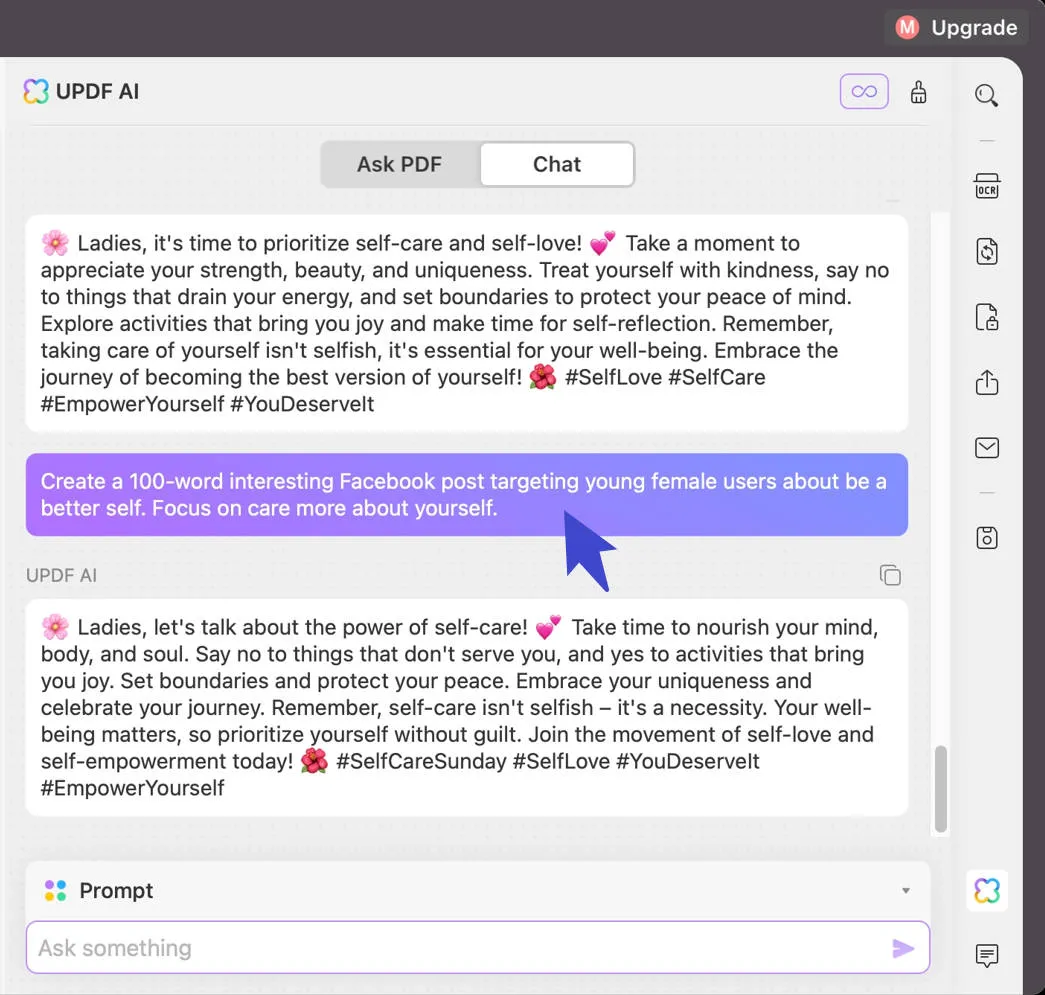
Artificial Intelligence (AI) has become a transformative tool in digital marketing, especially in the realm of social media content creation. Leveraging AI enables content creators and businesses to produce engaging, personalized, and consistent Facebook posts and visuals with greater efficiency. Recognizing how AI integrates into this process is essential for maximizing its benefits and staying competitive in the dynamic landscape of social media marketing.
AI technologies assist in streamlining content development, enhancing visual appeal, and delivering tailored messages to specific audience segments. By automating routine tasks and providing intelligent insights, AI empowers marketers to focus on strategic planning and creative expression, ultimately increasing engagement and fostering stronger connections with their community.
AI Technologies Suitable for Facebook Content Development
Integrating the right AI tools into Facebook content strategies ensures the creation of high-quality posts and visuals that resonate with target audiences. These technologies range from content generation to visual design and audience analysis, each serving a specific purpose in the content creation pipeline.
Below are some of the key AI technologies widely used in Facebook content development:
| Technology | Description | Applications in Facebook Content Creation |
|---|---|---|
| Natural Language Processing (NLP) | Enables machines to understand and generate human language with context and nuance. | Automated post writing, caption generation, chatbot responses, sentiment analysis. |
| Generative Adversarial Networks (GANs) | Creates realistic images or visual content through a competitive learning process between two neural networks. | Designing unique visuals, promotional banners, and custom graphics for posts. |
| AI-powered Design Tools | Utilize machine learning to assist in visual design and layout optimization. | Producing eye-catching visuals, infographics, and video content with minimal manual effort. |
| Audience Segmentation Algorithms | Analyze user data to identify distinct audience groups based on behavior and preferences. | Personalizing content delivery and scheduling posts tailored to specific segments for increased engagement. |
| Automated Scheduling and Optimization Platforms | Use predictive analytics to determine optimal posting times and content frequency. | Ensuring consistent posting schedules that maximize reach and interaction without manual intervention. |
“Integrating AI in Facebook content creation allows for a harmonious blend of automation, personalization, and creative innovation, resulting in more effective social media marketing strategies.”
Selecting AI Tools for Facebook Content Generation
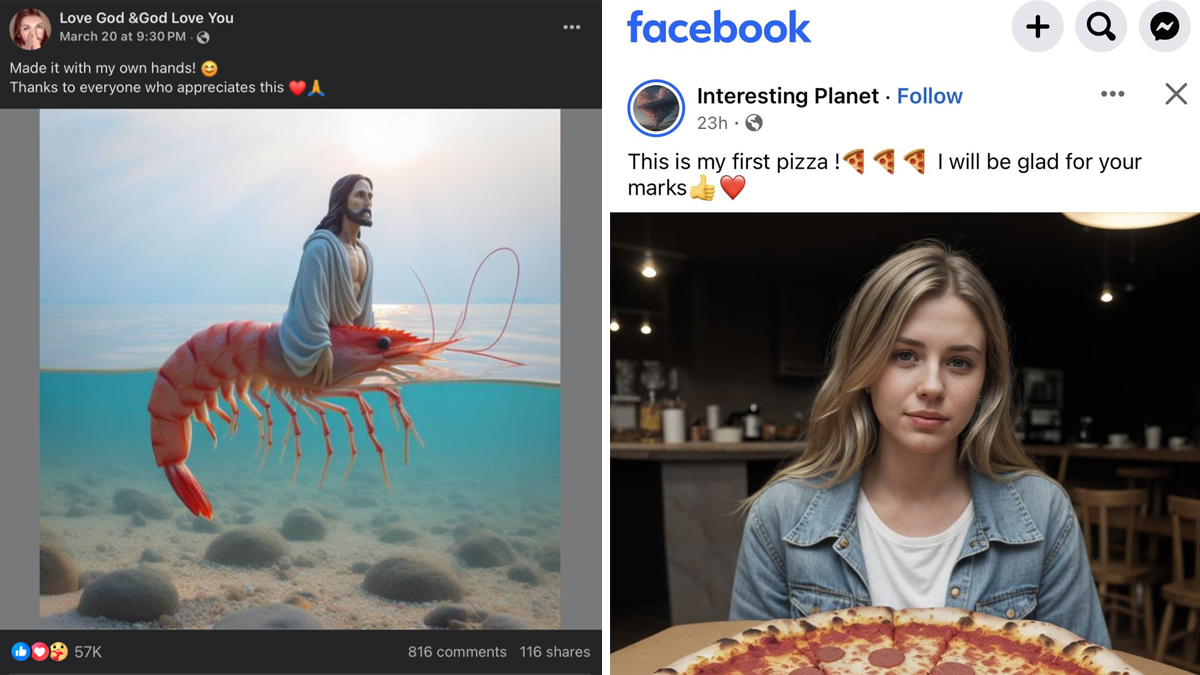
Choosing the appropriate AI tools is a critical step in streamlining and enhancing your Facebook content creation process. The right platform can assist in generating engaging text, compelling images, and dynamic videos, saving time and ensuring consistency across your social media presence. A careful evaluation of available options enables content creators and marketers to leverage the most suitable AI technologies tailored to their specific needs and objectives.
To optimize your Facebook content strategy, it is essential to understand the core features offered by various AI platforms and match them with your content requirements. From automated text generation to sophisticated image and video creation, selecting tools that align with your brand voice and audience preferences can significantly improve engagement and reach. Below, a comparison of popular AI platforms and their functionalities provides clarity for effective decision-making.
Comparison of Popular AI Platforms for Social Media Content Creation
| AI Platform | Core Functionalities | Primary Use Cases |
|---|---|---|
| Kami (OpenAI) | Advanced natural language processing; content generation; conversational AI | Generating engaging post captions, replies, and storytelling for Facebook |
| Canva’s AI Tools | Image creation and editing; templates; AI-driven design suggestions | Creating eye-catching graphics and social media banners |
| Pictory | AI-powered video editing; script-to-video; captioning | Producing short promotional videos or tutorials for Facebook |
| Lumen5 | AI-driven video creation; media integration; text-to-video | Transforming blog posts or scripts into social videos to increase engagement |
| Jarvis (Jasper) | Content writing assistant; blog and ad copy; brand voice consistency | Developing detailed posts, ads, and promotional content for Facebook pages |
AI Features Ideal for Facebook Content Creation
Effective Facebook content relies on a combination of text, visuals, and videos that resonate with audiences. The following AI features are instrumental in crafting diverse and engaging content formats:
- Natural Language Generation (NLG): Produces human-like text for posts, captions, and comments, enabling personalized and contextually relevant messaging.
- Image Synthesis and Editing: Creates or enhances images tailored to brand aesthetics, promotional campaigns, or event announcements, ensuring visual consistency.
- Video Automation: Facilitates quick video production from scripts or existing media, featuring AI-driven editing, captioning, and effects that capture viewer attention.
- Content Personalization: Adapts messaging based on audience segmentation, increasing engagement through targeted content.
- Analytics Integration: Some tools incorporate performance metrics, helping refine content strategies based on engagement data.
Implementing these AI features allows content creators to produce high-quality Facebook posts efficiently, maintain brand consistency, and adapt messaging to current trends and audience preferences.
Planning Content Strategy Using AI
Effectively planning your Facebook content strategy with the assistance of AI tools allows brands to optimize engagement and ensure relevance. Leveraging AI enables a deeper understanding of audience preferences, emerging trend patterns, and optimal timing for content delivery. This strategic approach fosters more impactful and targeted content creation, aligning with your overall marketing objectives.
By integrating AI into your planning process, you can streamline audience analysis, identify trending topics early, and set clear, measurable goals. Utilizing AI-driven insights ensures your Facebook content remains relevant, engaging, and aligned with your brand’s voice and audience demographics. This comprehensive planning process sets a solid foundation for successful content execution and audience connection.
Leveraging AI for Audience Analysis and Content Trend Identification
The importance of understanding your target audience and staying ahead of content trends cannot be overstated. AI tools can analyze vast datasets, including user behavior, engagement metrics, and social listening data, to uncover valuable insights about your audience’s preferences, interests, and online activity patterns.
- Utilize AI-powered social listening platforms to monitor conversations, hashtags, and s relevant to your niche, revealing trending topics and emerging interests among your target demographic.
- Leverage machine learning algorithms to segment your audience based on demographics, behavior, and preferences, enabling tailored content strategies for each segment.
- Apply sentiment analysis tools to gauge public perception of your brand and competitors, guiding content that resonates positively with your audience.
Successful content planning involves continuously adapting to evolving trends and audience behaviors, which AI facilitates by providing real-time insights and predictive analytics. For example, a fitness brand might discover a rising interest in home workouts through trend analysis, prompting the creation of relevant content that captures this emerging demand.
Setting Content Goals Aligned with Brand Voice and Target Demographics
Establishing clear content goals is essential for measuring success and maintaining consistency across your Facebook page. AI tools assist in defining these objectives by analyzing historical data and identifying what types of content generate the highest engagement within your target audience.
- Set SMART (Specific, Measurable, Achievable, Relevant, Time-bound) goals based on insights derived from AI analytics, such as increasing post engagement by a certain percentage or growing your page followers within a specific timeframe.
- Align content objectives with your brand voice by analyzing language patterns, tone, and style preferences of your high-performing posts, ensuring consistency in future content.
- Utilize AI to simulate content performance scenarios, helping you understand potential outcomes and refine your goals accordingly.
For instance, an online education platform might use AI insights to focus on content that promotes course enrollments, with goals structured around lead generation metrics and brand authority enhancement. Clearly defined goals, informed by AI analytics, enable precise tracking and strategic adjustments over time.
Developing a Content Calendar with AI-Generated Topic Ideas
A well-structured content calendar ensures regular posting and strategic topic coverage. AI can significantly streamline this process by generating relevant, trending, and audience-specific ideas for your content schedule.
- Feed existing content data and audience insights into AI content generation tools to receive a list of potential topics aligned with current trends and user interests.
- Use AI to analyze competitors’ content strategies, extracting high-performing themes and formats that can be adapted for your brand.
- Create a dynamic content calendar that incorporates AI-suggested topics, ensuring a consistent flow of engaging content tailored to seasonal events, trending discussions, and audience preferences.
AI-driven content calendars facilitate proactive planning, allowing marketers to seize trending moments and maintain content relevance, ultimately enhancing audience engagement and brand visibility.
For example, a beauty brand might utilize AI tools to identify trending skincare topics during specific seasons, such as winter hydration tips, and schedule content around these themes, ensuring timely and relevant posts that resonate with their community.
Creating Facebook Post Content with AI
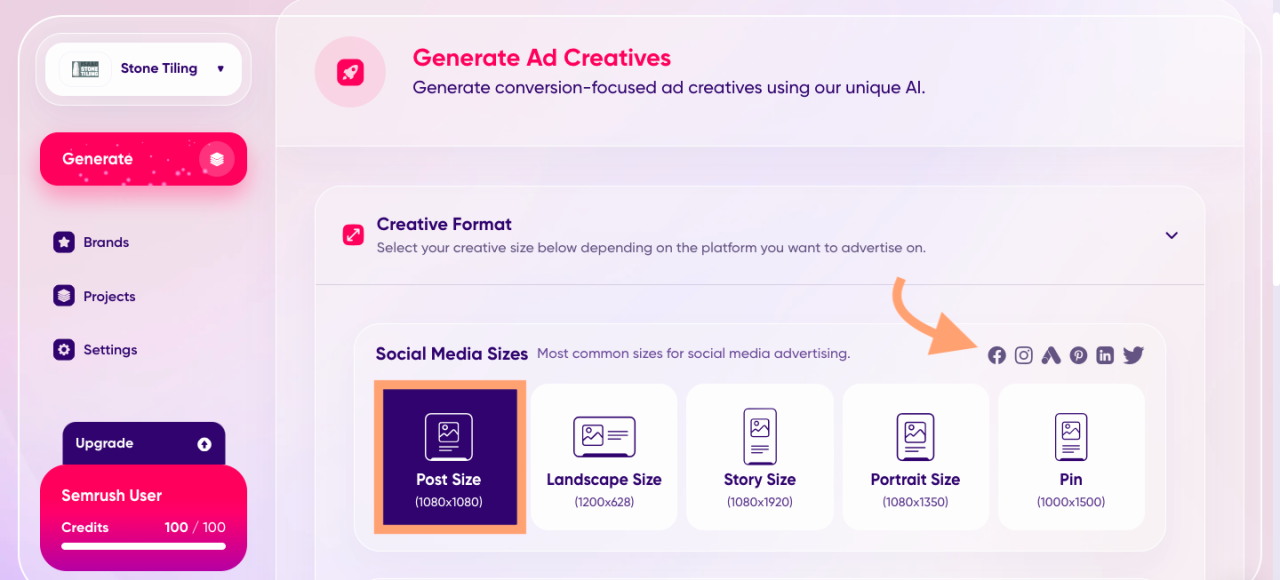
Developing engaging and diverse Facebook posts is essential for effective social media marketing. Leveraging AI tools streamlines the creation process, allowing content creators to produce compelling captions, stories, promotional offers, and polls efficiently. This section explores practical methods for generating high-quality Facebook post content using AI, enhancing both creativity and productivity.
By utilizing AI writing assistants and structured content formats, marketers can craft a variety of post types tailored to their audience’s interests and preferences. These techniques ensure consistency in brand messaging while enabling rapid content deployment across the platform.
Generating Compelling Post Captions with AI Writing Assistants
Effective captions capture attention and motivate engagement. AI writing assistants can aid in creating captivating captions by analyzing trending s, tone, and audience preferences. To generate compelling captions, follow these steps:
- Define the Post Objective: Clarify whether the caption aims to inform, entertain, promote, or engage users.
- Input Relevant Details: Provide AI tools with key information such as product features, campaign hashtags, or emotional cues.
- Select Tone and Style: Choose a tone that aligns with your brand voice—friendly, professional, humorous, etc.
- Generate Multiple Variations: Use AI to produce several caption options, then select or refine the best ones based on engagement potential.
Popular AI writing assistants like GPT-based models can produce diverse, grammatically correct captions that resonate with your target audience. For example, inputting “Create a lively caption promoting our summer sale with a sense of urgency” can result in options like:
“Don’t miss out! Our sizzling summer sale is ending soon. Grab your favorites before they’re gone! ☀️🔥 #SummerSale #LimitedTime”
Creating Diverse Content Types: Promotional Offers, Stories, and Polls
To maximize engagement, it’s crucial to diversify content formats on Facebook. AI tools facilitate the creation of various post types by providing adaptable templates and content ideas. Here’s how each type can be effectively generated:
- Promotional Offers: Use AI to craft persuasive messages emphasizing discounts, limited availability, or exclusive deals. Input campaign details, and the AI can produce attention-grabbing copy with calls-to-action such as “Shop Now” or “Limited Offer.”
- Stories: Generate short, impactful narratives to highlight customer testimonials, behind-the-scenes content, or event recaps. AI can assist in scripting concise stories that include emotional elements and visual cues.
- Polls: Create engaging questions that encourage user interaction. AI can suggest relevant poll topics based on trending discussions, industry insights, or user interests, along with multiple-choice options.
Employing structured formats ensures clarity and consistency. For example, promotional posts can follow a format that highlights the benefit, offers social proof, and includes a clear call-to-action. Stories benefit from a narrative arc that introduces the subject, builds interest, and concludes with a prompt to engage. Polls should be concise, relevant, and designed to provoke thought or gather opinions.
Sample Post Formats in HTML Table Structure
Organizing content elements within an HTML table allows for clear visualization of different post components. Here is an example layout for various post types:
| Content Element | Description | Example | Usage |
|---|---|---|---|
| Caption | Concise, engaging text to accompany the post | “Summer is here! Enjoy up to 50% off on all beachwear. Shop today!” | Used in promotional posts or product highlights |
| Image or Video | Visual content that captures attention and enhances message | Bright, high-resolution image of summer apparel or a short promotional video | Supports storytelling and increases engagement |
| Call-to-Action (CTA) | Directive encouraging user interaction | “Click here to shop now!” | Driving traffic, conversions, or participation in polls |
| Hashtags | s to increase discoverability | #SummerSale #BeachVibes | Enhances reach and categorizes content |
Designing posts with these structured elements ensures clarity and encourages user interaction, ultimately leading to more successful Facebook marketing campaigns. AI assists by providing optimized phrasing, relevant hashtags, and content variations tailored to specific objectives.
Designing Visual Content with AI
Creating engaging and visually appealing content is vital for capturing the attention of Facebook audiences. Leveraging AI tools enables content creators to efficiently produce high-quality images, graphics, and videos that align with their brand identity. This approach not only saves time but also enhances the overall visual storytelling capability, making posts more compelling and shareable.AI-powered visual content creation involves utilizing sophisticated algorithms capable of generating diverse visual assets based on textual prompts, style preferences, and branding guidelines.
These tools can interpret detailed descriptions to produce realistic images, stylized graphics, and dynamic video content suitable for social media platforms like Facebook. Properly harnessed, AI can help brands maintain visual consistency, experiment with innovative designs, and adapt quickly to trending themes or campaigns.
Producing Images, Graphics, and Videos with AI
Understanding how AI can generate various visual assets is crucial for effective Facebook content creation. AI image generation tools, such as generative adversarial networks (GANs), can create realistic photos or stylized illustrations from text prompts or sketches. For example, inputting a description like “a vibrant sunset over a mountain landscape” can yield multiple photorealistic images suitable for promotional posts or background visuals.AI graphics tools, like design assistants integrated into platforms such as Canva or Adobe Spark, allow users to create visually appealing graphics effortlessly.
These tools offer templates, style filters, and element suggestions, making it easier to craft infographics, banners, or promotional images aligned with branding standards.Video generation AI has advanced significantly, enabling the creation of animated content or short clips from minimal inputs. Platforms like Lumen5 or Synthesia facilitate transforming blog posts or scripts into engaging videos by automatically selecting relevant visuals, adding text overlays, and syncing music or voiceovers.
Such capabilities are invaluable for dynamic Facebook posts, stories, and ads.
Customizing AI-Generated Visuals to Match Branding Guidelines
To ensure brand consistency, it is essential to tailor AI-produced visuals according to specific branding requirements. This involves adjusting elements such as color schemes, typography, logos, and overall style to reflect the brand identity accurately. Many AI tools offer customization features where users can upload brand assets like logos and color palettes, which the AI incorporates into generated visuals.Adopting a structured approach enhances the coherence of visual content across campaigns.
For instance, defining a set of brand style parameters—such as a specific color palette, font choices, and image filters—can be fed into the AI tools, which then produce visuals that adhere to these standards. Repetitive use of these customized settings helps maintain a recognizable visual identity that reinforces brand recall on Facebook.
Organizing Visual Assets with HTML Tables
Efficient management of visual content is vital for seamless content planning and deployment. Organizing generated images, graphics, and videos in structured formats like HTML tables allows easy cataloging, comparison, and selection for different Facebook posts or campaigns.Creating an HTML table involves listing visual assets with relevant details such as file names, descriptions, dimensions, and associated campaign or post references. This systematic arrangement simplifies the process of locating specific visuals when preparing content batches or updating campaigns.
For example, a table could include columns for “Asset Name,” “Type” (image, graphic, video), “Resolution,” “Usage Context,” and “File Location,” providing a clear overview for content managers and designers.
Effective visual content organization ensures quick access, consistency, and strategic deployment, ultimately enhancing the impact of Facebook marketing efforts.
Automating and Scheduling Facebook Content Using AI
Leveraging AI for automation and scheduling of Facebook content streamlines the posting process, enhances consistency, and ensures timely engagement with your audience. Proper setup and management of AI-driven tools enable businesses and content creators to maintain an active online presence without the need for constant manual intervention. This approach not only saves time but also allows for more strategic content deployment based on analytics and audience behavior.
Integrating AI tools with Facebook’s native scheduling features involves selecting suitable platforms, configuring automation settings, and adhering to best practices to maintain authenticity and engagement. This section provides a comprehensive guide to setting up, integrating, and optimizing AI-powered automation for your Facebook content strategy.
Setting Up AI Tools for Automatic Content Posting and Scheduling
Successful automation begins with choosing the right AI tools that support Facebook content scheduling. Platforms such as Buffer, Hootsuite, and AgoraPulse offer AI integrations that facilitate automatic posting based on predefined schedules and content calendars. These tools often include features like content suggestions, optimal posting times, and engagement tracking, making them essential for efficient automation.
To set up these tools effectively:
- Select a suitable AI-driven social media management platform that aligns with your content volume, budget, and specific needs.
- Create an account and connect your Facebook page by granting necessary permissions for posting and scheduling.
- Configure your content calendar by defining posting frequencies, optimal times (based on audience activity data), and content categories.
- Integrate AI content creation modules if available, to generate posts, captions, and visual content automatically.
- Set automation rules to specify when and how content is published, considering audience engagement patterns and peak activity periods.
Once configured, these tools can automatically publish pre-approved content, freeing you from manual posting while maintaining a consistent online presence.
Integrating AI Content Creation with Facebook Scheduling Features
Effective integration involves synchronizing AI-generated content with scheduling functionalities within your chosen platform or Facebook’s native tools. This process ensures a seamless flow from content generation to publication, maximizing efficiency and content freshness.
Key steps include:
- Generate content using AI tools based on your content strategy, including text, images, and videos tailored to your target audience.
- Review and approve the AI-produced content to ensure it aligns with brand voice, quality standards, and compliance requirements.
- Upload or directly sync approved content into your social media management platform, assigning appropriate posting schedules and times.
- Utilize API integrations where available, to enable real-time content transfer from AI tools to Facebook’s scheduling interface, reducing manual effort.
This integration ensures that AI-generated content is consistently published without delays, maintaining your content calendar and audience engagement effectively.
Best Practices for Maintaining Engagement Through AI-Driven Automation
While automation offers significant advantages, it is essential to implement strategies that sustain and enhance audience engagement. The following practices ensure that your AI-driven content remains effective and responsive:
- Maintain a human-in-the-loop approach by periodically reviewing automated posts to ensure relevance and authenticity, and to incorporate trending topics or spontaneous content.
- Monitor engagement metrics such as likes, comments, shares, and click-through rates to assess content performance and refine scheduling algorithms.
- Optimize posting times based on real-time analytics to reach your audience when they are most active, which AI tools can automatically suggest or adjust.
- Incorporate interactive content like polls, questions, and live videos into your automated schedule to foster two-way communication and community building.
- Ensure compliance with Facebook policies and audience preferences by setting filters and review processes to prevent spam or inappropriate content from being published automatically.
By adhering to these best practices, you can leverage the power of AI-driven automation while maintaining a genuine, engaging presence that resonates with your Facebook community.
Monitoring and Analyzing Content Performance with AI
Effective content creation on Facebook extends beyond publishing; it requires continual monitoring and analysis to optimize engagement and reach. Utilizing AI-powered analytics tools allows content managers to gain valuable insights into how their posts perform, identify trends, and make data-driven adjustments to their strategies. This process ensures that content remains relevant, engaging, and aligned with audience preferences, ultimately enhancing the overall effectiveness of your social media marketing efforts.AI analytics tools can automatically track a wide array of engagement metrics such as likes, shares, comments, click-through rates, and follower growth.
These tools often incorporate machine learning algorithms to identify patterns and predict future performance, providing actionable recommendations. By systematically analyzing this data, marketers can better understand which types of content resonate most with their audiences and adjust their planning accordingly to maximize impact.
Utilizing AI Analytics Tools for Tracking Engagement Metrics
To effectively monitor content performance, it is essential to leverage AI tools that offer real-time data collection and insightful visualizations. These tools can be integrated with Facebook’s API or standalone platforms that connect via APIs, providing comprehensive dashboards that display key performance indicators (KPIs). Examples include platforms like Hootsuite Insights, Sprout Social, and native Facebook Insights enhanced with AI features.The process involves setting up specific tracking parameters for each post, such as engagement rate, reach, impressions, and audience demographics.
AI algorithms then analyze these metrics to identify which types of content generate the highest engagement, the optimal posting times, and audience sentiment. For instance, an AI tool might reveal that video content garners 50% more interaction than static images, guiding future content creation.
Adjusting Content Strategies Based on AI-Generated Insights
AI-driven insights enable marketers to refine their Facebook content strategies with precision. By regularly reviewing AI-generated reports, content creators can identify underperforming posts and determine the underlying causes. For example, if analytics show that posts with certain topics or formats receive less engagement, the strategy can shift to focus on more successful themes or formats.Implementing adjustments involves updating content calendars, experimenting with different posting times, and tailoring messaging based on audience preferences identified by AI analysis.
Additionally, predictive analytics can forecast future trends, allowing proactive content planning. For instance, if AI predicts increased interest in eco-friendly topics during a specific season, the content strategy can pivot to highlight relevant products or messages, maximizing audience engagement and conversion.
Templates for Reporting Performance Data
Effective reporting structures help communicate insights clearly and facilitate strategic decision-making. Below are example templates utilizing HTML tables and blockquote summaries:
| Post ID | Content Type | Engagement Rate (%) | Reach | Comments | Shares | Impressions |
|---|---|---|---|---|---|---|
| 12345 | Video | 7.8 | 10,240 | 150 | 75 | 15,300 |
| 12346 | Image | 4.2 | 8,500 | 60 | 30 | 12,000 |
| 12347 | Link Post | 5.5 | 9,100 | 90 | 45 | 13,250 |
“Consistent monitoring combined with AI analysis facilitates a dynamic adjustment process, ensuring content remains compelling and aligned with audience interests.”
Regularly updating and reviewing these reports helps teams to identify opportunities for improvement, replicate successful strategies, and ultimately enhance the overall performance of Facebook content initiatives.
Ethical Considerations and Best Practices
Creating content with AI offers remarkable efficiency and innovation; however, it also necessitates a strong ethical foundation to maintain trust, transparency, and quality. Ensuring that AI-generated Facebook content aligns with ethical standards is crucial for building an authentic and responsible online presence. This section emphasizes the importance of maintaining authenticity, adhering to platform policies, and balancing automation with human oversight to foster credibility and avoid potential pitfalls.Maintaining authenticity when using AI-generated content is vital to preserving the unique voice and trustworthiness of your brand.
Audience engagement hinges on genuine interactions, which can be compromised if content appears overly automated or insincere. It is essential to customize AI outputs to reflect your brand’s personality and values, ensuring your posts resonate with your audience on a personal level. Incorporating human review processes helps verify that the content remains true to your brand identity and avoids inadvertent errors or misleading information.Compliance with Facebook’s content policies is a fundamental aspect of ethical AI content creation.
Facebook enforces strict guidelines regarding misinformation, hate speech, spam, and harmful content. To adhere to these policies, it’s important to regularly review Facebook’s community standards and ensure that AI-generated posts do not violate any rules. Using AI tools that incorporate filtering mechanisms and content moderation support can prevent the dissemination of inappropriate material, thus safeguarding your page’s reputation and avoiding penalties.Striking a balance between AI automation and human oversight is essential for maintaining quality, originality, and ethical standards.
While AI can generate a large volume of content efficiently, human involvement ensures the content remains contextually accurate, culturally sensitive, and aligned with your brand voice. Regularly reviewing AI-generated outputs allows for the correction of inaccuracies, the addition of nuanced human insights, and the preservation of creative authenticity. This hybrid approach maximizes the benefits of automation while upholding ethical responsibilities.
“Responsible AI use involves transparency, accountability, and ongoing human engagement to ensure content integrity and uphold trust with your audience.”
By prioritizing these ethical considerations and best practices, content creators can leverage AI’s power effectively while maintaining integrity, compliance, and genuine connection with followers on Facebook.
Ultimate Conclusion
In conclusion, mastering how to create Facebook page content using AI equips content creators with innovative tools to elevate their social media efforts. By combining automation, insightful analytics, and creative visual generation, users can foster stronger connections with their audience and achieve sustained success. Embracing AI-driven strategies is a forward-thinking step toward a more efficient and impactful social media presence.