Discovering the right s is essential for thriving in the competitive world of ecommerce. Leveraging artificial intelligence tools can transform this task into a streamlined, efficient process, unlocking insights that might otherwise remain hidden. By integrating AI into your research strategy, you open the door to discovering high-performing search terms that can significantly enhance your online visibility and sales.
This guide provides a comprehensive overview of how to utilize AI for researching ecommerce s, from setting up effective strategies to analyzing competitor data and adapting to emerging trends. Embracing AI-driven methods empowers you to make smarter decisions, optimize content more effectively, and stay ahead in the dynamic ecommerce landscape.
Introduction to Ecommerce Research with AI

In the highly competitive landscape of ecommerce, the ability to identify and target relevant search terms is a vital component of digital marketing success. Effective research ensures that a store’s products are discoverable by the right audience, leading to increased traffic, higher conversion rates, and ultimately, greater revenue. As consumer behavior continues to evolve and search patterns grow more sophisticated, leveraging innovative tools becomes essential for staying ahead.
Artificial Intelligence (AI) has revolutionized research by providing advanced capabilities to analyze vast datasets quickly and accurately. AI-powered tools can uncover hidden opportunities, identify trending search terms, and predict emerging s with a level of efficiency that manual methods cannot match. Integrating AI into ecommerce strategies simplifies the process of discovering relevant search queries, allowing businesses to refine their content and optimize their product listings more effectively.
Streamlining Discovery with AI Tools
Traditional research methods often involve manual brainstorming, competitor analysis, and tool-based searches that can be time-consuming and sometimes incomplete. AI streamlines this process through machine learning algorithms that analyze search engine data, consumer behavior, and industry trends to generate comprehensive suggestions. These tools can process millions of data points to identify high-volume, low-competition s or long-tail phrases that are highly specific to niche markets.
For example, AI tools like SEMrush, Ahrefs, or Google’s own Planner utilize natural language processing (NLP) to interpret contextual relevance and semantic variations of search queries. This enables ecommerce businesses to discover not only obvious s but also related terms that potential customers are using, which might otherwise be overlooked. As a result, AI-driven research enhances the precision and scope of strategies, leading to better organic visibility.
Benefits of Incorporating AI into Ecommerce Strategies
The integration of AI into research offers multiple advantages that can significantly impact an ecommerce store’s performance. These benefits include increased efficiency, more accurate data insights, and the ability to adapt quickly to changing search trends.
AI tools automate the tedious aspects of research, freeing up valuable time for strategic planning and content creation. They also provide data-driven insights that help prioritize s based on factors such as search volume, competition level, and relevance to the target audience. Moreover, AI can identify seasonal or trending s early, allowing businesses to capitalize on emerging opportunities before competitors do.
Incorporating AI into research not only enhances accuracy and efficiency but also enables dynamic adaptation to shifts in consumer search behavior, ensuring that ecommerce strategies remain relevant and competitive in a rapidly evolving digital environment.
Overall, leveraging AI for ecommerce research ensures a more systematic, scalable, and insightful approach that aligns with modern and marketing best practices, empowering businesses to achieve sustainable growth in the digital marketplace.
Setting Up AI-Driven Research Strategies
Establishing an effective AI-driven research strategy is crucial for discovering niche-specific and high-converting s that can significantly impact your ecommerce success. This process involves selecting suitable AI tools, seamlessly integrating them with your existing platforms, and preparing accurate data inputs to ensure meaningful insights. A well-structured approach allows ecommerce businesses to stay ahead of market trends and meet customer demands efficiently.
Implementing AI in research not only accelerates the discovery process but also enhances the precision of selection through advanced algorithms and natural language processing. This strategic setup lays the foundation for informed content creation, optimized product listings, and targeted advertising campaigns, ultimately leading to increased visibility and sales.
Selecting Suitable AI Tools for Ecommerce Discovery
Choosing the right AI tools is the first step to building a robust research framework tailored to ecommerce needs. Several factors influence the selection process, including the tool’s capabilities, compatibility, ease of use, and cost. The ideal AI tool should offer features such as suggestion, search volume analysis, competitor insights, and trend prediction.
Popular AI-driven tools include SEMrush, Ahrefs, Moz, and specialized platforms like Tool or Long Tail Pro that leverage AI algorithms for suggestions. Some tools integrate machine learning models that analyze search patterns and predict emerging trends, providing a competitive edge. It’s essential to evaluate each tool based on your business size, product niche, and specific objectives.
Additionally, consider tools offering API access for seamless integration with your existing ecommerce platforms or marketing automation systems. Many AI tools also include features for regional or language-specific analysis, which is vital for international ecommerce operations.
Integrating AI Tools with Existing Ecommerce Platforms
Effective integration ensures that AI-driven insights directly influence your product listings, content strategies, and marketing campaigns. The integration process involves connecting your chosen AI tools with your ecommerce platform—such as Shopify, WooCommerce, Magento, or BigCommerce—via APIs, plugins, or built-in integrations.
Begin by verifying compatibility between the AI tool and your ecommerce platform. Most platforms offer plugins or extensions that facilitate data exchange. Once installed, configure the integration to enable real-time data syncing, such as search queries, product data, and customer behavior metrics, which are vital for accurate analysis.
Automation of data flow minimizes manual data entry, reduces errors, and ensures your research stays current with market fluctuations. Regularly review integration settings to adapt to platform updates or new features introduced by the AI tools.
Preparing Data Inputs for AI Analysis
Accurate data inputs are essential for AI algorithms to generate meaningful insights. This involves gathering comprehensive, clean, and relevant information that reflects your ecommerce domain and customer behavior.
Key data inputs include existing product s, customer search queries, website analytics data, and competitor strategies. It’s important to organize this data systematically, ensuring consistency in formats and terminologies. For example, standardize product descriptions and phrases to avoid discrepancies that could impair AI analysis.
Creating a data input checklist helps streamline preparation. This checklist should include:
- Current lists associated with your products and categories
- Search volume metrics from Google Planner or similar sources
- Customer query data from website search logs
- Competitor strategies and rankings
- Regional language variations and local search trends
- Product metadata such as descriptions, tags, and attributes
Ensuring data accuracy, relevance, and completeness enhances AI’s ability to identify valuable s that align with your business goals and target audience preferences.
Methods for Utilizing AI to Identify High-Performing Ecommerce Terms
Leveraging AI technologies enables ecommerce professionals to discover high-performing s with efficiency and precision. These methods significantly surpass traditional manual research by providing expansive data analysis, pattern recognition, and predictive insights. Effectively utilizing AI tools can lead to more targeted marketing efforts, increased visibility, and ultimately higher sales conversions.
In this section, we explore how AI facilitates the identification of ecommerce s that have the potential to drive substantial traffic and sales. We will examine techniques to generate extensive lists, compare manual versus AI-assisted methods, and discuss strategies for filtering and prioritizing these s based on sales potential and relevance.
Generating Extensive Lists of Potential s Using AI
AI-driven tools excel at producing comprehensive lists of potential ecommerce s by analyzing vast datasets from search engines, customer queries, competitor websites, and market trends. These tools employ natural language processing (NLP) algorithms to understand context, synonyms, and related terms, creating a broader spectrum of relevant s.
Key techniques include:
- Semantic Expansion: AI algorithms analyze seed s to find related terms, variants, and long-tail s that users commonly search for, expanding the scope of your list.
- Trend Analysis: AI can identify trending search terms in real-time, helping you target s gaining popularity, which can lead to quick gains in traffic.
- Competitor Analysis: AI tools scan competitors’ websites and digital footprints to uncover high-ranking s they target, providing insights into potential opportunities.
- Customer Behavior Modeling: By examining customer reviews, queries, and browsing patterns, AI can suggest s aligned with actual consumer language and intent.
For example, using an AI-powered research platform, an ecommerce seller selling athletic shoes might generate a list including “best running shoes for women,” “trail running footwear,” and “sport sneaker deals,” covering both broad and niche search intents.
Manual Research Methods Versus AI-Assisted Approaches
Traditional manual research involves manually brainstorming, using basic search engine autocomplete suggestions, and analyzing limited competitor data. While straightforward, this approach is often time-consuming, less comprehensive, and prone to oversight, especially as the number of potential s increases.
AI-assisted methods, on the other hand, automate data collection and analysis, enabling the rapid generation of extensive lists that reflect real-time trends and consumer language. AI tools can process and analyze millions of data points to identify patterns and opportunities that manual research might miss.
Advantages of AI-assisted approaches include:
- Speed and efficiency in generating large volumes of relevant s.
- Ability to uncover long-tail and less obvious s with high conversion potential.
- Continuous updates reflecting evolving market trends and consumer behaviors.
- Enhanced accuracy through data-driven insights and machine learning algorithms.
In contrast, manual research is often limited to common search suggestions and basic competitor analysis, which may overlook emerging or niche s critical for competitive advantage.
Filtering and Prioritizing s Based on Sales Potential and Relevance
After compiling a broad list of potential s, the next crucial step involves filtering and prioritizing them based on their likelihood to generate sales and their relevance to your ecommerce offerings. AI tools facilitate this process by providing metrics and predictive analytics that assist in making informed decisions.
Key strategies include:
- Analyzing Search Volume and Competition: AI platforms can provide insights into the monthly search volume for each and the level of competition, enabling you to focus on s with high search volume but manageable competition.
- Assessing Conversion Potential: AI models can analyze historical data, such as click-through rates and sales metrics, to estimate each ‘s conversion potential, prioritizing those with higher ROI prospects.
- Relevance to Product Offerings: AI algorithms evaluate relevance by aligning search intent with your product catalog, ensuring that targeted s are directly related to your offerings.
- Predictive Sales Modeling: Advanced AI tools use machine learning to forecast future performance based on current trends, helping you prioritize s likely to increase sales in upcoming periods.
By integrating these filtering and prioritization techniques, ecommerce businesses can focus their marketing efforts on high-impact s, optimizing ad spend and organic search strategies for maximum sales results.
Analyzing Competitor Strategies with AI Assistance
Understanding how your competitors approach their strategies is vital for establishing a competitive edge in the ecommerce landscape. Leveraging AI tools enables a comprehensive and efficient analysis of competitor data, providing insights into their strengths and identifying opportunities for your own strategy enhancement. This process involves systematic data collection, benchmarking, and strategic adoption of successful s to optimize your ecommerce presence effectively.
AI-powered analysis transforms traditional manual research into a streamlined process that uncovers hidden opportunities, evaluates competitive intensity, and highlights gaps in your competitors’ usage. By systematically examining and benchmarking these factors, you can craft a more targeted and effective strategy that aligns with market demand and outperforms rivals.
Gathering Competitor Data with AI Tools
Acquiring comprehensive competitor data is the first step in strategic analysis. AI-enabled tools can extract vast amounts of data from multiple sources, including search engine results pages (SERPs), paid advertising campaigns, and organic listings. These tools utilize natural language processing (NLP) and machine learning algorithms to identify s your competitors rank for, their search volume, ranking difficulty, and overall visibility.
Popular AI tools such as Ahrefs, SEMrush, and SpyFu incorporate machine learning models that automatically analyze competitors’ websites, uncover their top-performing s, and track changes over time. For example, an AI-driven tool might reveal that a competitor consistently ranks high for specific long-tail s related to niche products, providing valuable insights for your targeting strategy.
Benchmarking and Identifying Gaps in Competitors’ Usage
Benchmarking involves comparing your competitors’ strategies against your own to evaluate relative strengths and weaknesses. AI facilitates this by providing detailed reports on overlap, difficulty scores, and traffic estimations. These insights help identify areas where competitors dominate and aspects where they leave gaps that your business can exploit.
Through AI analysis, you can generate a competitive landscape map that highlights:
- High-volume s that are heavily targeted by competitors but may be overly competitive for your current domain authority.
- Niche or long-tail s that competitors are underutilizing but have significant search potential.
- Emerging trends or seasonal s that competitors are starting to target, allowing you to stay ahead of the market.
Using AI, you can also perform gap analysis by comparing your portfolio with those of your competitors. This process reveals s your competitors rank for that you do not, presenting opportunities for expansion and diversification of your own strategy.
Adopting Successful Competitor s into Your Strategy
Integrating high-performing competitor s requires a strategic approach that considers relevance, search intent, and your business objectives. AI tools can assist in this process by evaluating the context and competitiveness of these s, ensuring their suitability for your ecommerce site.
One effective method involves analyzing the top-ranking pages for the identified s using AI-driven content analysis tools. These tools assess the content structure, density, and user engagement metrics to determine why these pages rank highly. Based on this insight, you can create or optimize your own content to incorporate these s naturally and effectively.
Additionally, AI can help prioritize s based on potential return on investment (ROI), factoring in search volume, competition level, and relevance to your product offerings. For example, if a competitor ranks highly for a niche with moderate competition and high conversion potential, adopting this could significantly boost your visibility and sales.
Implementing successful s also involves ongoing monitoring and adjustment. AI tools allow continuous performance tracking, enabling you to refine your list, optimize content, and adapt to evolving market trends seamlessly.
Leveraging AI for Content Optimization

In the highly competitive landscape of ecommerce, optimizing product content is crucial for enhancing visibility, engaging customers, and driving sales. AI-powered insights enable businesses to craft compelling product descriptions and titles that resonate with target audiences and align with current search trends. By leveraging advanced algorithms and data analysis, ecommerce entrepreneurs can ensure their content remains relevant, persuasive, and -friendly.
This section explores how AI can be harnessed to refine product content, providing templates for -optimized descriptions, and establishing methods for ongoing content updates driven by AI trend data. These strategies facilitate a dynamic content approach that adapts to evolving market demands and consumer behavior.
Using AI Insights to Craft Product Descriptions and Titles
Effective product descriptions and titles are fundamental in capturing customer attention and improving search rankings. AI tools analyze vast amounts of data, including search queries, customer reviews, and market trends, to identify the language and s that are most effective in your niche. This insight allows you to create titles and descriptions that are both appealing and search engine optimized.
AI can suggest synonyms, relevant s, and emotionally compelling language that enhance product listings. For example, if AI detects a rising trend in eco-friendly packaging within your category, it can recommend incorporating phrases like “sustainable,” “eco-friendly,” or “biodegradable” into product descriptions and titles to capitalize on this trend.
Templates for Structuring -Optimized Content Around AI-Researched Terms
Structured templates facilitate consistent creation of high-quality, -friendly product content. Incorporating AI-researched s ensures that each description and title aligns with current search patterns and consumer interests. Below are example templates designed to streamline this process:
Product Title Template: [Main ] + [Unique Selling Point] + [Target Audience/Use Case]
Product Description Template:
- Introduction emphasizing the primary benefit, including main .
- Detailed features and specifications, integrated with secondary s.
- Customer benefits, addressing pain points or desires.
- Call to action with relevant s or phrases.
For instance, a product title for a wireless earbud might be: ” Wireless Bluetooth Earbuds with Noise Cancellation for Active Lifestyles“. The description could follow this structure:
- Start with an engaging sentence highlighting comfort and sound quality.
- List features like battery life, connectivity range, and noise-canceling technology, integrating s such as “long-lasting battery” and “noise cancellation.”
- Explain how these features benefit the user, focusing on convenience and superior audio experience.
- End with a compelling call to action, like “Experience crystal-clear sound—order today!”
Organizing Approaches for Ongoing Content Updates Based on AI Trend Data
Maintaining up-to-date product content is essential for sustaining search engine rankings and consumer engagement. AI trend analysis offers real-time insights into shifting customer preferences, emerging s, and seasonal variations. Implementing a systematic approach to content updates ensures your product listings remain relevant and competitive.
Strategies for ongoing content optimization include:
- Regularly monitoring AI-generated trend reports to identify new high-performing s or phrases.
- Updating product descriptions and titles periodically to incorporate trending terms, ensuring they stay aligned with current customer search behavior.
- Using AI-based content management tools that suggest modifications or enhancements based on latest data, thus automating part of the update process.
- Analyzing performance metrics, such as click-through rates and conversion rates, to gauge the effectiveness of content updates and refine strategies accordingly.
By integrating AI trend data into your content management workflow, your ecommerce site can adapt swiftly to market changes, enhance performance, and improve overall customer engagement.
Visualizing Data with HTML Tables

Effectively presenting metrics through well-designed HTML tables enhances clarity and supports strategic decision-making in ecommerce research. Structured visualization allows marketers to quickly interpret data, compare performance indicators, and identify opportunities for optimization.
Using HTML tables to organize insights provides a clear overview of essential metrics such as search volume, competition level, difficulty, and click-through rate. Properly formatted tables facilitate prioritization, help avoid information overload, and enable more informed choices for product listings and content strategies.
Compiling Metrics into Responsive Columns
To optimize readability across devices, organizing data into up to four responsive columns ensures that information is accessible without overwhelming the viewer. Responsive design adapts to screen sizes, maintaining clarity whether viewed on desktops, tablets, or smartphones.
Below is an example of how to structure a responsive HTML table with four columns, each dedicated to key metrics relevant for ecommerce s:
<style>
  /* Basic responsive styling for tables
-/
  table
    width: 100%;
    border-collapse: collapse;

  th, td
    padding: 8px 12px;
    border: 1px solid #ddd;
    text-align: center;

  @media(max-width: 768px)
    th, td
      display: block;
      width: 100%;

    th
      background-color: #f4f4f4;


</style>

<table>
  <thead>
    <tr>
      <th></th>
      <th>Search Volume</th>
      <th> Difficulty</th>
      <th>CPC (Cost Per Click)</th>
    </tr>
  </thead>
  <tbody>
    <tr>
      <td>Wireless Headphones</td>
      <td>12,000</td>
      <td>45</td>
      <td>$1.50</td>
    </tr>
    <tr>
      <td>Bluetooth Earbuds</td>
      <td>8,500</td>
      <td>50</td>
      <td>$1.20</td>
    </tr>
    <tr>
      <td>Noise Cancelling Headphones</td>
      <td>5,300</td>
      <td>60</td>
      <td>$2.00</td>
    </tr>
  </tbody>
</table>
In this example, each column presents a critical metric, enabling quick comparison across s. The table’s responsiveness ensures it remains usable and legible regardless of device size.
Design Tips for Effective Data Tables
Creating tables that support decision-making involves thoughtful design considerations to enhance usability and clarity. The following tips focus on maximizing the effectiveness of your data presentation:
- Prioritize key metrics: Focus on metrics that directly influence ecommerce success, such as search volume, competition, and CPC.
- Use clear headings: Label columns with concise, descriptive headings to guide quick understanding.
- Maintain consistent formatting: Use uniform font sizes, colors, and borders to create a cohesive appearance that reduces visual clutter.
- Employ color coding cautiously: Utilize subtle background colors or text highlights to differentiate high-performing or critical s without overwhelming the viewer.
- Ensure mobile responsiveness: Adapt layouts to smaller screens so that data remains accessible and legible without horizontal scrolling.
- Include sorting features: When possible, enable sortable columns to allow users to organize data based on their current focus, such as highest search volume or lowest difficulty.
By applying these principles, ecommerce professionals can craft tables that serve as powerful tools for analyzing performance and making data-driven decisions that enhance online visibility and sales.
Applying AI to Identify Seasonal and Trend-Driven Terms
Leveraging artificial intelligence to uncover seasonal and trend-driven s is essential for maintaining a competitive edge in ecommerce. By analyzing dynamic search patterns, businesses can optimize their content, advertising campaigns, and product offerings to align with consumer behavior fluctuations throughout the year. This process enables more targeted marketing strategies and increased visibility during peak shopping periods, ultimately driving higher conversions and revenue.
AI-powered tools utilize vast datasets, including search engine queries, social media trends, and historical sales data, to detect emerging trends and seasonal fluctuations. Implementing these insights into your research framework ensures your ecommerce platform remains responsive to shifting market interests and seasonal demand cycles. The following methods detail how to effectively identify, capitalize on, and adapt to trend-driven search variations using AI technologies.
Detecting Emerging Trends with AI Tools
Identifying new and rising trends prior to competitors provides a strategic advantage in ecommerce. AI tools employ machine learning algorithms to analyze real-time data from various sources such as search engines, social media platforms, and online forums. These algorithms detect emerging topics and s that are gaining popularity, allowing businesses to act swiftly.
Key procedures include:
- Monitoring real-time search query data to identify spikes in particular terms or phrases.
- Using natural language processing (NLP) to analyze social media hashtags, trending topics, and user-generated content for nascent product or interest trends.
- Applying clustering algorithms to group related s and discover new thematic areas gaining traction.
- Setting up alerts within AI tools for significant increases in search volume or social engagement around specific s.
This proactive approach ensures your ecommerce content strategy adapts quickly to emerging interests, increasing the likelihood of capturing early-stage demand.
Strategies to Capitalize on Seasonal Search Variations
Seasonal fluctuations in search behavior present significant opportunities for targeted marketing and inventory planning. AI enables the prediction and exploitation of these variations by analyzing historical data and identifying recurring patterns tied to specific times of the year.
Strategies include:
- Developing seasonal lists based on historical search volume peaks, such as holiday shopping periods, back-to-school seasons, or summer sales.
- Implementing time-sensitive advertising campaigns that automatically adjust s and ad copy to reflect upcoming seasonal trends.
- Using AI-driven content personalization to promote relevant products during peak seasons, aligning with trending search terms.
- Forecasting future seasonal demand shifts by analyzing past year-over-year data and incorporating variables like regional differences and cultural events.
“Maximizing seasonal search trends requires anticipatory planning, enabled by AI insights into historical patterns and real-time data.”
Methods for Dynamically Updating s Based on Trend Shifts
Trend-driven s are inherently dynamic, requiring continuous monitoring and updating to stay relevant. AI facilitates this process through automation and predictive analytics, ensuring your strategy remains current and effective.
Effective methods include:
- Implementing AI-powered dashboards that provide real-time updates on performance and emerging trends.
- Using machine learning models to forecast the longevity of trending s and adjust your focus accordingly.
- Automating refresh cycles within your and paid advertising campaigns, ensuring they evolve with ongoing trend shifts.
- Employing sentiment analysis to detect changes in consumer perceptions or interests, prompting adjustments to match evolving sentiments.
By integrating these methods, businesses can maintain a flexible and responsive portfolio that captures current trends and minimizes the risk of outdated targeting.
Overcoming Challenges in AI-Powered Ecommerce Research
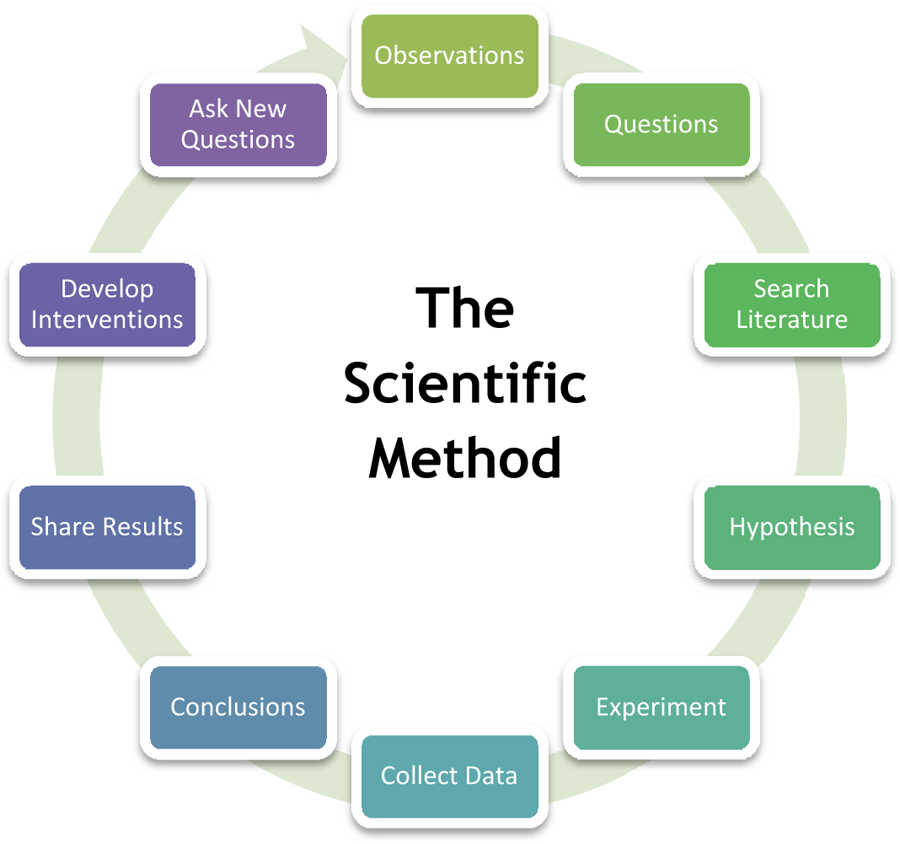
Implementing AI tools in ecommerce research offers numerous advantages, including efficiency and data-driven insights. However, users often encounter specific limitations that can impact the accuracy and effectiveness of their strategies. Recognizing these challenges and adopting appropriate solutions is essential for leveraging AI to its fullest potential in the highly competitive landscape of ecommerce.
AI-powered research systems are not infallible; they are dependent on the quality and scope of the data available, and may sometimes produce results that are inaccurate or incomplete. Understanding common pitfalls and applying best practices to mitigate these issues can help marketers and business owners develop more reliable and actionable lists, ultimately enhancing their and SEM efforts.
Limitations of AI Tools in Ecommerce Research
While AI tools significantly streamline the process of identifying potential s, they possess inherent limitations that must be acknowledged:
- Data Quality and Bias: AI algorithms rely heavily on historical and current data, which may contain biases or inaccuracies. For instance, if a dataset over-represents certain s due to past popularity, the AI might disproportionately prioritize those terms, overlooking emerging or niche opportunities.
- Limited Contextual Understanding: AI models may struggle to interpret nuanced consumer behaviors or specific industry terminology, leading to generic or irrelevant suggestions.
- Data Gaps and Outdated Information: In rapidly evolving markets, AI models may not capture the latest trends or seasonal shifts promptly, resulting in outdated recommendations.
- Over-Reliance on Quantitative Metrics: AI systems tend to focus on search volume and competition metrics, sometimes neglecting the quality and intent behind search queries, which are crucial for conversion optimization.
Strategies to Mitigate Inaccuracies and Data Gaps
Addressing the limitations of AI tools involves a combination of technical adjustments and strategic oversight. Implementing these strategies helps ensure that the generated lists are both comprehensive and relevant:
- Combine Multiple Data Sources: Integrate data from various platforms such as Google Planner, SEMrush, Ahrefs, and social media insights to enrich your datasets. This diversification reduces bias and provides a more holistic view of available s.
- Regular Data Updates: Schedule frequent refreshes of your data sources to capture the latest trends, seasonal shifts, and consumer interests, especially during peak shopping periods or holiday seasons.
- Apply Human Expertise: Use domain knowledge to filter and validate AI-generated s. Marketers should review the list for relevance, specificity, and alignment with brand messaging, removing irrelevant or overly competitive terms.
- Use Contextual Filters: Implement filters within AI tools to prioritize intent-based s, long-tail phrases, or geographic-specific terms, thereby enhancing relevance and targeting precision.
- Test and Refine: Continuously test the performance of selected s in live campaigns, monitor their effectiveness, and refine the list based on actual conversion data and user engagement metrics.
Best Practices for Validating AI-Generated Lists
Accurate validation of AI-generated s ensures that the selected terms contribute positively to your and advertising efforts. The following best practices facilitate rigorous validation:
- Cross-Verification with Manual Research: Supplement AI suggestions with manual research using tools like Google Trends, search engine autocomplete, and competitor analysis to confirm relevance and demand.
- Prioritize High-Intent s: Focus on s that reflect clear buyer intent, verified through search volume analysis and industry knowledge, to improve conversion potential.
- Analyze Competitor Strategies: Compare your AI-generated list against competitor s to identify gaps or opportunities that AI might have overlooked.
- Evaluate Metrics and Data Indicators: Look beyond search volume to include difficulty, CPC, and click-through potential, ensuring the list balances competitiveness with opportunity.
- Perform A/B Testing: Implement test campaigns targeting a subset of your AI-recommended s to assess performance and adjust based on real-world data.
“Effective ecommerce research combines AI efficiency with human judgment, regular validation, and strategic refinement to adapt to market dynamics.”
Future Trends in AI-Enhanced Ecommerce Strategies

As artificial intelligence continues to evolve rapidly, its integration into ecommerce research is poised to transform the way marketers identify and leverage search terms. Keeping abreast of upcoming innovations ensures that businesses stay competitive in the dynamic digital marketplace. The future of AI-driven ecommerce strategies involves not only technological advancements but also strategic adaptations to maximize their potential.
Emerging trends suggest a shift towards more sophisticated, predictive, and personalized discovery methods. These innovations will enable ecommerce platforms to anticipate consumer search behavior with higher accuracy, optimize content more effectively, and uncover niche or long-tail s that traditional methods might overlook. Embracing these developments requires continuous learning and adaptation, as AI tools become more intuitive and capable of handling complex datasets.
Upcoming Innovations in AI Search Term Discovery
The frontier of AI technology in ecommerce research is marked by several promising innovations. These include enhanced natural language processing (NLP) capabilities that allow AI to understand context, sentiment, and user intent more deeply. For instance, future AI models could analyze customer reviews, social media conversations, and voice search queries to identify emerging s and trending topics before they become mainstream.
Another notable development is the integration of generative AI models that can create highly relevant suggestions based on a brand’s specific niche and target audience. These models will likely utilize vast datasets from various sources, including search engines, ecommerce platforms, and consumer behavior analytics, to produce dynamic and actionable lists.
Future AI tools will not only discover s but also predict their performance trajectory, enabling proactive content planning and marketing strategies.
Impacts of Evolving AI Technologies on Ecommerce Marketing
As AI technologies mature, their impact on ecommerce marketing strategies will be profound. Enhanced accuracy in identification will lead to more targeted advertising campaigns, improved search engine rankings, and increased conversion rates. AI-driven insights will facilitate personalized marketing efforts, aligning product offerings with specific customer preferences and behaviors.
Furthermore, advanced AI tools will support real-time optimization of product listings and content based on ongoing trend shifts. This agility will allow ecommerce businesses to respond swiftly to seasonal changes, viral trends, or sudden shifts in consumer interest, maintaining a competitive edge.
Adapting to AI-driven insights will be crucial for businesses aiming to sustain growth and relevance in the evolving digital landscape.
Areas for Continued Adaptation and Learning in AI-Driven Research
To fully capitalize on AI advancements, ecommerce professionals must remain committed to ongoing education and strategic adaptation. This includes staying current with the latest AI algorithms, data privacy regulations, and ethical considerations surrounding AI use.
Organizations should develop internal expertise in interpreting AI-generated data and integrating these insights into broader marketing strategies. Regular training, participation in industry forums, and collaboration with AI technology providers will be essential for maintaining a competitive advantage. Additionally, evaluating the effectiveness of AI tools through data-driven metrics will help refine strategies continuously.
Continuous learning and agility are vital to harnessing the full potential of AI in ecommerce research, ensuring sustainable growth amidst technological transformation.
Closing Notes
In conclusion, harnessing AI for ecommerce research offers a powerful advantage in identifying valuable search terms and trends. By continuously refining your approach and staying attuned to evolving AI technologies, you can maintain a competitive edge and drive sustained growth for your online store. Embracing these innovative practices ensures your strategies remain relevant and impactful in the future.