Understanding how to analyze campaign ROI with AI is essential for maximizing marketing effectiveness and making data-driven decisions. Leveraging artificial intelligence transforms traditional evaluation methods by automating data collection, enhancing accuracy, and providing deep insights into campaign performance. This approach enables marketers to identify successful strategies quickly and optimize future efforts with greater confidence.
In this comprehensive overview, we explore the fundamental role of AI in ROI assessment, compare traditional versus AI-driven methods, and provide practical guidance on data preparation, KPI analysis, machine learning applications, visualization techniques, and interpreting AI insights. Additionally, we address common challenges and look ahead to future innovations shaping ROI evaluation.
Overview of AI in Campaign ROI Evaluation
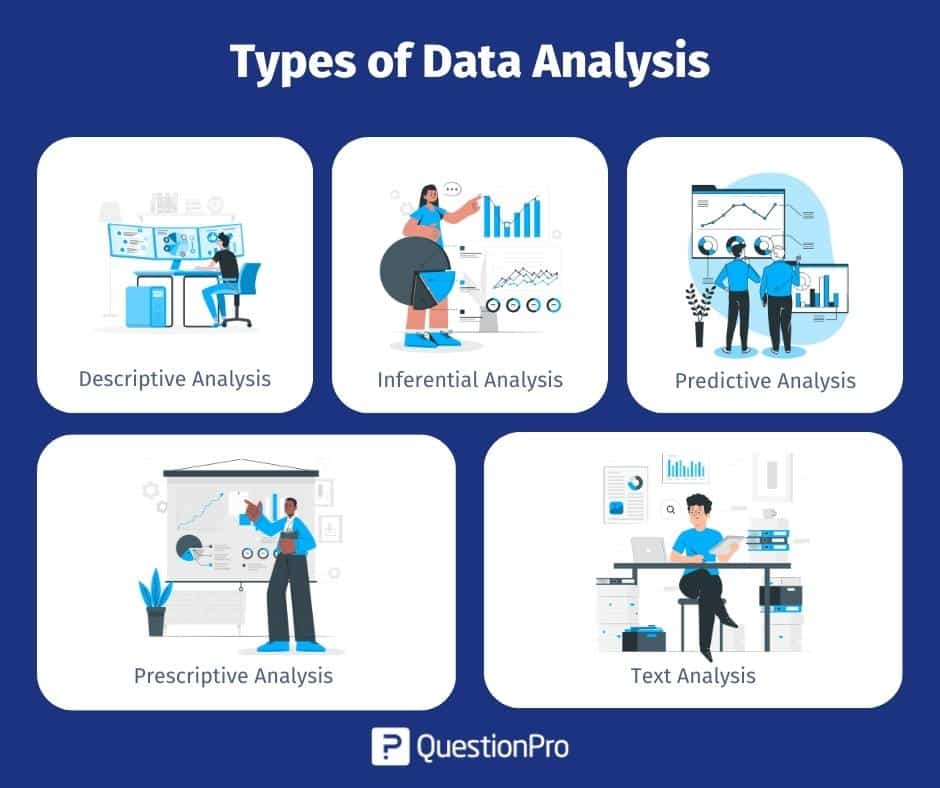
Artificial Intelligence (AI) has transformed the landscape of marketing analytics by providing advanced capabilities for evaluating campaign Return on Investment (ROI). Traditional methods often rely on manual data collection and basic statistical tools, which can be time-consuming and prone to human error. In contrast, AI leverages sophisticated algorithms to analyze vast amounts of data quickly and accurately, empowering marketers to make data-driven decisions with greater confidence.
By automating the processes of data gathering, interpretation, and insight extraction, AI enhances the precision and efficiency of ROI measurement. It integrates data from multiple sources such as social media, email campaigns, website analytics, and sales platforms, creating a comprehensive view of campaign performance. This holistic analysis helps identify which strategies are most effective, optimize resource allocation, and predict future outcomes with improved accuracy.
Comparison of Traditional and AI-Driven ROI Analysis Methods
Understanding the differences between conventional and AI-enhanced approaches provides clarity on the advantages AI offers in campaign evaluation. The following table highlights key aspects such as accuracy, speed, and complexity to illustrate the evolution of ROI analysis methods:
| Method | Accuracy | Speed | Complexity |
|---|---|---|---|
| Traditional ROI Analysis | Moderate; relies on manual data entry and basic statistical tools, susceptible to human error and incomplete data sets. | Slow; data collection and analysis can take days or weeks, especially with large datasets. | Low to Moderate; requires analytical skills but limited automation reduces overall complexity. |
| AI-Driven ROI Analysis | High; utilizes machine learning models for predictive accuracy and real-time data interpretation. | Fast; processes large volumes of data within seconds to minutes, enabling near-instant insights. | High; involves integrating advanced algorithms and data infrastructures, requiring technical expertise. |
AI enhances ROI evaluation by automating data collection, reducing human error, and providing real-time insights that support agile decision-making.
Data Collection and Preparation using AI
Efficient data collection and meticulous preparation are fundamental steps in leveraging AI for accurate campaign ROI analysis. Gathering comprehensive datasets from multiple marketing channels ensures a holistic view of campaign performance, while proper cleaning and structuring of this data enable meaningful insights and reliable evaluations.
In an era characterized by diverse marketing touchpoints—ranging from social media platforms and email campaigns to paid ads and website analytics—automated tools powered by AI facilitate the aggregation and cleansing processes. These tools not only accelerate data handling but also enhance accuracy, laying a solid foundation for subsequent analytical efforts.
Aggregating Large Datasets from Multiple Channels with AI Tools
Consolidating data from various sources requires sophisticated AI-driven solutions capable of seamlessly integrating disparate formats and structures. These tools utilize APIs, web scraping, and data connectors to automatically extract data from social media platforms, CRM systems, advertising networks, and web analytics tools.
- Implement AI-powered connectors that can interface with multiple data sources, such as Google Analytics, Facebook Ads, and email marketing platforms, to facilitate real-time or scheduled data extraction.
- Employ machine learning algorithms to detect and resolve duplicate entries or conflicting data points across channels, ensuring data consistency.
- Use natural language processing (NLP) techniques to interpret and categorize unstructured data, such as customer feedback or social media comments, into analyzable formats.
By leveraging these AI capabilities, organizations can significantly reduce manual effort and minimize errors, resulting in a comprehensive dataset that accurately reflects marketing activities and outcomes.
Best Practices for Cleaning and Structuring Data for Analysis
High-quality data is paramount for reliable ROI evaluation. Applying best practices in data cleaning and structuring ensures that the analytical models operate on accurate and consistent information. AI tools facilitate this process by automating many tasks that traditionally require extensive manual intervention.
- Remove or correct inaccuracies, such as duplicate records, missing values, or inconsistent entries, using AI-powered data cleaning algorithms that automatically identify anomalies.
- Standardize data formats across sources, including date and time formats, currency conversions, and categorical labels, to enable seamless integration and comparison.
- Implement data validation rules within AI systems to flag suspicious or outlier data points for review, maintaining data integrity.
- Organize data into structured formats, such as relational tables or data warehouses, which support efficient querying and analysis. Use AI-driven schema recognition to optimize data models.
Designing a Robust Data Flow Process: A typical data flow diagram includes stages such as data extraction from multiple channels, initial validation and cleaning, transformation into standardized formats, integration into centralized repositories, and finally, preparation for analytical modeling. Automating this flow with AI ensures timely and accurate availability of data for ROI analysis.
Key Performance Indicators (KPIs) for Campaign ROI

Assessing the effectiveness of marketing campaigns relies heavily on analyzing specific KPIs that quantitatively measure performance. AI systems excel at identifying and interpreting these critical metrics to provide a comprehensive understanding of return on investment (ROI). By focusing on these KPIs, marketers can make data-driven decisions, optimize campaign strategies, and ultimately improve overall marketing efficiency.
This section highlights the most vital KPIs that AI leverages to evaluate campaign success, illustrating how these indicators serve as benchmarks for ROI analysis and strategic adjustment.
Critical KPIs Analyzed by AI for Campaign Effectiveness
Accurate measurement of campaign success hinges on monitoring a diverse set of KPIs. AI systems analyze these metrics to determine which aspects of a campaign contribute most significantly to ROI and where adjustments may be necessary. The following table provides a clear comparison of these essential KPIs, their definitions, and their implications for campaign evaluation:
| KPI | Definition | Importance in ROI Analysis | Example |
|---|---|---|---|
| Conversion Rate | The percentage of users who complete a desired action, such as making a purchase or signing up for a newsletter, divided by the total number of visitors. | Indicates the effectiveness of campaigns in driving user actions. Higher conversion rates typically correlate with better ROI. | If a landing page receives 10,000 visitors and 500 make a purchase, the conversion rate is 5%. |
| Customer Lifetime Value (CLV) | The total revenue a business expects from a customer throughout the entire relationship duration. | Helps determine the long-term profitability of acquiring specific customer segments and guides budget allocation. | If an average customer spends $200 per purchase and makes 3 purchases annually over 5 years, the CLV is $3,000. |
| Cost Per Acquisition (CPA) | The average cost incurred to acquire a new customer, calculated by dividing total campaign cost by the number of new customers gained. | Enables evaluation of campaign efficiency and profitability, ensuring acquisition costs align with revenue generated. | Spending $10,000 to generate 200 new customers results in a CPA of $50. |
| Return on Ad Spend (ROAS) | The revenue generated from advertising campaigns divided by the advertising expenditure. | Serves as a direct indicator of campaign profitability; a higher ROAS signifies better ROI. | If a campaign costs $5,000 and produces $20,000 in revenue, ROAS is 4:1. |
| Engagement Metrics | Metrics such as click-through rate (CTR), page views, time spent on page, and social media interactions that reflect user engagement with content. | High engagement often correlates with higher conversion potential and brand affinity, influencing ROI. | CTR of 2% on an email campaign indicates moderate interest, whereas a 5% CTR suggests strong engagement. |
| Churn Rate | The percentage of customers who stop engaging or purchasing over a specific period. | Monitoring churn helps assess customer retention strategies’ impact on long-term ROI. | A monthly churn rate of 5% means that 5 out of 100 customers leave each month. |
Applying Machine Learning Models to ROI Analysis
Leveraging machine learning techniques for campaign return on investment (ROI) analysis enhances the accuracy and efficiency of predicting outcomes. These models allow marketers to derive actionable insights from vast amounts of data, enabling more informed decision-making and optimized campaign strategies. Proper application of these methods facilitates not only precise ROI estimation but also the identification of key drivers influencing campaign success.
Choosing the appropriate machine learning approach depends on the specific campaign objectives, data characteristics, and desired outcomes. Techniques such as regression, clustering, and classification each serve distinct purposes and require tailored implementation strategies. By understanding their functionalities and best-fit scenarios, marketers can deploy models that effectively predict, segment, or categorize campaign performance metrics, leading to more targeted and impactful marketing efforts.
Selection of Suitable Machine Learning Techniques Based on Campaign Objectives
Aligning machine learning techniques with campaign goals is critical to achieving meaningful ROI analysis. Regression models are ideal when the objective is to predict continuous outcomes, such as revenue or cost-to-ROI ratios, based on historical data. These models enable precise estimations of ROI figures by analyzing relationships between variables like ad spend, audience engagement, and conversion rates.
Clustering algorithms serve well in scenarios where segmentation of target audiences or campaign elements is necessary. By grouping similar data points, such as customer behaviors or ad performance patterns, marketers can tailor strategies for specific segments, thereby improving overall ROI.
Classification techniques are pertinent when categorizing campaign results into predefined classes, such as successful versus unsuccessful campaigns or high-value versus low-value leads. These models assist in identifying factors that contribute to campaign success, allowing for the refinement of targeting and messaging strategies.
To select the most appropriate model, consider the nature of your data, the specific ROI metrics you aim to predict, and the campaign objectives. For example, if your goal is to forecast future revenue based on past campaign data, regression models are suitable. Conversely, if your focus is on segmenting your audience to optimize targeting, clustering algorithms may be more effective.
Classification models are beneficial when you need to categorize campaign outcomes to prioritize resources efficiently.
Training, Validating, and Deploying ROI Models:
- Collect and preprocess relevant campaign data, ensuring quality and consistency.
- Select the appropriate machine learning algorithm aligned with your campaign goal (regression, clustering, classification).
- Divide data into training and validation datasets to evaluate model performance objectively.
- Train the model using the training dataset, adjusting parameters to minimize prediction errors or maximize clustering accuracy.
- Validate the model with unseen data, assessing metrics such as R-squared for regression, silhouette score for clustering, or accuracy for classification.
- Refine the model based on validation results, optimizing for better performance.
- Deploy the finalized model into your campaign management system to generate real-time ROI predictions or insights.
- Continuously monitor model performance and update it periodically with new data to maintain accuracy.
Visualization of Campaign Performance Data
Efficient visualization of campaign data is crucial in transforming AI-generated insights into actionable strategies. By employing well-designed dashboards, marketing teams can quickly interpret complex datasets, identify trends, and make informed decisions that enhance ROI. Visualizations serve as intuitive tools that bridge the gap between raw data and strategic understanding, making it easier to monitor campaign performance in real-time and adjust tactics accordingly.Effective visualization involves selecting the appropriate types of charts and graphs that best represent the underlying data.
These visual tools not only facilitate comprehension but also highlight key metrics and anomalies that require attention. When combined, these elements enable marketers to gain a comprehensive view of campaign effectiveness, optimize resource allocation, and ultimately improve ROI outcomes.
Methods for Creating Visual Dashboards
Creating visual dashboards that interpret AI-generated insights involves integrating data visualization tools with AI analytics platforms. Modern dashboard solutions like Tableau, Power BI, or Google Data Studio offer interactive features that allow users to customize views, filter data dynamically, and drill down into specific metrics. These dashboards should be designed with user-centricity in mind, ensuring that stakeholders can easily access relevant data without unnecessary complexity.Using real-time data feeds and automated updates ensures that the dashboard remains current, providing actionable insights that adapt as campaign conditions change.
Incorporating filters, date selectors, and segmentation options allows for tailored analysis, enabling teams to focus on specific target groups, geographic regions, or time periods. The goal is to create a flexible, comprehensive visual environment that supports strategic decision-making based on AI-driven insights.
Types of Charts and Graphs for ROI Data
Selecting the right visual representations for ROI-related data is fundamental to effective analysis. Several types of charts and graphs are particularly useful:
- Bar and Column Charts: Ideal for comparing campaign performance across different channels, demographics, or time periods. For example, a bar chart showing ROI percentages by marketing channel helps identify the most profitable ones.
- Line Graphs: Effective in illustrating trends over time, such as monthly ROI growth, enabling stakeholders to recognize seasonal effects or campaign cycles.
- Pie Charts: Useful for visualizing the proportionate contribution of various campaign segments to overall ROI, such as budget allocation versus returns.
- Scatter Plots: Facilitate correlation analysis between different variables, such as ad spend versus conversion ROI, aiding in identifying optimal investment levels.
- Heatmaps: Provide a visual summary of performance intensity across different regions or segments, highlighting areas of high and low ROI efficiently.
Effective ROI visualization combines clarity with insight, enabling quick identification of high-performing initiatives and areas that require strategic adjustments.
Organizing Visualizations in a Responsive HTML Layout
To maximize accessibility and usability, visualizations should be organized within a flexible HTML layout that adapts seamlessly to various devices and screen sizes. A grid-based structure with up to four columns can be employed to create a responsive and intuitive dashboard layout.The layout can be structured using CSS Flexbox or Grid systems, ensuring that each visualization component adjusts fluidly without overlapping or layout issues.
For example, placing a line chart for ROI trends, a bar chart for channel comparisons, a heatmap for regional performance, and a pie chart for segment analysis in four columns provides a comprehensive overview at a glance.This organization allows users to easily navigate between different data visualizations, compare metrics side by side, and customize their viewing preferences. It also facilitates rapid insights, enabling stakeholders to interpret complex AI-generated data effortlessly, regardless of whether they are viewing on desktop, tablet, or mobile devices.
Interpreting AI-Generated Insights
Effectively interpreting AI-generated insights is crucial for translating complex data analyses into actionable strategies that optimize campaign performance. This process involves a systematic review of AI outputs to discern patterns, correlations, and recommendations that can influence marketing decisions. Accurate interpretation ensures that the valuable intelligence provided by AI is leveraged appropriately to enhance ROI and achieve campaign objectives.
AI tools generate a wide array of insights, including predictive forecasts, customer segmentation, and sentiment analysis. Properly analyzing these outputs requires a clear understanding of the underlying algorithms, data validity, and contextual relevance. Organizations must establish procedures to evaluate the significance of AI findings, mitigate potential biases, and integrate insights into their decision-making frameworks for continuous campaign improvement.
Procedures for Analyzing AI Output to Identify Successful Strategies
The initial step involves reviewing AI-generated metrics and visualizations to identify trends indicating successful tactics. This includes examining performance patterns over time, identifying high-converting customer segments, and recognizing content or channels with the highest engagement. Analysts should compare AI insights with historical data to validate findings and assess their consistency across different campaign phases.
Next, it’s essential to perform a contextual evaluation. For example, if AI predicts that a specific audience demographic shows higher engagement, marketers should investigate whether the campaign messaging resonates with that group. Cross-referencing AI insights with qualitative data, such as customer feedback or social listening, enhances the accuracy of interpretations.
Finally, conducting A/B testing based on AI-driven hypotheses can confirm the effectiveness of identified strategies. For instance, if AI suggests that personalized email content yields higher click-through rates, implementing controlled experiments can verify this insight’s validity before full-scale deployment.
Guidelines for Correlating AI Findings with Campaign Adjustments
Aligning AI insights with actionable changes involves establishing clear criteria for decision-making. Marketers should prioritize insights based on impact potential, feasibility, and alignment with overall campaign goals. For example, if AI identifies a specific platform as underperforming due to bidding inefficiencies, a campaign adjustment might include reallocating budget or optimizing ad placements on that platform.
It is vital to maintain an iterative process where AI insights inform campaign modifications, and subsequent results are monitored for effectiveness. This feedback loop ensures that adjustments are continuously refined based on real-time data, enabling more responsive and targeted marketing efforts.
Additionally, documenting the rationale behind each adjustment and tracking its outcomes helps in building a knowledge base. Over time, this practice improves the interpretative skills of the team and enhances the predictive accuracy of AI models.
Examples of Actionable Insights Derived from AI Analysis
AI insights can lead to a variety of strategic adjustments. Here are several examples illustrating how specific findings translate into actionable decisions:
- Customer Segmentation: AI identifies a high-value segment that responds well to personalized offers. Action: Develop targeted campaigns for this segment to maximize conversions and ROI.
- Content Optimization: Sentiment analysis reveals positive reactions to video content over static images. Action: Allocate more creative budget to video production and promote video ads across relevant channels.
- Channel Performance: Predictive models suggest a decline in engagement on a particular social platform. Action: Reallocate ad spend to higher-performing channels or test new ad formats on the underperforming platform.
- Timing and Frequency: AI forecasts indicate that ads perform best during specific times of the day. Action: Schedule campaigns to activate during these peak periods to enhance visibility and engagement.
- and Audience Bidding: Machine learning models identify s with the highest conversion rates. Action: Adjust bids to prioritize these s and improve overall campaign efficiency.
Proper interpretation of AI insights empowers marketers to make data-driven decisions that continually enhance campaign ROI and adapt to evolving market conditions.
Challenges and Limitations of AI in ROI Analysis
Analyzing the return on investment (ROI) of marketing campaigns through AI presents numerous advantages, such as increased accuracy and efficiency. However, it is essential to recognize the potential challenges and inherent limitations associated with AI-driven approaches. Understanding these pitfalls enables organizations to implement more robust, reliable, and ethical AI systems for campaign evaluation, ultimately leading to more informed decision-making and optimized marketing strategies.AI in ROI analysis is susceptible to certain issues that can impact the validity and interpretability of results.
These challenges may stem from data-related problems, model complexities, or the broader context of deploying AI technologies in dynamic marketing environments. Addressing these limitations proactively is crucial to harnessing AI’s full potential while avoiding misleading insights or faulty conclusions.
Data Bias and Quality Issues
AI models rely heavily on the data they are trained on. If the training data contains biases—such as demographic skews, incomplete information, or historical inaccuracies—these biases can be perpetuated or amplified in the analysis. For example, if past campaign data predominantly reflects a specific customer segment, the AI might overestimate ROI for similar audiences while neglecting others, leading to biased resource allocation.
Ensuring data diversity, completeness, and correct labeling is vital for producing fair and accurate ROI evaluations.
Overfitting and Model Generalization
Overfitting occurs when an AI model learns the training data too precisely, capturing noise instead of meaningful patterns. Such models perform well on historical data but poorly predict future campaign outcomes. This issue is particularly problematic in ROI analysis, where market conditions, consumer behaviors, and competitive landscapes are constantly evolving. To mitigate overfitting, practitioners should employ techniques such as cross-validation, regularization, and early stopping, and continuously evaluate model performance on unseen data.
Model Interpretability and Transparency
Many advanced AI models, especially deep learning algorithms, operate as “black boxes,” making it difficult to understand how specific inputs influence outputs. This opacity can hinder trust and acceptance among marketing teams and decision-makers who require clear explanations of ROI predictions. Lack of interpretability may also obscure biases or errors within the model. Utilizing explainable AI techniques, such as feature importance analysis or SHAP values, can enhance transparency and facilitate better stakeholder understanding.
Best Practices for Mitigating Challenges
Implementing AI in ROI analysis requires a strategic approach to address potential pitfalls effectively. Best practices include maintaining rigorous data governance to ensure data quality, employing model validation techniques to prevent overfitting, and choosing interpretable models or augmenting black-box models with explainability tools. Additionally, fostering collaboration between data scientists, marketers, and domain experts ensures that AI outputs are contextually relevant and ethically sound.
Regular audits and updates of models are also essential to adapt to changing market dynamics and data landscapes.
Troubleshooting Checklist for Common Problems
| Issue | Symptoms | Possible Causes | Actionable Solutions |
|---|---|---|---|
| Model performs poorly on new data | High accuracy on training data but low on validation/test sets | Overfitting, data mismatch, insufficient training data |
|
| Model outputs are inconsistent or unstable | Fluctuating ROI predictions across different runs | Random initialization, small datasets, hyperparameter sensitivity |
|
| Difficulty interpreting model results | Low transparency, unclear feature importance | Use of complex black-box models without explainability tools |
|
| Presence of biased or unfair insights | Discrepancies in ROI across different demographic groups | Biased training data, unrecognized model bias |
|
Future Trends in AI-Enhanced Campaign ROI Evaluation

The landscape of campaign return on investment (ROI) analysis is continually evolving, driven by advancements in artificial intelligence (AI) technologies. Emerging innovations promise to make ROI measurement more precise, timely, and adaptable to dynamic marketing environments. Staying abreast of these developments enables marketers and analysts to harness the full potential of AI, ensuring more strategic decision-making and optimized campaign performance.
As new methodologies and tools are integrated into the marketing ecosystem, organizations can expect transformative shifts in how ROI is evaluated. These future trends aim to provide deeper insights, faster processing, and more granular measurement capabilities that align with the increasing complexity of digital campaigns and consumer behaviors.
Innovations in AI-Based ROI Measurement
The future of AI-enhanced ROI analysis is characterized by a suite of innovative technologies that will redefine traditional metrics and introduce more predictive, adaptive, and real-time capabilities.
- Advanced Predictive Analytics: The integration of sophisticated machine learning algorithms will enable marketers to forecast campaign outcomes with higher accuracy. These models will analyze vast datasets to predict consumer responses, optimize budget allocation, and anticipate ROI fluctuations based on market trends and consumer behavior patterns.
- Natural Language Processing (NLP) Enhancements: NLP advancements will improve sentiment analysis and consumer feedback interpretation from social media, reviews, and customer interactions. This allows for a more nuanced understanding of campaign impact on brand perception, translating qualitative data into quantifiable ROI metrics.
- Automated Anomaly Detection: AI systems will increasingly feature real-time anomaly detection capabilities, alerting marketers promptly to unexpected shifts in campaign performance or external market factors. This allows for immediate adjustments, minimizing losses and capitalizing on emerging opportunities.
Integration of Real-Time AI Analysis with Campaign Management Platforms
The convergence of AI with campaign management platforms signifies a transformative step towards seamless, end-to-end campaign optimization. Real-time AI analysis provides instant insights during campaign execution, enabling marketers to make data-driven adjustments on the fly, rather than relying solely on post-campaign evaluations.
This integration involves embedding AI-powered dashboards and analytic tools directly within campaign platforms, facilitating continuous performance monitoring, automated decision-making, and dynamic resource allocation. The result is a more agile marketing process, where data-driven strategies evolve in real time to maximize ROI.
Innovations in AI-based ROI measurement will significantly enhance the agility, accuracy, and responsiveness of digital marketing efforts, ultimately leading to more effective investment strategies and sustainable growth.
Last Point

In summary, integrating AI into campaign ROI analysis offers significant advantages in accuracy, speed, and insight depth. By adopting these advanced techniques, marketers can make more informed decisions, continuously improve campaign effectiveness, and stay ahead in a competitive landscape. Embracing these technological advancements will ensure sustained success and innovative growth in marketing strategies.