Learning how to personalize email campaigns with AI unlocks new levels of marketing effectiveness by delivering tailored content that resonates with recipients. Harnessing advanced AI technologies enables businesses to move beyond generic messaging, creating dynamic and relevant email experiences for each individual subscriber.
This comprehensive approach combines data collection, segmentation, content generation, automation, and performance optimization, all powered by AI. By understanding and implementing these strategies, marketers can significantly enhance engagement rates and foster stronger customer relationships.
Overview of Personalizing Email Campaigns with AI
In the rapidly evolving landscape of digital marketing, personalization has become a critical factor in engaging recipients and driving conversions. Traditionally, email marketing relied heavily on manual segmentation and static content, which often resulted in generic messages that failed to resonate with individual recipients. With the advent of artificial intelligence (AI), marketers can now develop highly tailored email campaigns that adapt dynamically to each user’s behaviors, preferences, and demographics, significantly enhancing engagement and ROI.
AI enhances the personalization process by leveraging advanced algorithms, machine learning models, and data analytics to automate and optimize content customization at scale. This shift from manual to AI-driven techniques allows marketers to deliver relevant messages in real-time, creating a more personalized experience that fosters stronger connections with recipients. As a result, companies can increase open rates, click-through rates, and overall customer satisfaction, establishing a competitive edge in the crowded inbox.
Comparison of Traditional vs. AI-Driven Personalization Techniques
Understanding the differences between conventional and AI-powered personalization methods highlights the substantial advantages AI offers in email marketing.
| Aspect | Traditional Personalization | AI-Driven Personalization |
|---|---|---|
| Data Utilization | Relies on static customer segments based on basic demographics and purchase history. | Utilizes dynamic, real-time data including browsing behavior, engagement patterns, and contextual signals. |
| Content Customization | Uses predefined templates with limited customization options. | Generates personalized content on-the-fly, tailored to individual preferences and actions. |
| Scale and Efficiency | Manual segmentation limits scalability and consumes significant time. | Automates personalization across thousands of recipients efficiently with minimal manual intervention. |
| Response Time | Delayed updates; personalization often static between campaigns. | Provides real-time adaptation, ensuring relevant content at the moment of engagement. |
| Performance Metrics | Limited insights due to less granular data analysis. | Offers detailed analytics with predictive insights, allowing continuous optimization. |
Key Benefit of AI Personalization: AI-driven methods significantly outperform manual approaches by providing real-time, highly relevant content tailored to individual user behaviors, leading to improved engagement and conversion rates.
Core AI Technologies Used in Email Personalization
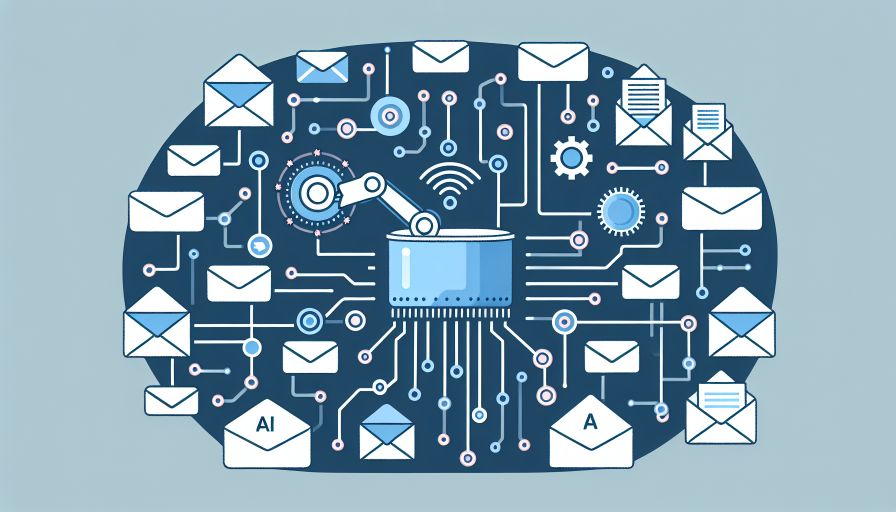
Effective email personalization relies heavily on advanced artificial intelligence (AI) technologies that analyze user data, predict preferences, and generate tailored content. These technologies form the backbone of dynamic and highly relevant email campaigns, enabling marketers to engage recipients with messages that resonate on a personal level.
By leveraging a combination of machine learning algorithms, natural language processing (NLP), and predictive analytics, email marketing platforms can automate the customization process, ensuring each recipient receives content optimized for their unique behaviors and preferences. Understanding these core AI technologies is essential for designing sophisticated email campaigns that drive engagement and conversion rates.
Machine Learning Algorithms and Models for Dynamic Content Customization
Machine learning (ML) algorithms process large volumes of historical user data to identify patterns and predict future behaviors. These models enable real-time adjustments to email content, such as recommending products or adjusting messaging based on individual interactions. Common ML models used include classification algorithms, clustering techniques, and regression models, each serving distinct purposes in personalization.
For example, classification models can categorize users based on their likelihood to open or click an email, while clustering algorithms segment audiences into distinct groups sharing similar traits. Regression models can estimate future purchase values, informing targeted promotional offers. These models continuously learn from new data, refining their predictions over time to enhance personalization accuracy.
Natural Language Processing (NLP) and Predictive Analytics in Email Personalization
Natural Language Processing (NLP) plays a pivotal role in understanding and generating human language within email campaigns. NLP techniques analyze customer interactions, review sentiments, and interpret preferences expressed in emails, social media, or chat interactions. This understanding allows for the creation of personalized content that aligns with individual tone, style, and preferences.
Predictive analytics complements NLP by forecasting future customer behaviors, such as likelihood to purchase or churn. It uses historical data and statistical models to anticipate needs and tailor email content accordingly. For instance, if predictive analytics indicates a customer is likely to respond to discount offers, the email content can be adjusted to emphasize promotions, increasing the chances of engagement.
AI Tools and Their Functions in Email Personalization
Below is a comprehensive table outlining various AI tools employed in email marketing, along with their specific functions in the personalization process:
| AI Tool | Function in Email Personalization |
|---|---|
| Customer Data Platforms (CDPs) | Aggregate and unify customer data from multiple sources, enabling a holistic view for personalized targeting and segmentation. |
| Recommendation Engines | Analyze user behavior and preferences to suggest relevant products or content, increasing click-through and conversion rates. |
| Natural Language Generation (NLG) | Automatically craft personalized email content, including subject lines and body text, based on user data and context. |
| Predictive Analytics Platforms | Forecast customer actions such as purchase likelihood or churn, allowing marketers to tailor messages proactively. |
| Behavioral Tracking Tools | Monitor user interactions across channels to refine personalization strategies and trigger timely, relevant emails. |
| Sentiment Analysis Tools | Interpret customer sentiment from emails, reviews, and social media, informing tone adjustment and content relevance. |
Data Collection and Segmentation Strategies
Effective data collection and audience segmentation are foundational components for crafting highly personalized email campaigns powered by AI. Gathering accurate, ethically sourced customer data enables marketers to understand their audience’s needs, preferences, and behaviors better, which, in turn, enhances engagement and conversion rates. Proper segmentation ensures that email content is relevant and tailored, increasing the likelihood of positive responses and fostering long-term customer loyalty.In the realm of AI-driven personalization, segmentation techniques utilize algorithms to analyze various data points, allowing for dynamic and precise audience grouping.
This process transforms raw data into actionable insights, enabling marketers to deliver targeted messages that resonate with specific customer segments. The combination of ethical data collection practices and sophisticated segmentation strategies empowers brands to create meaningful and impactful email interactions.
Methods for Gathering Customer Data Ethically
Maintaining customer trust is paramount when collecting data. Ethical data collection involves transparent practices, explicit customer consent, and adherence to privacy regulations such as GDPR and CCPA. Collecting data through direct interactions—such as sign-up forms, surveys, or account registrations—ensures customers are aware of what information is being gathered and how it will be used.Additionally, leveraging behavioral data from website interactions, purchase history, and engagement metrics provides valuable insights while respecting privacy boundaries when collected responsibly.
Using anonymized data and secure storage practices further safeguard customer information. Implementing mechanisms for customers to update preferences and opt-out options reinforces trust and compliance.
Procedures for Segmenting Email Audiences Using AI
AI-driven segmentation involves analyzing large datasets to identify natural groupings within an audience based on various parameters. Machine learning algorithms can process complex data points to detect patterns and predict segment membership with high accuracy. This process allows for the creation of dynamic segments that adapt over time according to changing customer behaviors and preferences.Segmentation procedures typically start with data preprocessing, where raw data is cleaned and structured.
Subsequently, unsupervised learning techniques such as clustering analyze the data to identify meaningful segments. These segments can be continuously updated with real-time data, ensuring marketing efforts remain relevant. AI tools can also automate the segmentation process, reducing manual effort and enabling marketers to focus on crafting personalized content.
Examples of Segmentation Criteria
Understanding which criteria to use for segmentation is crucial for effective personalization. Below are common examples organized into relevant categories:
- Demographic Data: Age, gender, income level, education, occupation, marital status.
- Geographic Location: Country, region, city, climate zone, urban versus rural areas.
- Behavioral Data: Purchase history, browsing patterns, email engagement (opens, clicks), cart abandonment rates.
- Preferences and Interests: Product categories viewed or purchased, content preferences, feedback and survey responses.
- Lifecycle Stage: New subscriber, active customer, lapsed user, VIP or loyal customer.
- Engagement Frequency: Frequency of website visits, email opens, or interactions over a specific period.
Effective segmentation combines multiple criteria to create nuanced groups, enabling highly personalized communication that aligns with individual customer profiles and behaviors.
Designing Personalized Email Content with AI

Creating compelling and tailored email content is essential for engaging recipients and driving conversions. AI technologies have revolutionized this process by enabling marketers to craft highly personalized subject lines and email copy at scale, ensuring messages resonate with individual preferences and behaviors.
Utilizing AI for content personalization involves generating dynamic, relevant messaging that adapts to each recipient’s interests, past interactions, and demographic data. Seamlessly integrating these AI-generated elements into email templates ensures consistency, visual appeal, and effectiveness while maintaining brand voice.
Generating Personalized Subject Lines and Email Copy
AI leverages natural language processing (NLP) and machine learning algorithms to create subject lines and email content that are tailored to individual recipients. These tools analyze historical engagement data, customer preferences, and browsing behaviors to craft compelling messages that increase open and click-through rates.
For instance, AI can generate subject lines that incorporate recipient names, recent purchase information, or specific product interests, such as “Alex, Your Exclusive Offer on Running Shoes Awaits.” Similarly, email copy can dynamically include personalized recommendations, tailored greetings, and contextually relevant offers, making each email uniquely suited to its recipient.
Integrating AI-Generated Content into Email Templates
Effective integration of AI-generated content into email templates requires a systematic approach to ensure messaging remains cohesive and visually appealing. This involves establishing modular templates with designated placeholders that can be automatically populated with AI-produced text, images, or offers.
Utilizing email marketing platforms that support dynamic content insertion allows marketers to automate this process efficiently. It is important to test the personalized elements across devices and email clients to verify consistency. Regularly updating AI models with recent data helps maintain relevance, while A/B testing can optimize the effectiveness of different personalized elements.
Adopting a structured workflow that includes content review, quality assurance, and performance tracking ensures that AI-enhanced personalization continues to meet marketing objectives and audience expectations.
Comparison of AI Content Generation Tools
Below is a comparative overview of leading AI content generation tools used in email personalization, highlighting their unique features and capabilities:
| Tool Name | Core Features | Strengths | Ideal Use Cases |
|---|---|---|---|
| Copy.ai | AI-generated copy, subject line suggestions, content templates | Ease of use, diverse templates, quick content creation | Small to medium-sized campaigns, quick iteration |
| Persado | Emotion-driven language optimization, AI-powered message testing | Enhances emotional engagement, high conversion focus | Large-scale campaigns requiring emotional resonance |
| Phrasee | Optimized subject lines, email copy, language style adaptation | Real-time A/B testing, brand tone consistency | Enterprise-level email marketing with brand consistency needs |
| Jasper (formerly Jarvis) | Comprehensive content generation, personalized messaging, storytelling | Versatile, supports long-form content, multilingual capabilities | Multi-channel campaigns requiring diverse content types |
Automating Email Campaigns with AI
Automation powered by AI revolutionizes the way businesses manage email marketing. It enables the delivery of highly personalized and timely messages to recipients without manual intervention, significantly improving engagement rates and conversion metrics. By integrating AI-driven workflows, marketers can ensure that each user receives relevant content precisely when it matters most, fostering stronger relationships and optimizing campaign efficiency.
Implementing AI automation involves creating structured workflows that trigger specific email sequences based on user behaviors, preferences, and predictive insights. These workflows are designed to adapt dynamically, ensuring that communication is not only timely but also contextually relevant. The result is a seamless, personalized customer journey that aligns with individual needs and expectations, all managed through intelligent automation systems.
Workflow Setup for Automated, Personalized Email Sequences
Establishing automated workflows begins with mapping out the customer journey, identifying key touchpoints where personalized communication can influence decision-making. Utilizing AI, marketers can design multi-stage sequences that respond to user actions or lifecycle stages, such as website visits, cart abandonment, or post-purchase follow-ups. These workflows are integrated into marketing automation platforms, where AI algorithms continuously analyze data to optimize timing, content, and frequency.
In practice, setting up these workflows involves configuring triggers, defining conditions, and crafting personalized content for each stage. AI models can also predict the next best action for each user, enabling the system to automatically adjust the sequence based on real-time insights. This adaptive approach ensures that each recipient receives individualized messaging that aligns with their current engagement level and preferences.
Methods for Triggering Emails Based on User Interactions and Predictive Insights
Effective email automation relies on precise triggers that activate sequences when specific conditions are met. AI enhances this process by analyzing vast amounts of user data to identify patterns and predict future behaviors, allowing for more sophisticated trigger mechanisms.
Common methods include:
- Behavioral triggers: Sending an email when a user visits a particular page, clicks a link, or spends a certain amount of time on a site.
- Event-based triggers: Initiating a message after events like cart abandonment, registration completion, or milestone achievements.
- Predictive triggers: Using AI models to forecast user actions, such as likelihood to purchase or churn, and triggering targeted emails accordingly.
- Engagement-based triggers: Sending re-engagement emails when a user’s activity drops below a predefined threshold, identified through AI-driven engagement scoring.
- Lifecycle stage triggers: Tailoring communication based on the customer lifecycle, such as onboarding sequences for new users or loyalty offers for long-term clients.
“AI-driven triggers allow for a proactive approach, ensuring timely, relevant communication that enhances user experience and increases the chance of conversion.”
By leveraging AI to analyze interaction data and predict future behaviors, marketers can automate complex Drip campaigns that nurture leads and retain customers more effectively. This intelligent automation reduces manual workload, minimizes delays, and ensures each email is personalized and contextually appropriate.
Testing and Optimizing AI-Personalized Campaigns

Effective email marketing relies heavily on continuous testing and refinement of personalized content. Implementing systematic procedures for evaluating AI-driven campaign elements ensures that messaging remains engaging, relevant, and impactful. Optimization not only enhances user experience but also maximizes return on investment by improving key performance indicators over time.
Through structured testing approaches and performance analysis, marketers can identify the most effective personalization strategies, adapt to changing audience preferences, and refine AI models for better accuracy and relevance. This iterative process is essential to maintain a competitive edge in dynamic digital landscapes.
A/B Testing for AI-Personalized Elements
Conducting A/B tests on various AI-personalized components allows marketers to compare different approaches and identify the most effective strategies. These tests help determine which content variations, subject lines, images, or call-to-action buttons resonate best with target audiences, based on real user behavior.
Key steps in A/B testing include:
- Defining clear hypotheses on which elements may influence user engagement.
- Creating two or more variations of the email with different personalized content generated by AI algorithms.
- Dividing the audience randomly into segments to receive each variation, ensuring statistically significant sample sizes.
- Measuring performance metrics such as open rates, click-through rates, and conversions for each variation.
- Analyzing results to identify which variation performs better and implementing the winning version.
Iterative testing, where the winning elements are further refined and tested again, enables continuous improvement of AI-personalized campaigns.
Analyzing Campaign Performance and Refining AI Models
Ongoing analysis of campaign performance metrics is critical for understanding the effectiveness of personalization strategies. By examining data related to user engagement, AI algorithms can be fine-tuned to better meet audience preferences and behaviors.
Approaches for analyzing performance include:
- Utilizing dashboards that track real-time metrics such as open rates, click-through rates, bounce rates, and unsubscribe rates.
- Segmenting data to understand how different audience groups respond to personalized content, enabling tailored refinements.
- Applying statistical techniques like multivariate analysis to identify which AI-generated elements have the most significant impact on performance.
- Incorporating machine learning feedback loops where model predictions are compared with actual outcomes, allowing continuous model training and adjustment.
- Testing new AI models against existing ones to evaluate improvements in personalization accuracy and engagement levels.
Regular refinement of AI models ensures that personalization remains relevant and effective, leveraging fresh data insights to adapt to evolving audience behaviors.
Key Metrics for Evaluating Personalization Success
Monitoring specific metrics provides a quantitative basis for assessing the effectiveness of personalized email campaigns. Here is a summary of essential indicators used to evaluate personalization success:
| Metric | Description | Significance |
|---|---|---|
| Open Rate | The percentage of recipients who open the email. | Indicates subject line effectiveness and overall appeal of the sender’s reputation. |
| Click-Through Rate (CTR) | The proportion of recipients who click on links within the email. | Measures the engagement level and relevance of the personalized content. |
| Conversion Rate | The percentage of recipients completing a desired action (purchase, sign-up, etc.). | Reflects the actual impact of personalization on achieving campaign goals. |
| Bounce Rate | The percentage of emails that could not be delivered. | Helps maintain list hygiene and ensure deliverability. |
| Unsubscribe Rate | The proportion of recipients opting out of future emails. | Serves as an indicator of content relevance and user satisfaction. |
| Engagement Duration | Time spent interacting with email content or website. | Provides insights into content effectiveness and user interest levels. |
Tracking these metrics allows marketers to identify areas for improvement, refine AI algorithms, and optimize overall campaign performance, ensuring personalized efforts consistently deliver value to both the audience and the organization.
Future Trends in AI-Personalized Email Campaigns
As artificial intelligence continues to evolve at a rapid pace, its influence on email marketing personalization is poised to become even more profound. Emerging AI technologies promise to revolutionize how marketers craft, target, and optimize their campaigns, leading to highly intuitive and dynamically tailored customer experiences. Staying ahead of these trends is essential for organizations aiming to maintain a competitive edge in the digital landscape.
Looking forward, the integration of advanced AI tools will enable marketers to deliver hyper-personalized content with minimal manual input, fostering deeper customer engagement and loyalty. These advancements will not only enhance the effectiveness of email campaigns but also redefine the boundaries of creative marketing strategies. Visualizing these future scenarios involves imagining intelligent systems that anticipate customer needs, adapt in real-time, and create seamless, personalized interactions across multiple channels.
Emerging AI Technologies and Their Impact on Email Marketing
Innovative AI technologies are set to transform email marketing through advanced capabilities such as predictive analytics, real-time personalization, and contextual understanding. Machine learning algorithms will become more sophisticated in analyzing vast amounts of data, enabling marketers to identify patterns and preferences with unprecedented accuracy. Natural Language Processing (NLP) will advance to generate highly relevant and conversational email copy that resonates with individual recipients, creating a more human-like experience.
Generative AI models, such as GPT-type systems, will facilitate the automatic creation of personalized email content that adapts to customer behavior and preferences on the fly. These models can craft tailored product recommendations, personalized greetings, and adaptive messaging that aligns with the recipient’s journey, thus increasing open rates and conversions.
Evolution of Personalization Strategies with AI Advancements
As AI capabilities grow more sophisticated, personalization strategies will shift from segmented bulk messaging to truly individual-centric approaches. Future strategies will leverage multi-dimensional customer profiles, encompassing behavioral, contextual, and emotional data, to deliver tailored messaging that feels intuitive and relevant. Dynamic content modules will adjust in real-time based on customer interactions, ensuring each email remains timely and engaging.
Personalization will transcend basic data points, integrating emotional intelligence and predictive insights to craft experiences that anticipate customer needs before they arise.
Marketers will increasingly adopt adaptive campaign frameworks powered by AI, allowing for continuous testing, learning, and optimization. This evolution will make email campaigns more agile, responsive, and aligned with customer preferences, ultimately strengthening brand loyalty and lifetime value.
Visualization of Future Email Personalization Scenarios
Envision a future where a customer receives an email that seamlessly integrates contextual data, such as current weather, location, and recent browsing behavior. For instance, a traveler planning a vacation might receive an email featuring personalized travel package suggestions, dynamically adjusted based on their destination preferences and seasonal trends. The email’s content, images, and offers adapt in real-time, creating an immersive, tailored experience that feels bespoke and highly relevant.
Another scenario includes AI-powered virtual assistants that preemptively identify customer needs through ongoing data analysis. They could trigger personalized email alerts about exclusive discounts, new product launches, or helpful tips, perfectly timed to match the recipient’s activity cycle. These intelligent systems will foster a sense of individualized attention, transforming email marketing from a broadcast medium into a personalized, conversational engagement platform.
In summary, future AI innovations will enable email campaigns to become more intuitive, context-aware, and responsive, creating a marketing landscape where every interaction feels uniquely tailored and deeply relevant to each customer.
Outcome Summary
In conclusion, mastering how to personalize email campaigns with AI offers a strategic advantage in today’s competitive marketing landscape. As AI technologies continue to evolve, so too will the opportunities for creating highly personalized, efficient, and ethical email marketing strategies. Embracing these innovations ensures that your campaigns remain relevant, impactful, and future-ready.