Discovering how to create subject lines using AI offers a transformative approach to enhancing email marketing strategies. This innovative method leverages advanced technology to generate compelling, personalized, and impactful subject lines that capture recipients’ attention from the very first glance.
This guide explores the principles behind crafting effective subject lines, demonstrates how AI can facilitate idea generation, and provides practical techniques for refining and optimizing these suggestions to maximize engagement and open rates. Whether you are a marketing professional or a business owner, understanding this process can significantly improve your outreach success.
Understanding the Importance of Subject Lines
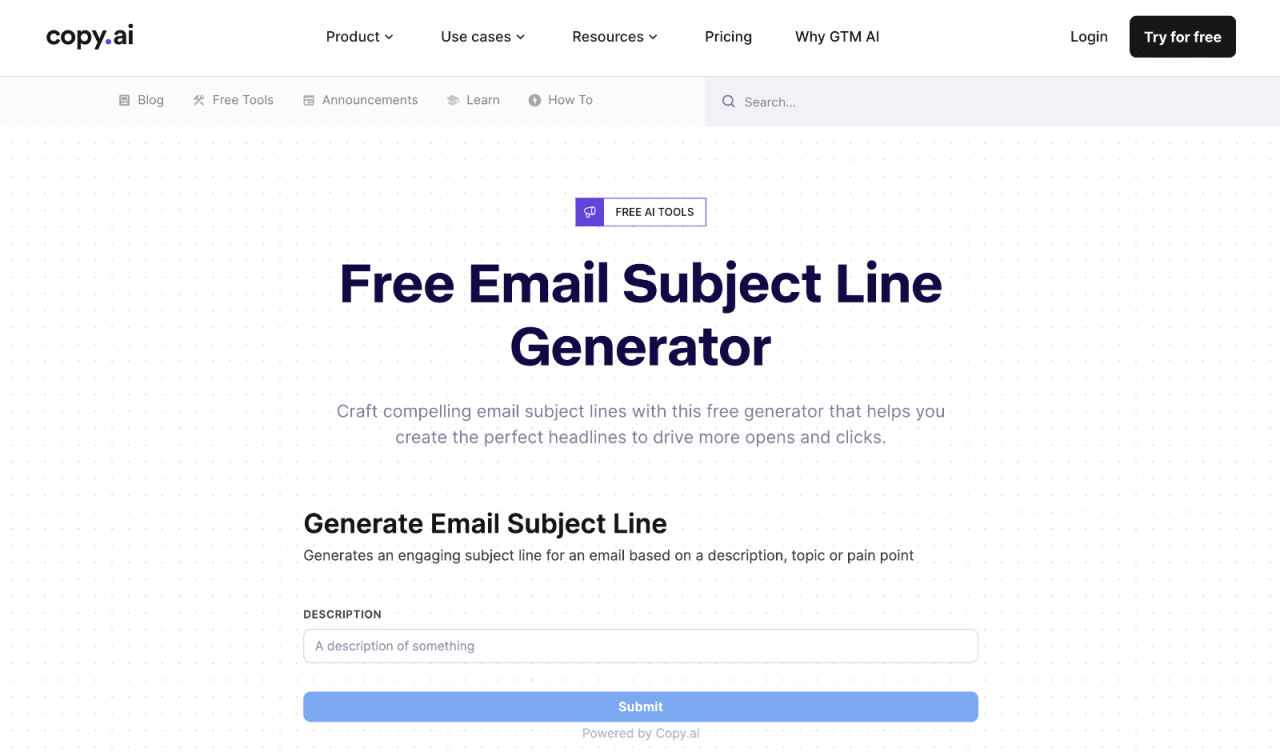
In the realm of email marketing and outreach campaigns, the subject line functions as the gateway to capturing the recipient’s attention. As the first element a recipient notices, a compelling subject line can significantly determine whether an email is opened or ignored. Its importance cannot be overstated, as it directly influences the success rate of communication efforts and overall engagement metrics.
Effective subject lines serve as a critical component for increasing open rates, fostering curiosity, and prompting recipients to take the desired action. They act as a concise summary, highlighting value or urgency that resonates with the target audience. In competitive inbox environments, well-crafted subject lines differentiate your message from countless others, making the difference between visibility and being overlooked.
Comparison of Successful versus Unsuccessful Subject Lines
Understanding what makes a subject line effective involves analyzing key differences with unsuccessful examples. Here, a comparison chart illustrates common traits and reasons behind their performance, emphasizing the importance of strategic word choice, personalization, and relevance.
| Successful Subject Lines | Unsuccessful Subject Lines | Reasons for Success or Failure |
|---|---|---|
| “Exclusive Offer Inside: Save 20% Today” | “Sale Now Live” | Successful: Creates a sense of exclusivity and urgency, enticing opening with clear value. |
| “Your Personal Invitation to Our Webinar” | “Join Our Webinar” | Successful: Personalization increases relevance, prompting curiosity. |
| “Last Chance to Claim Your Discount” | “Discount Available” | Successful: Instills urgency and specific call to action, motivating immediate response. |
| “Reminder: Meeting Scheduled for Tomorrow” | “Meeting Reminder” | Unsuccessful: Generic and lacks compelling reason to open beyond routine. |
| “Limited Time Offer — Act Fast” | “Special Promotion” | Successful: Combines immediacy with clear benefit, increasing open probability. |
| “Check Out Our New Collection” | “New Collection Available” | Unsuccessful: Lacks personalization and emotional appeal, making it less engaging. |
Effective subject lines incorporate personalization, urgency, clarity, and relevance, which collectively drive higher engagement and open rates.
Principles of Crafting Effective Subject Lines
Crafting compelling subject lines is a fundamental aspect of successful email marketing and communication strategies. An effective subject line captures the recipient’s attention, encourages opens, and ultimately influences engagement. To optimize your messages, it is essential to understand the key principles that underpin powerful subject line creation. These principles ensure that your messages stand out in crowded inboxes and resonate with your audience.
By adhering to core principles such as clarity, urgency, personalization, and relevance, you can significantly enhance the effectiveness of your subject lines. These elements work together to create messages that are not only eye-catching but also meaningful and action-inducing. Implementing best practices based on these principles allows for the development of subject lines that consistently perform well across different contexts and target audiences.
Key Elements of Effective Subject Lines
Understanding the essential components of impactful subject lines enables marketers and communicators to craft messages that resonate. Each element plays a vital role in influencing recipient behavior and perceptions:
- Clarity: Ensuring the message is straightforward and easily understood at a glance. Clear subject lines reduce ambiguity and set accurate expectations.
- Urgency: Creating a sense of immediacy that encourages recipients to open the email promptly, often through time-sensitive language or limited offers.
- Personalization: Tailoring the subject line to the recipient’s preferences, behaviors, or needs increases relevance and engagement.
- Relevance: Aligning the subject line with the recipient’s interests or current context to increase the likelihood of interaction.
Adhering to these elements, combined with best practices, can dramatically improve open rates and overall campaign success. The following table summarizes these principles with actionable insights:
| Element | Description | Example | Application |
|---|---|---|---|
| Clarity | Communicates the core message succinctly, avoiding ambiguity. | “Your 50% Discount Inside” | Use simple language that directly conveys the benefit or purpose of the email. |
| Urgency | Encourages immediate action through time-sensitive language. | “Last Chance to Save Today” | Incorporate phrases like “Limited Time,” “Today Only,” or “While Supplies Last.” |
| Personalization | Addresses individual preferences or behaviors to increase relevance. | “Emily, Your Exclusive Offer Awaits” | Use recipient data to customize subject lines dynamically based on past interactions. |
| Relevance | Aligns with recipient interests, needs, or current trends. | “Top Tech Gadgets for 2024” | Segment audiences based on demographics or behaviors to deliver pertinent messages. |
Examples of Emotionally Appealing and Straightforward Subject Lines
Effective subject lines often evoke emotions or deliver straightforward value propositions. Emotionally appealing lines create a connection, trigger curiosity, or inspire action, while straightforward lines clearly communicate benefits without ambiguity.
Emotionally Appealing: “Feel the Joy of Spring — Exclusive Deals Inside”
Straightforward: “Your Order Has Shipped — Track Now”
Both approaches serve different purposes but are effective in capturing attention. Emotional lines foster a feeling or personal connection, making recipients more likely to engage. Straightforward lines, on the other hand, emphasize clarity and immediate value, which can be particularly effective in transactional or informational emails. Combining both strategies, where appropriate, ensures your subject lines are both compelling and transparent, maximizing open rates and fostering positive recipient experiences.
Using AI to Generate Subject Line Ideas
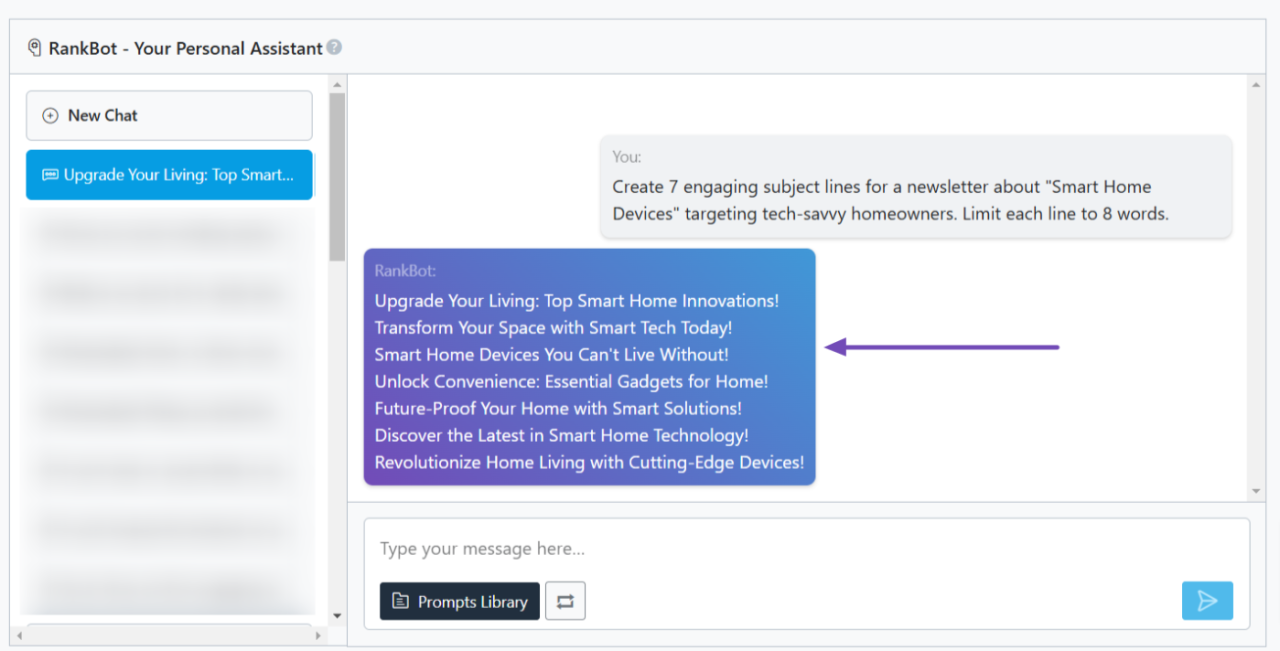
Leveraging AI tools to craft compelling and diverse subject line ideas can significantly enhance email marketing efforts. By inputting well-structured explanations and prompts into AI models, marketers can discover innovative options that resonate with their target audiences. This approach not only saves time but also fosters creativity, enabling the generation of a wide range of subject lines tailored to different campaign goals and audience segments.
AI models, especially those based on natural language processing, excel at transforming straightforward inputs into multiple creative outputs. Properly formatting and detailing your explanations ensures that the AI understands your intent and produces relevant, engaging, and varied suggestions. This process involves careful input design, clarity of instructions, and strategic prompt phrasing to maximize the diversity and quality of AI-generated ideas.
Input Formatting for Effective AI Creativity
To harness AI’s full potential in generating subject line ideas, it is essential to craft your input explanations thoughtfully. Clear, specific, and context-rich prompts guide the AI toward producing outputs aligned with your marketing objectives. Structuring your input with guiding instructions or examples helps the AI interpret your needs accurately and fosters the creation of a broad spectrum of options.
The following step-by-step guide illustrates how to format your explainings to optimize AI responses:
- Define the Campaign Goal: Clearly state the purpose of your email, such as promoting a sale, announcing a new product, or re-engaging inactive customers.
- Identify Your Audience: Specify the target demographic or psychographic characteristics to tailor the tone and appeals accordingly.
- Highlight Key Messages or Offers: Mention the main value propositions or incentives to be emphasized in the subject lines.
- Include Style Preferences: Indicate the tone (e.g., professional, friendly, urgent) or stylistic elements you prefer.
- Request Diversity: Ask the AI to generate multiple options covering various angles or appeals to increase variety.
When preparing your input explainings, consider using a structured format that delineates each aspect clearly, such as:
“Create 10 email subject lines for a promotional campaign aimed at young professionals, emphasizing a 20% discount on new productivity tools. Maintain a friendly and energetic tone. Ensure each subject line highlights affordability and innovation.”
Sample Table for AI-Generated Subject Line Ideas
Below is an example table demonstrating how different input explanations translate into AI responses, along with notes and tips for optimization:
| Input Explaining | AI Response | Notes | Optimization Tips |
|---|---|---|---|
| Create 5 engaging subject lines for a summer sale on outdoor furniture, targeting homeowners aged 30-50. Use a casual and inviting tone, emphasizing discounts and durability. |
|
Clear audience and tone help generate relevant options. Adjust percentages for different discount levels or emphasize eco-friendly materials for variation. | Specify the tone and specific features to tailor responses further. For more diversity, ask for different emotional appeals (e.g., urgency, exclusivity). |
| Generate 8 subject lines for a webinar on digital marketing trends, aimed at small business owners. Focus on highlighting latest insights and practical tips. Use a professional yet approachable tone. |
|
Focusing on insights and practical tips yields professional and actionable subject lines. Incorporate urgency or exclusivity for higher engagement. | Use specific s like “free,” “exclusive,” or “latest” to enhance appeal. Feel free to specify preferred tone variations for different segments. |
By following these guidelines, marketers can systematically develop diverse and compelling subject line ideas using AI, effectively aligning outputs with their campaign goals and audience preferences. Continual refinement of input explainings and prompt structures will further enhance creativity and relevance in AI-generated suggestions.
Techniques for Fine-tuning AI-Generated Subject Lines
Creating compelling subject lines with AI provides a strong foundation for successful email campaigns. However, the initial AI suggestions often benefit from strategic refinement to align perfectly with campaign objectives and target audience preferences. Fine-tuning these lines ensures higher open rates, better engagement, and clearer messaging. This section explores effective evaluation methods, editing procedures, and template strategies to optimize AI-generated subject lines for maximum impact.Evaluating AI-generated subject lines involves assessing their relevance, emotional appeal, clarity, and alignment with campaign goals.
It is crucial to consider the target audience’s preferences, behaviors, and language style. Comparing multiple options side by side allows marketers to identify which lines resonate most or evoke the desired response. Additionally, analyzing past campaign data can help determine which types of subject lines have historically performed better, informing the selection process for current AI suggestions.Once the best options are identified, editing these AI-generated lines is essential for enhancing their effectiveness.
This process includes refining language for clarity, adjusting tone to match brand voice, and ensuring the message conveys urgency or value without seeming overly promotional. Subtle modifications can significantly boost open rates by making subject lines more relatable and compelling. It is also beneficial to test different variations—A/B testing—on smaller segments before full deployment to see which versions perform best.
Make this more [adjective], add a sense of [urgency/emotion], and target [audience].
This template provides a practical approach to refining AI suggestions, encouraging marketers to personalize and enhance initial ideas systematically. By iterating on these templates, users can craft subject lines that are not only optimized for technical metrics but also emotionally engaging and highly targeted.
Examples of Successful Subject Line Strategies Using AI
.webp "Free AI-Powered Email Subject Line Generator")
Implementing effective subject line strategies is essential for increasing email open rates and engaging recipients. Leveraging AI has opened new avenues for creating compelling, targeted, and innovative subject lines that resonate with audiences. Below, we explore various approaches enabled by AI, supported by concrete examples, to demonstrate how innovative strategies can enhance email marketing campaigns.
AI-powered tools allow marketers to experiment with diverse techniques, from injecting humor to sparking curiosity or personalizing messages based on recipient data. These approaches can be systematically tested and refined, ensuring the most effective strategies are employed consistently. The following sections provide categorized examples of successful subject line strategies, illustrating how AI facilitates their development and deployment.
Humor and Playfulness
Humorous subject lines can significantly increase open rates by capturing attention and creating a sense of relatability. AI can analyze trending topics, popular phrases, or cultural references to generate playful subject lines that align with brand voice and audience preferences.
- Example: “Our deals are so good, even your inbox will smile 😊”
- Explanation: This subject line uses humor and emoticons to create a friendly tone, appealing to recipients’ sense of fun.
- Example: “Warning: These offers may cause uncontrollable excitement”
- Explanation: A playful warning that sparks curiosity and light-heartedness, encouraging opens.
Creating Curiosity
Stimulating curiosity is a powerful strategy that entices recipients to open emails to uncover the message. AI can identify trending topics, industry-specific pain points, or unique value propositions that pique interest.
- Example: “You won’t believe what we have in store for you”
- Explanation: The phrase arouses curiosity without revealing specifics, prompting recipients to open for answers.
- Example: “Exclusive insights just for you—click to discover”
- Explanation: Personalization combined with exclusivity drives engagement and intrigue.
Personalization and Relevance
Personalized subject lines address recipients directly, referencing their preferences, past behaviors, or demographics. AI’s data analysis capabilities enable dynamic personalization at scale, resulting in more relevant and engaging subject lines.
- Example: “Jane, your favorite summer deals are here”
- Explanation: Directly addresses the recipient by name and references personal interests inferred from data.
- Example: “Based on your recent browsing, these offers suit you perfectly”
- Explanation: Utilizes browsing history to tailor the message, increasing the likelihood of engagement.
Comparison: Traditional Methods vs. AI-Assisted Creation
Traditional methods often rely on intuition or generic templates, which can limit personalization and creativity. AI-assisted creation leverages data-driven insights, machine learning algorithms, and natural language processing to generate innovative, targeted, and effective subject lines at scale.
| Traditional Subject Line Creation | AI-Assisted Subject Line Creation |
|---|---|
| Relies on marketer’s experience and intuition | Uses algorithms to analyze past performance data and audience preferences |
| Generates generic or repetitive phrases | Creates diverse, innovative options with contextual relevance |
| Limited personalization | Personalizes dynamically based on user data |
| Time-consuming manual testing | Automates testing and optimization processes |
| Less scalable for large campaigns | Enables rapid, scalable creation of customized subject lines |
Ethical and Best Practice Considerations
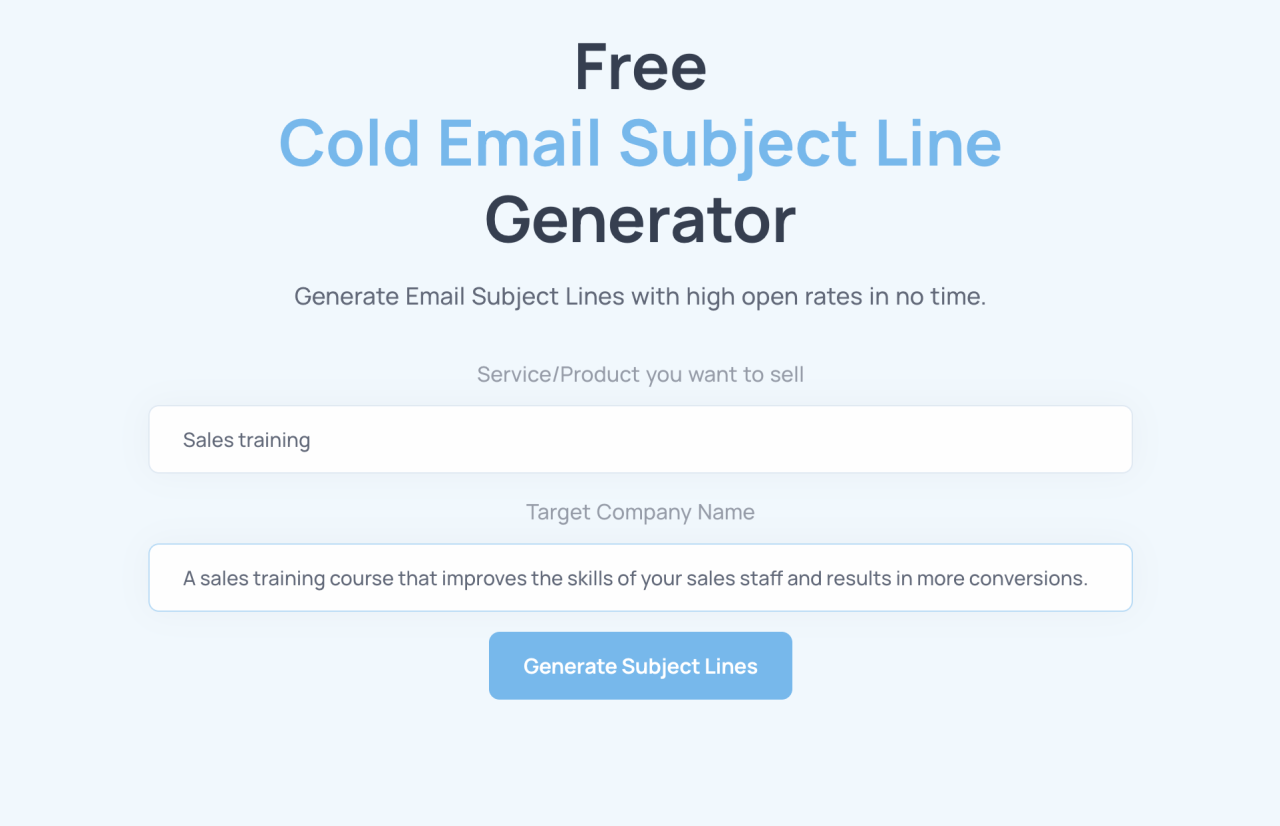
As the use of AI to generate email subject lines becomes increasingly prevalent, it is vital to uphold ethical standards and adhere to best practices to maintain trust, authenticity, and brand integrity. Ensuring that AI-driven content respects these principles helps foster genuine engagement with your audience while avoiding potential pitfalls associated with manipulative tactics.
Maintaining transparency and aligning AI-generated subject lines with your brand voice are essential components of responsible marketing. Establishing clear guidelines for testing and validation ensures that the effectiveness of these subject lines is measured accurately without compromising ethical standards or misleading recipients.
Authenticity and Avoiding Manipulative Language
Authenticity in AI-generated subject lines involves ensuring that the messaging accurately reflects the content of the email and the brand’s values. Avoiding manipulative language, such as exaggerated claims, false urgency, or emotional manipulation, helps build trust and long-term relationships with your audience. AI tools can sometimes suggest attention-grabbing phrases that, while effective in increasing open rates, may cross ethical boundaries if they mislead recipients.
“Transparency and honesty in subject lines foster trust, reducing the risk of damaging your brand reputation.”
Implementing safeguards, such as reviewing AI suggestions before deployment, can prevent the use of deceptive language. Regular training for marketing teams on ethical standards and audience respect ensures that AI tools serve as a supplement rather than a substitute for genuine communication.
Procedures for Ensuring Transparency and Maintaining Brand Voice
Clear procedures should be established to guarantee that AI-generated content remains transparent and consistent with your brand identity. This includes defining tone, style, and messaging guidelines that AI systems are trained to follow. Consistent oversight by human editors ensures that the subject lines align with brand values and do not inadvertently introduce inconsistencies or misrepresentations.
Transparency can be further reinforced by subtly indicating to recipients that the communication is powered by AI or includes AI-generated content, which can enhance trust. Additionally, maintaining a shared repository of approved language and tone guidelines aids in promoting uniformity across campaigns.
| Best Practices | Implementation Strategies |
|---|---|
| Brand Voice Consistency | Develop comprehensive style guides and regularly review AI outputs to ensure alignment with brand messaging. |
| Transparency with Recipients | Use clear language indicating the origin of the message if appropriate, and avoid ambiguous or misleading phrases. |
| Regular Human Oversight | Establish review processes where marketing professionals evaluate AI-generated subject lines before deployment to ensure ethical standards are met. |
Guidelines for Testing and Validating Subject Line Effectiveness Responsibly
Rigorous testing and validation are crucial to assess the impact of AI-generated subject lines while respecting ethical boundaries. This involves designing controlled experiments, such as A/B testing, to compare different subject lines’ performance without overpromising or exaggerating benefits.
It is vital to ensure that testing procedures do not create false expectations or manipulate recipient behavior unfairly. Transparent reporting of results and continuous monitoring for unintended negative effects, such as increased spam reports or unsubscribe rates, help maintain ethical standards.
“Responsible validation involves ongoing assessment and willingness to adjust strategies based on real-world feedback, safeguarding both brand integrity and recipient trust.”
Additionally, organizations should adhere to privacy regulations, such as GDPR or CAN-SPAM, when collecting data during testing phases. Clear communication about data use and obtaining necessary consents reinforce a commitment to ethical practices.
Wrap-Up
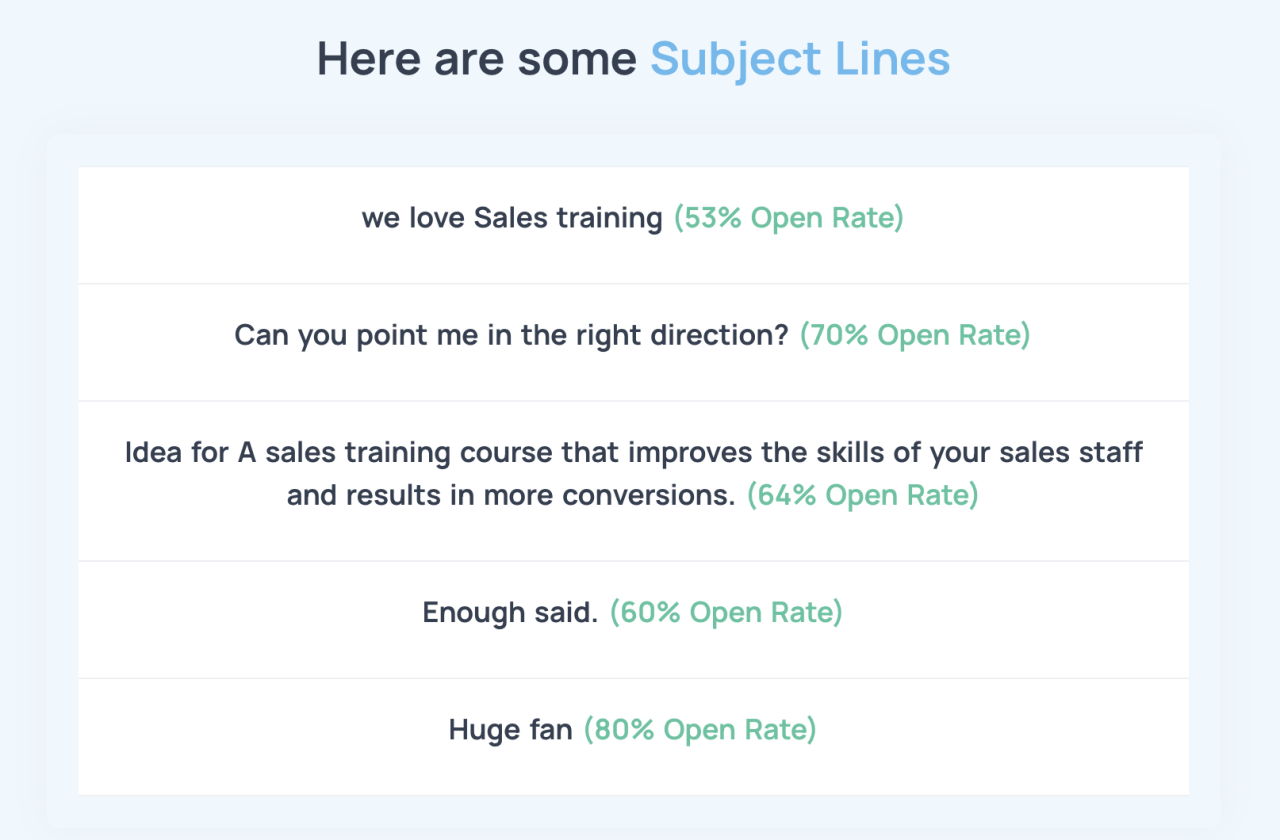
In summary, learning how to create subject lines using AI empowers you to produce more engaging and targeted email campaigns while maintaining authenticity and ethical standards. By applying the strategies discussed, you can unlock new levels of efficiency and effectiveness in your communication efforts, ultimately driving better engagement and results.