Discover how to create video storyboards with AI, a powerful approach that streamlines the planning process and enhances visual storytelling. Leveraging AI tools allows creators and teams to generate detailed, visually appealing storyboards efficiently, saving time and fostering creativity.
This guide explores the selection of suitable AI-driven storyboard software, planning your narrative effectively, customizing AI-generated visuals, and best practices to produce compelling storyboards that elevate your video projects.
Introduction to Video Storyboarding with AI
Video storyboarding serves as a crucial foundational step in the film and video production process. It involves creating visual representations of scenes to Artikel the narrative flow, camera angles, and key actions, enabling creators and teams to visualize the final product before filming begins. Effective storyboards streamline production workflows, facilitate clear communication among team members, and help identify potential issues early in the development phase.
With the advent of artificial intelligence, the process of designing storyboards has become more efficient and innovative. AI tools can automate aspects of drawing, scene composition, and even suggest visual elements based on script inputs. This integration accelerates the creative process, reduces manual effort, and enhances the overall quality of the storyboards by introducing more visually compelling and coherent layouts.
Enhancing Creativity and Efficiency with AI in Storyboarding
AI-powered storyboarding tools are transforming traditional methods by providing a range of functionalities that support creators in visualizing their ideas swiftly and accurately. These tools utilize machine learning algorithms to generate scene sketches, suggest camera angles, and even animate storyboard sequences, offering a dynamic preview of the final video. Such capabilities allow creators to experiment with different visual styles and story structures without the time-consuming process of manual drawing.
Integrating AI into storyboard development offers numerous benefits. It significantly shortens the planning phase, allowing production teams to move from concept to filming more rapidly. Additionally, AI enhances collaboration by providing clear and shareable visual plans that can be easily modified and refined. For teams working remotely or across different locations, AI-generated storyboards ensure consistency and streamline communication, ultimately leading to more cohesive and engaging video productions.
Selecting AI Tools for Video Storyboarding
Choosing the right AI-driven storyboard software is a crucial step in streamlining the video creation process. The ideal tool should seamlessly integrate AI capabilities to enhance creativity, improve efficiency, and produce high-quality visual plans. When evaluating different platforms, it is essential to consider factors such as usability, feature set, output quality, and compatibility with existing workflows. A well-selected AI storyboard tool can significantly reduce manual effort, allowing creators to focus more on storytelling and production details.
With numerous options available in the market, understanding the strengths and limitations of each platform helps in making informed decisions. Popular AI storyboard generators incorporate advanced features like automated scene layout, transition suggestions, and visual motif recommendations. These functionalities not only expedite the planning stage but also introduce innovative visual elements that might be overlooked in manual storyboarding. As AI continues to evolve, these tools are increasingly offering highly intuitive interfaces, customizable templates, and integration with other creative software, making them indispensable for modern video production teams.
Criteria for Choosing Suitable AI-Driven Storyboard Software and Platforms
Effective selection criteria ensure that the chosen AI tool aligns with project needs, team skills, and budget considerations. Key factors include:
- Ease of Use: User-friendly interfaces and clear workflows minimize learning curves and facilitate quick adoption by team members with varied technical skills.
- Feature Set: Advanced AI functionalities such as automatic scene composition, dynamic visual suggestions, and transition automation enhance creativity and efficiency.
- Output Quality: The ability to generate detailed, visually appealing storyboards that can be easily exported or integrated into other production tools.
- Customization Options: Flexibility to adapt templates, styles, and scene parameters to match specific project requirements.
- Compatibility: Integration with popular video editing, animation, and production software to streamline the workflow.
- Cost and Licensing: Affordability, licensing terms, and scalability options suitable for individual creators or large teams.
Comparison of Popular AI Storyboard Generators
Evaluating leading AI storyboard tools involves analyzing their core features, user interface, and output capabilities. Below is an overview of some prominent platforms:
| Platform | Features | Usability | Output Quality | Notable Advantages |
|---|---|---|---|---|
| StoryboardAI | Scene auto-layout, transition suggestions, visual style presets | Intuitive drag-and-drop interface suitable for beginners and professionals | High-resolution storyboards with export options in multiple formats | Robust AI algorithms that adapt to various genres and styles |
| PlotStudio | AI-driven scene sequencing, character visualizations, automated annotations | Moderate learning curve but highly customizable | Detailed, storyboard-quality visuals optimized for detailed planning | Strong focus on character-driven stories with analytical tools |
| SyntheticStoryboard | Scene generation from text prompts, style transfer, transition smoothing | Simple interface with guided tutorials | Generates stylized and contextually relevant visuals quickly | Excellent for rapid prototyping and early-stage concept visualization |
While each platform offers unique strengths, the choice depends on specific project demands and team preferences. For instance, StoryboardAI excels in automating scene layouts, making it suitable for fast-paced production environments. PlotStudio provides detailed character visualization, ideal for narrative-driven projects. SyntheticStoryboard is advantageous for quick concept sketches and style experimentation. Understanding these distinctions helps in selecting the most appropriate tool for your video storytelling needs.
The Role of AI in Automating Layout, Scene Transitions, and Visual Suggestions
AI’s transformative impact on storyboarding lies in its ability to automate complex visual planning tasks. Automated layout features analyze script or textual inputs to generate logical scene arrangements, reducing manual effort. For example, an AI system can interpret a screenplay’s structure to suggest scene progression, camera angles, and shot compositions, ensuring narrative coherence.
Scene transition automation leverages AI to recommend or generate smooth visual flows between scenes, enhancing storytelling fluidity. This includes suggestions for fade-ins, cuts, or creative transitions like wipes or motion effects, tailored to the mood and pacing of the story. AI can also analyze visual motifs and suggest consistent stylistic elements across scenes, maintaining visual harmony throughout the storyboard.
Visual suggestions extend to color palettes, character positions, and environmental details based on thematic cues or genre conventions. By leveraging machine learning models trained on vast datasets of professional storyboards and films, AI tools can propose innovative ideas that inspire creators while maintaining coherence with the narrative context. This integration of AI-driven automation accelerates the storyboarding process, allowing creators to focus on refining storytelling nuances rather than technical arrangements.
Planning Your Video Narrative for AI-Based Storyboarding

Effective planning of your video narrative is a vital step that significantly influences the success of AI-generated storyboards. This phase involves detailed preparation of your script, defining key scenes, characters, actions, and establishing the overall visual tone. A well-structured narrative ensures that AI tools can accurately translate your creative vision into visual representations, streamlining the entire storyboarding process.
By carefully outlining your video concept before engaging with AI, you set clear parameters for visual style, mood, and tone, which helps in generating cohesive and compelling storyboards. This planning stage acts as a blueprint, guiding AI tools to produce visuals that align with your narrative objectives and artistic preferences, ultimately saving time and enhancing consistency throughout your project.
Outlining the Video Script or Concept
Creating a comprehensive Artikel of your video script or concept lays the foundation for effective AI storyboarding. This step involves breaking down your narrative into manageable components that detail the storyline, key messages, and emotional beats. An organized script helps in identifying the primary messages you wish to communicate and ensures that each scene contributes meaningfully to the overall flow.
Start by drafting a high-level summary of your video, then expand into detailed scenes, specifying dialogue, narration, or voice-over text. Use bullet points or scene breakdowns to clarify transitions and pacing. Incorporate notes on specific visual elements or stylistic choices for each segment. This detailed Artikel acts as an input template for AI tools, facilitating accurate visual translation.
Organizing Key Scenes, Characters, and Actions
Structuring your core scenes, characters, and actions into a coherent plan is essential for efficient AI storyboarding. This organization enables precise input for AI algorithms, ensuring the generated visuals accurately depict your narrative. Clearly defining each scene’s purpose, the characters involved, and their actions helps in maintaining narrative consistency and clarity.
Use visual aids such as story matrices or scene maps to illustrate the sequence of events. Include details like character positions, movements, and interactions to guide AI in creating dynamic and realistic visuals. For example, if your story involves a character delivering a presentation in a modern office, specify the setting, the character’s attire, facial expressions, gestures, and the surrounding environment to achieve authenticity.
Defining Visual Style, Mood, and Tone
Establishing the visual style, mood, and tone at this stage is crucial for ensuring that AI-generated storyboards align with your creative intentions. These elements shape the aesthetic and emotional impact of your video, influencing color schemes, lighting, and overall atmosphere. Clear definitions help AI tools incorporate your artistic preferences effectively.
Develop a style guide that describes the desired look—whether it is minimalist, vibrant, realistic, or stylized. Specify the mood, such as cheerful, somber, dramatic, or professional, which will influence lighting, color palettes, and camera angles. Providing references or examples of visual styles can help AI algorithms better understand your vision. For instance, if aiming for a warm, inviting tone, specify the use of warm color tones, soft lighting, and relaxed character expressions to evoke that feeling in the storyboards.
Creating AI-Generated Video Storyboards
Transforming your storyboard concept into a visual Artikel using AI tools streamlines the pre-production process and enhances creative flexibility. By inputting detailed scripts, descriptions, or s, creators can generate comprehensive visual sequences that serve as foundational guides for video production. Customizing scene elements ensures that the generated storyboards align closely with the envisioned narrative, while refining these outputs guarantees clarity and coherence for seamless storytelling.
Effective use of AI-driven storyboarding involves understanding how to accurately input content, tailor visual details, and interpret AI outputs critically. This process not only speeds up the storyboard creation but also provides opportunities for iterative enhancement, resulting in more professional and engaging video narratives.
Inputting Scripts, Descriptions, and s into AI Tools
Accurate and detailed input is essential to generate relevant and high-quality storyboards. Most AI storyboarding tools accept text prompts, which can include scripts, scene descriptions, or s that specify the mood, setting, characters, and key actions. When preparing input, consider breaking down your narrative into discrete scenes, each with a clear, concise description. This granularity helps the AI understand the context and produce more precise visuals.
For example, inputting a prompt such as “A bustling city street at sunset with diverse pedestrians and vintage cars” will guide the AI to generate scenes that match this description. Incorporating specific s like “melancholic,” “futuristic,” or “romantic” further fine-tunes the style and tone of the output. Some tools also allow uploading scripts or story summaries to enhance contextual understanding, leading to more accurate visual representations.
Customizing Scene Settings, Character Appearances, and Visual Elements
Once initial storyboards are generated, customization options enable creators to refine scenes for accuracy and aesthetic preference. These settings typically include adjusting background environments, character features, and visual styles to better match the envisioned narrative. Customization ensures that characters reflect desired appearances, outfits, and expressions, while background scenery can be modified for time of day, architecture, or atmospheric effects.
Through intuitive interfaces, users can tweak specific parameters such as character pose, clothing, facial expressions, and camera angles. For example, if a character appears too old or young, adjustments can be made to their age or style to better fit the story. Similarly, visual elements like lighting, color palette, and overlay objects can be altered to evoke different moods or emphasize particular scenes.
These modifications contribute to creating a cohesive and visually compelling storyboard, serving as an accurate blueprint for the production team.
Interpreting and Refining AI-Generated Storyboards for Clarity and Coherence
AI-generated storyboards often act as initial drafts that require critical review and refinement. An essential step is to evaluate each scene for clarity, ensuring that the visual sequence effectively communicates the intended narrative flow. Pay close attention to inconsistencies, ambiguous visuals, or elements that do not align with the script.
Refinement involves editing scene compositions, adjusting character actions, or rephrasing input prompts to improve accuracy. It can also include adding annotations or descriptive notes directly onto the storyboard frames, providing further context for the production team. Iterative review and modification ensure that the storyboard conveys a clear, coherent story, reducing misunderstandings during filming or animation. Utilizing tools that support easy editing or commenting facilitates this process, leading to a polished and effective visual plan.
Enhancing Storyboards with AI-Driven Visual Elements

Creating a compelling and visually engaging storyboard is essential to effective video planning. Leveraging AI-driven visual tools enables creators to add depth, clarity, and professional polish to their storyboards. These enhancements facilitate better communication of ideas, streamline revisions, and ensure the visual elements align with the overall narrative and branding objectives.Integrating AI-powered features into storyboarding workflows allows for the seamless addition of annotations, timing cues, and scene details.
Moreover, it opens opportunities to incorporate AI-suggested images or scene compositions, elevating the storyboard’s visual storytelling quality. Customizing these AI-generated elements ensures they resonate with specific brand styles or project themes, making the storyboard both functional and visually consistent.
Additions of Annotations, Notes, and Timing Cues Using AI Features
Effective storyboarding requires clear annotations that guide the production team through each scene. AI tools facilitate the rapid addition of detailed notes, timing cues, and scene descriptions directly within the storyboard interface. These features help maintain synchronization between visual elements and audio, camera movements, or special effects.AI-enhanced annotations can be automatically generated based on scene content or script analysis. For example, an AI system might suggest notes on camera angles, lighting adjustments, or key actions based on the storyboard’s visual context.
Timing cues, such as scene durations or transition points, can also be predicted by AI, allowing creators to plan more accurate schedules. This automation reduces manual effort and improves overall accuracy, especially for complex projects with numerous scenes.
Integrating AI-Suggested Images or Scene Compositions to Improve Visual Storytelling
Visual storytelling is significantly strengthened by incorporating AI-suggested images and scene compositions. Many AI image generation tools can produce high-quality visuals that match the narrative tone, mood, or specific scene requirements. These suggestions serve as rapid visual references or prototypes, enabling creators to visualize ideas more concretely before detailed animation or filming.By inputting descriptive prompts into AI image generators, storyboard artists can obtain various scene compositions, character poses, or background settings.
These AI-generated visuals can be directly integrated into the storyboard, providing a richer context for planning. For instance, an AI might generate multiple versions of a cityscape at sunset, allowing the team to choose the one best fitting the story’s emotional tone.
Customizing AI-Generated Visual Elements to Match Brand or Project Requirements
Adapting AI-produced visuals to align with specific brand styles or project themes ensures consistency and reinforces brand identity. Customization strategies include applying predefined color palettes, typography, logo placements, and stylistic filters to AI-generated images. Many AI tools support style transfer techniques, allowing the visual elements to adopt a particular aesthetic or branding motif.Additionally, creators can fine-tune AI suggestions by providing reference images or style descriptions, guiding the AI to produce visuals that match the desired look.
For example, a corporate video storyboard might require a clean, modern aesthetic—AI can generate images that adhere to minimalistic design principles and specific color schemes. This flexibility ensures that AI enhancements serve the overall branding goals while saving time and effort in manual adjustments.
Exporting and Organizing Video Storyboards Created with AI
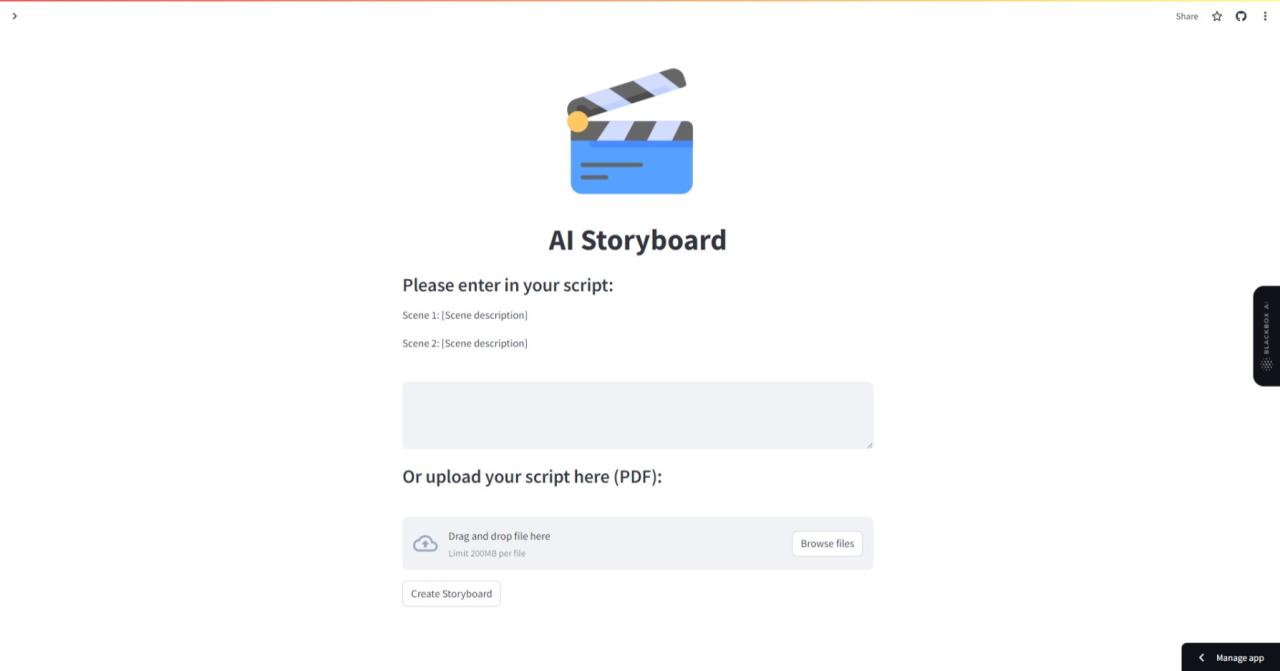
Creating and refining video storyboards with AI tools is a significant step toward efficient video production. Once your storyboards are generated, the next critical phase involves exporting these assets in suitable formats and organizing them systematically. Proper organization enhances collaborative workflows, simplifies revisions, and ensures seamless transition to the filming or animation stages. Understanding the available export options and best practices for organization is essential for maximizing the utility of AI-generated storyboards.Exporting storyboards effectively ensures that all stakeholders can access, review, and utilize the visual plans effectively.
Common export formats include static images, PDFs, and editable files compatible with design or editing software. These options cater to different needs—images are ideal for quick previews, PDFs serve well for comprehensive review, and editable formats like Adobe Photoshop or Illustrator files allow further customization or annotations. When choosing export formats, consider the resolution, file size, and compatibility with your existing workflow to ensure clarity and ease of use.Organizing multiple scenes or sequences benefits greatly from structured visual layouts.
Using an HTML table with up to four columns enables a clear, concise overview of various storyboard components, facilitating quick navigation and comparison of scenes. Tables should include headers such as Scene Number, Description, Visual Elements, and Status, providing a comprehensive snapshot that improves collaboration and revision tracking. This approach allows teams to visualize the entire project structure at a glance, making it easier to identify inconsistencies or areas for refinement.Effective version control and collaborative editing practices are vital for managing AI-generated storyboards.
Utilizing cloud-based platforms or version control systems, such as Git or collaborative tools like Google Drive, ensures that all team members access the latest versions. Maintaining clear version histories with detailed change logs helps prevent confusion and data loss. When editing collaboratively, establishing standardized naming conventions and permissions ensures smooth workflows and accountability, ultimately leading to more polished and cohesive storyboards.
Export Formats and Options for Video Storyboards
The diversity of export formats accommodates various project needs and workflows. Static image exports, such as PNG or JPEG, are suitable for quick sharing and visual reference. PDF exports are preferred for presenting a comprehensive, printable overview that preserves layout fidelity. Editable formats like PSD, AI, or SVG are essential when further modifications or integration with other design tools are necessary.
Many AI storyboarding tools also offer options for exporting animated or interactive storyboards, which can be beneficial for testing flow or presenting to clients.
Organizing Multiple Scenes or Sequences Using Tables
A well-structured organization system streamlines project management and review processes. An HTML table with four columns—such as Scene Number, Description, Visual Preview, and Status—provides a versatile template for managing storyboards. For larger projects, adding columns like Timeline, Audio Notes, or Assigned Team Member can further enhance clarity. Visual previews within table cells, showing thumbnail images of each scene, enable quick identification and assessment of each sequence.
Consistent organization minimizes errors and improves team coordination throughout the production lifecycle.
Tips for Version Control and Collaborative Editing
Implementing robust version control practices is fundamental when working with AI-generated storyboards. Employ cloud storage solutions that support version histories and easy comparison, such as Google Drive or Dropbox. Clearly label each file with version numbers and dates to facilitate tracking progress and rollbacks if necessary. When multiple team members are involved, establish guidelines for editing permissions and review cycles to maintain consistency.
Using collaborative platforms that allow real-time editing and commenting enhances communication, accelerates revisions, and ensures that all stakeholders are aligned on project updates and changes.
Practical Tips and Best Practices

Creating effective video storyboards with AI involves not only leveraging technology but also applying strategic practices to maximize their potential. These tips serve as a guide to refine your process, address limitations, and troubleshoot common challenges, ensuring your storyboards communicate your vision with clarity and impact.When working with AI-generated storyboards, it is essential to view the process as iterative. AI tools provide a strong foundation, but refining and customizing the outputs through manual adjustments enhances storytelling quality.
Continuous review and modification allow you to align the visuals more closely with your narrative intent, address inconsistencies, and improve overall coherence.
Iterating and Refining AI-Generated Storyboards for Optimal Storytelling
AI-generated storyboards often serve as initial drafts that require thoughtful refinement. To optimize storytelling:
- Review each scene critically, assessing whether the visual elements effectively convey the intended mood, tone, and sequence.
- Adjust composition, pacing, and dialogue annotations manually to ensure clarity and emotional resonance.
- Use feedback from team members or test audiences to identify areas for improvement, such as confusing transitions or unclear visual cues.
- Iterate multiple times, progressively enhancing the storyboard until it accurately reflects the desired narrative flow and visual style.
Incorporating manual edits in conjunction with AI suggestions creates a balanced and compelling storyboard that resonates with viewers.
Limitations of AI Tools and Complementary Manual Adjustments
While AI tools significantly streamline storyboard creation, they come with limitations that require human oversight:
- AI may produce generic or repetitive visuals that lack specific stylistic nuances or emotional depth.
- Contextual understanding is often limited; AI might misinterpret complex scenes or abstract concepts.
- Visual consistency across scenes can be challenging, especially when multiple AI outputs are combined.
To overcome these challenges:
Combine AI-generated visuals with manual editing in graphic design or video editing software to add unique stylistic touches, correct inconsistencies, or incorporate detailed annotations.
This hybrid approach ensures that the storyboard maintains a personal and professional touch, capturing the subtleties that AI might overlook.
Troubleshooting Common Issues During AI Storyboard Creation
Encountering difficulties during AI storyboard development is typical; understanding solutions enhances workflow efficiency:
- Unclear or confusing visuals: Refine prompts to specify more detailed descriptions, or manually adjust visuals that do not match your expectations.
- Repetitive or similar images: Vary input parameters, modify prompts, or introduce randomness in AI settings to generate diverse options.
- Slow processing or technical errors: Ensure stable internet connections, update software, and clear cache or temporary files regularly.
- Inconsistent style or quality across scenes: Use style transfer or manual editing to harmonize visuals, maintaining a cohesive look throughout the storyboard.
Proactively documenting common issues and their solutions can save time and improve the overall quality of your AI-assisted storyboard creation process.
Ultimate Conclusion

In summary, mastering how to create video storyboards with AI offers significant advantages in creativity, efficiency, and collaboration. By leveraging the right tools and strategies, producers can craft clear, engaging visual plans that bring their visions to life seamlessly. Embracing AI in storyboarding is a valuable step toward innovative video production.