Learning how to research niche s with AI opens the door to identifying unique market segments that can significantly enhance your content and marketing strategies. By leveraging advanced AI tools, you can uncover underserved markets, emerging trends, and specific opportunities that might otherwise go unnoticed. This approach not only streamlines the research process but also provides data-driven insights, empowering you to make informed decisions about where to focus your efforts.
Understanding how to effectively utilize AI for niche research is essential for staying competitive in today’s dynamic online landscape. From setting precise research parameters to analyzing competitors and refining your niche selection, AI-driven techniques enable a comprehensive and efficient way to discover profitable markets. Coupled with strategic content creation and ongoing monitoring, this methodology ensures sustained growth and relevance in your chosen niche.
Introduction to Niche Research
Targeting specific market segments through niche research is a fundamental strategy for content creators, marketers, and professionals aiming to establish authority and reach highly engaged audiences. Focusing on niche s allows for tailored messaging that resonates precisely with particular groups, enabling more effective traffic generation and higher conversion rates. This specialized approach not only reduces competition but also positions brands as leaders within their chosen micro-communities.
Advancements in artificial intelligence (AI) have revolutionized the way niche opportunities are identified. AI-powered tools analyze vast datasets from search queries, social media, and market trends to uncover underserved topics, emerging interests, and unique combinations. These capabilities facilitate rapid, data-driven discovery of high-potential niche s that might be difficult to detect through manual research alone.
The Importance of Targeting Specific Market Segments
Focusing on specific market segments enables businesses and content creators to direct their efforts toward audiences with well-defined needs and interests. Such precision enhances relevance and engagement, leading to better user experience and increased loyalty. For example, instead of targeting broad categories like “fitness,” a niche approach might concentrate on “post-pregnancy yoga for new mothers,” which addresses a specialized subset with distinct requirements.
Role of AI Tools in Discovering Niche Opportunities
AI tools utilize machine learning algorithms and natural language processing to analyze search patterns, user behavior, and competitive landscapes. These tools can identify long-tail s, trending topics, and gaps in existing content ecosystems that may be overlooked by traditional methods. For instance, an AI-driven research platform might reveal a rising interest in eco-friendly pet products within a specific geographic region, opening avenues for targeted content and marketing efforts.
Benefits of Focusing on Niche s
Concentrating on niche s offers several advantages that significantly impact online visibility and marketing effectiveness:
- Reduced Competition: Niche s tend to have lower search volume but also less saturation from competitors, making it easier to rank higher in search engine results.
- Enhanced Relevance: Content tailored around specific s aligns more closely with user intent, increasing engagement and conversion likelihood.
- Higher Conversion Rates: Visitors attracted through niche s are often more motivated and ready to take action, such as making a purchase or subscribing to a service.
- Brand Authority Building: Dominating niche topics establishes credibility and positions the brand as an expert within that specialized area.
- Efficient Resource Allocation: Focusing on targeted s allows for optimized content creation and advertising efforts, maximizing return on investment.
Leveraging AI for niche research streamlines the identification process, enabling more strategic and informed decision-making that aligns perfectly with specific audience interests and emerging market trends.
Setting Up AI-Driven Research Parameters
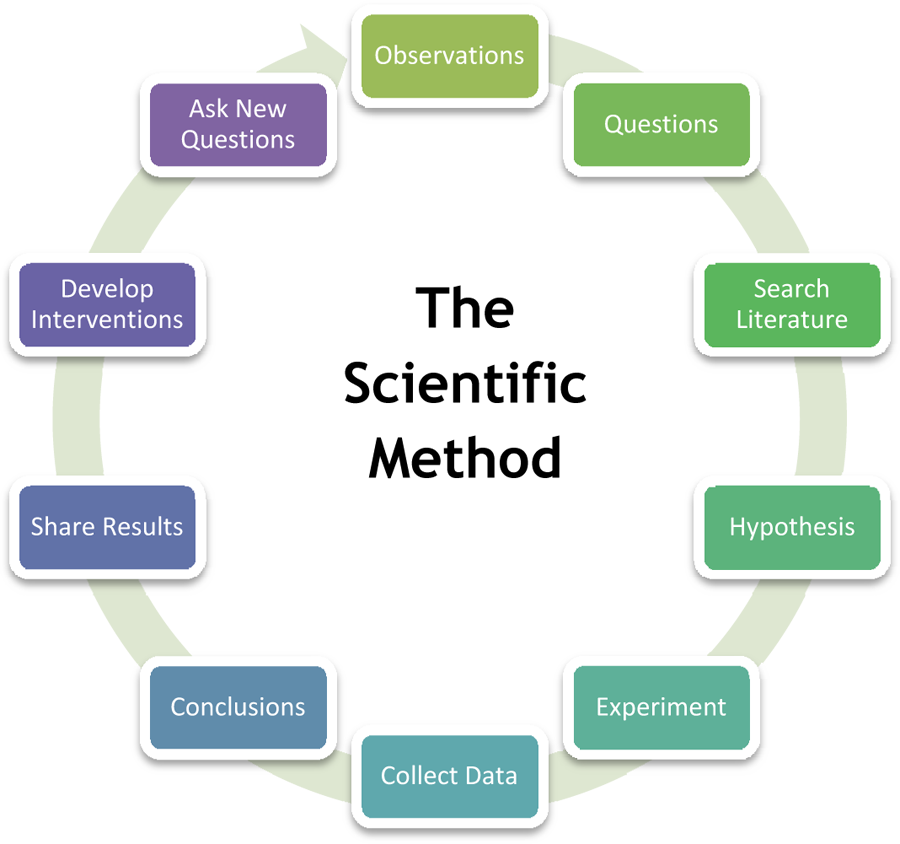
Establishing clear and precise research parameters is fundamental when leveraging AI for niche analysis. Properly defined criteria ensure that the AI focuses on relevant market segments, streamlining the discovery process and enhancing the quality of results. By setting the right parameters, businesses and content creators can uncover highly targeted niche markets with substantial demand and minimal competition, leading to more effective strategies and market positioning.
Organizing research goals around specific, well-structured criteria allows AI tools to generate actionable insights efficiently. These parameters act as guiding frameworks that direct the AI to analyze data within defined boundaries, such as market size, audience demographics, and trending s. Clear objectives help in filtering out irrelevant areas, ensuring the generated niche options are aligned with the strategic interests and resource capacities of the user.
Defining Essential Criteria for Niche Markets
To optimize AI-driven research, it is crucial to specify the criteria that characterize a profitable and sustainable niche market. These criteria serve as benchmarks for the AI to evaluate potential areas of interest:
- Market Demand: The niche should have consistent or growing interest, indicated by search volume trends and audience engagement metrics. For example, an increase in searches related to eco-friendly products reflects rising consumer demand in that segment.
- Low Competition: A viable niche typically features fewer established competitors or less saturated s. AI can analyze difficulty scores to identify such opportunities.
- Target Audience Specificity: Clearly defining the demographic and psychographic characteristics of the target market helps AI focus research on relevant subcategories.
- Profitability Potential: The niche should demonstrate revenue possibilities, such as high-cost conversions or recurring purchase potential. AI can assess related product trends and affiliate opportunities.
- Alignment with Expertise or Resources: Ensuring the niche matches the capabilities and interests of the user enhances content creation and marketing efficacy.
Organizing Research Goals with Structured Explainings for AI
To maximize the effectiveness of AI in niche research, it is essential to organize objectives through structured explanations. This involves defining specific parameters and desired outcomes, which guide the AI to generate relevant insights. A systematic approach includes setting clear categories, subcategories, target audience profiles, and potential demand indicators.
By establishing targeted research goals, users can instruct AI models more effectively. For instance, specifying that the focus is on “sustainable home decor” within the broader “interior design” niche directs the AI to analyze s, s, and audience segments pertinent to eco-conscious consumers. Structured goals also facilitate the creation of comprehensive datasets, enabling better decision-making and strategic planning.
Sample Research Parameters Organization Table
Below is a responsive HTML table illustrating how to organize niche research parameters effectively. This table helps to visualize the essential elements that guide AI-driven research and niche identification:
| Niche Category | Subcategory | Target Audience | Potential Demand |
|---|---|---|---|
| Health & Wellness | Holistic Nutrition | Health-conscious adults aged 25-45 interested in alternative diets | High search volume for organic and plant-based recipes; growing trend in wellness communities |
| Technology | Smart Home Devices | Homeowners aged 30-55 seeking automation solutions | Rising demand driven by smart home adoption; increased search interest in voice assistants and security systems |
| Fashion | Eco-Friendly Clothing | Millennials and Gen Z consumers prioritizing sustainable fashion | Steady growth in searches related to ethical brands; expanding eco-conscious markets |
| Hobbies & Leisure | Urban Gardening | City dwellers with limited space, aged 20-40 | Surge in interest during recent years; demand for space-efficient gardening solutions and tutorials |
By systematically defining these criteria and organizing research goals, AI tools can efficiently generate targeted niche areas. This structured approach enhances the accuracy of discovery, aligns research with strategic objectives, and ultimately supports the development of focused, profitable content or product offerings.
Leveraging AI for Identifying Potential Niche Opportunities

Harnessing AI technology enables researchers and digital entrepreneurs to uncover promising niche markets efficiently. By analyzing vast datasets, AI algorithms can detect emerging trends, underserved segments, and burgeoning interests that human analysis might overlook. This strategic approach allows for proactive niche identification, optimizing content creation, product development, and marketing efforts.
Utilizing AI in niche discovery involves leveraging sophisticated tools capable of sifting through social media trends, search engine queries, industry reports, and consumer behavior data. These tools can identify patterns indicating rising popularity or gaps within specific markets, facilitating the discovery of lucrative niches before they become saturated. This data-driven methodology ensures a competitive edge and supports informed decision-making for sustainable growth.
Methods to Analyze Trending Topics, Underserved Markets, and Emerging Interests
AI-driven analysis of market opportunities begins with collecting data from diverse sources such as social media platforms, search engine trend reports, and online forums. Machine learning models then process this information to identify patterns of increasing activity around particular topics or s. For example, AI can detect an uptick in discussions around sustainable packaging, indicating a rising interest in eco-friendly products.
Sentiment analysis tools further refine this process by gauging consumer enthusiasm and identifying whether the interest is genuine or transient. Additionally, clustering algorithms group related s and topics, revealing undervalued niches within larger markets. This comprehensive analysis helps pinpoint specific areas where competition is low but demand is high, offering fertile ground for niche development.
Designing AI to Compile Niche Ideas Based on Industry s
Setting up AI to generate niche ideas involves inputting targeted industry s into specialized tools that utilize natural language processing (NLP) and machine learning. These tools analyze large data sets from online searches, social media comments, product reviews, and industry reports to identify related s, trending topics, and consumer pain points.
For example, inputting s like “fitness,” “outdoor gear,” and “home workouts” into an AI tool can produce a list of niche s such as “compact home gym equipment for small apartments,” “outdoor fitness classes for seniors,” or “eco-friendly yoga mats.” The AI can also evaluate the commercial viability of each niche by assessing search volume, competition levels, and monetization potential, guiding entrepreneurs toward the most promising opportunities.
Structured Niche Ideas, Competition, Audience, and Monetization Potential
To facilitate strategic decision-making, presenting niche ideas alongside key metrics provides clarity on their viability. The following table exemplifies how AI can synthesize this data into actionable insights, highlighting competition levels, audience size, and monetization opportunities for each niche.
Note: Competition levels are estimated based on search volume, number of active competitors, and advertising saturation. Audience size reflects the estimated number of consumers engaging with the niche, while monetization potential considers product demand, affiliate opportunities, and advertising revenue possibilities.
| Niche Idea | Estimated Competition Level | Audience Size | Monetization Potential |
|---|---|---|---|
| Eco-Friendly Yoga Mats | Medium | High (over 1 million monthly searches) | High (affiliate marketing, direct sales, sponsored content) |
| Compact Home Gym Equipment for Small Apartments | Low to Medium | Moderate (around 500,000 searches) | High (product sales, affiliate programs, online courses) |
| Outdoor Fitness Classes for Seniors | Low | Growing (approx. 300,000 searches) | Moderate (membership subscriptions, class bookings) |
| Eco-Friendly Travel Accessories | Medium | Large (over 2 million searches) | High (product sales, affiliate marketing) |
| Sustainable Pet Products | Medium | High (over 1.5 million searches) | High (product sales, sponsored content, affiliate programs) |
Analyzing Competitor Presence in Niche Markets
Understanding the competitive landscape is a vital component of effective niche research. By leveraging AI tools, researchers can efficiently gather and analyze data on existing competitors, gaining insights into their content strategies, focus, and market positioning. This process enables the identification of opportunities where gaps and weaknesses exist, paving the way for strategic content development that can outperform current market players.Utilizing AI to assess competitors involves collecting large volumes of data from various sources such as websites, social media profiles, and search engine results.
These tools can automatically crawl competitor sites to analyze their on-page content, backlink profiles, and usage. Furthermore, AI algorithms can evaluate the tone, frequency, and context of s used in competitors’ content, providing a deeper understanding of their strategies. Through sentiment analysis, AI can also gauge public perception and engagement levels related to competitors’ brands or products. This comprehensive data collection fosters a nuanced understanding of where competitors are strong, where they fall short, and where opportunities for differentiation exist.
Utilizing AI to Gather Competitor Data
AI-powered tools can systematically extract and analyze information about competitors’ online presence, enabling a detailed overview of their strategies. These tools can identify the s that competitors rank highly for, the type of content they publish, and their overall market positioning. For example, AI can scan competitors’ blog posts, product descriptions, and metadata to generate a list of targeted s and phrases.
Additionally, AI-driven backlink analysis can reveal the sources of high-authority links pointing to competitors, highlighting potential link-building opportunities.
Moreover, AI can track changes in competitors’ content strategies over time, allowing for dynamic adjustments in your own approach. For instance, if a competitor suddenly shifts their focus to a new or content format, AI tools can detect this trend early, giving you a strategic advantage.
Organizing Competitor Analysis Results
Effective competitor analysis involves synthesizing gathered data into an accessible format for strategic decision-making. Organizing findings into a comparative table provides clarity on each competitor’s strengths, weaknesses, and gaps within the niche. This structured overview enables quick identification of areas where your content can excel or differentiate itself.
| Competitor | Strengths | Weaknesses | Market Gaps |
|---|---|---|---|
| ExampleSiteA | High domain authority, strong backlink profile, consistent content updates | targeting is broad, lacks focus on long-tail s, limited engagement on social media | Underrepresented niche topics, low presence in emerging subcategories |
| ExampleSiteB | Targeted long-tail s, active on social platforms, engaging multimedia content | Lower domain authority, inconsistent posting schedule, limited backlink profile | Potential to expand into less competitive, high-volume s |
| ExampleSiteC | Strong branding, comprehensive product coverage, high user engagement | Overly competitive s, high ad competition, limited focus on smaller niches | Less saturated micro-niches with specific user intents |
By systematically analyzing and organizing competitor data, marketers can uncover valuable insights that inform their own strategies, content planning, and market positioning efforts within the niche landscape.
Refining Niche Selection Using AI Insights
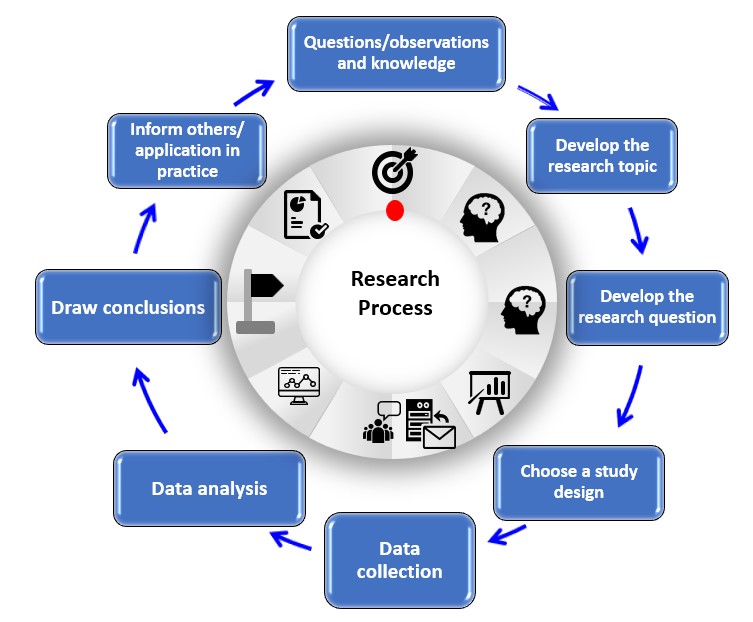
Effective niche selection is vital for establishing a sustainable and profitable online presence. Leveraging AI insights allows researchers to assess niche viability with greater precision by analyzing demand, competition, and growth trends. This strategic approach enables businesses and content creators to prioritize opportunities with the highest potential for success, reducing risks associated with less promising markets.
By systematically utilizing AI tools to interpret vast amounts of data, users can identify niches that exhibit steady demand, manageable levels of competition, and promising growth trajectories. This process transforms subjective judgments into data-driven decisions, ensuring a more objective and scalable approach to niche selection.
Techniques for Evaluating Niche Viability with AI
Several AI-driven techniques facilitate the assessment of niche viability by synthesizing relevant market data. These methods provide comprehensive insights into demand levels, competitive landscapes, and growth potential, forming a solid foundation for selecting sustainable niches.
- Demand Analysis: AI algorithms analyze search volume data, social media engagement, and trend history to gauge the current and projected demand within a niche. For instance, machine learning models can identify seasonal fluctuations and long-term trends, offering a dynamic view of market interest.
- Competition Assessment: AI tools scan existing websites, marketplaces, and social platforms to evaluate the number of competitors and their market shares. Natural language processing (NLP) can analyze competitor content quality, backlink profiles, and social influence, providing a comprehensive competition overview.
- Growth Trend Prediction: Machine learning models utilize historical data to forecast future market developments. By analyzing factors such as emerging consumer interests, technological advancements, or regulatory changes, AI can predict the potential growth trajectory of a niche.
Organizing Data on Niche Sustainability and Profitability Metrics
AI systems excel in consolidating and interpreting large datasets to measure niche sustainability and profitability. They can process diverse data points, including financial indicators, market longevity, and consumer engagement metrics, to produce actionable insights.
“AI-driven data organization enables the comparison of niche profitability by standardizing metrics such as average revenue per user, customer acquisition cost, and lifetime value across different markets.”
For example, AI tools can generate automated reports highlighting the most profitable niches based on current demand, competitive intensity, and anticipated growth. These reports often include visual dashboards and key performance indicators (KPIs) that simplify decision-making and strategic planning.
Sample Data Table for Niche Evaluation
Below is an example of how AI can structure data to streamline niche evaluation, helping users compare multiple niches efficiently:
| Niche Name | Demand Indicator | Competition Level | Growth Rate |
|---|---|---|---|
| Eco-Friendly Baby Products | High | Medium | 8% |
| Home Office Ergonomics | Moderate | Low | 12% |
| Plant-Based Snacks | Very High | High | 15% |
| Pet Tech Devices | Moderate | Low | 10% |
In this table, AI evaluates and ranks each niche based on the demand indicator, competition level, and growth rate, enabling more informed decision-making regarding where to focus efforts for maximum sustainability and profitability.
Automating Ongoing Research and Niche Monitoring

Effective niche markets are dynamic and continually evolving, making ongoing research essential for sustained success. By automating the process of monitoring market trends, entrepreneurs and marketers can stay ahead of shifts, identify emerging opportunities early, and adapt strategies proactively. Leveraging AI tools for continuous niche tracking transforms a once labor-intensive task into a streamlined, real-time process that enhances decision-making and competitive agility.
This approach involves setting up intelligent systems that regularly scan relevant sources, analyze data patterns, and generate actionable insights without manual intervention. The goal is to maintain an up-to-date understanding of niche health, consumer interest, and market activity, ensuring that your offerings remain relevant and competitive in a rapidly changing environment.
Configuring AI for Continuous Niche Trend Tracking
Establishing AI-driven systems to monitor niche markets requires careful planning and configuration. First, identify key data sources such as social media platforms, search engine queries, industry news, forums, and e-commerce analytics. These sources should be integrated into the AI framework to provide a comprehensive view of market activity.
Next, set specific parameters and s related to your niche, including trending terms, competitor mentions, and emerging product categories. These parameters guide the AI in filtering relevant data and prioritizing signals indicative of market shifts. Using machine learning algorithms, such as natural language processing (NLP), the AI can analyze sentiment, detect emerging themes, and quantify interest levels over time.
Automation can be scheduled to run at regular intervals—daily, weekly, or monthly—depending on market volatility. Alerts can be configured to notify stakeholders when significant changes occur, such as a surge in interest or a decline in engagement, enabling swift strategic adjustments.
Creating Dashboards and Reports for Niche Monitoring
Visualizing data is crucial for interpreting ongoing niche health and market trends. Developing dashboards that display real-time metrics allows stakeholders to grasp complex data at a glance. These dashboards should include key performance indicators (KPIs) such as search volume trends, social media engagement rates, competitor activity levels, and consumer sentiment scores.
Reports generated from AI analysis can be customized to highlight specific insights, including trend trajectories, market saturation levels, and potential growth areas. Incorporating visual elements like line charts, heat maps, and bar graphs makes it easier to interpret data changes over time and identify patterns quickly.
Effective dashboards not only present current data but also enable forecasting by visualizing trend projections based on historical patterns and AI predictions.
Responsive Niche Trend Monitoring Table
| Date | Niche Trend Indicator | Recent Activity | Forecast |
|---|---|---|---|
| 2024-04-20 | Significant increase in search volume for eco-friendly packaging | Rising social media mentions, new product launches from competitors, increased online discussions | High probability of continued growth over the next 3-6 months; potential for new niche entrants to emerge |
| 2024-04-13 | Decline in interest around traditional fitness equipment | Drop in search queries, reduced engagement on fitness forums, competitor activity shifting to digital workouts | Likely sustained decline; consider pivoting focus to home-based or virtual fitness solutions |
| 2024-04-27 | Emergence of augmented reality (AR) in educational tools | Increased tech reviews, partnership announcements, user engagement spikes in related communities | Forecast indicates rapid adoption; invest in content and product development aligned with AR trends |
Outcome Summary
In conclusion, mastering how to research niche s with AI is a powerful step toward unlocking new market opportunities and optimizing your online presence. By applying these advanced techniques, you can identify promising niches, analyze the competitive landscape, and develop tailored content strategies that resonate with targeted audiences. Embracing AI-driven research not only enhances accuracy and efficiency but also positions you for long-term success in a rapidly evolving digital environment.