Discovering how to generate ad copy for ecommerce using AI can revolutionize the way online stores communicate with their audiences. By leveraging advanced artificial intelligence technologies, businesses can craft compelling and persuasive advertisements that resonate with consumers and drive conversions. This innovative approach not only streamlines the creative process but also opens up new avenues for personalization and efficiency in digital marketing.
This comprehensive guide explores the essential components of effective e-commerce ad copy, the step-by-step workflow for utilizing AI tools, and strategies to optimize content for better engagement. By understanding these elements, online retailers can harness the full potential of AI to enhance their advertising efforts and stay ahead in a competitive marketplace.
Understanding the Role of AI in E-commerce Ad Copy Generation

Artificial intelligence (AI) has become a transformative force in the realm of e-commerce marketing, particularly in the creation of compelling ad copy and product descriptions. By leveraging AI, online stores can produce persuasive and targeted content at scale, greatly enhancing customer engagement and conversion rates. This technological advancement has shifted traditional copywriting from manual, time-consuming efforts to automated processes that are both efficient and highly personalized.
AI-driven tools utilize sophisticated algorithms to analyze vast amounts of data, identify consumer preferences, and craft tailored messages that resonate with specific audiences. This integration not only accelerates the content creation process but also ensures consistency, relevance, and optimization based on real-time insights. The result is a more dynamic and responsive approach to advertising that aligns with the fast-paced nature of online commerce.
Technologies Used in AI-Generated E-commerce Ad Copy
Several cutting-edge AI technologies contribute to effective ad copy generation in e-commerce, each playing a vital role in the development of persuasive and engaging content. Understanding these technologies helps clarify how AI can be harnessed to improve marketing outcomes.
- Natural Language Processing (NLP): NLP enables AI systems to understand, interpret, and generate human language. For e-commerce, NLP powers chatbots, product descriptions, and personalized ad copy by analyzing customer reviews, search queries, and feedback to produce natural, fluent, and contextually relevant text.
- Machine Learning (ML): ML algorithms learn from historical data to identify patterns and optimize content creation. For instance, by analyzing past successful campaigns, ML models can generate ad copy that aligns with what has historically driven conversions or engagement.
- Generative Pre-trained Transformers (GPT): GPT models, such as GPT-3, are capable of producing human-like text based on prompts. They are particularly effective in creating diverse, creative, and persuasive ad content, tailored to specific products or campaigns.
- Sentiment Analysis: This technology assesses consumer sentiment from reviews, social media, and feedback. Integrating sentiment analysis allows AI to craft ad copy that emphasizes positive aspects or addresses concerns, thereby fostering trust and appeal.
Examples of Successful AI-Driven E-commerce Campaigns
Several prominent e-commerce brands have successfully implemented AI-powered ad copy strategies, resulting in increased engagement and sales. These examples demonstrate the tangible benefits of adopting AI in marketing efforts.
| Brand | AI Application | Outcome |
|---|---|---|
| Sephora | Utilized AI to generate personalized product recommendations and targeted ads based on customer browsing behavior and preferences. | Achieved a 20% increase in conversion rates and improved customer engagement through highly relevant ad content. |
| eBay | Deployed AI-generated dynamic ad copy that adapts in real-time to user searches and device types. | Enhanced click-through rates by 15% and increased overall ad ROI. |
| H&M | Employed AI to craft season-specific promotional messages and product descriptions for their online campaigns. | Generated a 25% uplift in online sales during promotional periods and improved customer personalization. |
“AI enables e-commerce brands to craft compelling, data-driven content that resonates with individual consumers, ultimately driving loyalty and sales.”
In summary, AI’s role in e-commerce ad copy generation is pivotal. Through advanced technologies like NLP, ML, and GPT, online stores can create persuasive, personalized, and timely content that elevates their marketing strategies and accelerates growth.
Identifying Key Components of Effective E-commerce Ad Copy
Creating compelling e-commerce ad copy requires a strategic approach that highlights the most attractive and persuasive elements of a product or service. These components work together to capture attention, convey value, and motivate potential customers to take action. Understanding and organizing these key elements enhances the overall effectiveness of advertising campaigns and increases conversion rates.
Effective e-commerce ad copy integrates specific essential elements that resonate with target audiences. By focusing on clarity, value, and persuasion, businesses can craft advertisements that stand out in a crowded digital marketplace. Organizing these components using structured formats like HTML tables further aids in maintaining clarity and ensuring all critical information is easily accessible and visually appealing.
Essential Elements of Compelling E-commerce Ads
When developing ad copy, it is crucial to include the following core elements to ensure the message is engaging and persuasive:
- Product Features: Clear description of the key attributes and specifications that define the product, such as size, color, material, technology, or unique functionalities.
- Pricing Information: Transparent and attractive pricing details, including discounts, special offers, or bundle deals that emphasize value.
- Unique Selling Proposition (USP): A concise statement that differentiates the product from competitors, highlighting what makes it special or better.
- Call-to-Action (CTA): A direct, compelling prompt encouraging immediate customer engagement, like “Buy Now,” “Limited Offer,” or “Shop Today.”
- Visual Appeal: Incorporation of high-quality images and appealing layouts that complement the textual content and attract attention.
- Trust Signals: Elements such as customer reviews, guarantees, or secure payment icons that build credibility and trust with consumers.
Organizing Ad Copy with HTML Tables
To effectively present product information, organizing content in HTML tables can enhance readability and structure, especially when displaying multiple product features, pricing options, and CTAs. Using a well-designed table allows consumers to compare options quickly and understand the value proposition at a glance.
“Structured data in tables simplifies decision-making and emphasizes key information, making the ad more user-friendly.”
For example, an e-commerce ad for a smartphone might include a table like this:
| Feature | Description |
|---|---|
| Display | 6.5-inch OLED with 120Hz refresh rate |
| Camera | Triple-lens setup with 64MP main sensor |
| Battery | 4500mAh with fast charging support |
Pricing information can be organized similarly, including different models or plans:
| Model | Price | Discount | Effective Price |
|---|---|---|---|
| Standard | $699 | 10% | $629 |
| Pro | $899 | 15% | $766 |
Emphasizing Value Propositions within Ad Content
Highlighting value propositions is critical to persuading potential buyers that the product offers tangible benefits and meets their needs. Effective methods include:
- Focus on Benefits: Shift from features to explaining how features translate into advantages for the customer, such as improved efficiency, comfort, or savings.
- Use Persuasive Language: Incorporate words that evoke positive emotions and urgency, like “exclusive,” “limited,” “enhance,” or “transform.”
- Incorporate Social Proof: Showcasing customer reviews, testimonials, or case studies to validate claims and demonstrate real-world value.
- Highlight Cost Savings: Emphasize discounts, long-term savings, or additional perks that make the offer more attractive.
- Compare with Competitors: Use comparative statements to show superior value or better features at a similar or lower price point.
Incorporating these strategies within structured ad content ensures that the audience perceives the product not just as a commodity but as a valuable solution tailored to their needs, ultimately increasing engagement and sales.
Crafting Persuasive Messages with AI
Creating compelling ad copy is essential for capturing customer attention and driving conversions in e-commerce. Leveraging AI enables marketers to craft persuasive messages that resonate deeply with target audiences, emphasizing benefits over mere features, and integrating emotional triggers to foster a strong connection. This section explores effective techniques to harness AI for developing impactful and personalized ad content that appeals to consumers on multiple levels.
By understanding and applying these strategies, businesses can enhance their advertising efficacy, foster brand loyalty, and increase sales performance through tailored, emotionally engaging messages that highlight value propositions aligned with customer preferences.
Emphasizing Benefits Over Features
One of the most effective ways to persuade potential customers is to focus on how a product or service benefits them rather than merely listing its features. AI tools can be programmed to identify and prioritize benefit-oriented language by analyzing customer data, reviews, and purchase behaviors.
In practice, AI-driven copy generation involves training models with datasets that highlight benefit-centric narratives. For example, instead of stating “Our smartphone has a 48MP camera,” an AI-generated message might emphasize “Capture breathtaking moments with clarity and vivid detail, making every photo unforgettable.” This shift from feature to benefit encourages customers to envision the positive impact of the product on their lives.
“Focus on what the customer gains, not just what the product offers.”
Strategies for Creating Personalized Ad Content
Personalization enhances ad relevance, significantly increasing engagement and conversions. AI algorithms can segment customers based on demographics, browsing history, purchase patterns, and preferences to generate customized messages that resonate deeply with each segment.
Implementing personalized ad content involves utilizing machine learning models that analyze individual behaviors and predict what appeals most. For instance, a customer who frequently purchases outdoor gear might receive an ad emphasizing adventure and durability, such as “Gear up for your next outdoor journey with our rugged, reliable equipment designed for explorers like you.” Conversely, a fashion-conscious customer may be targeted with messages highlighting style and trendiness.
Dynamic content generation, powered by AI, allows for real-time customization, ensuring that each customer receives messaging that aligns perfectly with their interests and needs, thereby increasing the likelihood of conversion.
Incorporating Emotional Triggers into AI-Generated Messages
Emotional triggers are powerful tools in persuasive advertising, as they evoke feelings that motivate action—such as happiness, security, or a sense of belonging. AI can incorporate these emotional elements by analyzing linguistic patterns and sentiment data to craft messages that resonate on an emotional level.
Effective AI-driven ad copy often includes storytelling elements or evocative language that taps into universal human desires. For example, instead of simply promoting a skincare product, an AI might generate a message such as, “Reveal your radiant skin and embrace your natural beauty—because confidence begins with how you feel inside.” Such messaging fosters an emotional connection, encouraging customers to associate the brand with positive feelings and self-esteem.
Additionally, AI can identify emotional cues within customer interactions or reviews, enabling marketers to tailor messages that specifically address customer aspirations, fears, or values, thus deepening engagement and driving loyalty.
Optimizing Ad Copy for Conversions
Effective ad copy is crucial in driving user engagement and maximizing conversion rates in e-commerce. While AI tools can generate compelling messages, refinement and strategic adjustments are necessary to ensure these ads resonate with the target audience and motivate action. By focusing on optimizing your ad copy, you can enhance click-through rates (CTR) and conversion metrics, ultimately leading to increased sales and customer loyalty.Refining AI-generated outputs involves a combination of analytical review and strategic editing.
This process includes testing different variations of ad messages, analyzing performance data to identify high-performing phrases, and iteratively improving content based on audience response. Incorporating strong calls-to-action (CTAs) within the ad text plays a vital role in guiding potential customers towards desired actions, such as making a purchase, signing up for a newsletter, or exploring product offerings.Below are key methods and tips to effectively optimize your ad copy for conversions, along with real-life examples demonstrating successful AI-assisted variations.
Methods to Refine AI Outputs for Better Click-Through and Conversion Rates
Refinement of AI-generated ad copy requires strategic adjustments to ensure maximum engagement and relevance. The following methods focus on analyzing performance metrics, personalizing messaging, and conducting A/B testing to identify the most effective variations.
- Analyze Performance Data: Regularly review metrics such as CTR, bounce rate, and conversion rate to determine which ad variations perform best. Use these insights to guide subsequent refinements.
- Implement A/B Testing: Create multiple ad copy variants with subtle differences in messaging, tone, or CTA placement. Test these variations against each other to identify the most effective elements.
- Personalize Content: Use customer data to tailor ad messages based on demographics, purchase history, or browsing behavior. Personalized ads tend to resonate more and increase engagement.
- Iterate Based on Feedback: Incorporate feedback from customer interactions and reviews to refine messaging, ensuring it addresses pain points and appeals to the audience’s motivations.
Incorporating Strong Calls-to-Action within Ad Text
Calls-to-action are pivotal in converting interest into tangible results. A compelling CTA clearly communicates the next step and creates a sense of urgency or value, prompting users to act immediately.
Effective CTAs are concise, action-oriented, and aligned with the ad’s value proposition.
To craft impactful CTAs:
- Use action verbs such as “Shop,” “Discover,” “Get,” “Buy,” or “Join” to initiate immediate responses.
- Highlight benefits or limited-time offers to create urgency, for example, “Buy Now and Save 20%” or “Limited Stock—Order Today.”
- Place CTAs prominently within the ad copy, ideally at the end or after key benefits, to guide users towards the desired action.
- Experiment with different phrasing to see which resonates most with your audience, such as “Claim Your Discount” versus “Learn More.”
Examples of Effective AI-Generated Ad Copy Variations
Using AI assistance, brands can generate multiple ad copy variations tailored to various audience segments. Here are some examples illustrating how AI can craft persuasive messages:
- Original AI Suggestion: “Explore our latest collection of summer dresses. Shop now and enjoy exclusive discounts.”
- Refined with a Strong CTA: “Upgrade Your Summer Wardrobe Today — Shop Our New Collection and Get 15% Off! Limited Time Offer.”
- Personalized Variation for Returning Customers: “Welcome Back! Complete Your Look with Our New Summer Dresses — Exclusive Discount Inside.”
- Urgency-Driven Copy: “Only a Few Left! Grab Your Perfect Summer Dress Before They’re Gone — Shop Now.”
These examples demonstrate how AI can generate initial drafts, which can then be refined with strategic calls-to-action, personalization, and urgency cues to maximize conversion potential. Continual testing and optimization ensure that your ad copy evolves to meet audience preferences and market trends effectively.
Comparing Different AI Tools for E-commerce Ad Copy Creation
As the landscape of e-commerce marketing continues to evolve, leveraging the right AI tools for generating compelling ad copy becomes crucial for businesses seeking to enhance their advertising efficiency and effectiveness. Numerous AI platforms are available, each offering unique features tailored to various needs, budgets, and technical capabilities. Understanding the strengths and limitations of these tools allows marketers to select the most suitable solution for their specific objectives, ensuring optimized ad campaigns that resonate with target audiences.
In this overview, we examine some of the most prominent AI platforms designed for e-commerce ad copy creation. We analyze their core functionalities, ease of use, customization options, output quality, and integration capabilities. The comparison aims to provide a clear understanding of how each tool aligns with different use cases, whether for small businesses, large enterprises, or specialized marketing agencies.
Popular AI Platforms and Software for E-commerce Ad Generation
Several AI-based platforms have gained recognition for their ability to generate persuasive ad copy tailored to e-commerce contexts. Below are some of the most noteworthy options:
| Platform/Software | Key Features | Strengths | Limitations | Use-Case Suitability |
|---|---|---|---|---|
| Jasper AI (formerly Jarvis) | Generates diverse content types, including ad copy, with AI templates and custom prompts. | User-friendly interface, high-quality outputs, extensive template library, good for creative flexibility. | Requires subscription; output may need editing for brand tone consistency. | Small to large e-commerce brands seeking creative ad content and scalable campaigns. |
| Copy.ai | Offers automated ad copy creation with options for social media, Facebook ads, and product descriptions. | Fast and easy to use, affordable pricing, variety of templates. | Less control over tone customization; limited advanced editing features. | Startups and small businesses aiming for quick ad generation with minimal effort. |
| Writesonic | Supports multiple content formats, including Google ads, Facebook ads, and display banners. | High versatility, AI-powered optimization suggestions, multilingual support. | May produce generic content without fine-tuning; occasionally requires manual editing. | Medium-sized e-commerce operations looking for multi-platform ad content creation. |
| Adcreative.ai | Specialized in creating optimized ad visuals and copy, with A/B testing features. | Focus on ad performance, integrates with ad platforms, provides analytics. | More expensive; learning curve for advanced features. | Established e-commerce brands aiming to maximize ad performance through testing and analytics. |
| Anyword | Utilizes predictive performance scoring to generate high-converting ad copy based on target audience data. | Data-driven approach, real-time suggestions, strong in conversion optimization. | Limited creative flexibility; higher cost tier for full features. | Data-driven marketing teams focusing on conversion rates and ROI for ad campaigns. |
Note: When selecting an AI tool, consider factors such as integration with your existing marketing stack, budget constraints, and the specific nature of your target audience. Some platforms excel in creative flexibility, while others prioritize performance analytics and testing capabilities.
Ethical Considerations and Best Practices
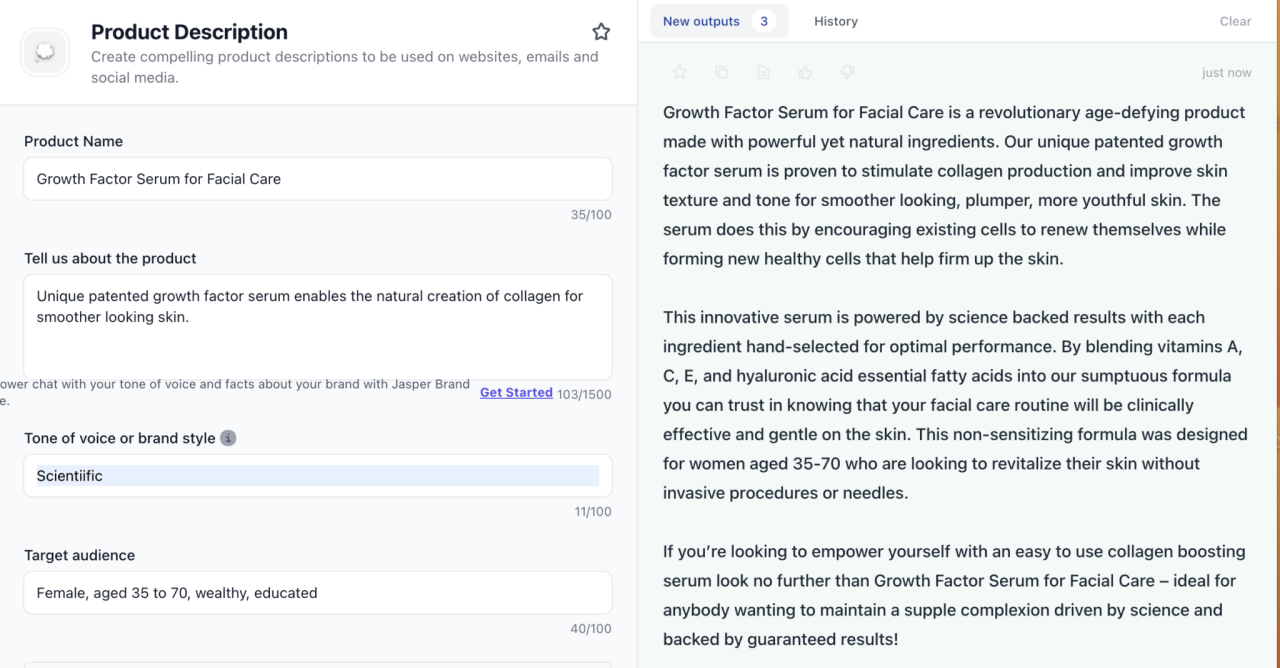
Maintaining integrity and trustworthiness in AI-generated advertising content is crucial to building and sustaining a reputable brand. As AI tools become increasingly sophisticated in creating compelling ad copy, it is essential for marketers and content creators to adhere to ethical standards that promote transparency, authenticity, and compliance with advertising regulations. Implementing best practices ensures that AI-driven content not only attracts customers but also upholds the company’s integrity and legal responsibilities.Incorporating ethical considerations into AI-generated ad copy fosters consumer trust and mitigates potential legal or reputational risks.
It also supports responsible AI usage by clearly distinguishing between human and machine-created content, thereby enhancing transparency. Effective oversight and validation procedures are necessary to guarantee that the final output aligns with ethical standards, industry regulations, and brand values.
Maintaining Authenticity and Transparency in AI-Generated Ads
Ensuring authenticity and transparency involves honest communication about the use of AI in content creation. Consumers increasingly value honest marketing practices, and undisclosed AI influence can lead to perceptions of deception. Brands should clearly disclose when AI tools are used to generate ad copy, especially in sensitive contexts or when targeting vulnerable audiences.Transparency can be reinforced by providing insights into how AI models are trained, emphasizing that generated content aims to enhance service quality rather than replace genuine human interaction.
Maintaining authenticity involves ensuring that the language, tone, and message genuinely reflect the brand’s voice and values, avoiding exaggerated claims or misleading information that AI might produce unintentionally.
Guidelines for Ensuring Compliance with Advertising Standards
Adherence to legal and ethical standards is vital to prevent misinformation, false advertising, and violations of consumer protection laws. The following guidelines help ensure AI-generated ad copy complies with relevant standards:
- Review and verify all claims: Ensure that all product benefits, features, and claims are accurate, verifiable, and substantiated.
- Avoid misleading language: Use clear, honest language that accurately depicts the product or service without exaggeration or ambiguity.
- Respect privacy and data protection laws: Do not include sensitive or personal data without consent, and avoid targeting or profiling that infringes on individual rights.
- Stay updated with advertising regulations: Regularly review industry-specific legal requirements, such as FTC guidelines or GDPR provisions, and adapt AI-generated content accordingly.
Compliance also entails implementing internal policies that guide the use of AI tools and establishing accountability mechanisms to address potential violations.
Methods for Reviewing and Validating AI-Generated Ad Copy
Prior to deployment, it is essential to thoroughly review AI-produced content to confirm its appropriateness, accuracy, and compliance. Effective validation methods include:
- Human Oversight: Assign trained marketers or legal teams to review AI-generated drafts, ensuring they meet brand standards and legal requirements.
- Automated Content Checks: Utilize supplementary AI tools designed to detect biases, misinformation, or inappropriate language within generated content.
- Testing and Feedback: Conduct A/B testing with select audiences to gauge the effectiveness and perception of the ad copy, collecting feedback for continuous improvement.
- Documentation and Audit Trails: Maintain records of the review process, including the original prompts, review notes, and approval status, to ensure accountability and facilitate audits.
- Periodic Updates: Regularly review and update AI models and prompts to align with evolving ethical standards, legal regulations, and brand messaging guidelines.
By applying these review and validation strategies, organizations can uphold high standards of integrity and ensure that their AI-generated advertising campaigns resonate ethically and effectively with their audience.
Future Trends in AI-Driven E-commerce Advertising
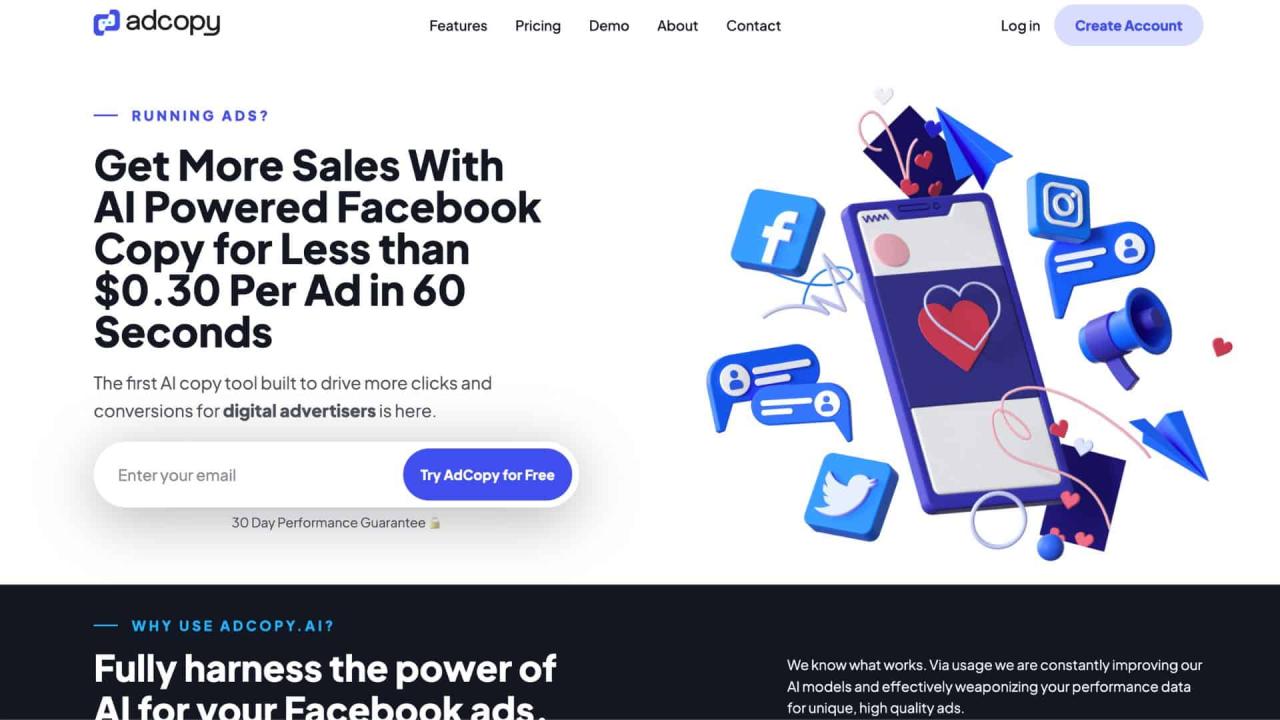
The landscape of e-commerce advertising is rapidly evolving with advancements in artificial intelligence. As technology continues to progress, new opportunities emerge for businesses to craft more effective, personalized, and innovative ad campaigns. Staying ahead of these trends enables brands to leverage cutting-edge tools and strategies, ensuring competitive advantage in a dynamic digital marketplace.
Emerging AI technologies are poised to transform how ad copy is generated, optimized, and delivered. These developments promise greater automation, enhanced personalization, and streamlined processes that could redefine online marketing. Understanding these future trends allows e-commerce enterprises to adapt proactively and harness AI’s full potential for sustained growth and engagement.
Advancements in AI Technologies Impacting Ad Copy Creation
Recent innovations in AI are focused on creating more human-like language models, expanding the capabilities of natural language processing (NLP), and integrating multimodal AI systems. These advances facilitate the generation of highly nuanced, contextually relevant, and engaging ad content that resonates with diverse audiences. For instance, the development of transformer-based models, such as GPT-4 and beyond, enables the production of sophisticated ad copy that can adapt to various tones and styles, matching brand voice and customer preferences more effectively.
Additionally, AI-driven sentiment analysis and customer intent recognition are becoming more precise, allowing for real-time adjustments to ad messaging based on user behavior and feedback. Such technologies empower brands to create dynamic ad campaigns that respond instantly to market trends, seasonal shifts, and consumer sentiment.
Evolution of Automation and Personalization in Online Marketing
Automation in e-commerce advertising is increasingly sophisticated, moving beyond simple scheduling and targeting to include autonomous content creation and optimization. AI algorithms now continuously analyze performance metrics and audience interactions, enabling the automatic refinement of ad copy for maximum engagement and conversions. This level of automation reduces manual effort and accelerates campaign deployment, allowing marketers to focus on strategic oversight and creative innovation.
Personalization is becoming more granular, with AI systems capable of delivering hyper-targeted messages based on individual preferences, browsing history, purchase behavior, and demographic data. As machine learning models learn from vast datasets, they can generate tailored ad copy that addresses specific customer needs, thereby increasing relevance and boosting conversion rates. For example, an AI system might craft different versions of an ad for a loyal customer versus a first-time visitor, enhancing the overall effectiveness of marketing efforts.
Potential Innovations Streamlining the Ad Generation Process
Future innovations aim to further automate and simplify the creation of compelling ad content. One promising development is the integration of AI with creative design tools, enabling the automatic generation of visual and textual elements that align seamlessly with brand identity. This integration would allow businesses to produce comprehensive ad campaigns rapidly, reducing reliance on manual content creation and enabling faster deployment.
Another area of innovation involves the use of AI-powered predictive analytics to forecast market trends and customer behaviors with high accuracy. These insights can guide the immediate generation of relevant ad copy aligned with upcoming trends or events, ensuring ads remain timely and impactful. Moreover, advancements in multilingual AI models will facilitate the creation of culturally and linguistically appropriate ad content at scale, expanding global reach effortlessly.
Additionally, the development of more intuitive user interfaces for AI tools will democratize ad generation, allowing marketers with limited technical expertise to harness sophisticated AI capabilities. This democratization can lead to more diverse and innovative advertising strategies across the e-commerce industry.
Final Thoughts
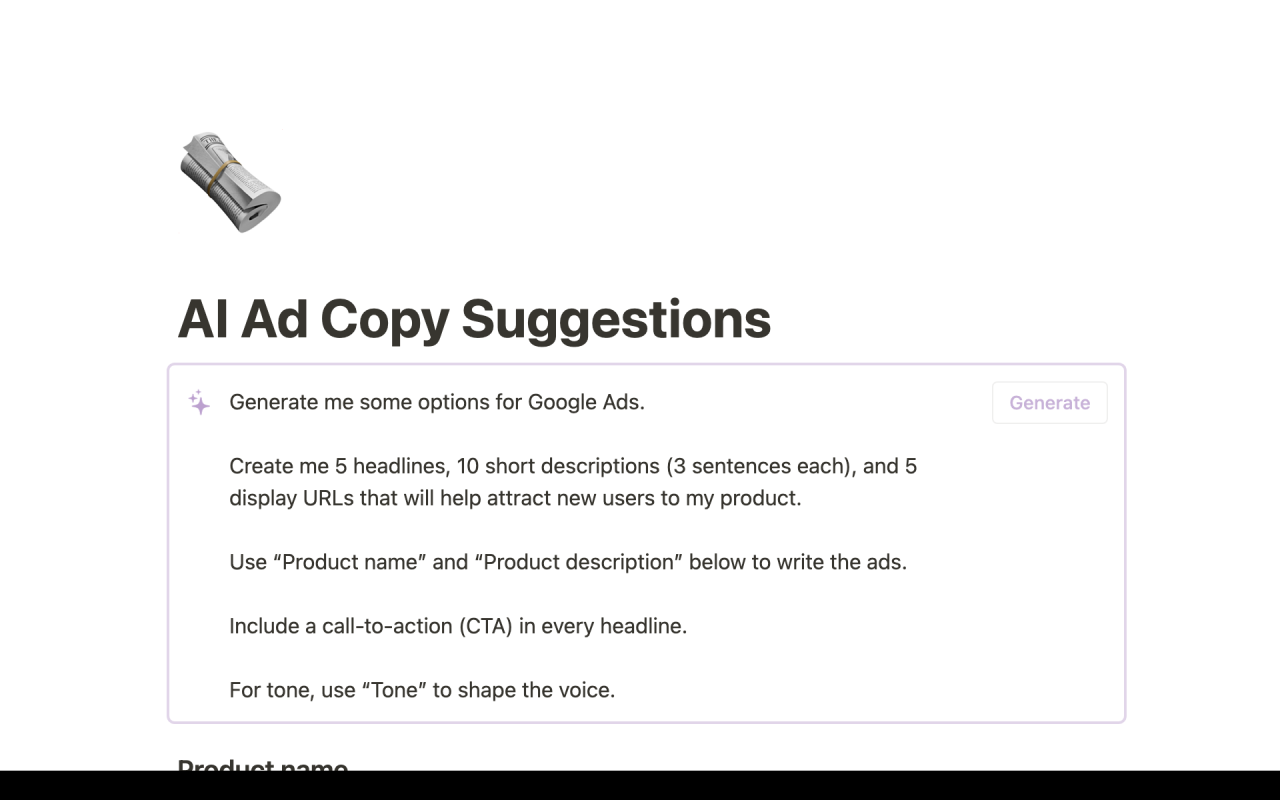
In conclusion, integrating AI into the generation of e-commerce ad copy offers numerous advantages, from increased efficiency to highly targeted messaging. As technology continues to evolve, embracing these innovations will be key to maintaining a competitive edge. By applying best practices and staying informed about future trends, businesses can unlock new opportunities for growth and success in the digital advertising landscape.