Discover the innovative approach of crafting personalized emails through artificial intelligence, a strategy that elevates communication by making messages more relevant and engaging for each recipient. Leveraging AI technology allows marketers and businesses to analyze detailed customer data, enabling the creation of tailored content that resonates deeply with individual preferences and behaviors.
This guide explores the entire process, from collecting essential data securely and designing compelling content to automating workflows, customizing subject lines, and ensuring data privacy—all aimed at enhancing campaign effectiveness and building stronger relationships with your audience.
Understanding Personalized Email Creation with AI
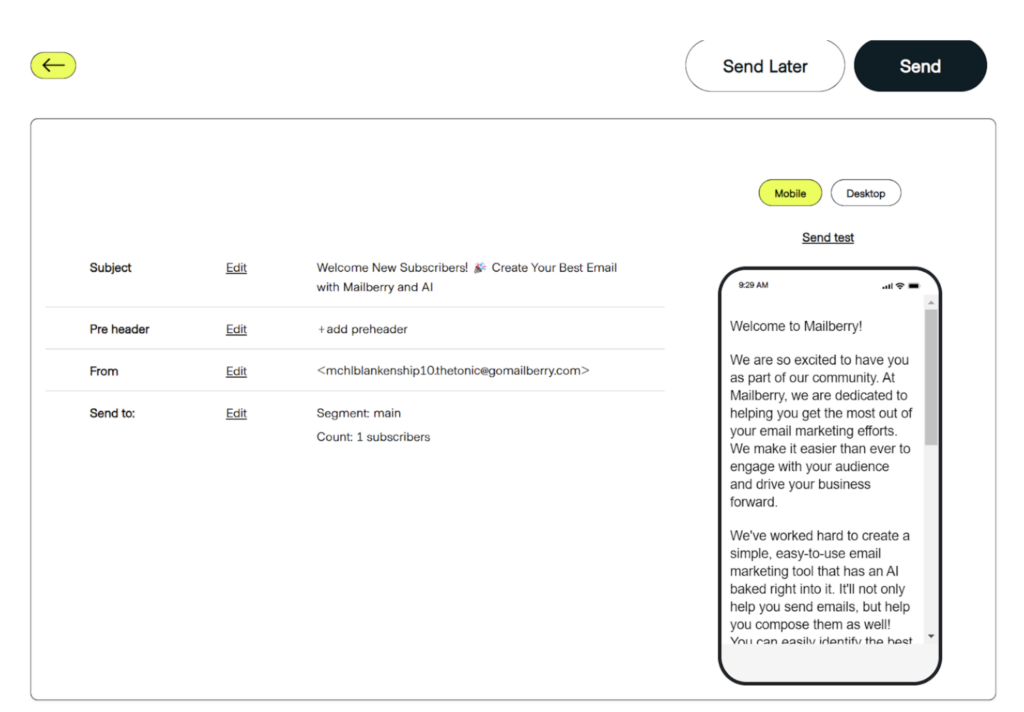
In today’s digital communication landscape, the use of artificial intelligence (AI) has revolutionized the way businesses engage with their audiences through email marketing. AI-driven email personalization enables brands to craft targeted messages that resonate on a more individual level, thereby increasing engagement rates and fostering customer loyalty. This approach moves beyond traditional mass emailing, offering a tailored experience that aligns with each recipient’s preferences, behaviors, and needs.
AI analyzes vast amounts of recipient data—including demographic details, browsing history, past interactions, and purchase patterns—to generate highly relevant and customized email content. This process involves sophisticated algorithms that identify patterns and generate personalized recommendations and messaging strategies. The result is an email that feels more genuine and compelling, significantly improving open rates, click-through rates, and overall campaign effectiveness.
Differences Between Generic and Personalized Email Strategies
Understanding the distinction between a generic email approach and a personalized strategy is crucial for effective marketing. While generic emails are designed to reach a broad audience with a one-size-fits-all message, personalized emails are tailored to individual recipients based on data insights. The advantages of personalization include higher engagement, improved customer experience, and increased conversion rates.
Here are key differences:
| Aspect | Generic Email Strategy | Personalized Email Strategy |
|---|---|---|
| Content Relevance | Same message sent to all recipients, regardless of interests or behavior. | Content tailored to individual recipient preferences, behaviors, and past interactions. |
| Engagement Potential | Lower engagement due to lack of relevance. | Higher engagement as messages directly address recipient needs. |
| Open and Click Rates | Generally lower, with averages around 15-20% open rates. | Significantly higher, often exceeding 30-40%, depending on data quality. |
| Customer Experience | Less personalized, potentially perceived as spam. | More personalized and relevant, fostering trust and loyalty. |
| Campaign Effectiveness | Limited impact on conversions and ROI. | Enhanced conversions and return on investment through targeted messaging. |
By leveraging AI for email personalization, marketers can transform their campaigns from generic broadcasts into meaningful conversations, ultimately driving better business results and strengthening customer relationships.
Gathering Data for Personalization
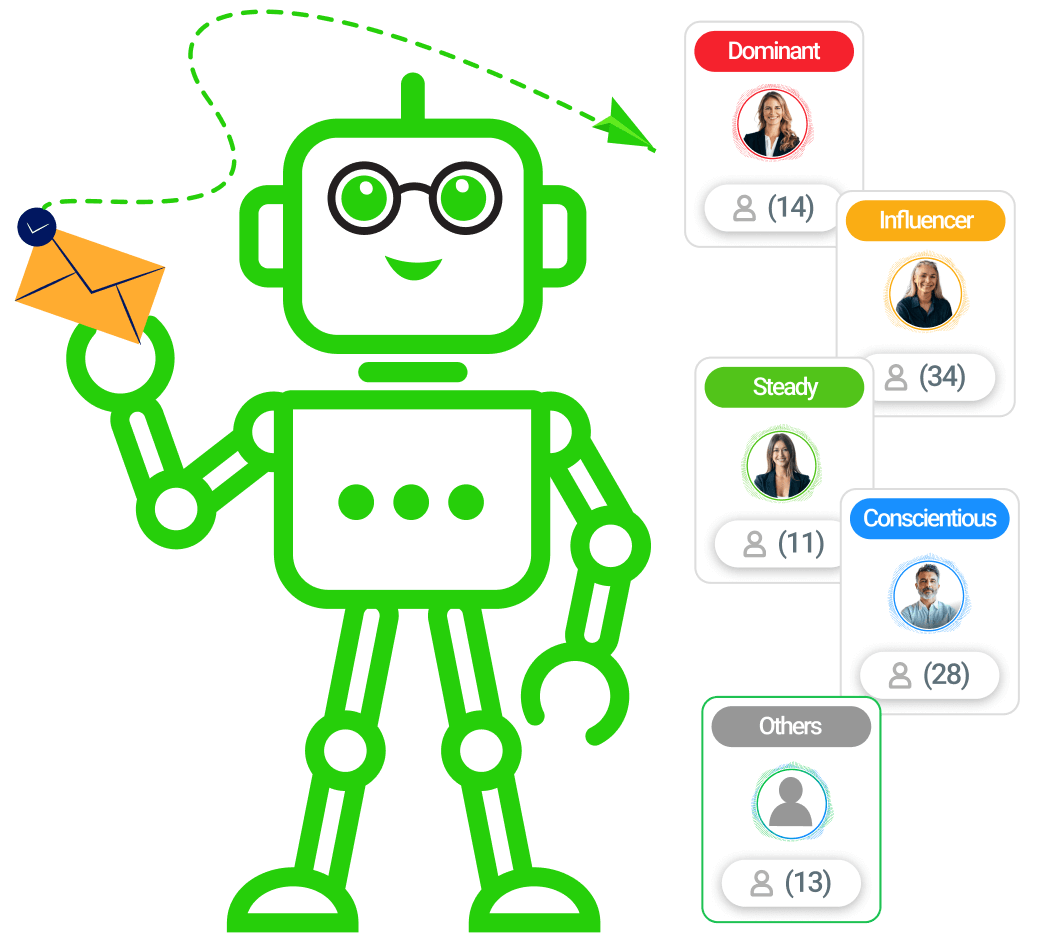
Effective personalized email campaigns rely heavily on accurate and comprehensive customer data. Gathering the right information allows businesses to tailor their messages to meet individual preferences, behaviors, and needs. This process involves identifying essential data points, collecting relevant information securely, and organizing it systematically for optimal use in AI-driven personalization.
Collecting and managing recipient data with care ensures that privacy standards are maintained while enabling meaningful customization. Proper data handling not only enhances the relevance of the emails but also builds trust with recipients, fostering long-term engagement and brand loyalty.
Key Customer Data Points for Personalization
Understanding which data points are crucial is fundamental to creating targeted and impactful email content. These include demographic details, behavioral information, purchase history, and engagement metrics. Each data category provides insights that can be used to craft messages that resonate on a personal level.
- Demographic Data: Age, gender, location, occupation, income level, education.
- Behavioral Data: Website browsing habits, interaction history, email open and click rates, device preferences.
- Purchase History: Past transactions, preferred products or services, purchase frequency, average order value.
- Engagement Metrics: Response times, feedback, subscription status, participation in promotions or surveys.
Methods for Collecting and Organizing Recipient Information Securely
It is vital to implement robust methods for capturing customer data while ensuring compliance with data protection regulations such as GDPR or CCPA. Secure data collection builds trust and mitigates risks associated with data breaches. The following approaches facilitate ethical and effective data gathering:
- Online Forms and Surveys: Use encrypted, permission-based forms to gather explicit consent and accurate details from recipients. Design forms that are user-friendly and clearly state privacy policies.
- Website Analytics and Tracking: Employ cookies and tracking pixels to monitor user interactions on your website, capturing behavior patterns and preferences in compliance with privacy laws.
- CRM Systems and Data Integration: Centralize data within secure Customer Relationship Management (CRM) platforms, integrating various data sources for a comprehensive view of each customer.
- Transactional Data Collection: Record purchase and service interactions automatically through secure payment gateways and order management systems, ensuring data integrity and confidentiality.
Structured Data Types and Sources
To facilitate efficient data handling and integration into AI personalization tools, organizing information into structured formats is essential. The following table illustrates common data types and their typical sources, highlighting how they can be systematically categorized for seamless use:
| Data Type | Source | Description | Examples |
|---|---|---|---|
| Demographic Data | Registration forms, account profiles, third-party datasets | Basic personal details used to segment audiences and tailor content | Name, age, gender, location |
| Behavioral Data | Website analytics tools, app usage logs, email engagement reports | Information about how recipients interact with digital platforms and content | Pages visited, time spent, email click-through rates |
| Purchase History | CRM, e-commerce platforms, transaction databases | Records of past transactions to identify preferences and buying patterns | Order details, frequency, amount spent |
| Engagement Metrics | Marketing automation platforms, social media insights | Data reflecting recipient interaction levels and responsiveness | Email opens, feedback, survey responses |
Designing Personalized Email Content
Crafting compelling and relevant email content is essential for engaging recipients and driving meaningful interactions. When leveraging AI for personalization, the focus shifts to generating messages that resonate on an individual level while maintaining a natural and approachable tone. AI-driven content design ensures that each email feels tailored, enhancing the recipient’s experience and increasing the likelihood of positive responses.Effective personalized email content combines data-driven insights with creative messaging techniques.
AI tools can analyze recipient preferences, behaviors, and past interactions to suggest language, tone, and content that align with each individual’s interests. This approach not only improves engagement rates but also builds a sense of trust and familiarity between the sender and the recipient.
Techniques for Generating Engaging and Relevant Email Copy Using AI
AI-based content creation tools utilize natural language processing (NLP) algorithms to craft engaging email copy that feels human and authentic. These techniques include:
- Contextual Content Generation: AI models analyze recipient data to produce messages tailored to specific needs, preferences, or recent interactions, ensuring relevance and timeliness.
- Dynamic Personalization: Using real-time data, AI adjusts the email’s messaging elements, such as greetings, product mentions, or offers, to match the recipient’s current interests or behaviors.
- Sentiment-Aware Writing: AI assesses the tone of previous communications or social signals to generate content that aligns with the recipient’s mood or sentiment, fostering better connection.
- Language and Style Adaptation: AI tools can mimic preferred communication styles or brand voice, ensuring consistency and authenticity in each message.
Incorporating Recipient-Specific Details Naturally into Messages
Integrating personalized data seamlessly into email copy is crucial for maintaining authenticity and avoiding awkward or forced language. AI facilitates this by:
- Placeholder Replacement: Using tokens or placeholders within templates that AI populates with recipient-specific information such as names, recent purchases, or location, ensuring fluid integration.
- Contextual Embedding: AI-generated content incorporates details like previous engagement history or preferences contextually, allowing the message to reference specific interests or behaviors naturally.
- Storytelling Techniques: AI can craft narratives that include personal details in a way that feels conversational and relevant, such as referencing recent interactions or shared experiences.
- Natural Language Generation (NLG): AI employs NLG to produce sentences that incorporate recipient data organically, avoiding repetitive or robotic phrasing, thus enhancing readability and engagement.
Example Email Templates Highlighting Personalization Elements
To illustrate these concepts, consider the following templates, which demonstrate strategic placement of personalization elements to maximize relevance and engagement:
- Welcome Email: “Hi FirstName, we’re excited to have you with us! As a new member in Location, you’ll find tailored content designed just for your interests.”
- Product Recommendation: “Hello FirstName, based on your recent browsing of ProductCategory, we thought you might enjoy our latest offerings in that area.”
- Event Invitation: “Dear FirstName, as someone interested in Topic, you are invited to our upcoming event on EventDate in Location.”
- Follow-up Message: “Hi FirstName, we noticed you viewed ProductName recently. Would you like more information or assistance with this product?”
These templates utilize placeholders that AI can populate dynamically, ensuring each message reflects personal details naturally within the context of the communication. Proper implementation of these techniques results in more meaningful and effective email campaigns, fostering stronger connections with recipients.
Automating Email Personalization Workflows
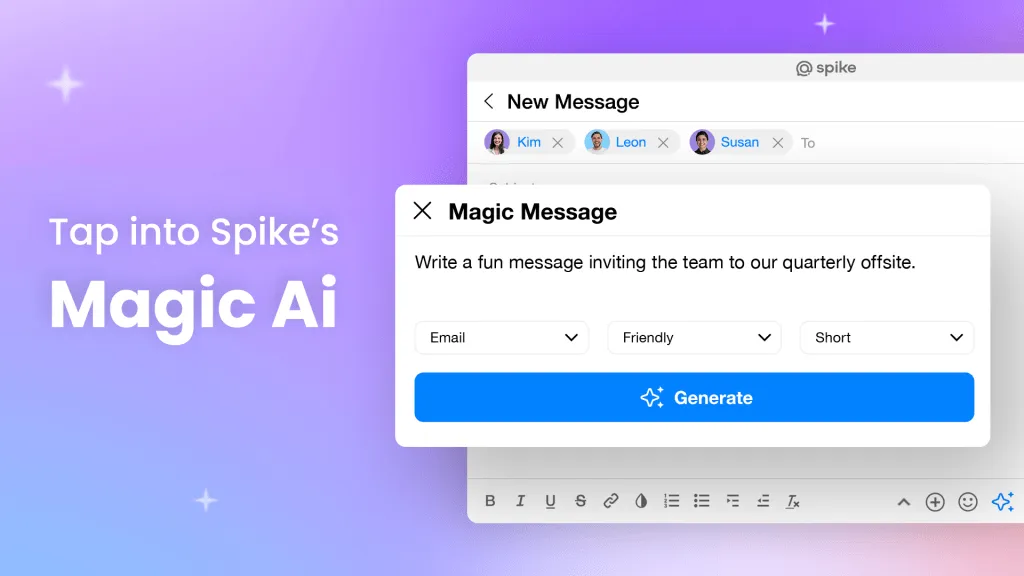
Implementing automation in personalized email campaigns enhances efficiency, consistency, and scalability. By leveraging AI-powered tools to streamline the workflow, marketers can deliver highly relevant content to each recipient with minimal manual intervention. Automation not only saves time but also allows for real-time adjustments based on user engagement metrics, leading to improved open rates, click-through rates, and overall campaign success.
Setting up AI-driven automation involves a series of strategic steps that integrate data collection, content generation, and deployment. Selecting the appropriate platform that supports dynamic content customization further optimizes this process. Understanding the features and capabilities of different tools ensures that organizations can tailor their email workflows to meet their specific needs, whether for transactional emails, drip campaigns, or promotional outreach.
Setting Up AI-Powered Automation for Email Campaigns
To establish effective AI-powered automation workflows, follow these key steps:
- Define Campaign Objectives and Segmentation Criteria: Determine the goals of the campaign, such as increasing conversions or nurturing leads, and segment your audience based on demographics, behavior, or purchase history to enable targeted personalization.
- Integrate Data Sources: Connect your Customer Relationship Management (CRM), e-commerce platform, or other data repositories with your automation tool to ensure real-time access to customer information for dynamic content generation.
- Configure AI Algorithms for Personalization: Utilize AI models that analyze customer data to predict preferences, optimize content templates, and generate tailored messaging for each recipient.
- Create Email Templates with Dynamic Elements: Design flexible templates that incorporate placeholders for personalized data points, such as names, recent purchases, or location, which AI tools can populate dynamically.
- Set Automation Triggers and Scheduling: Define specific actions or time-based triggers—such as cart abandonment or post-purchase follow-up—that activate personalized email sequences automatically.
- Test and Optimize Campaigns: Conduct A/B testing to evaluate different AI-generated content variations, monitor performance metrics, and refine algorithms or workflows accordingly for continuous improvement.
Tools and Platforms Facilitating Dynamic Content Generation
Several advanced platforms offer comprehensive solutions for automating personalized email workflows with AI. These tools integrate data management, AI-driven content creation, and automation capabilities within user-friendly interfaces, enabling marketers to deploy highly targeted campaigns efficiently.
| Feature | HubSpot | ActiveCampaign | Mailchimp | Customer.io |
|---|---|---|---|---|
| AI-Powered Personalization | Offers predictive lead scoring and dynamic content blocks that adapt based on user behavior. | Provides automation with conditional content based on user segmentation and interaction history. | Features content optimization tools but limited AI-driven personalization capabilities. | Supports behavior-triggered messaging with dynamic content tailored to individual user actions. |
| Integration & Data Management | Seamless integration with CRM, e-commerce, and other platforms with robust API support. | Integrates with major CRMs and data sources for real-time segmentation. | Offers integrations with popular platforms, with some limitations on customization. | Focuses on event-based data collection and real-time personalization. |
| Ease of Use | User-friendly interface with visual workflows for automation setup. | Intuitive drag-and-drop automation builder suitable for marketers with varying technical skills. | Simple interface with templates and automation options suitable for small to medium campaigns. | Requires technical knowledge for advanced configurations but offers flexible customization. |
| Pricing | Offers tiered plans based on features; premium plans include advanced AI capabilities. | Subscription-based with scalable plans suitable for growing businesses. | Affordable plans with core automation features; advanced AI may incur additional costs. | Pricing depends on the volume of contacts and complexity of automation workflows. |
Choosing the right platform depends on your organization’s specific needs, budget, and technical expertise. Platforms like HubSpot and ActiveCampaign excel in providing comprehensive automation with AI features, making them suitable for enterprises seeking advanced personalization capabilities. Conversely, Mailchimp and Customer.io offer accessible options for smaller teams focused on essential dynamic content and automation functionalities.
Customizing Subject Lines and Calls-to-Action (CTAs)
Creating personalized emails involves crafting compelling subject lines and effective calls-to-action that resonate with each recipient. These elements are crucial in capturing attention and encouraging engagement, and AI tools can significantly enhance their effectiveness by tailoring them based on individual preferences, behaviors, and data insights. Leveraging AI-driven personalization ensures that each email feels relevant and compelling, increasing the likelihood of prompt responses and conversions.The process of customizing subject lines and CTAs with AI involves analyzing recipient data to generate messages that align with their interests, past interactions, and browsing behaviors.
AI algorithms evaluate patterns and predict which phrasing, tone, and offer will resonate most with each recipient. This targeted approach not only boosts open and click-through rates but also fosters a stronger connection between the sender and recipient, ultimately leading to higher conversion rates.
Generating Compelling, Personalized Subject Lines
Effective subject lines are essential for capturing the recipient’s attention amidst crowded inboxes. AI-powered tools utilize natural language processing (NLP) and machine learning to analyze historical email performance and recipient data, enabling the creation of highly relevant, engaging subject lines. These tools can incorporate recipient names, recent purchase history, location data, or browsing patterns to craft messages that feel tailored specifically to each individual.Moreover, AI can test multiple variations of subject lines through A/B testing and optimize for the highest engagement.
This iterative process ensures that the most persuasive and personalized options are used consistently, driving better open rates over time. For instance, AI might generate subject lines such as “John, your favorite sneakers are back in stock!” or “Exclusive offer just for you, Sarah.”
Tailoring Calls-to-Action Based on Recipient Behavior and Preferences
Calls-to-action (CTAs) are the prompts that guide recipients toward a desired action, such as making a purchase, signing up for a webinar, or downloading a resource. AI can analyze recipient behaviors—such as previous clicks, browsing history, and engagement patterns—to customize CTAs for each individual. This personalization ensures that the CTA language, timing, and even placement within the email are optimized for maximum effectiveness.For example, a recipient who frequently engages with discount offers might receive a CTA like “Claim Your Special Discount Today,” while another who responds better to informational content might see “Learn More About Our New Features.” Additionally, AI can predict the most effective time to display the CTA, further increasing the likelihood of action.
Dynamic CTAs that adapt based on real-time data can significantly improve conversion rates by presenting the most relevant offer or message at the right moment.
Examples of Personalized Subject Lines and CTAs
Personalized email elements should feel natural, relevant, and engaging, leveraging the insights obtained through AI analysis. Here are some examples that illustrate how personalized subject lines and CTAs can be crafted:
- Subject Lines:
- “Alex, your custom skincare routine is waiting”
- “Julia, 20% off on your favorite running shoes”
- “Last chance, Michael—your tailored travel deal expires tonight”
- “New arrivals just for you, Emma”
- “Your order is ready, Sarah—track it now”
- Calls-to-Action (CTAs):
- “Discover Your Personalized Recommendations”
- “Unlock Your Exclusive Discount”
- “Schedule a Free Consultation Today”
- “Download Your Customized Report”
- “Shop Your Picks Now”
Utilizing AI to generate such personalized content ensures that each email is uniquely aligned with the recipient’s interests and behaviors, thereby increasing the effectiveness of marketing campaigns and fostering stronger customer relationships.
Ensuring Data Privacy and Compliance
Creating personalized emails with AI offers significant advantages in engagement and relevance; however, safeguarding recipient data is paramount to maintain trust and adhere to legal standards. Implementing responsible data handling practices ensures that personalization efforts do not compromise individual privacy rights or violate regulatory frameworks. Companies must balance the power of AI-driven customization with a steadfast commitment to data security and legal compliance, fostering transparency and integrity in their marketing communications.Handling recipient data responsibly involves meticulous attention to data collection, storage, processing, and sharing.
It requires establishing clear policies aligned with relevant data protection laws, such as the General Data Protection Regulation (GDPR) in the European Union, the California Consumer Privacy Act (CCPA), and other applicable regulations. Ensuring compliance not only avoids hefty penalties but also builds long-term customer trust, which is essential for sustained engagement.
Best Practices for Handling Recipient Data Responsibly
Adhering to best practices in data privacy involves a combination of technical, organizational, and procedural measures:
- Obtain explicit, informed consent from recipients before collecting or using their personal data for email personalization. Clearly communicate how their data will be utilized, stored, and protected.
- Limit data collection to only what is necessary for personalization purposes. Avoid gathering excessive or irrelevant information that increases privacy risks.
- Implement strict access controls and authentication protocols to ensure that only authorized personnel can view or modify sensitive data.
- Maintain comprehensive audit logs to track data handling activities, enabling quick identification and response to potential breaches or misuse.
- Regularly review and update data privacy policies to reflect evolving regulations, technological advancements, and best practices in cybersecurity.
Legal Considerations Related to Data Use in Personalization
Legal frameworks governing data privacy impose specific obligations on organizations that utilize personal information for email marketing. Compliance involves understanding and adhering to these regulations to avoid legal liabilities and reputational damage.
- Informed Consent: Ensure you have documented consent from recipients, particularly when using sensitive data or deploying tracking technologies like cookies or pixels.
- Data Minimization: Collect only the data necessary for personalization, and avoid storing data beyond its intended purpose.
- Right to Access and Erasure: Provide recipients with mechanisms to access their data, rectify inaccuracies, or request deletion in accordance with applicable laws.
- Data Security: Implement technical safeguards such as encryption, anonymization, and secure storage to protect data during processing and storage.
- Transparency and Accountability: Clearly inform recipients about data practices and maintain documentation to demonstrate compliance efforts during audits or investigations.
Procedures to Anonymize or Secure Data During AI Processing
To prevent unauthorized access and ensure data privacy during AI-driven personalization, organizations should follow structured procedures to anonymize and secure recipient data. These steps help mitigate risks associated with data breaches and unauthorized disclosures.
- Identify Sensitive Data: Before processing begins, categorize data based on sensitivity, such as personally identifiable information (PII), financial details, or behavioral data.
- Implement Data Anonymization Techniques: Use methods such as data masking, pseudonymization, or aggregation to remove or obscure direct identifiers, making data less traceable to specific individuals.
- Encrypt Data at Rest and in Transit: Apply strong encryption protocols (e.g., AES-256) to protect data stored on servers and during transmission between systems.
- Limit Data Access: Enforce role-based access controls, ensuring only essential personnel or systems can access sensitive information during AI processing workflows.
- Audit and Monitor Data Handling: Regularly review data access logs and processing activities to detect anomalies or unauthorized activities, and promptly address any issues.
- Establish Data Retention Policies: Define clear timeframes for retaining data, and securely delete or de-identify data once it is no longer needed for personalization purposes.
Testing and Optimizing Personalized Emails
Effective testing and optimization are crucial to maximizing the impact of personalized email campaigns. By systematically assessing how different elements perform, marketers can refine their strategies to achieve higher engagement, conversions, and ROI. This process involves designing controlled experiments, analyzing key performance metrics, and continuously iterating to enhance email effectiveness.Understanding the performance of personalized emails requires a data-driven approach. Analyzing open rates, click-through rates, conversion rates, and unsubscribe rates provides insights into what resonates with recipients.
These metrics help identify successful content, subject lines, and call-to-actions, enabling marketers to make informed decisions for future campaigns. A structured testing methodology ensures that improvements are based on reliable data rather than assumptions, leading to more targeted and impactful communications.
Methods for A/B Testing Personalized Email Components
When testing personalized emails, it is essential to isolate individual variables to determine their impact accurately. This involves creating variations of specific components such as subject lines, email copy, images, or CTAs. A/B testing compares these versions by sending them to randomized segments of the audience, ensuring statistical validity.Start by defining clear objectives for each test, such as increasing open rates or improving click-through rates.
For example, test two different subject lines personalized with the recipient’s name or location to see which garners more opens. Similarly, experiment with different CTA wording or placement within the email to optimize engagement. Use an equal split of your targeted audience to ensure unbiased results, and run tests over a sufficient period to account for variations in behavior.
Analyzing Performance Metrics to Improve Future Campaigns
Analyzing performance metrics involves examining the data collected from testing to uncover patterns and insights. Key metrics include:
- Open Rate: Indicates the effectiveness of subject lines and sender reputation.
- Click-Through Rate (CTR): Reflects how compelling the email content and call-to-actions are.
- Conversion Rate: Measures the success of the email in prompting desired actions, such as purchases or sign-ups.
- Unsubscribe Rate: Highlights potential issues with email relevance or frequency.
Use these insights to identify which variations perform best and why. For instance, if a personalized subject line increases open rates but the CTR remains low, the content or CTA may need adjustment. Tracking changes over multiple campaigns helps establish benchmarks and trends, guiding future personalization strategies.
Sample HTML Table for Tracking Testing Results
To facilitate systematic documentation of testing outcomes, a structured table can be invaluable. Below is an example of a simple HTML table designed to track and compare different email component variations:
| Test Variable | Variation | Open Rate (%) | CTR (%) |
|---|---|---|---|
| Subject Line | Personalized with Name | 45.2 | 7.8 |
| Subject Line | Location-Based Personalization | 48.5 | 9.2 |
| Call-to-Action | Button Style A | 44.0 | 8.5 |
| Call-to-Action | Button Style B | 47.0 | 10.1 |
This table enables marketers to visualize which email variations yield the best results, making it easier to identify winning components and inform subsequent testing strategies.
Regularly updating and analyzing such data ensures continuous improvement in personalized email campaigns, aligning messaging with recipient preferences and behaviors.
Examples of Effective AI-Personalized Email Campaigns
Personalized email campaigns powered by AI have demonstrated remarkable success across various industries. By leveraging advanced algorithms and customer data, businesses can craft targeted messages that resonate deeply with recipients, leading to increased engagement, higher conversion rates, and improved customer loyalty. Showcasing real-world examples and hypothetical scenarios provides valuable insights into how AI-driven personalization can transform email marketing strategies.
Below are illustrative examples of successful AI-enhanced email campaigns, highlighting key elements that contributed to their effectiveness and the outcomes achieved.
Case Study: E-Commerce Retailer Boosts Sales with AI Personalization
An online fashion retailer implemented an AI-powered email campaign to recommend products based on individual browsing and purchase history. The AI engine analyzed customer behavior to deliver personalized product suggestions, tailored discount offers, and relevant content.
- Key Elements: Utilized machine learning to analyze purchase patterns, segmented audiences by preferences, and dynamically customized content.
- Outcome: Achieved a 25% increase in open rates and a 15% rise in sales conversions within three months of campaign launch.
This approach demonstrated how integrating AI with customer data could deliver highly relevant recommendations that prompted immediate purchases, enhancing overall revenue.
Hypothetical Scenario: SaaS Company Enhances Customer Engagement
A Software-as-a-Service (SaaS) provider sought to improve onboarding emails for new users. Using AI, the company tailored onboarding sequences based on the user’s industry, role, and expressed interests, providing targeted tutorials and content.
- Key Elements: Dynamic content customization informed by AI-driven user profiling, personalized calls-to-action, and timing adjustments based on user engagement patterns.
- Outcome: Notable increase in user activation rates by 30% and reduced churn among new clients during the first 90 days.
This scenario underscores the importance of personalized onboarding experiences in fostering long-term customer relationships and reducing attrition.
Case Study: Financial Institution Improves Customer Retention
A banking institution employed AI algorithms to analyze transaction history and customer interactions, enabling the creation of personalized financial advice emails. These emails addressed individual savings goals and investment interests.
- Key Elements: Use of predictive analytics to anticipate customer needs, personalized content tailored to financial goals, and timely delivery aligned with market conditions.
- Outcome: Increased customer engagement with financial products by 20% and improved retention rates over a six-month period.
This example illustrates how AI-driven personalization can enhance the relevance of financial communications, fostering trust and loyalty.
“Effective AI-powered email campaigns combine detailed customer insights with dynamic content delivery, creating personalized experiences that drive measurable results.”
Last Recap
In summary, implementing AI-driven personalization in email marketing not only streamlines your outreach efforts but also significantly boosts engagement and conversion rates. By understanding the core components—from data collection to testing and optimization—you can craft powerful, personalized email campaigns that stand out in a crowded inbox and foster meaningful connections with your recipients.