Understanding how to research long tail s using AI is essential for anyone seeking to optimize their online presence and reach niche audiences effectively. Artificial intelligence has transformed traditional research methods by automating complex analysis and providing precise, targeted suggestions that align with specific market segments.
This approach not only streamlines the process but also enhances the relevance and commercial viability of the s identified. By leveraging AI tools, content creators and marketers can uncover valuable search queries that might otherwise remain hidden, giving them a significant advantage in competitive digital landscapes.
Overview of Using AI for Long Tail Research
Artificial Intelligence (AI) has revolutionized the way digital marketers and content creators approach research, especially when targeting long tail s. These specific search terms often have lower competition and higher conversion potential, making them invaluable for niche targeting and traffic generation. AI tools leverage advanced algorithms and data analysis to uncover these niche-specific queries efficiently and accurately, significantly enhancing the research process.
Traditional manual methods of identifying long tail s typically involve extensive brainstorming, brainstorming tools, competitor analysis, and trial-and-error. While effective to some extent, these methods are time-consuming and may overlook emerging or less obvious search queries. In contrast, AI-powered tools automate the discovery process by analyzing vast amounts of search data, user behavior, and trending topics, allowing marketers to identify relevant long tail s quickly and with greater precision.
Role of Artificial Intelligence in Enhancing Search Term Discovery
AI significantly enhances search term discovery by applying natural language processing (NLP), machine learning (ML), and data mining techniques. These technologies enable the identification of nuanced, contextually relevant long tail s that might be missed using traditional research methods. AI algorithms analyze user search patterns, query variations, and related search terms to generate comprehensive lists of high-potential s tailored to specific niches.
For example, an AI tool can analyze millions of search entries to find related long tail s such as “best organic skincare routine for sensitive skin” or “affordable eco-friendly travel accessories.” These terms reflect real user intent, making content more targeted and increasing chances for higher rankings and conversions.
Automation and Streamlining of the Process
AI tools automate and streamline long tail research by performing complex data analysis rapidly, which would be impractical for manual efforts. These tools typically include features such as suggestion engines, trend analysis, and competitor insights, all accessible through user-friendly interfaces. They continuously update their databases, ensuring that the insights reflect the latest search trends and user behaviors.
By automating tasks such as filtering, clustering, and relevance scoring, AI enables content creators to focus more on content quality and strategy rather than spend excessive time on manual research. For instance, AI-driven platforms like SEMrush, Ahrefs, or specialized NLP tools can generate hundreds of niche s within minutes, providing a broader spectrum of options for targeting specific search intents.
Comparison Between Traditional and AI-Assisted Methods
The traditional manual approach to long tail research involves brainstorming, competitor website analysis, research tools, and a fair amount of trial and error. While this method can yield valuable insights, it often requires significant time, effort, and expertise. Manual research may also be limited by the researcher’s knowledge and the data available at a given moment, potentially missing out on emerging or less obvious s.
On the other hand, AI-assisted research offers a more comprehensive and efficient alternative. AI tools can analyze vast datasets from search engines, social media, and forums to identify trending and relevant long tail s almost instantaneously. They can also uncover variations, related queries, and user intent insights that might be overlooked manually. This results in a more diverse and targeted list of s, enabling better content optimization and higher ranking potential.
“AI-driven research transforms the process from guesswork into data-backed decision making, empowering marketers to uncover niche opportunities with precision.”
In conclusion, integrating AI into long tail research not only accelerates the discovery process but also enhances the accuracy and relevance of the s identified. This technological advantage provides a competitive edge in optimizing content for search engines and meeting the specific needs of target audiences.
Selecting the Right AI Tools for Long Tail Identification
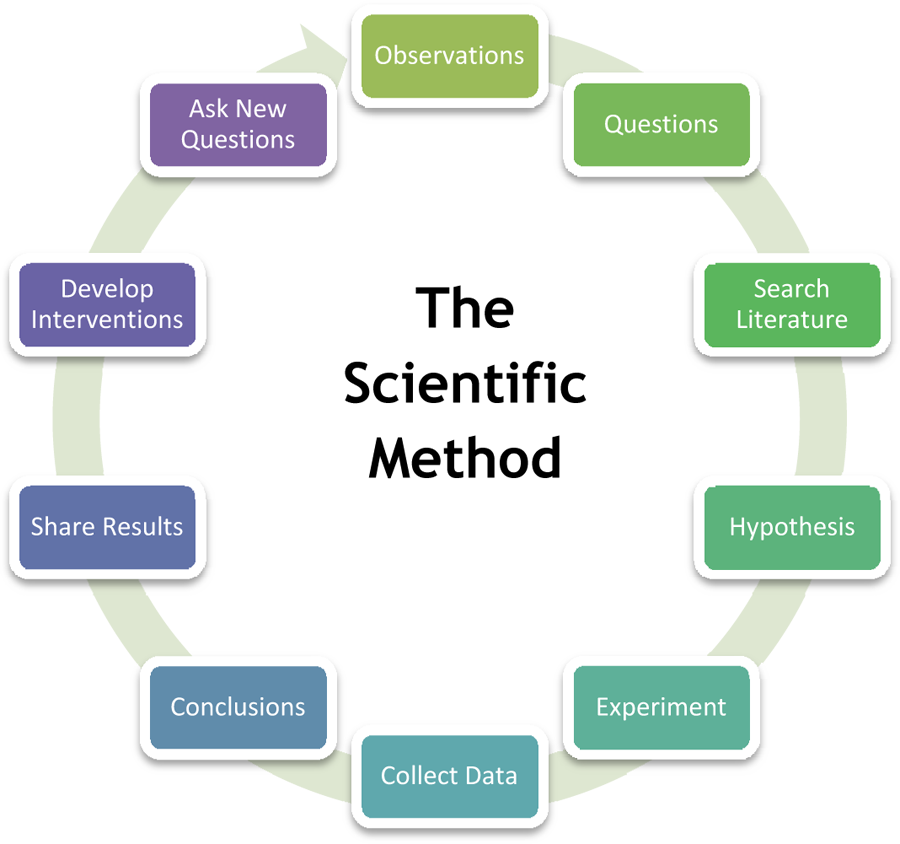
Choosing the appropriate AI-powered platform is a crucial step in effective long tail research. The right tools can significantly streamline the process, enhance accuracy, and provide insights that are difficult to obtain through manual efforts. With a myriad of options available, understanding the capabilities, usability, and costs associated with each platform helps marketers and content creators make informed decisions tailored to their niche targeting needs.
Effective selection involves evaluating tools based on their feature sets, ease of use, integration capabilities, and affordability. These factors ensure that the chosen AI solutions align with specific business goals, budget constraints, and levels of technical expertise. The following overview highlights some of the top AI-driven platforms suitable for long tail research, along with a comparative table to facilitate comparison and selection.
Top AI Platforms for Long Tail Research
| Tool | Features | Usability | Pricing |
|---|---|---|---|
| Ahrefs s Explorer | AI-powered suggestions, competitor analysis, search volume estimation, SERP overview | User-friendly interface with detailed reports; suitable for beginners and experts | Starting at $99/month; tiered plans available with additional features |
| SEMrush Magic Tool | Advanced research, long tail suggestions, metrics, competitor insights | Intuitive dashboard, customizable filters, ideal for professional marketers | Plans begin at $119.95/month; free trial available |
| KWFinder | Focus on long tail s, difficulty score, local search data, competitor analysis | Simple interface with fast results; accessible for users with limited technical background | Plans start at $29.90/month; flexible subscription options |
| Answer the Public | Query-based insights, question-focused suggestions, visualization of search questions | Highly visual and easy to navigate; suitable for content ideation | Free version with limited searches; Pro plans from $99/month |
Criteria for selecting effective AI solutions include:
- Accuracy and relevance of suggestions based on niche-specific data
- User interface that aligns with your technical skill level
- Integration capabilities with existing and content tools
- Cost-effectiveness relative to your marketing budget
- Ability to analyze competitor s and market trends
- Availability of support and regular updates to keep pace with search engine algorithm changes
By carefully assessing these criteria, marketers can identify AI tools that not only streamline long tail research but also contribute to more targeted and successful content strategies. The selection process should focus on aligning tool capabilities with specific niche requirements to maximize impact and return on investment.
Step-by-Step Procedures for AI-Driven Long Tail Discovery
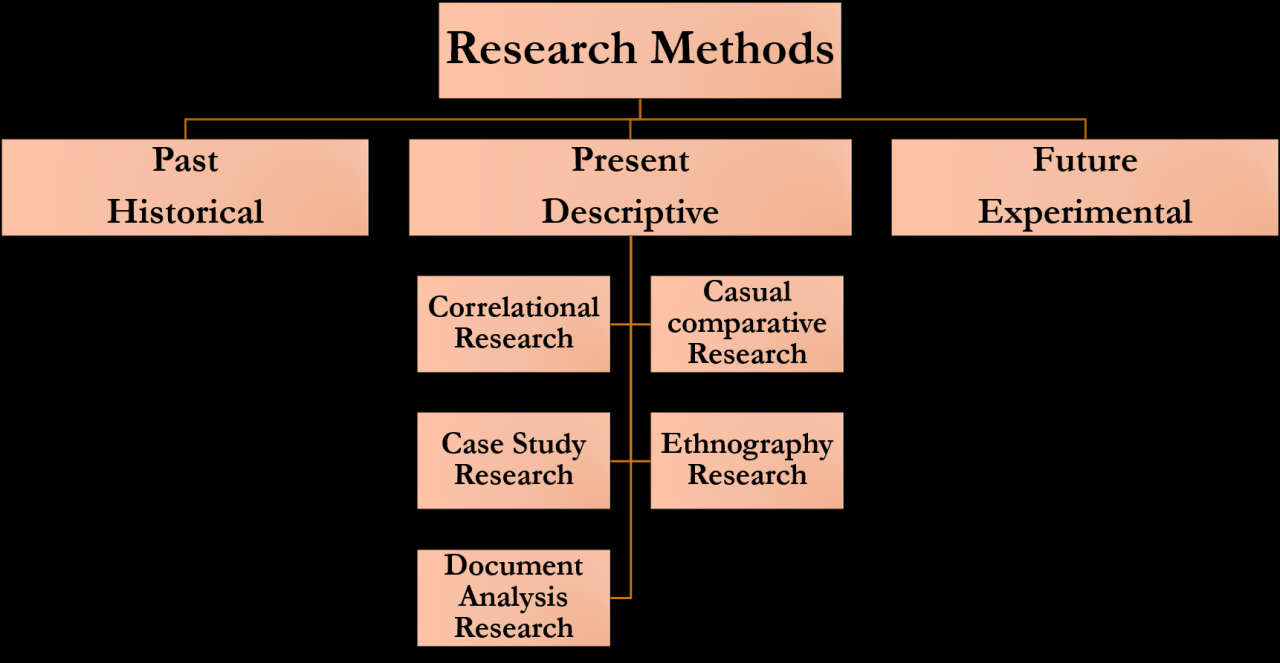
Efficiently discovering long tail s using AI involves a structured process that transforms seed topics into a wealth of targeted suggestions. This approach ensures that your and content strategies are precisely aligned with what your audience searches for, ultimately improving visibility and engagement. By following a clear workflow, marketers can leverage AI tools to generate, filter, and refine long tail s effectively, saving time and enhancing accuracy.
This section provides a comprehensive step-by-step guide to implementing AI-driven long tail research, emphasizing practical procedures from inputting seed topics to filtering the most relevant suggestions. The goal is to streamline your discovery process while maximizing the potential of AI technology.
Organizing the Workflow for Inputting Seed Topics into AI Tools
Initiating the long tail discovery process begins with selecting and preparing your seed topics. These seed topics should be broad yet specific enough to serve as a foundation for generating relevant suggestions. The organization of seed inputs directly influences the quality and relevance of the generated long tail s.
- Identify core themes relevant to your niche, product, or service. For example, if your business sells organic skincare, seed topics could include “organic skincare,” “natural moisturizers,” or “chemical-free face creams.”
- Break down broad topics into more specific s to create a diverse set of seed inputs. For instance, “organic skincare” can be segmented into “organic face cleansers,” “organic anti-aging creams,” and “natural exfoliants.”
- Prepare clear and concise seed prompts tailored to your AI tool’s requirements. For example, some tools may require a brief phrase, while others may benefit from descriptive prompts like “Generate long tail s related to organic skincare.”
- Input seed topics into the AI tool’s interface, ensuring each is distinct to maximize the variety of generated suggestions. Use organized files, spreadsheets, or dedicated prompts to keep track of your seed list.
Generating and Filtering Long Tail Suggestions Using AI Outputs
Once seed topics are inputted, the next phase involves generating long tail suggestions and filtering out the most valuable options. This process maximizes the relevance of s, focusing on search intent and competitiveness.
- Run the AI tool to generate a list of long tail s based on each seed topic. Depending on the tool, this may involve clicking a “Generate” button or setting parameters such as the number of suggestions or length.
- Review the generated suggestions for relevance, ensuring they align with your niche, target audience, and content goals. Look for phrases that reflect actual search queries rather than generic or unrelated terms.
- Apply filters to eliminate low-value s. This can include removing suggestions with high competition scores, irrelevant terms, or those lacking search volume. Use the AI tool’s filtering options or external tools like planners or analyzers.
- Prioritize long tail s with high search intent, moderate competition, and good search volume. For example, “best organic anti-aging moisturizer for sensitive skin” is more targeted than general terms like “organic moisturizer.”
- Compile the filtered list into a structured format, such as a spreadsheet, for further analysis and implementation. Document metrics like search volume, competition level, and relevance to facilitate decision-making.
Sample Workflow Table for Long Tail Discovery
| Step | Description | Tools/Methods | Outcome |
|---|---|---|---|
| Seed Topic Input | Organize core themes and s relevant to your niche and prepare clear prompts. | Spreadsheets, AI prompt templates | Prepared seed list ready for AI processing |
| Suggestion Generation | Use AI tools to generate long tail ideas based on seed topics. | AI generators, GPT-based tools | Initial pool of long tail suggestions |
| Filtering & Prioritization | Review suggestions, filter out irrelevant or low-value s, and rank by relevance and competition. | research tools, manual review, filters within AI tools | Refined list of high-potential long tail s |
| Documentation & Analysis | Organize filtered s, note metrics, and prepare for content integration or campaigns. | Spreadsheets, analysis tools | Actionable long tail list for targeting |
Techniques to Enhance Long Tail Relevance Using AI

Maximizing the relevance of long tail s is crucial for targeting specific niche audiences, increasing conversion rates, and reducing competition. AI-driven tools provide powerful capabilities to refine these s, ensuring they align closely with niche intent and user behavior. Implementing effective techniques can dramatically improve the quality and effectiveness of your strategies, helping you stand out in a crowded digital landscape.
These techniques focus on leveraging AI to filter, assess, and organize long tail s in ways that enhance their relevance and commercial potential. By applying these methods, marketers and content creators can develop more targeted, high-performing lists that resonate with their audience and support their business goals.
Refining AI Suggestions for Better Niche Alignment
One fundamental approach to improving long tail relevance involves fine-tuning AI-generated suggestions to match your specific niche or industry focus. This process includes customizing AI parameters and input prompts to prioritize s that are more closely aligned with your target audience’s language and search intent.
For example, when using AI tools like GPT-based generators, inputting niche-specific seed phrases and setting filters based on industry jargon can produce more precise suggestions. Additionally, applying feedback loops—where you review and adjust AI outputs based on performance data—helps AI models learn and generate increasingly relevant terms over time.
Assessing Commercial Viability of AI-Generated Terms
Determining the commercial potential of AI-suggested long tail s is essential for ensuring that your efforts translate into tangible results. This involves analyzing factors such as search volume, competition level, and estimated cost-per-click (CPC) to gauge profitability and practicality.
Integrating AI with market data tools allows for real-time evaluation of viability. For instance, AI can automatically cross-reference suggested s with advertising platforms or tools like Google Planner, SEMrush, or Ahrefs. By doing so, you can prioritize s that not only match user intent but also present strong monetization opportunities and manageable competition levels.
Using AI for Clustering Related Long Tail Phrases into Thematic Groups
Organizing long tail s into cohesive thematic clusters enhances content planning and strategy. AI-powered clustering algorithms analyze semantic similarities among phrases, grouping related s into logical themes that reflect user intent or niche segments.
This process typically involves natural language processing (NLP) techniques, such as embedding models, which convert s into vector representations and measure their contextual proximity. For example, a cluster might include phrases like “organic gluten-free bread recipes,” “gluten-free baking tips,” and “best gluten-free flours,” all grouped under a broader “gluten-free baking” theme. Such clustering enables targeted content creation, improves topical authority, and streamlines efforts by addressing entire groups rather than isolated terms.
Analyzing and Prioritizing Long Tail s with AI
After identifying potential long tail s using AI tools, the next crucial step involves analyzing and prioritizing these s to maximize success. Effective evaluation ensures that efforts are focused on s with the highest potential impact, considering factors like competitiveness and user intent. Leveraging AI insights provides data-driven clarity, enabling marketers and content creators to make informed decisions that align with their strategic goals.
By integrating AI for analysis and prioritization, businesses can optimize their strategies, reduce wasted resources on less impactful s, and target phrases that are more likely to drive qualified traffic and conversions. This process involves evaluating competition levels, understanding search intent, and systematically ranking s based on their potential benefits.
Assessing Competition Levels and Search Intent with AI
AI-powered tools facilitate in-depth analysis of competition and user intent, providing actionable insights that go beyond traditional research methods. These tools analyze various metrics such as domain authority of ranking sites, backlink profiles, content quality, and difficulty scores. Additionally, AI algorithms interpret search intent by examining contextual clues within search queries, related searches, and user engagement signals.
Evaluating competition involves examining factors such as:
- difficulty scores generated by AI, indicating how challenging it is to rank for a specific phrase.
- The strength of existing top-ranking pages, including their backlink profiles and on-page optimizations.
- Historical ranking stability and the presence of niche or emerging s with less saturation.
Understanding search intent is equally important and is achieved by analyzing the nature of top search results and the content types users prefer when searching for specific long tail phrases. AI models can classify intent into informational, transactional, navigational, or commercial investigation, guiding content creators to align their content with user expectations.
Structured Approach for Ranking Long Tail s Based on Impact
Prioritizing long tail s requires a systematic approach to evaluate their potential impact, considering both quantitative and qualitative factors. Employing a structured framework ensures objective decision-making and resource allocation for content optimization efforts.
This approach involves assessing each against a set of criteria and assigning scores or ranks accordingly. The process encourages consistency and transparency in selection strategies.
Key criteria for prioritization include:
Potential Traffic Volume: Estimated number of monthly searches and the likelihood of attracting targeted visitors.
Conversion Potential: Relevance to products or services and likelihood to convert visitors into customers.
Competition Intensity: Measured difficulty based on AI analysis of competing sites and content strength.
Search Intent Alignment: Degree of alignment with user needs and content strategy.
Content Gap Opportunities: The presence of underserved or niche topics where content can gain a competitive edge.
Using these criteria, marketers can create a scoring matrix or utilize AI tools that automatically rank s based on weighted importance. High-impact s are those that offer a balance of manageable competition, high relevance, and strong potential for engagement and conversions.
Creating Content Around Long Tail s Discovered via AI

Once long tail s have been identified using AI-driven research methods, the next crucial step is to effectively incorporate these s into your content strategy. This process involves organizing, structuring, and optimizing your content to maximize visibility and engagement. Leveraging AI insights allows content creators to craft highly relevant and targeted material that aligns with specific search intents, ultimately improving your website’s performance and attracting a more qualified audience.
This section explores strategies for integrating AI-discovered long tail s into your content planning, methods to structure articles or pages effectively, and templates that facilitate efficient content development aligned with these s.
Organizing Content Strategies for AI-Identified Long Tail s
Effective content planning begins with systematically organizing the AI findings to ensure that each is strategically incorporated across your website or blog. To do this, consider grouping related s into thematic clusters. This enables creating comprehensive, authoritative content around specific topics, thereby enhancing relevance and authority in search engine rankings.
Utilize a content mapping approach where each cluster corresponds to a dedicated page or article. Prioritize s based on search volume, competition, and relevance to your target audience. This prioritization guides the development process, ensuring high-impact content is produced first. Employing AI tools that analyze difficulty and potential traffic can refine this process further, resulting in a targeted content calendar.
Structuring Articles or Pages Using AI-Identified Phrases
Integrating AI-identified long tail s into content structure enhances readability and effectiveness. Begin with a clear Artikel that incorporates these phrases naturally within headings, subheadings, and body sections. This organization not only improves density but also ensures the content flows logically, addressing specific search intents.
Incorporate the long tail s into various content elements such as:
- Title tags that precisely reflect the target search queries
- Meta descriptions that include relevant long tail phrases for better click-through rates
- Headings and subheadings that segment content into manageable topics
- Body paragraphs that seamlessly integrate s without stuffing
Using AI to analyze user search behavior and content gaps can further optimize the placement and relevance of these s within your articles or pages.
Content Planning Templates Using HTML Tables
Structured templates facilitate consistent and effective content development around long tail s. Below is an example of a simple HTML table layout designed for content planning, which includes key elements such as , intent, content type, and notes. This template helps organize your strategy and ensures each piece of content aligns with your targeted long tail s.
| Search Intent | Content Type | Notes | |
|---|---|---|---|
| “Affordable vegan gluten-free snack ideas” | Informational / Purchase | Blog Post / Guide | Focus on quick recipes, include images and step-by-step instructions |
| “Best budget-friendly DSLR cameras for beginners” | Transactional / Informational | Product Review / Comparison | Highlight key features, include user reviews, comparison table |
| “How to train your rescue dog in urban environments” | Informational | How-to Guide / Video Script | Include tips, common challenges, and success stories |
| “Eco-friendly packaging options for small businesses” | Commercial / Informational | Resource List / Blog Post | List suppliers, benefits, cost analysis, eco-impact |
Using this template ensures your content efforts are organized and targeted, allowing for a consistent approach to developing content around AI-discovered long tail s. This method enhances your ability to produce relevant, engaging, and optimized content that resonates with your audience’s specific needs and search behaviors.
Best Practices and Tips for Effective AI-Assisted Research
Leveraging AI tools for long tail research can significantly enhance the accuracy and efficiency of your strategy. To maximize the benefits, it is essential to adopt best practices that ensure reliable results and avoid common pitfalls that could compromise your research quality. Implementing these guidelines will help you streamline your workflow, maintain data integrity, and generate meaningful insights that resonate with your target audience.
Effective use of AI for niche discovery requires a strategic approach, combining technological capabilities with a clear understanding of your niche market. This section provides practical recommendations, highlights common mistakes to avoid, and illustrates successful workflows that demonstrate how AI can best serve your long tail research objectives.
Recommendations for Using AI Tools Efficiently
Optimizing AI-driven research involves utilizing tools thoughtfully and systematically. Start by clearly defining your niche and target audience to guide AI algorithms in generating relevant suggestions. Regularly update your datasets to keep AI models current with evolving language patterns and market trends. Employ multiple AI tools to cross-validate findings, ensuring a comprehensive list that captures various user intents.
Additionally, set specific parameters within your AI tools, such as search volume thresholds, difficulty levels, and contextual relevance, to filter out less valuable options. Harness the power of AI to analyze clustering and semantic relationships, which can uncover long tail s with high relevance and conversion potential. Consistently review and refine your input prompts to improve the accuracy of AI-generated suggestions.
Common Pitfalls to Avoid When Relying on AI for Niche Research
While AI offers remarkable capabilities, certain pitfalls can hinder your research process. Overdependence on AI without manual verification may lead to overlooking nuanced market insights or outdated data. Relying solely on high-volume s might neglect highly specific long tail terms that convert better but have lower search volumes. Ignoring the context or intent behind s can result in irrelevant or ineffective content strategies.
Another common mistake is failing to update AI models regularly, which can cause stagnation and outdated results. Additionally, neglecting competitor analysis may mean missing valuable niche s that AI alone might not identify. Ensuring that your research incorporates human judgment and critical analysis alongside AI outputs is vital for balanced and actionable insights.
Examples of Successful AI-Guided Research Workflows
Implementing a structured workflow can significantly improve the reliability and efficiency of AI-assisted long tail research. Here are some practical examples:
- Define Objectives and Input Criteria: Begin by specifying your niche, target audience, and content goals. Input these parameters into the AI tool, including any preferred search volume ranges or topic-specific filters.
- Generate Initial List: Use AI to create an extensive list of potential long tail s, leveraging semantic analysis features to identify related terms and user intents.
- Filter and Validate Results: Cross-reference AI-generated s with your existing analytics data and perform manual validation to exclude irrelevant or overly competitive terms.
- Prioritize Based on Relevance and Potential: Apply scoring criteria such as search intent alignment, difficulty, and potential conversion rates to rank the s.
- Develop Content Strategy: Use the prioritized list to craft tailored content around high-value long tail s, ensuring alignment with user intent identified during the research.
By following such workflow practices, marketers can efficiently harness AI to discover long tail s that are not only relevant but also highly actionable, ultimately driving targeted traffic and improving performance.
Final Thoughts

In conclusion, mastering how to research long tail s using AI empowers you to develop more targeted, impactful content strategies. By selecting the right tools, following systematic workflows, and refining your approach, you can discover high-potential s with greater efficiency and confidence. Embracing AI-driven research methods ultimately leads to better search visibility and sustained online success.