Learning how to optimize meta descriptions using AI offers a powerful opportunity to enhance your website’s visibility and attractiveness in search engine results. By leveraging advanced technology, content creators and professionals can craft compelling, relevant descriptions that entice users to click. This approach not only saves time but also ensures that each meta description aligns with best practices for effective communication and engagement.
In this guide, we explore the significance of meta descriptions in , the foundational role of AI in streamlining their creation, and practical techniques to implement AI-driven optimization. From understanding key elements to analyzing AI-generated suggestions, you’ll gain valuable insights into elevating your meta descriptions for maximum impact across various content types and industries.
Understanding the Role of Meta Descriptions in Optimization
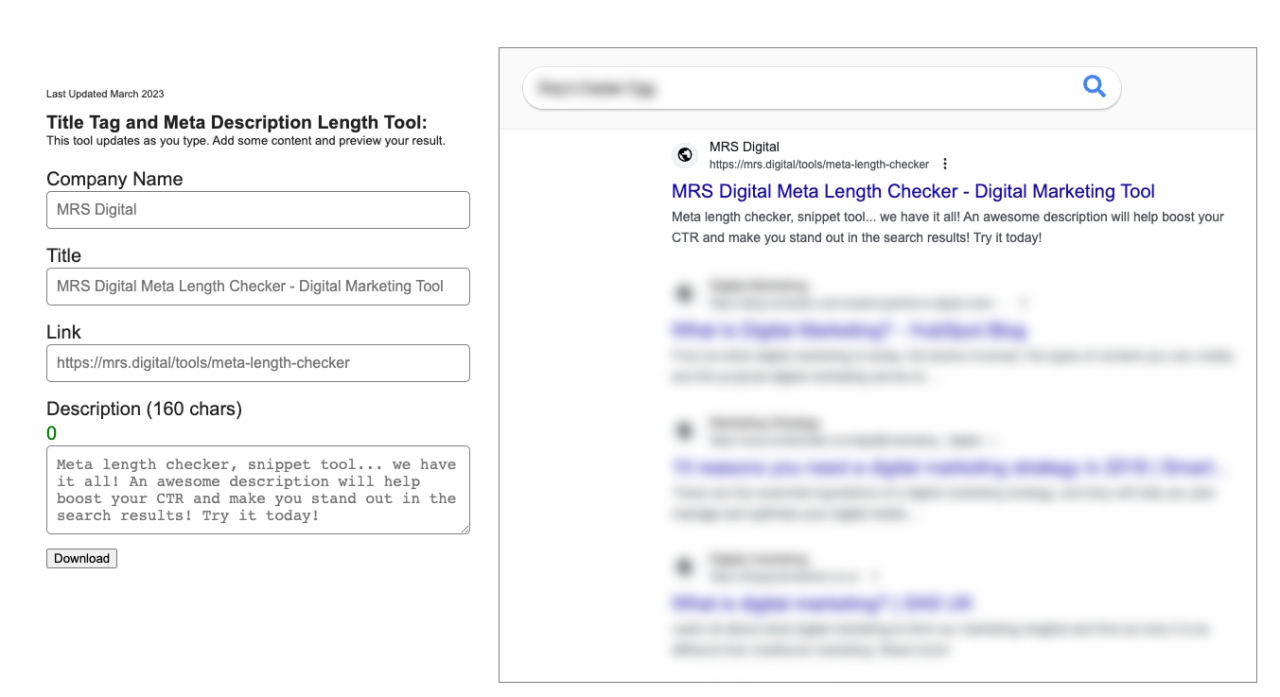
Meta descriptions serve as concise summaries of webpage content that appear beneath the clickable link in search engine results pages (SERPs). They are a vital component of strategy because they significantly influence how your page is perceived by users and search engines alike.
Effective meta descriptions not only provide clarity about the webpage’s content but also play a crucial role in attracting potential visitors. When crafted thoughtfully, they can elevate your website’s visibility, enhance user engagement, and ultimately drive higher click-through rates (CTR). In the competitive digital landscape, a compelling meta description acts as a persuasive advertisement that entices users to choose your link over others.
Importance of Meta Descriptions for Search Engine Visibility
Meta descriptions are an extension of your webpage’s snippet in search results. While search engines primarily use page content and s for ranking, the meta description influences how your site is presented to users. A well-written meta description can improve your page’s relevance perception and increase its chances of being clicked.
Moreover, search engines sometimes generate their own snippets based on content relevance, but custom meta descriptions give you control over the messaging. This control ensures that your page accurately represents its content and aligns with user intent, fostering trust and improving your overall performance.
Influence of Compelling Meta Descriptions on Click-Through Rates
Compelling meta descriptions act as a call-to-action (CTA) within search results, guiding users to click on your link. When a meta description clearly communicates the value or solution your webpage offers, it captures attention amidst competing results.
Research indicates that pages with tailored and engaging meta descriptions tend to have higher CTRs. For example, including phrases that evoke curiosity, urgency, or highlight unique selling points can significantly influence user decision-making. Consequently, optimizing meta descriptions is a strategic move to increase traffic and improve your website’s visibility in search rankings.
Key Elements of an Effective Meta Description
Understanding the essential components that contribute to an impactful meta description is key to success. The following elements help craft descriptions that are both search-engine friendly and user-centric:
| Element | Description |
|---|---|
| Relevance | Align the meta description with the actual content of the webpage, ensuring it accurately reflects what users will find upon clicking. |
| s | Incorporate primary s naturally to enhance visibility for relevant search queries, making it clear what the page addresses. |
| Clarity | Use clear and straightforward language to communicate the value proposition, avoiding vague or ambiguous statements. |
| Call-to-Action | Encourage user engagement through actionable phrases like “Discover,” “Learn,” “Get,” or “Find out more.” |
| Uniqueness | Create unique descriptions for each page to avoid duplication and distinguish your content from competitors. |
| Optimal Length | Maintain a length of approximately 150-160 characters to ensure the entire description displays properly on desktop and mobile search results. |
“A well-crafted meta description acts as a bridge between your content and the user’s intent, guiding them seamlessly to your website.”
Foundations of AI-Driven Meta Description Optimization
Artificial intelligence has increasingly become a vital component in enhancing strategies, particularly in crafting compelling meta descriptions. By leveraging AI, content creators and digital marketers can generate engaging, relevant, and search-optimized descriptions that improve click-through rates and overall visibility in search engine results pages (SERPs). AI-driven tools enable a more efficient and data-informed approach to meta description creation, ensuring that each snippet resonates with both users and algorithms.
Implementing AI in the process of meta description optimization involves understanding its core features and effectively integrating these tools into existing workflows. This approach not only streamlines content production but also enhances the quality and relevance of meta descriptions, ultimately contributing to improved performance.
AI Features Useful for Meta Description Generation
Several advanced features of artificial intelligence facilitate the creation of effective meta descriptions. These features harness natural language processing (NLP), machine learning algorithms, and data analysis to generate descriptions that are both engaging and aligned with best practices.
- Natural Language Processing (NLP): Allows AI to understand and generate human-like language, ensuring that meta descriptions are coherent, natural, and persuasive.
- Optimization: AI analyzes target s and intelligently incorporates them into meta descriptions, maintaining relevance without stuffing.
- Content Relevance Assessment: AI evaluates the main content of a webpage to ensure the meta description accurately reflects its purpose, thereby improving user trust and reducing bounce rates.
- Sentiment Analysis: Helps craft descriptions with appropriate tone and emotional appeal, increasing user engagement and clickability.
- Predictive Performance Modeling: AI predicts which descriptions are likely to perform better in search rankings based on historical data and user behavior patterns.
- Multilingual Support: Enables the generation of meta descriptions in multiple languages, expanding reach to diverse audiences.
Methods for Integrating AI Tools into Content Workflows
Seamless integration of AI-driven tools into existing content creation processes is crucial for maximizing their benefits. These methods facilitate automation, consistency, and data-driven decision-making within workflows.
- Content Management System (CMS) Plugins: Deploy AI plugins directly within CMS platforms like WordPress, enabling real-time meta description generation during content editing and publishing.
- API Integration: Connect AI services through application programming interfaces (APIs) to automate meta description creation as part of content workflows, ensuring scalability and customization.
- Batch Processing and Bulk Editing: Use AI tools to generate or optimize meta descriptions for large sets of existing pages, maintaining consistency across a website.
- Workflow Automation Platforms: Incorporate AI features into broader automation tools such as Zapier or Integromat, enabling triggers and actions based on content status or performance metrics.
- Collaborative Content Platforms: Integrate AI within team-based platforms like Google Docs or project management tools to assist writers and specialists collaboratively optimize meta descriptions during the content drafting process.
By adopting these methods, organizations can ensure that AI-driven meta description optimization becomes a natural part of their content lifecycle, resulting in better outcomes, time savings, and enhanced content quality.
Techniques for Enhancing Meta Descriptions with AI
Leveraging AI to enhance meta descriptions involves systematic procedures that enable marketers and professionals to generate compelling, relevant, and impactful snippets for search results. This process combines data input strategies, analytical assessments, and iterative refinement to optimize meta descriptions effectively. Implementing these techniques ensures that meta descriptions not only attract clicks but also align closely with content goals and user intent.
By adopting AI-driven methods, organizations can streamline the creation of meta descriptions, reduce manual effort, and ensure consistency across a multitude of web pages. This section delineates practical procedures, evaluation methods, and step-by-step workflows that facilitate continuous improvement in meta description quality through AI technology.
Inputting Content Data into AI Models for Meta Description Suggestions
The foundation of effective AI-assisted meta description optimization lies in providing accurate and comprehensive content data to the AI model. This involves selecting relevant content elements, such as page titles, headings, key paragraphs, and target s, which serve as the primary context for generating suggestions.
Steps for inputting data include:
- Extract core content snippets from the webpage, focusing on sections that encapsulate the main topic and value propositions.
- Identify target s and phrases that align with user search intent and strategies.
- Format the extracted data into structured prompts or inputs compatible with the AI model. For example, combining the page title, main content summary, and s into a single prompt.
- Utilize API interfaces or specialized AI tools that accept input data to generate multiple meta description suggestions.
Ensuring data quality and relevance at this stage significantly influences the effectiveness of AI-generated descriptions, making precision and clarity vital during input preparation.
Analyzing AI-Generated Descriptions for Relevance and Impact
Evaluating the output from AI models necessitates a thorough analysis to ensure the suggestions meet standards and resonate with users. The assessment process involves examining relevance, clarity, inclusion, and overall appeal.
Key considerations include:
- Relevance: Confirm that the suggested description accurately reflects the content of the webpage without exaggeration or misleading information.
- Integration: Check for natural incorporation of target s, avoiding stuffing that may harm readability.
- Clarity and Conciseness: Ensure descriptions are clear, concise, and within the optimal length (typically 150-160 characters).
- Impact: Assess whether the description entices users to click by highlighting unique selling points or calls to action.
Performing A/B testing or user feedback surveys can provide additional insights into the effectiveness of AI-generated descriptions, guiding further refinement.
Step-by-Step Guide for Iterative AI Optimization of Meta Descriptions
Achieving optimal meta descriptions through AI involves a cycle of generation, evaluation, and refinement. The following steps facilitate this iterative process:
- Initial Generation: Input content data into the AI tool to produce multiple meta description options.
- Preliminary Review: Analyze the generated descriptions for relevance, usage, and appeal.
- Selection: Choose the best-performing description based on predefined criteria or testing results.
- Refinement: Use insights from the review to adjust input prompts—such as emphasizing certain s or tone—and regenerate descriptions.
- Validation: Compare the new suggestions with previous ones, possibly through A/B testing or performance analytics, to determine improvements.
- Repeat: Continue this cycle until the meta descriptions consistently meet desired standards for engagement and relevance.
This structured approach ensures continuous enhancement, leveraging AI’s ability to adapt and optimize based on real-world performance data.
Comparison of Traditional and AI-Optimized Meta Descriptions
| Aspect | Traditional Meta Descriptions | AI-Optimized Meta Descriptions | Key Benefits |
|---|---|---|---|
| Creation Process | Manual writing based on content understanding and knowledge. | Generated automatically through AI models based on input data. | Speeds up creation, ensures consistency, and leverages data-driven insights. |
| Relevance | Depends heavily on writer expertise; prone to inconsistencies. | High relevance through precise input prompts and AI contextual understanding. | Enhances alignment with page content and user intent. |
| Optimization | Relies on manual integration and testing. | Automated, with AI tuning descriptions for density and impact. | Allows rapid iteration and data-informed refinements. |
| Effectiveness | Variable; dependent on writer skill and experience. | Consistently improved through iterative AI processes and testing. | Increases click-through rates and performance reliably. |
Best Practices for Using AI to Optimize Meta Descriptions
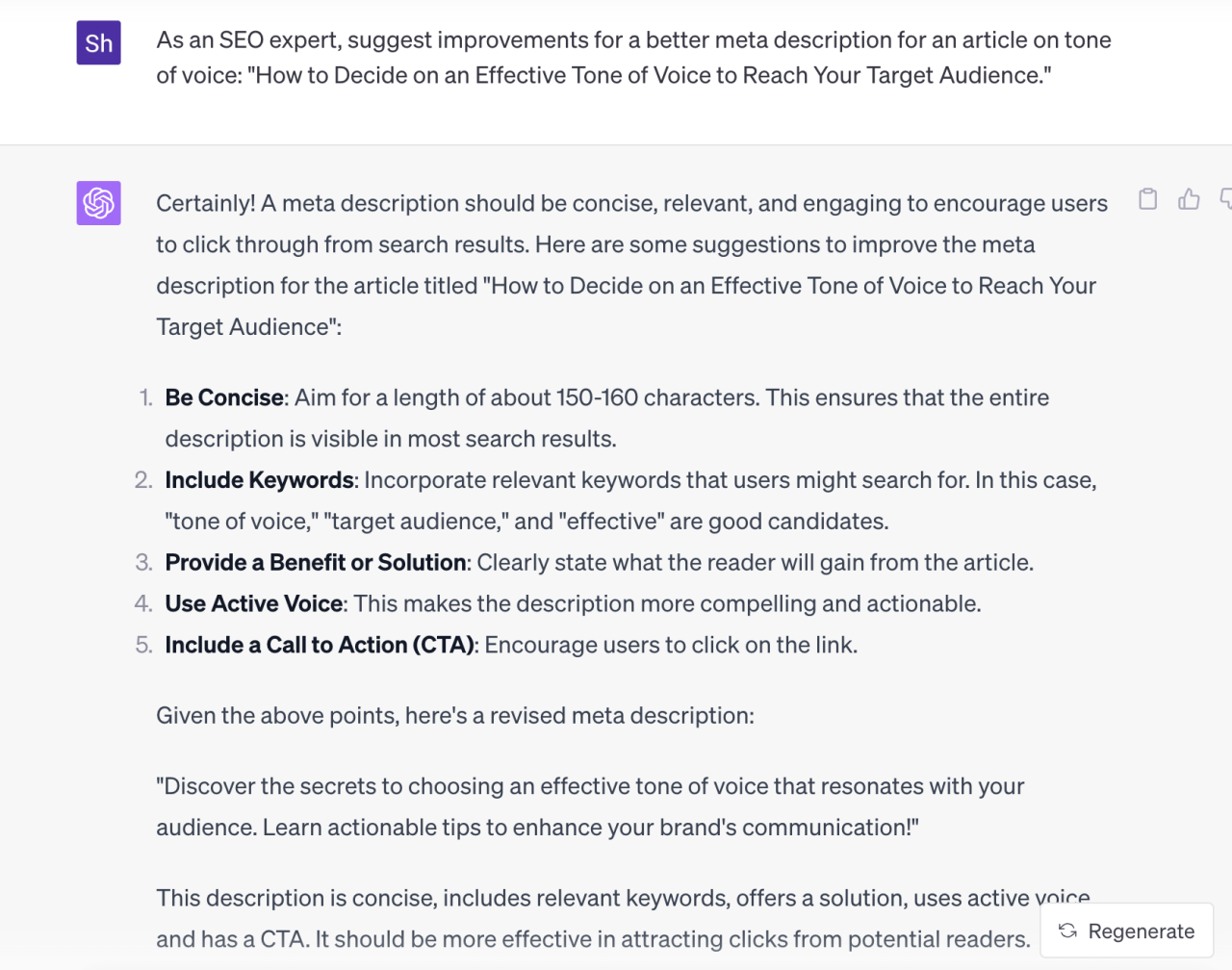
Leveraging AI for meta description optimization can significantly enhance search engine visibility and click-through rates. To maximize the benefits, it is essential to adopt structured best practices that balance automation with strategic oversight. Implementing these methods ensures that AI-generated meta descriptions remain effective, aligned with your brand voice, and continuously refined for optimal performance.
Adhering to proven best practices allows marketers and specialists to harness AI tools efficiently while maintaining control over content quality. This approach minimizes common pitfalls associated with automated content creation and promotes consistent, compelling meta descriptions that resonate with target audiences and search engines alike.
Methods to Ensure Descriptions Stay Concise yet Informative Using AI
AI models can generate detailed descriptions, but maintaining conciseness is crucial for meta descriptions, which typically have a character limit of 150-160 characters. To achieve this, it is vital to define clear input prompts and implement validation checks post-generation.
- Use explicit instructions in AI prompts specifying the maximum character count and the necessity of including key information without redundancy.
- Incorporate density and placement guidelines within prompts to ensure essential s are naturally integrated without overstuffing.
- Apply post-generation trimming processes that shortens verbose descriptions while retaining core messages and value propositions.
- Utilize AI tools with built-in length control features or integrate external scripts that automatically truncate or optimize text length.
For example, an effective prompt might be: “Generate a concise meta description (max 160 characters) highlighting our eco-friendly cleaning products’ benefits, emphasizing quality and affordability.” This directive guides the AI to produce targeted, succinct descriptions aligned with goals.
Strategies to Maintain Brand Voice and Tone in AI-Generated Content
Preserving brand consistency is vital for establishing trust and recognition. When using AI for meta description creation, strategies should focus on embedding brand personality into prompts and leveraging style guidelines.
- Develop comprehensive style guides that specify tone, vocabulary, and messaging preferences, which can be incorporated into prompts to steer AI outputs.
- Use examples of existing brand-focused descriptions within prompts to provide contextual cues to the AI model.
- Implement iterative refinement processes where initial AI-generated descriptions are reviewed and adjusted to better align with brand voice, then fed back into the AI for further optimization.
- Regularly update prompts based on evolving brand messaging and customer feedback to maintain relevance and authenticity in generated descriptions.
For instance, if a brand’s tone is friendly and approachable, prompts should specify this tone clearly, such as: “Create a friendly, approachable meta description promoting our customer service-focused online bookstore.”
Procedures for Testing and Refining Meta Descriptions from AI Outputs
Continuous testing and refinement are essential to ensure AI-generated meta descriptions deliver desired results over time. Establishing structured procedures improves effectiveness and aligns outputs with strategic objectives.
- Initial Generation: Use well-crafted prompts to produce multiple meta description options for each webpage or product.
- Performance Tracking: Implement A/B testing by deploying different descriptions and monitoring key metrics such as click-through rates (CTR), bounce rates, and conversions.
- Analysis and Feedback: Analyze performance data to identify high-performing descriptions. Gather qualitative feedback from stakeholders or focus groups.
- Refinement Loop: Adjust prompts based on insights, emphasizing language, tone, and placement that yielded positive results. Regenerate descriptions accordingly.
- Automation and Scaling: Utilize automation tools to regularly test new iterations, ensuring continuous optimization without manual intervention.
This iterative cycle allows for data-driven improvements, fostering meta descriptions that adapt to shifting search engine algorithms and audience preferences.
Guidelines for Avoiding Common Pitfalls in AI-Assisted Meta Description Creation
While AI tools offer powerful capabilities, several pitfalls can compromise meta description quality and effectiveness. Establishing clear guidelines helps mitigate these risks and ensures ethical, accurate, and brand-relevant outputs.
- Avoid stuffing: Ensure AI-generated descriptions incorporate s naturally, prioritizing readability and user engagement over overuse.
- Prevent misinformation: Verify all AI outputs against factual data to avoid inaccuracies or outdated information that could harm credibility.
- Maintain uniqueness: Regularly review and edit AI-generated descriptions to prevent duplication, which can negatively impact rankings.
- Ensure compliance: Stay aligned with search engine guidelines and legal standards, especially regarding claims, trademarks, and privacy considerations.
- Monitor tone and relevance: Avoid generic or overly promotional language that may not resonate with the target audience. Tailor descriptions to reflect specific user intent and context.
Effective meta description optimization with AI involves balancing automation with oversight, ensuring descriptions are concise, consistent, and aligned with strategic brand goals.
Practical Examples and Case Studies
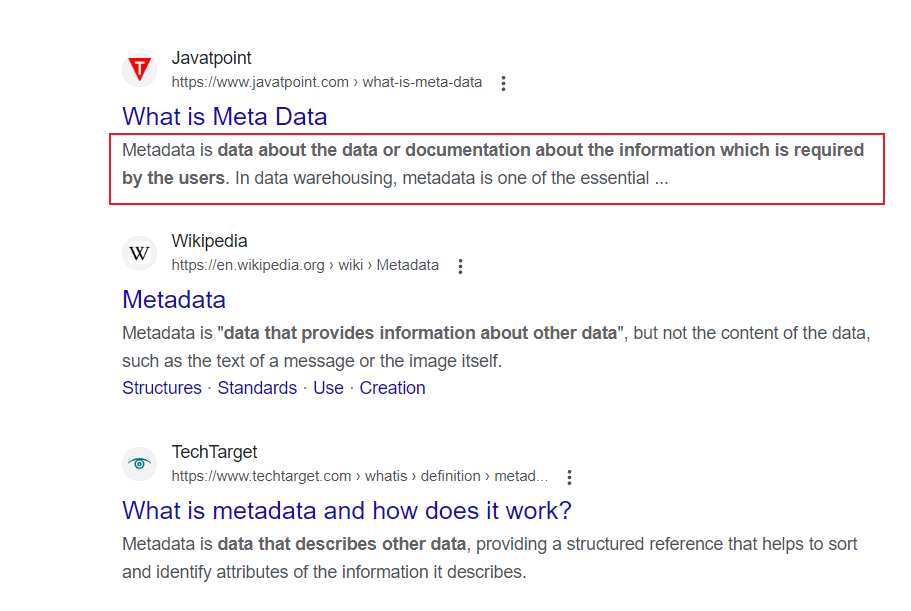
Real-world examples and case studies shed light on how AI-enhanced meta descriptions can significantly impact search visibility and user engagement across various industries. These insights help in understanding the tangible benefits of implementing AI-driven strategies and provide a blueprint for adaptation in diverse content scenarios.
By examining successful applications of AI-optimized meta descriptions, digital marketers and specialists can identify effective techniques, recognize industry-specific approaches, and learn how to tailor AI suggestions to meet unique content requirements. This section highlights notable case studies and practical methods for deploying AI-generated meta descriptions to achieve measurable results.
Successful AI-Optimized Meta Descriptions
Several companies have effectively utilized AI tools to craft meta descriptions that increase click-through rates (CTR), improve rankings, and enhance user experience. These descriptions are often more concise, -rich, and tailored to match user intent, resulting in better alignment with search queries and increased relevance.
For example, a leading e-commerce platform used AI to generate meta descriptions that emphasized special offers and product benefits, leading to a 25% increase in CTR. Similarly, a SaaS provider incorporated AI suggestions that highlighted key features and user testimonials, boosting organic traffic by 30%. The success of these endeavors demonstrates the power of AI in creating compelling, optimized snippets that resonate with audiences.
Industry-Specific Approaches
Different sectors require tailored strategies when leveraging AI for meta description optimization. Below are illustrative approaches across various industries:
- E-commerce: Focus on product features, discounts, and urgency indicators. AI can generate descriptions emphasizing unique selling points and limited-time offers to entice clicks.
- Technology and SaaS: Highlight core functionalities, user benefits, and integration capabilities. AI tools can craft concise descriptions that appeal to technical audiences seeking solutions.
- Healthcare: Use clear, trustworthy language emphasizing safety, expertise, and patient benefits. AI can incorporate relevant medical s while maintaining sensitivity and accuracy.
- Travel and Hospitality: Feature destination highlights, exclusive experiences, and customer reviews. AI-generated descriptions can evoke emotion and create a sense of urgency to book.
- Education: Focus on program benefits, accreditation, and career prospects. AI can help tailor descriptions to target prospective students’ aspirations and queries.
Adapting AI-Generated Suggestions Across Content Types
Effectively utilizing AI for meta descriptions involves customizing suggestions to fit diverse content formats, including blog posts, landing pages, product pages, and service descriptions. The following methods facilitate this adaptation:
- Contextual Refinement: Use AI prompts that specify the content type and target audience to generate more relevant descriptions.
- Integration: Incorporate high-priority s naturally into AI suggestions, ensuring consistency with overall strategies.
- Tone and Style Adjustment: Customize AI outputs by defining preferred tone, whether formal, friendly, or technical, to match brand voice and content purpose.
- A/B Testing: Generate multiple meta description options using AI and analyze performance metrics to select the most effective versions for different content types.
By applying these methods, content creators can maximize the effectiveness of AI suggestions, ensuring meta descriptions are both optimized for search engines and compelling for users across various formats.
Case Study Summaries
| Case Study | Industry | Strategy Implemented | Key Outcomes |
|---|---|---|---|
| Online Retailer Boosts CTR | E-commerce | Used AI to generate product meta descriptions emphasizing discounts and features | Increased CTR by 25%, improved organic rankings for top products |
| Tech SaaS Enhances Lead Generation | Technology | AI-crafted descriptions highlighting core functionalities and user benefits | Registered 30% growth in organic traffic, higher engagement on landing pages |
| Healthcare Provider Builds Trust | Healthcare | AI-generated meta descriptions focusing on safety, expertise, and patient care | Reduced bounce rates, increased appointment inquiries by 15% |
| Travel Agency Creates Emotional Appeal | Travel & Hospitality | Descriptions crafted to evoke emotion and urgency, highlighting exclusive offers | Bookings increased by 20%, improved visibility in competitive markets |
| Educational Institution Draws Prospective Students | Education | Meta descriptions tailored to emphasize program benefits and career prospects | Higher application rates, improved ranking for targeted s |
These case studies underscore that AI-driven meta description optimization can be a versatile and impactful strategy across industries, leading to measurable improvements in search visibility and user engagement. The key lies in customizing AI suggestions to align with content goals and audience interests, ensuring the generated descriptions are both relevant and compelling.
Future Trends and Innovations in AI and Meta Description Optimization
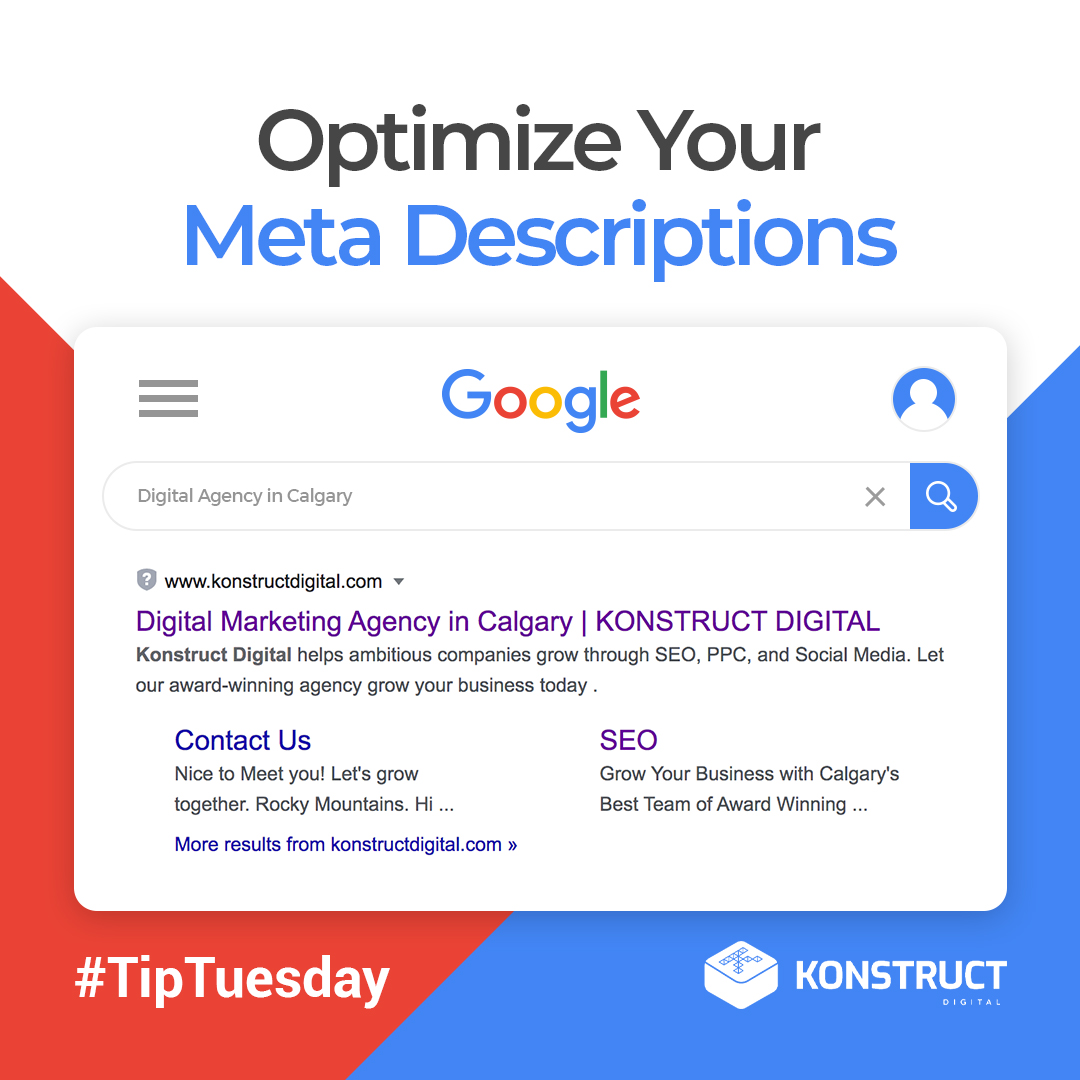
As artificial intelligence continues to evolve at an unprecedented pace, its influence on strategies, particularly in optimizing meta descriptions, is set to become increasingly profound. Future developments are poised to introduce more sophisticated, adaptable, and personalized approaches that will redefine how digital content is presented to users and search engines alike. Staying ahead in this dynamic landscape requires a deep understanding of emerging technologies and innovative methodologies shaping the future of meta description optimization.
Advancements in AI are driving a shift from static, generic meta descriptions towards dynamic, user-centric snippets that adapt in real-time based on context, intent, and individual preferences. This transformation not only enhances click-through rates but also aligns with the broader goals of personalized search experiences and smarter content strategies. Exploring these upcoming trends reveals promising opportunities for digital marketers and professionals to craft more compelling, relevant meta descriptions that maximize visibility and engagement.
Emerging AI Technologies Impacting Meta Description Strategies
New AI technologies are set to revolutionize meta description development through enhanced natural language understanding, real-time data processing, and predictive analytics. These innovations enable the generation of highly relevant, context-aware snippets that dynamically adjust based on user behavior and search intent. For instance, advanced natural language processing (NLP) models can interpret complex queries, allowing AI to craft meta descriptions that precisely match the nuanced needs of individual users.
Generative AI models, such as GPT-4 and beyond, are increasingly capable of producing human-like, engaging meta descriptions that can be tailored in real-time, based on the specific search context.
Furthermore, AI-powered tools integrated with analytics platforms can analyze historical user data to predict the most effective meta description variations for different audience segments. These technologies not only improve relevance but also reduce the manual effort involved in continually updating and testing meta descriptions for optimal performance.
Innovative Methods for Dynamic and Personalized Meta Descriptions
Incorporating AI-driven personalization involves creating meta descriptions that adjust based on user location, device type, search history, and browsing behavior. Dynamic meta descriptions can be generated on-the-fly to reflect current trends, seasonal interests, or individual preferences, thereby increasing relevance and user engagement. Examples include e-commerce sites modifying product descriptions based on user browsing patterns or localizing snippets for regional audiences.
Advanced machine learning algorithms leverage real-time data to optimize meta descriptions continuously. These methods involve:
- Utilizing user segmentation data to tailor snippets
- Implementing real-time A/B testing powered by AI to determine the most effective descriptions
- Integrating with content management systems to automate updates based on behavioral analytics
Such approaches ensure that meta descriptions are not only contextually appropriate but also optimized for maximum impact at the moment of search.
Comparison of Traditional Approaches with Cutting-Edge AI Solutions
Understanding the distinctions between conventional methods and innovative AI-driven strategies helps clarify the potential benefits and limitations of each. The following table summarizes these differences:
| Aspect | Traditional Meta Description Optimization | AI-Driven Meta Description Optimization |
|---|---|---|
| Generation Method | Manual creation based on research and content summaries | Automated, context-aware generation using NLP and machine learning models |
| Personalization | Limited; generic descriptions used across pages and audiences | Highly personalized, adapting dynamically to user behavior and preferences |
| Update Frequency | Periodic updates based on audits or content changes | Real-time updates based on ongoing data analysis and user interactions |
| Efficiency | Time-consuming and resource-intensive | Streamlined with automation, reducing manual effort and increasing scalability |
| Performance Optimization | Relies on A/B testing and manual adjustments | Leverages predictive analytics and machine learning for continuous improvement |
As demonstrated, AI solutions offer a significant advantage in delivering timely, relevant, and personalized meta descriptions, aligning with the evolving expectations of users and search engines.
Insights into Evolving Best Practices
Recent developments in AI technology suggest that future best practices will emphasize the integration of automation, personalization, and data-driven insights. Key principles include:
- Leveraging advanced NLP models to craft compelling, relevant snippets aligned with user intent
- Implementing real-time data analysis to adapt meta descriptions proactively
- Prioritizing user experience by personalizing content based on behavioral analytics
- Continuously testing and refining meta descriptions through AI-powered A/B testing frameworks
- Ensuring compliance with search engine guidelines while maximizing engagement and relevance
By embracing these principles, digital marketers can foster more effective meta description strategies that are resilient to changing algorithms and user expectations, maintaining a competitive edge in the search landscape.
Ultimate Conclusion
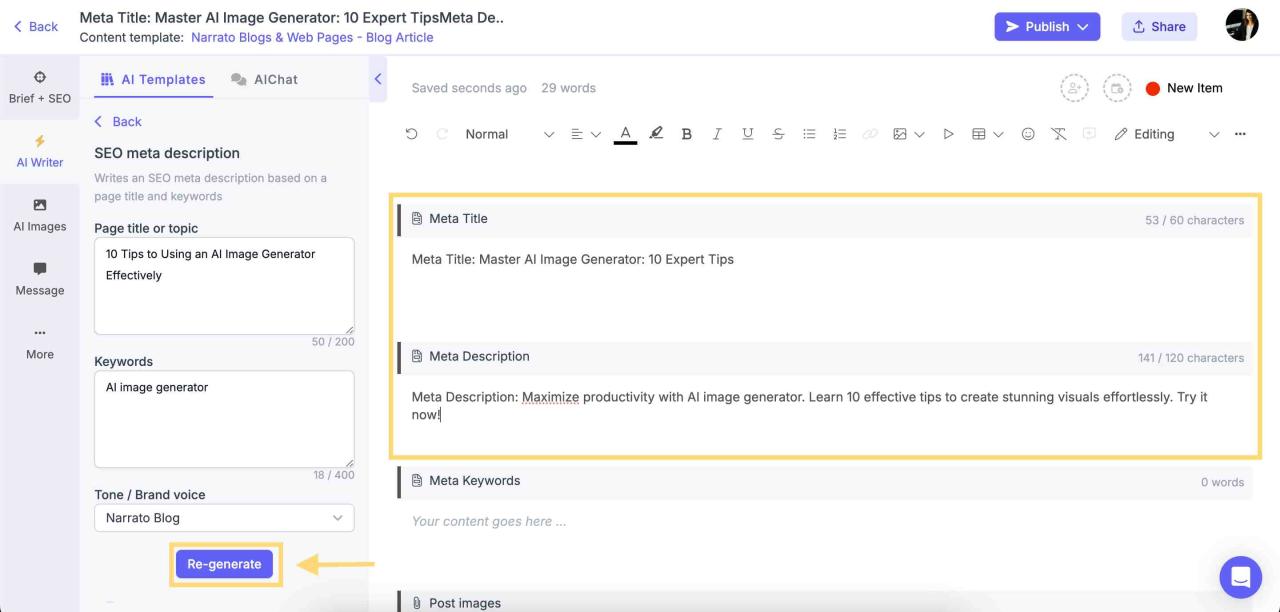
By integrating AI into your meta description strategy, you open doors to more efficient and impactful practices. As technology continues to evolve, staying informed about innovative methods and best practices will ensure your content remains competitive and engaging. Embracing AI-driven optimization offers a promising path toward achieving higher click-through rates and sustained online success.