Discovering how to personalize customer experience using AI opens the door to transforming traditional interactions into highly tailored and meaningful engagements. As businesses strive to stand out in competitive markets, leveraging artificial intelligence offers innovative solutions to meet evolving customer expectations effectively.
This comprehensive overview examines the strategic application of AI in personalizing customer interactions, from data collection and segmentation to implementing advanced algorithms across various channels. By understanding these methods, organizations can foster loyalty, improve satisfaction, and drive growth through intelligent personalization strategies.
Overview of AI in Personalizing Customer Experience
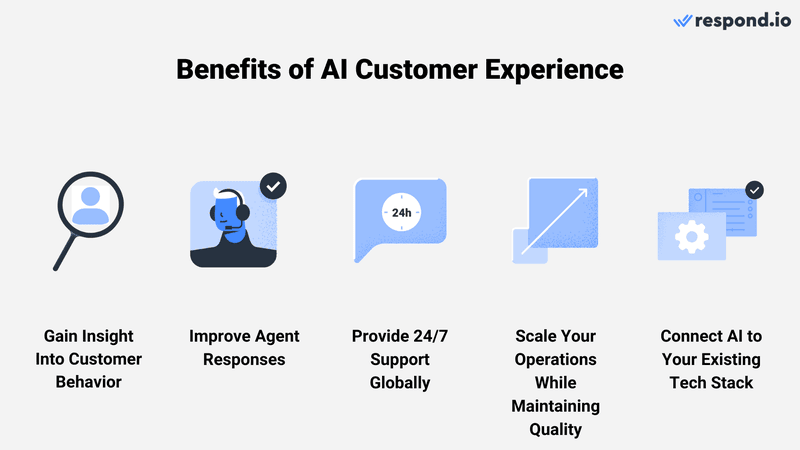
Artificial Intelligence (AI) has become a cornerstone in revolutionizing how businesses engage with their customers. By leveraging advanced data analysis, machine learning algorithms, and natural language processing, AI enables organizations to deliver highly personalized, timely, and relevant experiences. This shift from traditional methods to AI-driven personalization marks a significant evolution in customer service strategies, offering enhanced engagement and stronger brand loyalty.
While traditional customer personalization largely relied on static profiles, manual segmentation, and generic marketing campaigns, AI introduces dynamic, real-time customization based on individual behaviors and preferences. This transition allows businesses to not only anticipate customer needs more accurately but also to adapt swiftly to changing preferences, resulting in increased satisfaction and competitive advantage.
Role of Artificial Intelligence in Transforming Customer Service Strategies
AI plays a pivotal role in transforming customer service by automating complex processes and providing intelligent insights. It enables companies to analyze vast amounts of data—from purchase history and browsing behavior to social media interactions—allowing for an in-depth understanding of each customer. AI-powered chatbots, virtual assistants, and recommendation engines facilitate seamless, personalized interactions, often in real-time, thereby elevating customer satisfaction levels.
Moreover, AI’s predictive capabilities empower businesses to proactively address customer needs, personalize marketing messages, and offer tailored product suggestions. This proactive approach not only improves the overall customer experience but also optimizes operational efficiency by reducing manual workload and streamlining service delivery.
Comparison of Traditional vs. AI-Driven Personalization Methods
Understanding the differences between traditional and AI-driven personalization methods highlights the advantages AI offers. Traditional approaches generally involve segmentation based on broad demographic data, manual analysis, and segmented campaigns that may not accurately reflect individual preferences. These methods often lack the agility to adapt to real-time changes, limiting their effectiveness.
In contrast, AI-driven personalization is characterized by dynamic data processing and machine learning algorithms that continuously learn from new data. This results in a highly individualized customer experience, with tailored content, offers, and communication channels. AI systems can quickly analyze behavioral patterns, adjust recommendations, and predict future needs with high accuracy, leading to more meaningful engagement.
Key Benefits of Implementing AI for Customer Experience
Implementing AI in customer experience strategies delivers numerous advantages that contribute to business growth and customer loyalty. These benefits include:
- Enhanced Personalization: AI enables real-time customization of content and offers, aligning precisely with individual preferences and behaviors.
- Improved Customer Engagement: Personalized experiences foster stronger emotional connections, increasing engagement and satisfaction.
- Operational Efficiency: Automation of routine inquiries and tasks through chatbots and virtual assistants reduces response times and frees up human resources for more complex issues.
- Data-Driven Insights: AI provides valuable analytics that help understand customer trends, preferences, and pain points, informing strategic decisions.
- Increased Conversion Rates: Targeted recommendations and tailored marketing campaigns lead to higher conversion and retention rates, ultimately boosting revenue.
Integrating AI into customer experience strategies fosters a more responsive, personalized, and efficient service environment, driving sustained business success.
Data Collection and Customer Insights
Effective personalization of customer experience relies heavily on the strategic collection and analysis of customer data. Gathering relevant information ethically ensures trust and compliance, while sophisticated AI tools enable businesses to derive meaningful insights that inform tailored interactions. This section explores best practices for data collection, techniques for analyzing customer behavior, and illustrates the types of data and corresponding AI applications to optimize customer engagement.
Leveraging AI in customer insights involves a careful balance of respecting privacy and harnessing data for actionable intelligence. Proper procedures for data collection not only enhance personalization but also strengthen brand credibility by adhering to legal standards and ethical practices. Analyzing customer behavior through advanced AI algorithms transforms raw data into valuable insights, enabling businesses to anticipate needs and deliver highly relevant experiences.
Procedures for Gathering Customer Data Ethically and Effectively
Collecting customer data ethically is foundational to building trust and ensuring regulatory compliance. Businesses should prioritize transparency by clearly communicating data collection purposes and obtaining explicit consent from customers. Implementing privacy-by-design principles involves embedding data protection measures into every stage of data collection and processing. Utilizing comprehensive privacy policies and offering customers control over their data reinforces ethical standards.
Effective data collection procedures include leveraging multiple touchpoints such as website interactions, purchase history, customer feedback, and social media engagement. Employing secure mechanisms for data storage and regular audits ensures data accuracy and security. Additionally, adopting anonymization techniques where feasible helps maintain customer privacy while still enabling valuable analysis.
Analyzing Customer Behavior and Preferences Using AI Tools
AI-driven analysis involves processing large volumes of data to identify patterns, predict future behaviors, and uncover customer preferences. Techniques such as machine learning algorithms, natural language processing, and clustering enable businesses to segment customers effectively and personalize marketing strategies. AI tools can analyze browsing behaviors, purchase histories, and social interactions to develop detailed customer profiles.
For instance, predictive analytics can forecast which products a customer is likely to purchase next, allowing for targeted recommendations. Sentiment analysis on customer reviews and social media comments can provide insights into customer satisfaction and brand perception. These insights support proactive engagement, personalized offers, and improved customer service, fostering loyalty and enhancing overall experience.
Types of Customer Data and Corresponding AI Applications
Understanding the specific types of customer data and leveraging appropriate AI applications is crucial for effective personalization.
| Customer Data Type | Description | AI Application |
|---|---|---|
| Demographic Data | Age, gender, income level, education, occupation | Customer segmentation, targeted marketing campaigns |
| Behavioral Data | Browsing history, purchase patterns, clickstream data | Personalized product recommendations, predictive analytics |
| Preferences and Feedback | Customer preferences, reviews, survey responses | Sentiment analysis, tailored content creation |
| Engagement Data | Interactions with emails, social media, customer support | Optimized engagement strategies, chatbot personalization |
| Location Data | Geographical information, device location | Localized marketing, real-time offers |
Personalization Techniques Using AI

Implementing effective personalization strategies is central to delivering tailored experiences that resonate with individual customers. Leveraging AI-powered methods allows businesses to refine their approach continually, ensuring that each interaction is relevant and engaging. These techniques transform raw data into meaningful insights, creating a seamless and customized journey for each user.
By employing advanced AI algorithms, companies can accurately analyze customer behaviors, preferences, and purchase history to craft personalized product recommendations and communication strategies. This not only enhances customer satisfaction but also boosts conversion rates and loyalty. The following sections detail key methods and approaches that underpin AI-driven personalization efforts.
Methods for Customizing Product Recommendations Based on User Data
Personalized product recommendations form the backbone of AI-driven customer experience strategies. They are generated by analyzing extensive data points, including browsing history, past purchases, demographic information, and behavioral patterns. Implementing these methods ensures that customers are presented with relevant products, increasing the likelihood of engagement and sales.
- Collaborative Filtering: Uses historical interaction data across a broad user base to identify patterns and recommend products liked by similar users. For instance, if customers A and B share similar purchase behaviors, items favored by A can be recommended to B.
- Content-Based Filtering: Focuses on the attributes of products and the preferences expressed by users. For example, if a customer frequently searches for eco-friendly products, the system prioritizes recommending items labeled as sustainable.
- Hybrid Approaches: Combines collaborative and content-based filtering to enhance recommendation accuracy, mitigating limitations like cold start or data sparsity.
- Deep Learning Models: Utilize neural networks to analyze complex customer data, such as images or text reviews, enabling highly personalized suggestions that adapt over time.
These methods, when integrated effectively, allow for a dynamic and responsive recommendation system. They adapt to evolving customer preferences, providing a more engaging and relevant shopping experience.
AI-Driven Communication Approaches
Effective communication tailored to individual customer needs is vital for fostering engagement. AI enhances this aspect through various approaches that enable real-time, context-aware interactions. These approaches improve message relevance, timing, and personalization across multiple channels.
- Dynamic Content: AI dynamically adjusts content displayed on websites or apps based on user behavior and preferences. For example, a returning visitor might see personalized banners highlighting products they recently viewed or related items.
- Predictive Messaging: Utilizes predictive analytics to send targeted messages at optimal times, based on individual user activity patterns. For instance, prompting a customer with a discount offer when they are most likely to make a purchase, such as during peak browsing hours or after cart abandonment.
- Chatbots and Virtual Assistants: Employ natural language processing to engage customers conversationally, providing personalized recommendations, answering queries, and guiding the purchase process smoothly.
- Email Personalization: AI-tailored email campaigns that consider user preferences, purchase history, and browsing behavior to deliver relevant content and offers, increasing open and click-through rates.
Adopting these approaches ensures that communication remains pertinent, timely, and engaging, ultimately driving higher conversions and customer loyalty.
Flowchart for Implementing Personalized Marketing Campaigns
Designing personalized marketing campaigns involves a structured, step-by-step process to ensure effectiveness and scalability. A typical flowchart would include the following stages:
- Data Collection: Gather comprehensive customer data from various touchpoints, including website interactions, purchase history, social media activity, and customer feedback.
- Data Analysis and Segmentation: Use AI tools to segment customers into groups based on shared characteristics or behaviors, enabling targeted messaging.
- Strategy Development: Define campaign objectives, suitable personalization techniques, and communication channels aligned with customer segments.
- Content Creation: Develop personalized content, offers, and messages tailored to each customer segment, leveraging dynamic content tools.
- Execution and Deployment: Launch the campaign across selected channels, utilizing AI-driven automation for timely delivery and real-time adjustments.
- Monitoring and Optimization: Continuously track campaign performance using AI analytics, adjusting strategies and content based on customer responses and engagement metrics.
Implementing a structured approach ensures that personalized marketing campaigns are data-driven, scalable, and adaptable to changing customer preferences, leading to sustained business growth.
AI Algorithms and Models for Customer Personalization
Leveraging advanced AI algorithms and models is essential for delivering highly personalized customer experiences. These technologies enable businesses to analyze vast amounts of data, predict customer needs, and tailor interactions in real-time, fostering deeper engagement and loyalty. Understanding the different AI models and their respective strengths and limitations equips organizations to select the most appropriate tools for their specific personalization strategies.
In this section, we explore the primary AI models employed in customer personalization, including machine learning, natural language processing, and deep learning. We will examine the algorithms that predict customer behaviors and needs, illustrating how each model contributes uniquely to creating a customized experience tailored to individual preferences.
Machine Learning in Customer Personalization
Machine learning (ML) is a subset of AI that enables systems to learn from data and improve their accuracy over time without explicit programming. It is widely used for segmenting customers, recommending products, and predicting future behaviors. Common algorithms include decision trees, support vector machines, and clustering algorithms like k-means.
For example, collaborative filtering algorithms analyze user interactions with products or content, such as purchase history or browsing patterns, to recommend items that similar users have liked. This technique underpins many recommendation engines used by e-commerce platforms like Amazon and streaming services like Netflix.
Natural Language Processing and Customer Interactions
Natural Language Processing (NLP) allows AI systems to understand, interpret, and generate human language, making it crucial for personalized communication. NLP-driven models facilitate chatbots, virtual assistants, and sentiment analysis tools that respond accurately to customer inquiries and gauge customer sentiment.
Algorithms like sentiment analysis classify customer feedback as positive, negative, or neutral, enabling businesses to adapt their responses and improve customer satisfaction. Additionally, NLP models can analyze customer reviews and social media comments to uncover insights about customer preferences and pain points.
Deep Learning for Complex Data Patterns
Deep learning, a subset of machine learning, involves neural networks with multiple layers capable of modeling complex data patterns. It excels in processing unstructured data such as images, audio, and text, offering advanced personalization capabilities.
For instance, deep learning models can analyze facial expressions or voice tone to assess customer emotions, enabling more empathetic and context-aware interactions. They are also used in image recognition to recommend visually similar products or detect counterfeit items in e-commerce settings.
Algorithms That Predict Customer Needs and Behaviors
Several algorithms are designed specifically to anticipate customer needs and forecast future behaviors, enhancing the personalization process:
- Collaborative Filtering: Predicts preferences based on similar user behaviors, effective in recommendation systems.
- Content-Based Filtering: Uses product attributes and customer profiles to suggest items aligned with individual preferences.
- Sequential Pattern Mining: Identifies ordering patterns in customer actions to predict next steps, such as browsing or purchase sequences.
- Regression Algorithms: Forecasts quantitative outcomes like purchase amounts or churn likelihood based on historical data.
- Predictive Analytics Models: Combine various data sources to generate comprehensive customer insights, enabling proactive engagement strategies.
Comparison of AI Models for Personalization
To understand the suitability of different AI models for personalization, it is valuable to compare their strengths and limitations. The following table summarizes these aspects:
| AI Model | Strengths | Limitations |
|---|---|---|
| Machine Learning | Highly effective at pattern recognition, scalable to large datasets, adaptable to various tasks like segmentation and recommendations. | Requires extensive labeled data for supervised learning, can be biased if training data is skewed. |
| Natural Language Processing | Enables nuanced understanding of human language, supports personalized communication, improves customer engagement. | Complex language nuances and slang can challenge models, and sentiment analysis may sometimes misinterpret context. |
| Deep Learning | Handles unstructured data effectively, captures intricate patterns, enhances emotional and visual recognition capabilities. | Computationally intensive, requires large datasets and significant processing power, often acts as a “black box” with limited interpretability. |
“Choosing the appropriate AI model depends on the specific personalization goals, data availability, and computational resources of an organization.”
Customer Segmentation and Targeting
Effective customer segmentation is pivotal for delivering personalized experiences that resonate with distinct groups within a customer base. Leveraging AI techniques allows businesses to analyze vast amounts of data and identify meaningful customer segments with high precision, facilitating targeted marketing efforts and tailored service delivery. This strategic approach enhances customer engagement, satisfaction, and loyalty, ultimately driving business growth.
AI-driven customer segmentation involves employing advanced clustering algorithms to uncover natural groupings within customer data. These techniques analyze various behavioral, demographic, and transactional attributes to define segments that share common characteristics. Subsequently, targeted personalization strategies can be crafted for each segment, ensuring that marketing messages, product recommendations, and customer interactions are highly relevant and impactful.
Procedures to Segment Customers Using AI Clustering Techniques
Segmenting customers with AI involves several key procedures designed to efficiently discover meaningful groups within large datasets. These procedures include:
- Data Collection and Preparation: Aggregating relevant customer data from multiple sources such as CRM systems, transaction records, and online interactions. Data cleaning and normalization are essential to ensure quality and consistency.
- Feature Selection: Identifying the most relevant variables that influence customer behavior, such as purchase frequency, average order value, browsing patterns, and demographic details.
- Choosing Clustering Algorithms: Selecting appropriate algorithms like K-Means, Hierarchical Clustering, DBSCAN, or Gaussian Mixture Models based on data structure and segmentation objectives.
- Model Training and Validation: Running clustering algorithms to identify distinct customer groups and validating the stability and relevance of the clusters using metrics like silhouette scores or Davies-Bouldin index.
- Interpretation of Clusters: Analyzing the characteristics of each segment to understand their needs, preferences, and behaviors, facilitating targeted strategy development.
Creating Tailored Experiences for Different Customer Groups
Once segments are identified, designing personalized experiences involves developing strategies that cater to the specific needs and preferences of each group. Effective methods include:
- Developing customized marketing messages that resonate with the unique motivations of each segment.
- Recommending products and services based on segment-specific purchasing behaviors and preferences.
- Offering exclusive promotions or loyalty programs tailored to the engagement patterns of each group.
- Providing personalized content, such as newsletters or educational materials, aligned with the interests of different segments.
- Utilizing AI chatbots and virtual assistants to deliver tailored customer support experiences based on segment profiles.
Segmentation Criteria and Corresponding Personalization Strategies
Segmentation criteria serve as the foundation for developing effective personalization tactics. Here, we Artikel common criteria and tailored strategies:
| Segmentation Criterion | Personalization Strategy |
|---|---|
| Demographics (age, gender, income, location) | Targeted marketing campaigns, location-specific offers, age-appropriate product recommendations. |
| Behavioral Data (purchase history, browsing habits, response to campaigns) | Personalized product suggestions, timing of communications, tailored promotional messages. |
| Transaction Frequency (loyal customers vs. infrequent buyers) | Loyalty rewards, exclusive access, re-engagement campaigns for less active customers. |
| Customer Lifecycle Stage (new, active, dormant, churned) | Onboarding content, reactivation offers, retention initiatives tailored to each stage. |
| Preferences and Interests (product categories, brand affinity) | Curated content, personalized recommendations, targeted communication aligned with interests. |
“Using AI to dynamically analyze and segment customers allows businesses to craft experiences that are highly relevant, increasing conversion rates and fostering long-term loyalty.”
Implementation of AI in Customer Interaction Channels
Integrating AI into customer interaction channels is a critical step toward delivering seamless, personalized experiences. By leveraging AI-driven tools such as chatbots, virtual assistants, and optimization techniques across various digital platforms, organizations can enhance responsiveness, improve customer satisfaction, and streamline support processes. This section explores the key steps involved in deploying AI solutions effectively and how they can be tailored to optimize engagement across multiple channels.
Successful implementation involves careful planning, technology selection, integration, and ongoing management to ensure AI tools work harmoniously with existing systems and meet customer expectations. The following subsections detail these processes and provide practical insights into maximizing AI’s potential in digital customer interactions.
Integration of AI Chatbots and Virtual Assistants into Customer Support
Deploying AI chatbots and virtual assistants requires a structured approach to ensure they deliver value from the outset. The initial step involves defining specific support objectives, such as handling frequently asked questions or assisting with order tracking, to align AI functionalities with customer needs. Selecting a suitable AI platform that supports natural language processing (NLP) and understands the context is essential for creating realistic and helpful interactions.
Next, organizations need to design conversation flows and scripts that reflect common customer scenarios, enabling the AI to respond accurately and efficiently. Integration with existing customer relationship management (CRM) systems ensures that the AI has access to relevant customer data, fostering personalized support experiences. Continuous training of AI models, based on real interactions, improves accuracy over time.
Moreover, establishing clear escalation protocols ensures complex issues are transferred seamlessly from AI to human agents when necessary. Regular monitoring and analysis of chatbot interactions provide insights into customer preferences and pain points, facilitating ongoing refinements for better performance.
Optimizing Email Marketing, Social Media, and Website Interactions with AI
AI-driven tools can significantly enhance engagement across digital touchpoints by offering personalized, timely, and relevant interactions. In email marketing, AI algorithms analyze customer data and behaviors to generate targeted campaigns, optimize send times, and customize content for individual preferences, increasing open and conversion rates.
On social media platforms, AI can automate responses to common inquiries, moderate comments, and identify trending topics or sentiment shifts. This real-time responsiveness boosts brand engagement and allows for prompt customer service. AI-powered sentiment analysis helps organizations gauge public perception and adapt messaging accordingly.
For website interactions, AI chatbots and recommendation engines create dynamic, personalized experiences by guiding visitors, suggesting products, or providing instant support. Personalization based on browsing history, geographic location, and past interactions fosters a more relevant and engaging user journey, ultimately driving higher conversion rates and customer loyalty.
AI Tools for Digital Channels with Features
Below is a table illustrating popular AI tools tailored for various digital platforms, highlighting their key features and capabilities.
| Digital Channel | AI Tool | Features |
|---|---|---|
| Email Marketing | Persado |
|
| Social Media | Brandwatch |
|
| Website Interaction | Intercom |
|
| Customer Support | LivePerson |
|
Measuring and Optimizing Personalization Efforts
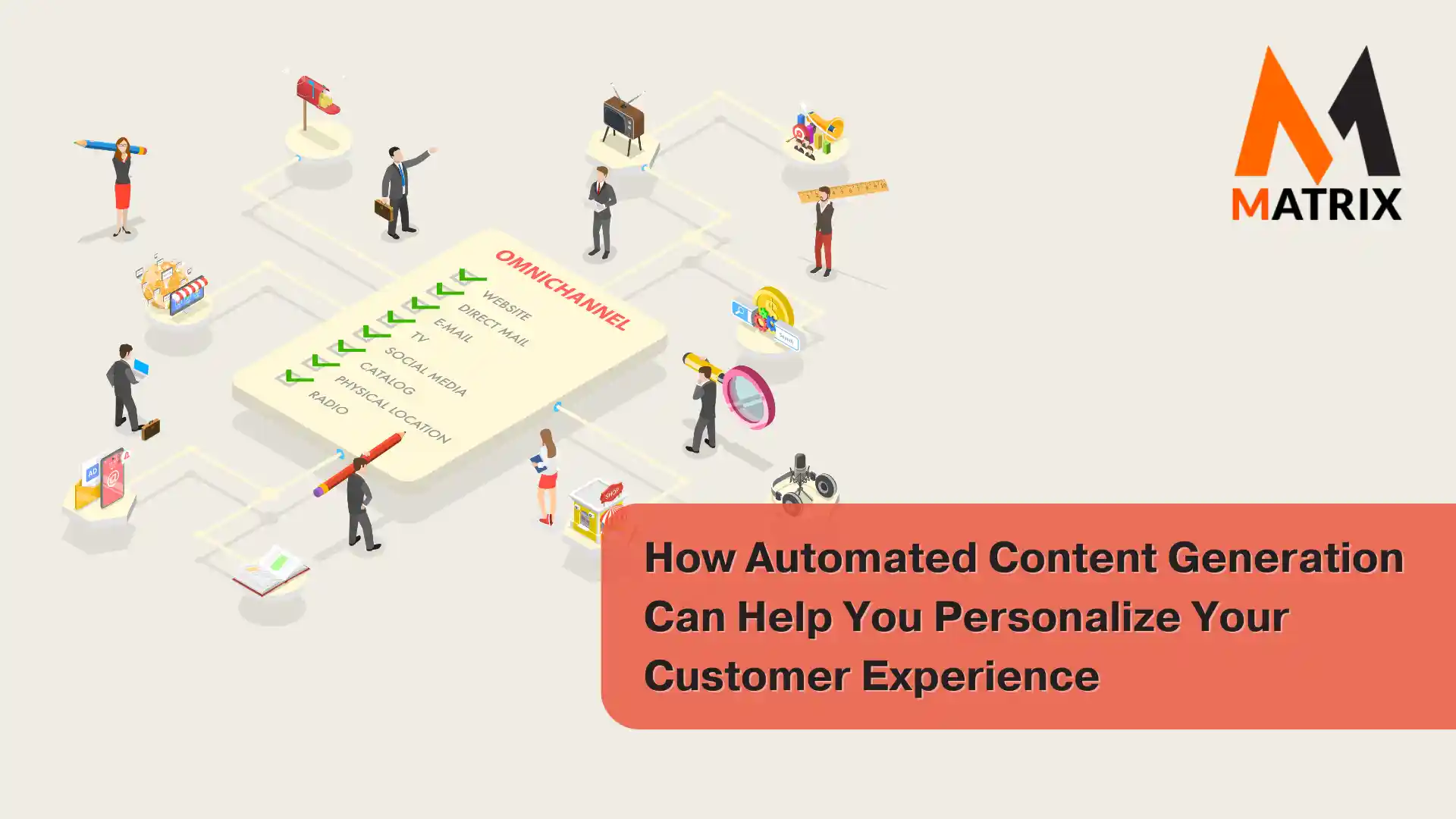
Effective measurement and continuous optimization are essential for ensuring that AI-driven personalization strategies deliver tangible business value and meet evolving customer expectations. By systematically tracking performance and analyzing customer responses, organizations can refine their personalization initiatives to enhance engagement, loyalty, and overall satisfaction.
This section explores key methods for evaluating the success of personalization efforts, analyzing customer feedback and engagement metrics, and implementing data-driven adjustments to maximize the impact of AI-powered customer experiences.
Methods to Track the Effectiveness of AI-Driven Personalization Initiatives
Monitoring the performance of personalization strategies requires a comprehensive approach that combines quantitative and qualitative metrics. Implementing robust tracking mechanisms allows organizations to assess how well their AI models are meeting predefined objectives and identify areas for improvement.
- Conversion Rate Analysis: Measuring the percentage of personalized interactions that lead to desired actions, such as purchases, sign-ups, or inquiries. An increase in conversion rates indicates successful personalization.
- Click-Through Rate (CTR): Tracking the frequency with which customers click on personalized recommendations or content provides insights into relevance and engagement levels.
- Time Spent on Site or App: Analyzing the duration of customer interactions helps determine whether personalization enhances user interest and content absorption.
- Retention and Repeat Engagement: Monitoring how personalization impacts customer loyalty, such as repeat visits or continued usage, offers a measure of long-term effectiveness.
Utilizing analytics dashboards and real-time reporting tools enables continuous oversight, allowing marketers and data scientists to promptly identify trends and anomalies. Additionally, A/B testing different personalization approaches can provide comparative insights to optimize strategies.
Analyzing Customer Feedback and Engagement Metrics
Qualitative insights from customer feedback complement quantitative data, providing a nuanced understanding of personalization success and areas needing enhancement. Engagement metrics reveal how customers interact with personalized content, guiding iterative improvements.
- Customer Satisfaction Scores: Collecting feedback through surveys and ratings post-interaction helps gauge perceived relevance and satisfaction.
- Net Promoter Score (NPS): Measuring the likelihood of customers recommending the brand offers a broader view of overall satisfaction influenced by personalization efforts.
- Sentiment Analysis: Applying AI tools to analyze the emotional tone in customer comments, reviews, and social media mentions uncovers underlying perceptions and brand sentiment.
- Engagement Metrics: Tracking metrics such as bounce rate, page views per session, share rates, and time on page provides insights into content relevance and user interest.
Regularly reviewing both feedback and engagement metrics ensures that personalization strategies are aligned with customer preferences, enabling targeted adjustments that improve customer experience and business outcomes.
Key Performance Indicators (KPIs) for Personalization Success
Establishing clear KPIs provides measurable benchmarks to evaluate the impact of AI-driven personalization initiatives. These indicators help organizations quantify success, identify gaps, and prioritize optimization efforts.
| KPI | Description | Example |
|---|---|---|
| Conversion Rate | The percentage of personalized interactions resulting in desired actions like purchases or sign-ups. | A 15% increase in completed purchases after implementing personalized product recommendations. |
| Customer Engagement Rate | The level of interaction with personalized content, including clicks, shares, and comments. | Doubling of click-through rates on personalized email campaigns over a quarter. |
| Customer Retention Rate | The proportion of customers who continue to engage with the brand over time, influenced by personalization. | Retention rate improving from 65% to 78% after personalization enhancements. |
| Net Promoter Score (NPS) | Measures customer willingness to recommend the brand based on their personalized experiences. | An NPS uplift of 10 points following personalized service initiatives. |
| Average Order Value (AOV) | The mean value of customer transactions, which can be increased through effective personalization. | A 12% rise in AOV after personalized upselling strategies are deployed. |
Tracking these KPIs over time offers actionable insights, enabling organizations to calibrate their AI models and personalization tactics to achieve optimal results.
Ethical Considerations and Data Privacy
As organizations leverage AI to personalize customer experiences, safeguarding ethical standards and data privacy becomes paramount. Ensuring responsible use of customer data not only complies with legal requirements but also fosters trust and loyalty among clients. This segment explores best practices, transparency guidelines, and common ethical challenges associated with AI-driven personalization.
Implementing AI responsibly involves balancing technological capabilities with respect for individual rights. Companies must be vigilant about data collection, storage, and usage, ensuring that customer rights are protected while delivering tailored experiences. Maintaining transparency about AI processes and data handling practices is crucial to building and sustaining customer trust in an increasingly digital landscape.
Best Practices for Ensuring Customer Data Privacy
Organizations should adopt comprehensive data privacy strategies that emphasize informed consent, data minimization, and security measures. Key practices include:
- Informed Consent: Clearly communicate to customers what data is being collected, how it will be used, and obtain explicit permission before gathering sensitive information.
- Data Minimization: Collect only data that is strictly necessary for personalization purposes, reducing exposure to potential breaches and misuse.
- Secure Data Storage: Utilize encryption, multi-factor authentication, and regular security audits to protect stored data against unauthorized access.
- Compliance with Regulations: Follow legal frameworks such as the General Data Protection Regulation (GDPR) and California Consumer Privacy Act (CCPA) to ensure lawful data handling.
- Regular Data Audits: Conduct periodic reviews of data collection and processing activities to identify and address privacy vulnerabilities.
Maintaining Transparency and Building Trust
Transparency is fundamental in establishing customer confidence in AI personalization initiatives. Clear communication about data practices and AI operations enhances credibility and fosters long-term relationships. Organizations should:
- Disclose Data Usage: Inform customers about what data is being collected and how it influences their experience, ideally through simple, accessible privacy notices.
- Explain AI Decision-Making: Provide explanations on how AI algorithms personalize content or offers, ensuring customers understand the process without technical jargon.
- Offer Control and Choice: Enable customers to access, modify, or delete their data, and opt out of personalization features if they choose.
- Provide Consistent Updates: Regularly inform customers about any changes to data policies or AI functionalities, reinforcing transparency and accountability.
- Establish Feedback Channels: Encourage customer feedback regarding privacy concerns or personalization preferences, demonstrating responsiveness and commitment to ethical standards.
Ethical Challenges and Solutions in AI Personalization
While AI enhances personalization capabilities, it introduces several ethical challenges that organizations must address proactively.
| Challenge | Implication | Solutions |
|---|---|---|
| Bias and Discrimination | AI models may inadvertently reinforce societal biases, leading to unfair treatment of certain customer groups. |
|
| Data Privacy Violations | Unauthorized data access or misuse can compromise customer privacy and lead to legal consequences. |
|
| Loss of Human Oversight | Overreliance on AI may diminish human oversight, risking unethical decision-making. |
|
| Manipulation and Exploitation | AI-driven personalization could be used to manipulate customer choices unfairly. |
|
Responsible AI use requires transparency, fairness, and respect for individual privacy—fundamental pillars to sustaining long-term customer trust.
Future Trends in AI and Customer Experience Personalization
As artificial intelligence continues to evolve at a rapid pace, its integration into customer experience personalization is poised to transform how businesses engage with their clients. Emerging AI technologies are set to enhance personalization strategies, making interactions more intuitive, efficient, and tailored to individual preferences. This progression aligns with the increasing expectations of consumers who seek seamless, relevant, and highly customized experiences across all channels.
Looking ahead, organizations must stay informed about these technological advancements and adapt their approaches accordingly. The future of AI-driven personalization will likely feature sophisticated tools that not only analyze vast amounts of data but also predict customer needs proactively. This dynamic shift will redefine customer journeys, fostering deeper loyalty and satisfaction through innovative solutions and intelligent interactions.
Emerging AI Technologies Impacting Customer Engagement
Several cutting-edge AI innovations are shaping the future landscape of customer experience personalization. These technologies promise to deepen engagement, improve responsiveness, and create more meaningful interactions:
- Natural Language Processing (NLP) Enhancements: Advances in NLP enable chatbots and virtual assistants to understand context more accurately, facilitating more natural and human-like conversations. This technology will support real-time, personalized support that adapts to individual communication styles.
- Emotion Recognition AI: Leveraging facial recognition, voice tone analysis, and biometric data, emotion recognition AI can interpret customer sentiments. This allows businesses to respond empathetically and adjust their messaging or offers accordingly.
- Predictive Analytics and Machine Learning: Continued improvements in predictive models will allow companies to forecast customer needs and behaviors with higher precision. This proactive approach can lead to personalized recommendations and tailored marketing efforts, enhancing overall satisfaction.
- Augmented Reality (AR) and Virtual Reality (VR): Immersive technologies will become more integrated with AI to create personalized virtual experiences. For example, virtual try-ons in retail or interactive product demonstrations tailored to individual preferences.
- AI-Driven Content Generation: Automated content creation, including personalized emails, product descriptions, and multimedia, will become more sophisticated, enabling brands to deliver highly relevant messages at scale.
Evolving Customer Expectations and AI’s Role
Customer expectations are becoming increasingly sophisticated, driven by rapid technological advancements and a desire for seamless, personalized experiences. Consumers now anticipate brands to recognize their unique preferences, anticipate their needs, and provide instant, relevant solutions across all touchpoints. AI plays a pivotal role in fulfilling these expectations by enabling real-time data processing, intelligent decision-making, and personalized interaction at scale.
Additionally, customers value transparency and control over their data. They expect AI systems to respect their privacy and to provide clear explanations of how their information is used to personalize experiences. Meeting these evolving expectations requires a balanced approach, where AI-driven personalization is both innovative and ethically responsible.
Potential Innovations Shaping Personalized Customer Journeys
Several pioneering innovations are expected to shape the future of customized customer experiences, creating more engaging and effective journeys:
- Hyper-Personalization: Combining AI with deep data insights to deliver ultra-specific content, product recommendations, and offers tailored to individual behaviors, preferences, and intents in real-time.
- AI-Powered Voice Commerce: Voice-activated AI assistants will facilitate seamless shopping experiences, allowing customers to order, inquire, and customize products through natural voice commands with contextual understanding.
- Adaptive Customer Interfaces: User interfaces that dynamically adjust based on customer interactions, preferences, and device contexts, providing a more intuitive and personalized user experience.
- Predictive Customer Service: AI systems that anticipate potential issues or questions before they arise, offering proactive support and solutions tailored to individual customer histories.
- Integrated Omnichannel Personalization: Unified AI-driven platforms that ensure consistency and relevance across all channels—online, mobile, social media, and physical stores—creating a cohesive and personalized brand experience.
These innovations will collectively contribute to more engaging, efficient, and satisfying customer journeys, fostering loyalty and competitive advantage for organizations that effectively leverage AI technology.
Final Conclusion
In conclusion, mastering how to personalize customer experience using AI is essential for modern businesses aiming to create memorable and relevant interactions. Embracing ethical practices, continually optimizing strategies, and staying abreast of emerging technologies will ensure sustained success in delivering customized customer journeys that truly resonate.