Learning how to create follow-up emails with AI offers a powerful way to enhance communication efficiency and effectiveness. Leveraging AI tools can streamline the drafting process, personalize content, and optimize engagement with recipients. This approach not only saves time but also increases the likelihood of positive responses, making it an essential skill in modern outreach strategies.
In this guide, we explore the fundamental principles of using AI for follow-up emails, from designing tailored templates to automating workflows and analyzing performance. By understanding these core concepts, users can craft compelling and professional follow-up messages that resonate with their audience and drive successful outcomes.
Understanding the Basics of Follow-Up Emails with AI
Follow-up emails serve as essential tools in maintaining professional relationships, ensuring timely communication, and reinforcing engagement after initial contact. Leveraging AI for crafting these messages enhances efficiency, personalization, and effectiveness, allowing businesses and individuals to nurture their connections seamlessly.
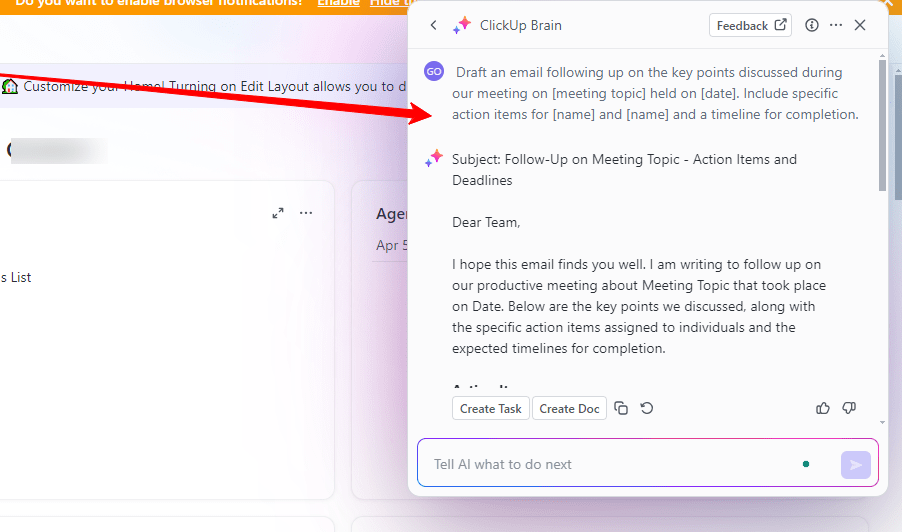
Artificial Intelligence tools facilitate the creation of follow-up emails by analyzing context, suggesting appropriate language, and automating repetitive tasks. They help users generate well-structured, personalized messages that resonate with recipients, ultimately increasing response rates and strengthening communication strategies.
Fundamental Principles of Creating Follow-Up Emails with AI
Developing effective follow-up emails with AI begins with understanding key principles that optimize engagement and clarity. These principles guide users in harnessing AI capabilities to produce compelling messages that align with their communication goals.
- Personalization: Tailoring the message to the recipient’s context and previous interactions enhances relevance and increases the likelihood of a response.
- Clarity and Conciseness: Maintaining clear and concise language ensures the message is easily understood and respects the recipient’s time.
- Timeliness: Sending follow-up emails at appropriate intervals keeps communication relevant without appearing intrusive.
- Consistency: Maintaining a consistent tone and style reinforces professionalism and brand identity.
Step-by-Step Guide on Using AI to Draft Follow-Up Emails
Utilizing AI to draft follow-up emails involves a systematic approach that maximizes efficiency and personalization. The following steps Artikel how to effectively employ AI tools for this purpose:
- Input Context and Details: Provide the AI with relevant information such as previous email exchanges, recipient details, and the purpose of the follow-up.
- Select Tone and Style: Choose the desired tone (formal, friendly, persuasive) and style preferences to align with your communication strategy.
- Generate Drafts: Use AI to produce multiple email drafts, each offering different phrasing or emphasis, to select the most appropriate version.
- Review and Customize: Carefully review the AI-generated content, making necessary adjustments to enhance personalization or clarity.
- Send and Monitor: Dispatch the follow-up email and track engagement metrics to inform future interactions.
Features and Benefits of AI-Generated Follow-Up Emails
Understanding the core features and benefits of AI-driven follow-up emails helps users appreciate their value and application scope. The following table summarizes these aspects:
| Feature | Purpose | Example | Benefits |
|---|---|---|---|
| Context Awareness | Analyzes previous interactions to ensure relevance | Refers to a prior meeting or discussion points in the message | Enhances personalization, increasing response likelihood |
| Language Optimization | Suggests professional and engaging phrasing | Replacing generic phrases with tailored expressions | Improves tone, clarity, and persuasive impact |
| Automation | Streamlines the drafting process | Automatically generates follow-up templates based on input parameters | Saves time and reduces manual effort |
| Multi-Template Support | Provides various email structures for different situations | Templates for polite reminders, check-ins, or follow-ups after meetings | Offers flexibility to adapt to diverse scenarios |
Designing Effective Follow-Up Email Templates with AI

Creating well-crafted follow-up email templates is essential for maintaining professional communication and increasing engagement. Leveraging AI tools to design these templates enables customization based on specific recipient types and situational contexts, ensuring that each message resonates effectively. This approach not only streamlines the follow-up process but also enhances personalization, making your outreach more impactful and authentic.
Utilizing AI for template design involves inputting precise parameters that reflect the recipient’s profile, the communication context, and the desired tone. By providing detailed prompts, users can generate tailored drafts that align with their objectives. The following sections detail methods for customizing templates, procedures for inputting parameters into AI, and illustrative examples organized in a comprehensive table.
Methods for Customizing Follow-Up Email Templates Based on Recipient Type and Context
Effective customization begins with understanding the recipient’s relationship, preferences, and the specific situation prompting the follow-up. AI can assist in tailoring content to fit these variables by incorporating relevant details into prompts, which guides the generation of personalized templates.
- Segment Recipients: Categorize contacts into groups such as prospects, existing clients, or partners. Each group warrants different messaging approaches and tone adjustments.
- Identify Context: Clarify the reason for follow-up, whether it’s to schedule a meeting, provide additional information, or remind about an outstanding item. Contextual prompts guide AI to produce appropriate content.
- Determine Tone and Formality: Decide on a tone that aligns with the recipient’s relationship and organizational culture—formal, friendly, or casual. Including these details in prompts ensures tone consistency.
By systematically inputting these variables, users can craft templates that feel personalized and relevant, thereby increasing response rates and fostering stronger relationships.
Procedures for Inputting Parameters into AI to Generate Tailored Email Drafts
To leverage AI effectively, it is crucial to provide clear, detailed prompts that specify the desired outcome. The process involves defining key parameters such as recipient type, situation, tone, and main message points. Proper structuring of prompts leads to more accurate and useful draft outputs.
- Gather Key Details: Collect information about the recipient and the purpose of the follow-up.
- Create a Structured Prompt: Formulate a prompt that clearly states the recipient category, scenario, tone, and key points to include.
- Input into AI Platform: Enter the prompt into your chosen AI tool, such as Kami or other content generation systems.
- Review and Customize: Evaluate the generated draft for accuracy and tone, then make necessary adjustments to align with your specific context.
This structured approach ensures that the AI outputs are relevant, personalized, and ready for immediate use or further refinement.
Sample Follow-Up Email Templates Organized in an HTML Table
Below is a collection of sample templates tailored for various situations, each organized by scenario, tone, key points, and sample text. These templates serve as practical starting points, which can be further customized using AI prompts.
| Situation | Tone | Key Points | Sample Text |
|---|---|---|---|
| Post-Meeting Follow-Up to Prospect | Professional and Friendly | Thank for meeting, recap key discussion points, express interest, suggest next steps |
|
| Follow-Up After Sending Proposal | Formal and Respectful | Reference proposal, inquire about feedback, offer assistance, reiterate interest |
|
| Reminder to Unresponsive Contact | Polite and Encouraging | Remind about previous communication, express understanding, invite response |
|
| Re-Engagement Email to Past Client | Friendly and Reassuring | Acknowledge past collaboration, mention new offerings, invite reconnecting |
|
Optimizing Follow-Up Emails for Engagement Using AI
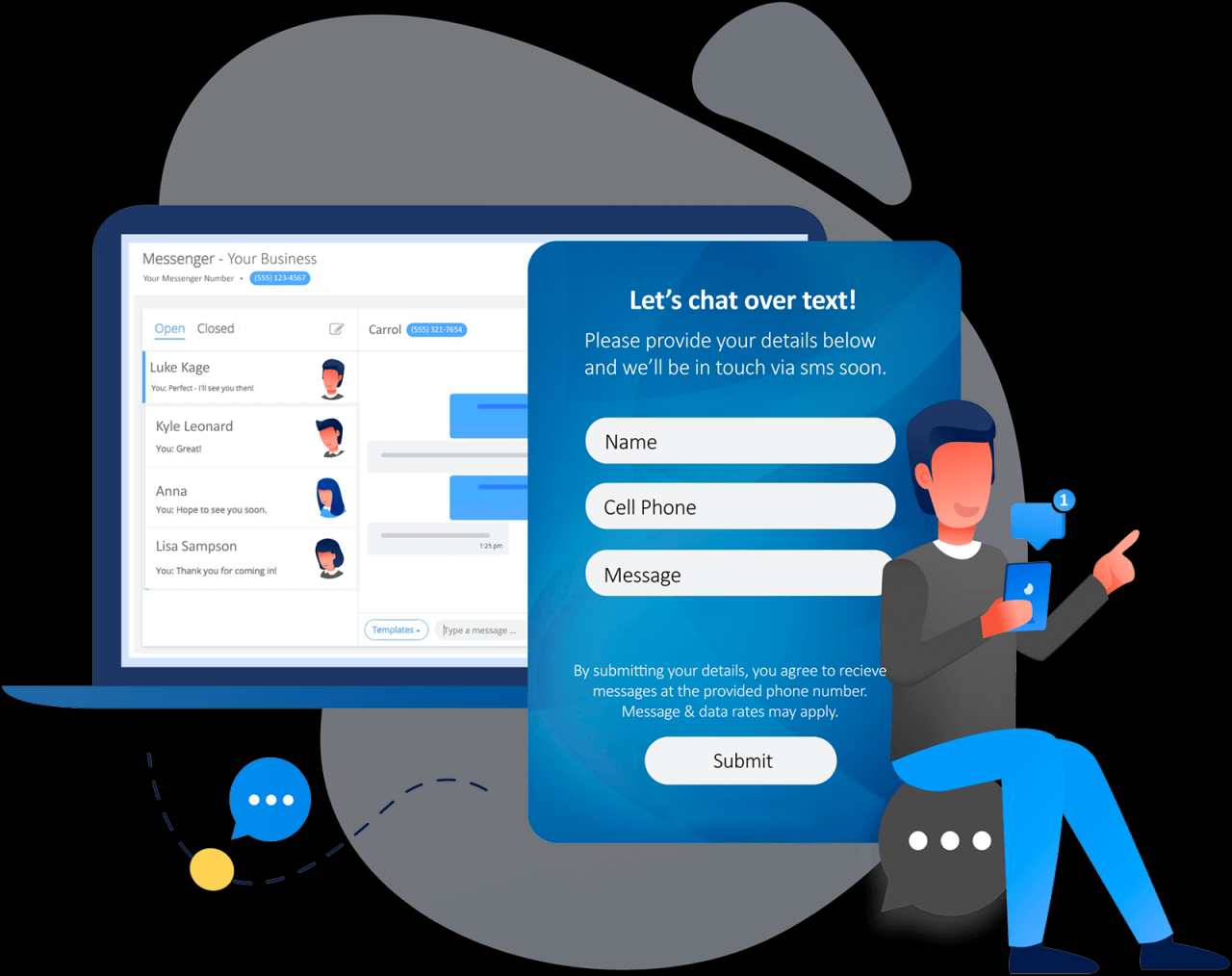
Enhancing the effectiveness of follow-up emails significantly depends on capturing the recipient’s attention and fostering genuine engagement. Leveraging AI enables marketers and sales professionals to craft highly compelling emails by utilizing data-driven insights and automation techniques. This approach not only saves time but also increases response rates and overall campaign success.
AI tools can analyze vast datasets to suggest subject lines, opening phrases, and personalized content tailored to individual recipient preferences. By doing so, emails become more relevant and engaging, leading to better interaction and conversion rates. In this section, we explore how AI can optimize follow-up emails for maximum engagement through intelligent suggestions and personalization strategies.
Suggesting Compelling Subject Lines and Opening Lines with AI
Subject lines are critical as they determine whether an email is opened or ignored. AI algorithms analyze historical email performance, recipient behaviors, and trending s to recommend subject lines that are more likely to attract attention. Similarly, AI can generate personalized opening lines that resonate with the recipient’s interests or recent interactions, increasing the likelihood of immediate engagement.
AI-driven systems often employ natural language processing (NLP) to craft variations of subject and opening lines, testing them against different segments to identify the most effective options in real-time. This data-driven approach ensures that each email begins with a compelling hook tailored to the recipient’s preferences and context.
Recommending Personalized Content to Improve Response Rates
Personalization remains a key driver of email engagement. AI leverages user data, purchase history, browsing behaviors, and interaction patterns to recommend content that aligns with the recipient’s specific interests and needs. This targeted approach makes emails more relevant, thereby increasing the chance of a response or action.
Effective personalization strategies include:
- Inserting recipient-specific details such as their name, company, or recent interactions within the email body.
- Recommending products, services, or content based on previous purchases or browsing history.
- Using AI to dynamically generate tailored offers or messages that align with the recipient’s stage in the customer journey.
- Utilizing behavioral triggers to send follow-up messages at optimal times, enhancing perceived relevance and urgency.
Structuring Engaging Email Content with Highlighted Key Phrases
Structuring email content effectively is crucial for maintaining the recipient’s interest. AI can assist in identifying and emphasizing key phrases that capture attention and communicate value clearly. Incorporating HTML tags such as
can help highlight important statements or calls to action, making them stand out within the email.
For instance, AI can recommend inserting motivational phrases like
“Don’t miss out on this exclusive offer”
or emphasizing benefits such as
“Increase your productivity by 30% with our solution.”
. These highlights draw the recipient’s eye to core messages and encourage engagement.
Additionally, AI can suggest optimal paragraph structures, placement of images, and call-to-action buttons to guide the recipient seamlessly through the content, ensuring the message is compelling and easy to digest.
Automating Follow-Ups with AI-Powered Tools
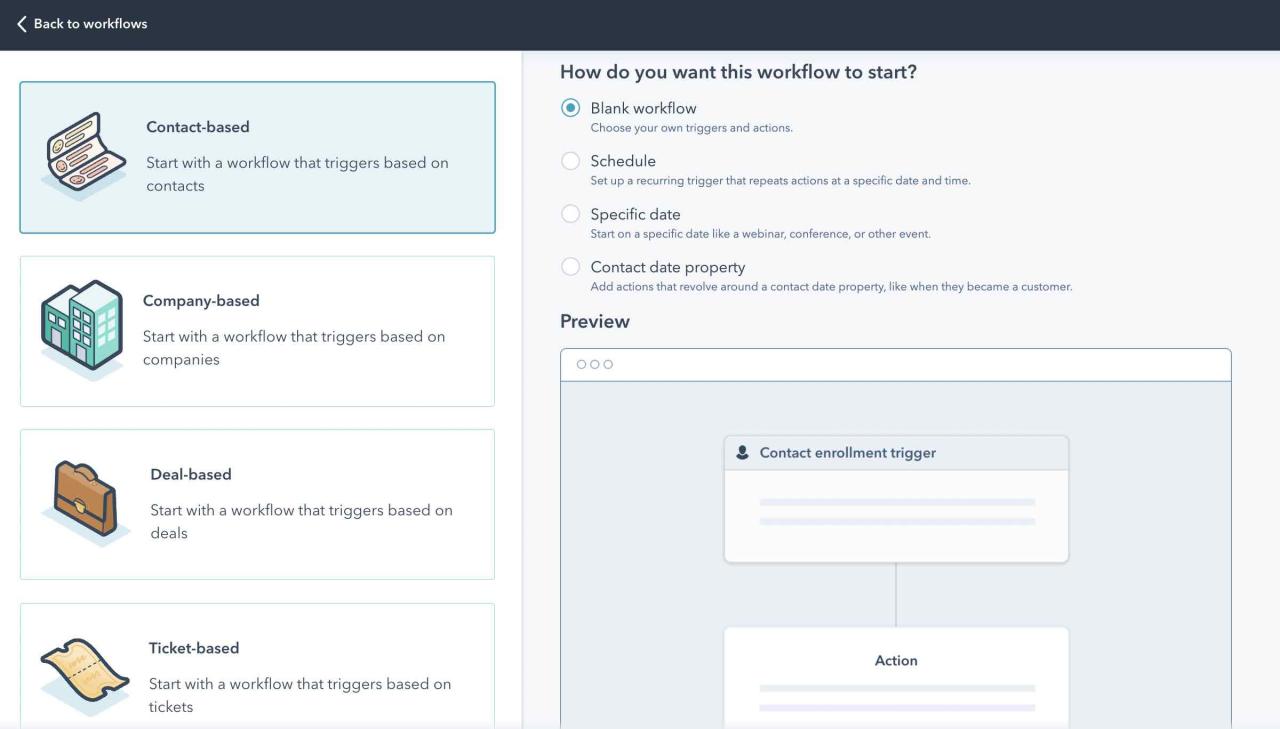
Leveraging AI-driven tools to automate follow-up emails significantly enhances efficiency and consistency in communication. These tools enable businesses to set up intelligent workflows that automatically send timely and personalized follow-ups, reducing manual effort and ensuring no opportunity is overlooked. Understanding the available platforms and how to integrate them seamlessly into existing systems is essential for maximizing their benefits.
AI-powered follow-up automation tools utilize advanced algorithms to schedule, personalize, and send follow-up messages based on recipient behavior, engagement levels, and predefined triggers. These platforms often come with features such as AI-generated email content, analytics dashboards, and integration capabilities with CRM systems, providing a comprehensive solution for streamlined outreach efforts.
Popular AI Tools and Platforms for Follow-Up Email Automation
Many AI tools have emerged as leaders in automating follow-up emails, each offering unique features tailored to different business needs. Selecting the right platform involves assessing compatibility, ease of integration, and the scope of AI capabilities.
- HubSpot Sales: Provides AI-driven email sequences that automatically follow up based on recipient interactions, integrated within a comprehensive CRM ecosystem.
- Drip: An eCommerce-focused platform that uses AI to personalize follow-up campaigns and automate workflows for customer engagement.
- Mailshake: Offers AI-powered follow-up sequences with automated A/B testing to optimize messaging and timing.
- Reply.io: Combines AI automation for outreach and follow-up sequences, with integrations to various CRM systems and sales tools.
- Mixmax: Features AI-based scheduling and follow-up automation, seamlessly integrating with Gmail and other email clients.
Integration Procedures for AI Tools into Email Workflows and CRM Systems
Integrating AI-powered follow-up tools into existing email workflows and CRM platforms ensures a cohesive and automated outreach process. Proper integration minimizes manual interventions and maintains data consistency across systems.
- Assessment and Planning: Evaluate the current email workflow and CRM setup to identify integration points and automation opportunities. Define goals for the follow-up process.
- Selection of Compatible Tools: Choose AI tools that support integration with existing CRM platforms such as Salesforce, HubSpot, or Zoho, and ensure they meet your specific automation requirements.
- API and Plugin Setup: Configure APIs or install plugins provided by the AI tool to establish communication channels with your CRM and email systems. Follow vendor-specific documentation for setup procedures.
- Data Mapping and Customization: Map fields such as contact information, engagement data, and interaction history between the AI tool and CRM. Customize automation triggers and email templates within the platform.
- Automation Workflow Design: Develop workflows that define when and how follow-up emails are sent. Incorporate AI-generated content, timing rules, and personalization parameters.
- Testing and Validation: Conduct comprehensive testing of the integrated system to verify automation triggers, email delivery, and data accuracy. Make adjustments based on test results.
- Deployment and Monitoring: Launch the automated follow-up system and continuously monitor performance metrics such as open rates, reply rates, and engagement levels. Optimize workflows as needed.
Automation Process Steps in Follow-Up Email Campaigns
Establishing a clear process flow for automation ensures consistency and effectiveness in follow-up campaigns. The following table summarizes key steps involved in automating follow-up emails using AI tools:
Step Description 1. Lead Capture Collect contact information through web forms, CRM entries, or integrations with other systems, ensuring data is ready for automation. 2. Segmentation Segment contacts based on behavior, demographics, or engagement history to tailor follow-up messaging effectively. 3. Trigger Identification Define specific triggers such as opening an email, clicking a link, or inaction after a certain period to initiate follow-up sequences. 4. Content Generation Use AI to craft personalized follow-up messages that resonate with the recipient’s interests and previous interactions. 5. Scheduling and Sending Automate the timing of follow-up emails based on triggers and recipient time zones, ensuring optimal engagement. 6. Monitoring and Adjustment Track engagement metrics in real-time and adjust workflows or content dynamically to improve response rates. 7. Reporting and Optimization Analyze campaign performance using AI insights to refine segmentation, timing, and messaging strategies for future follow-ups. Effective automation relies on precise trigger definitions, personalized content generation, and continuous optimization driven by AI analytics.
Analyzing and Improving Follow-Up Email Performance with AI
Effective follow-up strategies hinge on understanding how recipients interact with your emails. Leveraging AI to analyze performance metrics provides actionable insights that enable continuous refinement of your email campaigns. By systematically tracking engagement data, marketers can optimize their messaging, timing, and targeting to increase response rates and overall effectiveness.
This section explores methods for AI to monitor key email performance indicators, utilizing insights to enhance future follow-up efforts. Additionally, it presents examples of performance dashboards that facilitate data-driven decision-making for continuous improvement.
Methods for AI to Track and Analyze Engagement Metrics
AI-driven tools employ sophisticated algorithms to collect and analyze a variety of engagement metrics across large volumes of email campaigns. These methods include:
- Open Rate Tracking: AI monitors when recipients open emails, often by analyzing embedded tracking pixels or unique URLs, providing real-time data on email visibility.
- Response Time Analysis: AI records the time elapsed between email delivery and recipient responses, helping identify ideal follow-up timing.
- Click-Through and Engagement Metrics: AI detects when links within the email are clicked, indicating interest levels, and aggregates data on user interactions such as scrolling or content engagement.
- Device and Location Data: By analyzing device types and geographical information, AI can tailor future follow-ups based on recipient preferences and behaviors.
These analytics enable marketers to understand which emails perform best and identify patterns among engaged versus unresponsive recipients. AI systems can process vast datasets efficiently, uncovering insights that might be overlooked through manual analysis.
Using AI Insights to Refine Follow-Up Strategies
AI-powered insights serve as a foundation for iterative improvements in follow-up campaigns. The procedures involve:
- Identifying Optimal Contact Timing: AI analyzes response times to recommend the best moments for subsequent follow-ups, ensuring messages are timely and relevant.
- Segmenting Audience Based on Engagement: AI categorizes recipients into groups such as highly responsive, moderately engaged, or unresponsive, allowing for personalized follow-up approaches.
- A/B Testing Automation: AI automates testing of different subject lines, message content, or send times, analyzing performance metrics to determine the most effective variations.
- Predictive Modeling: Using historical data, AI predicts which recipients are most likely to respond, enabling targeted efforts and resource allocation.
By continuously integrating AI insights into your follow-up workflows, your campaigns become more intelligent and adaptive, leading to higher engagement and conversion rates over time.
Performance Dashboard Examples
Visual dashboards consolidate key metrics and AI-driven suggestions into an accessible format, facilitating quick assessments and strategic adjustments. Here is an example of how a performance dashboard might be structured in a table:
Metric Current Performance AI Suggestion Expected Improvement Open Rate 45% Test subject lines with personalization and optimal send times identified by AI 55-60% Response Rate 12% Segment recipients based on engagement levels and customize follow-up messaging accordingly 18-20% Click-Through Rate 8% Include more targeted calls-to-action and refine content based on AI click analysis 12-15% Response Time 2.5 days on average Adjust follow-up timing dynamically to occur within 24 hours for highly engaged segments Reduced response time to within 24 hours for most responses Integrating AI insights into your follow-up strategy transforms raw data into actionable steps, leading to measurable improvements in campaign performance and recipient engagement.
Ethical Considerations and Best Practices in AI-Generated Follow-Up Emails
Creating follow-up emails with AI offers significant efficiencies and personalization capabilities. However, it is crucial to adhere to ethical principles to ensure trustworthiness, authenticity, and compliance with communication standards. Responsible use of AI in email outreach not only fosters positive engagement but also upholds the reputation of the organization and respects recipients’ rights. This section explores key ethical considerations, guidelines for maintaining authenticity, and best practices for responsible AI deployment in follow-up communications.Maintaining ethical standards when deploying AI-generated follow-up emails involves balancing automation efficiency with transparency, respect for privacy, and honesty.
It is essential to ensure that the messages remain genuine and do not deceive or manipulate recipients. Avoiding spam filters requires adherence to best practices that prevent the appearance of unsolicited or overly aggressive messaging, which can harm brand reputation and deliverability rates. Responsible AI use combines technological safeguards with clear organizational policies to promote respectful and effective communication.
Key Ethical Principles for Automated Follow-Up Messages
Implementing AI in email outreach must be guided by core ethical principles that prioritize recipient trust and data integrity. Transparency about the automated nature of the messages reassures recipients that they are engaging with an AI-assisted process rather than a human impersonator. Ensuring data privacy and security is paramount, especially when personal or sensitive information is involved, complying with regulations such as GDPR or CCPA.
Additionally, respecting the recipient’s preferences, such as opting out of future communications, fosters a respectful relationship and reduces negative perceptions.
Guidelines for Maintaining Authenticity and Avoiding Spam Filters
To sustain authenticity in AI-generated follow-up emails, organizations should focus on personalization that reflects genuine understanding of the recipient’s context. Using natural language patterns, avoiding overly promotional language, and including specific references to prior interactions help establish credibility. Avoiding spam filters necessitates compliance with email best practices, such as avoiding excessive use of uppercase, spam trigger words, and misleading subject lines.
Authenticity can also be maintained by clearly indicating the nature of the message or offering easy options for recipients to verify or contact a human representative if desired.
Best Practices for Responsible AI Use in Email Outreach
Organizations should adopt a set of clear action items to ensure responsible and ethical deployment of AI in follow-up emails:
- Disclose AI Assistance: Clearly inform recipients when AI is used to generate or assist with the message, promoting transparency and trust.
- Respect Recipient Preferences: Provide easy options for opting out or managing communication preferences to uphold recipient autonomy.
- Ensure Data Privacy: Collect and handle personal data in compliance with relevant regulations, and avoid sharing data without explicit consent.
- Maintain Personalization and Relevance: Use AI to enhance genuine engagement rather than to send generic or irrelevant messages that can be perceived as spam.
- Regularly Audit AI Outputs: Review generated content for accuracy, tone, and appropriateness, adjusting algorithms or templates as needed to prevent miscommunication.
- Limit Automation for Sensitive Content: Reserve human oversight for messages involving sensitive topics, complex negotiations, or critical customer issues.
- Stay Informed on Ethical Standards: Keep updated on evolving guidelines, legal requirements, and industry best practices surrounding AI communication.
“Responsible AI deployment in email outreach is not just about compliance; it’s about building trust and fostering authentic relationships with your audience.” – Industry Expert
Final Conclusion
Mastering how to create follow-up emails with AI equips professionals with the tools to improve communication practices significantly. Through customized templates, automation, and data-driven insights, AI empowers users to engage more effectively and ethically. Embracing these techniques can lead to higher response rates, stronger relationships, and sustained success in outreach efforts.