Discovering the most relevant and high-performing s is essential for optimizing your online presence. Leveraging artificial intelligence offers innovative methods to streamline this process, making it more efficient and precise than traditional approaches. Understanding how to harness AI tools can significantly enhance your content strategy and improve search engine rankings.
This guide explores various AI-powered techniques for discovery, including selecting the right tools, analyzing search intent, refining lists, and integrating these insights into your content planning. By embracing these advanced methods, you can unlock new opportunities for targeted and impactful campaigns.
Overview of AI-Powered Methods for Discovery
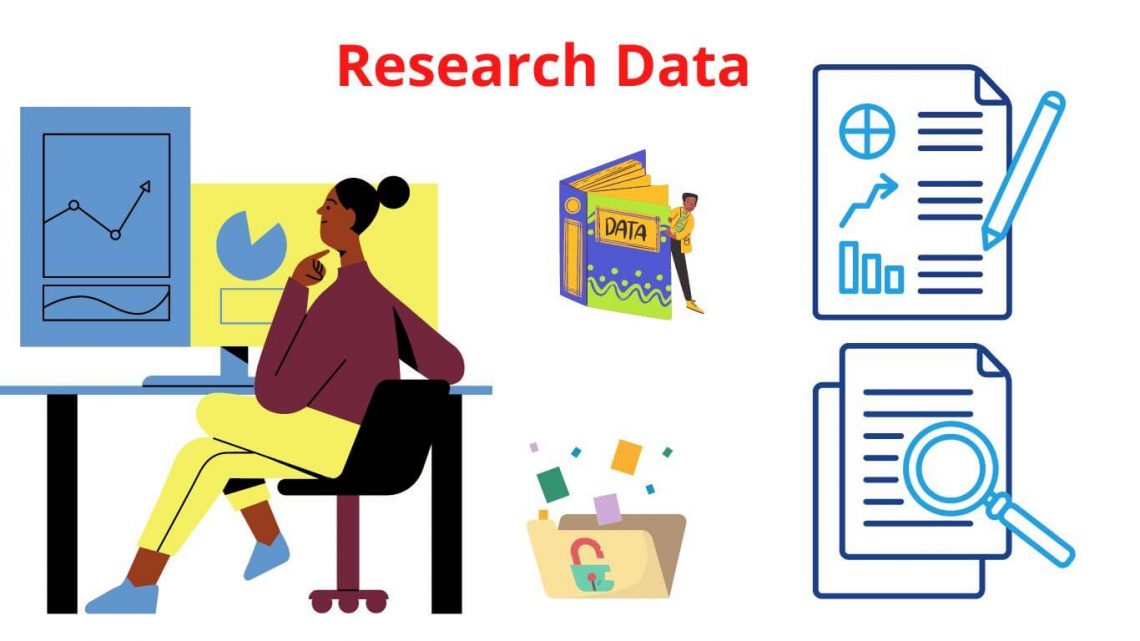
Artificial intelligence has revolutionized the way digital marketers and professionals identify relevant s. Traditional methods relied heavily on manual research, intuition, and basic tools that often provided limited insights. In contrast, AI-powered techniques utilize advanced algorithms, machine learning models, and natural language processing to uncover high-potential search terms with greater accuracy and efficiency.
Leveraging AI in discovery offers significant advantages, including the ability to analyze vast datasets quickly, identify semantic relationships, and adapt to evolving search trends. These capabilities enable a more comprehensive understanding of user intent, ensuring that strategies are both targeted and future-proof.
AI Techniques for Identification
To harness the full potential of AI in research, understanding the various techniques is essential. These methods facilitate the discovery of relevant and high-performing search terms by analyzing data in ways that traditional tools cannot achieve.
| Feature | AI-Powered Research Tools | Conventional Research Methods |
|---|---|---|
| Data Analysis | Utilizes machine learning algorithms to process large datasets, including search queries, user behavior, and content trends, to identify relevant s. | Relies on manual data collection from planners, competitor analysis, and basic search volume metrics. |
| Semantic Analysis | Employs natural language processing (NLP) to understand the context and intent behind search queries, uncovering related or long-tail s. | Focuses primarily on exact match s without deep understanding of search intent or context. |
| Trend Prediction | Uses predictive modeling to forecast emerging s based on search patterns, seasonal trends, and evolving user interests. | Limited to historical data and often unable to predict future trends effectively. |
| Automation & Scalability | Provides automated suggestions and continuously updates lists, saving time and effort. | Requires manual updates and analysis, which can be time-consuming and less scalable. |
| Advantages of AI Over Traditional Methods |
|
|
Selecting and Using AI Tools for Research

Effective research is fundamental to successful strategies. Leveraging AI-powered tools enhances this process by providing more accurate and comprehensive insights. Selecting the right tools and understanding how to utilize them optimally can significantly improve your ability to identify valuable search terms that align with your content goals and target audience.
AI-driven platforms are designed to analyze vast datasets, discover trending s, and generate suggestions based on user input and competitive analysis. Properly incorporating these tools into your workflow not only saves time but also uncovers opportunities that traditional methods may overlook. The following sections detail prominent AI platforms, step-by-step procedures for their use, and criteria to evaluate their effectiveness in discovery.
Prominent AI-Driven Platforms for Discovering Terms
Several advanced AI-powered tools have gained recognition for their ability to facilitate comprehensive research. These platforms utilize machine learning algorithms, natural language processing, and big data analytics to generate high-quality suggestions:
| Platform | Description | Key Features |
|---|---|---|
| Ahrefs s Explorer | A robust tool offering AI-augmented analysis, competitive insights, and trend tracking. | Search volume estimates, difficulty scoring, related term suggestions, SERP analysis |
| SEMrush Magic Tool | Provides AI-enhanced suggestions, grouping similar terms, and competitive analysis. | grouping, intent analysis, competitive density, local and global data |
| Moz Explorer | Utilizes machine learning to suggest relevant s and evaluate their potential impact. | Priority score, organic CTR, difficulty, opportunity analysis |
| Surfer | Combines AI with data to recommend s aligned with content optimization strategies. | Content gap analysis, difficulty, SERP analysis, content recommendations |
| KWFinder | Offers AI-powered research with a focus on long-tail and low-competition terms. | difficulty, search volume, competitor data, SERP analysis |
Step-by-Step Procedures to Input Data and Generate Suggestions
To maximize the benefits of AI-driven research tools, a structured approach is recommended. Below are the typical steps involved in inputting data and obtaining meaningful suggestions:
- Define your niche or topic: Clearly identify the primary subject or product category for which you seek s. This helps in focusing the tool’s analysis.
- Gather seed s: Compile initial s or phrases related to your niche. These serve as input prompts for the AI tool.
- Access the chosen AI platform: Log into the platform and navigate to the research or suggestion module.
- Input seed s: Enter your seed s into the platform, ensuring proper formatting (e.g., comma-separated or in designated input fields).
- Specify additional parameters: Set filters such as geographic location, language, search volume thresholds, or difficulty levels to tailor results.
- Initiate the analysis: Run the tool to generate suggestions. This may take a few moments depending on the platform and data volume.
- Review generated suggestions: Examine the list of suggested s, paying attention to metrics like search volume, competition, and relevance.
- Filter and select: Narrow down the options based on your strategic criteria, prioritizing s with high potential and manageable competition.
- Export or save data: Save your selected s for further analysis or content planning.
By following these steps, you ensure a systematic approach that leverages AI effectively, resulting in high-quality insights tailored to your objectives.
Criteria for Evaluating the Effectiveness of AI Tools in Identification
Choosing the most suitable AI-powered research platform requires assessing their capabilities against specific effectiveness criteria. The following points provide a comprehensive evaluation framework:
- Accuracy of Data: The tool provides reliable search volume, competition scores, and trend data, minimizing the risk of pursuing ineffective s.
- Relevance of Suggestions: Generated s closely align with your niche, target audience, and content goals.
- Coverage and Diversity: The platform offers a broad range of s, including long-tail and niche-specific terms, rather than repetitive or generic suggestions.
- Ease of Use: Intuitive interface, clear input processes, and straightforward navigation facilitate efficient research sessions.
- Customization Options: Ability to set filters, select regions, languages, and other parameters enhances tailored discovery.
- Integration Capabilities: Compatibility with other tools or content management systems streamlines workflow.
- Data Freshness and Updates: Regular updates ensure that suggestions reflect current trends and search behaviors.
- Cost-Effectiveness: Balancing features with pricing to maximize value without unnecessary expenditure.
Applying these criteria during tool evaluation helps in selecting platforms that best fit your strategy, ultimately leading to more targeted and effective research outcomes.
Analyzing Search Intent with AI Algorithms
Understanding user search intent is a crucial component of effective strategy. Artificial Intelligence (AI) has revolutionized the way marketers and content creators interpret user queries by enabling more nuanced and accurate insights into what users truly seek. By leveraging AI algorithms, it becomes possible to categorize search intent with higher precision, leading to more targeted content development and improved search rankings.
AI algorithms analyze large datasets of search queries, user behavior, and contextual signals to decipher underlying motivations behind searches. This deeper understanding facilitates the creation of content that aligns more closely with user needs, optimizes conversion rates, and enhances overall performance. Incorporating these AI-derived insights into content planning ensures a strategic approach that resonates with searchers’ intent, whether informational, navigational, transactional, or commercial investigation.
Methods of Interpreting User Queries Using AI
AI employs various techniques to interpret user search queries by examining language patterns, context, and user behavior signals. These methods include natural language processing (NLP), machine learning classification, and semantic analysis, each contributing to more accurate intent detection.
- Natural Language Processing (NLP): NLP algorithms analyze the syntax and semantics of search queries. They identify s, phrases, and contextual cues to determine whether a query is informational, navigational, or transactional. For example, the phrase “best vegan restaurants in New York” indicates a local, transactional intent focused on finding specific services.
- Machine Learning Classification: Supervised learning models are trained on labeled datasets of search queries categorized by intent. These models recognize patterns and predict the intent of new queries with high accuracy. Over time, they adapt to emerging search behaviors, improving their predictive capabilities.
- Semantic Analysis: Semantic analysis examines the contextual relationships between words and phrases within a query. This technique helps differentiate between ambiguous phrases, such as “apple,” which could refer to the fruit or the technology brand, based on contextual clues.
Incorporating AI Insights into Content Planning
Leveraging AI insights on search intent enhances content planning by enabling more precise targeting of user needs. This integration ensures that content is aligned with what users are actively seeking, thereby increasing engagement and conversion potential. AI-driven intent categorization informs decisions on selection, content structure, and topic prioritization.
- Mapping by Intent: Assign s to specific intent categories identified by AI. For instance, transactional s like “buy,” “order,” or “book” should be targeted with product pages or service landing pages, while informational queries can guide blog topics and FAQs.
- Content Structure Optimization: Develop content formats that match user expectations based on intent. For example, detailed guides and tutorials for informational searches, or clear calls to action for transactional queries.
- Personalization and User Experience: Use AI insights to customize content delivery according to user intent, enhancing relevance and satisfaction. Personalization can include dynamic content blocks or tailored recommendations based on query intent classification.
Comparison of AI Algorithms for Understanding User Needs
Different AI algorithms vary in their effectiveness at interpreting search intent, depending on their design and application context. The following table summarizes key algorithms, their core functionalities, and typical accuracy levels based on industry studies and practical implementations.
| Algorithm | Description | Strengths | Estimated Accuracy |
|---|---|---|---|
| Naive Bayes Classifier | Uses probabilistic models based on feature likelihoods to classify queries. | Simple, fast, effective with small datasets, good for initial intent categorization. | 70-80% |
| Support Vector Machine (SVM) | Finds hyperplanes that best separate different intent categories based on features. | High accuracy in distinguishing complex patterns, especially in high-dimensional spaces. | 80-90% |
| Deep Learning (LSTM, Transformers) | Utilizes neural networks to understand nuanced language and context within queries. | Exceptional at capturing semantic nuances and contextual cues, suitable for complex queries. | 85-95% |
| Clustering Algorithms (K-Means, Hierarchical) | Groups similar queries to identify common intent patterns without predefined labels. | Useful for exploratory analysis and uncovering emerging intent categories. | Varies; generally 70-85% depending on data quality |
Note: Higher accuracy algorithms like deep learning models tend to require more computational resources but provide more precise understanding of user intent, especially for ambiguous or complex queries. Combining multiple methods often yields the best results in practical applications.
Refining and Prioritizing AI-Generated s
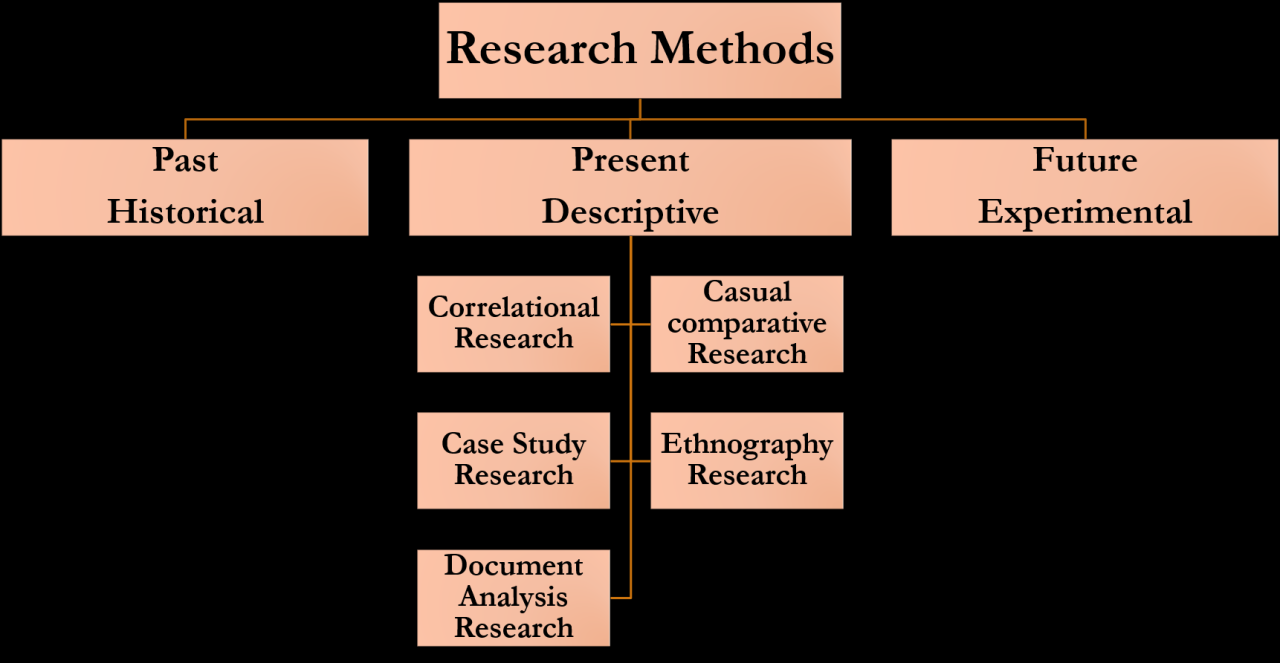
After generating a comprehensive list of potential s through AI-powered methods, the next critical step involves refining these suggestions to identify the most relevant and valuable terms for your strategy. Effective prioritization ensures that efforts focus on s with the highest potential to drive targeted traffic, improve rankings, and support your overall marketing goals.
This process combines AI-driven filtering techniques with strategic analysis to eliminate low-value s and organize the remaining suggestions into focused groups. By leveraging AI’s analytical capabilities, marketers can streamline their lists, enhance campaign precision, and optimize resource allocation for maximum impact.
Filtering Out Less Relevant Suggestions Using AI-Powered Ranking Systems
AI algorithms excel at evaluating and ranking large volumes of suggestions based on multiple relevant metrics. These systems analyze factors such as search volume, competition level, relevance to your niche, and current ranking difficulty. The goal is to prioritize s that offer a balanced combination of high search intent and attainable ranking potential.
To effectively filter suggestions, utilize AI tools that incorporate machine learning models which learn from your historical data and industry benchmarks. These tools can assign relevance scores to each , enabling you to automatically exclude those with low relevance or low potential based on your specific criteria. For instance, a with high search volume but extremely high competition might be filtered out in favor of less competitive but highly relevant long-tail s.
“AI-driven ranking systems are crucial in filtering out less promising s, allowing marketers to focus on high-impact opportunities that align with business objectives.”
Combining AI-Recommended s into Strategic Groups for Targeted Campaigns
Organizing s into strategic groups enhances the effectiveness of your and PPC campaigns by aligning related terms into cohesive themes. AI tools facilitate this process by analyzing semantic relationships, search intent, and user behavior patterns to cluster s logically.
Begin by examining the suggested s and identifying commonalities such as topic relevance, user intent, or target audience segments. Use AI-based clustering features to automatically group s, ensuring each cluster represents a specific theme or buyer journey stage. This structured approach allows for targeted content creation, tailored ad messaging, and improved density for each campaign segment.
For example, a cluster might include s like “best running shoes,” “athletic footwear reviews,” and “buy sports shoes online,” which all target users interested in purchasing athletic footwear. Such grouping enables precise messaging and resource allocation, increasing the likelihood of conversion.
Best Practices for Prioritizing s Based on AI Analysis Results
Prioritizing s effectively involves balancing multiple factors identified through AI analysis to ensure focus on terms that will deliver optimal results. Below are key best practices:
- Consider Search Intent and Relevance: Prioritize s that match your target audience’s search intent, whether informational, transactional, or navigational.
- Assess Competition and Ranking Difficulty: Use AI insights to evaluate the level of competition and the feasibility of ranking for each , giving preference to those with a manageable difficulty score.
- Align with Business Goals: Focus on s that support your core objectives, such as increasing conversions, brand awareness, or lead generation.
- Leverage Opportunity Scores: Use AI-generated opportunity metrics that combine search volume, relevance, and competition to identify high-value s.
- Evaluate Long-term Potential: Prioritize s with consistent search trends and growth potential, avoiding over-reliance on short-lived or seasonal terms.
“Effective prioritization leverages AI analysis to balance relevance, difficulty, and strategic fit, ensuring resource-efficient campaign execution.”
Integrating AI-Driven Research into Content Strategy

Effectively incorporating AI-identified s into your content planning ensures that your digital assets are aligned with current search trends and user intent. This integration not only enhances visibility but also drives targeted traffic to your website. Establishing a structured approach to embedding AI-driven insights into your content calendar facilitates consistency, relevance, and adaptability in your efforts.
By systematically aligning AI-generated s with specific content themes and scheduling releases accordingly, businesses can optimize their content lifecycle. Continuous monitoring of performance metrics, powered by AI analytics, allows for dynamic adjustments to focus, ensuring sustained relevance amidst evolving search behaviors.
Structuring a Content Schedule around AI-Identified Terms
Developing a content schedule that leverages AI-identified s requires a strategic approach to organize publishing timelines and thematic focus. Begin by categorizing s based on search volume, competition level, and user intent. Prioritize high-impact terms that align with your core offerings and target audience interests.
Next, assign specific s to relevant content formats, such as blog posts, landing pages, or social media updates. Use AI insights to determine optimal publishing times when search interest peaks for each term. Integrating these insights into a content calendar enables consistent output that resonates with current search trends and maximizes engagement.
Tracking and Adjusting Focus Using AI Insights
Continuous tracking of performance is essential to maintaining an effective strategy. Utilize AI-powered analytics tools that provide real-time data on rankings, search volume fluctuations, and user engagement metrics. These insights help identify which s are driving traffic and conversions, and which may require refinement.
Regularly review AI-generated reports to detect emerging opportunities or declining interest in certain terms. Based on this data, adjust your focus by updating existing content, creating new content around trending terms, or retiring underperforming s. This iterative process ensures your content remains aligned with dynamic search landscapes and user preferences.
Sample Content Planning Table
To illustrate how AI-driven s can be systematically incorporated into your content strategy, consider the following table. It Artikels sample topics, targeted s, and their suggested placement within your content ecosystem, aiding in organized and strategic content deployment.
| Content Topic | Targeted s | Suggested Content Placement |
|---|---|---|
| Optimizing E-commerce Product Pages | product tips, e-commerce strategy, online store optimization | Blog post series, product description sections, on-page meta tags |
| Local for Small Businesses | local strategies, local business s, Google My Business tips | Landing pages, local business blog articles, Google My Business description |
| Content Marketing for SaaS Companies | SaaS content strategy, software s, SaaS best practices | Whitepapers, blog articles, landing pages for free trials |
| Mobile Search Optimization | mobile tips, mobile-friendly s, responsive design | Technical blog posts, website headers, mobile app descriptions |
By integrating AI-derived s thoughtfully into your content schedule and tracking their performance, your strategy becomes more adaptive and data-driven. This ensures your content remains relevant, competitive, and aligned with evolving user search behaviors.
Deep Dive into AI Techniques for Expansion
Expanding lists effectively is essential for capturing a broader audience and enhancing search engine visibility. Artificial intelligence, particularly machine learning models, has revolutionized this process by enabling the generation of related search terms through advanced pattern recognition and semantic analysis. Leveraging these AI techniques allows marketers and content creators to uncover nuanced and contextually relevant s that might be overlooked using traditional methods.
This section explores how machine learning models facilitate expansion, Artikels procedural steps for utilizing AI in this capacity, and highlights key algorithms used to identify semantic relationships between terms.
Machine learning models generate related search terms by analyzing large datasets of existing search queries, content, and user behavior patterns. These models learn to recognize linguistic patterns, contextual similarities, and semantic relationships, which enable them to suggest relevant s that are naturally associated with the original terms. Through iterative training, these models improve their ability to predict and expand upon seed s, resulting in comprehensive and contextually aligned lists that enhance strategies.
Procedural Steps for Expanding Lists Using AI Pattern Recognition
Implementing AI-driven expansion involves several methodical steps to ensure accuracy and relevance. The process begins with selecting a foundational set of seed s that align with the target niche or industry. Next, these seed s are inputted into an AI-powered tool designed for pattern recognition and semantic analysis. The AI model then processes these inputs by analyzing vast datasets, including search logs, content repositories, and linguistic models to identify related terms.
The following steps Artikel this process:
- Data Collection: Gather relevant seed s and contextual data from existing content, search queries, and user interaction logs.
- Model Training or Selection: Choose an appropriate machine learning model, such as word embeddings or transformer-based models, trained to understand semantic relationships.
- Pattern Recognition: Input seed s into the model to identify recurring patterns and associations within the data.
- Semantic Analysis: Use the model to analyze the semantic proximity between seed s and potential related terms.
- Candidate Generation: Generate a list of related s suggested by the AI, prioritizing those with high semantic similarity scores.
- Validation and Refinement: Manually review generated s for relevance and refine the list by removing unrelated or less pertinent terms.
- Iteration: Repeat the process with updated datasets to continually enhance the list, capturing emerging search trends.
Algorithms that Identify Semantic Relationships Between Terms
Several sophisticated algorithms underpin the ability of AI models to identify semantic relationships, each with unique strengths suited to different aspects of expansion. Understanding these algorithms helps in selecting the appropriate tools for specific strategies. Below are some of the most prominent algorithms used:
- Word2Vec: Utilizes neural networks to produce vector representations of words, capturing semantic similarity based on context within large corpora. Words with similar meanings or usage tend to have closely aligned vectors.
- GloVe (Global Vectors for Word Representation): Creates word embeddings by analyzing co-occurrence matrices, capturing global statistical information about word relationships across a corpus.
- Transformers (e.g., BERT, GPT): Employ attention mechanisms to understand contextual nuances of words within sentences, enabling highly accurate semantic similarity detection and phrase generation.
- Latent Semantic Analysis (LSA): Uses singular value decomposition on term-document matrices to identify underlying semantic structures and relationships between terms.
- Semantic Network Algorithms: Build graph-based models where nodes represent words and edges denote semantic relationships, quantified by co-occurrence or contextual relevance, helping identify clusters and related terms.
Note: The choice of algorithm depends on the specific needs of the expansion task, such as the depth of semantic understanding required, computational resources, and the nature of the dataset used for training.
Visualizing Data and Results from AI-Enhanced Research
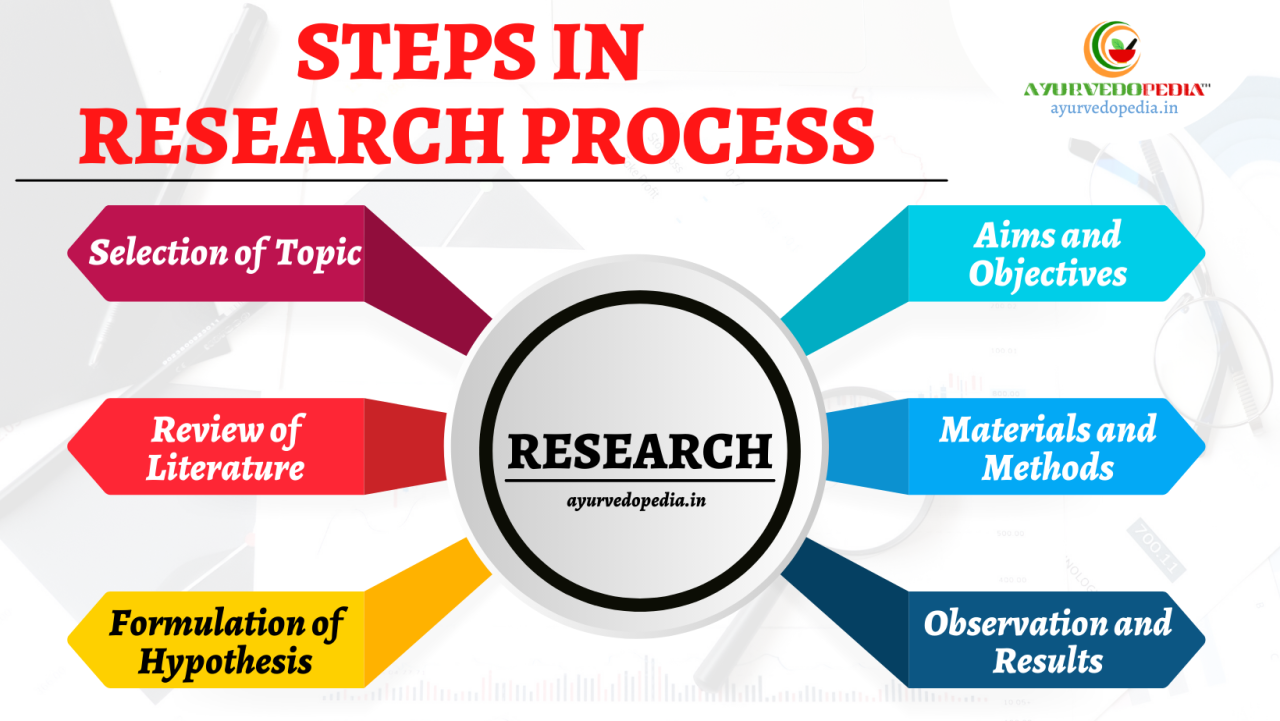
Effective visualization of data and insights generated through AI-driven research is crucial for strategic decision-making. Translating complex datasets into clear, visual formats enables teams to grasp patterns, trends, and opportunities rapidly. Proper visualization not only enhances understanding but also facilitates communication among stakeholders, ensuring that the insights derived from AI tools are actionable and aligned with overall content strategies.
Implementing robust visualization techniques helps uncover relationships within clusters, identify search pattern shifts over time, and prioritize s based on potential impact. By leveraging various visual formats, marketers and specialists can better interpret AI-generated data, leading to more informed and effective campaigns.
Creating Visual Representations of Clusters and Search Patterns
Visual representations such as heat maps, network graphs, and scatter plots are effective for illustrating how s group together and reveal underlying search behaviors. These tools help identify overlapping topics, niche clusters, and emerging trends that might not be immediately evident through raw data. For example, a heat map can display the density of search volume across different groups, highlighting high-priority areas for content development.
- Utilize clustering algorithms to group related s and visualize these groups with color-coded diagrams, enabling quick identification of content themes.
- Apply network graphs to depict relationships between s, showing how they connect within search queries, which can inform content siloing strategies.
- Use trend lines or heat maps to visualize search pattern changes over specific timeframes, helping to pinpoint seasonal or topical shifts.
Organizing Data into Comprehensive Tables and Charts
Organizing AI-generated data into well-structured tables and charts simplifies review processes and supports strategic planning. Tables should include key metrics such as search volume, competition level, difficulty, and relevance scores. Charts like bar graphs and pie charts provide a visual summary of distribution and potential opportunities.
Creating an organized, visual summary of your data ensures that team members can quickly assess priorities, identify gaps, and make data-driven decisions for content creation and optimization.
- Construct tables that categorize s by intent, difficulty, and potential impact to facilitate multi-faceted analysis.
- Deploy bar charts to compare search volume across different groups, highlighting areas with maximum traffic potential.
- Use pie charts to display the proportion of s within various topical clusters, assisting in balancing content themes.
Presenting Insights in a Clear, Accessible Format for Team Collaboration
Effective presentation of data insights involves translating complex visualizations into clear narratives that can be easily understood by diverse team members. Utilizing dashboards that compile relevant charts, tables, and summaries in a single interface can streamline communication and foster collaborative decision-making.
- Leverage interactive dashboards that allow team members to filter and explore data dynamically, supporting customized insights.
- Incorporate visual annotations and highlights within charts to emphasize key findings or shifts in search patterns.
- Ensure that visualizations are accompanied by concise explanations and context to foster comprehension among stakeholders with varying levels of expertise.
Final Thoughts
Incorporating AI into your research process provides a strategic advantage by offering deeper insights and more accurate data segmentation. As technology continues to evolve, staying informed about these innovative techniques will ensure your efforts remain competitive and effective. Embrace AI-driven strategies to optimize your content and achieve greater visibility in search results.