Learning how to create YouTube video descriptions with AI offers a powerful way to enhance your content’s visibility and engagement. By leveraging advanced tools, creators can streamline their workflow, generate -rich descriptions, and ensure their videos reach the right audience efficiently. This guide provides a comprehensive overview of integrating AI into your content creation process to produce compelling and optimized descriptions effortlessly.
Overview of AI-Generated YouTube Video Descriptions
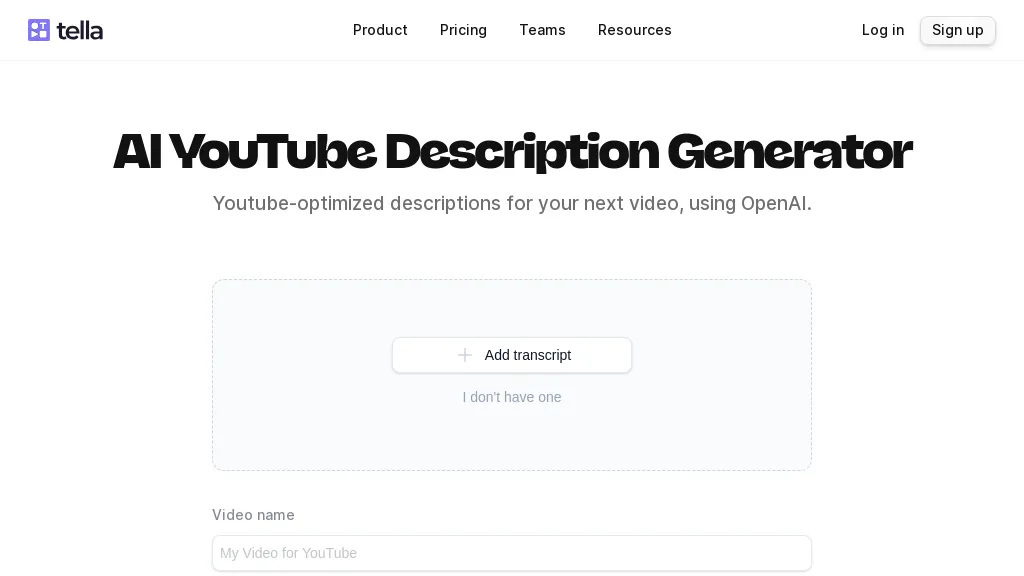
Creating compelling and optimized video descriptions is a crucial aspect of successful YouTube content strategy. These descriptions serve as a gateway for viewers and search engines to understand the video’s content, enhancing discoverability and engagement. With the advancement of artificial intelligence, content creators now have access to powerful tools that streamline the process of crafting effective descriptions, saving time while maintaining quality and relevance.
AI technology can analyze video content, s, and trending topics to generate descriptions that are both informative and -friendly. Integrating AI into the content creation workflow allows creators to produce descriptions rapidly, ensuring they are tailored to target audiences and aligned with overall channel goals. The standard process involves inputting specific video details into AI tools, which then produce customized descriptions, including relevant s, timestamps, and calls to action, all optimized to boost visibility and viewer interaction.
Significance of Optimized Video Descriptions for Viewer Engagement and Discoverability
Optimized descriptions significantly influence how viewers discover and interact with YouTube content. Well-crafted descriptions enhance search engine rankings by including relevant s and key phrases, making videos more likely to appear in search results and recommendations. Additionally, engaging descriptions can entice viewers to watch the video, subscribe to the channel, or follow through on calls to action. This increased engagement not only fosters a loyal audience but also improves the video’s chances of trending or gaining higher visibility.
AI-Assistance in Creating Effective Descriptions
Artificial intelligence assists content creators by automating the generation of detailed, -rich descriptions based on video content, metadata, and trending search terms. AI-powered tools analyze audio transcripts, visual cues, and user engagement data to craft descriptions that accurately reflect the core message of the video. This process ensures descriptions are comprehensive, relevant, and optimized for search algorithms, all while reducing the manual effort involved in writing them from scratch.
Such tools often allow customization, enabling creators to add personal touches or specific calls to action as needed.
Integrating AI Tools in Content Creation Workflows
Integrating AI into the content creation workflow involves several key steps. First, creators upload or link their video files or transcripts to AI-powered platforms designed for content optimization. These platforms then analyze the input data, identify relevant s, and generate a draft description. The next step involves reviewing and editing the AI-generated content to ensure it aligns with the creator’s voice and channel branding.
Many tools also offer additional features, such as automatic tagging, timestamp suggestions, and performance analytics, which further enhance the overall efficiency of content management. This seamless integration enables creators to maintain a consistent publishing schedule while ensuring each video description is optimized for maximum reach and impact.
Selecting AI Tools for Description Generation
Choosing the right AI platform for generating YouTube video descriptions is essential to streamline content creation and ensure high-quality outputs. Several AI tools are available that cater to different needs, expertise levels, and budget considerations. An informed selection process involves understanding the core features, ease of use, and the quality of generated content offered by each platform.
Evaluating AI tools involves comparing their capabilities, user interface, customization options, and output consistency. Proper setup and configuration are crucial to maximize these tools’ efficiency, allowing creators to produce compelling, accurate, and optimized descriptions that enhance viewer engagement and performance.
Popular AI Platforms and Software Suitable for Generating YouTube Descriptions
The market offers a variety of AI solutions tailored for content creators aiming to automate or assist in crafting YouTube descriptions. The following list highlights some of the most widely used and reputable options:
| AI Tool | Key Features | Usability | Output Quality |
|---|---|---|---|
| OpenAI GPT-4 | Advanced natural language understanding, customizable prompts, context retention | User-friendly interface with API integration options, suitable for developers and non-technical users | High-quality, coherent, and contextually relevant descriptions with nuanced language capabilities |
| Jasper AI | Template-based content generation, optimization, team collaboration features | Intuitive dashboard, guided workflows, easy to set up for non-technical users | Professional tone, adaptable to different styles, consistent output for marketing-oriented descriptions |
| Copy.ai | Pre-built templates, quick content generation, tone customization | Simple interface designed for quick learning, good for beginners | Creative and varied descriptions, effective for engaging viewers and boosting |
| Writesonic | Multiple content outputs, content rephrasing, and optimization tools | Easy setup with prompts and settings, suitable for marketers and creators alike | Balanced between creativity and clarity, producing descriptions that are both engaging and informative |
| AISEO | -focused content creation, integration, long-form content support | Streamlined interface, optimization tools built-in | Descriptions that enhance search visibility while maintaining natural language flow |
Comparison of Features, Usability, and Output Quality
To determine the most suitable AI tool for generating YouTube descriptions, it is important to analyze key aspects such as features, usability, and output quality. The selection process should consider the specific needs of the creator, whether that involves customization, focus, or ease of use.
OpenAI’s GPT-4 stands out for its advanced language understanding and versatility, making it ideal for creators seeking highly tailored and natural descriptions. Jasper AI offers a structured approach with templates and tools, appealing to marketing-focused channels. Copy.ai emphasizes speed and creativity, suitable for quick content generation. Writesonic provides a balance of quality and convenience, while AISEO specializes in optimizing descriptions for search engines, enhancing discoverability.
“Selecting the right AI tool involves matching the platform’s strengths with your content goals, budget, and technical comfort level.”
Setting Up and Configuring AI Tools for Content Creation
Effective setup and configuration of AI tools ensure optimal performance and quality in generated YouTube descriptions. This process varies depending on the platform but generally involves creating an account, selecting templates or input methods, and customizing parameters to suit content needs.
For example, when using GPT-4 via API, users need to configure prompt structures and adjust temperature settings to control output creativity. Platforms like Jasper AI and Copy.ai typically offer guided onboarding processes, where users can select the style, tone, and length preferences. Incorporating relevant s, channel branding details, and target audience information during setup enhances the relevance and engagement of the descriptions produced.
Additionally, many tools allow saving preset templates or configurations, enabling quicker future content creation and consistency across videos. Regular review and fine-tuning of output settings can further improve the quality and relevance of the descriptions, aligning them with evolving channel goals and viewer preferences.
Crafting Effective explainings for AI Description Generation
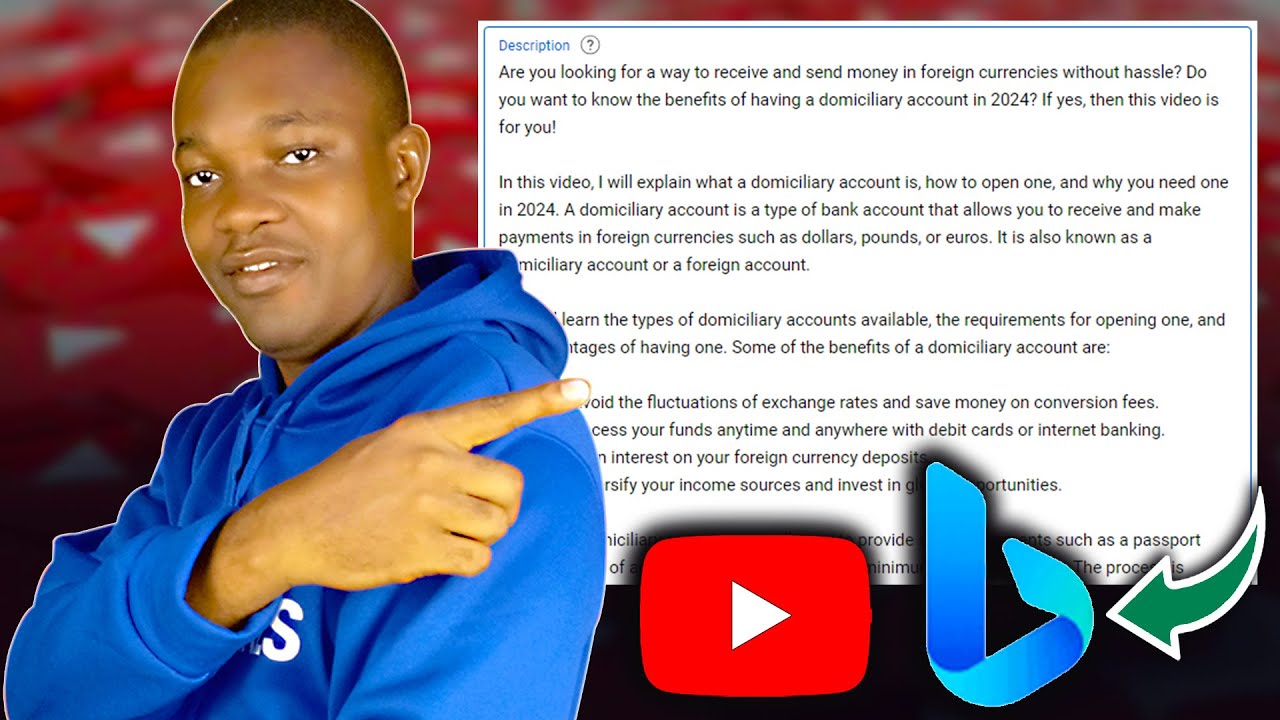
Creating clear and comprehensive instructions for AI tools is essential to generate engaging, accurate, and -friendly YouTube video descriptions. Well-designed explainings ensure that AI understands your content’s nuances, target audience, and desired tone, resulting in descriptions that enhance discoverability and viewer engagement. This segment focuses on developing structured, detailed prompts that guide AI to produce optimized descriptions aligned with your content goals.
Effective explainings serve as the blueprint for AI to generate high-quality descriptions. They should include specific details about the video’s subject matter, target audience, preferred style, and key elements such as s, call-to-actions, and timestamps. By organizing these components systematically, creators can maximize the relevance and impact of AI-generated descriptions, saving time while maintaining professional quality.
Designing Explainings to Facilitate Engaging, -Rich, and Accurate Descriptions
To craft effective explainings, it is important to structure prompts that clearly communicate your expectations and include all relevant details about the video. An ideal explanation provides context, highlights critical s, and specifies stylistic preferences. This approach helps AI generate descriptions that are not only informative but also compelling and optimized for search engines.
Key elements to include in your explainings are:
| Component | Description | Example | Best Practices |
|---|---|---|---|
| Video Topic | A concise summary of the video’s main subject to set the context for AI. | “A tutorial on sustainable urban gardening techniques.” | Be specific; avoid vague descriptions. |
| Target Audience | Defines the viewer demographic to tailor language and tone. | “Beginner gardeners interested in eco-friendly practices.” | Include age range, interests, or skill level. |
| Style and Tone | Guides AI on the desired writing style and mood. | “Friendly, informative, and motivating.” | Specify formal or informal tone as needed. |
| s | Relevant terms to enhance and discoverability. | “Urban gardening, sustainability, eco-friendly practices.” | List primary and secondary s explicitly. |
| Call-to-Action | Encourages viewer interaction or next steps. | “Subscribe for more gardening tips” or “Download our free guide.” | Be clear and concise. |
| Timestamps | Key segments with time markers for easier navigation. | “0:00 Introduction, 2:15 Step-by-step guide, 8:30 Conclusion.” | Include relevant segments for viewer reference. |
Using a structured template ensures comprehensive coverage of essential details, leading to descriptions that are engaging, accurate, and optimized for search engines.
Organizing Explaining Structures for AI Description Generation
Effective organization of providing instructions is crucial for consistent and high-quality AI output. Structuring your explainings using HTML tables, bullet points, and clear headings helps AI interpret your requirements accurately. This disciplined approach reduces ambiguity and ensures all critical elements are addressed systematically.
Suggested organizational strategies include:
- Breaking down the description into sections such as topic overview, target audience, s, and stylistic preferences, each presented in separate table rows or sections.
- Using HTML tables to categorize elements like key phrases, calls-to-action, timestamps, and style directives, making it easier for AI to prioritize and incorporate each component appropriately.
- Providing example prompts within explanations that clearly specify what each section should contain, thus minimizing chances of misinterpretation.
For example, an explanation could include a table with columns labeled “Element,” “Content Requirement,” and “Sample Input,” guiding AI to incorporate necessary details systematically. Incorporating well-defined structures fosters clarity and consistency, ensuring that AI-generated descriptions meet your expectations and align with best practices.
Structuring YouTube Video Descriptions with AI
Effective organization of YouTube video descriptions enhances viewer engagement and provides clarity about the content. Using AI tools to structure these descriptions enables creators to maintain consistency, clarity, and professionalism across their videos. Well-structured descriptions not only improve user experience but also support strategies, making videos more discoverable.
This section explores methods to logically organize description content using various formatting tools such as bullet points, numbered lists, and distinct sections. It emphasizes the systematic inclusion of timestamps, links, and resources, ensuring viewers can easily navigate and access relevant information. Additionally, sample HTML layout templates are provided to illustrate how key segments can be arranged within descriptions for maximum clarity and visual appeal.
Organizing Description Content Effectively
Implementing a clear hierarchy in descriptions helps viewers quickly find the information they seek. Utilizing bullet points for concise lists, numbered steps for sequential instructions, and section headings to categorize information fosters readability and logical flow.
- Bullet Points: Ideal for listing features, key highlights, or quick summaries. For instance, listing main topics covered in the video or important resources.
- Numbered Lists: Suitable for step-by-step guides, instructions, or processes that require sequential understanding.
- Sections: Dividing the description into labeled parts such as “Overview,” “Resources,” “Links,” or “Contact Info” helps organize content and directs viewer attention efficiently.
Systematic Incorporation of Timestamps, Links, and Resources
Including timestamps, links, and resource references systematically within the description ensures viewers can navigate directly to specific segments or access supplementary materials effortlessly. Accurate placement and clear labeling improve usability and viewer retention.
- Timestamps: Place timestamps at the beginning of each relevant section, formatted as HH:MM:SS, enabling viewers to jump directly to segments like introductions, tutorials, or conclusion.
- Links: Embed links to external websites, social media profiles, or related videos within dedicated sections. Use descriptive anchor text for clarity.
- Resources: List downloadable materials, references, or tools used in the video, providing direct access and attribution where necessary.
Sample Description Layouts with HTML Tables
Presenting description content in organized tables enhances readability and professionalism. Below is a prototype of a responsive 4-column HTML table layout, highlighting key segments such as timestamps, topics, links, and resources for a typical YouTube video:
| Segment | Description | Links | Resources |
|---|---|---|---|
| 0:00 | Introduction and overview of the AI-generated description process. | Introduction Link | N/A |
| 2:15 | Guide to selecting AI tools for description creation. | AI Tools Resources | Download AI Tool Comparison Chart |
| 5:30 | Step-by-step instructions for organizing descriptions effectively. | Step Guide | Sample Description Templates |
| 8:45 | Additional tips for optimizing descriptions for and viewer engagement. | Tips | Checklist PDF |
Such structured layouts provide clarity and ease of navigation for viewers, enhancing overall engagement and professionalism of your YouTube channel.
Enhancing Descriptions with Deep Content Details
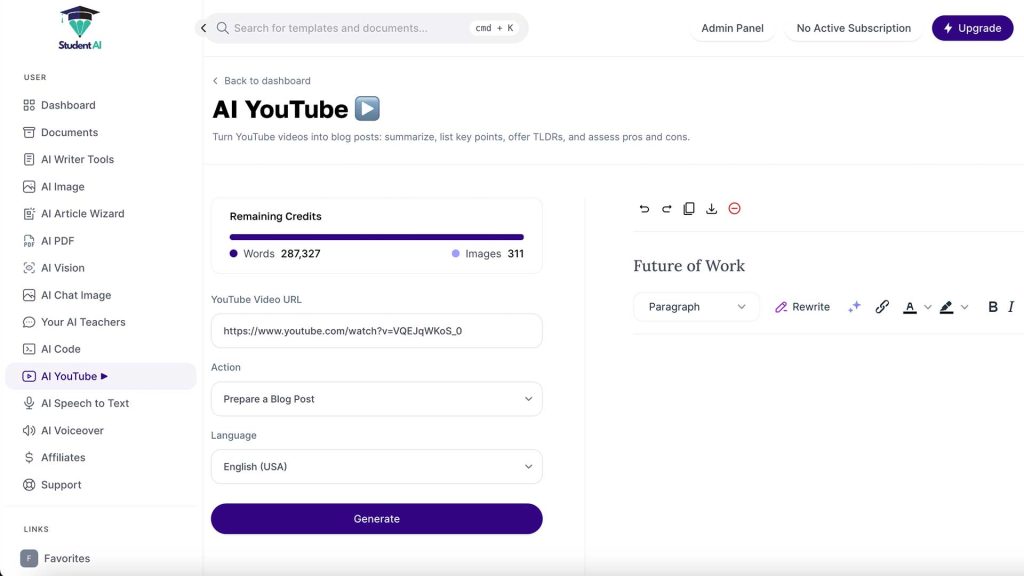
Providing detailed and comprehensive descriptions significantly improves the quality and informativeness of AI-generated YouTube video summaries. Incorporating deep content details ensures viewers are well-informed about the video’s context, visuals, and key messages, thereby increasing engagement and understanding. Leveraging AI to enrich descriptions with nuanced background information and elaborate summaries helps create a more compelling and authoritative presentation of your content.
This section explores effective techniques to guide AI in generating such in-depth descriptions, ensuring that every aspect of your video is thoroughly covered and clearly communicated to your audience.AI tools can be programmed to include extensive background information, contextual explanations, and detailed summaries that go beyond superficial descriptions. By instructing AI to focus on specific elements such as visual details, thematic messages, and critical points, content creators can produce descriptions that offer a richer viewer experience.
Deep content integration helps in emphasizing the importance of visuals, clarifying complex topics, and highlighting key messages, making the description an extension of the video’s educational or entertainment value.
Techniques for Generating Deep Summaries and Contextual Information
To maximize the depth of your video descriptions, consider implementing the following strategies with AI:
“The key to detailed descriptions lies in instructing AI to include comprehensive background, contextual data, and nuanced summaries that resonate with viewer interests and content complexity.”
- Provide explicit prompts for AI to include background history or related information that enhances the viewer’s understanding of the topic. For example, if the video discusses a historical event, instruct AI to incorporate relevant dates, key figures, and socio-political contexts.
- Guide AI to generate summaries that synthesize complex ideas into clear, digestible insights, enabling viewers to grasp the core messages quickly and effectively.
- Use descriptive prompts that highlight visual elements, such as specific scenes, gestures, or on-screen text, to create vivid mental images for viewers relying on the description.
- Encourage AI to incorporate factual data, statistics, or examples that reinforce the video’s messages and add credibility to the description.
Including Visual and Thematic Descriptions
Incorporating detailed descriptions about visuals, themes, and key messages enhances viewer comprehension and allows those who rely on text-based information to visualize the content accurately. Detailed descriptions serve to bridge the gap between visual and textual storytelling, making your content accessible to a broader audience, including those with visual impairments.A well-structured approach involves instructing AI to articulate specific details about the visuals, such as colors, movements, and setting, along with thematic explanations that contextualize the visuals within the video’s overarching message.
For example, instead of merely stating “the presenter speaks,” an effective description might specify, “a presenter in a bright blue shirt gestures passionately against a modern office backdrop, emphasizing innovative technological solutions.”
“Descriptive richness in AI-generated content transforms simple summaries into vivid, immersive narratives that engage viewers and deepen their understanding.”
| Visual Element | Description Technique | Example |
|---|---|---|
| Scene Setting | Describe location, lighting, and atmosphere to evoke a sense of place. | “A bustling city street at sunset, with warm orange hues casting long shadows across busy pedestrians.” |
| Actions and Movements | Detail gestures, expressions, or movements to convey emotions and actions. | “The speaker raises a hand to emphasize a crucial point, with a confident posture and a smile that exudes enthusiasm.” |
| Key Messages | Summarize core ideas associated with visual cues for clarity and emphasis. | “The infographic highlights rising renewable energy adoption, underscoring the importance of sustainable development.” |
By systematically incorporating these in-depth content details, creators can craft YouTube descriptions that elevate the viewer experience, provide clarity, and establish authority through comprehensive, vivid, and context-rich summaries.
Customizing and Personalizing AI-Generated Descriptions
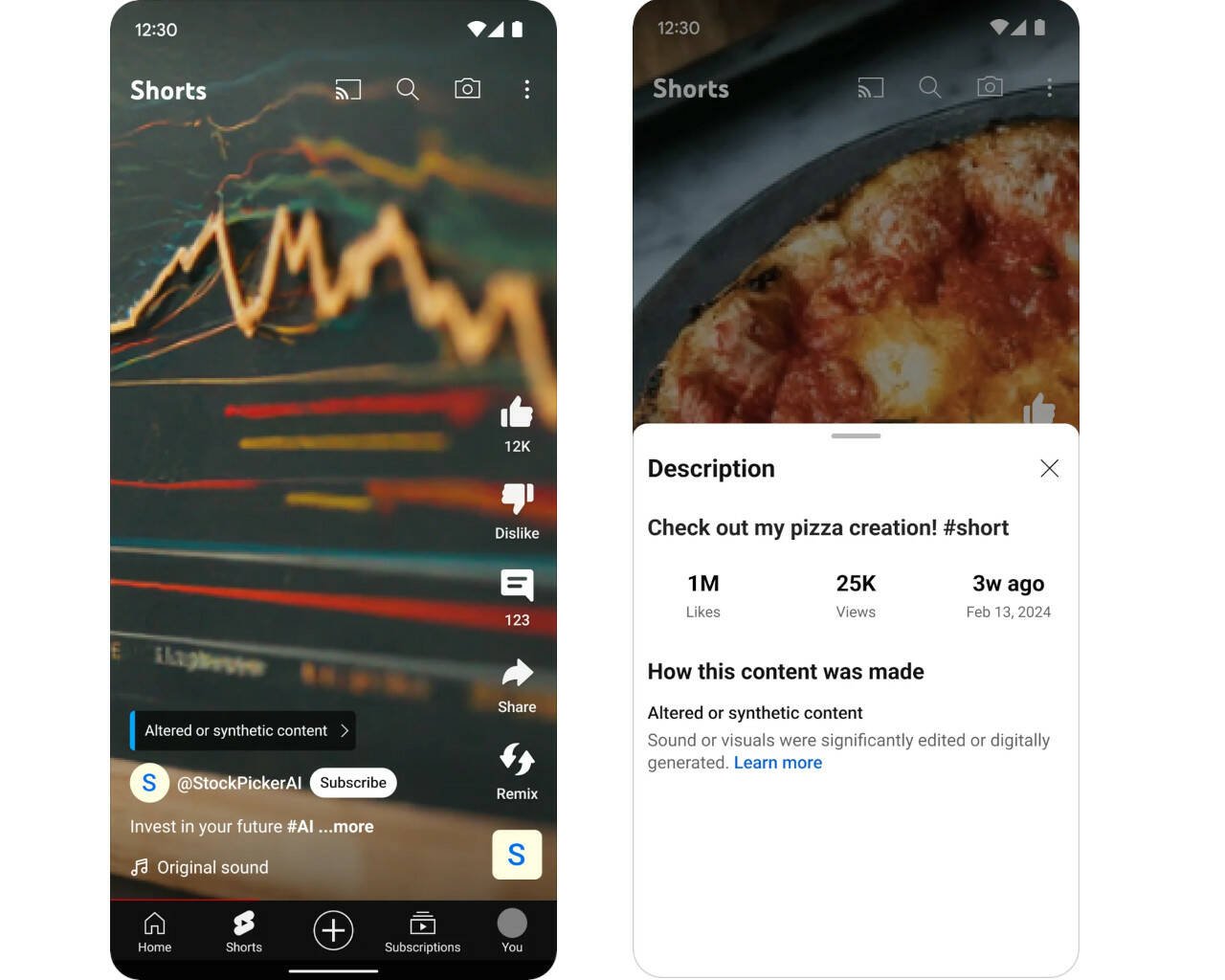
Creating YouTube video descriptions that resonate with your audience and reflect your brand’s unique voice is essential for engagement and channel growth. While AI tools provide efficient and consistent content generation, tailoring these outputs to match your specific style and branding enhances authenticity and viewer connection. Customization involves refining AI-generated content to embody your brand’s tone, incorporate personal touches, and include strategic calls-to-action and social media links, ensuring your descriptions are both professional and personable.Effective personalization begins with understanding your brand voice and tone.
Whether your channel embodies a formal, authoritative style or a casual, friendly approach, adjusting the language used in descriptions helps maintain brand consistency. This may involve selecting synonyms, adjusting sentence structures, or adding particular phrases that are characteristic of your content.Including personal touches adds authenticity and relatability. This can be achieved by adding brief insights about your inspiration, mentioning personal experiences related to the video’s topic, or sharing behind-the-scenes details that humanize your content.
Personalization fosters a stronger connection with viewers and encourages trust and loyalty.Strategic calls-to-action (CTAs) are vital for guiding viewers toward desired engagements. Clear, compelling CTAs such as subscribing to the channel, liking the video, commenting, or visiting your website can be seamlessly integrated within the description. Embedding these within HTML structures allows for a clean and organized presentation, making your CTAs stand out.Social media links provide additional avenues for viewer interaction and community building.
Embedding icons or links within the description, formatted neatly within HTML lists or tables, ensures easy access for viewers to follow or contact you across platforms.
Embedding Personalized Elements within HTML Structures
To integrate personalized components effectively, utilize HTML elements such as lists or tables. These structures help organize information clearly and make your description visually appealing. For example, social media links can be formatted as a list for easy navigation:
- Instagram: https://instagram.com/yourprofile
- Twitter: https://twitter.com/yourprofile
- Facebook: https://facebook.com/yourpage
Similarly, calls-to-action can be emphasized within a table to highlight key actions:
Action Description Subscribe Click the subscribe button to stay updated with our latest videos. Like & Share Show your support by liking and sharing this video with friends. Visit Website Explore more content and resources on our official website.
Incorporating these HTML elements ensures your description remains organized, visually appealing, and aligned with your branding objectives. Personalization through tailored language, personal insights, strategic CTAs, and social links creates a compelling and engaging viewer experience that extends beyond mere content delivery, fostering a loyal community around your channel.
Final Conclusion
In summary, utilizing AI for crafting YouTube video descriptions can significantly improve your content’s discoverability and viewer interaction. By selecting the right tools, designing effective explainings, and customizing your descriptions, you can save time while maintaining quality. Embracing these techniques empowers you to focus more on content creation while ensuring your descriptions support your growth objectives.