Discover how leveraging artificial intelligence can transform the way businesses tailor their offers to individual customers. Personalization powered by AI enables companies to enhance engagement, increase loyalty, and drive sales by delivering relevant and timely promotions.
This guide explores the core concepts of AI-driven personalization, including data collection, customer segmentation, strategy development, and the integration of advanced tools. By understanding these elements, organizations can craft dynamic and effective marketing campaigns that resonate with each customer’s unique preferences.
Understanding AI-driven personalization in customer offers

AI-driven personalization has revolutionized the way businesses engage with their customers by delivering tailored offers that align with individual preferences and behaviors. This approach enhances customer experience, increases engagement, and drives revenue growth. By leveraging advanced algorithms and vast amounts of data, companies can move beyond generic marketing to create highly relevant and timely offers that resonate with each customer.
At its core, AI personalization involves analyzing diverse customer data sources—including purchase history, browsing behavior, demographic information, and engagement patterns—to identify unique preferences and predict future needs. This intelligent process allows marketers to craft customized offers that are more likely to attract attention, foster loyalty, and convert prospects into loyal clients. The impact on customer engagement is profound, as personalized offers foster a sense of relevance and appreciation, encouraging ongoing interaction with the brand.
Analyzing Customer Data for Tailored Offers
Effective AI personalization relies on the comprehensive analysis of customer data to generate insights that inform targeted offers. This process involves collecting data from multiple touchpoints, such as website interactions, mobile app activity, social media engagement, and transactional records. AI algorithms then process this data to uncover patterns, preferences, and buying behaviors that might not be immediately apparent through manual analysis.
Machine learning models utilize techniques like clustering, classification, and predictive analytics to segment customers into distinct groups and predict their future actions. For example, an e-commerce platform might identify a customer segment that frequently purchases eco-friendly products and tailor offers with discounts or promotions for sustainable items. The continuous learning capability of AI ensures that personalization improves over time, adapting to changing customer behaviors and trends.
Benefits of AI for Offer Personalization in Marketing Strategies
Integrating AI into marketing strategies for offer personalization delivers numerous advantages, making campaigns more efficient and impactful. The following key benefits highlight the value of AI-driven personalization:
- Enhanced Customer Engagement: Personalized offers increase the likelihood of customer interaction by presenting relevant products or services, thereby fostering loyalty and long-term relationships.
- Improved Conversion Rates: Tailored promotions and recommendations directly target customer needs, leading to higher conversion rates and sales performance.
- Optimized Marketing Campaigns: AI enables real-time adjustments to offers based on customer responses, ensuring marketing efforts are constantly refined for maximum effectiveness.
- Cost Efficiency: By focusing resources on high-potential customer segments and eliminating irrelevant promotions, AI helps reduce marketing waste and improves return on investment.
- Deeper Customer Insights: The continuous analysis of customer data provides actionable insights that inform broader marketing and product development strategies, fostering innovation and competitive advantage.
“AI personalization turns data insights into tailored customer experiences, driving engagement and loyalty while optimizing marketing effectiveness.”
Data collection and integration for personalized offers
Effective personalization of customer offers hinges on comprehensive data collection from diverse sources and seamless integration into a unified system. Gathering relevant customer insights from multiple platforms enables businesses to tailor their marketing strategies, enhance customer experience, and foster loyalty. The process involves leveraging various data channels, standardizing data formats, and employing advanced integration tools to create a holistic view of each customer.
By systematically collecting and integrating data, organizations can analyze customer behaviors, preferences, and interactions more accurately. This consolidated approach supports the deployment of AI-driven algorithms that generate highly personalized offers, thereby increasing engagement and conversion rates.
Methods for gathering customer data from various sources
Customer data is collected across multiple touchpoints, each providing unique insights that contribute to a comprehensive customer profile. Key methods include:
- Website Interactions: Monitoring page visits, clickstreams, time spent on pages, and form submissions allows businesses to understand customer interests and intent. Tools like Google Analytics and heatmaps capture these behavioral patterns effectively.
- Mobile Applications: Apps provide data on user navigation, feature usage, push notification responses, and in-app purchases. SDK integrations enable real-time data collection to personalize app experiences.
- Social Media Platforms: Analyzing posts, comments, likes, shares, and follower demographics offers insights into customer preferences, sentiment, and engagement levels. Social listening tools such as Brandwatch or Sprout Social facilitate this process.
- Customer Support Interactions: Transcripts from chatbots, emails, and call centers reveal common issues, preferences, and satisfaction levels, enriching customer profiles with qualitative data.
Procedures for integrating data into a unified system for analysis
Integrating data from disparate sources requires structured procedures to ensure consistency, accuracy, and accessibility. The typical workflow involves:
- Data Extraction: Collect raw data from all sources using APIs, ETL (Extract, Transform, Load) tools, or manual exports, depending on the platform capabilities.
- Data Transformation: Standardize formats by converting data into consistent structures, such as JSON or CSV, and normalize data fields (e.g., date formats, measurement units).
- Data Loading: Import transformed data into a centralized data warehouse or Customer Data Platform (CDP) using integration tools like Apache NiFi, Talend, or cloud-based solutions such as AWS Glue.
- Data Cleaning and Validation: Remove duplicates, address missing values, and validate data accuracy to maintain data integrity.
- Data Enrichment: Augment existing data with additional information, such as demographic or transactional data, from external sources or third-party providers.
Note: The efficiency of data integration depends on the selection of compatible tools and adherence to data privacy regulations, such as GDPR or CCPA, ensuring customer data is handled securely and ethically.
Comparison table of data sources, formats, and integration tools
| Data Source | Data Format | Integration Tools | Key Features |
|---|---|---|---|
| Website Analytics | JSON, CSV, Log Files | Google Analytics API, Adobe Analytics, Segment | Real-time tracking, user journey analysis, event tracking |
| Mobile Apps | JSON, XML, Proprietary SDK Data | Firebase, Adjust, Appsee, Mixpanel | In-app behavior, push notifications responses, session data | Social Media | CSV, JSON, API Data | Sprout Social, Brandwatch, Hootsuite, Socialbakers | Engagement metrics, sentiment analysis, follower demographics |
| Customer Support | Text, CSV, JSON | Zendesk, Freshdesk, LivePerson, Genesys | Interaction transcripts, satisfaction scores, issue categorization |
Customer Segmentation Using AI Algorithms

Effective customer segmentation is fundamental to delivering personalized offers that resonate with individual preferences and behaviors. Leveraging AI algorithms enables businesses to analyze vast datasets and identify meaningful customer groups with precision and efficiency. This approach not only enhances targeted marketing strategies but also optimizes resource allocation and improves overall customer engagement.
AI-driven segmentation techniques utilize advanced computational models to categorize customers based on various attributes such as behavior, preferences, and purchase history. By organizing customers into well-defined segments, organizations can tailor their messaging and offers, leading to increased conversion rates and customer satisfaction. These techniques often incorporate machine learning methods that continuously refine segment definitions as new data becomes available.
Segmentation Techniques and Organization
Choosing the appropriate segmentation methods is crucial for creating actionable and insightful customer groups. These techniques analyze different aspects of customer data, providing a structured approach to understanding diverse customer needs and tendencies. The organization of these segments into a clear, accessible format enables marketers to implement personalized strategies efficiently and adaptively.
Below are key segmentation methods employed in AI-driven customer analysis:
- Clustering Algorithms: These unsupervised learning techniques, such as K-Means and Hierarchical Clustering, group customers based on similarity across multiple variables, including purchase frequency, average spend, or engagement patterns. Clustering allows for discovering natural groupings without predefined labels, making it suitable for exploratory analysis of customer bases.
- Classification Algorithms: Supervised learning models like Decision Trees, Random Forests, or Support Vector Machines categorize customers into predefined segments based on labeled training data. This approach is particularly effective when historical segmentation or known customer typologies exist, enabling precise targeting.
- Behavioral Segmentation: AI analyzes behavioral data such as browsing habits, interaction times, and responsiveness to previous campaigns. This technique helps identify active, dormant, or highly engaged customers, facilitating tailored engagement strategies.
- Demographic and Preference-Based Segmentation: Machine learning models process demographic information and expressed customer preferences, enabling segmentation based on age, location, interests, and product preferences, which can be dynamically updated as new preferences emerge.
Organizing segments into a structured format involves creating comprehensive profiles that include key attributes and behaviors. These profiles can be stored within customer relationship management (CRM) systems or data warehouses, categorized by segment identifiers, and enriched with real-time data feeds. Such organization ensures that personalized offers are accurately aligned with each customer group, fostering more meaningful interactions and improving campaign effectiveness.
Developing Personalized Offer Strategies
Designing effective personalized offers requires a strategic approach that leverages customer insights to enhance engagement and maximize conversions. Utilizing AI-driven data analysis enables businesses to craft tailored propositions that resonate with individual preferences, behaviors, and purchase patterns. The process involves integrating customer data, understanding key touchpoints, and implementing adaptive mechanisms to refine offers continually.
By establishing robust strategies for personalized offers, organizations can foster stronger customer relationships, improve satisfaction, and drive revenue growth. These strategies should be flexible, data-informed, and capable of adapting in real-time to changing customer behaviors and market conditions.
Designing Tailored Offers Based on Customer Insights
Creating bespoke offers begins with a deep understanding of customer preferences, purchase history, and engagement patterns. AI algorithms analyze vast data sets to identify individual needs and anticipate future behaviors, enabling the formulation of highly relevant offers. This process involves segmenting customers not only by demographics but also by behavioral signals such as browsing habits, response to previous campaigns, and timing of interactions.
Effective strategies include personalized discounts, product recommendations, exclusive access, and loyalty rewards tailored to each customer’s unique context. For example, an AI system might detect that a customer frequently purchases athletic apparel and, based on that insight, provide timely discounts on new arrivals or related accessories, enhancing the likelihood of conversion.
Methods for Dynamically Adjusting Offers in Real-Time
Real-time adjustment of offers is vital to maintaining relevance and maximizing engagement. AI-powered systems monitor ongoing customer interactions, such as website activity, email responses, and mobile app usage, to modify offers instantaneously. This dynamic approach ensures that the messaging and incentives remain aligned with the customer’s current context, increasing the effectiveness of campaigns.
Techniques include predictive analytics to forecast customer responses, A/B testing to optimize messaging, and machine learning models that adapt offer parameters based on recent behaviors. For instance, if a customer shows renewed interest in a particular product category, the system can immediately present a personalized discount or bundle offer to encourage purchase.
Creating a Framework for Personalized Messaging Templates
Developing a structured framework for messaging templates is essential to ensure consistency, relevance, and brand coherence across all customer interactions. AI can assist by generating dynamic content that adapts to individual customer profiles, preferences, and interaction history. Templates should be flexible enough to incorporate variable elements such as the recipient’s name, recent activity, and specific offers.
Key components of an effective personalization framework include:
- Template Modularization: Break down messages into reusable components like greetings, personalized recommendations, and call-to-action segments, allowing for easy customization.
- Contextual Relevance: Ensure that each template dynamically incorporates contextually appropriate content, such as product suggestions aligned with previous browsing behavior or purchase patterns.
- Testing and Optimization: Continuously evaluate template performance through AI-driven analytics, refining language, tone, and structure to enhance engagement rates.
“Personalized messaging, powered by AI, transforms static communication into dynamic, customer-centric conversations that foster loyalty and drive sales.”
Implementing AI tools and platforms for personalization
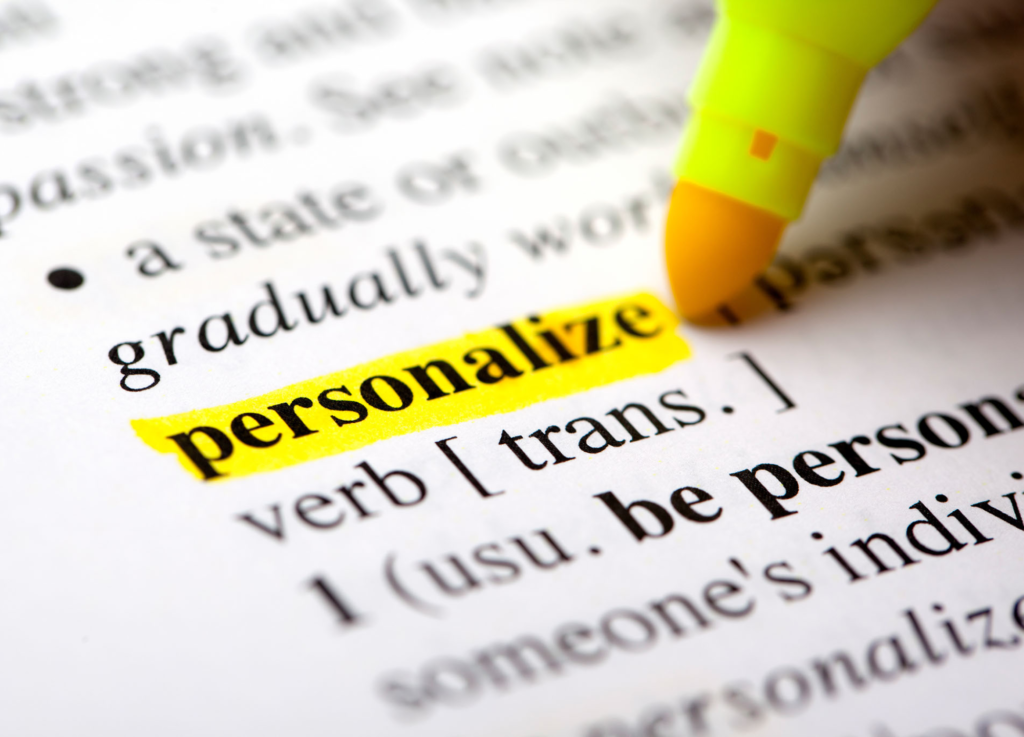
Leveraging AI tools and platforms is essential for businesses aiming to deliver highly personalized customer offers at scale. The selection of appropriate technology solutions can significantly streamline the customization process, enhance customer engagement, and improve overall marketing efficiency. By integrating these advanced tools into existing systems, companies can unlock deeper insights and respond swiftly to individual customer preferences and behaviors.
Various AI platforms and software solutions have emerged to facilitate offer personalization, each offering unique features, integration capabilities, and usability options. Understanding these tools enables organizations to choose the most suitable platform aligned with their strategic goals and technical infrastructure. Additionally, a smooth integration process ensures that AI-driven personalization seamlessly complements current marketing workflows, resulting in more impactful customer interactions.
Leading AI Platforms and Software for Personalized Offers
Numerous AI solutions are tailored to support personalized marketing efforts by leveraging machine learning, natural language processing, and data analytics. These platforms vary in complexity, scalability, and cost, making it important for organizations to evaluate their specific needs and technical capabilities.
- Salesforce Einstein
-
- Features: AI-driven customer insights, predictive analytics, personalized recommendations, automated campaign management.
- Cost: Part of Salesforce CRM; pricing varies based on license tiers and additional modules.
- Usability: User-friendly interface with integration capabilities within Salesforce ecosystem; suitable for enterprises of all sizes.
- Adobe Sensei
-
- Features: Content personalization, customer journey analytics, predictive targeting, and image recognition.
- Cost: Pricing depends on Adobe Marketing Cloud subscription plans; generally aimed at larger organizations.
- Usability: Deep integration with Adobe Creative Cloud and Experience Manager, requiring technical expertise for setup.
- Microsoft Azure Cognitive Services
-
- Features: Natural language processing, speech recognition, recommendation engines, anomaly detection.
- Cost: Pay-as-you-go model with flexible tier options, suitable for various business sizes.
- Usability: Cloud-based platform with extensive documentation and integration options for marketing systems.
- Google Cloud AI Platform
-
- Features: Custom model training, data labeling, recommendation engines, real-time predictions.
- Cost: Varies depending on compute and storage usage; offers free tier for initial experimentation.
- Usability: Designed for developers and data scientists, with APIs that can be integrated into marketing applications.
- HubSpot AI
-
- Features: Email personalization, lead scoring, content recommendations, chatbots.
- Cost: Included in HubSpot Marketing Hub plans; pricing depends on plan tier.
- Usability: User-friendly, especially for small to medium-sized businesses, with minimal technical setup.
Comparison of Features, Cost, and Usability
When selecting an AI platform for personalization, evaluating features, costs, and usability is crucial. The following table summarizes key aspects of leading tools to facilitate informed decision-making.
| Platform | Key Features | Cost Range | Usability |
|---|---|---|---|
| Salesforce Einstein | Customer insights, predictive analytics, automated campaigns | Subscription-based; varies by plan | High; integrated within Salesforce ecosystem |
| Adobe Sensei | Content personalization, journey analytics, predictive targeting | Part of Adobe Marketing Cloud; premium pricing | Moderate; best suited for enterprises with Adobe infrastructure |
| Microsoft Azure Cognitive Services | Natural language processing, recommendation engines, anomaly detection | Pay-as-you-go; flexible tiers | High; requires technical expertise for integration |
| Google Cloud AI Platform | Custom model training, real-time predictions, data labeling | Variable; free tier available | Moderate to high; suitable for data-driven teams |
| HubSpot AI | Email personalization, chatbots, lead scoring | Included in plans; tier-based pricing | High; ideal for small to mid-sized businesses |
Integration of AI Tools with Existing Marketing Systems
Integrating AI platforms into current marketing ecosystems is vital for maximizing their potential. The process typically involves connecting the AI tool with customer databases, CRM systems, content management platforms, and analytics tools. A well-planned integration ensures data flows seamlessly between systems, enabling real-time personalization and consistent customer experiences.
Effective integration relies on establishing secure APIs, data mapping, and synchronization protocols that minimize latency and data discrepancies.
Organizations often start with API-based integrations, involving middleware or connectors that facilitate communication between AI platforms and existing infrastructure. Some platforms offer native integrations for popular CRM and marketing automation tools, simplifying the process. Ensuring compatibility, data privacy, and compliance standards are also integral to successful integration efforts.
Testing and optimizing personalized offers
Effective testing and continuous optimization are vital to ensuring that AI-driven personalized offers resonate with customers and drive desired outcomes. By systematically evaluating the performance of different offer strategies, organizations can refine their approach to maximize engagement, conversion rates, and customer satisfaction. This process involves rigorous experimentation, data analysis, and strategic adjustments based on measurable results.Implementing structured testing and optimization procedures allows businesses to identify what works best for their target audience.
It helps in reducing guesswork, allocating resources efficiently, and adapting to evolving customer preferences and behaviors, thereby maintaining a competitive edge in personalized marketing efforts.
A/B Testing Personalized Offers
A/B testing serves as a foundational procedure for evaluating the effectiveness of different personalized offers. This method involves presenting two or more variations of an offer to distinct customer groups under similar conditions, then analyzing the performance metrics to determine which version yields better results.When conducting A/B tests, it is essential to ensure that the sample sizes are statistically significant to draw reliable conclusions.
Variations should differ only in one key element—such as discount percentage, messaging tone, or call-to-action—to accurately measure its impact. For example, a retailer might test two different promotional messages to see which one drives higher click-through or conversion rates, using split audiences to ensure unbiased results.To optimize results, organizations should run multiple rounds of testing, iteratively refining offers based on data insights.
It is also important to maintain a controlled environment where external factors remain constant, thereby isolating the effects of each variation.
Strategies for Collecting Feedback and Refining Personalization Tactics
Gathering qualitative and quantitative feedback from customers complements A/B testing by providing deeper insights into preferences and perceptions. Feedback collection can be achieved through surveys, direct customer interactions, or monitoring social media and review platforms for unsolicited opinions.Analyzing this feedback helps identify pain points, preferences, and unmet needs, enabling businesses to make data-driven adjustments to their personalization algorithms. For example, if customers frequently indicate that a particular type of offer feels irrelevant, marketers can recalibrate their segmentation criteria or update the AI models to better reflect customer interests.Furthermore, implementing real-time feedback loops facilitates rapid iteration of personalization tactics.
Customers’ responses to new offers can be tracked immediately, allowing for quick adjustments that enhance relevance and appeal.
Metrics and KPIs for Measuring Success in Offer Personalization
Establishing clear metrics and KPIs provides a quantitative basis for evaluating the success of personalized offers. These indicators help organizations track progress, identify areas for improvement, and justify investment in AI-driven personalization initiatives.Key performance indicators to consider include:
- Conversion Rate: The percentage of customers who act on the personalized offer, such as making a purchase or signing up for a service.
- Click-Through Rate (CTR): The ratio of customers who click on the offer compared to those who view it, reflecting initial engagement.
- Average Order Value (AOV): The average amount spent by customers who respond to personalized offers, indicating the quality and attractiveness of the incentives.
- Customer Retention Rate: The proportion of customers remaining engaged over time, suggesting loyalty fostered by relevant offers.
- Return on Investment (ROI): The financial return generated from personalized marketing efforts relative to the investment made in AI tools and campaign execution.
Additionally, tracking customer lifetime value (CLV) and analyzing segmentation performance can provide insights into long-term benefits and strategic effectiveness.
Effective testing and optimization translate customer insights into actionable improvements, ultimately elevating the impact of personalized offers and fostering sustained engagement.
Ethical considerations and privacy in AI personalization
Ensuring ethical standards and safeguarding customer privacy are fundamental components of responsible AI-driven personalization. As organizations leverage advanced algorithms to tailor offers, they must also uphold trust and integrity by respecting individual rights and adhering to legal frameworks. Balancing personalization benefits with privacy protections fosters customer confidence and sustains long-term relationships.Effective AI personalization hinges on transparent, ethical practices that prioritize data security and respect for user autonomy.
It involves implementing policies and technological measures that prevent misuse of information while maximizing the value delivered to customers. This section explores best practices, compliance standards, and principles essential for responsible AI personalization.
Maintaining customer privacy and data security
Maintaining rigorous privacy and data security standards is vital to prevent unauthorized access, data breaches, and misuse of sensitive customer information. Organizations should adopt comprehensive security protocols that encompass data encryption, access controls, and regular security audits. It is equally important to minimize data collection to only what is necessary, following the principle of data minimization.Best practices include establishing clear data governance policies that define how data is collected, stored, processed, and shared.
Utilizing anonymization and pseudonymization techniques can further protect individual identities, especially when analyzing data for personalization purposes. Training staff on data privacy principles and ensuring compliance with cybersecurity standards significantly reduces vulnerabilities.
Policy compliance requirements and transparency standards
Adhering to legal and regulatory frameworks is mandatory for responsible AI personalization. Policies such as the General Data Protection Regulation (GDPR) in the European Union and the California Consumer Privacy Act (CCPA) in the United States set strict guidelines for data handling and user rights. Compliance involves obtaining explicit consent for data collection, providing clear privacy notices, and allowing customers to access or delete their data.Transparency is a key pillar in building trust.
Organizations should clearly communicate how customer data is used to personalize offers, outlining the specific algorithms and data sources involved. Maintaining records of data processing activities, conducting impact assessments, and providing avenues for customers to exercise their privacy rights are crucial steps in ensuring transparency and accountability.
Principles for developing responsible AI-driven personalization approaches
Developing responsible AI personalization approaches requires a set of guiding principles that prioritize fairness, accountability, and respect for individual rights. These principles include:
- Fairness: Ensuring algorithms do not discriminate against any customer group based on ethnicity, gender, age, or other protected attributes. Regular bias audits and diverse data sampling are essential to promote equity.
- Accountability: Establishing clear ownership and oversight of AI systems to monitor their decisions and impact. Documenting algorithm development processes and decision rationale supports transparency and accountability.
- Privacy Preservation: Integrating privacy-by-design and privacy-by-default principles into all AI development stages. Employing techniques such as federated learning and differential privacy helps protect individual data.
- Customer Autonomy: Empowering customers with control over their data and personalization preferences. Providing opt-in and opt-out options ensures respect for individual choices.
- Continuous Monitoring: Regularly assessing AI systems for unintended biases, inaccuracies, or ethical issues. Incorporating feedback mechanisms allows for ongoing improvements and responsible use.
Implementing these principles fosters a responsible AI culture that aligns technological innovation with ethical standards, ultimately enhancing customer trust and organizational reputation.
Case Studies and Real-World Examples
Examining successful implementations of AI-driven personalization provides valuable insights into how businesses leverage technology to enhance customer engagement and drive revenue. Real-world case studies illustrate practical applications, highlight challenges faced, and demonstrate solutions that lead to measurable outcomes.
By analyzing diverse industry examples, organizations can identify effective strategies, understand potential pitfalls, and adapt best practices to their own personalization initiatives. These case studies serve as a bridge between theoretical concepts and tangible results, offering a comprehensive view of AI personalization in action.
Detailed Descriptions of Successful AI Personalization Implementations
Successful AI personalization projects typically involve a combination of sophisticated data collection, advanced machine learning algorithms, and seamless integration within customer touchpoints. These implementations focus on understanding customer preferences at a granular level and delivering tailored offers in real-time.
For example, a leading e-commerce retailer employed AI algorithms to analyze browsing behavior, purchase history, and demographic data to generate personalized product recommendations. As a result, they saw a significant increase in conversion rates and average order value. Another case involved a streaming service that used AI to develop personalized content suggestions, which enhanced user engagement and subscription retention.
Case Study Elements Organized in a Table
This table summarizes key information from notable AI personalization projects across different industries, highlighting their approach, outcomes, and lessons learned.
| Company | Approach | Results | Lessons Learned |
|---|---|---|---|
| Amazon | Utilized collaborative filtering and real-time browsing data to personalize product recommendations | Increased sales by approximately 35%, improved customer satisfaction, and boosted loyalty | Continuous data updating and machine learning model refinement are essential for maintaining relevance |
| Netflix | Implemented deep learning algorithms to personalize content suggestions based on viewing patterns and user ratings | Enhanced viewer engagement with a 20% increase in watch time per user | Balancing algorithm accuracy with diversity in recommendations prevents filter bubbles |
| Sephora | Applied AI-driven image analysis and customer purchase data to recommend personalized beauty products | Achieved higher conversion rates and increased repeat purchases | Integrating visual data improved the understanding of customer preferences beyond textual inputs |
Challenges Faced and Solutions Applied in Real Scenarios
Implementing AI personalization at scale involves various challenges, including data privacy concerns, algorithm bias, and integration complexity. Understanding these obstacles and the strategies used to overcome them is vital for successful deployment.
“One of the most persistent challenges is ensuring data privacy while collecting enough information for effective personalization. Ethical data handling practices and transparent communication with customers are critical.”
For instance, a financial services company faced regulatory hurdles related to customer data privacy. They addressed this by adopting privacy-preserving machine learning techniques and obtaining explicit consent, thereby building customer trust and complying with regulations.
Another common challenge is bias in AI algorithms, which can lead to unfair or suboptimal recommendations. Companies mitigated this by incorporating fairness metrics into their model training processes and regularly auditing outputs to detect and correct biases.
Integration issues can also hinder personalization efforts, especially when legacy systems are involved. Solutions included adopting flexible API-based architectures and investing in middleware that facilitates seamless data exchange between AI platforms and existing infrastructure.
Concluding Remarks

In summary, implementing AI for personalized offers offers substantial benefits in understanding customer needs and optimizing marketing efforts. Embracing these technologies responsibly ensures meaningful interactions while respecting privacy, leading to sustained success and growth in competitive markets.