Discover how to personalize marketing with AI and unlock new levels of customer engagement. This approach leverages advanced technologies to deliver tailored experiences that resonate with individual preferences, ultimately enhancing brand loyalty and driving sales.
By integrating AI-driven tools, businesses can effectively gather customer insights, segment audiences, create personalized content, and automate interactions. Understanding these components empowers marketers to implement intelligent strategies that adapt to each customer’s unique needs and behaviors.
Understanding Personalized Marketing with AI
In the rapidly evolving digital landscape, personalized marketing powered by artificial intelligence (AI) has become a cornerstone of effective customer engagement. This approach leverages advanced technologies to tailor marketing messages and experiences to individual consumers, fostering stronger relationships and higher conversion rates. Understanding how AI transforms traditional marketing into highly personalized interactions is essential for businesses aiming to stay competitive in today’s data-driven environment.
AI-driven personalization involves analyzing vast amounts of customer data to identify preferences, behaviors, and patterns. These insights enable brands to deliver highly relevant content, product recommendations, and targeted advertising that resonate with each consumer. By doing so, companies can enhance customer satisfaction, improve loyalty, and maximize marketing ROI. The integration of AI into marketing strategies not only streamlines personalization efforts but also scales them in ways that traditional methods cannot match.
Key Technologies and Tools Involved in AI Personalization
Implementing personalized marketing with AI requires a suite of sophisticated technologies and tools that work together to gather, interpret, and act upon customer data. These technologies enable marketers to create dynamic, customized experiences across multiple channels, from websites to social media platforms.
Central to AI personalization are the following key technologies:
| Technology | Description | Examples of Use |
|---|---|---|
| Machine Learning | Enables algorithms to learn from data patterns and predict customer preferences or behaviors with minimal human intervention. | Personalized product recommendations on e-commerce sites like Amazon, where the system suggests items based on past browsing and purchase history. |
| Natural Language Processing (NLP) | Allows machines to understand, interpret, and generate human language, facilitating chatbots and personalized content creation. | Customer service chatbots that provide tailored responses, or content personalization based on user queries. |
| Customer Data Platforms (CDP) | Consolidates customer data from multiple sources into a unified database, providing a comprehensive view for targeted marketing. | Segmenting audiences based on behaviors and preferences for targeted email campaigns or ad targeting. |
| Predictive Analytics | Utilizes historical data to forecast future customer actions, enabling proactive personalization strategies. | Anticipating customer churn and offering personalized retention incentives. |
| Real-Time Data Processing | Analyzes customer interactions instantaneously, allowing immediate personalization adjustments. | Displaying customized product recommendations or offers during live website visits or app usage. |
Effective AI personalization integrates multiple technologies to interpret customer data dynamically, enabling marketers to craft experiences that are both relevant and compelling.
By harnessing these advanced tools, businesses can move beyond generic messaging toward creating meaningful, individualized interactions that resonate with each consumer. This technological synergy drives the core benefits of AI-powered personalized marketing, transforming how brands connect with their audiences in an increasingly competitive marketplace.
Data Collection and Customer Insights
Gathering comprehensive customer data forms the foundation for effective personalized marketing strategies powered by AI. The quality and depth of this data directly influence the ability to understand customer needs, preferences, and behaviors. By systematically collecting relevant information, businesses can craft tailored experiences that foster loyalty and drive conversions.
Analyzing customer behavior and preferences involves employing advanced techniques to interpret the collected data accurately. These insights enable marketers to segment audiences effectively, predict future actions, and personalize content in real-time. Leveraging robust data collection methods combined with insightful analysis ensures that marketing efforts are both targeted and impactful.
Methods for Gathering Customer Data
Effective data collection involves diverse sources and techniques to capture a holistic view of customer interactions and preferences. These methods include:
- Online Interactions: Tracking website visits, click patterns, time spent on pages, and interaction with specific content. Tools like Google Analytics and heatmaps provide valuable insights into user engagement.
- Transaction Data: Recording purchase history, frequency, and average order value from e-commerce platforms or point-of-sale systems to understand buying patterns.
- Customer Feedback: Utilizing surveys, reviews, and direct communication channels such as chatbots or customer service interactions to gather qualitative data.
- Social Media Monitoring: Analyzing social media activity, mentions, and engagements to gauge brand sentiment and identify trending interests.
- Third-party Data: Incorporating external data sources like demographic databases, market research reports, and data aggregators to enrich customer profiles.
Analyzing Customer Behavior and Preferences
Transforming raw data into actionable insights requires a combination of analytical techniques. Machine learning algorithms and AI-driven tools facilitate real-time analysis, segmentation, and predictive modeling. Key approaches include:
- Customer Segmentation: Dividing customers into distinct groups based on demographics, purchase history, and online behavior. This enables targeted campaigns that resonate with specific audience segments.
- Predictive Analytics: Using historical data to forecast future actions, such as likelihood of churn or potential product interests. For example, an AI model might identify customers at risk of churn based on decreased engagement metrics.
- Behavioral Clustering: Grouping customers by browsing patterns or interaction sequences to personalize content dynamically and optimize user journeys.
- Preference Profiling: Creating detailed profiles that capture individual preferences, such as preferred product categories, communication channels, and timing, to tailor marketing messages effectively.
Customer Data Points and Their Uses
Organizing customer data points into structured categories assists in developing comprehensive profiles and delivering personalized experiences. The following table illustrates common data types and their specific applications:
| Type of Data | Examples | Uses in Personalized Marketing |
|---|---|---|
| Demographic Data | Age, gender, location, income level | Segmentation, targeted campaigns, location-based offers |
| Behavioral Data | Browsing history, click patterns, time spent on pages | Personalized content, product recommendations, website optimization |
| Transactional Data | Purchase history, cart abandonment, return frequency | Upselling, targeted discounts, loyalty programs |
| Engagement Data | Emails opened, social media interactions, chat bot conversations | Optimizing communication channels, timing messages effectively |
| Preferences Data | Product categories favored, preferred brands, communication preferences | Customized recommendations, tailored messaging styles |
Effective data utilization transforms raw customer information into strategic insights, empowering marketers to create highly personalized and engaging experiences.
Segmenting Audiences Using AI
Effective audience segmentation is a cornerstone of personalized marketing, enabling brands to deliver highly relevant content to distinct customer groups. Leveraging AI significantly enhances this process by analyzing vast datasets to uncover nuanced customer behaviors and preferences. This approach not only streamlines segmentation but also increases the precision of targeted campaigns, ultimately improving engagement and conversion rates.
Utilizing AI-driven procedures for audience segmentation involves a structured approach that combines data collection, machine learning algorithms, and analytical insights. By systematically categorizing customers based on their interactions, demographics, and predictive behaviors, organizations can tailor marketing efforts to meet specific needs and expectations more effectively than traditional methods.
Procedures for Segmenting Audiences Based on AI Analysis
Implementing AI-powered audience segmentation begins with establishing a comprehensive data collection framework. This includes gathering data from various sources such as website interactions, social media engagement, purchase history, and customer feedback. Once the data is collected, machine learning algorithms like clustering, classification, and predictive modeling are applied to identify distinct customer segments.
The key procedures involve:
- Data Preprocessing: Cleaning and normalizing data to ensure quality and consistency.
- Feature Selection: Identifying relevant variables such as purchase frequency, product preferences, or engagement levels that influence segmentation.
- Model Training: Applying clustering algorithms like K-Means or hierarchical clustering to group similar customers based on selected features.
- Validation and Refinement: Evaluating the quality of segments using metrics such as silhouette scores and refining models for better accuracy.
- Real-Time Analysis: Continuously updating segments with new data, allowing for dynamic adjustments to marketing strategies.
Classifying Customers for Targeted Campaigns
AI-driven classification enables marketers to assign customers into predefined categories based on predictive insights. This process involves analyzing customer behaviors and characteristics to determine their likelihood of responding to specific marketing messages or offers.
For example, AI can identify high-value customers who frequently purchase premium products, new customers who need onboarding content, or dormant users who require re-engagement strategies. Such classification ensures that marketing efforts are focused where they are most likely to generate a positive response, optimizing resource allocation and campaign effectiveness.
By integrating AI classification models into marketing workflows, organizations can automate the segmentation process, ensuring each customer receives personalized content aligned with their current stage in the customer journey.
Comparison of Segmentation Strategies with AI Support
Below is a comparative overview of traditional segmentation approaches versus AI-supported strategies, highlighting their key differences and benefits:
| Aspect | Traditional Segmentation | AI-Supported Segmentation |
|---|---|---|
| Data Analysis | Manual analysis using basic demographics and purchase history | Automated analysis of large datasets, including behavioral and contextual data |
| Accuracy | Limited by human bias and smaller sample sizes | Enhanced precision through machine learning algorithms and real-time updates |
| Speed | Time-consuming, often requiring extensive manual effort | Rapid segmentation with automated processes and continuous learning |
| Granularity | Broad segments based on limited criteria | Highly granular segments that capture subtle customer differences |
| Adaptability | Less responsive to changing customer behaviors | Dynamic segmentation adapting to new data and trends |
In summary, AI-enabled audience segmentation offers a more accurate, scalable, and adaptable approach, empowering marketers to craft personalized campaigns that resonate deeply with their customers. This strategic advantage is essential in today’s competitive digital landscape, where understanding and targeting specific customer groups can significantly influence business success.
Developing Personalized Content with AI

Creating tailored marketing messages and content is essential for engaging customers effectively in today’s digital landscape. AI-driven technologies enable marketers to craft highly relevant and compelling content that resonates with individual preferences, behaviors, and needs. By leveraging AI, businesses can deliver personalized experiences at scale, enhancing customer satisfaction and loyalty.
Automating content creation for different customer segments ensures efficiency and consistency while maintaining a high level of relevance. Using AI algorithms, marketers can generate, optimize, and adapt content dynamically, ensuring that each audience segment receives the most appropriate messaging across various channels and formats.
Methods for Generating Tailored Marketing Messages and Content
Personalized content development relies on advanced methods that analyze customer data to produce relevant messaging. These methods include:
- Natural Language Processing (NLP): AI models interpret customer feedback, reviews, and social media interactions to generate contextually appropriate messages. NLP techniques help in creating conversational content, chatbots, and email responses that feel personalized.
- Content Recommendation Engines: Utilizing collaborative filtering and content-based filtering, these engines suggest relevant articles, products, or promotions based on user browsing history and preferences.
- Template-Based Personalization: Pre-designed content templates are dynamically filled with customer-specific data, ensuring each message aligns with user attributes like name, location, or purchase history.
- AI-Powered Copywriting Tools: Platforms such as GPT-based models generate marketing copies, social media posts, or product descriptions tailored to target audiences, saving time and ensuring consistency.
Automating Content Creation for Customer Segments
Automation streamlines the process of delivering personalized content by enabling real-time generation and distribution across multiple channels. Key strategies include:
- Segment-Specific Content Generation: AI systems analyze segment characteristics and generate customized content that appeals directly to each group. For example, a luxury brand might create exclusive offers for high-net-worth individuals, while a casual apparel brand targets younger demographics with trendy visuals and language.
- Dynamic Content Optimization: AI algorithms continuously test and refine content based on engagement metrics, ensuring that each customer receives the most effective message. This adaptive approach increases conversion rates and enhances user experience.
- Automated Workflow Integration: AI integrates with marketing automation platforms to trigger personalized content delivery based on customer actions, such as cart abandonment or milestone anniversaries.
Sample Content Types and Personalization Techniques
To illustrate how AI personalizes various content formats, consider the following table:
| Content Type | Personalization Technique | Example |
|---|---|---|
| Email Campaigns | Using customer purchase history and browsing data to tailor subject lines and body content. | An email featuring recommended products based on previous purchases, addressed personally with the customer’s name. |
| Product Recommendations | Collaborative filtering to suggest items aligned with individual preferences. | Showing accessories matching a customer’s recent clothing purchase. |
| Website Content | Dynamic webpage elements that adapt based on visitor behavior and demographics. | Personalized homepage banners displaying regional offers or language preferences. |
| Social Media Posts | AI-generated content customized for audience segments using sentiment analysis and trending topics. | Creating posts that highlight products relevant to specific customer interests, with tailored hashtags. |
“Effective AI-driven personalization combines data insights with creative content strategies to foster meaningful customer interactions.”
AI-Driven Recommendations in Marketing

AI-driven recommendation systems have revolutionized the way businesses engage with their customers by providing highly personalized product or service suggestions. Leveraging advanced algorithms and vast data sets, these systems enable marketers to deliver relevant content that resonates with individual preferences, thereby increasing engagement, conversions, and customer satisfaction. Incorporating AI-powered recommendations into marketing workflows ensures a more dynamic and responsive approach to customer needs, fostering loyalty and driving revenue growth.
AI algorithms enhance product and service recommendations by analyzing user behavior, preferences, and purchasing patterns in real time. These systems utilize techniques such as collaborative filtering, content-based filtering, and hybrid approaches to identify the most relevant suggestions for each customer. When integrated effectively, recommendation engines can predict what customers are likely to find appealing, even before they explicitly express their interests.
This proactive personalization creates a seamless shopping experience and encourages repeat interactions with the brand.
Integrating Recommendation Engines into Marketing Workflows
Successful integration of AI recommendation systems requires a structured approach to embed them within existing marketing strategies. The following steps Artikel key considerations for implementing these advanced tools effectively:
- Assess Data Infrastructure: Ensure that your data collection systems are capable of capturing comprehensive and high-quality customer data, including browsing history, purchase records, and engagement metrics.
- Select Suitable Algorithms: Choose recommendation algorithms that align with your business goals, whether collaborative filtering for user-based suggestions, content-based filtering for product similarities, or hybrid models for enhanced accuracy.
- Develop Integration Points: Embed recommendation modules within your website, app, email marketing, and other customer touchpoints to deliver tailored suggestions consistently across channels.
- Monitor and Optimize: Continuously track the performance of recommendation engines through key metrics such as click-through rates, conversion rates, and average order value. Use these insights for ongoing optimization.
- Personalize and Test: Regularly update recommendation criteria based on evolving customer data. Conduct A/B testing to evaluate different algorithms and presentation formats, ensuring optimal user engagement.
Best Practices for Recommendation Systems
Implementing effective recommendation systems involves adhering to best practices that maximize their impact and maintain customer trust. These practices include:
- Prioritize Data Privacy: Always ensure compliance with data protection regulations such as GDPR or CCPA. Inform customers about data usage and obtain explicit consent where necessary.
- Maintain Transparency: Offer customers insights into how recommendations are generated, fostering trust and encouraging engagement with personalized suggestions.
- Focus on Relevance: Use high-quality, up-to-date data to deliver suggestions that genuinely match customer preferences, avoiding irrelevant or generic recommendations.
- Incorporate Diversity: Ensure that recommendation algorithms provide a mix of familiar and new options to encourage exploration and prevent filter bubbles.
- Continuously Improve: Regularly refine algorithms based on performance metrics and customer feedback, adopting a data-driven approach to enhance recommendation accuracy.
By following these best practices, marketers can leverage AI recommendation engines to create more engaging, personalized experiences that foster customer loyalty and drive sustainable growth.
Automating Customer Engagement with AI

In today’s digital landscape, automating customer engagement using AI technologies is vital for delivering personalized, timely, and efficient interactions at scale. Businesses leveraging AI-driven automation can foster stronger relationships with their customers, enhance their service experience, and achieve greater operational efficiency. Setting up robust AI-powered systems for customer interaction ensures consistent communication, reduces manual workload, and provides valuable insights for continuous improvement.
Implementing AI automation in customer engagement involves deploying intelligent tools like chatbots and virtual assistants that can simulate human-like conversations, respond promptly to inquiries, and adapt to individual customer preferences. These systems need to be carefully configured and monitored to optimize their performance, ensuring they serve their purpose effectively while maintaining a friendly and approachable tone.
Setting Up AI Chatbots and Virtual Assistants
Establishing AI chatbots and virtual assistants requires a systematic approach to integration, training, and deployment. The process begins with selecting an appropriate AI platform that aligns with the company’s needs, whether it involves natural language processing (NLP), machine learning capabilities, or integration with existing CRM systems. Once chosen, the chatbot must be configured to handle common customer queries, such as order tracking, product information, or troubleshooting.
Training these systems involves feeding them with relevant data, including FAQs, product details, and customer interaction histories, to enhance their understanding and response accuracy. Continuous learning algorithms allow chatbots to improve over time, adapting to new questions and conversational nuances. Additionally, integrating multi-channel support—such as website chat widgets, social media platforms, and messaging apps—ensures broader accessibility for customers.
Personalizing Interactions via Automation
Personalization in automated customer engagement is achieved by leveraging customer data and behavioral insights to tailor conversations. AI systems analyze purchase history, browsing behavior, and previous interactions to deliver contextually relevant responses, product recommendations, and content suggestions. This approach not only improves customer satisfaction but also increases conversion rates and brand loyalty.
Effective personalization involves dynamic script adaptation where the virtual assistant recognizes individual preferences and adjusts its language, tone, and recommendations accordingly. For example, a returning customer interested in outdoor gear might receive tailored product suggestions and promotional offers related to their interests, enhancing the overall experience. Using customer segmentation data, AI can also prioritize certain interactions, ensuring high-value clients receive more personalized attention.
Monitoring and Improving Automated Customer Engagement
Consistent monitoring and analysis of AI-driven customer interactions are crucial for refining engagement strategies. Tracking key performance indicators such as response accuracy, customer satisfaction scores, and issue resolution times provides insights into system effectiveness. Regular review of conversation logs helps identify gaps or recurring issues, guiding updates to chatbot scripts and algorithms.
Employing feedback mechanisms, like post-interaction surveys or sentiment analysis, allows businesses to gauge customer perceptions and identify areas for improvement. AI systems can be programmed to flag complex queries that require human intervention, ensuring seamless escalation when necessary. Iterative updates, based on real-time data and customer feedback, lead to increasingly sophisticated and empathetic automated engagement over time.
Ethical Considerations and Privacy in AI Personalization
Implementing AI-driven personalization in marketing offers significant advantages in delivering tailored experiences to customers. However, it also raises critical ethical and privacy concerns that must be addressed to maintain trust and compliance with regulations. Ensuring responsible AI deployment involves establishing clear guidelines, safeguarding customer data, and understanding potential risks associated with personalization strategies.
Organizations must balance the benefits of sophisticated AI algorithms with a strong commitment to ethical standards and data privacy. This entails not only adhering to legal requirements but also fostering consumer trust through transparent practices and proactive privacy protection measures.
Guidelines for Ethical AI Deployment in Marketing
Developing and implementing ethical guidelines is fundamental for responsible AI usage. These guidelines should promote fairness, transparency, accountability, and respect for user autonomy. Companies should establish internal policies that clearly define acceptable AI applications and set boundaries to prevent misuse or unintended bias.
Key principles include:
- Fairness: Ensure algorithms do not discriminate against specific demographic groups, and regularly audit AI models for bias.
- Transparency: Clearly communicate to customers how their data is used and how AI-driven decisions are made.
- Accountability: Assign responsibility for AI outcomes and establish processes for addressing grievances or errors.
- Respect for Autonomy: Allow customers to opt out of personalized experiences and control their data sharing preferences.
Measures to Protect Customer Privacy and Data Security
Protecting customer privacy involves implementing robust security protocols and respecting individual data rights. Organizations should adopt comprehensive measures to ensure data confidentiality, integrity, and availability.
Important measures include:
- Data Minimization: Collect only the information necessary for personalization, reducing exposure to potential breaches.
- Encryption: Use strong encryption methods for data at rest and in transit to prevent unauthorized access.
- Access Controls: Restrict data access to authorized personnel and utilize multi-factor authentication.
- Regular Audits: Conduct periodic security audits and vulnerability assessments to identify and mitigate risks.
- Compliance with Regulations: Adhere to relevant privacy laws such as GDPR, CCPA, and other regional frameworks, updating practices as regulations evolve.
“Transparency and data security are not just regulatory requirements but essential pillars of consumer trust in AI-powered marketing.” — Industry Expert
Comparison of Best Practices and Potential Risks
Implementing best practices for ethical AI deployment can significantly reduce risks associated with privacy breaches, bias, and loss of customer trust. Below is a comparative table highlighting key practices alongside common risks encountered without such measures.
| Best Practices | Potential Risks without Practices |
|---|---|
| Transparency in data collection and AI decision-making processes | Customer mistrust, regulatory penalties, and reputational damage due to opaque practices |
| Data minimization and user control options | Over-collection of data, increased vulnerability to breaches, and loss of customer autonomy |
| Strong encryption and access controls | Data breaches, unauthorized access, and compromised customer information |
| Regular bias audits and model fairness assessments | Algorithmic discrimination, unfair treatment, and potential legal liabilities |
| Compliance with privacy regulations and ongoing staff training | Legal sanctions, fines, and erosion of consumer confidence |
Measuring Effectiveness of AI Personalization
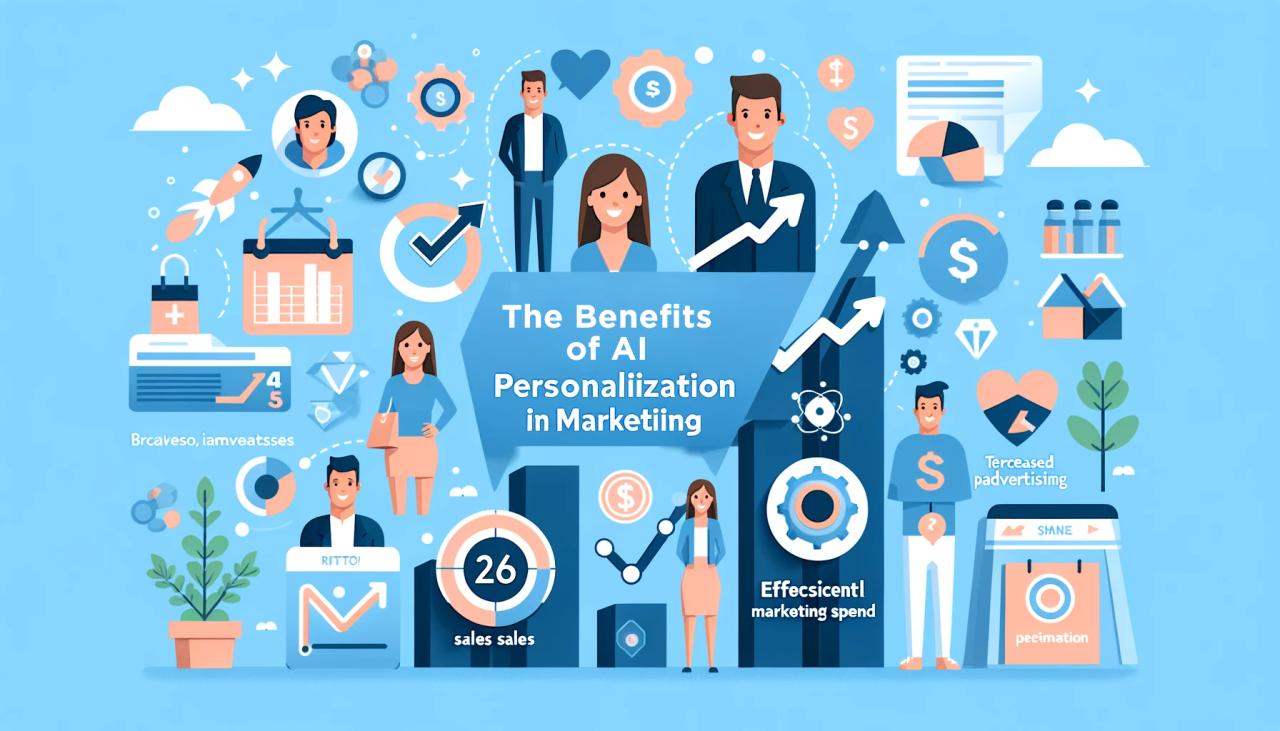
Accurately assessing the success of AI-powered personalized marketing campaigns is essential for determining their impact and informing future strategies. Through the use of specific KPIs and metrics, marketers can gain insights into what is working well and where adjustments are necessary. Employing appropriate tools and methods to track performance ensures that insights are data-driven and actionable, fostering continuous improvement in personalization efforts.Understanding and applying effective measurement techniques allows organizations to optimize their marketing initiatives, enhance customer engagement, and ultimately achieve better ROI.
The following Artikels key performance indicators, tools, and analytical approaches vital for evaluating AI-driven marketing success.
Key Performance Indicators and Metrics
A comprehensive evaluation of personalized marketing campaigns requires a focus on metrics that reflect customer engagement, satisfaction, and business outcomes. These metrics should align with campaign goals and provide quantifiable insights into effectiveness.
- Click-Through Rate (CTR): Measures the percentage of users who click on a personalized element, such as an email link or advertisement, indicating relevance and interest.
- Conversion Rate: Tracks the proportion of users who complete a desired action, such as making a purchase or signing up for a service, demonstrating the campaign’s ability to drive tangible results.
- Customer Engagement Metrics: Includes time spent on website, pages per session, and interaction with personalized content, reflecting how effectively the personalization captures attention.
- Customer Lifetime Value (CLV): Estimates the total revenue generated from a customer over their relationship with the business, highlighting long-term campaign effectiveness.
- Return on Investment (ROI): Calculates the financial return relative to campaign costs, providing an overarching measure of success.
- Churn Rate: Monitors the rate at which customers unsubscribe or stop engaging, informing improvements to retention strategies.
Tools and Methods for Tracking Performance
Utilizing advanced tools and methodologies enables precise measurement of AI-driven marketing efforts. These solutions facilitate real-time data collection and comprehensive analysis.
Some of the most effective tools and methods include:
- Analytics Platforms: Platforms like Google Analytics, Adobe Analytics, or specialized AI analytics tools provide detailed insights into user behavior, attribution, and campaign performance.
- Customer Data Platforms (CDPs): Integrate data from multiple sources to create unified customer profiles, enabling more accurate measurement of personalized interactions.
- AI and Machine Learning Dashboards: Many AI solutions include built-in dashboards that visualize KPIs such as engagement rates, conversion metrics, and predictive analytics, simplifying performance monitoring.
- A/B Testing Tools: Frameworks such as Optimizely or VWO allow marketers to compare different personalization strategies, measuring which approach yields better results.
- Attribution Modeling: Advanced attribution models assign credit to various touchpoints within the customer journey, elucidating the contribution of AI personalization efforts.
Organizing and Interpreting Results for Continuous Improvement
To effectively utilize performance data, organizations must systematically analyze and interpret results to inform ongoing optimization. This involves a structured approach to reviewing KPIs, identifying trends, and implementing adjustments.
Key steps include:
- Regular Performance Reviews: Schedule consistent evaluations of campaign metrics to identify patterns, successes, and areas needing refinement.
- Segmentation of Data: Break down results by customer segments, channels, or personalization tactics to understand which strategies are most effective for specific audiences.
- Benchmarking: Compare current performance against historical data or industry standards to gauge relative success and set realistic goals.
- Identifying Correlations: Use statistical analysis to discover relationships between different KPIs, such as how personalization impacts conversion or retention.
- Adjusting Strategies: Based on insights, refine AI models, content, and targeting parameters to enhance personalization precision and campaign outcomes.
- Documenting Lessons Learned: Maintain records of what strategies yielded positive results and which did not, fostering a culture of continuous learning and adaptation.
Effective measurement is an ongoing process that integrates data collection, analysis, and strategic refinement, ensuring that AI personalization remains aligned with business objectives and customer expectations.
Closing Notes
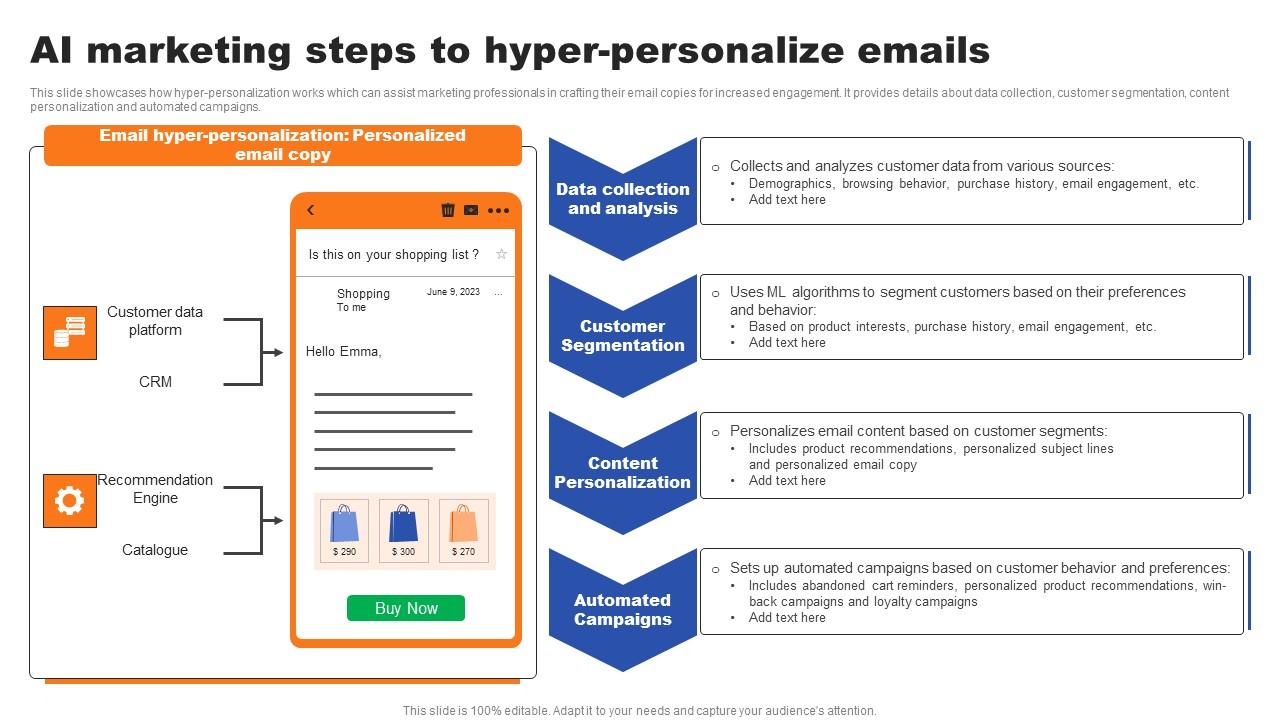
In summary, mastering how to personalize marketing with AI provides a competitive edge in today’s digital landscape. By utilizing data, segmentation, personalized content, and automation responsibly, brands can foster meaningful connections and achieve sustained success with their marketing efforts.